The best Italian spaghetti sauce is crafted with fresh ingredients and a straightforward method that accentuates the rich flavors of tomatoes, herbs, and spices. This guide will teach you how to create a traditional Italian spaghetti sauce from scratch using easily accessible ingredients, ensuring a delectable and authentic taste in every bite. With a few simple steps, you can transform your spaghetti into an Italian classic that delights the palate.
Choosing the Right Ingredients

To create an authentic Italian spaghetti sauce, the quality of your ingredients is paramount. Start with your tomatoes, as they form the base of your sauce. You can choose between high-quality canned San Marzano tomatoes or, if in season, fresh vine-ripened tomatoes. San Marzano tomatoes are renowned for their rich flavor and low acidity, making them a popular choice among chefs.
Additionally, consider incorporating other ingredients such as onions, garlic, and a splash of red wine. These elements not only enhance the taste but also provide a well-rounded flavor experience that is characteristic of traditional Italian cooking.
Preparing the Base
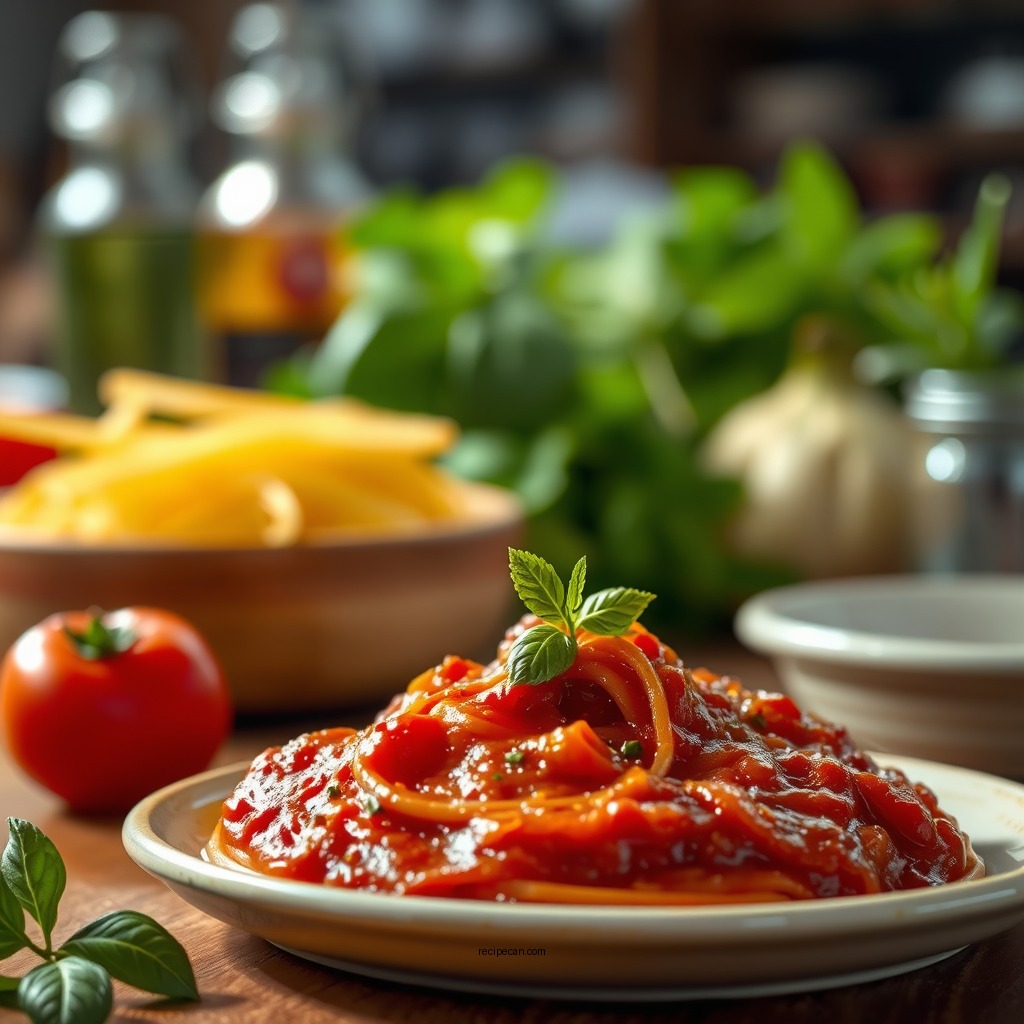
The foundation of your spaghetti sauce begins with a sauté of onions and garlic, which creates a fragrant base. Start by heating a generous amount of extra virgin olive oil in a large saucepan over medium heat. Once the oil shimmers, add finely chopped onions and sauté until they become translucent, about 5-7 minutes. This step is crucial, as the cooked onions will impart a sweetness to the sauce.
Next, add minced garlic and continue to sauté for an additional minute, being careful not to let it burn, as burnt garlic can impart a bitter flavor. The combination of sautéed onions and garlic not only builds a flavor-rich base but also fills your kitchen with an inviting aroma that sets the stage for the sauce to come.
Building Flavor with Spices
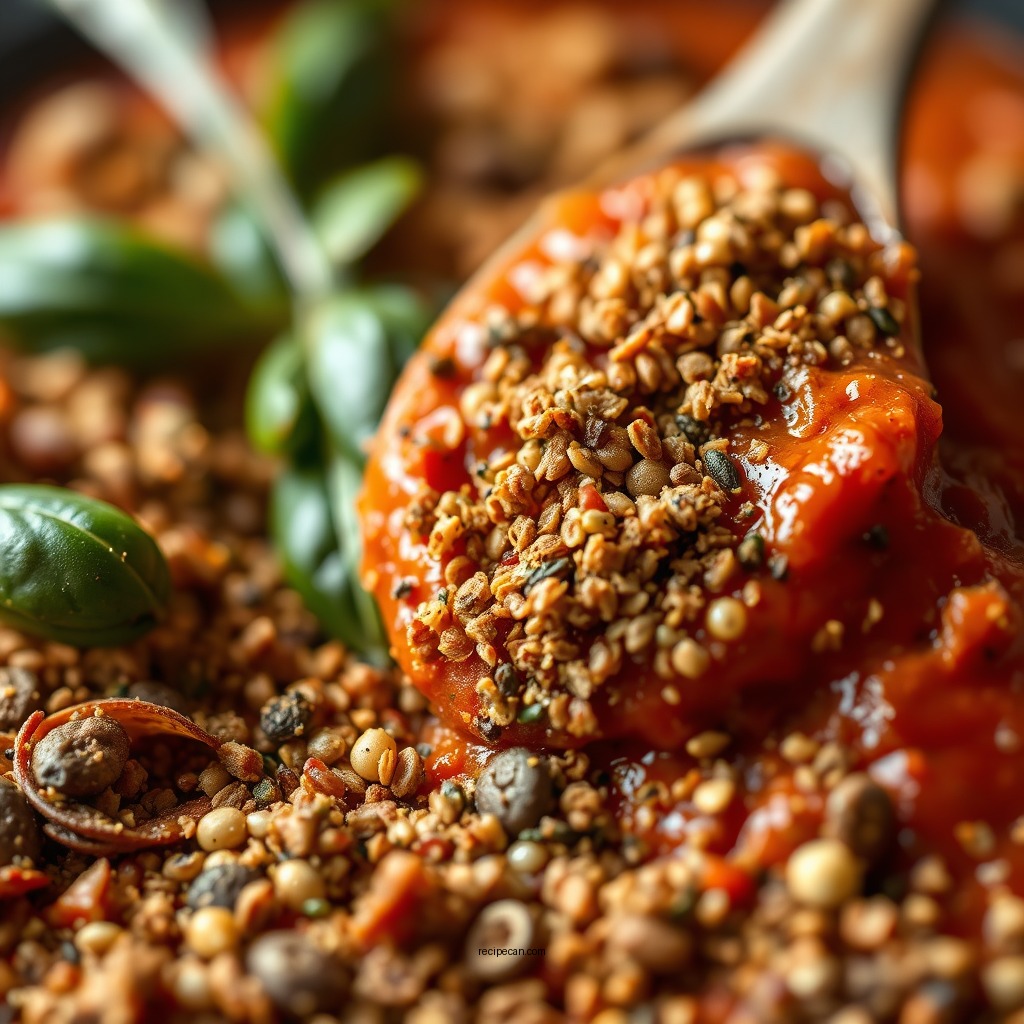
Once your base is ready, it’s time to elevate the flavor profile of your sauce. Start by seasoning with salt and freshly cracked black pepper. A pinch of sugar can also be added to balance the acidity of the tomatoes, enhancing their natural sweetness. Many Italian chefs recommend tasting the sauce as you cook, adjusting the seasoning to achieve the perfect balance.
For those who enjoy a little heat, consider incorporating red pepper flakes. This adds a subtle spiciness that complements the sweetness of the tomatoes and the freshness of the herbs. Remember, the aim is to create a harmonious blend of flavors that will enhance your pasta without overpowering it.
Essential Ingredients for Authentic Italian Spaghetti Sauce
| # | Ingredient | Type | Quality | Availability |
|---|---|---|---|---|
| 1 | San Marzano Tomatoes | Canned/Fresh | High | Year-Round |
| 2 | Fresh Basil | Herb | High | Summer |
| 3 | Fresh Oregano | Herb | High | Year-Round |
| 4 | Olive Oil | Oil | High | Year-Round |
| 5 | Garlic | Vegetable | High | Year-Round |
| 6 | Onion | Vegetable | High | Year-Round |
| 7 | Red Pepper Flakes | Spice | Medium | Year-Round |
Simmering the Sauce
After building the flavors, it’s time to let your sauce reach its full potential through simmering. Pour in your tomatoes, whether canned or fresh, and stir to combine with the sautéed base. Bring the mixture to a gentle boil, then reduce the heat and let it simmer for at least 30 minutes, although longer is better for developing deeper flavors.
As the sauce simmers, the flavors will meld together beautifully, resulting in a rich, aromatic sauce. Make sure to stir occasionally to prevent sticking and ensure even cooking. If the sauce becomes too thick, you can add a splash of water or broth to achieve your desired consistency. For those who prefer a smoother sauce, consider using an immersion blender to purée it to your liking.
Cooking Time for Spaghetti Sauce Variations
Customizing Your Sauce
One of the joys of making spaghetti sauce at home is the ability to customize it to your taste. Consider adding ingredients like sautéed mushrooms, roasted bell peppers, or even olives to create a sauce that reflects your preferences. Each addition can bring a unique flavor and texture, making your sauce truly your own.
Furthermore, you can adjust the thickness of the sauce based on your preference. If you prefer a thicker sauce, allow it to simmer longer to reduce the liquid. Conversely, if you like a lighter sauce, adding a bit of broth or water can help achieve that consistency without sacrificing flavor.
Experimenting with different cheese types, such as a sprinkle of pecorino romano or a dollop of ricotta, can also add a delightful richness to the final dish. The beauty of an authentic Italian spaghetti sauce lies in its versatility, allowing you to tailor it to your liking.
Serving Suggestions
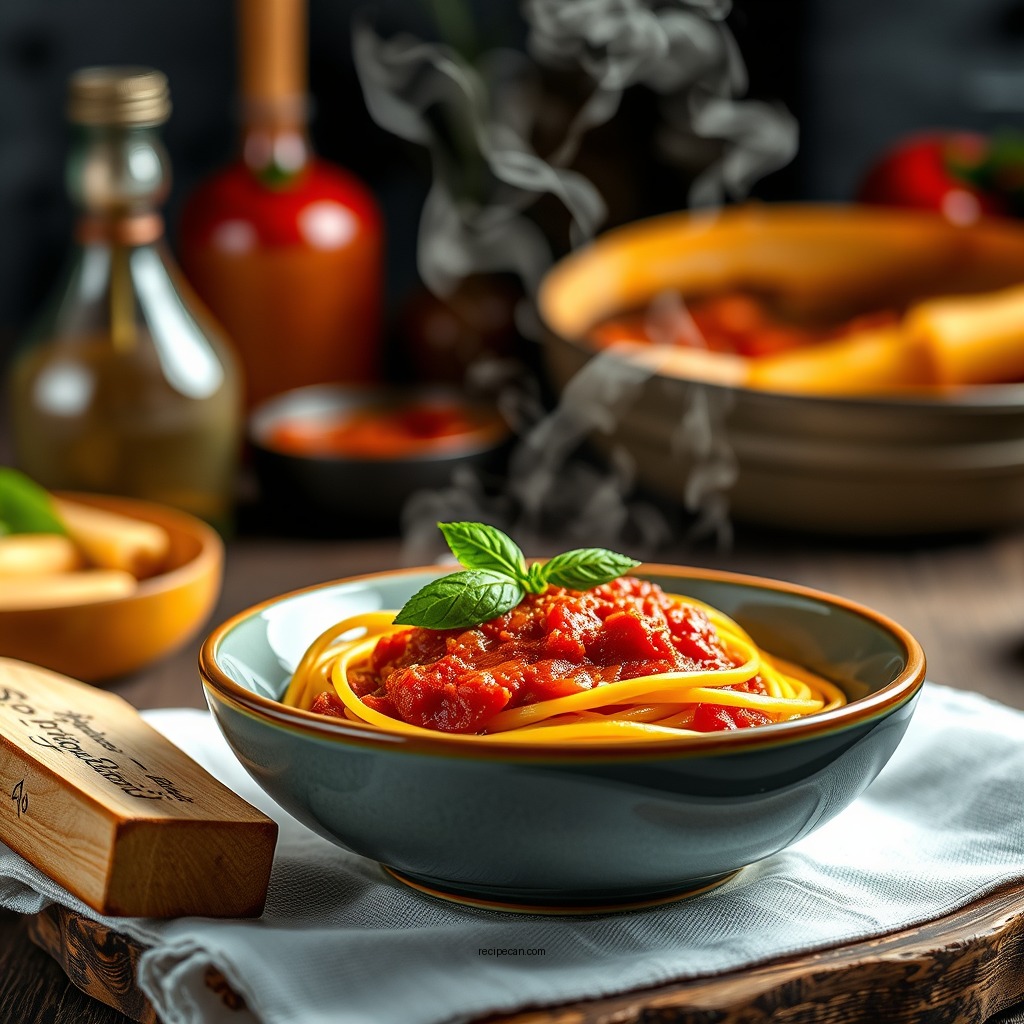
To serve your homemade spaghetti sauce, pair it with al dente spaghetti for a truly classic presentation. Cook your pasta according to package instructions, ensuring it retains a firm bite. Once drained, toss the pasta in the sauce to ensure even coating, allowing the flavors to meld seamlessly.
For a gourmet touch, consider topping your dish with freshly grated Parmesan cheese and a sprinkle of chopped fresh basil. This not only enhances the flavor but also adds visual appeal. Additionally, a drizzle of high-quality extra virgin olive oil just before serving can elevate the dish even further.
Consider pairing your spaghetti with a side salad and garlic bread for a complete meal that will impress family and friends alike.
In summary, the right Italian spaghetti sauce can elevate your pasta dishes and impress your family and friends. By following these steps and using quality ingredients, you can create a delicious sauce that rivals any Italian restaurant. Try it out tonight and enjoy a taste of Italy right at home!
Frequently Asked Questions
What ingredients do I need for a traditional Italian spaghetti sauce recipe?
A traditional Italian spaghetti sauce recipe typically includes ripe tomatoes, garlic, olive oil, fresh basil, and a pinch of salt. You may also want to add onions, red pepper flakes for heat, or even ground meat for a hearty variation. Using high-quality, fresh ingredients is key to achieving an authentic flavor.
How long should I simmer my spaghetti sauce for the best flavor?
For the best flavor, you should simmer your spaghetti sauce for at least 30 minutes to an hour. This allows the ingredients to meld together and enhances the sauce’s richness. If you have the time, simmering for several hours can develop even deeper flavors, making your sauce taste like it’s been cooked all day.
Why does my spaghetti sauce taste bland, and how can I improve it?
A bland spaghetti sauce can be improved by adjusting the seasoning and enhancing the flavor profile. Make sure to use enough salt, and consider adding freshly cracked black pepper, a splash of red wine, or a hint of sugar to balance acidity. Fresh herbs, like basil or oregano, and a drizzle of good olive oil just before serving can also elevate the taste.
What is the best type of tomatoes to use for homemade spaghetti sauce?
The best type of tomatoes for homemade spaghetti sauce are San Marzano tomatoes, known for their sweet flavor and low acidity. If fresh tomatoes are in season, vine-ripened Roma tomatoes can also work well. For convenience, canned whole or crushed tomatoes can provide excellent results with consistent quality.
Which pasta should I pair with my spaghetti sauce for an authentic Italian meal?
While the name “spaghetti sauce” suggests spaghetti, you can pair your sauce with various types of pasta for an authentic Italian meal. Fettuccine, penne, or even bucatini are excellent choices that can hold the sauce well. Ultimately, the best pairing depends on personal preference, but traditional spaghetti remains a classic favorite.
References
- Tomato sauce
https://en.wikipedia.org/wiki/Spaghetti_sauce - https://www.sciencedirect.com/science/article/pii/S2211905315001028
https://www.sciencedirect.com/science/article/pii/S2211905315001028 - Bacon Scallion Cream Sauce Recipe
https://www.nytimes.com/recipes/1016161/spaghetti-sauce.html - https://www.foodnetwork.com/recipes/articles/50-pasta-sauces
https://www.foodnetwork.com/recipes/articles/50-pasta-sauces - Google Scholar Google Scholar
https://scholar.google.com/scholar?q=italian+spaghetti+sauce+recipe - Google Scholar Google Scholar
https://scholar.google.com/scholar?q=authentic+italian+spaghetti+sauce - https://scholar.google.com/scholar?q=history+of+spaghetti+sauce Google Scholar
https://scholar.google.com/scholar?q=history+of+spaghetti+sauce - https://www.britannica.com/topic/spaghetti-sauce
https://www.britannica.com/topic/spaghetti-sauce - italian spaghetti sauce recipe – Search results
https://en.wikipedia.org/wiki/Special:Search?search=italian+spaghetti+sauce+recipe - https://www.ncbi.nlm.nih.gov/search/research-articles/?term=italian+spaghetti+sauce+recipe
https://www.ncbi.nlm.nih.gov/search/research-articles/?term=italian+spaghetti+sauce+recipe