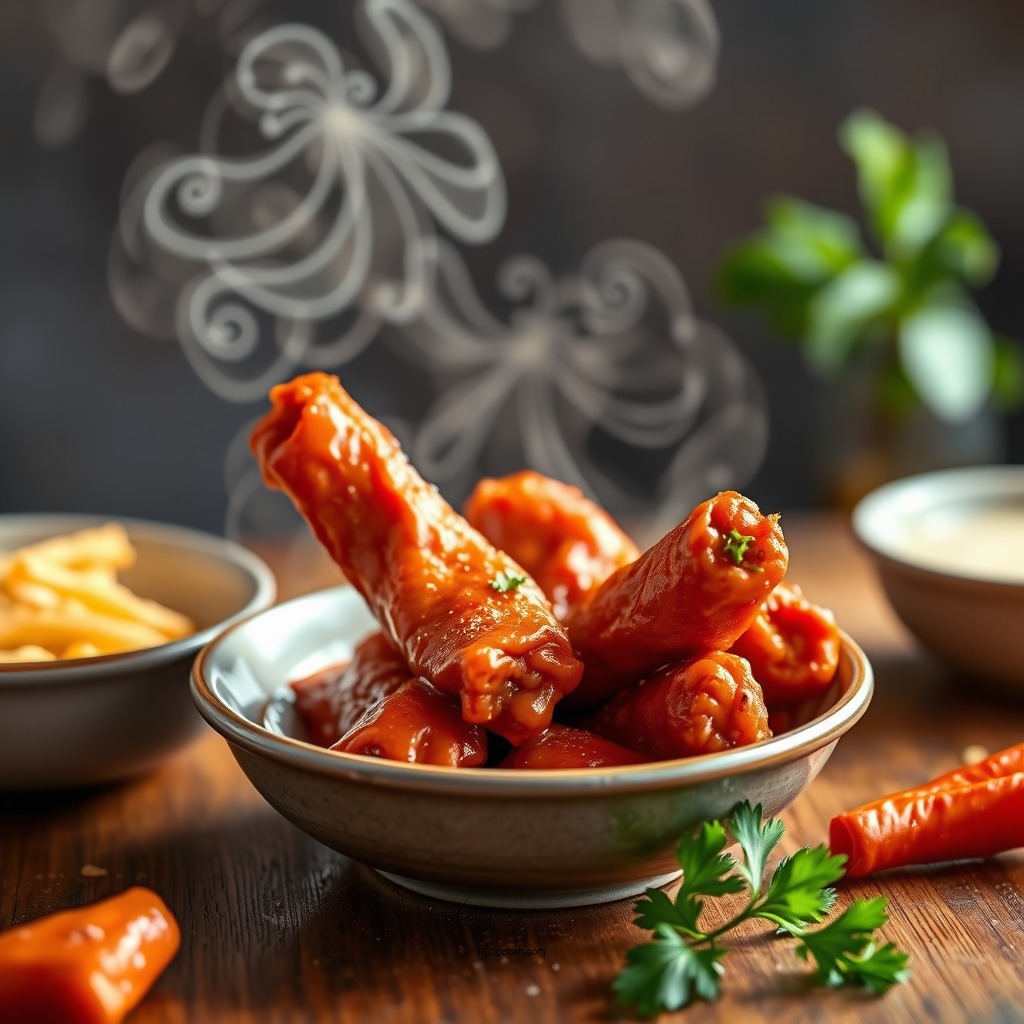
If you want to make delicious hot wing sauce at home, start with a simple mix of hot sauce, butter, and a few spices. This easy recipe allows you to customize the heat and flavor to your liking, ensuring your wings are perfectly spicy every time. In this article, you’ll learn how to whip up this classic sauce, plus tips for enhancing its flavor.
Creating your hot wing sauce from scratch is not only straightforward but also a rewarding way to elevate your culinary skills. With a few basic ingredients and some simple steps, you can tailor the sauce to fit your taste preferences, whether you love mild, tangy wings or crave intense heat. This guide will take you through the essential components of the sauce, the preparation process, customization options, cooking tips, serving suggestions, and how to store any leftover sauce.
The Essential Ingredients
To make a standout hot wing sauce, you’ll need a handful of key ingredients that work harmoniously to create a balanced flavor profile:
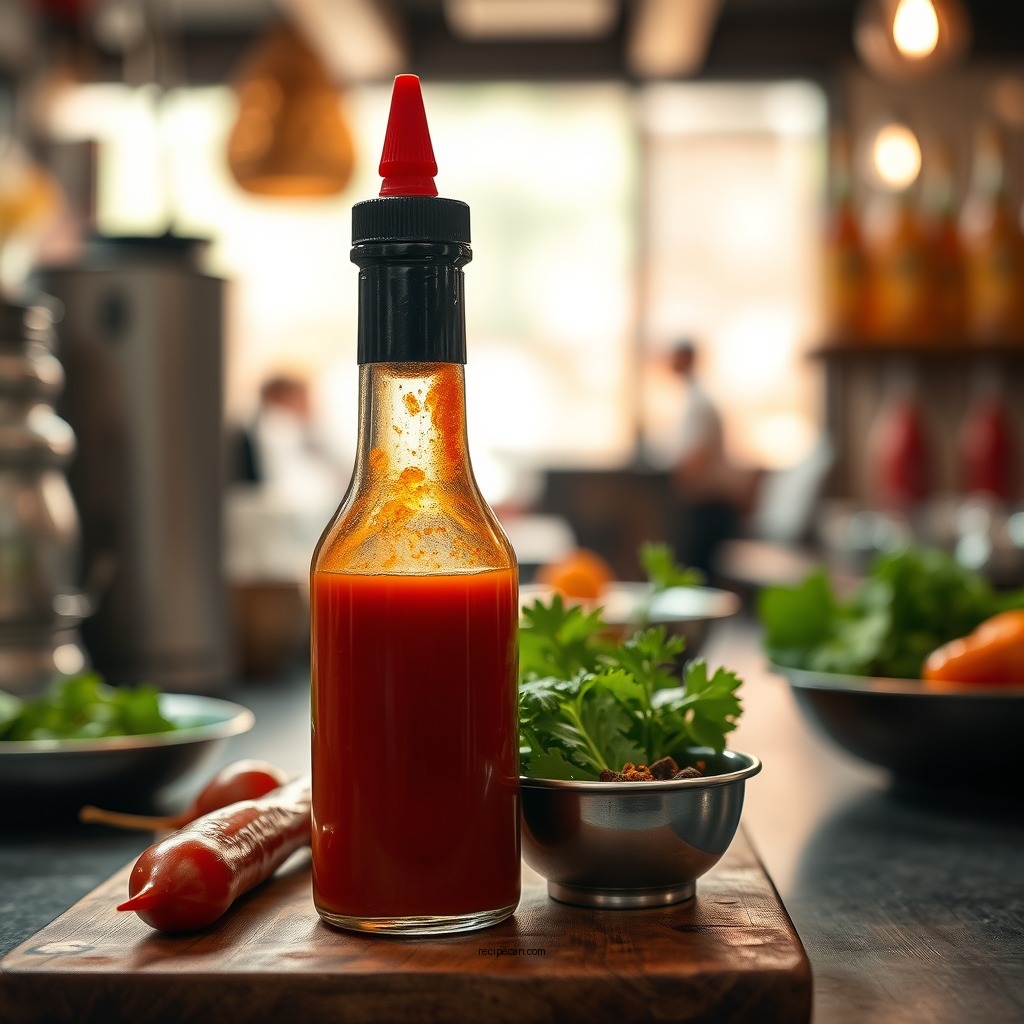
– Hot Sauce: The foundation of your wing sauce. While many brands are available, popular choices include Frank’s RedHot, Texas Pete, and Sriracha. Each brand offers a unique flavor, so select one that aligns with your taste.
– Butter: This ingredient adds a rich, creamy texture, helping to mellow the heat of the hot sauce while enhancing its flavor. Unsalted butter is often recommended, as it allows you to control the saltiness of your sauce.
– Vinegar: A splash of vinegar, such as white or apple cider, enhances the tanginess of the sauce. This acidity helps cut through the richness of the butter and balances the heat from the hot sauce.
Step-by-Step Sauce Preparation
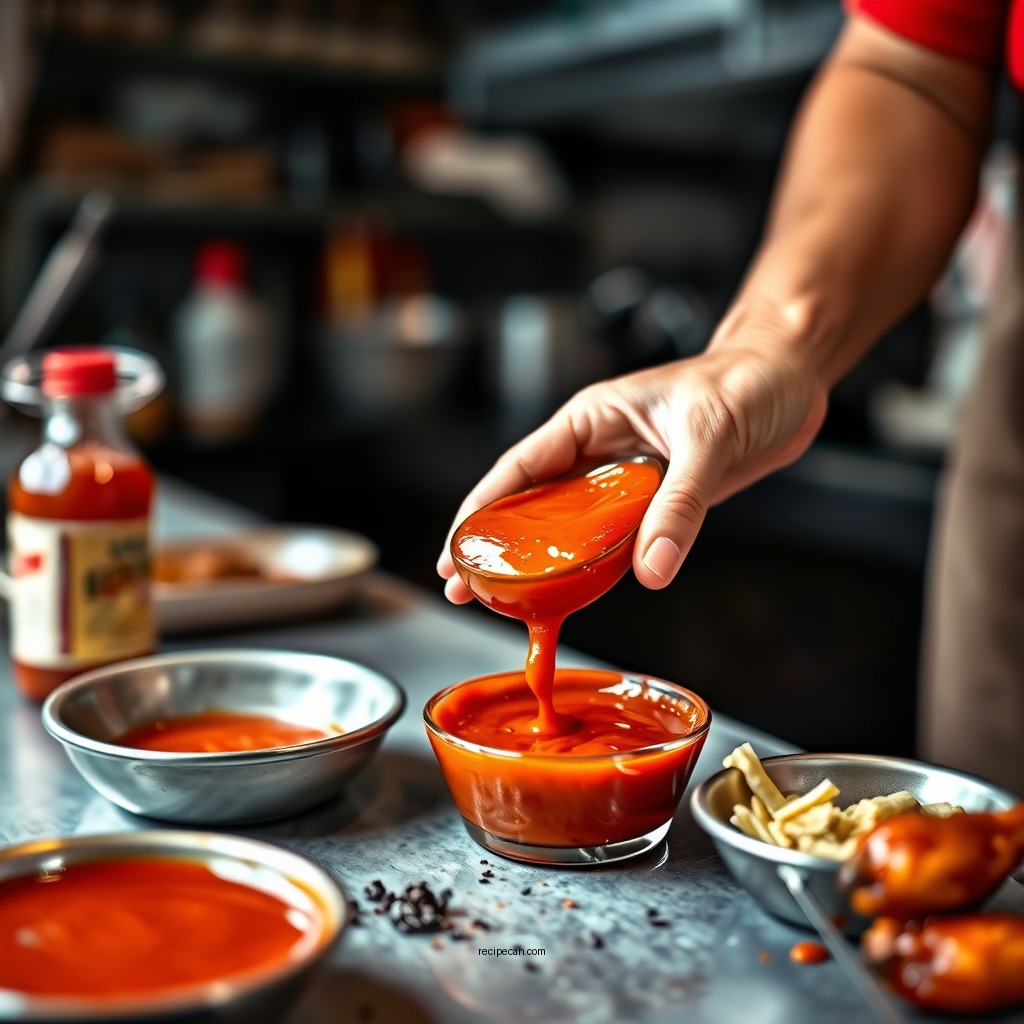
Making hot wing sauce is a quick and straightforward process. Follow these steps to ensure a delicious result:
1. Melt Butter: In a saucepan, melt 1/2 cup of butter over low heat. Be careful not to let it brown.
2. Combine Ingredients: Stir in 1 cup of your chosen hot sauce and 1 tablespoon of vinegar until well blended. Mix thoroughly to ensure the ingredients are fully incorporated.
3. Adjust the Heat: Taste your sauce, and if you desire more heat, incorporate additional spices like cayenne pepper or crushed red pepper flakes to reach your preferred spice level.
This basic recipe serves as a great foundation, allowing you to build upon it with your unique flavor twists.
Customizing Your Sauce
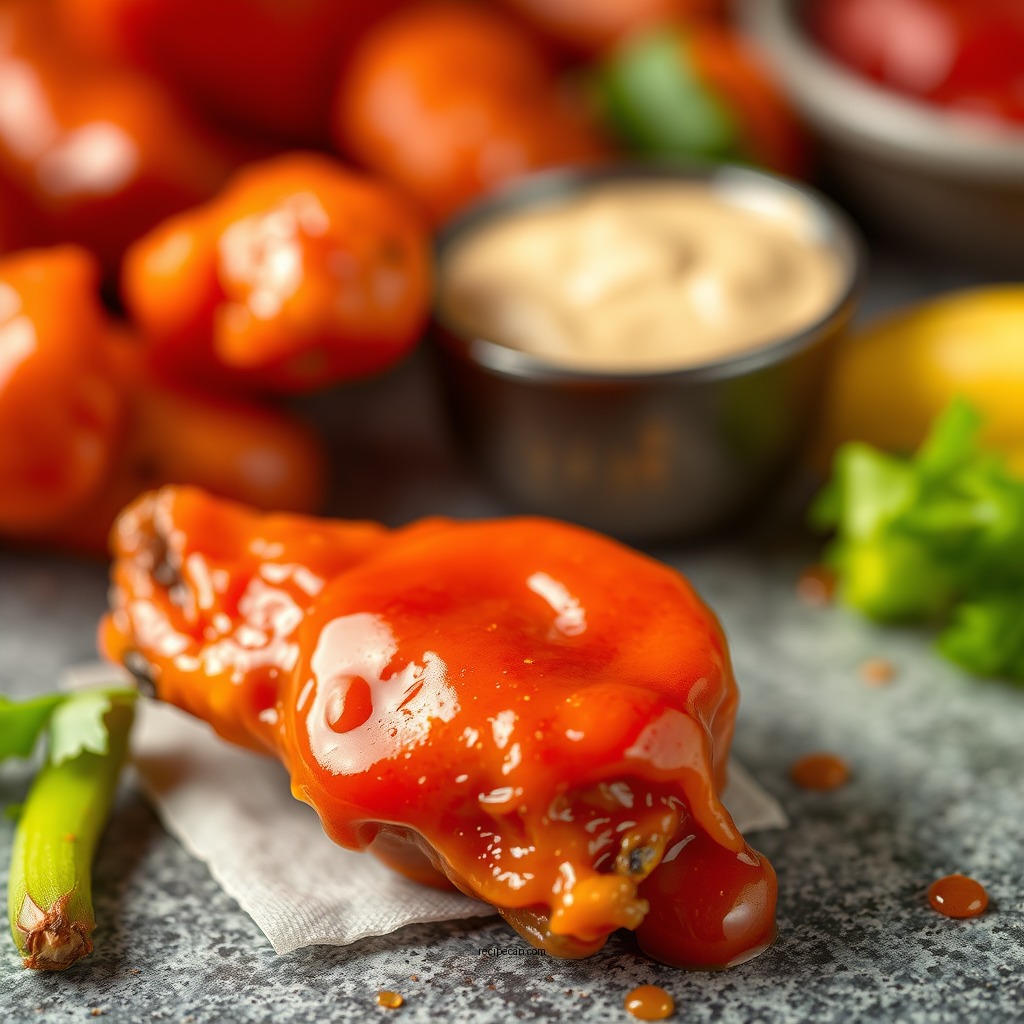
The beauty of making your hot wing sauce lies in its versatility. Here are some ways you can customize the flavor:
– Add Garlic Powder: For a savory kick, mix in 1/2 teaspoon of garlic powder. This will add depth and enhance the overall flavor.
– Incorporate Cayenne Pepper: If you’re looking for extra heat, include 1/4 teaspoon of cayenne pepper. Adjust according to your heat tolerance.
– Experiment with Sweeteners: For sweetness, consider adding 1 tablespoon of honey or brown sugar to balance the spicy and tangy notes. This addition will create a complex flavor that many enjoy.
These adjustments allow you to cater the sauce to your palate, making it uniquely yours.
Top 7 Hot Sauce Brands for Wing Recipes (2024)
| # | Brand | Flavor Profile | Heat Level | Best Use |
|---|---|---|---|---|
| 1 | Frank’s RedHot | Tangy & Vinegary | Medium | Wings |
| 2 | Texas Pete | Savory & Spicy | Medium | BBQ |
| 3 | Sriracha | Garlicky & Sweet | Low | Asian Dishes |
| 4 | Crystal Hot Sauce | Mild & Tangy | Low | Everyday Use |
| 5 | Cholula | Spicy & Flavorful | Medium | Tacos |
| 6 | Tabasco | Classic & Vinegary | High | Cajun Dishes |
| 7 | Louisiana Hot Sauce | Rich & Spicy | Medium | Wings |
Cooking Tips for Perfect Wings
To achieve the best results with your wings, consider the following cooking tips:
– Cooking Method: You can either bake or fry your wings. Baking is a healthier option, while frying gives you that classic crispy texture. Bake wings at 425°F for 40-45 minutes, flipping halfway through, or fry them in oil at 350°F for 10-12 minutes until golden brown.
– Sauce Application: Toss your wings in hot wing sauce immediately after cooking. The heat from the wings will help the sauce adhere better, ensuring each wing is coated thoroughly.
– Rest Period: Allow your wings to rest for a few minutes after tossing them in the sauce. This will give the flavors a chance to meld and the wings a moment to absorb the sauce.
These tips will help you deliver perfectly cooked, flavorful wings that are sure to impress your guests.
Cooking Methods for Wings: Time & Temperature
Serving Suggestions
To create an unforgettable wing experience, consider these serving suggestions:
– Classic Pairings: Serve your hot wings with celery sticks and blue cheese dressing. The coolness of the dressing complements the heat of the wings beautifully.
– Dipping Sauce Variety: Offer a range of dipping sauces, such as ranch dressing, honey mustard, or a spicy aioli, to provide guests with options.
– Side Dishes: Enhance your meal with sides like French fries, onion rings, or a fresh garden salad. These can balance the richness of the wings and provide a complete dining experience.
These serving ideas will not only enhance the flavor but also the presentation of your wing dish, making it a hit at any gathering.
Storing Leftover Sauce
If you happen to have leftover hot wing sauce, here’s how to store it properly:
– Storage: Place the sauce in an airtight container and store it in the refrigerator. It will remain fresh for up to one week.
– Reheating: When you’re ready to use it again, gently reheat the sauce on the stove over low heat or in the microwave. Stir well to ensure even heating.
– Marinade Use: Leftover sauce can also be used as a marinade for grilled meats. Simply coat your protein of choice and let it marinate for a few hours before cooking.
By following these storage tips, you can make the most of your homemade hot wing sauce.
Creating your own hot wing sauce is a rewarding process that allows for creativity and personalization. With just a few ingredients, you can make a sauce that suits your taste perfectly. Whether you enjoy wings for game day, parties, or a casual dinner, this easy hot wing sauce recipe will elevate your culinary game. So gather your ingredients and start experimenting with flavors—your taste buds will thank you!
Frequently Asked Questions
What are the essential ingredients for a homemade hot wing sauce recipe?
A classic homemade hot wing sauce typically includes hot sauce, butter, vinegar, garlic powder, and cayenne pepper. The hot sauce provides the primary heat, while butter adds richness and balances the spice. You can also customize your sauce by adding ingredients like honey for sweetness or Worcestershire sauce for depth.
How can I make my hot wing sauce spicier without compromising flavor?
To increase the spiciness of your hot wing sauce, you can add more hot sauce or include additional ingredients like crushed red pepper flakes or fresh minced jalapeños. Another effective method is to incorporate a spicy chili powder or some habanero sauce, ensuring you taste as you go to maintain the desired flavor balance.
Why is butter an important component in hot wing sauce?
Butter plays a crucial role in hot wing sauce by providing a smooth, creamy texture that helps to mellow the heat from the hot sauce. It also enhances the flavor profile, making the sauce richer and more enjoyable. Additionally, butter helps the sauce adhere better to the wings, ensuring a delicious coating.
What is the best hot sauce to use for making wing sauce?
The best hot sauce for making wing sauce often depends on your heat tolerance and flavor preference. Popular choices include Frank’s RedHot for its classic flavor, Crystal Hot Sauce for a milder taste, or Louisiana Hot Sauce for a tangy kick. Experimenting with different brands can help you find the perfect sauce for your homemade recipe.
Which cooking method works best for crispy wings with hot wing sauce?
Baking or frying are the best cooking methods for achieving crispy wings. Frying in hot oil creates a crunchy exterior, while baking wings at a high temperature allows the skin to crisp up without excess oil. Whichever method you choose, tossing the cooked wings in hot wing sauce right before serving ensures maximum flavor and texture.
References
- Hot sauce
https://en.wikipedia.org/wiki/Hot_sauce - https://www.ncbi.nlm.nih.gov/pmc/articles/PMC6445641/
https://www.ncbi.nlm.nih.gov/pmc/articles/PMC6445641/ - https://www.sciencedirect.com/topics/agricultural-and-biological-sciences/hot-pepper
https://www.sciencedirect.com/topics/agricultural-and-biological-sciences/hot-pepper - https://www.bbc.com/food/recipes/wings_with_hot_sauce_84980
https://www.bbc.com/food/recipes/wings_with_hot_sauce_84980 - https://www.nytimes.com/2021/01/27/dining/hot-sauce-recipe.html
https://www.nytimes.com/2021/01/27/dining/hot-sauce-recipe.html - Reactive hypoglycemia: What causes it? – Mayo Clinic
https://www.mayoclinic.org/healthy-lifestyle/nutrition-and-healthy-eating/expert-answers/hot-sauce/faq-20057778 - https://www.britannica.com/topic/hot-sauce
https://www.britannica.com/topic/hot-sauce - Google Scholar Google Scholar
https://scholar.google.com/scholar?q=hot+wing+sauce+recipe - Google Scholar Google Scholar
https://scholar.google.com/scholar?q=hot+sauce+health+effects - Google Scholar Google Scholar
https://scholar.google.com/scholar?q=spicy+food+recipe+health+benefits