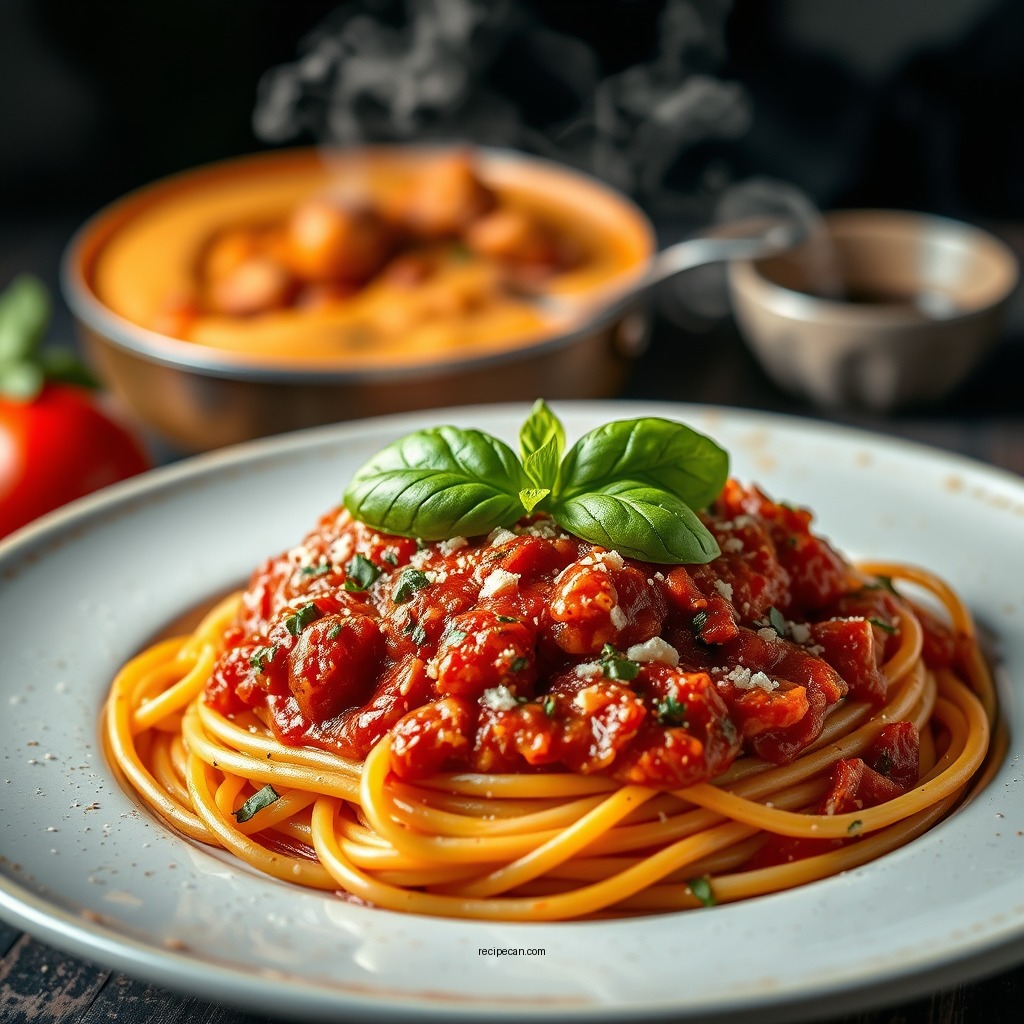
Discover the best spaghetti sauce recipe that is both simple and delicious, guaranteed to elevate your pasta dishes. This guide will walk you through the essential ingredients and steps to create a rich, flavorful sauce that will impress family and friends alike. With just a few key components and straightforward techniques, you can create a sauce that rivals any Italian restaurant, making any pasta night a memorable occasion.
Key Ingredients for the Perfect Spaghetti Sauce
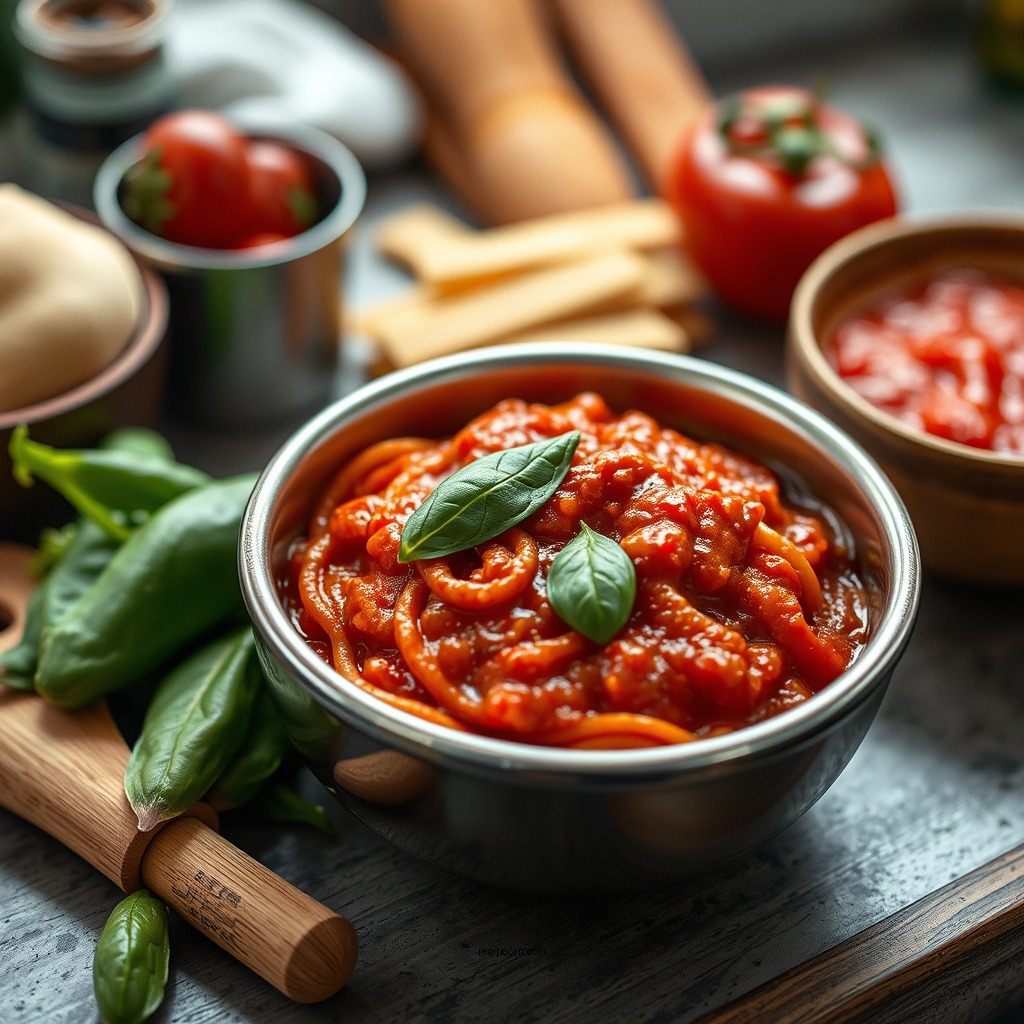
The foundation of a great spaghetti sauce lies in its ingredients. Choosing quality components not only enhances the flavor but also contributes to the overall healthiness of the dish.
– Fresh Tomatoes or High-Quality Canned Tomatoes: Opt for ripe tomatoes when in season, or select high-quality canned San Marzano tomatoes for a robust flavor. These tomatoes are naturally sweet and have a low acidity, making them perfect for sauces.
– Onions and Garlic: These aromatics are essential for building flavor. Use yellow onions for sweetness and fresh garlic for that signature aroma.
– Herbs: Fresh basil and oregano are staples in Italian cuisine. They add a fragrant and earthy quality to the sauce. Dried herbs can be used in a pinch, but fresh will provide a brighter taste.
– Olive Oil: A good-quality extra virgin olive oil not only serves as a base for sautéing but also adds richness and depth.
– Salt and Pepper: Essential for seasoning, don’t forget to adjust according to your taste as the sauce simmers.
Incorporating these ingredients will set the stage for a sauce that is not only flavorful but also authentic to Italian culinary traditions.
Essential Cooking Techniques
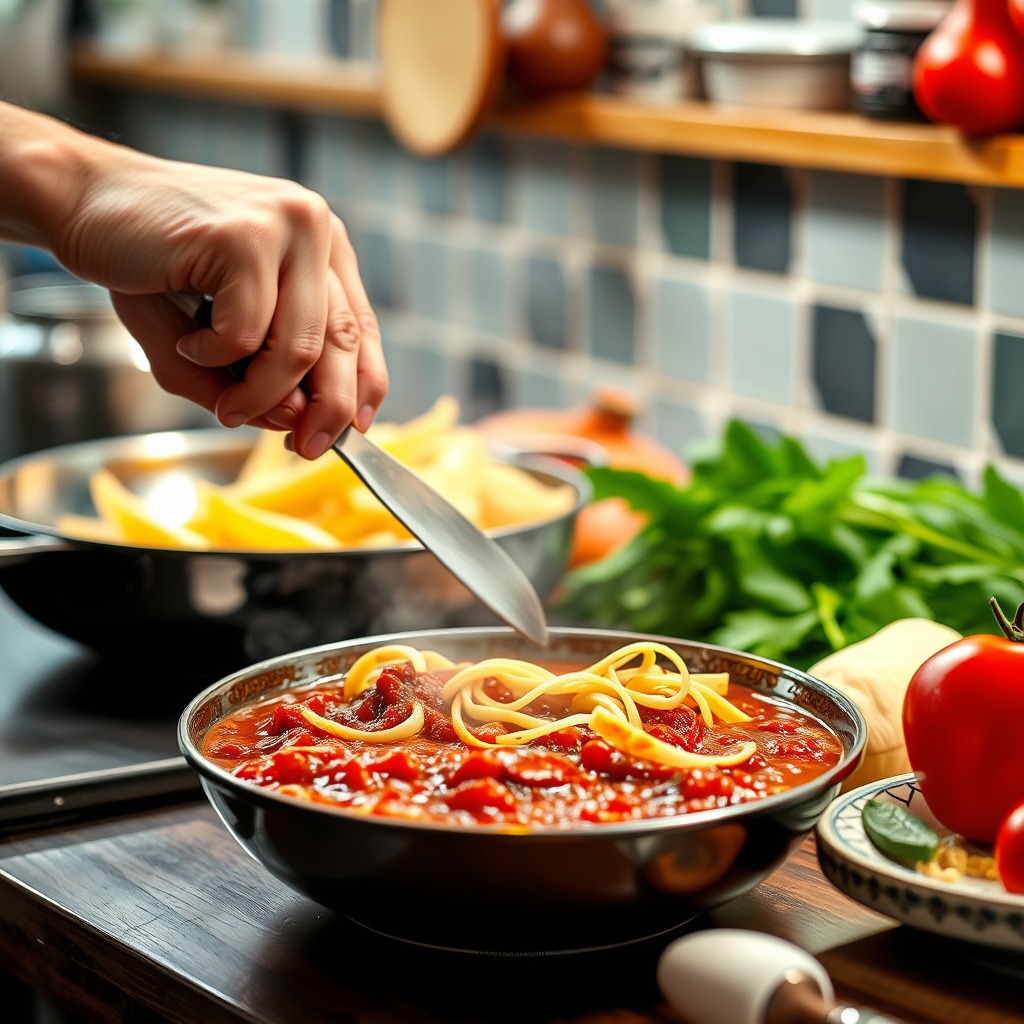
Cooking techniques play a crucial role in developing the flavor profile of your spaghetti sauce. Here are some key methods to consider:
– Sautéing: Begin by heating olive oil in a pan and adding chopped onions. Sauté them until they become translucent, then add minced garlic. This technique releases their natural oils and creates a flavorful base for your sauce.
– Deglazing: If you notice any bits sticking to the pan, consider adding a splash of red wine or broth to deglaze the pan. This adds complexity to the sauce.
– Simmering: Once you add the tomatoes, allow the sauce to simmer gently for at least 30 minutes. This step is crucial, as it allows the flavors to meld beautifully. Stir occasionally to prevent sticking and ensure even cooking.
– Finishing Touches: In the last few minutes of cooking, add fresh herbs and adjust seasoning. A splash of balsamic vinegar can also enhance the sauce’s sweetness while balancing acidity.
Variations to Enhance Your Sauce
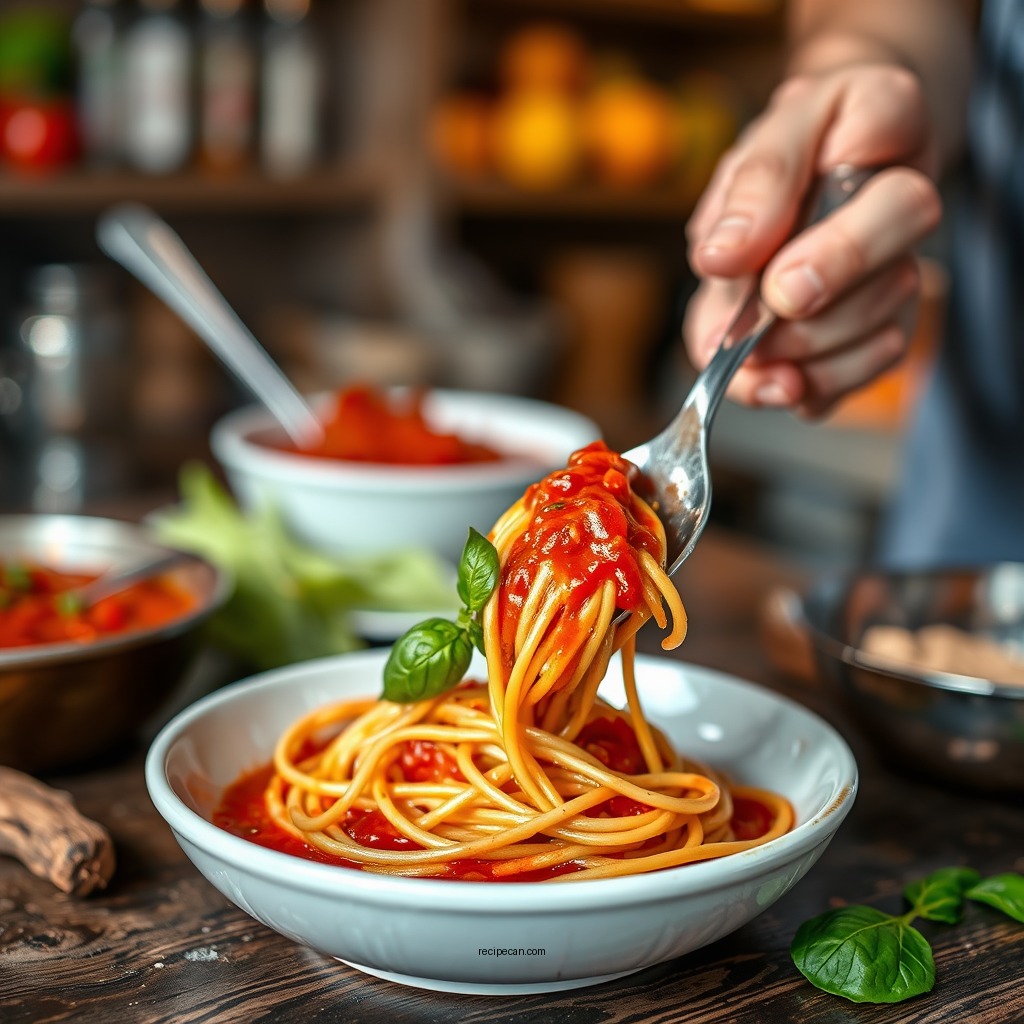
While the classic spaghetti sauce is delightful on its own, variations can take it to the next level. Here are some ideas:
– Meat Sauce: Adding ground beef, pork, or turkey can create a heartier sauce. Brown the meat after sautéing the onions and garlic before adding the tomatoes.
– Vegetarian Options: For a meatless version, consider adding finely chopped mushrooms, zucchini, or bell peppers. These vegetables not only add texture but also absorb the sauce’s flavors.
– Spices: To introduce a bit of heat, consider adding red pepper flakes. A bay leaf or two can also add depth to the flavor profile during simmering.
– Creamy Variants: For a creamy sauce, introduce heavy cream or ricotta cheese towards the end of cooking. This creates a rich, luxurious texture that pairs well with pasta.
Top 7 Ingredients for Spaghetti Sauce (2023)
| # | Ingredient | Quality Rating | Health Benefits | Flavor Profile |
|---|---|---|---|---|
| 1 | Fresh Tomatoes | ★★★★☆ | High in Vitamin C | Sweet and Tangy |
| 2 | Onions | ★★★★☆ | Antioxidants | Savory and Sweet |
| 3 | Garlic | ★★★★★ | Boosts Immune System | Pungent and Earthy |
| 4 | Olive Oil | ★★★★☆ | Heart-Healthy Fats | Rich and Fruity |
| 5 | Basil | ★★★★★ | Anti-inflammatory | Sweet and Fragrant |
| 6 | Oregano | ★★★★☆ | Rich in Antioxidants | Earthy and Savory |
| 7 | Red Pepper Flakes | ★★★☆☆ | Metabolism Booster | Spicy and Zesty |
Pairing Your Sauce with Pasta
The choice of pasta is just as important as the sauce itself. Here are some tips for pairing your spaghetti sauce with the right pasta:
– Choose the Right Shape: Long noodles like spaghetti or fettuccine are classic choices, but consider using penne or rigatoni, which can hold sauce in their ridges. This results in a more flavorful bite.
– Cooking Techniques: Always cook pasta in a large pot of salted boiling water. Aim for al dente, which means the pasta should have a slight bite to it. This texture holds up better when mixed with sauce.
– Combine with Sauce: For the best flavor, combine the pasta with the sauce in the pan for the last minute of cooking. This allows the pasta to absorb some sauce and enhances the overall dish.
Tips for Storing and Reheating
Leftover spaghetti sauce can be a lifesaver on busy nights. Here’s how to store and reheat it properly:
– Storage: Allow the sauce to cool completely before transferring it to an airtight container. Refrigerate for up to a week, or freeze for longer storage (up to three months).
– Reheating: When ready to use, reheat gently on the stove over low heat. Add a splash of water or olive oil if the sauce has thickened too much during storage. Stir frequently to ensure even heating.
Serving Suggestions
Presentation is key when serving your spaghetti sauce. Here are some serving ideas to impress your guests:
– Garnishing: Top the sauce with freshly grated Parmesan cheese and a sprinkle of chopped fresh herbs such as parsley or basil for a touch of color and flavor.
– Accompaniments: Serve your pasta with warm garlic bread and a refreshing side salad. This not only rounds out the meal but adds a delightful contrast to the rich sauce.
– Wine Pairing: Consider a medium-bodied red wine like Chianti or a light white wine such as Pinot Grigio, which complements the flavors of the sauce beautifully.
Pasta Shapes and Sauce Pairings
Creating the best spaghetti sauce is not only about following a recipe but also about understanding the ingredients and techniques that elevate your dish. By selecting fresh, high-quality components, employing proper cooking methods, and being open to variations, you can craft a sauce that not only enhances your pasta but also impresses anyone who tastes it.
With these insights, you are now equipped to make your spaghetti sauce the best it can be. Enjoy experimenting and savoring each mouthful, transforming your pasta nights into extraordinary culinary experiences. Happy cooking!
Frequently Asked Questions
What are the essential ingredients for the best spaghetti sauce recipe?
The best spaghetti sauce recipe typically includes ripe tomatoes, garlic, onions, olive oil, and fresh herbs like basil and oregano. You can also enhance the flavor with ingredients like red pepper flakes, sugar, and a splash of red wine. Using high-quality ingredients will significantly elevate the taste of your sauce.
How can I make spaghetti sauce from scratch?
To make spaghetti sauce from scratch, start by sautéing chopped onions and garlic in olive oil until they’re fragrant. Add crushed tomatoes and your choice of herbs, then let the sauce simmer for at least 30 minutes to develop rich flavors. Don’t forget to season with salt and pepper to taste, and feel free to customize with ingredients like mushrooms or bell peppers.
Why does my spaghetti sauce taste bland, and how can I improve it?
A bland spaghetti sauce can result from under-seasoning or not allowing the sauce to simmer long enough for flavors to meld. To improve it, try adding more herbs, a splash of vinegar, or a pinch of sugar to balance acidity. Taste as you go and adjust your seasonings gradually to achieve a robust flavor.
What is the best type of tomato to use for spaghetti sauce?
The best type of tomato for spaghetti sauce is San Marzano tomatoes, known for their sweetness and low acidity. Alternatively, you can use Roma tomatoes or any good-quality canned tomatoes, which are often picked at peak ripeness. These tomatoes provide a wonderful base for a rich and flavorful sauce.
Which cooking method is best for preparing spaghetti sauce?
The best cooking method for preparing spaghetti sauce is slow simmering, which allows the flavors to develop and deepen over time. Start by sautéing aromatics, then add your tomatoes and let the mixture simmer gently for at least 30 minutes, stirring occasionally. This method ensures a well-rounded and delicious sauce that pairs perfectly with your pasta.
References
- Tomato sauce
https://en.wikipedia.org/wiki/Spaghetti_sauce - https://www.bbc.com/food/recipes/spaghetti_bolognese_59636
https://www.bbc.com/food/recipes/spaghetti_bolognese_59636 - https://www.nytimes.com/2021/02/19/dining/spaghetti-sauce-recipe.html
https://www.nytimes.com/2021/02/19/dining/spaghetti-sauce-recipe.html - https://www.sciencedirect.com/topics/food-science/spaghetti-sauce
https://www.sciencedirect.com/topics/food-science/spaghetti-sauce - https://www.britannica.com/topic/spaghetti-sauce
https://www.britannica.com/topic/spaghetti-sauce - https://www.cdc.gov/nutrition/food-safety.html
https://www.cdc.gov/nutrition/food-safety.html - Google Scholar Google Scholar
https://scholar.google.com/scholar?q=best+spaghetti+sauce+recipe - Google Scholar Google Scholar
https://scholar.google.com/scholar?q=spaghetti+sauce+recipe+nutrition - Google Scholar Google Scholar
https://scholar.google.com/scholar?q=homemade+spaghetti+sauce - https://www.pubmed.ncbi.nlm.nih.gov/29082783/
https://www.pubmed.ncbi.nlm.nih.gov/29082783/