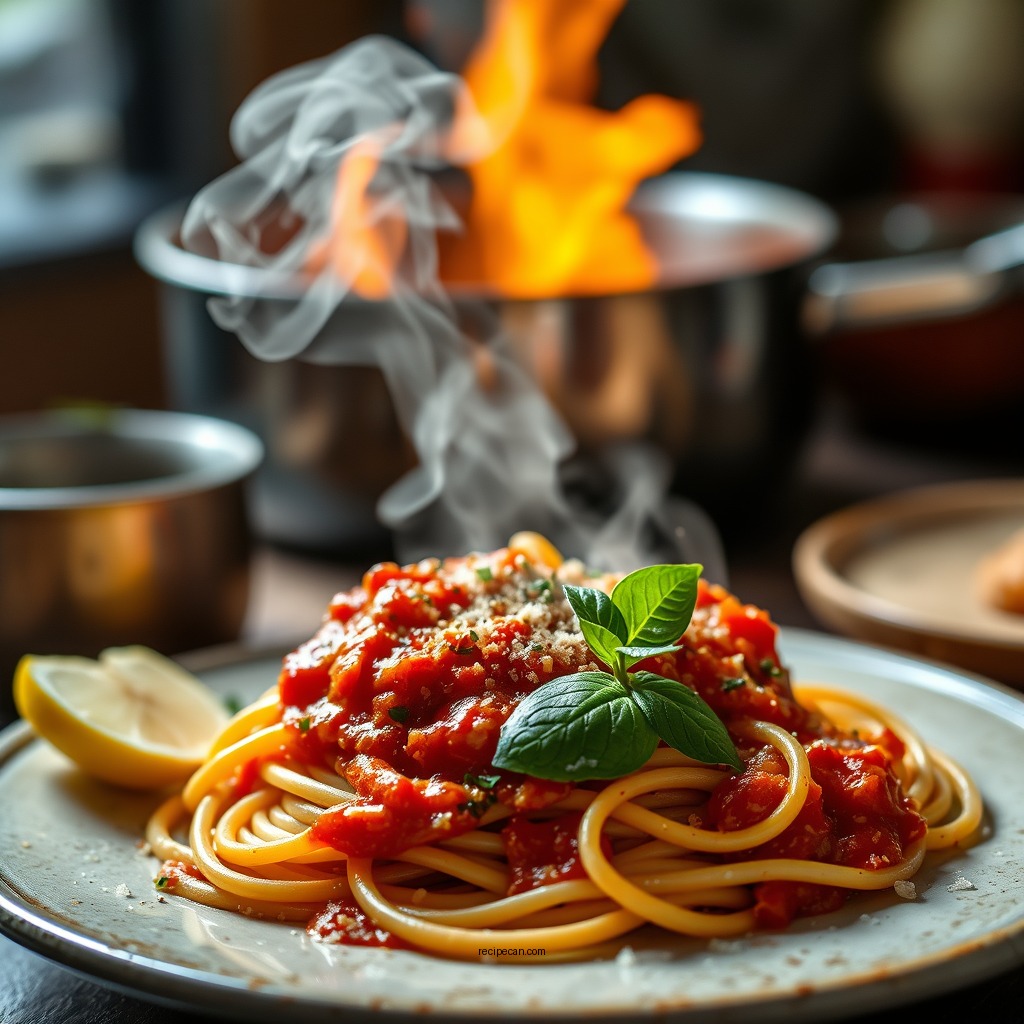
Looking for the perfect spaghetti sauce recipe? You’re in the right place! In this article, you’ll discover a variety of easy and delicious spaghetti sauce recipes that will elevate your pasta dishes to the next level. Whether you prefer classic marinara or a rich meat sauce, we’ve got you covered with simple steps and key ingredients. By the end, you’ll have a repertoire of sauces that can transform a simple pasta dish into a gourmet meal.
Classic Marinara Sauce
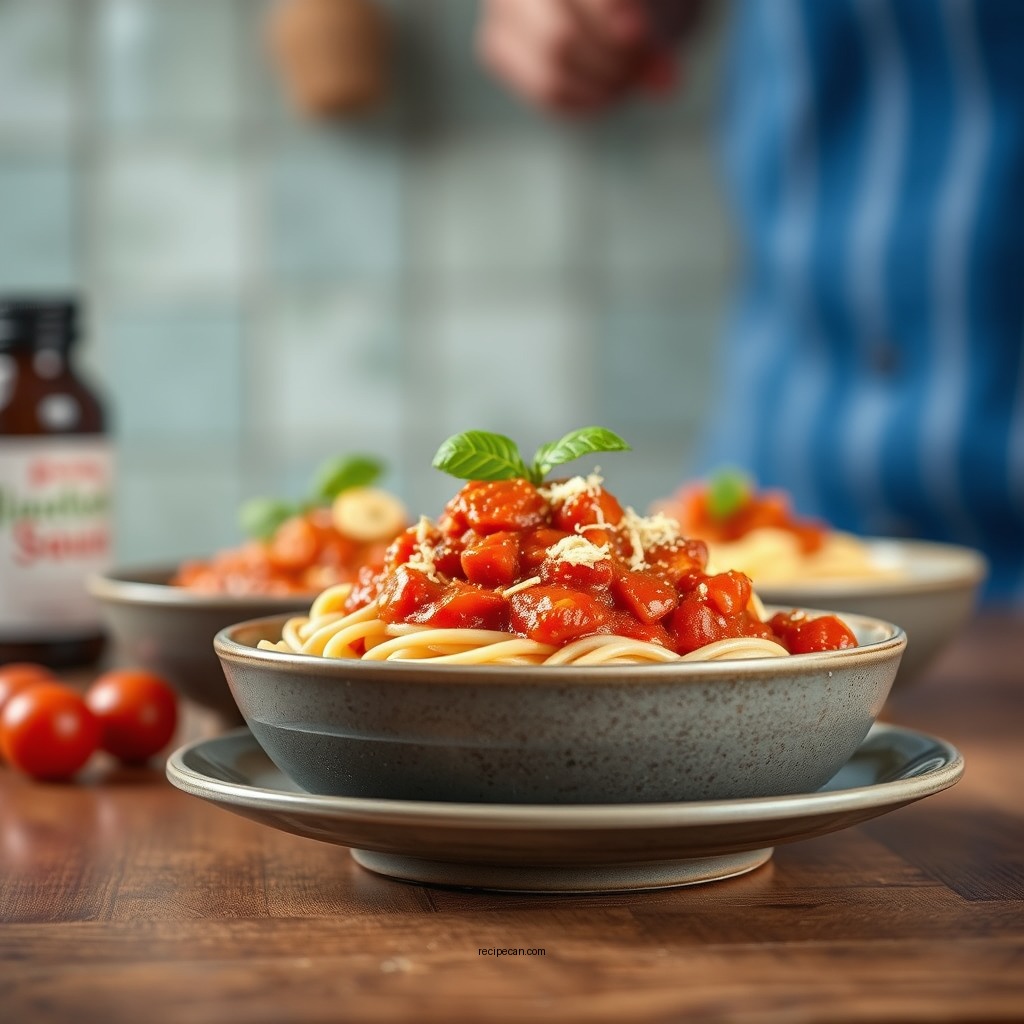
Marinara sauce is a quintessential Italian sauce known for its simplicity and freshness. Made with ripe tomatoes, garlic, onion, and a blend of herbs, this sauce is not only easy to prepare but also packed with flavor.
To create a classic marinara sauce, start by sautéing minced garlic in olive oil until fragrant. Add crushed tomatoes along with salt, pepper, and herbs like basil or oregano. Let the sauce simmer for about 20-30 minutes to allow the flavors to meld beautifully. This sauce is perfect for a quick weekday dinner and serves as an excellent base for other sauces, such as bolognese or arrabbiata.
Key Ingredients:
– Tomatoes: Fresh, canned, or passata can be used.
– Garlic: Essential for flavor.
– Herbs: Basil and oregano enhance the taste.
– Olive Oil: For sautéing and depth of flavor.
Meat Sauce Variations
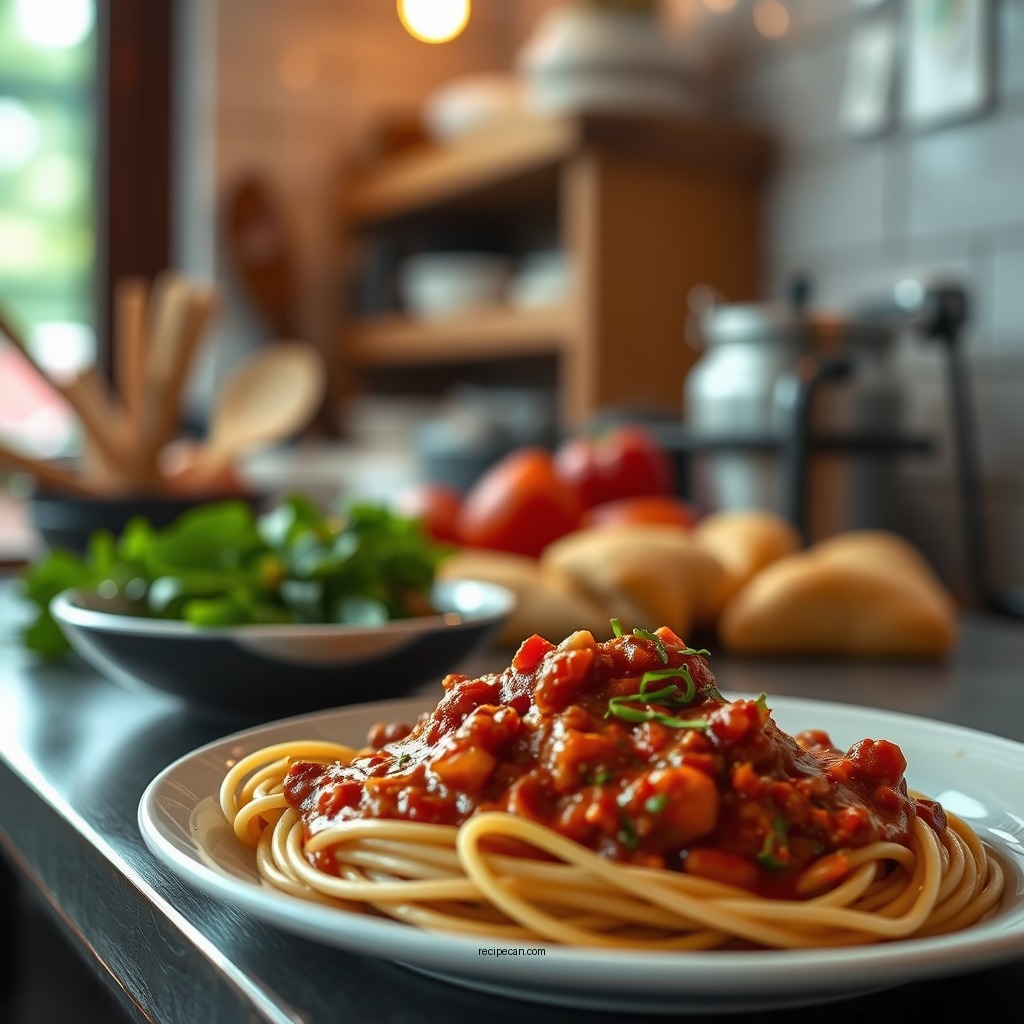
For those who enjoy a heartier spaghetti sauce, meat sauce variations offer a satisfying option. Utilizing ground beef, pork, or turkey, this sauce combines protein with the rich flavors of tomatoes and spices.
Begin by browning the ground meat in a pan, then add chopped onions and bell peppers for added nutrition and flavor. Once the vegetables are tender, stir in crushed tomatoes, tomato paste, and your favorite spices. Allow the sauce to simmer for at least 30 minutes, which helps the flavors to deepen and develop.
Nutritional Additions:
– Vegetables: Onions, bell peppers, and mushrooms.
– Spices: Consider adding Italian seasoning or a touch of red wine for sophistication.
Vegetarian and Vegan Sauces
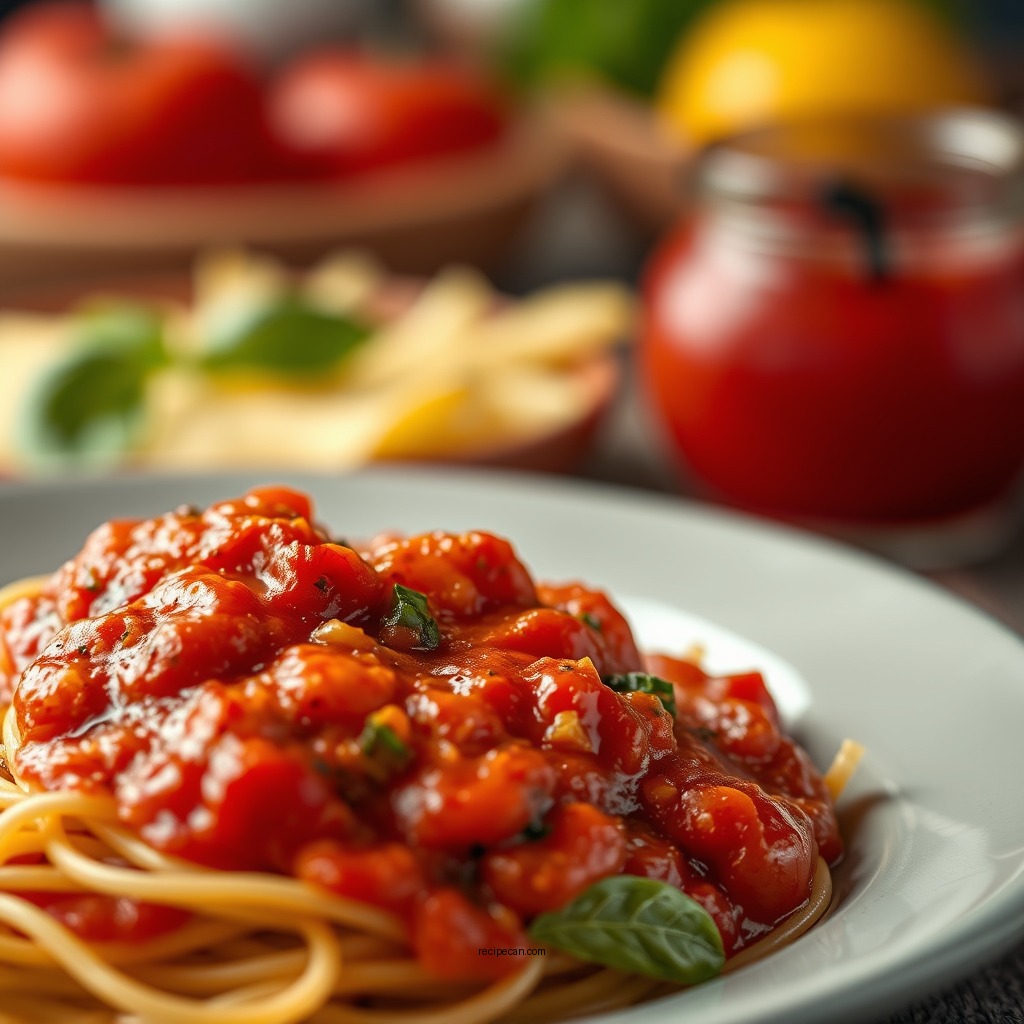
Vegetarian and vegan sauces can be just as rich and flavorful as their meat counterparts. Using roasted vegetables, mushrooms, or plant-based proteins like lentils or chickpeas can create a satisfying texture and taste.
For a roasted vegetable sauce, toss diced zucchini, bell peppers, and eggplant in olive oil, salt, and pepper, then roast until tender. Blend these vegetables with canned tomatoes and fresh herbs for a vibrant sauce. Alternatively, a lentil-based sauce can be made by cooking lentils with diced tomatoes and spices, resulting in a protein-packed, hearty sauce.
Key Ingredients:
– Vegetables: Roasted zucchini, bell peppers, mushrooms.
– Lentils/Chickpeas: For a protein boost.
– Herbs and Spices: Fresh basil, thyme, or cumin for flavor.
Top 7 Spaghetti Sauce Recipes (2023)
| # | Recipe | Preparation Time | Cooking Time | Rating |
|---|---|---|---|---|
| 1 | Classic Marinara | 10 min | 30 min | ★★★★☆ |
| 2 | Meat Sauce | 15 min | 60 min | ★★★★☆ |
| 3 | Vegan Lentil Sauce | 10 min | 40 min | ★★★★★ |
| 4 | Spicy Arrabbiata | 5 min | 20 min | ★★★☆☆ |
| 5 | Creamy Alfredo | 5 min | 15 min | ★★★★☆ |
| 6 | Mushroom Sauce | 10 min | 30 min | ★★★★☆ |
| 7 | Roasted Vegetable Sauce | 10 min | 40 min | ★★★★★ |
Creamy Alfredo Sauce
Creamy Alfredo sauce is an indulgent alternative to traditional tomato-based sauces, offering a rich and velvety experience. Made with butter, heavy cream, and Parmesan cheese, this sauce is perfect for those who prefer a decadent dish.
To prepare Alfredo sauce, melt butter in a saucepan, then add heavy cream and bring it to a gentle simmer. Gradually whisk in grated Parmesan cheese until fully melted and smooth. You can enhance the flavor with garlic or a pinch of nutmeg. This sauce pairs beautifully with fettuccine or can be used as a base for baked pasta dishes, creating a comforting and satisfying meal.
Tips for Enhancement:
– Additions: Incorporate sautéed garlic, spinach, or chicken for a more complex dish.
– Serving Suggestions: Serve over fettuccine or as a lasagna filling.
Spicy Arrabbiata Sauce
For those who enjoy a bit of heat, Spicy Arrabbiata sauce is a vibrant choice. Infused with red pepper flakes, this sauce provides a kick that perfectly complements the pasta.
Start by heating olive oil in a pan and adding minced garlic and red pepper flakes. Once fragrant, add crushed tomatoes and let the sauce simmer. The key to a perfect Arrabbiata sauce is to adjust the spice level according to your preference. Serve it over penne pasta or use it as a dipping sauce for crusty bread.
Customization Options:
– Heat Level: Adjust red pepper flakes to taste.
– Additions: Consider adding olives or capers for extra flavor.
Quick and Easy Store-Bought Enhancements
Not every day allows for homemade sauce preparation; however, you can easily elevate store-bought sauces. With a few simple enhancements, you can transform a basic jar of sauce into something special.
Start with a good quality store-bought marinara or tomato sauce. Sauté fresh garlic and onion in olive oil and mix it with the sauce for added depth. Fresh herbs like basil or parsley can also brighten the flavor. Consider adding sautéed vegetables or a splash of red wine for a gourmet touch without extensive effort.
Enhancement Ideas:
– Fresh Herbs: Basil, parsley, or oregano can elevate flavors.
– Sautéed Ingredients: Garlic, onions, or mushrooms for richness.
Tips for the Perfect Spaghetti Sauce
Creating the perfect spaghetti sauce involves more than just following a recipe; it requires attention to detail and a willingness to experiment. Here are some tips to ensure your sauce is a success:
1. Simmering Time: Allow your sauce to simmer longer for deeper flavors. A minimum of 30 minutes is often recommended.
2. Acidity Balance: Adjust the acidity of your sauce with a pinch of sugar or a splash of vinegar, especially when using canned tomatoes.
3. Taste as You Go: Always taste your sauce before serving to adjust seasoning and ensure the flavors are balanced.
By integrating these tips, you can refine your sauce-making skills and create a dish that not only satisfies but also impresses.
Flavor Profiles of Different Spaghetti Sauces
Crafting the perfect spaghetti sauce is easier than you think. With a range of recipes at your fingertips, you can customize your sauce to suit your taste preferences or dietary needs. Don’t hesitate to try out these recipes, and discover the joy of homemade spaghetti sauce that will impress your family and friends. Happy cooking!
Frequently Asked Questions
What are the essential ingredients for a classic spaghetti sauce recipe?
A classic spaghetti sauce recipe typically includes tomatoes, garlic, onions, olive oil, and fresh herbs like basil and oregano. You can enhance the flavor by adding ingredients such as red wine, crushed red pepper, or bell peppers. Using high-quality San Marzano tomatoes can significantly elevate the taste of your sauce.
How do I make spaghetti sauce from scratch?
To make spaghetti sauce from scratch, start by sautéing chopped onions and garlic in olive oil until translucent. Add canned tomatoes (crushed or whole), along with salt, pepper, and herbs. Let it simmer for at least 30 minutes to develop flavor, and adjust seasoning as needed before serving over your favorite pasta.
Why does my spaghetti sauce taste bland and how can I fix it?
A bland spaghetti sauce can result from insufficient seasoning or low-quality ingredients. To enhance the flavor, try adding salt, fresh herbs, or a splash of vinegar or lemon juice to brighten it up. Additionally, incorporating umami-rich ingredients like Parmesan cheese or mushrooms can significantly improve the overall taste.
What is the best way to store homemade spaghetti sauce?
The best way to store homemade spaghetti sauce is to allow it to cool completely before transferring it to an airtight container. You can refrigerate it for up to a week or freeze it for up to three months. For convenience, consider portioning the sauce into smaller containers for easy thawing and use in future meals.
Which type of pasta pairs best with spaghetti sauce?
While traditional spaghetti is the classic choice for spaghetti sauce, other pasta types like fettuccine, penne, or even zoodles (zucchini noodles) can also be great options. The key is to choose a pasta shape that can hold the sauce well, allowing for a delicious and satisfying meal.
References
- Tomato sauce
https://en.wikipedia.org/wiki/Spaghetti_sauce - https://www.bbc.co.uk/food/recipes/spaghetti_sauce_53578
https://www.bbc.co.uk/food/recipes/spaghetti_sauce_53578 - https://www.verywellfit.com/sauce-recipes-4117285
https://www.verywellfit.com/sauce-recipes-4117285 - https://www.sciencedirect.com/topics/food-science/spaghetti-sauce
https://www.sciencedirect.com/topics/food-science/spaghetti-sauce - NYT Cooking – Recipes and Cooking Guides From The New York Times
https://www.nytimes.com/recipes/1019820/spaghetti-sauce - https://pubmed.ncbi.nlm.nih.gov/?term=spaghetti+sauce+recipes
https://pubmed.ncbi.nlm.nih.gov/?term=spaghetti+sauce+recipes - Google Scholar Google Scholar
https://scholar.google.com/scholar?q=spaghetti+sauce+recipes - Google Scholar Google Scholar
https://scholar.google.com/scholar?q=Italian+cooking+spaghetti+sauce - spaghetti sauce recipes – Search results
https://en.wikipedia.org/wiki/Special:Search?search=spaghetti+sauce+recipes - https://www.ncbi.nlm.nih.gov/search/research-articles/?term=spaghetti+sauce+recipes
https://www.ncbi.nlm.nih.gov/search/research-articles/?term=spaghetti+sauce+recipes