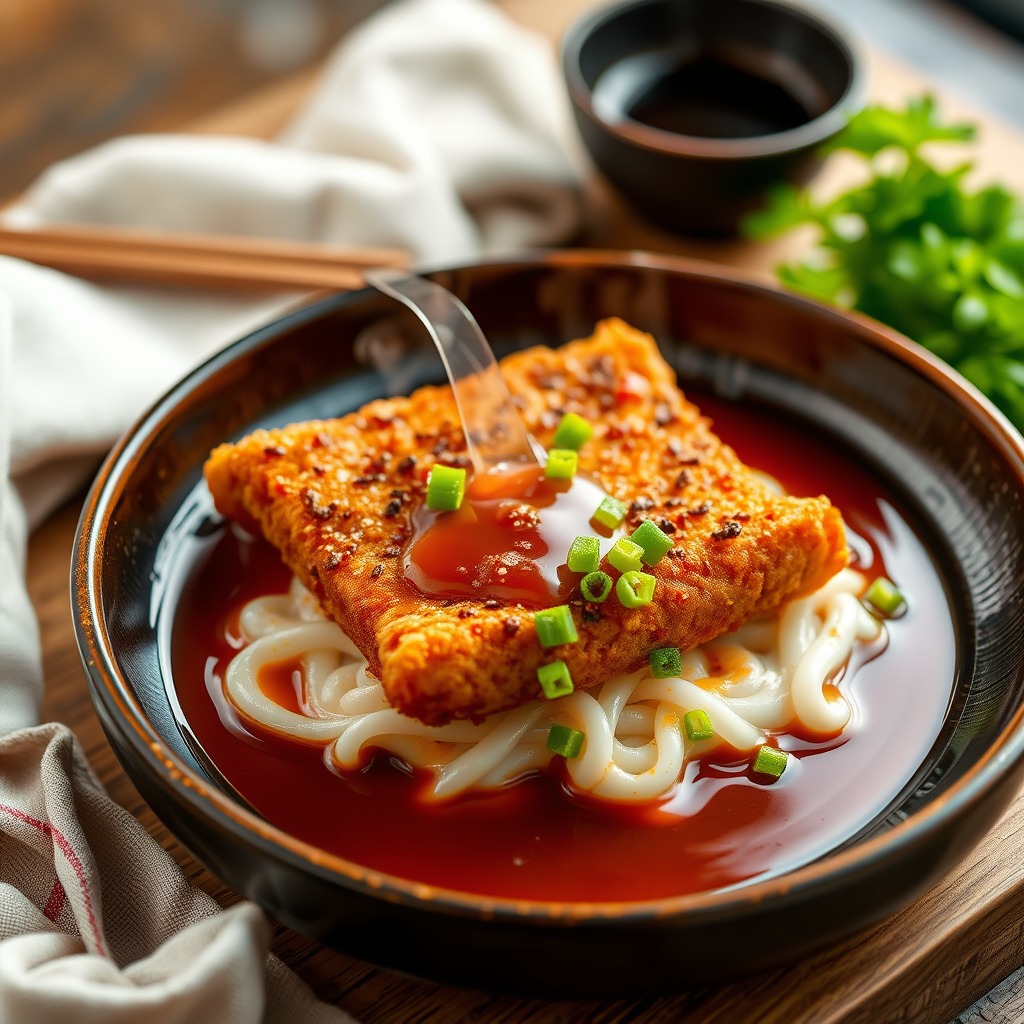
Making katsu sauce at home is both simple and rewarding, allowing you to enjoy its tangy, sweet, and savory flavors anytime. This versatile sauce is the perfect complement to your breaded pork or chicken cutlets, enhancing each bite with a delightful fusion of tastes. In this article, you’ll learn how to whip up a delicious katsu sauce with common ingredients, along with tips and suggestions for serving, storage, and avoiding common mistakes.
Ingredients You’ll Need
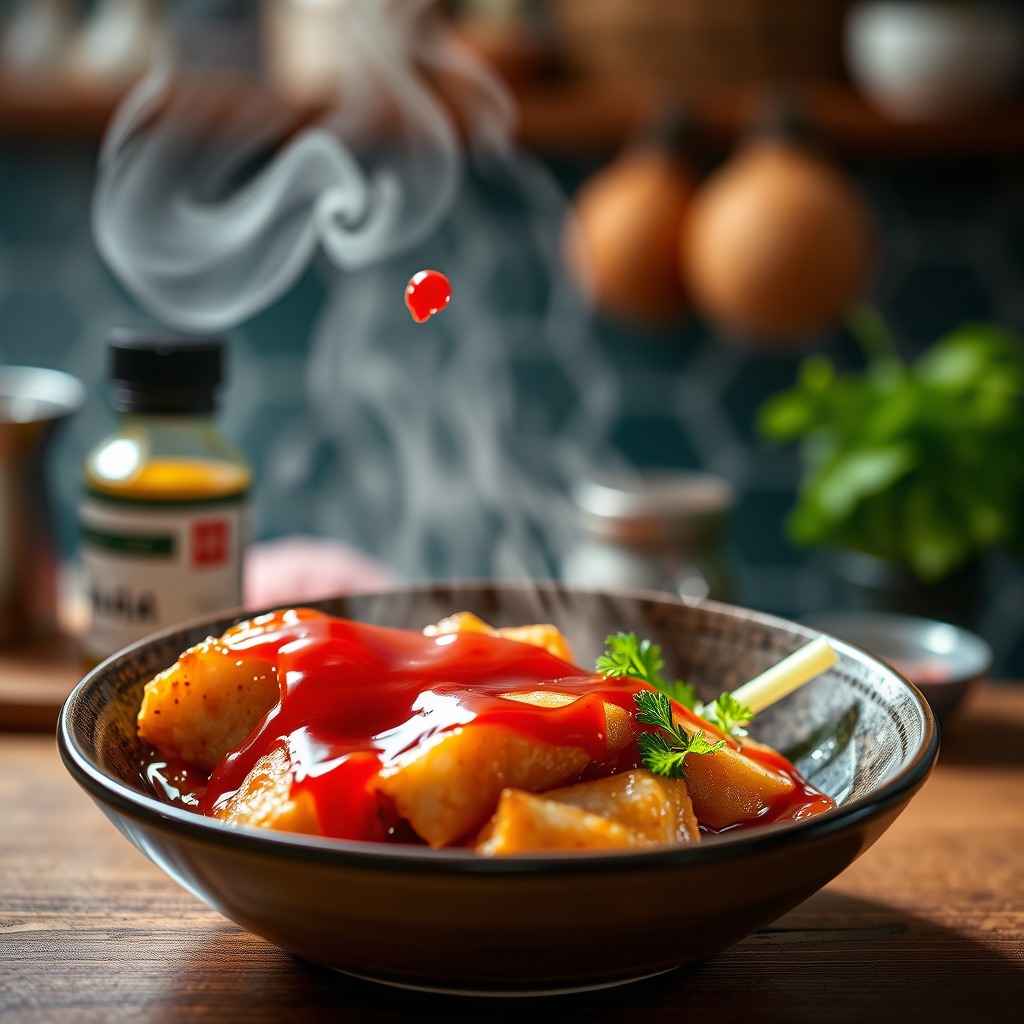
To create an authentic katsu sauce, you’ll need just a few essential ingredients, all of which can typically be found in your kitchen or at a nearby grocery store. Here’s a breakdown of what you’ll need:
– Ketchup: The backbone of the sauce, ketchup adds both sweetness and tanginess, providing a rich base that balances the other flavors.
– Worcestershire sauce: This condiment brings depth and umami to the sauce. Its complex flavor profile enhances the overall taste, making the sauce more robust.
– Soy sauce: Essential for achieving the characteristic savory profile of katsu sauce, soy sauce contributes saltiness and an earthy note that rounds out the flavor.
These three ingredients form the foundation of your katsu sauce, but feel free to customize it with additional flavors to suit your palate.
Step-by-Step Preparation
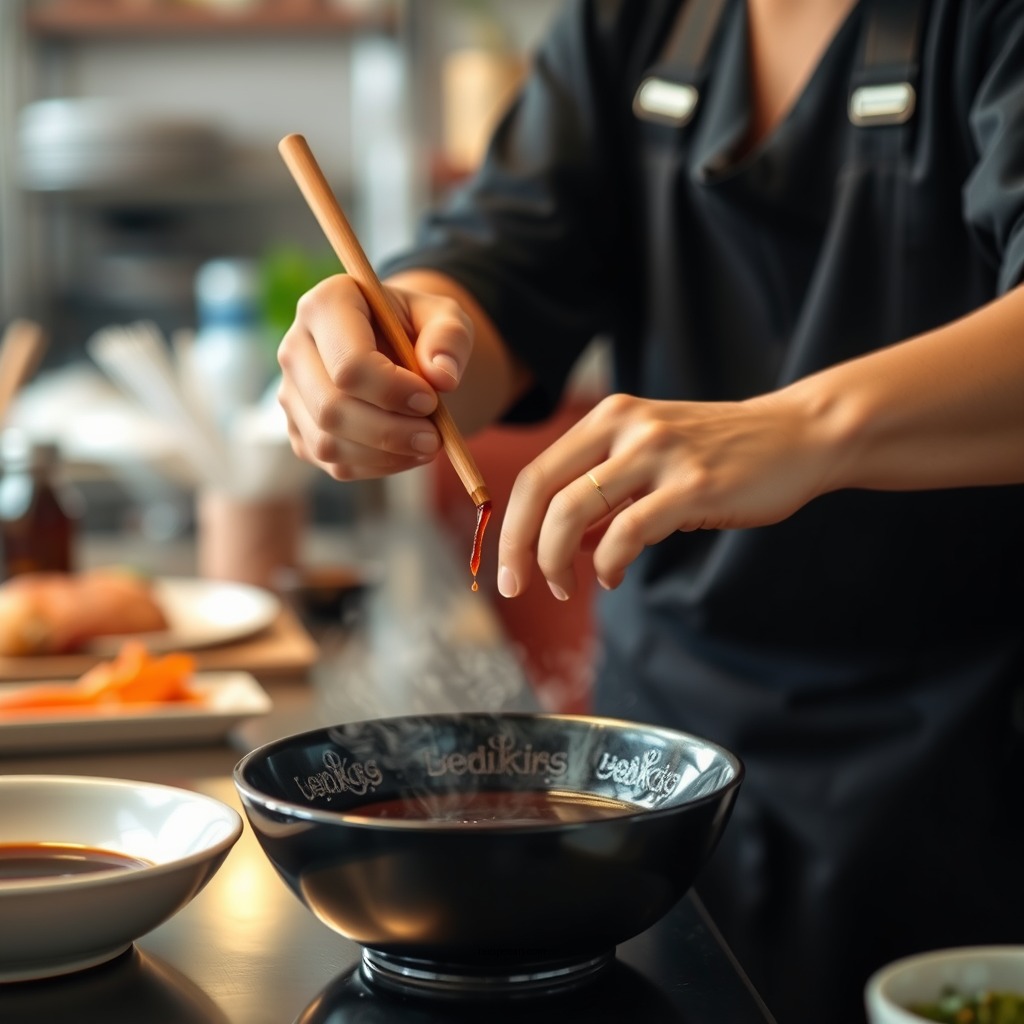
Creating katsu sauce is an uncomplicated process that involves just a few simple steps:
– Combine ingredients: In a medium-sized bowl, mix together equal parts of ketchup, Worcestershire sauce, and soy sauce. For a standard recipe, a combination of 1/4 cup of each is a great starting point.
– Adjust to taste: After mixing, taste the sauce and adjust the ratios according to your preference. If you prefer a sweeter sauce, add more ketchup. For a tangier flavor, increase the Worcestershire sauce.
– Optional additions: To elevate your katsu sauce further, consider adding a dash of garlic powder or hot sauce. These ingredients can lend an extra kick, enhancing the sauce’s complexity. A splash of rice vinegar or a teaspoon of sugar can also be added for additional depth.
Tips for Best Results
To ensure that your katsu sauce turns out perfectly every time, keep these tips in mind:
– Use fresh ingredients: Fresh ketchup and sauces yield the best flavor. If possible, opt for organic brands that do not contain artificial preservatives.
– Experiment with spices: Don’t hesitate to customize the sauce with spices. A pinch of ground ginger or mustard can significantly elevate the sauce by adding warmth and depth.
– Let it sit: After preparing the sauce, allow it to chill in the refrigerator for at least 30 minutes. This resting period lets the flavors meld together, resulting in a more delicious sauce.
Serving Suggestions
Katsu sauce is incredibly versatile and can be enjoyed in various ways:
– Pair with katsu: Traditionally, katsu sauce is served alongside breaded chicken (chicken katsu) or pork (tonkatsu). Drizzle it generously over your cooked cutlets for a classic experience.
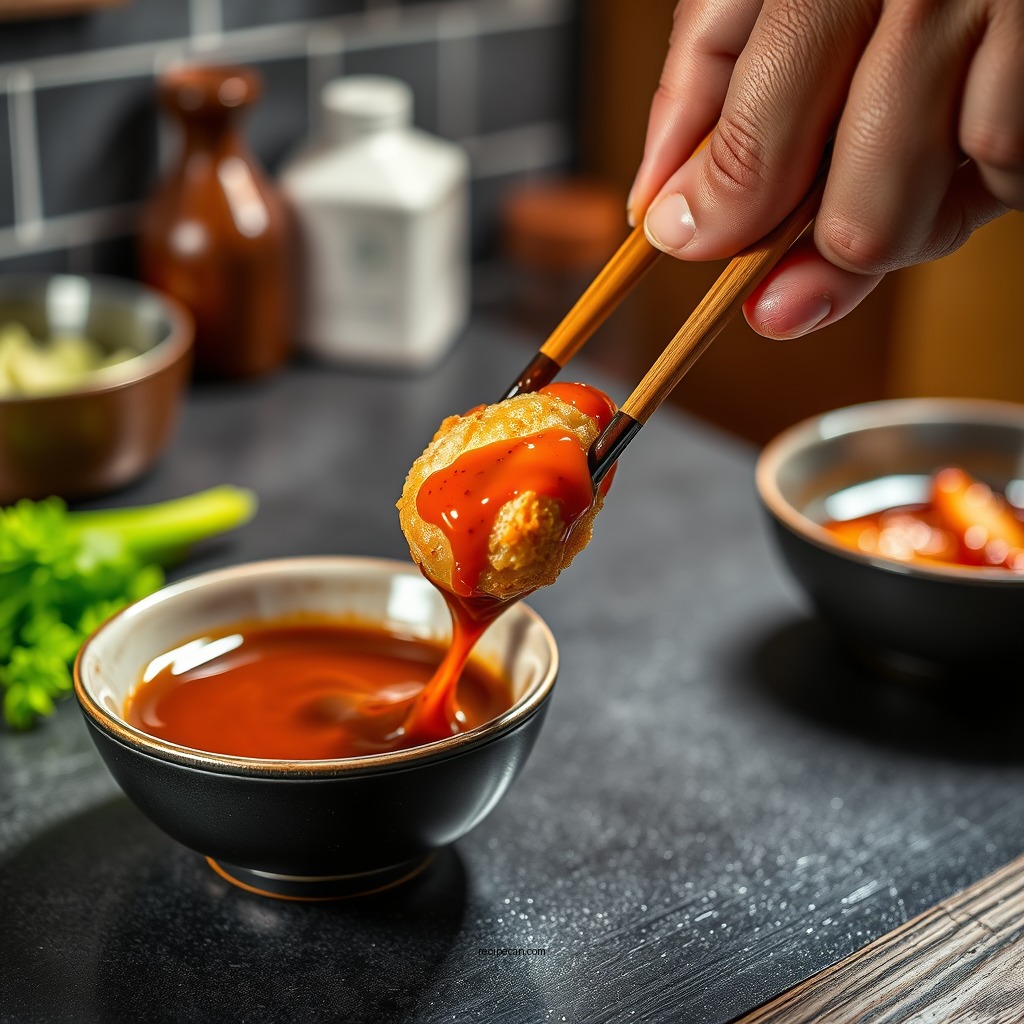
– Use as a dipping sauce: This sauce also works wonderfully as a dip for fries, onion rings, or tempura vegetables, adding a delightful twist to your appetizers.
– Drizzle on rice or salads: Katsu sauce can enhance the flavor of simple dishes like steamed rice or salads, making it a fantastic addition to your culinary repertoire.
Storage and Shelf Life
To prolong the life of your homemade katsu sauce, proper storage is key:
– Refrigerate the sauce: After preparation, store the sauce in an airtight container in the refrigerator to maintain its freshness and flavor.
– Use within a week: For optimal taste, aim to consume your katsu sauce within seven days. The flavors may start to degrade after this period.
– Freezing option: If you have leftover sauce, consider freezing it for longer storage. Pour the sauce into an airtight freezer-safe container, and thaw it in the refrigerator before use.
Common Mistakes to Avoid
To ensure your katsu sauce is perfect every time, be mindful of these common pitfalls:
– Skipping the resting time: Don’t rush the process. Allowing the sauce to sit enhances the flavor, making it more enjoyable.
– Overcomplicating the recipe: Stick to simple, quality ingredients to maintain the authentic flavor of katsu sauce. Avoid the temptation to add too many elements that may overpower the original taste.
– Not adjusting seasoning: Always taste your sauce before serving and adjust the seasoning as necessary. Personal preferences can vary widely, so make sure it suits your taste.
Ingredient Comparison for Katsu Sauce
| # | Ingredient | Quantity (per serving) | Flavor Profile |
|---|---|---|---|
| 1 | Ketchup | 1/4 cup | Sweet and tangy |
| 2 | Worcestershire Sauce | 1/4 cup | Savory and rich |
| 3 | Soy Sauce | 1/4 cup | Salty and umami |
| 4 | Garlic Powder (Optional) | 1/2 tsp | Aromatic and warm |
| 5 | Hot Sauce (Optional) | A few dashes | Spicy and tangy |
| 6 | Rice Vinegar (Optional) | 1 tsp | Tangy and bright |
| 7 | Sugar (Optional) | 1 tsp | Sweetness |
📈 Bar Chart of Katsu Sauce Ingredients by Flavor Contribution
Flavor Contribution of Katsu Sauce Ingredients
To summarize, making katsu sauce is an easy way to enhance your meals with a delightful Japanese flavor. With just a few ingredients and simple steps, you can create a tasty sauce that elevates your dishes. Try it out today and enjoy the homemade taste that adds a gourmet touch to your everyday cooking!
Frequently Asked Questions
What are the main ingredients in a traditional katsu sauce recipe?
A traditional katsu sauce recipe typically includes Worcestershire sauce, ketchup, soy sauce, sugar, and a dash of garlic or onion powder. These ingredients combine to create a tangy and slightly sweet flavor profile that complements the crispy texture of katsu dishes. You can also customize your sauce with additional spices or ingredients like mirin or sake for a unique twist.
How do I make homemade katsu sauce from scratch?
To make homemade katsu sauce, combine 1/2 cup of ketchup, 1/4 cup of Worcestershire sauce, 2 tablespoons of soy sauce, and 1 tablespoon of sugar in a bowl. Whisk the ingredients together until well blended, and adjust the sweetness or tanginess to your taste by adding more sugar or Worcestershire sauce. Let the sauce sit for at least 30 minutes before serving to allow the flavors to meld.
Why is katsu sauce important for Japanese cuisine?
Katsu sauce is important in Japanese cuisine as it enhances the flavor of breaded and fried dishes, particularly tonkatsu (pork cutlet) and chicken katsu. Its unique combination of sweet and savory notes balances the richness of the fried meats, making it a beloved accompaniment. Additionally, it adds a distinct flavor that is integral to the overall dining experience of these dishes.
What is the best way to store homemade katsu sauce?
The best way to store homemade katsu sauce is in an airtight container in the refrigerator, where it can last for up to two weeks. For longer storage, consider freezing the sauce in ice cube trays and transferring the frozen cubes to a freezer bag, allowing you to use it in smaller portions as needed. Always give the sauce a good stir before using, as ingredients may separate over time.
Which variations of katsu sauce can I try for different flavor profiles?
You can try several variations of katsu sauce to achieve different flavor profiles. For a spicy kick, add a teaspoon of sriracha or chili paste; for a fruity twist, mix in pureed mango or pineapple. Experimenting with additional ingredients like sesame oil or rice vinegar can also create unique flavors that complement various katsu dishes.
References
- Katsu
https://en.wikipedia.org/wiki/Katsu - https://www.japanesecooking101.com/katsu-sauce-recipe/
https://www.japanesecooking101.com/katsu-sauce-recipe/ - https://www.cookstr.com/recipes/katsu-sauce
https://www.cookstr.com/recipes/katsu-sauce - https://www.thespruceeats.com/katsu-sauce-recipe-2030393
https://www.thespruceeats.com/katsu-sauce-recipe-2030393 - https://www.seriouseats.com/katsu-sauce-recipe-5118170
https://www.seriouseats.com/katsu-sauce-recipe-5118170 - https://scholar.google.com/scholar?q=katsu+sauce+recipe Google Scholar
https://scholar.google.com/scholar?q=katsu+sauce+recipe - Google Scholar Google Scholar
https://scholar.google.com/scholar?q=Japanese+cuisine+recipes - Google Scholar Google Scholar
https://scholar.google.com/scholar?q=condiment+recipes+history - https://www.foodnetwork.com/recipes/articles/what-is-katsu-sauce
https://www.foodnetwork.com/recipes/articles/what-is-katsu-sauce - https://en.wikipedia.org/wiki/Special:Search?search=katsu+sauce+recipe
https://en.wikipedia.org/wiki/Special:Search?search=katsu+sauce+recipe