Making a delicious pad thai sauce at home is simple and rewarding. This recipe combines key ingredients like tamarind paste, fish sauce, and palm sugar to create a perfectly balanced sauce that enhances your pad thai dish. With just a few easy steps, you can achieve an authentic flavor that rivals your favorite Thai restaurant. In this article, you’ll learn how to make this flavorful sauce and discover tips for perfecting it.
Key Ingredients for Pad Thai Sauce
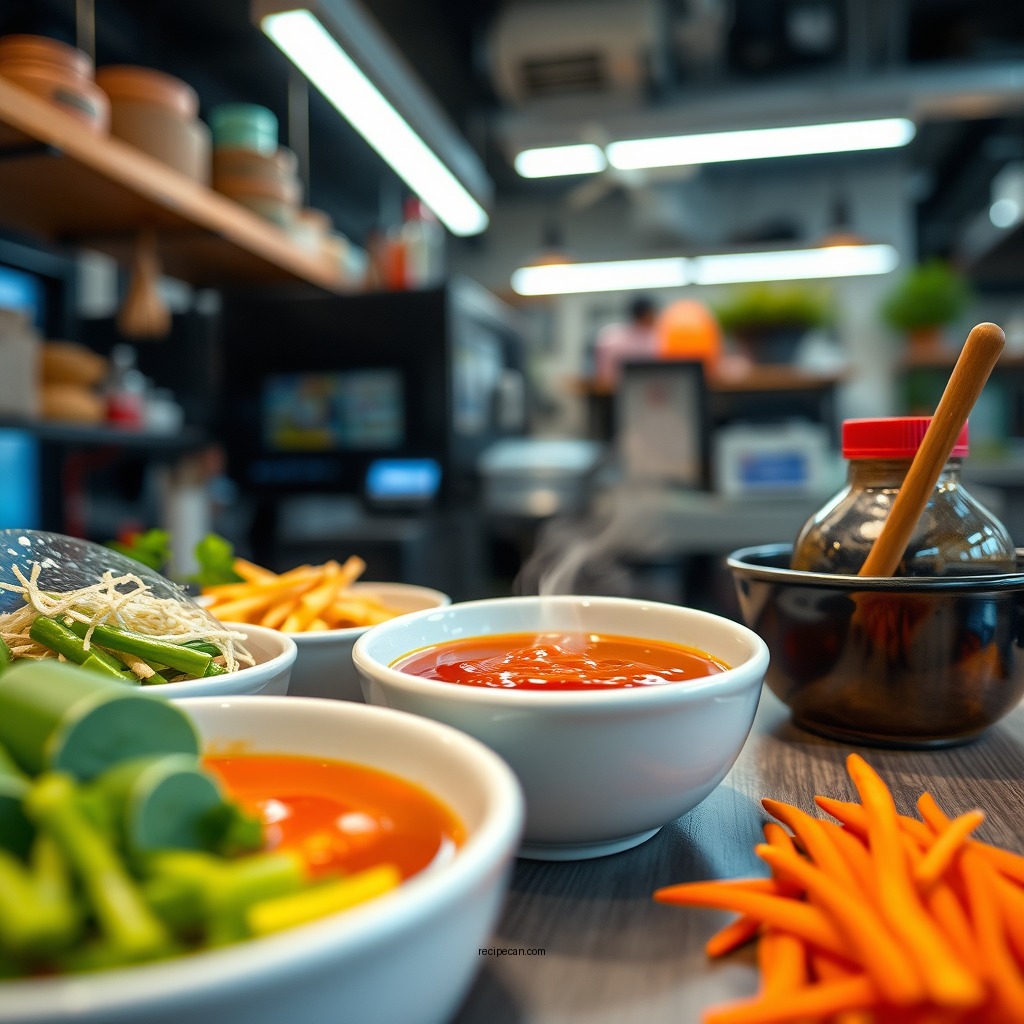
To create an authentic pad thai sauce, understanding the key ingredients is essential. Each element plays a critical role in achieving that distinct sweet, salty, and tangy flavor profile that pad thai is known for.
– Tamarind paste: This is the heart of pad thai sauce, providing the unique tanginess that sets it apart. Tamarind is a tropical fruit known for its sour taste and is a staple in Thai cuisine. You can find tamarind paste in most Asian grocery stores or online.
– Fish sauce: An indispensable ingredient in Thai cooking, fish sauce adds a deep umami flavor to the sauce. It is made from fermented fish and salt, contributing both saltiness and depth. Look for high-quality fish sauce, as it can greatly impact the overall taste of your dish.
– Palm sugar: This natural sweetener comes from the sap of palm trees and has a subtle caramel flavor. Palm sugar balances the acidity of the tamarind and the saltiness of the fish sauce, creating a harmonious blend. If you can’t find palm sugar, brown sugar is a suitable substitute, though the flavor may differ slightly.
Step-by-Step Sauce Preparation
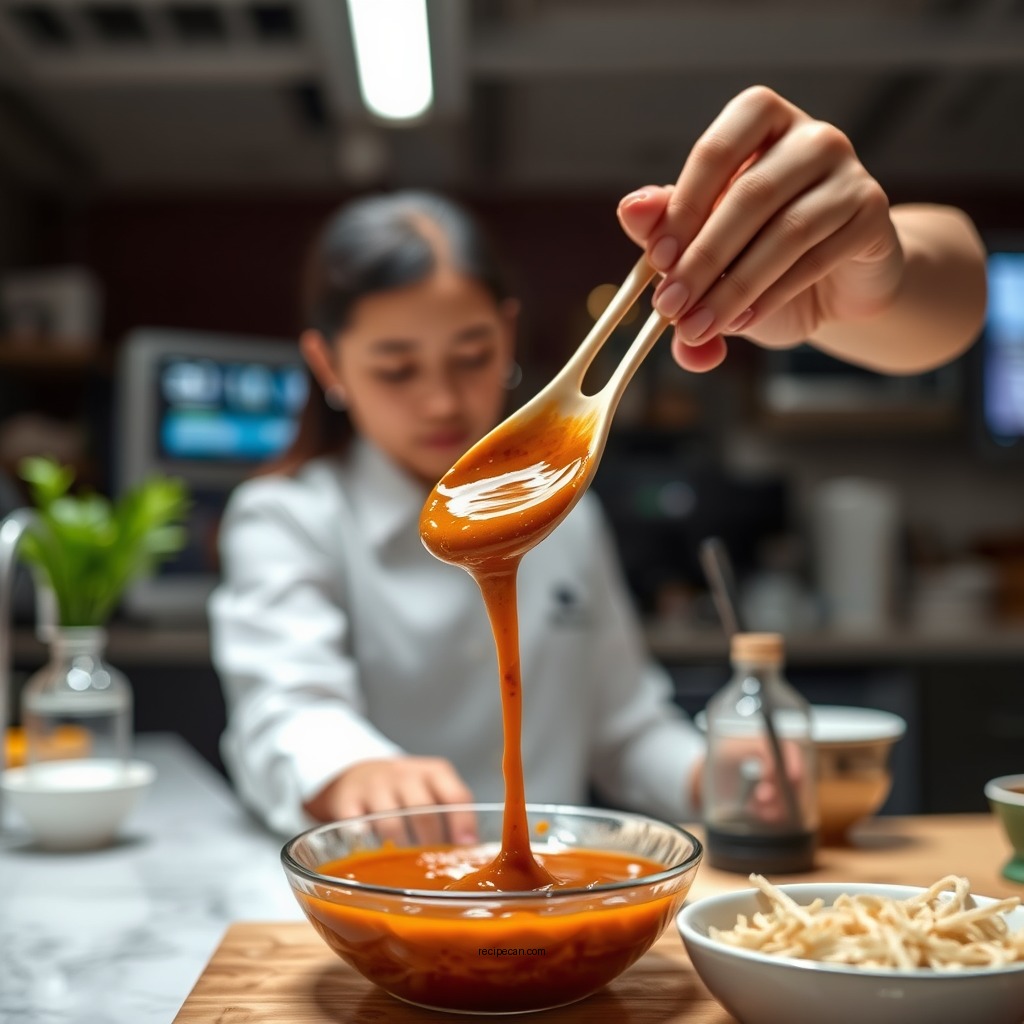
Preparing your pad thai sauce is straightforward and requires minimal effort. Follow these steps to create a rich, flavorful sauce that will elevate your dish:
1. Combine ingredients: In a mixing bowl, add 3 tablespoons of tamarind paste, 3 tablespoons of fish sauce, and 2 tablespoons of palm sugar.
2. Mix thoroughly: Using a whisk or spoon, mix the ingredients until the palm sugar is dissolved. This will ensure that the flavors are evenly distributed throughout the sauce.
3. Adjust consistency: Gradually stir in 1 to 2 tablespoons of water to reach your desired consistency. You want the sauce to be thick enough to coat the noodles but not overly viscous.
4. Taste and adjust: Finally, taste the sauce. If you feel it requires more sweetness, add a little more palm sugar. If it needs more tang, increase the tamarind paste accordingly.
Adjusting Flavor Profiles
One of the great advantages of making your own pad thai sauce is the ability to customize the flavor to your liking. Here are some tips for adjusting the flavor profiles:
– For a sweeter sauce: If you prefer a sweeter taste, slowly add more palm sugar, one teaspoon at a time, mixing thoroughly and tasting after each addition. This allows you to find the perfect balance that suits your palate.
– For extra tanginess: Increase the amount of tamarind paste gradually. Start with an additional half tablespoon, mixing it well before tasting again.
– For added heat: If you enjoy a spicy kick, consider adding a pinch of red pepper flakes or a dash of chili paste to the sauce. This can give your pad thai an exciting depth of flavor.
Tips for the Best Pad Thai Sauce
Achieving the best pad thai sauce involves more than just the right ingredients. Here are several tips to enhance your sauce-making experience:
– Use fresh ingredients: Fresh tamarind paste and high-quality fish sauce can significantly enhance the flavor of your sauce. Avoid using expired or low-quality products.
– Let it sit: Allowing the sauce to sit for a few minutes before using it can help the flavors meld together. This resting period can elevate the overall taste of your pad thai.
– Store properly: If you have leftover sauce, store it in an airtight container in the refrigerator for up to a week. Shake or stir well before using it again.
Pad Thai Sauce Ingredient Ratios
| # | Ingredient | Amount (per serving) | Flavor Contribution |
|---|---|---|---|
| 1 | Tamarind Paste | 3 tbsp | Tangy |
| 2 | Fish Sauce | 3 tbsp | Salty, Umami |
| 3 | Palm Sugar | 2 tbsp | Sweet |
| 4 | Water | 1-2 tbsp | Consistency |
| 5 | Red Pepper Flakes | – | Heat (optional) |
| 6 | Chili Paste | – | Heat (optional) |
Pairing Your Sauce with Pad Thai
The versatility of pad thai sauce allows it to be paired with a variety of ingredients, creating a satisfying meal. Here are some excellent pairing suggestions:
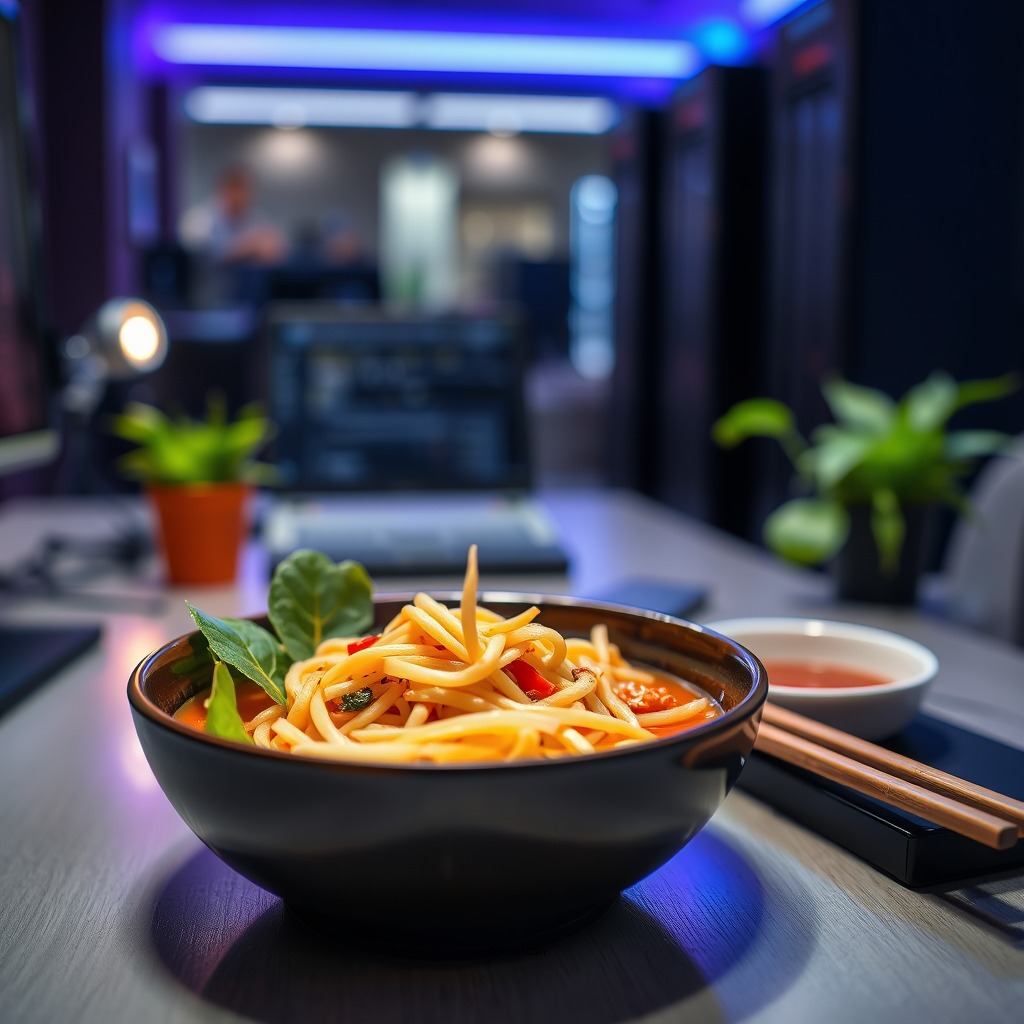
– Noodles: Use rice noodles as the base for your pad thai. They provide the perfect texture and absorb the sauce beautifully.
– Proteins: Toss the sauce with your choice of proteins such as shrimp, chicken, or tofu. Each option brings its unique flavor and texture to the dish.
– Vegetables: Consider adding bean sprouts, scallions, and carrots for added crunch and nutrition. These vegetables complement the sauce and enhance the overall dish.
– Garnishes: For an authentic finish, garnish your pad thai with lime wedges and crushed peanuts. The lime adds brightness, while the peanuts contribute a delightful crunch.
Popularity of Pad Thai Ingredients (2024)
Common Mistakes to Avoid
Even with a simple recipe, it’s easy to make mistakes that can detract from your pad thai sauce. Here are some common pitfalls to watch out for:
– Overcooking the sauce: Cooking the sauce too long can lead to bitterness, especially from the tamarind. Always monitor your sauce closely and remove it from heat as soon as it reaches the desired flavor.
– Ignoring flavor balance: Striking the perfect balance of sweet, salty, and sour is crucial. Be cautious when adjusting ingredients; it’s better to add gradually than to overpower the sauce with one flavor.
– Not tasting: Failing to taste the sauce during preparation can result in an unbalanced flavor. Regular tasting allows for adjustments and helps ensure the sauce meets your expectations.
Creating your own pad thai sauce at home is straightforward and enhances your dish’s authenticity. By following this easy recipe and tips, you’ll impress your family and friends with a restaurant-quality pad thai. Don’t hesitate to experiment with flavors and make it your own! As you refine your technique and ingredients, you will develop a pad thai sauce that is uniquely yours, ensuring every meal is a delightful experience.
Frequently Asked Questions
What are the key ingredients in a traditional pad thai sauce recipe?
A traditional pad thai sauce typically includes tamarind paste, fish sauce, sugar, and lime juice. These ingredients create a balance of sweet, sour, and salty flavors that define authentic pad thai. You can also add chili powder or cayenne for heat, depending on your taste preferences.
How can I make a vegetarian pad thai sauce?
To make a vegetarian pad thai sauce, substitute fish sauce with soy sauce or tamari for a gluten-free option. Combine tamarind paste, sugar, and lime juice with your chosen soy sauce to maintain the signature flavor profile while keeping it plant-based. You might also consider adding a splash of mushroom sauce for an extra depth of flavor.
Why does my pad thai sauce taste too salty?
If your pad thai sauce tastes too salty, it could be due to the amount of fish sauce or soy sauce used. To balance the flavors, add more sugar or lime juice to enhance sweetness and acidity, counteracting the saltiness. Always taste as you go, adjusting the ingredients to suit your preference.
What is the best way to store homemade pad thai sauce?
The best way to store homemade pad thai sauce is in an airtight container in the refrigerator, where it can last for up to one week. For longer storage, consider freezing the sauce in ice cube trays and transferring the cubes to a freezer bag. This allows you to easily thaw portions as needed for future pad thai dishes.
Which types of noodles work best with pad thai sauce?
The best noodles for pad thai sauce are flat rice noodles, typically labeled as “pad thai noodles” or “rice stick noodles.” These noodles absorb the sauce well and provide the ideal texture for a classic pad thai dish. Ensure to soak or cook them according to package instructions before tossing them with your delicious pad thai sauce.
References
- Pad thai
https://en.wikipedia.org/wiki/Pad_thai - Pad Thai recipe | Good Food
https://www.bbcgoodfood.com/recipes/pad-thai - https://www.sciencedirect.com/topics/food-science/pad-thai
https://www.sciencedirect.com/topics/food-science/pad-thai - https://www.nytimes.com/2021/07/14/dining/pad-thai-recipe.html
https://www.nytimes.com/2021/07/14/dining/pad-thai-recipe.html - https://www.theguardian.com/food/2021/jun/01/pad-thai-recipe
https://www.theguardian.com/food/2021/jun/01/pad-thai-recipe - https://www.cdc.gov/nutrition/food-safety/food-safety-tips.html
https://www.cdc.gov/nutrition/food-safety/food-safety-tips.html - https://www.healthline.com/nutrition/pad-thai-healthy
https://www.healthline.com/nutrition/pad-thai-healthy - https://scholar.google.com/scholar?q=pad+thai+sauce+recipe Google Scholar
https://scholar.google.com/scholar?q=pad+thai+sauce+recipe - Google Scholar Google Scholar
https://scholar.google.com/scholar?q=pad+thai+ingredients - Google Scholar Google Scholar
https://scholar.google.com/scholar?q=pad+thai+cooking+methods