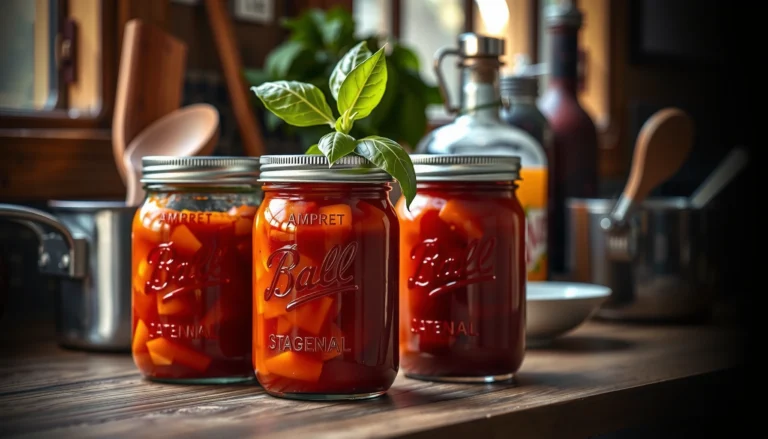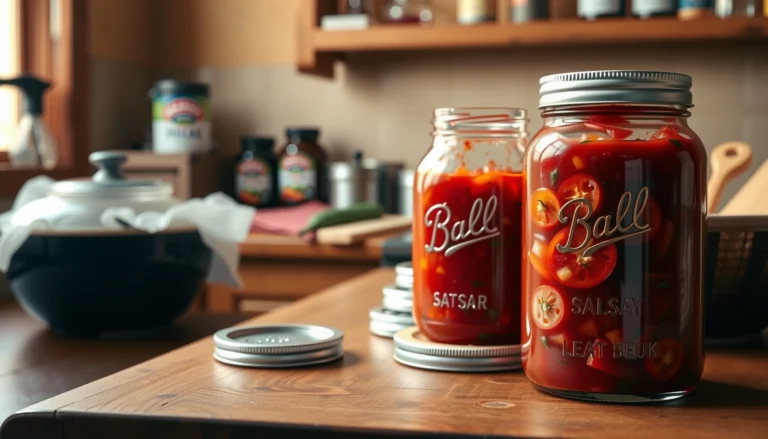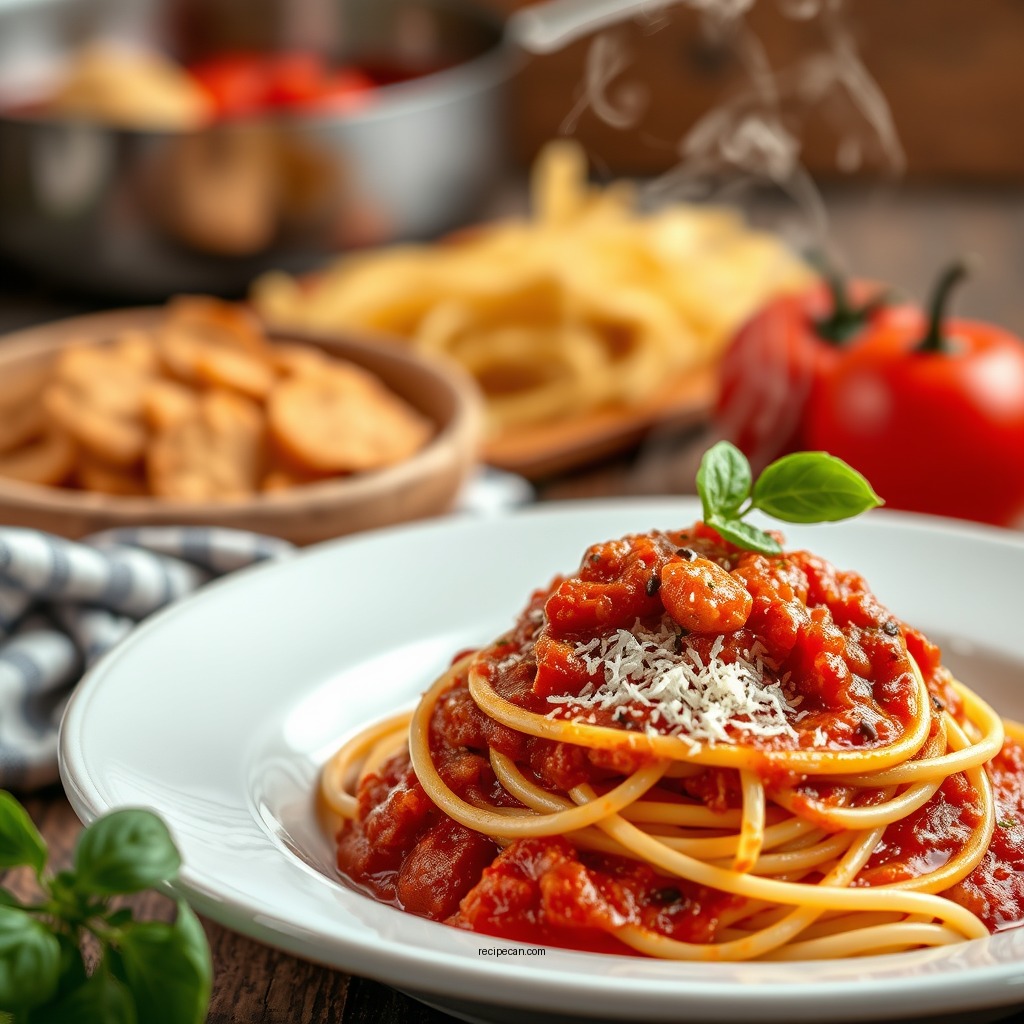
Making a tasty homemade spaghetti sauce is simple and rewarding. With just a few fresh ingredients and some basic cooking techniques, you can create a flavorful sauce that elevates any pasta dish. In this article, you’ll learn a straightforward recipe and tips for customizing your sauce to suit your taste. Whether you’re aiming for a classic marinara or a robust meat sauce, this guide will help you achieve delicious results.
Ingredients You’ll Need
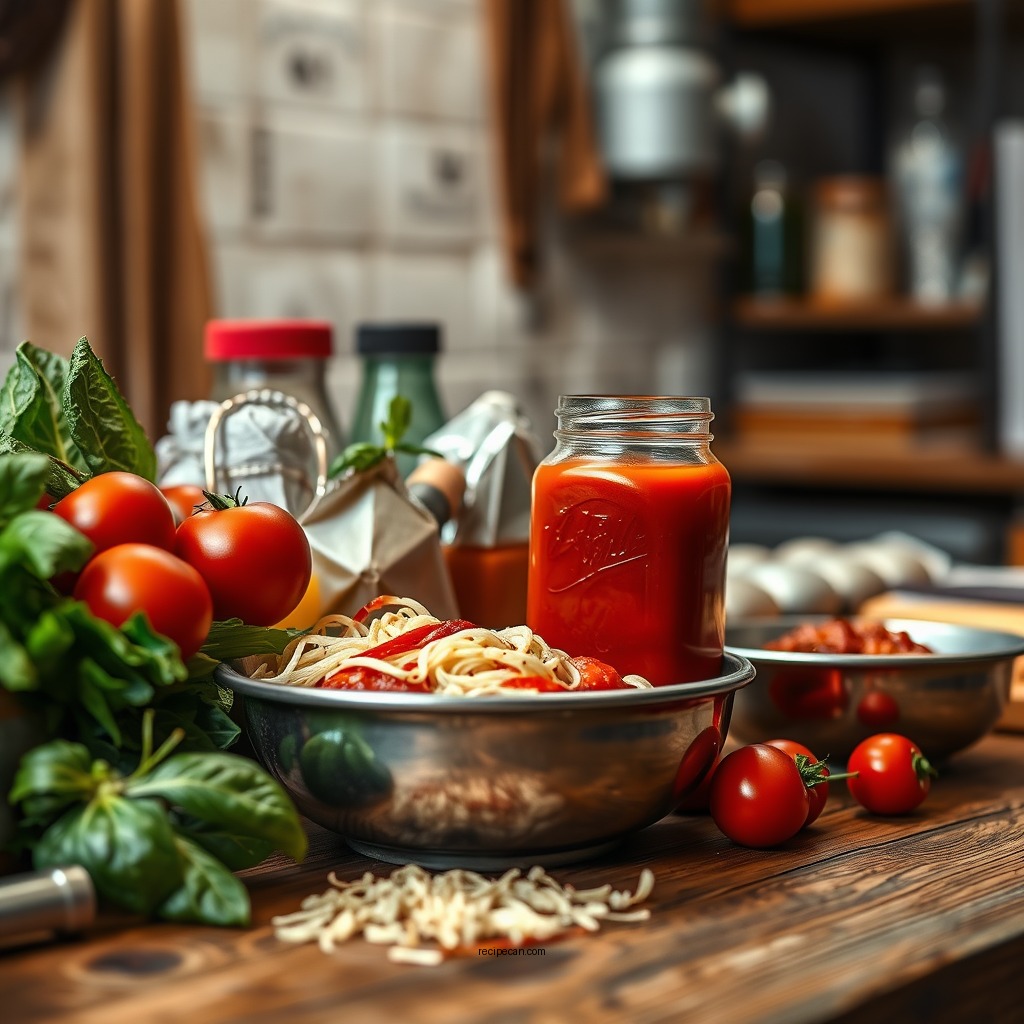
To create a delicious spaghetti sauce, you need to start with the right ingredients. The quality of your sauce heavily relies on the freshness and flavor of the components you choose. Here are the essential ingredients for a basic yet flavorful homemade spaghetti sauce:
– Fresh Tomatoes or Canned Tomatoes: If you opt for fresh tomatoes, look for ripe varieties like Roma or San Marzano for the best flavor. Alternatively, canned tomatoes (either crushed or whole) can provide convenience and consistency.
– Olive Oil: Use high-quality extra virgin olive oil to enhance the richness of your sauce and add a touch of healthy fat.
– Garlic: Fresh garlic is a must for depth of flavor. It adds a subtle sweetness when sautéed.
– Onion: Yellow or white onions provide a savory base that complements the sweetness of the tomatoes.
These ingredients form the backbone of your sauce, and you can build upon them for various flavor profiles.
Essential Cooking Techniques
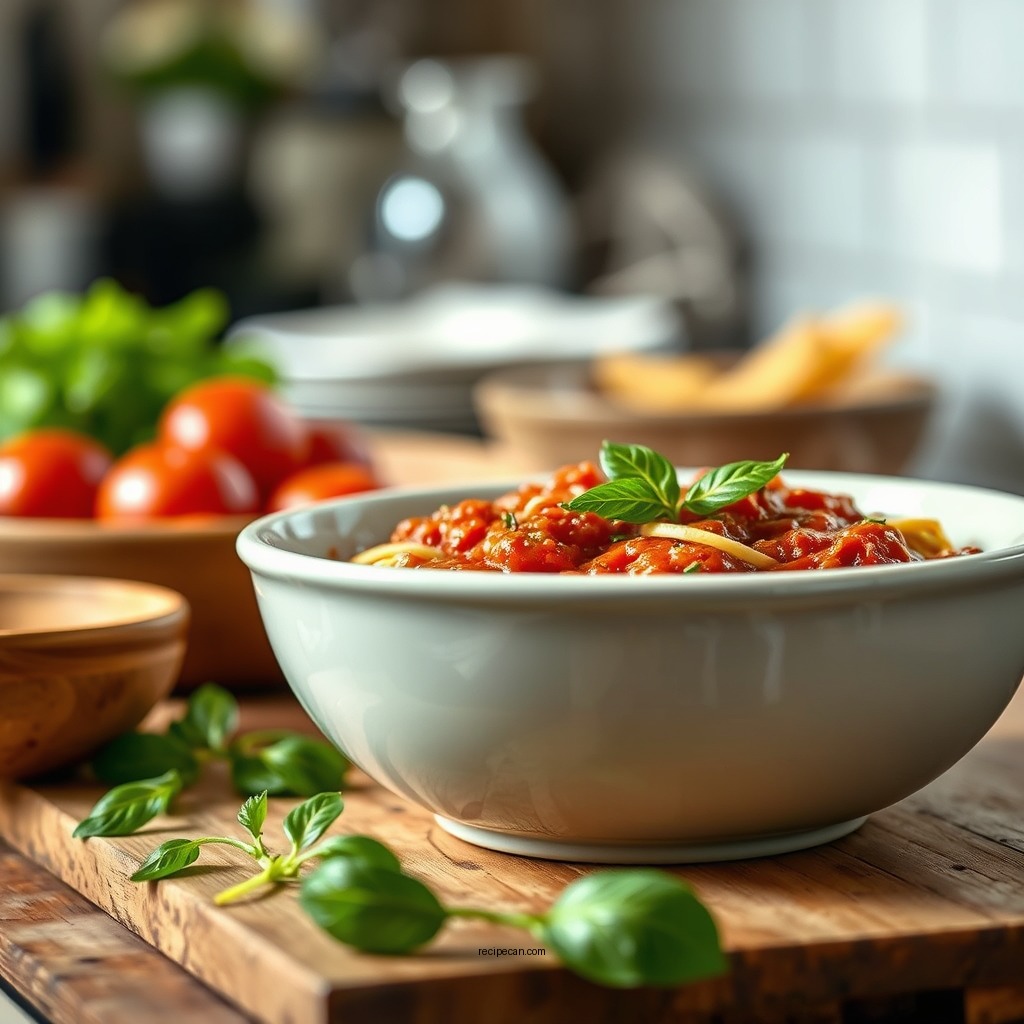
The way you cook your sauce significantly impacts its flavor and texture. Here are two essential techniques that will ensure your spaghetti sauce is both delicious and aromatic:
– Sautéing: Start by heating olive oil in a pan over medium heat. Add minced garlic and chopped onions, stirring frequently until they become translucent and fragrant. This process releases their natural sugars and creates a rich flavor base.
– Simmering: After adding your tomatoes (whether fresh or canned), bring the mixture to a gentle boil. Then reduce the heat and let it simmer uncovered for at least 30 minutes. This step is crucial as it allows the flavors to meld and the sauce to thicken. For a deeper flavor, consider simmering for an hour or more.
Customizing Your Sauce
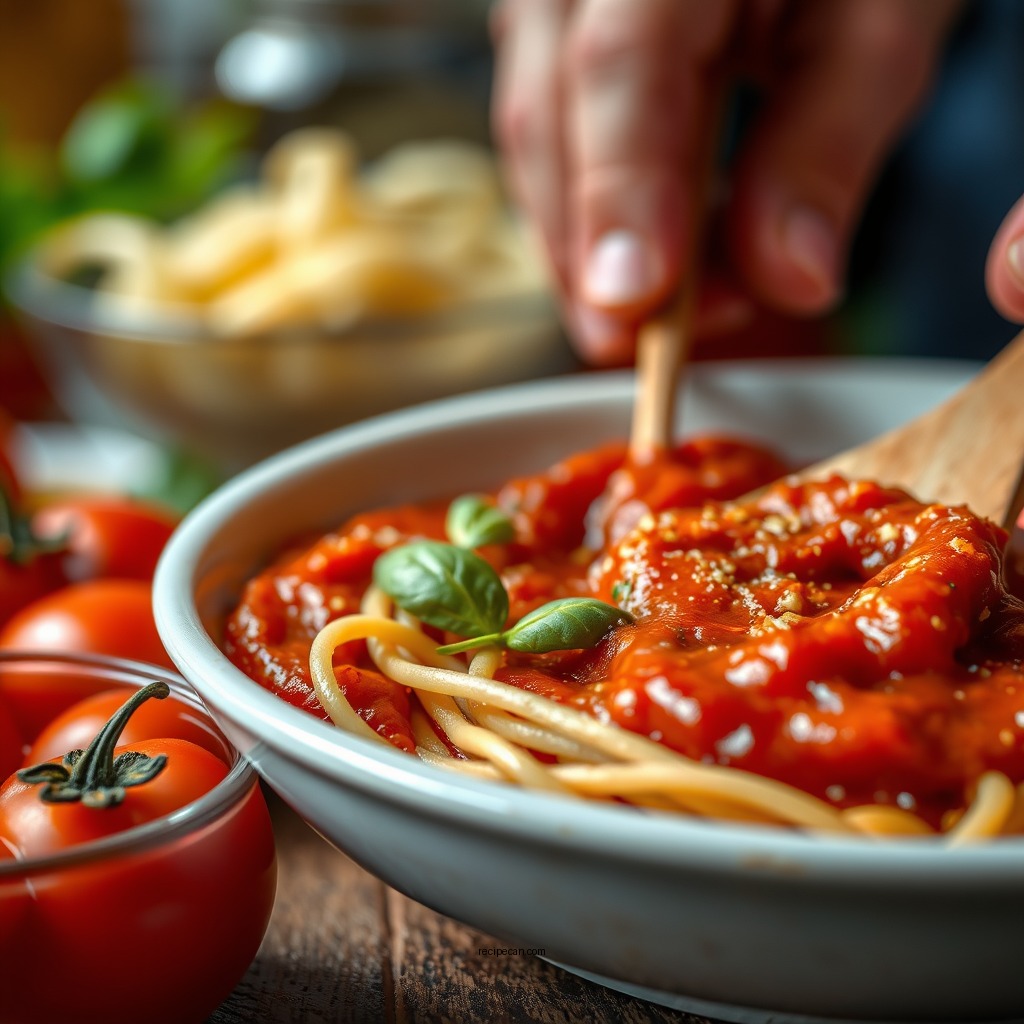
One of the joys of making homemade spaghetti sauce is the ability to customize it to suit your preferences. Here are some ways to enhance your sauce:
– Herbs: Fresh or dried herbs can elevate your sauce significantly. Classic options include basil, oregano, and thyme. Add dried herbs early in the cooking process, while fresh herbs are best added at the end to preserve their vibrant flavor.
– Spice: If you enjoy a bit of heat, consider adding red pepper flakes or freshly cracked black pepper. Start with a small amount and adjust according to your taste.
Flavor Profile Customization Table
Flavor Profile Customization Options
| Customization | Description | Best Used In |
|---|---|---|
| Basil | Fresh or dried, adds a sweet and fragrant note. | Classic marinara sauces. |
| Oregano | Earthy flavor that enhances tomato sauces. | All types of spaghetti sauces. |
| Thyme | Adds a subtle depth and complexity. | Rich meat sauces. |
| Red Pepper Flakes | Provides heat and spice. | Spicy marinara sauces. |
| Black Pepper | Adds a mild heat and aromatic flavor. | All spaghetti sauces. |
| Bay Leaves | Infuses a subtle herbal flavor. | Long-simmered sauces. |
| Garlic Powder | Convenient and adds concentrated flavor. | Quick sauces. |
Adding Protein and Vegetables
Enhancing your spaghetti sauce with protein and vegetables can create a more balanced and satisfying meal. Here are some options to consider:
– Meat Options: Ground beef, turkey, or Italian sausage can add heartiness to your sauce. Brown the meat in the pan before adding your onion and garlic for a rich flavor.
– Veggies: Incorporating diced vegetables such as bell peppers, mushrooms, or zucchini not only boosts nutritional value but also adds layers of flavor and texture. Sauté them alongside the onions for even cooking.
Serving Suggestions
Once your sauce is ready, it’s time to enjoy it with your favorite pasta. Here are some suggestions for serving:
– Pasta Pairings: While spaghetti is the classic choice, consider serving your sauce over penne, fusilli, or even zucchini noodles for a low-carb option. Each pasta shape holds sauce differently, offering unique textural experiences.
– Garnishes: Elevate your dish with freshly grated Parmesan cheese and a sprinkle of fresh basil. This not only enhances flavor but also adds a beautiful presentation to your meal.
Storing and Reheating Tips
If you have leftover sauce, proper storage is key to maintaining its flavor and quality:
– Refrigeration: Store leftover sauce in an airtight container in the fridge for up to a week. Ensure the sauce has cooled to room temperature before sealing.
– Freezing: For longer storage, freeze portions of your spaghetti sauce. Use freezer-safe containers or bags, and remember to label them with the date. When you’re ready to enjoy, simply thaw and reheat on the stovetop or in the microwave.
Conclusion
Wrap up your cooking adventure with this delightful spaghetti sauce. You now have the knowledge to create a homemade sauce that can be tailored to your preferences. Gather your ingredients, follow the steps, and enjoy a delicious meal that will impress family and friends. Ready to cook? Grab your apron and start making your sauce today!
Frequently Asked Questions
What ingredients do I need for a basic homemade spaghetti sauce recipe?
To create a basic homemade spaghetti sauce, you’ll need essential ingredients like ripe tomatoes or canned tomatoes, olive oil, garlic, onion, salt, and pepper. You can also enhance the flavor by adding herbs such as basil, oregano, and parsley, as well as optional ingredients like bell peppers or ground meat for a heartier sauce.
How long does it take to cook homemade spaghetti sauce?
Cooking homemade spaghetti sauce typically takes about 30 minutes to an hour. If you simmer the sauce longer, around 1 to 2 hours, it allows the flavors to deepen and meld together, resulting in a richer taste. Remember to stir occasionally and adjust the seasoning as needed for the best results.
Why is homemade spaghetti sauce better than store-bought?
Homemade spaghetti sauce is often considered better than store-bought options because it allows you to control the ingredients and customize the flavors to your preference. Additionally, it can be fresher and free from preservatives, sugars, and artificial flavors commonly found in commercial sauces, providing a healthier choice for your meals.
What is the best way to store homemade spaghetti sauce?
The best way to store homemade spaghetti sauce is to let it cool completely before transferring it to an airtight container. You can keep it in the refrigerator for up to a week or freeze it for up to three months. When freezing, consider portioning the sauce into smaller containers for easy use later.
Which herbs and spices work best in a homemade spaghetti sauce?
The best herbs and spices for homemade spaghetti sauce include classic choices like basil, oregano, and thyme, which add depth and aroma. You can also incorporate red pepper flakes for heat or a pinch of sugar to balance acidity, depending on your taste preferences. Experimenting with combinations can help you find the perfect blend for your sauce.
References
- Tomato sauce
https://en.wikipedia.org/wiki/Spaghetti_sauce - NYT Cooking – Recipes and Cooking Guides From The New York Times
https://www.nytimes.com/recipes/1019715/spaghetti-sauce - https://www.sciencedirect.com/topics/food-science/spaghetti-sauce
https://www.sciencedirect.com/topics/food-science/spaghetti-sauce - https://www.verywellfit.com/homemade-spaghetti-sauce-recipe-4110511
https://www.verywellfit.com/homemade-spaghetti-sauce-recipe-4110511 - https://www.healthline.com/nutrition/homemade-spaghetti-sauce-recipe
https://www.healthline.com/nutrition/homemade-spaghetti-sauce-recipe - https://www.ncbi.nlm.nih.gov/pmc/articles/PMC6611644/
https://www.ncbi.nlm.nih.gov/pmc/articles/PMC6611644/ - Google Scholar Google Scholar
https://scholar.google.com/scholar?q=homemade+spaghetti+sauce+recipe - Google Scholar Google Scholar
https://scholar.google.com/scholar?q=spaghetti+sauce+nutritional+value - Google Scholar Google Scholar
https://scholar.google.com/scholar?q=Italian+cuisine+spaghetti+sauce - homemade spaghetti sauce recipe – Search results
https://en.wikipedia.org/wiki/Special:Search?search=homemade+spaghetti+sauce+recipe