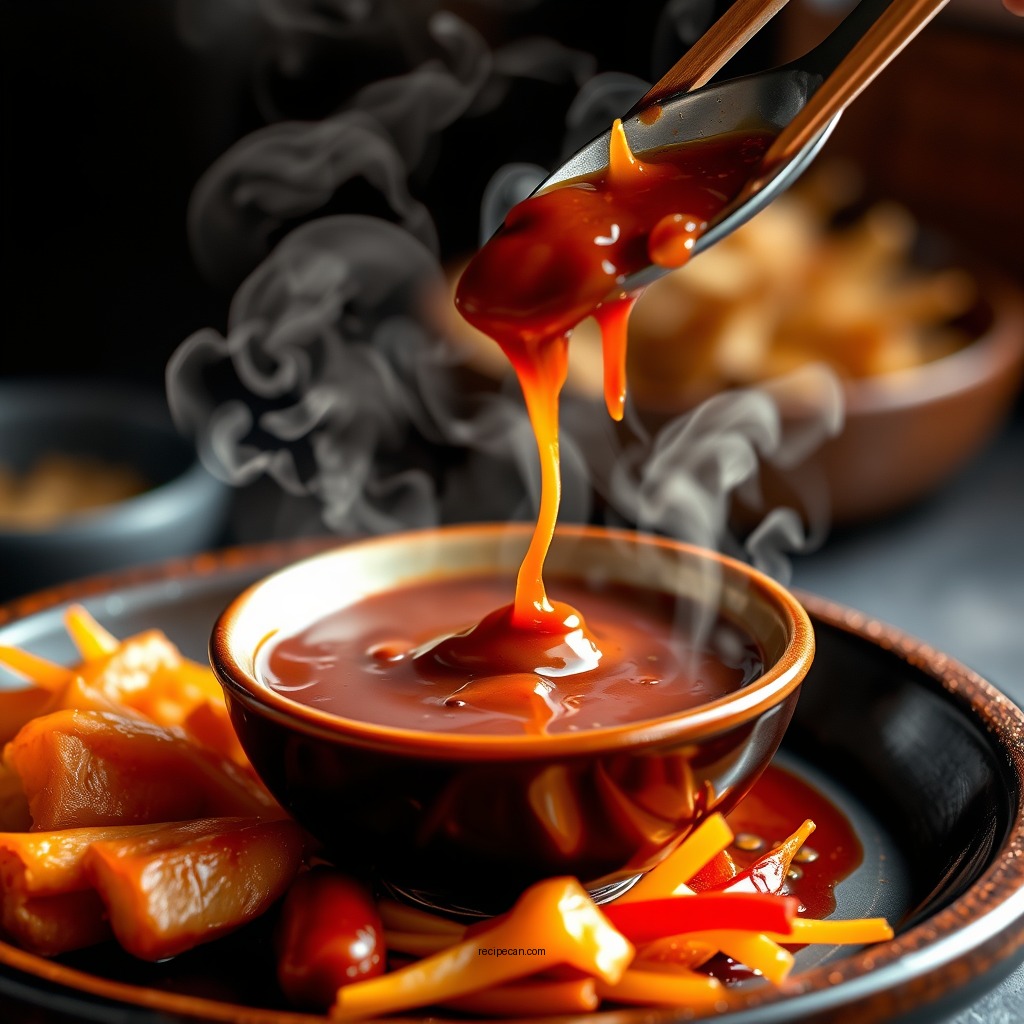
Bulgogi sauce is a delightful blend of sweet and savory flavors, perfect for marinating meats or as a dipping sauce. This versatile sauce not only enhances the taste of grilled meats but can also elevate vegetables and tofu dishes. In this article, you will learn how to create a simple and authentic bulgogi sauce at home using accessible ingredients. Get ready to elevate your dishes with this easy recipe!
Ingredients You’ll Need

To create an authentic bulgogi sauce, you will need the following key ingredients:
– Soy Sauce: The base of your sauce that adds depth and umami, crucial for achieving that authentic flavor.
– Brown Sugar: This ingredient provides the sweetness that balances the salty soy sauce, enhancing the overall taste profile.
– Garlic and Ginger: Essential aromatics that enhance the flavor profile, adding a fragrant and zesty kick.
These ingredients are not only easy to find in any grocery store but also work harmoniously together to create the unique flavor of bulgogi sauce.
Step-by-Step Preparation
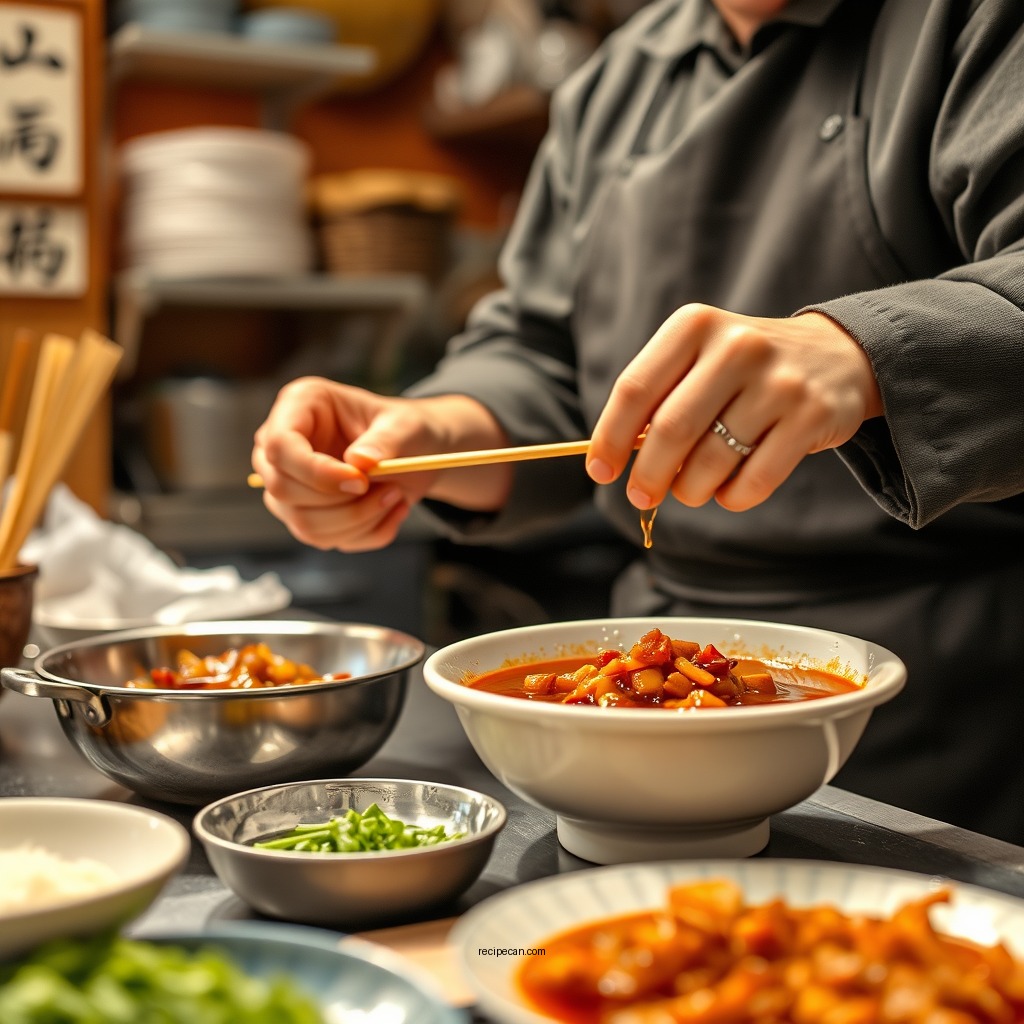
To prepare your bulgogi sauce, follow these simple steps:
1. Combine the Ingredients: In a mixing bowl, add soy sauce, brown sugar, minced garlic, and grated ginger. Use a whisk or spoon to blend these ingredients thoroughly.
2. Adjust Flavors: After mixing, taste the sauce. This is a critical step as it allows you to adjust the flavors according to your preference. If you prefer a sweeter sauce, add a bit more brown sugar. For a saltier flavor, a splash more of soy sauce can be added.
3. Optional Additions: For those who enjoy a nutty flavor, consider adding a teaspoon of sesame oil. If you’re looking for some heat, red pepper flakes can be a delightful addition to spice things up.
These steps ensure you create a bulgogi sauce that is both flavorful and tailored to your taste.
Tips for Best Results
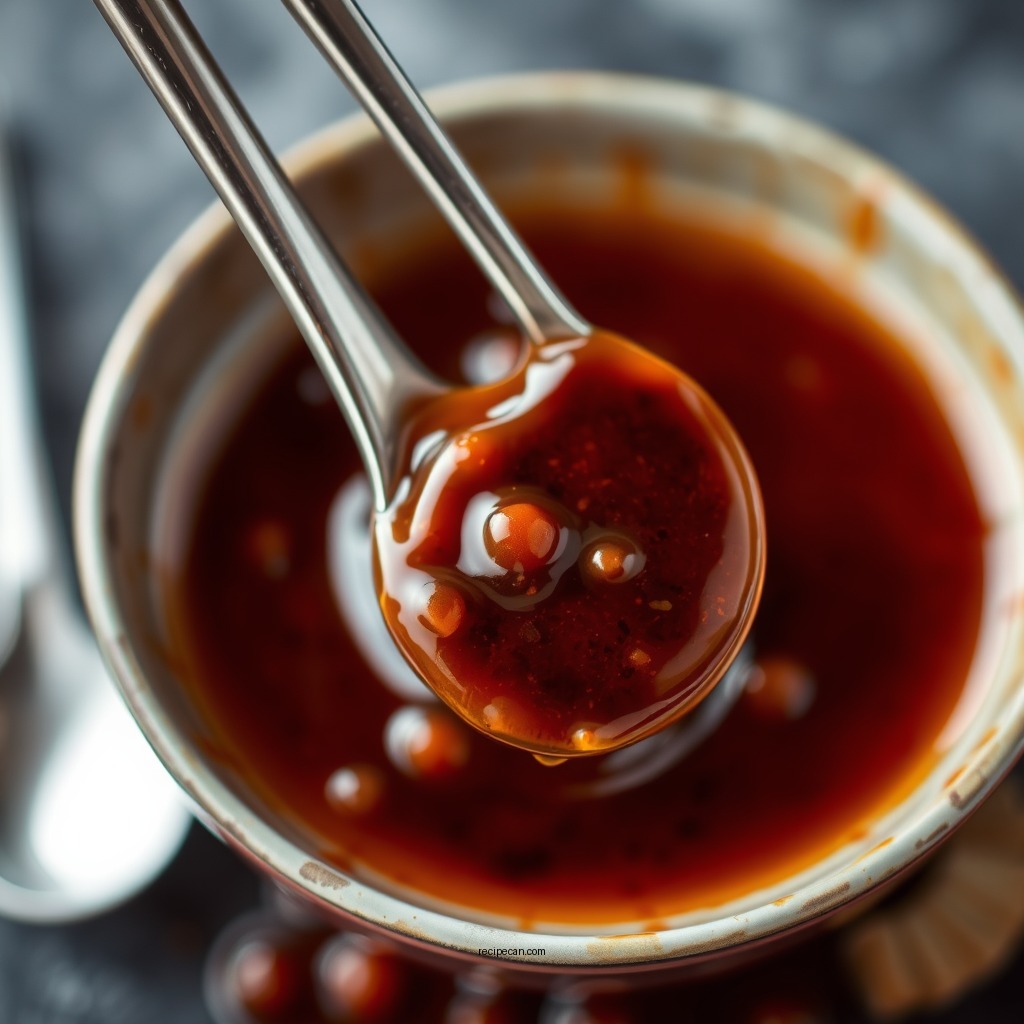
To make sure your bulgogi sauce reaches its full potential, keep the following tips in mind:
– Use Fresh Ingredients: Fresh garlic and ginger will provide the best flavor and aromatic qualities. Avoid using powdered versions as they lack the intensity needed for this sauce.
– Marinate Properly: For the best results, allow your meat to marinate in the bulgogi sauce for at least 30 minutes. For maximum flavor, consider marinating overnight, which helps the flavors penetrate deeply into the meat.
– Store Leftovers: If you have any unused sauce, store it in an airtight container in the refrigerator. It can last for up to a week, allowing you to enjoy that authentic flavor in multiple meals.
Popular Ingredients for Bulgogi Sauce
| # | Ingredient | Usage (%) | Flavor Contribution |
|---|---|---|---|
| 1 | Soy Sauce | 45% | Umami |
| 2 | Brown Sugar | 30% | Sweetness |
| 3 | Garlic | 15% | Aromatic |
| 4 | Ginger | 10% | Zesty |
| 5 | Sesame Oil | 5% | Nutty |
| 6 | Red Pepper Flakes | 5% | Spicy |
Variations of Bulgogi Sauce
Bulgogi sauce is incredibly versatile, allowing you to customize it based on your dietary preferences or desired flavor profiles. Here are a couple of variations:
– Spicy Version: For those who enjoy a bit of heat, adding gochujang (Korean chili paste) can transform your bulgogi sauce into a spicy delight. This addition not only increases the heat but also contributes to a richer, more complex flavor.
– Vegetarian Option: If you’re looking for a vegetarian alternative, you can easily replace soy sauce with a plant-based option, such as tamari or coconut aminos. Additionally, using vegetable broth instead of water can enhance the depth of flavor while keeping the sauce rich and satisfying.
These variations allow you to enjoy bulgogi sauce in different culinary contexts while catering to various dietary needs.
Serving Suggestions
Bulgogi sauce can be used in a myriad of ways, making it a staple in your culinary repertoire:
– Use with Meats: Traditionally, bulgogi sauce is perfect for marinating beef, chicken, or even tofu before grilling or stir-frying. The sauce infuses the meat with rich flavor, ensuring every bite is delicious.
– As a Dipping Sauce: This sauce also serves beautifully as a dipping sauce. Serve it alongside grilled vegetables, dumplings, or spring rolls for an added flavor boost that will impress your guests.
By incorporating bulgogi sauce into your meals, you can enjoy a taste of Korea right at home.
Common Mistakes to Avoid
While making bulgogi sauce is straightforward, there are common pitfalls to watch out for:
– Over-Marinating: Allowing your meat to marinate for too long can result in a mushy texture. Stick to the recommended marinating times for the best results—typically between 30 minutes and overnight.
– Skipping the Taste Test: Always taste your sauce before using it in your dishes. This step is crucial to ensure the balance of flavors is to your liking, allowing you to make adjustments as needed.
By being mindful of these common mistakes, you can ensure your bulgogi sauce turns out perfectly every time.
Bulgogi Sauce Flavor Profile Breakdown
Creating your own bulgogi sauce at home is quick and easy, allowing you to enjoy authentic Korean flavors in your cooking. With just a few simple ingredients and steps, you can enhance your meals and impress your guests. Try this recipe today and discover the delicious possibilities! Whether you’re marinating meats, enhancing vegetables, or serving a delightful dipping sauce, bulgogi sauce is a versatile addition to your culinary toolkit.
Frequently Asked Questions
What ingredients do I need for a traditional bulgogi sauce recipe?
To make a traditional bulgogi sauce, you’ll need soy sauce, sugar, sesame oil, minced garlic, grated ginger, and black pepper. Optional ingredients include green onions and a splash of rice wine or mirin for added depth of flavor. This combination of ingredients creates the perfect balance of sweet, savory, and umami that characterizes authentic bulgogi.
How do I prepare bulgogi sauce for marinating beef?
To prepare bulgogi sauce for marinating beef, mix together soy sauce, sugar, sesame oil, minced garlic, and grated ginger in a bowl. Whisk the ingredients until the sugar dissolves, then add your beef slices to the marinade, ensuring they are fully coated. Let the beef marinate for at least 30 minutes, or up to overnight in the refrigerator for the best flavor absorption.
Why is sesame oil important in a bulgogi sauce recipe?
Sesame oil is crucial in a bulgogi sauce recipe because it adds a rich, nutty flavor that enhances the overall taste of the dish. It also contributes to the aromatic quality of bulgogi, making the meat more flavorful and appealing. Using toasted sesame oil can elevate the dish even further by providing a deeper, more robust flavor profile.
What is the best way to balance sweetness in bulgogi sauce?
The best way to balance sweetness in bulgogi sauce is to adjust the ratio of sugar to soy sauce and add a bit of acidity, such as rice vinegar or lemon juice. Start with the recommended amounts in your recipe, then taste and tweak according to your preference. This will help you achieve a harmonious flavor that isn’t overly sweet and complements the savory elements of the dish.
Which type of meat is best for making bulgogi with the sauce?
The best types of meat for making bulgogi with the sauce are thinly sliced beef cuts like ribeye, sirloin, or flank steak. These cuts are tender and marbled, allowing them to absorb the bulgogi sauce flavors beautifully. However, you can also use pork or chicken if you prefer, just ensure they are sliced thinly for optimal marination and cooking.
References
- Bulgogi
https://en.wikipedia.org/wiki/Bulgogi - https://www.foodnetwork.com/recipes/bulgogi-recipe-2119922
https://www.foodnetwork.com/recipes/bulgogi-recipe-2119922 - https://www.thespruceeats.com/bulgogi-recipe-2116470
https://www.thespruceeats.com/bulgogi-recipe-2116470 - https://www.koreanbapsang.com/bulgogi-recipe/
https://www.koreanbapsang.com/bulgogi-recipe/ - https://www.maangchi.com/recipe/bulgogi
https://www.maangchi.com/recipe/bulgogi - Google Scholar Google Scholar
https://scholar.google.com/scholar?q=bulgogi+sauce+recipe - Google Scholar Google Scholar
https://scholar.google.com/scholar?q=Korean+cuisine+bulgogi - Google Scholar Google Scholar
https://scholar.google.com/scholar?q=bulgogi+recipe+ingredients - bulgogi sauce recipe – Search results
https://en.wikipedia.org/wiki/Special:Search?search=bulgogi+sauce+recipe - https://www.ncbi.nlm.nih.gov/search/research-articles/?term=bulgogi+sauce+recipe
https://www.ncbi.nlm.nih.gov/search/research-articles/?term=bulgogi+sauce+recipe