Chimichurri sauce is the quintessential condiment for enhancing the flavor of grilled meats, making it a must-have for any culinary enthusiast. This vibrant sauce, originating from Argentina, is not only easy to make but also utilizes simple ingredients that create a bold flavor profile. In this article, you will learn how to prepare a classic chimichurri sauce and explore its versatility in various dishes, ensuring you can elevate your meals on any occasion.
What is Chimichurri Sauce?
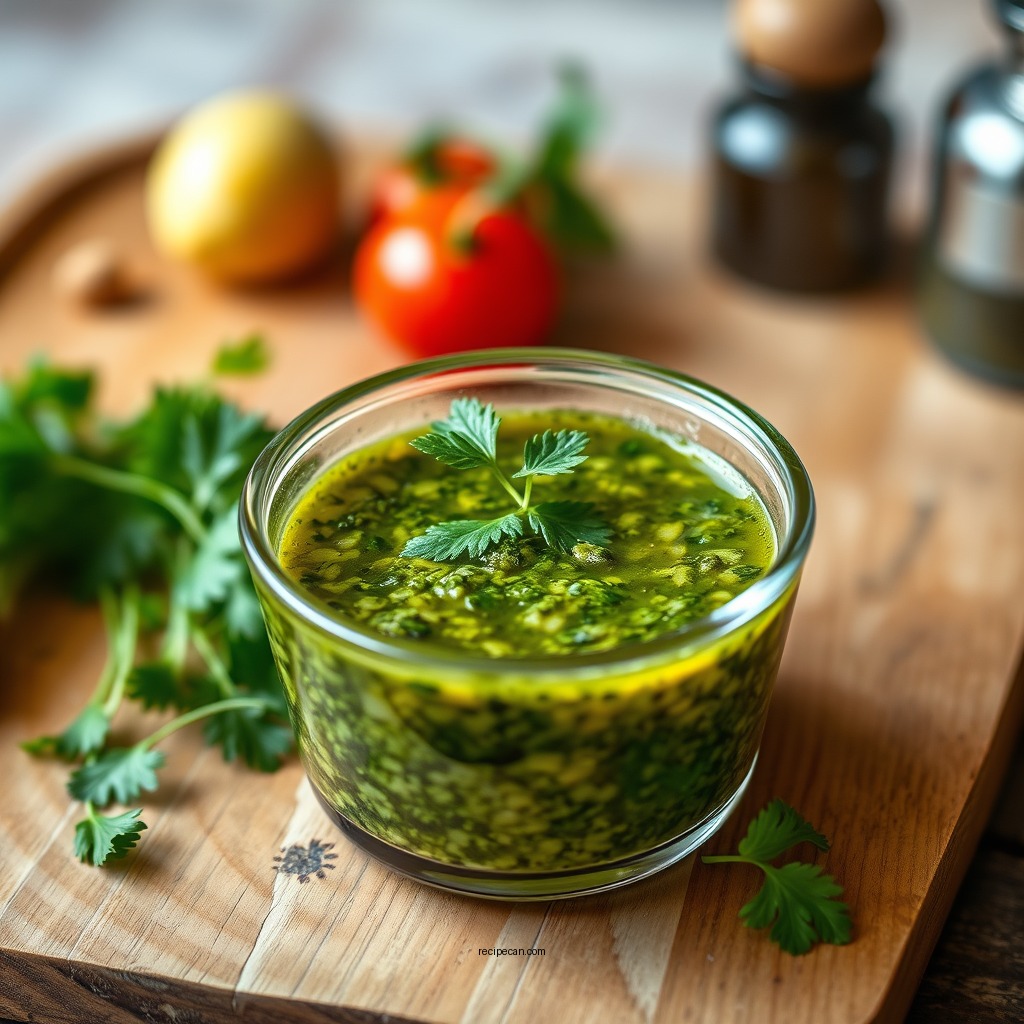
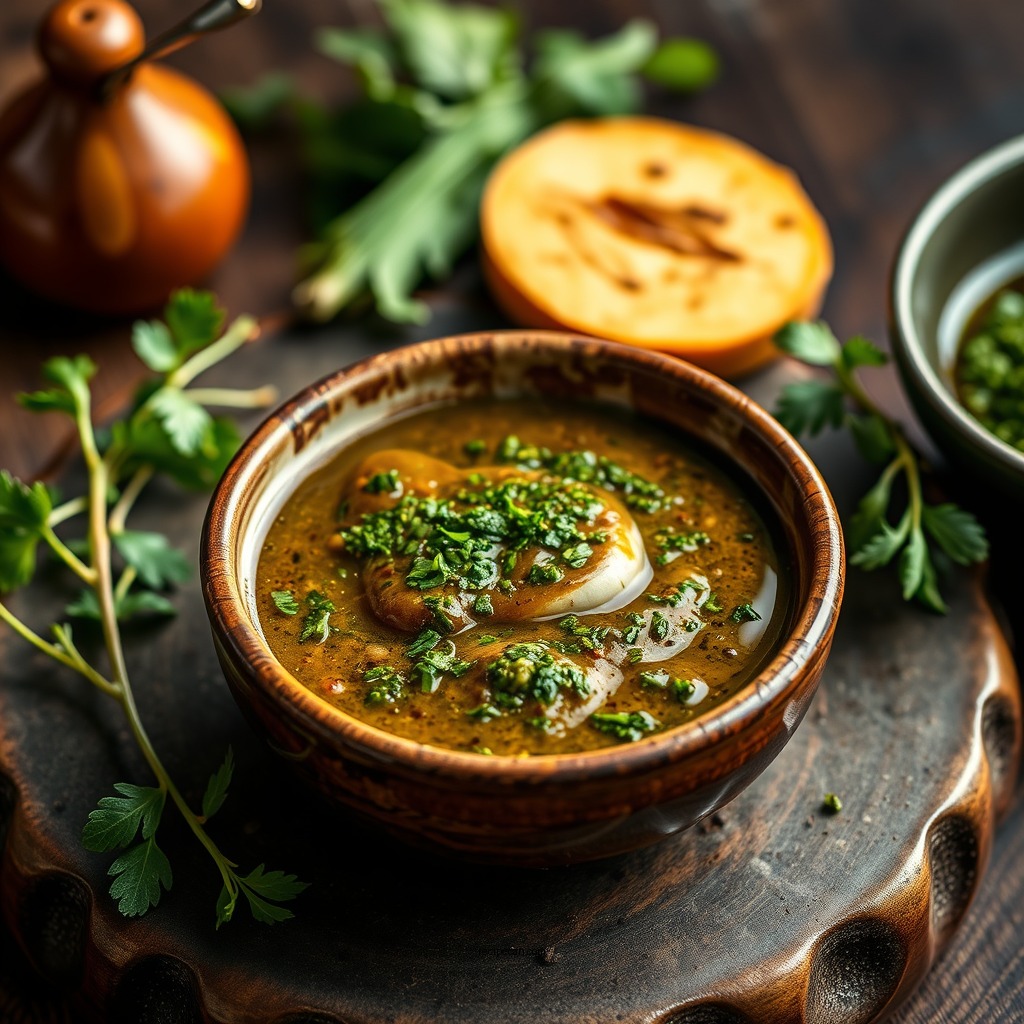
Chimichurri sauce is a traditional Argentinian condiment known for its vibrant green color and fresh flavors. Primarily used as a marinade and accompaniment to grilled meats, it has gained popularity worldwide for its ability to enhance the taste of various dishes. The sauce is typically composed of finely chopped parsley, garlic, olive oil, red wine vinegar, and a mix of spices, creating a fresh, zesty flavor that pairs beautifully with steaks, chicken, and vegetables. Its origins are firmly rooted in Argentine cuisine, where it serves as a staple at asados (barbecues) and is celebrated for its boldness and simplicity.
Essential Ingredients for Chimichurri Sauce
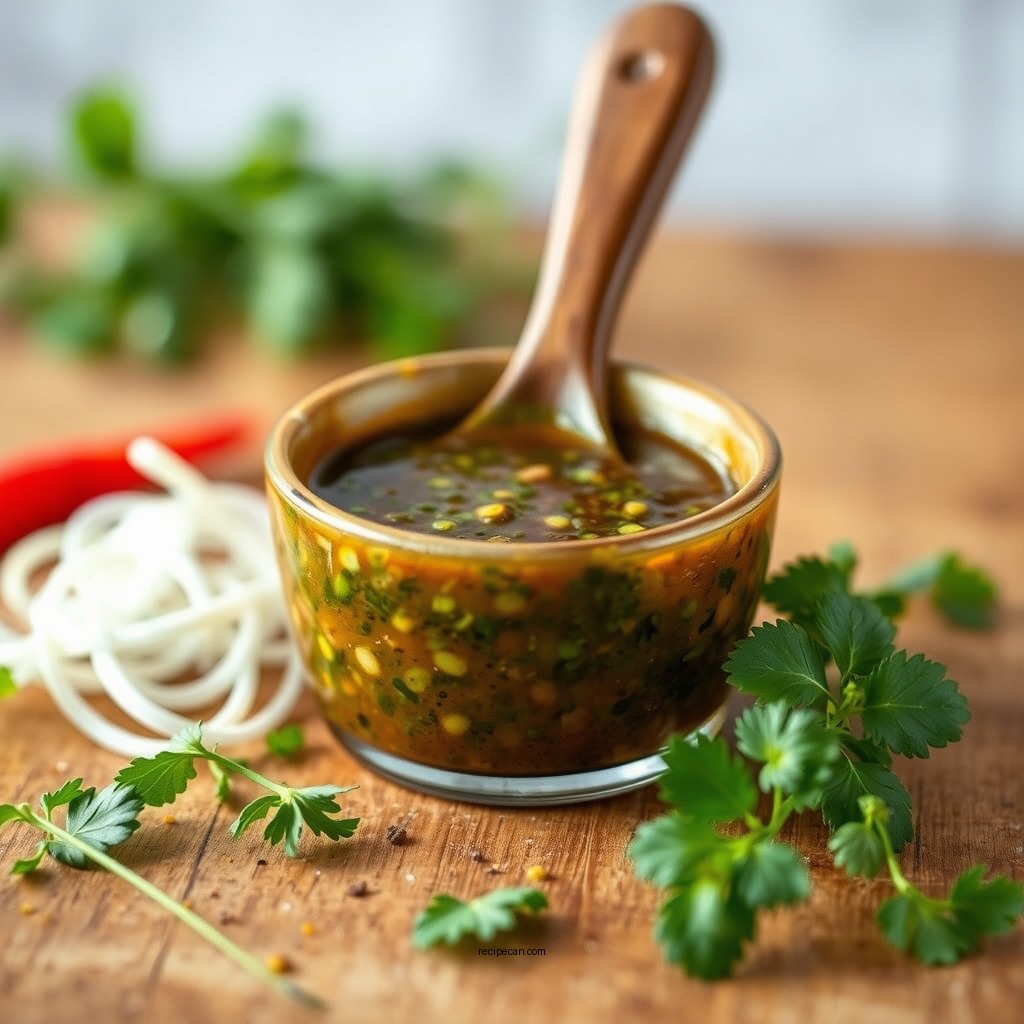
To make a classic chimichurri sauce, you’ll need the following essential ingredients:
– Fresh Parsley: This is the primary herb in chimichurri, contributing a fresh, herbal flavor that forms the base of the sauce. Flat-leaf parsley is preferred for its robust taste.
– Garlic: Minced or finely chopped garlic adds a pungent depth and a slight spiciness, balancing the freshness of the parsley.
– Olive Oil: A high-quality extra virgin olive oil not only provides richness but also helps emulsify the sauce, giving it a smooth texture.
– Red Wine Vinegar: This ingredient adds acidity, which is crucial for balancing the richness of the oil and enhancing the overall flavor profile.
– Salt and Pepper: These basic seasonings are essential for enhancing the flavors of the other ingredients.
– Optional Red Pepper Flakes: For those who enjoy a bit of heat, adding red pepper flakes can elevate the flavor profile with a spicy kick.
Step-by-Step Recipe for Making Chimichurri Sauce
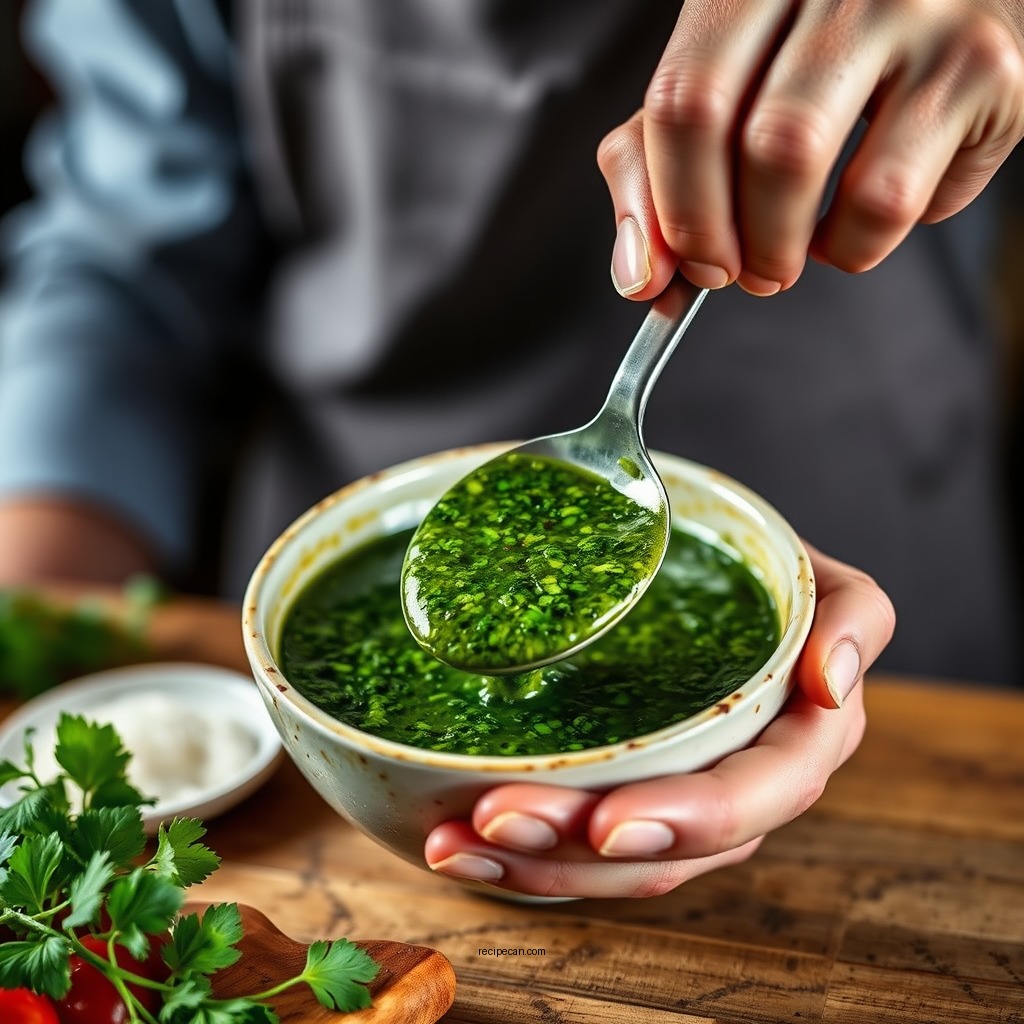
Making chimichurri sauce is a straightforward process that requires minimal preparation. Follow these steps to create your own batch:
1. Combine Ingredients: In a mixing bowl, add 1 cup of finely chopped fresh parsley, 4 minced garlic cloves, 1/2 cup of olive oil, and 1/4 cup of red wine vinegar.
2. Season: Add salt (about 1 teaspoon) and freshly ground black pepper to taste. If desired, include a pinch of red pepper flakes for additional heat.
3. Mix Thoroughly: Stir the mixture until all ingredients are well combined. You can use a whisk or a fork for this process.
4. Let It Rest: Allow the chimichurri to sit for at least 30 minutes at room temperature. This resting period allows the flavors to meld and develop, enhancing the overall taste.
5. Taste and Adjust: Before serving, taste the chimichurri and adjust seasoning as needed. You may wish to add more vinegar for acidity or a little more salt for flavor.
Here’s a quick overview of the ingredients:
Essential Ingredients for Chimichurri Sauce
| # | Ingredient | Quantity | Flavor Profile |
|---|---|---|---|
| 1 | Fresh Parsley | 1 cup | Herbaceous |
| 2 | Garlic | 4 cloves | Pungent |
| 3 | Olive Oil | 1/2 cup | Rich |
| 4 | Red Wine Vinegar | 1/4 cup | Acidic |
| 5 | Salt | 1 tsp | Savory |
| 6 | Black Pepper | To taste | Spicy |
| 7 | Red Pepper Flakes | Optional | Spicy |
Tips for Customizing Your Chimichurri
Chimichurri sauce is incredibly versatile, allowing for various modifications to suit personal tastes. Here are some tips for customizing your chimichurri:
– Herb Variations: While parsley is traditional, feel free to experiment with other herbs. Cilantro can add a fresh, citrusy note, while oregano can introduce a more aromatic flavor.
– Acidity Adjustments: The acidity of chimichurri can be adjusted by altering the amount of vinegar used or incorporating lemon juice. This is especially useful if you prefer a lighter, zestier sauce.
– Texture Preferences: Some people enjoy a smoother chimichurri. To achieve this, blend the ingredients in a food processor for a few seconds. This will create a more cohesive sauce while still maintaining the fresh flavors.
– Nut Additions: For a unique twist, consider adding nuts like walnuts or pine nuts. This addition will provide a creamy texture and add depth to the flavor.
How to Store Chimichurri Sauce
Proper storage is essential for maintaining the flavor and freshness of your chimichurri sauce:
– Refrigeration: Store chimichurri in an airtight container in the refrigerator. It can last up to one week. The flavors may intensify as it sits, so it’s advisable to taste and adjust seasonings before use.
– Freezing: For longer storage, consider freezing chimichurri. Pour the sauce into ice cube trays and freeze. Once solid, transfer the cubes to a freezer bag. This method allows you to use small portions as needed, preserving the vibrant flavors for future meals.
Best Uses for Chimichurri Sauce
Chimichurri is a versatile condiment that can be used in various ways to enhance your meals:
– Grilled Meats: Drizzle chimichurri over grilled steaks, chicken, or fish to add a fresh, zesty flavor. It complements the smoky notes of grilled meats beautifully.
– Marinade: Use chimichurri as a marinade for meats or vegetables prior to grilling. The acidity from the vinegar will help tenderize the meat while infusing flavor.
– Dipping Sauce: Serve chimichurri as a dipping sauce for bread or grilled vegetables. Its bright flavor can elevate simple appetizers and snacks.
– Topping for Sandwiches: Add a spoonful of chimichurri to sandwiches or wraps for an extra kick of flavor. It pairs especially well with grilled meats and roasted vegetables.
Here’s a quick overview of the best uses:
Best Uses for Chimichurri Sauce
Chimichurri sauce is an easy and delicious addition to your culinary repertoire. With its fresh ingredients and bold flavors, you can enhance any meal. Try making it today and impress your family and friends with this vibrant condiment! Its versatility allows it to complement various dishes, making it a staple in any kitchen. Whether used as a marinade, topping, or dipping sauce, chimichurri can elevate your dining experience to new heights. Enjoy experimenting with this delightful sauce and discover the myriad of ways to incorporate it into your meals.
Frequently Asked Questions
What are the key ingredients in a traditional chimichurri sauce recipe?
A traditional chimichurri sauce recipe typically includes fresh parsley, garlic, red wine vinegar, olive oil, and red pepper flakes. These ingredients create a vibrant green sauce that is both flavorful and aromatic, making it an excellent accompaniment for grilled meats and vegetables.
How do you make chimichurri sauce from scratch?
To make chimichurri sauce from scratch, finely chop fresh parsley and garlic, then combine them in a bowl with red wine vinegar, olive oil, and a pinch of red pepper flakes. Mix well to combine the flavors, and let it sit for at least 30 minutes before serving to enhance the taste.
Why is chimichurri sauce a popular choice for grilled meats?
Chimichurri sauce is a popular choice for grilled meats because its fresh and zesty flavors complement the smoky taste of grilled dishes. The acidity from the vinegar helps to tenderize the meat while adding a burst of flavor, making it a favorite in Argentine cuisine.
What is the best way to store homemade chimichurri sauce?
The best way to store homemade chimichurri sauce is in an airtight container in the refrigerator, where it can last for up to a week. For longer storage, consider freezing the sauce in ice cube trays, which allows you to use small portions as needed without losing freshness.
Which dishes pair well with chimichurri sauce?
Chimichurri sauce pairs well with a variety of dishes, including grilled steak, chicken, and fish. It also makes a great topping for roasted vegetables or can be used as a marinade, adding a delicious kick to your meals while enhancing the overall flavor profile.
References
- Chimichurri
https://en.wikipedia.org/wiki/Chimichurri - Chimichurri sauce recipe | Good Food
https://www.bbcgoodfood.com/recipes/chimichurri-sauce - NYT Cooking – Recipes and Cooking Guides From The New York Times
https://www.nytimes.com/recipes/1019844/chimichurri-sauce - https://www.foodnetwork.com/recipes/chimichurri-sauce-recipe-2011418
https://www.foodnetwork.com/recipes/chimichurri-sauce-recipe-2011418 - https://www.seriouseats.com/chimichurri-sauce-recipe-5111801
https://www.seriouseats.com/chimichurri-sauce-recipe-5111801 - Google Scholar Google Scholar
https://scholar.google.com/scholar?q=chimichurri+sauce+recipe - Google Scholar Google Scholar
https://scholar.google.com/scholar?q=chimichurri+sauce+nutrition - Google Scholar Google Scholar
https://scholar.google.com/scholar?q=chimichurri+sauce+history - Chimichurri Recipe | Bon Appétit
https://www.bonappetit.com/recipe/chimichurri-sauce - https://www.healthline.com/nutrition/chimichurri-sauce-nutrition
https://www.healthline.com/nutrition/chimichurri-sauce-nutrition