Bearnaise sauce is a classic French sauce that enhances the flavor of various dishes, especially steak and vegetables. This rich, velvety sauce combines egg yolks, clarified butter, vinegar, and aromatic herbs to create a delightful experience for the palate. In this article, you will learn how to make bearnaise sauce at home using simple ingredients and easy-to-follow steps, allowing you to elevate your culinary skills and impress your guests.
What is Bearnaise Sauce?

Bearnaise sauce is a derivative of the classic French sauce hollandaise and is named after the Béarn region in southwestern France. Typically, it features a rich, buttery flavor balanced with a tang from vinegar and a hint of freshness from herbs like tarragon and chervil. The sauce first gained popularity in the 19th century and has since become a staple in French cuisine, often served with grilled meats, fish, and vegetables.
The key ingredients in bearnaise sauce include:
– Clarified Butter: This ingredient adds richness and flavor, providing a smooth texture that is essential for emulsification.
– Egg Yolks: They serve as the emulsifying agent that binds the fat from the butter and the liquid from the vinegar, creating a creamy consistency.
– Vinegar: Typically white wine vinegar, it contributes acidity, which balances the richness of the butter and enhances the overall flavor profile.
– Herbs: Fresh tarragon is traditional, with chervil and parsley sometimes included for added complexity.
Essential Ingredients for Bearnaise Sauce
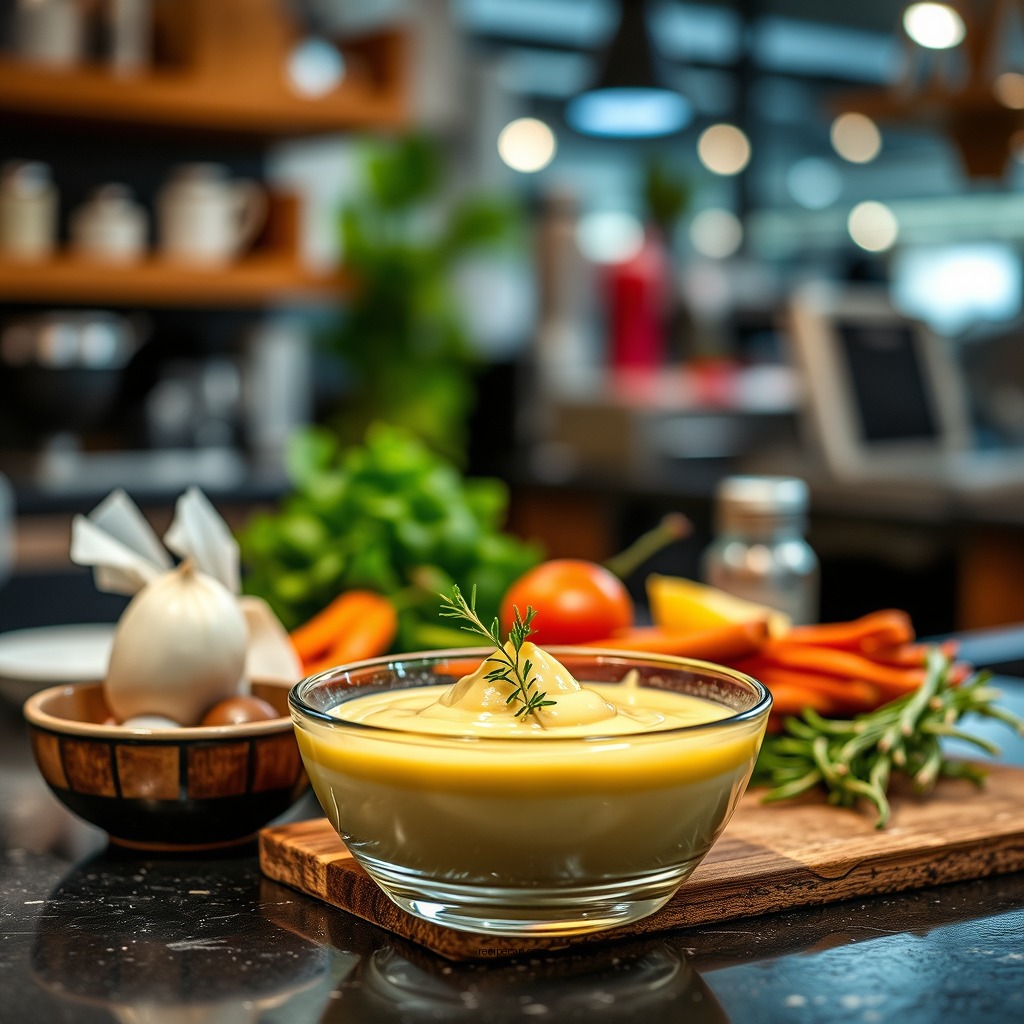
To make bearnaise sauce, you will need the following essential ingredients:
– 1/2 cup of clarified butter: Ensure it is unsalted for precise control over the seasoning.
– 3 egg yolks: Freshness is vital; farm-fresh eggs produce the best results.
– 1/4 cup white wine vinegar: Substitute with champagne vinegar if desired for a milder taste.
– 1 tablespoon finely chopped fresh tarragon: Dried tarragon can be used but fresh is preferable for the best flavor.
– 1 tablespoon finely chopped shallots: Shallots add a subtle sweetness and depth.
– Salt and pepper: To taste, for seasoning the sauce.
Tips for Selecting the Best Quality Ingredients
1. Clarified Butter: Opt for high-quality, unsalted butter. To clarify butter, gently melt it and skim off the white milk solids that rise to the top.
2. Eggs: Choose organic or free-range eggs for better flavor, as their yolks tend to be richer and more vibrant.
3. Vinegar: Use high-quality vinegar to ensure the best flavor; avoid overly acidic varieties.
4. Herbs: Fresh herbs are crucial for authentic flavor. Purchase them from a local market or grow your own for maximum freshness.
Step-by-Step Instructions
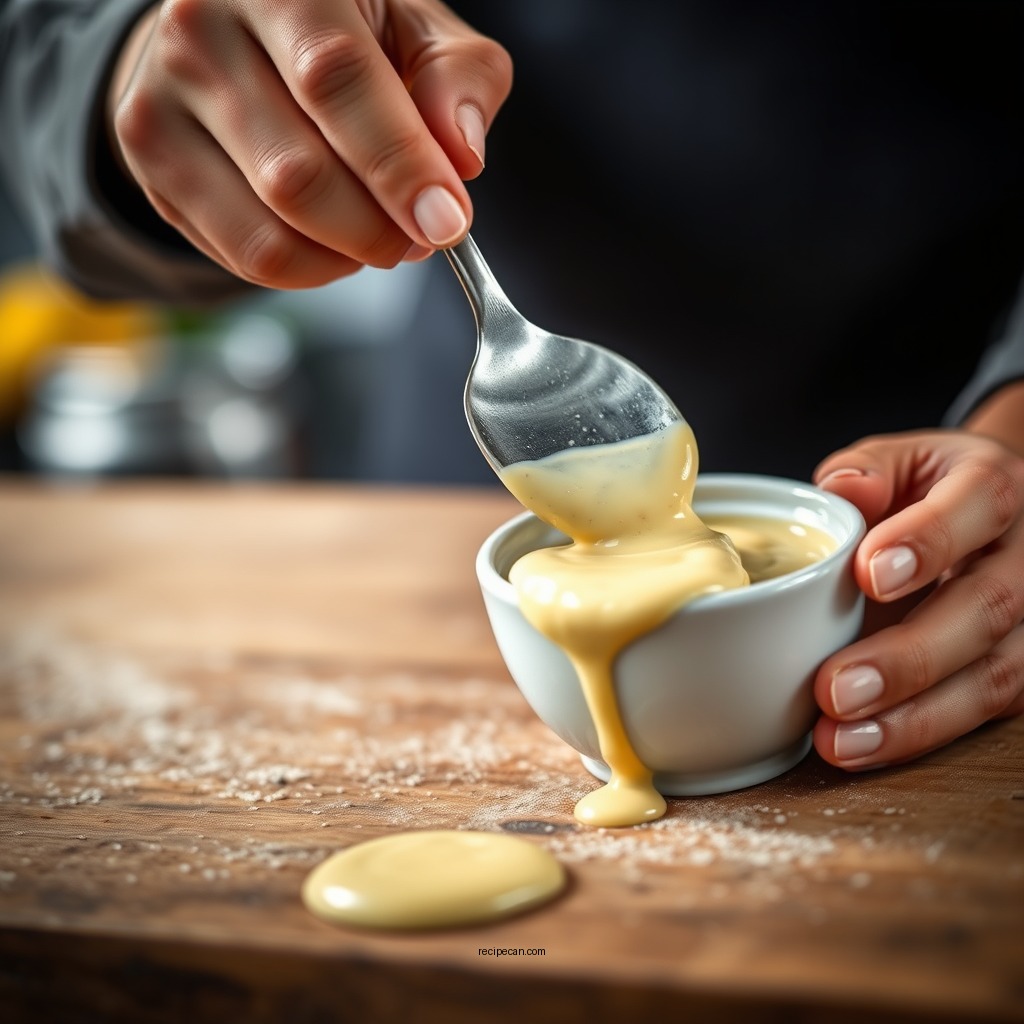
Making bearnaise sauce involves a few precise steps to ensure a perfect emulsion. Follow these instructions carefully:
1. Prepare the Reduction: In a small saucepan, combine the white wine vinegar, shallots, and half of the tarragon. Bring the mixture to a simmer and reduce it by half. Once reduced, strain the mixture to remove solids and set aside to cool.
2. Whisk Egg Yolks: In a heatproof bowl (preferably stainless steel), whisk the egg yolks until they become pale and frothy.
3. Add Reduction: Slowly add the cooled vinegar reduction to the egg yolks, whisking constantly to combine.
4. Heat the Mixture: Place the bowl over a pot of simmering water (double boiler method) to create gentle heat. Continue whisking until the mixture thickens and forms ribbons when the whisk is lifted.
5. Emulsify with Butter: Gradually pour in the clarified butter while whisking continuously. Start with a few drops and then increase to a thin stream as the sauce begins to thicken.
6. Incorporate Herbs: Once the butter is fully incorporated, remove the bowl from heat and stir in the remaining tarragon, along with salt and pepper to taste.
7. Serve Immediately: Bearnaise sauce is best served fresh, so use it right away or keep it warm in a thermos.
Top 7 Ingredients for Making Bearnaise Sauce
| # | Ingredient | Importance Level | Best Quality Source |
|---|---|---|---|
| 1 | Clarified Butter | High | Organic |
| 2 | Egg Yolks | High | Farm-Fresh |
| 3 | White Wine Vinegar | Medium | Quality Brand |
| 4 | Tarragon | High | Fresh |
| 5 | Shallots | Medium | Fresh |
| 6 | Salt & Pepper | Low | Any |
Bearnaise Sauce Preparation Time vs. Difficulty
Common Mistakes to Avoid
Making bearnaise sauce can be intimidating, especially for novice cooks. Here are some common pitfalls and how to avoid them:
1. Overcooking the Eggs: One of the most frequent mistakes is cooking the egg yolks too long, which can lead to a curdled texture. Always use gentle heat and whisk continuously.
2. Improper Emulsification: If the butter is added too quickly, the sauce may separate. Gradually incorporate the butter while whisking to ensure a stable emulsion.
3. Serving Temperature: Bearnaise sauce should be served warm but not hot. If it cools too much, it may thicken excessively or break; consider keeping it in a warm water bath until ready to serve.
4. Incorrect Seasoning: Always taste and adjust the seasoning before serving. Insufficient salt or vinegar can lead to a flat flavor.
5. Using Low-Quality Ingredients: The quality of your ingredients directly affects the final sauce. Always opt for the best quality butter, eggs, and herbs.
Serving Suggestions
Bearnaise sauce pairs beautifully with a variety of dishes. Here are some recommendations for serving:
– Steak: Drizzle over grilled or pan-seared steak for a luxurious finish.
– Fish: It complements rich fish like salmon or halibut, adding depth to the dish.
– Vegetables: Serve with steamed asparagus, artichokes, or roasted potatoes for added flavor.
– Creative Uses: Consider using bearnaise sauce as a dip for fries or a topping for eggs Benedict for an innovative twist.
Storing and Reheating Bearnaise Sauce
If you have leftover bearnaise sauce, follow these best practices for storage and reheating:
– Storage: Place the sauce in an airtight container and refrigerate it for up to two days. It’s best to use it fresh, but it can be kept for a short time in the fridge.
– Reheating: To reheat, gently warm the sauce in a double boiler, whisking continuously. Avoid direct heat to prevent curdling. If the sauce thickens too much, whisk in a small amount of warm water or melted butter to restore its consistency.
Bearnaise sauce is a delicious and sophisticated addition to your culinary repertoire. With careful attention to technique and ingredient quality, you can create this classic French sauce at home. Whether served with steak, fish, or vegetables, bearnaise sauce will elevate your dishes and impress your guests.
In conclusion, mastering the art of bearnaise sauce opens up a world of culinary possibilities. We encourage you to try this recipe and share your experiences or variations in the comments below. Happy cooking!
Frequently Asked Questions
What are the key ingredients in a classic béarnaise sauce recipe?
A classic béarnaise sauce requires key ingredients such as unsalted butter, egg yolks, white wine vinegar, shallots, tarragon, and chervil. These components come together to create a rich, creamy sauce that beautifully complements grilled meats and vegetables.
How do I make béarnaise sauce from scratch?
To make béarnaise sauce from scratch, start by reducing white wine vinegar with shallots and tarragon in a saucepan. Once reduced, strain the mixture, and whisk in egg yolks over low heat while gradually adding melted butter until the sauce thickens to a creamy consistency. Season with salt and more tarragon for enhanced flavor.
Why does my béarnaise sauce curdle and how can I prevent it?
Béarnaise sauce can curdle if the heat is too high when whisking in the egg yolks or if the sauce is overcooked. To prevent curdling, use a double boiler to maintain gentle heat, whisk continuously, and remove the sauce from heat as soon as it thickens to achieve a smooth texture.
What is the best way to store leftover béarnaise sauce?
The best way to store leftover béarnaise sauce is to place it in an airtight container and refrigerate it for up to 2 days. When ready to use, gently reheat the sauce over a double boiler while whisking to restore its creamy consistency without cooking the eggs further.
Which dishes pair well with béarnaise sauce?
Béarnaise sauce pairs exceptionally well with grilled meats, especially steak and lamb, as well as roasted vegetables and seafood like salmon. Its herbaceous and tangy flavors enhance these dishes, making it a versatile sauce that elevates any meal.
References
- Béarnaise sauce
https://en.wikipedia.org/wiki/B%C3%A9arnaise_sauce - https://www.bbc.co.uk/food/recipes/bearnaisesauce_73646
https://www.bbc.co.uk/food/recipes/bearnaisesauce_73646 - NYT Cooking – Recipes and Cooking Guides From The New York Times
https://www.nytimes.com/recipes/1018159/bearnaise-sauce - https://www.gourmet.com/recipes/foodviews/2008/06/what-is-bearnaise-sauce
https://www.gourmet.com/recipes/foodviews/2008/06/what-is-bearnaise-sauce - https://www.seriouseats.com/bearnaise-sauce-recipe-5114672
https://www.seriouseats.com/bearnaise-sauce-recipe-5114672 - https://www.cooking.nytimes.com/recipes/1018159-bearnaise-sauce
https://www.cooking.nytimes.com/recipes/1018159-bearnaise-sauce - https://scholar.google.com/scholar?q=bearnaise+sauce+recipe Google Scholar
https://scholar.google.com/scholar?q=bearnaise+sauce+recipe - Google Scholar Google Scholar
https://scholar.google.com/scholar?q=B%C3%A9arnaise+sauce+history - Google Scholar Google Scholar
https://scholar.google.com/scholar?q=B%C3%A9arnaise+sauce+technique - https://en.wikipedia.org/wiki/Special:Search?search=bearnaise+sauce+recipe
https://en.wikipedia.org/wiki/Special:Search?search=bearnaise+sauce+recipe