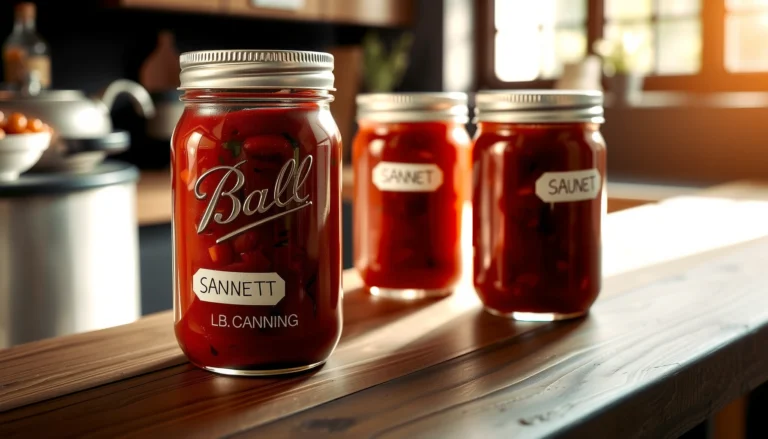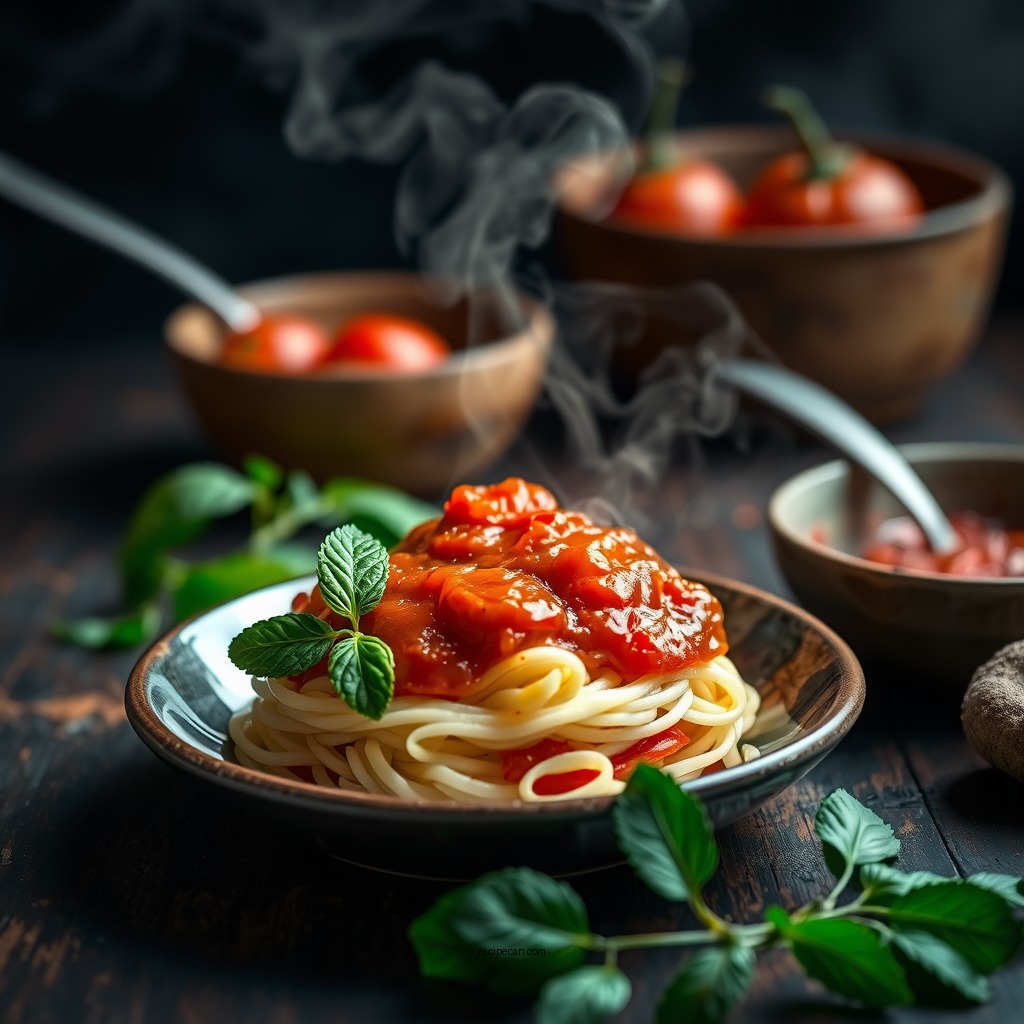
Making a delicious tomato sauce at home is quick and straightforward. In this article, you’ll learn how to create a flavorful tomato sauce using fresh ingredients and simple techniques. Whether you’re topping pasta, pizza, or using it in a casserole, this versatile recipe will elevate your dishes. With just a few ingredients and a little bit of time, you can enjoy the rich, vibrant flavors of homemade tomato sauce that far surpasses store-bought options.
Ingredients You’ll Need
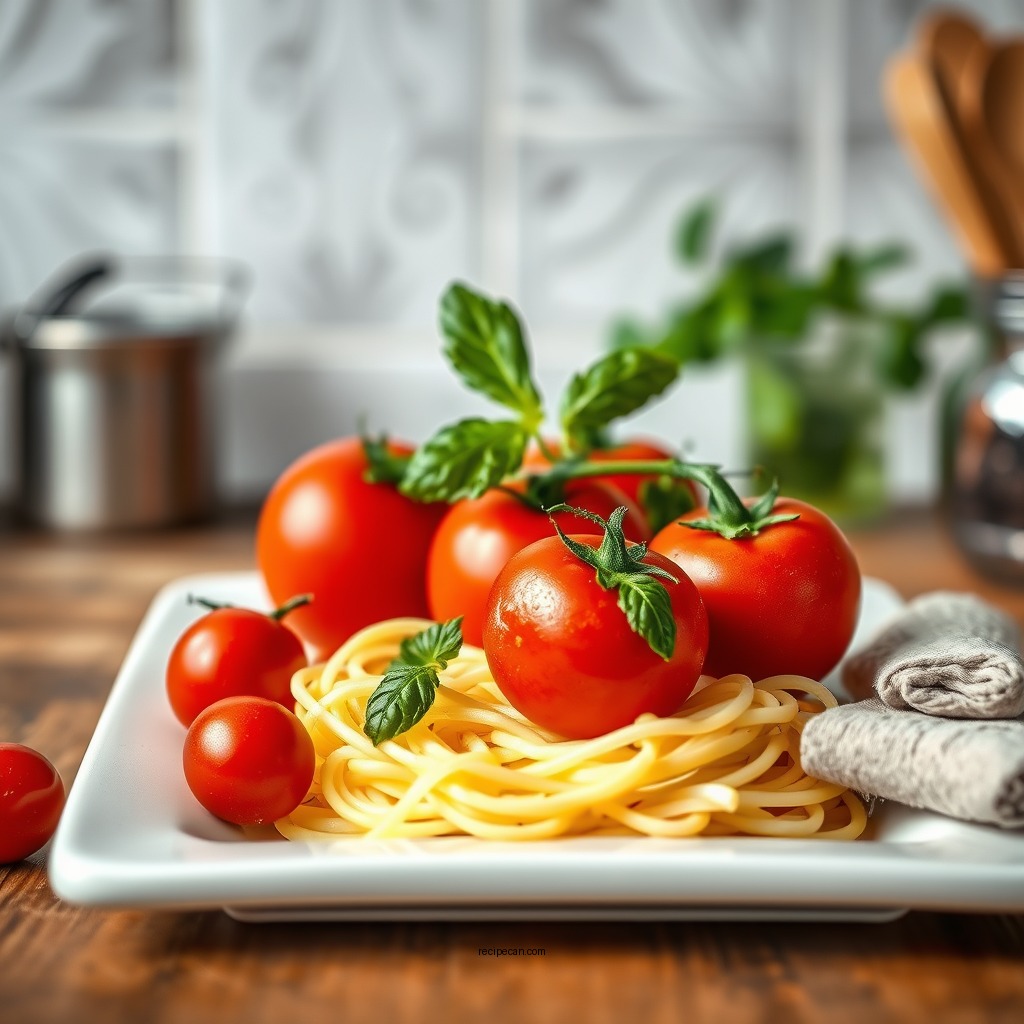
To make a simple yet delicious tomato sauce, you will require just a handful of ingredients:
– Fresh Tomatoes (or Canned for Convenience): Choose ripe, seasonal tomatoes for the best flavor. Varieties like Roma or San Marzano work wonderfully, but any fresh tomatoes can suffice. If fresh tomatoes are unavailable, high-quality canned tomatoes can be a great alternative.
– Aromatics like Garlic and Onion: These ingredients form the backbone of your sauce, providing depth and richness. Fresh garlic adds a fragrant kick, while onion brings sweetness.
– Olive Oil for Richness: Good-quality extra virgin olive oil enhances the sauce’s flavor and mouthfeel, promoting a luxurious texture.
Preparing the Tomatoes
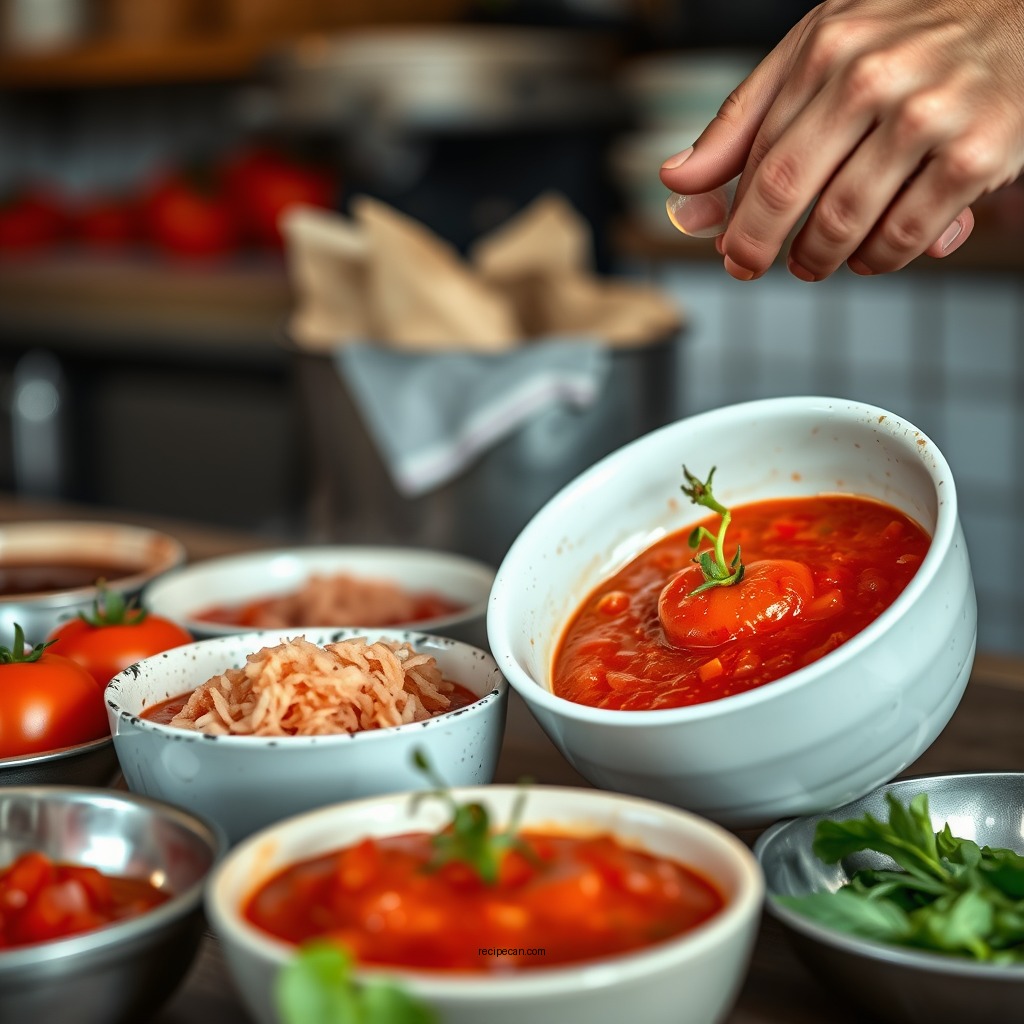
The preparation method for the tomatoes can significantly affect the final texture and taste of your sauce.
– Blanch and Peel Fresh Tomatoes for a Smoother Sauce: If you opt for fresh tomatoes, start by blanching them in boiling water for about 30 seconds. This process makes the skins easier to remove. After blanching, plunge the tomatoes into an ice bath to halt the cooking process. Once cooled, peel off the skins, chop the tomatoes, and set them aside.
– If Using Canned Tomatoes, Choose Quality Brands for the Best Flavor: When selecting canned tomatoes, look for varieties packed in juice rather than puree. Brands like San Marzano are renowned for their natural sweetness and low acidity, making them ideal for a rich sauce.
Cooking Techniques

To achieve a flavorful sauce, mastering a few essential cooking techniques is key.
– Sauté Garlic and Onion in Olive Oil to Build a Flavor Base: Begin by heating olive oil in a large saucepan over medium heat. Add finely chopped onions and sauté until they become translucent. Follow this by adding minced garlic and cooking for another minute until fragrant. This technique releases the natural sweetness of the onions and the aromatic properties of garlic, creating a robust foundation for your sauce.
– Simmer the Sauce to Allow Flavors to Meld and Thicken: Once your aromatics are ready, add the prepared tomatoes (fresh or canned) to the pan. Stir to combine, and season with salt and pepper. Allow the sauce to simmer gently for at least 30 minutes, stirring occasionally. This simmering process helps the flavors meld together and thickens the sauce, intensifying its taste.
Tomato Varieties for Sauce Making
| # | Tomato Variety | Best For | Flavor Profile | Texture |
|---|---|---|---|---|
| 1 | Roma | Sauces, Pastes | Sweet, Mild | Meaty |
| 2 | San Marzano | Sauces, Soups | Rich, Sweet | Chunky |
| 3 | Beefsteak | Salsas, Sauces | Juicy, Sweet | Fleshy |
| 4 | Cherry | Fresh Use, Sauces | Sweet, Tangy | Succulent |
| 5 | Plum | Sauces, Jarring | Balanced, Sweet | Firm |
| 6 | Green Zebra | Salsas, Fresh | Tangy, Unique | Juicy |
Flavor Enhancements
To further elevate your tomato sauce, consider incorporating additional flavors.
– Add Herbs Like Basil and Oregano for an Authentic Taste: Fresh or dried herbs can significantly enhance the flavor profile of your sauce. Adding fresh basil towards the end of cooking preserves its aromatic qualities, while dried oregano can be added earlier to allow its flavors to infuse fully.
– Consider a Pinch of Sugar to Balance Acidity: Tomatoes can sometimes have a pronounced acidity, which might overwhelm the dish. A pinch of sugar can help balance this acidity, resulting in a smoother, more harmonious sauce.
Storage Tips
Proper storage can help you maximize the lifespan of your homemade tomato sauce.
– Store Leftover Sauce in Airtight Containers for Up to a Week in the Fridge: Allow the sauce to cool completely before transferring it to airtight containers. This ensures that it stays fresh and safe to consume.
– Freeze in Portions for Longer Preservation, Ideal for Quick Meals Later: If you plan to store your sauce for extended periods, consider freezing it in portion-sized containers or freezer bags. This method allows for easy defrosting and quick meal preparation.
Serving Suggestions
Your homemade tomato sauce can be utilized in a variety of dishes.
– Pair the Sauce with Your Favorite Pasta or Use it as a Pizza Base: A classic spaghetti with tomato sauce or a homemade pizza topped with your sauce can bring joy to any meal. The versatility of tomato sauce makes it suitable for various cuisines and dishes.
– Enhance with Grated Cheese or Fresh Herbs Before Serving for Extra Flavor: A sprinkle of grated Parmesan or fresh basil can add a delightful finishing touch, enhancing both the flavor and presentation of your dish.
Making your own tomato sauce is not just about creating a flavorful base; it’s about enjoying the process and the satisfaction of cooking from scratch. This easy tomato sauce recipe can transform your meals, so gather your ingredients and start cooking! Enjoy the satisfaction of making your own sauce from scratch and explore different ways to use it.
Frequently Asked Questions
What are the essential ingredients for a basic tomato sauce recipe?
A basic tomato sauce recipe typically includes ripe tomatoes, olive oil, garlic, onions, salt, and fresh basil. For a richer flavor, you can also add ingredients like oregano, crushed red pepper, and a splash of red wine. Using high-quality, fresh tomatoes will elevate your sauce and provide a robust taste.
How do I make homemade tomato sauce from fresh tomatoes?
To make homemade tomato sauce from fresh tomatoes, start by blanching the tomatoes in boiling water for a minute, then transferring them to an ice bath to easily peel off the skins. After peeling, chop the tomatoes and sauté them with olive oil, garlic, and onions until soft. Simmer the mixture, adding herbs and seasonings to taste, until it reaches your desired thickness.
Why is my tomato sauce too acidic, and how can I fix it?
Tomato sauce can become too acidic due to the natural acidity of tomatoes. To balance the acidity, you can add a pinch of sugar, a splash of balsamic vinegar, or even a small amount of baking soda, which neutralizes the acidity. Additionally, using sweeter varieties of tomatoes or adding carrots can help reduce the acidic taste.
What is the best type of tomatoes to use for tomato sauce?
The best type of tomatoes for making tomato sauce are Roma tomatoes or San Marzano tomatoes because they are meatier and have fewer seeds, resulting in a thicker sauce. These varieties are known for their rich flavor and low moisture content, making them ideal for cooking down into a delicious sauce.
Which herbs and spices should I add to enhance the flavor of my tomato sauce?
To enhance the flavor of your tomato sauce, consider adding herbs like basil, oregano, and thyme, which are classic pairings with tomatoes. A dash of red pepper flakes can add heat, while bay leaves can introduce depth. Fresh herbs are best added towards the end of cooking to preserve their flavor, while dried herbs can be added earlier in the process.
References
- Tomato sauce
https://en.wikipedia.org/wiki/Tomato_sauce - Basic tomato sauce recipe | Good Food
https://www.bbcgoodfood.com/recipes/tomato-sauce - https://www.sciencedirect.com/topics/agricultural-and-biological-sciences/tomato-sauce
https://www.sciencedirect.com/topics/agricultural-and-biological-sciences/tomato-sauce - https://www.health.harvard.edu/staying-healthy/the-health-benefits-of-tomatoes
https://www.health.harvard.edu/staying-healthy/the-health-benefits-of-tomatoes - https://www.ncbi.nlm.nih.gov/pmc/articles/PMC6412942/
https://www.ncbi.nlm.nih.gov/pmc/articles/PMC6412942/ - https://www.mayoclinic.org/healthy-lifestyle/nutrition-and-healthy-eating/in-depth/tomatoes/art-20044217
https://www.mayoclinic.org/healthy-lifestyle/nutrition-and-healthy-eating/in-depth/tomatoes/art-20044217 - https://www.nutrition.gov/recipes/tomato-sauce
https://www.nutrition.gov/recipes/tomato-sauce - https://www.theguardian.com/food/2020/jul/08/how-to-make-perfect-tomato-sauce
https://www.theguardian.com/food/2020/jul/08/how-to-make-perfect-tomato-sauce - Google Scholar Google Scholar
https://scholar.google.com/scholar?q=tomato+sauce+recipe - Google Scholar Google Scholar
https://scholar.google.com/scholar?q=tomato+sauce+health+benefits