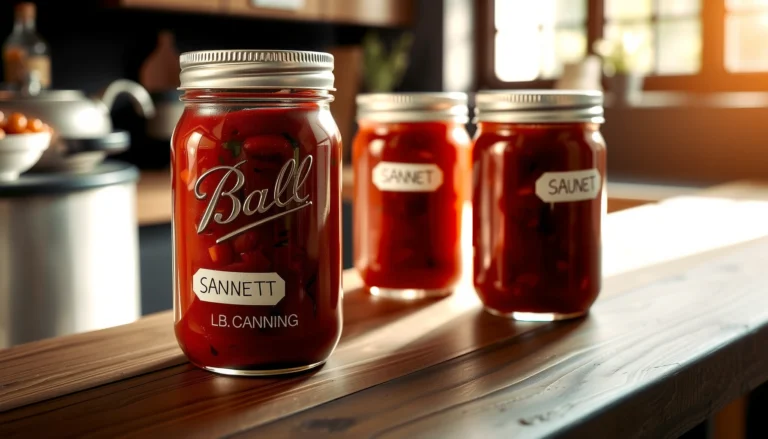
Making a flavorful pizza sauce at home is simple and rewarding. With just a few ingredients, you can create a sauce that enhances the taste of your pizzas. This recipe will guide you through the steps to make a rich, savory sauce that complements any pizza topping you choose. By preparing your own sauce, not only do you control the flavor profile, but you also eliminate preservatives and additives often found in store-bought alternatives.
Ingredients You’ll Need

To create a luscious pizza sauce that serves as the perfect base for your homemade pizzas, you’ll need a handful of essential ingredients:
– Canned tomatoes or tomato puree: These provide a rich and robust base for your sauce. Opt for high-quality tomatoes, preferably San Marzano, which are known for their sweetness and low acidity.
– Olive oil: This adds depth and richness to the sauce. A good extra virgin olive oil will enhance the overall flavor.
– Garlic and onions: These aromatics lend a savory depth and complexity to the sauce, providing a fragrant foundation that complements the tomatoes beautifully.
Essential Seasonings
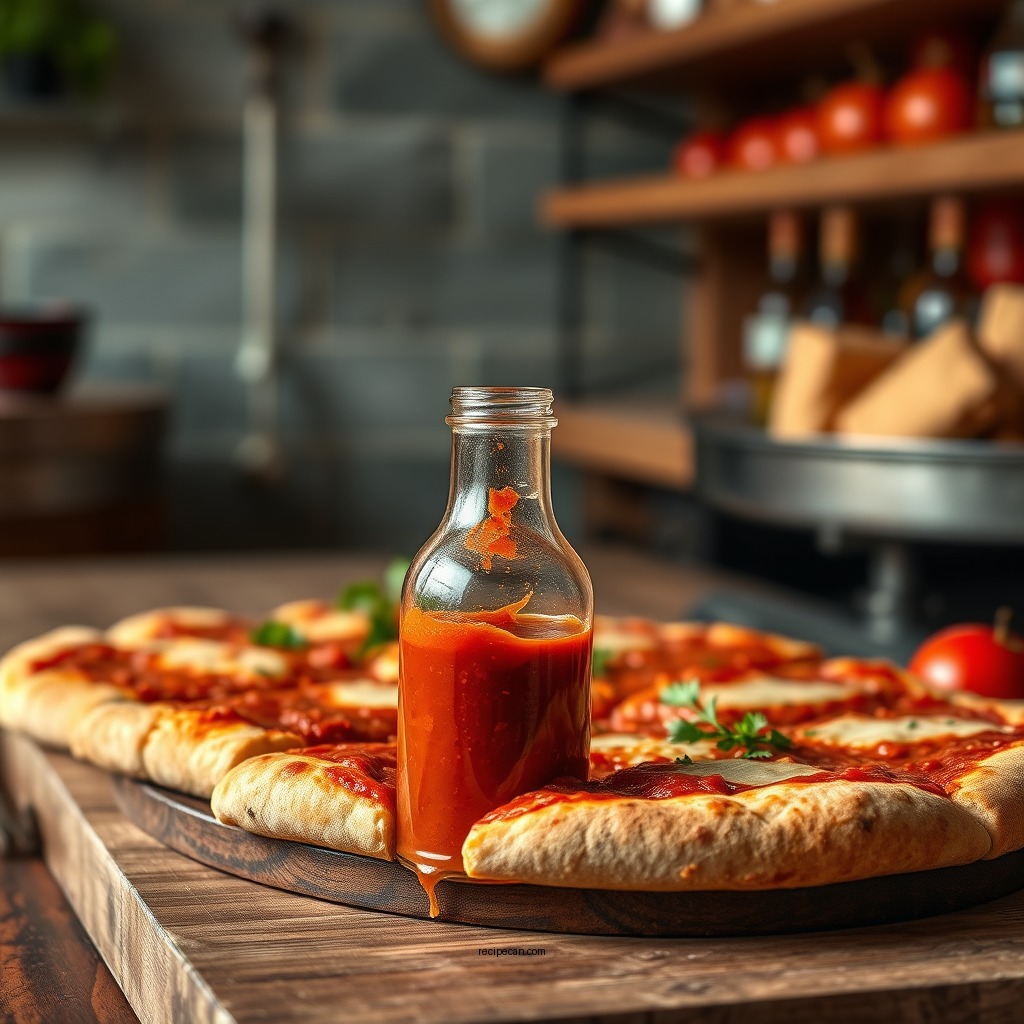
To elevate your pizza sauce from good to great, consider incorporating the following seasonings:
– Dried oregano and basil: These herbs are staples in Italian cooking and provide that quintessential pizza flavor. Fresh herbs can also be used for an even more vibrant taste.
– Salt and pepper: These basic seasonings are crucial for enhancing the overall flavor of the sauce. They help to balance the sweetness of the tomatoes.
– A pinch of sugar: This helps to counteract the acidity of the tomatoes, resulting in a well-rounded flavor. It’s a simple yet effective trick used in many tomato-based sauces.
Preparation Steps
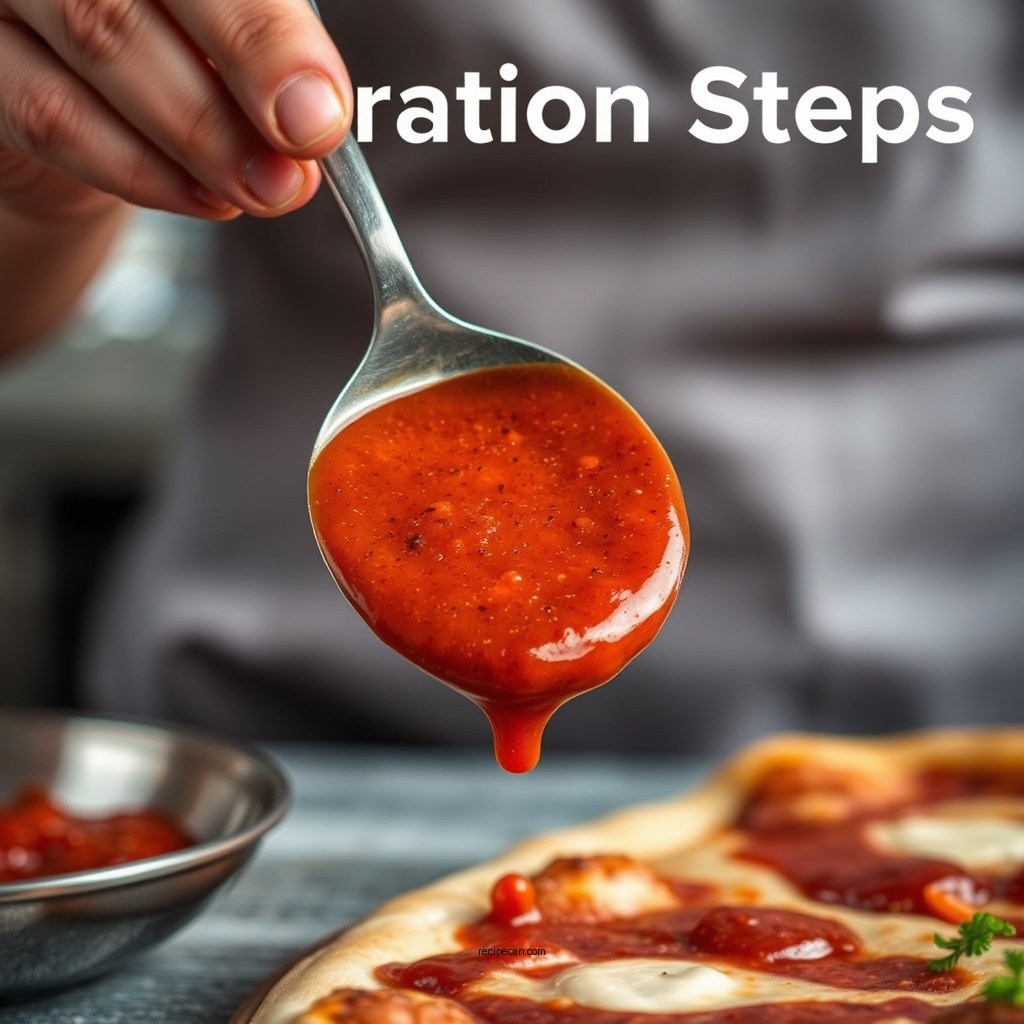
Creating your pizza sauce is straightforward and requires only a few steps:
1. Sauté the aromatics: Start by heating a couple of tablespoons of olive oil in a saucepan over medium heat. Add finely chopped onions and minced garlic, sautéing until they become translucent and fragrant, which usually takes about 3-5 minutes.
2. Combine the base: Next, pour in your canned tomatoes or tomato puree. Stir well to combine the ingredients. If you’re using whole canned tomatoes, you can crush them with a spoon or a potato masher to achieve your desired consistency.
3. Add the seasonings: Sprinkle in the dried oregano, basil, salt, pepper, and sugar. Mix thoroughly to ensure the seasonings are evenly distributed throughout the sauce.
4. Simmer: Allow the sauce to simmer on low heat for at least 20-30 minutes. This slow cooking process helps the flavors meld together beautifully, yielding a richer taste. Stir occasionally to prevent sticking.
Cooking Techniques
To achieve the best results with your pizza sauce, keep the following techniques in mind:
– Low and slow: Cooking the sauce over low heat allows the natural sweetness of the tomatoes to develop, while also preventing any burning or bitterness.
– Simmering time: The longer you allow the sauce to simmer, the more complex the flavors will become. Aim for a minimum of 20-30 minutes, but feel free to let it simmer for an hour or more if you have time.
– Blending: If you prefer a smoother texture, consider using an immersion blender or transferring the sauce to a blender after it has cooked to your liking. Blend until smooth, then return to the pot.
Top 7 Tomato Varieties for Sauce Making
| # | Tomato Variety | Taste Profile | Best For | Acidity Level |
|---|---|---|---|---|
| 1 | San Marzano | Sweet and Rich | Sauces | Low |
| 2 | Roma | Savory and Tangy | Sauces | Medium |
| 3 | Beefsteak | Sweet and Juicy | Salsas | High |
| 4 | Cherry | Sweet and Fruity | Salads | Medium |
| 5 | Plum | Rich and Tangy | Sauces | Low |
| 6 | Green Zebra | Unique and Zesty | Salsas | Medium |
| 7 | Heirloom | Complex and Sweet | Gourmet Dishes | Medium |
Storage Tips
Once you’ve made your pizza sauce, proper storage is key to maintaining its freshness:
– Cooling: Allow the sauce to cool completely before storing it. This prevents condensation, which can lead to spoilage.
– Refrigeration: Store the sauce in airtight containers in the refrigerator for up to one week. If you are not planning to use it within this time frame, consider freezing it.
– Freezing: Portion the sauce into smaller containers or freezer bags for easy access in the future. Freeze flat to save space, and label each container with the date for reference.
Variations to Try
One of the joys of making your own pizza sauce is the ability to experiment with different flavors. Here are some variations to consider:
– Add crushed red pepper: If you enjoy a little heat, add crushed red pepper flakes to the sauce while it simmers for a spicy kick.
– Incorporate fresh herbs: Use fresh basil, thyme, or parsley instead of dried herbs for a brighter and more vibrant flavor.
– Experiment with different tomatoes: Try different types of tomatoes, such as heirloom or cherry, to create unique flavor profiles. Each variety offers its own distinct taste and sweetness.
Serving Suggestions
Your homemade pizza sauce is versatile and can be used in various ways:
– Pizza base: Slather this sauce on your homemade pizza dough and top with your favorite ingredients for a delicious meal.
– Dipping sauce: Use it as a dipping sauce for breadsticks, calzones, or mozzarella sticks to add an extra layer of flavor.
– Pasta sauce: This sauce can also double as a quick pasta sauce. Just heat it up and toss it with cooked pasta for an easy, tasty dinner.
Cooking Time vs. Flavor Intensity
Using this easy pizza sauce recipe, you can elevate your homemade pizzas and impress your family and friends. Now that you know how to make it, grab your ingredients and start cooking! Enjoy your delicious creations and share your pizza-making adventures!
Frequently Asked Questions
What ingredients do I need for a basic pizza sauce recipe?
A basic pizza sauce recipe typically requires canned tomatoes (whole or crushed), olive oil, garlic, salt, sugar, and dried herbs like oregano and basil. You can also add a pinch of red pepper flakes for heat and a splash of balsamic vinegar for depth of flavor. These ingredients come together to create a rich and tasty sauce perfect for any homemade pizza.
How can I make homemade pizza sauce from fresh tomatoes?
To make homemade pizza sauce from fresh tomatoes, start by blanching and peeling about 2 pounds of ripe tomatoes. Then, chop them and cook them down in a saucepan with olive oil, minced garlic, salt, and your choice of herbs, simmering until thickened. This method allows you to enjoy a vibrant, fresh sauce that enhances the flavor of your pizza.
Why is it important to use a specific type of tomato for pizza sauce?
Using specific types of tomatoes, like San Marzano or Roma tomatoes, is crucial for pizza sauce because they have lower moisture content and a sweeter flavor, which results in a thicker and more concentrated sauce. These tomatoes also have fewer seeds and a smoother texture, making them ideal for achieving that authentic pizza sauce consistency.
What is the best way to store homemade pizza sauce?
The best way to store homemade pizza sauce is in an airtight container in the refrigerator, where it can last for about 5 to 7 days. For longer storage, consider freezing the sauce in ice cube trays or freezer bags, allowing you to have single servings ready for your next pizza night. Just remember to label and date your containers for easy identification.
Which herbs and spices can I add to enhance my pizza sauce flavor?
To enhance your pizza sauce flavor, consider adding fresh basil, oregano, and thyme, along with garlic powder or onion powder for extra depth. A dash of sugar can help balance acidity, while crushed red pepper flakes can add a spicy kick. Experimenting with these herbs and spices allows you to customize your sauce to your personal taste preferences.
References
- Pizza
https://en.wikipedia.org/wiki/Pizza_sauce - https://www.bbcgoodfood.com/recipes/pizza-sauce
https://www.bbcgoodfood.com/recipes/pizza-sauce - https://www.sciencedirect.com/topics/food-science/pizza-sauce
https://www.sciencedirect.com/topics/food-science/pizza-sauce - https://www.ncbi.nlm.nih.gov/pmc/articles/PMC4691630/
https://www.ncbi.nlm.nih.gov/pmc/articles/PMC4691630/ - https://www.foodnetwork.com/recipes/articles/50-pizza-recipes
https://www.foodnetwork.com/recipes/articles/50-pizza-recipes - https://www.healthline.com/nutrition/pizza-sauce
https://www.healthline.com/nutrition/pizza-sauce - Google Scholar Google Scholar
https://scholar.google.com/scholar?q=pizza+sauce+recipe - Google Scholar Google Scholar
https://scholar.google.com/scholar?q=pizza+sauce+ingredients - Google Scholar Google Scholar
https://scholar.google.com/scholar?q=pizza+sauce+nutrition - pizza sauce recipe – Search results
https://en.wikipedia.org/wiki/Special:Search?search=pizza+sauce+recipe