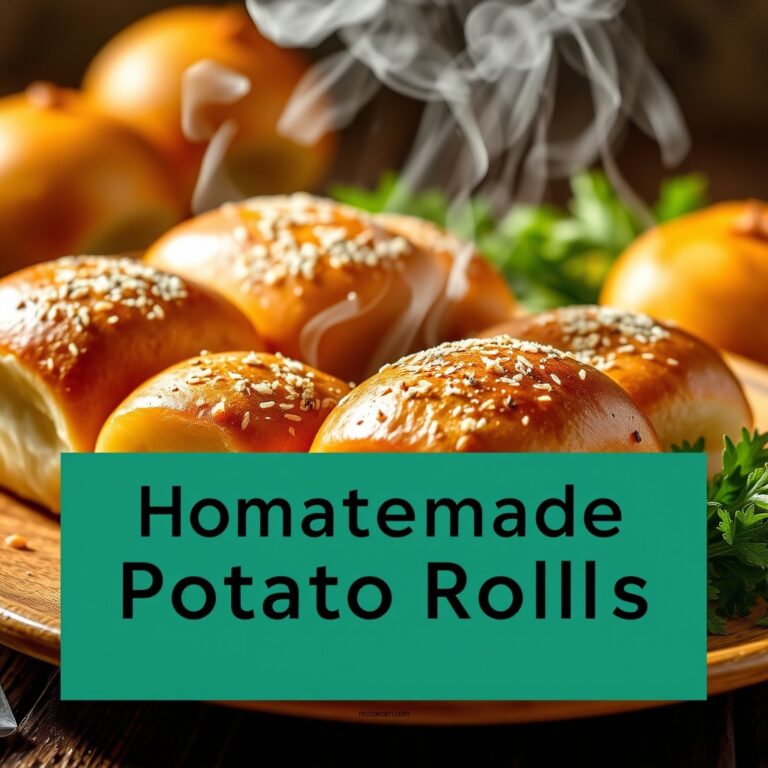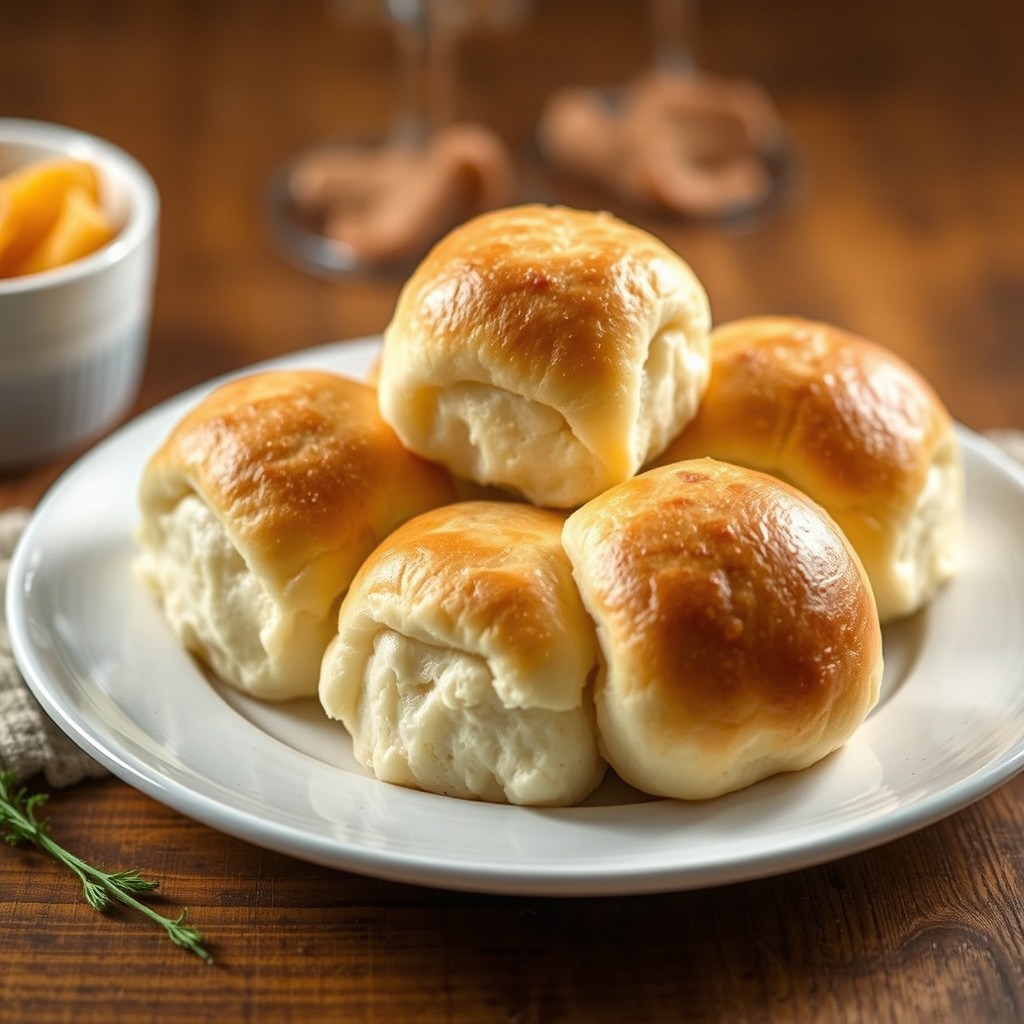
Making yeast dinner rolls at home is simple and rewarding, and with this easy recipe, you’ll achieve perfectly fluffy rolls every time. This guide will walk you through the step-by-step process, ensuring your rolls are a delightful addition to any meal. Whether you are preparing for a holiday feast or a casual family dinner, these rolls will impress your guests and elevate your dining experience.
Ingredients Needed
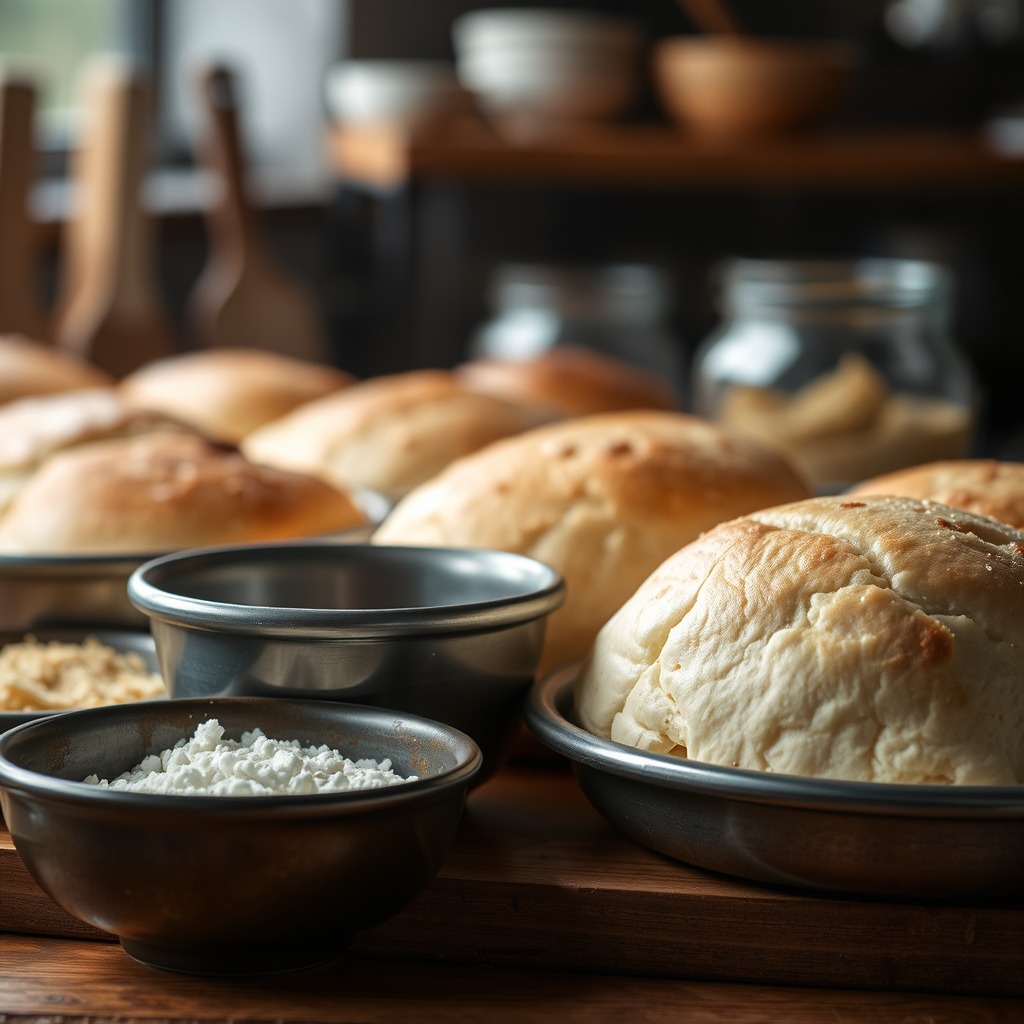
– All-purpose flour: The foundation of your rolls, providing structure and the necessary gluten content for a light, airy texture. It typically comprises about 10-12% protein, which is ideal for yeast bread.
– Active dry yeast: Essential for leavening and creating that light texture. This ingredient ferments sugars, releasing carbon dioxide which makes the bread rise.
– Sugar: Adds sweetness and helps activate the yeast. A small amount of sugar not only enhances the flavor but also feeds the yeast, aiding in fermentation.
– Warm water: Typically around 110°F (43°C) to activate the yeast without killing it.
– Salt: Enhances flavor and controls yeast activity, leading to a balanced rise.
– Butter: Adds richness and flavor, making the rolls tender and flavorful.
– Milk: Optional, but can be included for added richness and moisture.
Step-by-Step Preparation
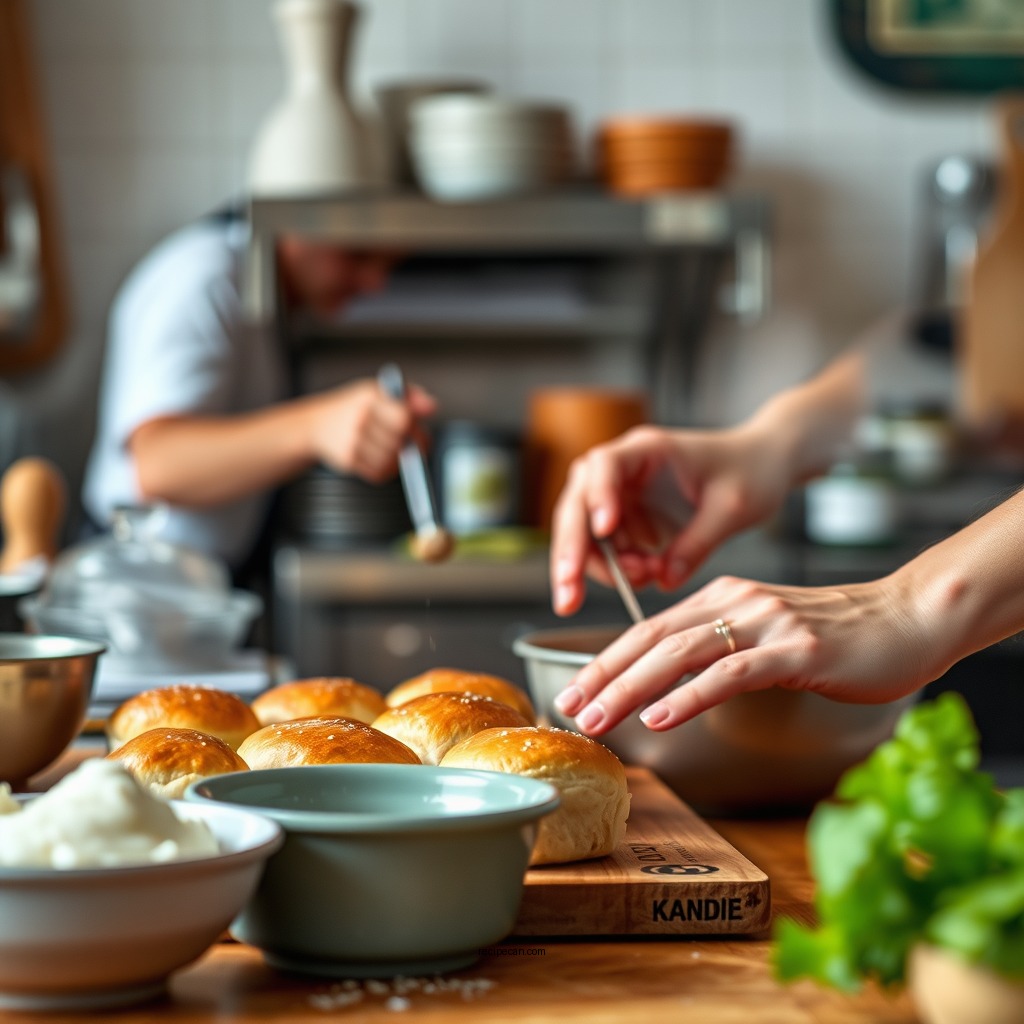
– Mix the dry ingredients: Begin by combining 4 cups of all-purpose flour, 2 ¼ teaspoons of active dry yeast, and 2 tablespoons of sugar in a large mixing bowl. Mixing these dry ingredients first ensures even distribution of the yeast and sugar throughout the flour.
– Activate the yeast: In a separate bowl, blend 1 ½ cups of warm water with ½ cup of melted butter. Allow this mixture to sit for about 5 minutes until it becomes frothy. This step confirms that your yeast is active. If it doesn’t foam, you may need to start over with new yeast.
– Combine wet and dry ingredients: Gradually pour the yeast mixture into the dry ingredients, mixing until a dough forms. You may need to add a little more flour or water depending on the humidity and temperature of your environment.
Kneading the Dough
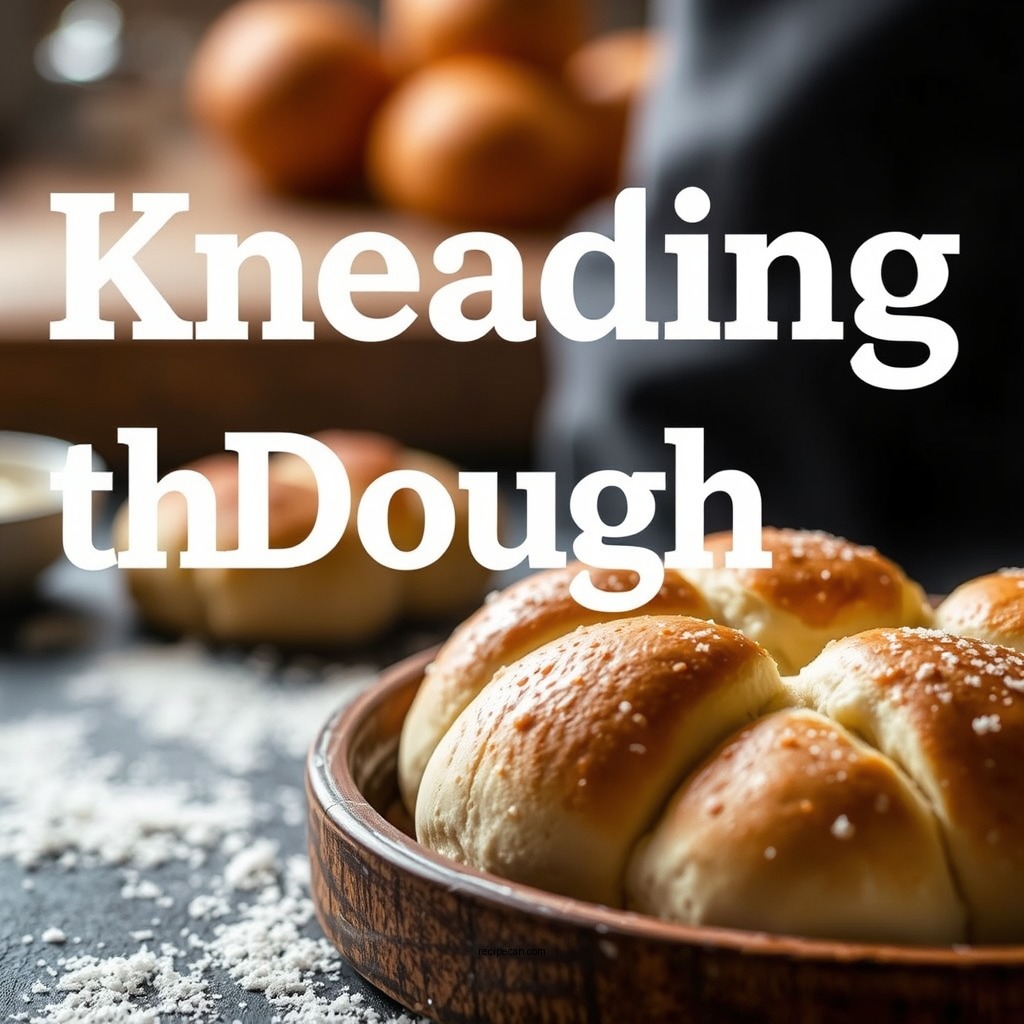
– Importance of kneading: Kneading the dough is crucial as it develops gluten, which gives the rolls their chewy texture. It also helps to evenly distribute the yeast throughout the dough. Knead for about 8-10 minutes until the dough is smooth and elastic.
– Ideal dough consistency: The dough should be soft and slightly tacky but not sticky. If it is too sticky, sprinkle in additional flour a tablespoon at a time. To test if the dough is ready, perform the “windowpane test”—stretch a small piece of dough; if it holds together without tearing, it’s ready.
Rising Time
– First rise: After kneading, place the dough in a greased bowl, cover it with a damp cloth, and let it rise in a warm place until it doubles in size. This typically takes about 1-2 hours, depending on the ambient temperature. A warm kitchen aids the yeast in fermenting more quickly.
– Second rise: Once the dough has doubled, punch it down to release excess air. Shape it into rolls and place them in a greased baking pan. Allow them to rest for about 30 minutes under a cloth, which will help them rise again. This second rise is essential for achieving that fluffy texture.
Baking the Rolls
– Preheat the oven: Preheat your oven to 375°F (190°C) while the rolls are rising. A properly heated oven ensures even baking and optimal rise.
– Baking time and tips: Bake the rolls for 15-20 minutes or until they are golden brown on top. For a softer crust, you can brush the tops with melted butter before baking. Enjoy the delightful aroma that fills your kitchen as the rolls bake—it’s a wonderful precursor to the delicious results.
Top Ingredients for Fluffy Dinner Rolls
| # | Ingredient | Purpose | Quantity | Notes |
|---|---|---|---|---|
| 1 | All-purpose Flour | Structure | 4 cups | Essential for gluten |
| 2 | Active Dry Yeast | Leavening | 2 ¼ tsp | For rise and texture |
| 3 | Sugar | Flavor & Activation | 2 tbsp | Feeds yeast |
| 4 | Salt | Flavor & Control | 1 tsp | Balances yeast |
| 5 | Butter | Richness | ½ cup | For flavor and tenderness |
| 6 | Warm Water | Activation | 1 ½ cups | Should be warm, not hot |
| 7 | Milk (optional) | Enrichment | ½ cup | For extra moisture |
Serving Suggestions
– Best served warm: These rolls are best enjoyed fresh from the oven, slathered with butter. The warmth enhances their fluffy texture and brings out their flavor.
– Pairing ideas: These rolls complement a wide variety of dishes, including hearty soups, fresh salads, and festive holiday meals. They can also serve as an excellent side for a main dish, such as roasted chicken or beef stew.
Storing Leftovers
– Proper storage: To maintain freshness, keep the rolls in an airtight container. If you prefer them softer, consider wrapping them in plastic wrap. Store at room temperature for up to three days.
– Reheating tips: To revive the softness, warm them in the oven at 350°F (175°C) for about 5-10 minutes, or microwave them for 10-15 seconds. This will restore their fluffy texture and make them enjoyable once again.
Rising Times for Perfect Dinner Rolls
By following these straightforward steps, you can create delicious yeast dinner rolls that will impress your family and friends. The process is not only accessible but also allows for personalization and practice in bread-making skills. Don’t hesitate to try this recipe at your next gathering—your guests will love the warm, fluffy rolls! Enjoy the satisfaction of homemade bread as you serve these delightful rolls.
Frequently Asked Questions
What ingredients do I need for a basic yeast dinner rolls recipe?
A basic yeast dinner rolls recipe typically requires all-purpose flour, active dry yeast, sugar, salt, milk, butter, and eggs. These ingredients work together to create soft and fluffy rolls that are perfect for any meal. Make sure to use fresh yeast for the best rise and texture.
How do I properly knead dough for yeast dinner rolls?
To properly knead dough for yeast dinner rolls, start by mixing your ingredients until they form a shaggy dough. Transfer it to a floured surface and use the heel of your hand to push the dough away from you, then fold it back over itself. Knead for about 8-10 minutes until the dough is smooth and elastic, which helps develop gluten for a better rise.
Why did my yeast dinner rolls not rise properly?
If your yeast dinner rolls did not rise properly, it could be due to expired yeast, incorrect water temperature, or insufficient kneading. Yeast thrives in warm environments, so make sure your water is around 110°F (43°C) for activation. Additionally, ensure that you give the dough enough time to proof in a warm, draft-free area to achieve maximum volume.
What is the best way to store leftover yeast dinner rolls?
The best way to store leftover yeast dinner rolls is to let them cool completely, then place them in an airtight container or a resealable plastic bag. For longer storage, you can freeze them by wrapping each roll in plastic wrap and placing them in a freezer-safe bag. Thaw at room temperature or warm them up in the oven to enjoy their soft texture.
Which method is best for shaping yeast dinner rolls?
The best method for shaping yeast dinner rolls involves dividing the dough into equal portions, then rolling each piece into a ball. Place the shaped rolls seam-side down on a baking sheet or in a baking dish, ensuring they are close but not touching. This method encourages the rolls to rise together, resulting in a soft and fluffy texture once baked.
References
- https://en.wikipedia.org/wiki/Roll_(bread
https://en.wikipedia.org/wiki/Roll_(bread - https://www.sciencedirect.com/topics/agricultural-and-biological-sciences/yeast
https://www.sciencedirect.com/topics/agricultural-and-biological-sciences/yeast - Google Scholar Google Scholar
https://scholar.google.com/scholar?q=yeast+dinner+rolls+recipe - https://www.britannica.com/topic/roll-bread
https://www.britannica.com/topic/roll-bread - https://www.nytimes.com/2019/11/24/cooking/yeast-rolls-recipe.html
https://www.nytimes.com/2019/11/24/cooking/yeast-rolls-recipe.html - https://www.ncbi.nlm.nih.gov/pmc/articles/PMC7063594/
https://www.ncbi.nlm.nih.gov/pmc/articles/PMC7063594/ - Google Scholar Google Scholar
https://scholar.google.com/scholar?q=yeast+baking+science - https://www.food.gov.uk/research/research-projects/yeast-in-baking
https://www.food.gov.uk/research/research-projects/yeast-in-baking - https://www.sciencedirect.com/science/article/pii/S2212670815000078
https://www.sciencedirect.com/science/article/pii/S2212670815000078 - yeast dinner rolls recipe – Search results
https://en.wikipedia.org/wiki/Special:Search?search=yeast+dinner+rolls+recipe