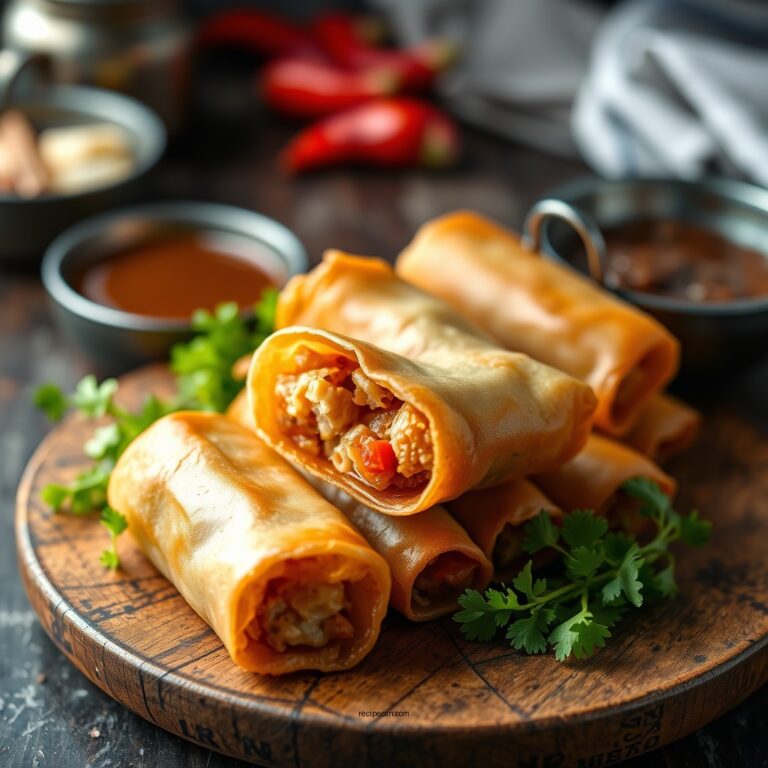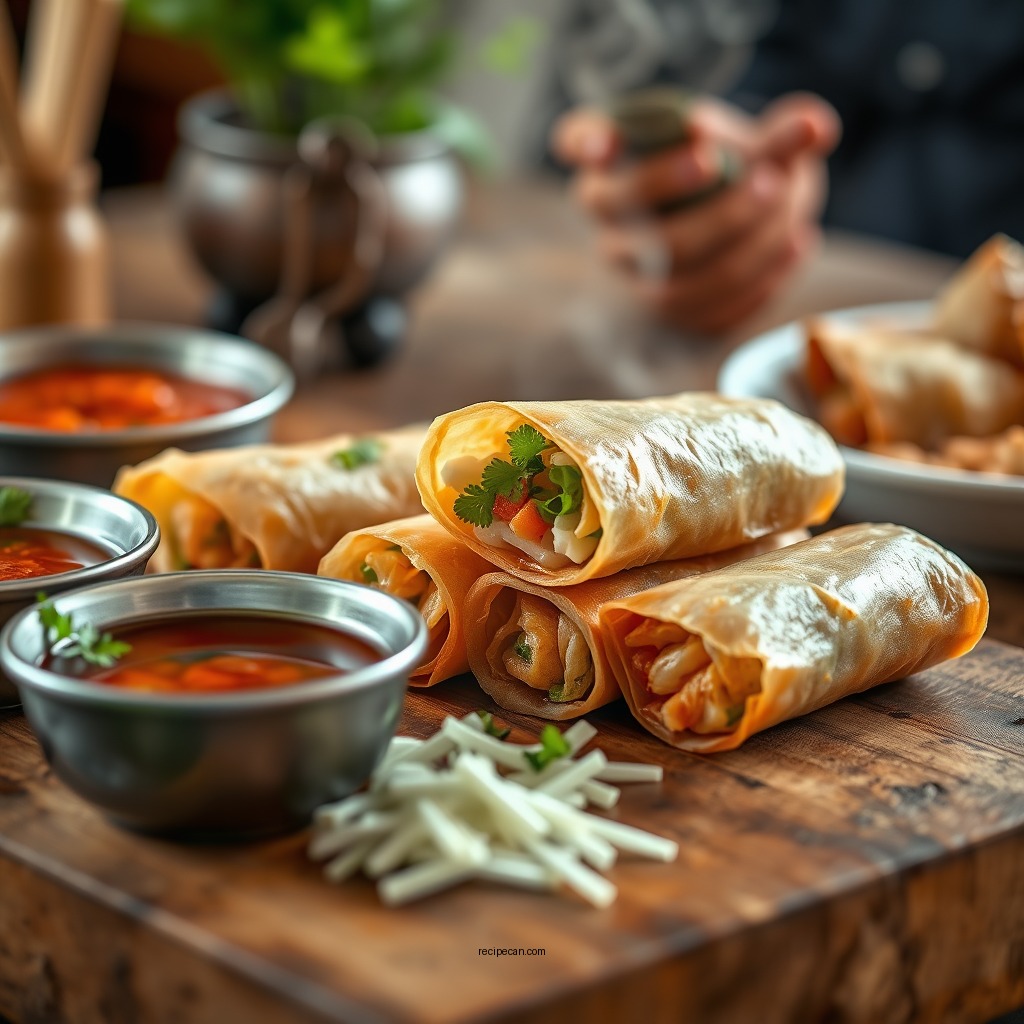
To create authentic Vietnamese egg rolls, known as “Nem Rán,” you’ll need a combination of fresh ingredients and precise techniques. This guide will walk you through the entire process, from gathering ingredients to rolling and cooking, ensuring you achieve crispy, flavorful egg rolls that embody the essence of Vietnamese cuisine.
Vietnamese egg rolls are a popular dish not only for their delightful crunch but also for the diversity of flavors they encapsulate. By the end of this guide, you’ll be well-equipped to prepare these delectable treats at home, impressing family and friends with your culinary skills.
Ingredients You’ll Need
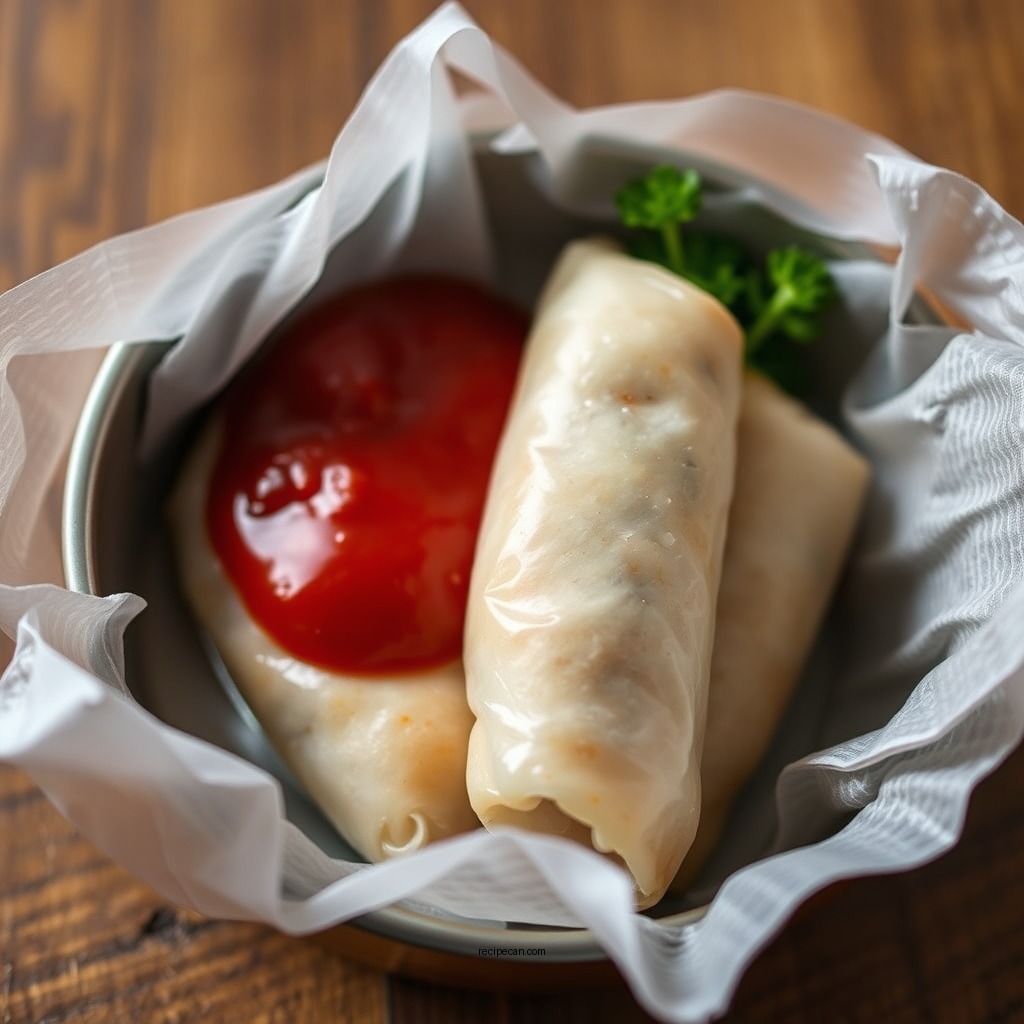
Essential Ingredients for Traditional Vietnamese Egg Rolls:
– Rice Paper Wrappers: Essential for wrapping the filling. Look for large, round wrappers available at Asian grocery stores.
– Ground Pork: A common protein that adds richness. You can also use chicken, shrimp, or a combination.
– Mushrooms: Wood ear mushrooms are traditional, providing texture and flavor.
– Carrots: Finely shredded for sweetness and crunch.
– Onions: Chopped, preferably shallots for a milder flavor.
– Garlic: Minced, to enhance overall taste.
– Fish Sauce: A key ingredient that adds umami.
– Salt and Pepper: For seasoning.
Optional Ingredients for Customization:
– Bean Sprouts: For additional crunch.
– Glass Noodles: Soaked and chopped, adding a chewy texture.
– Cilantro or Green Onions: For fresh herbal notes.
– Eggs: Beaten and added to the filling for richness.
Preparation Steps
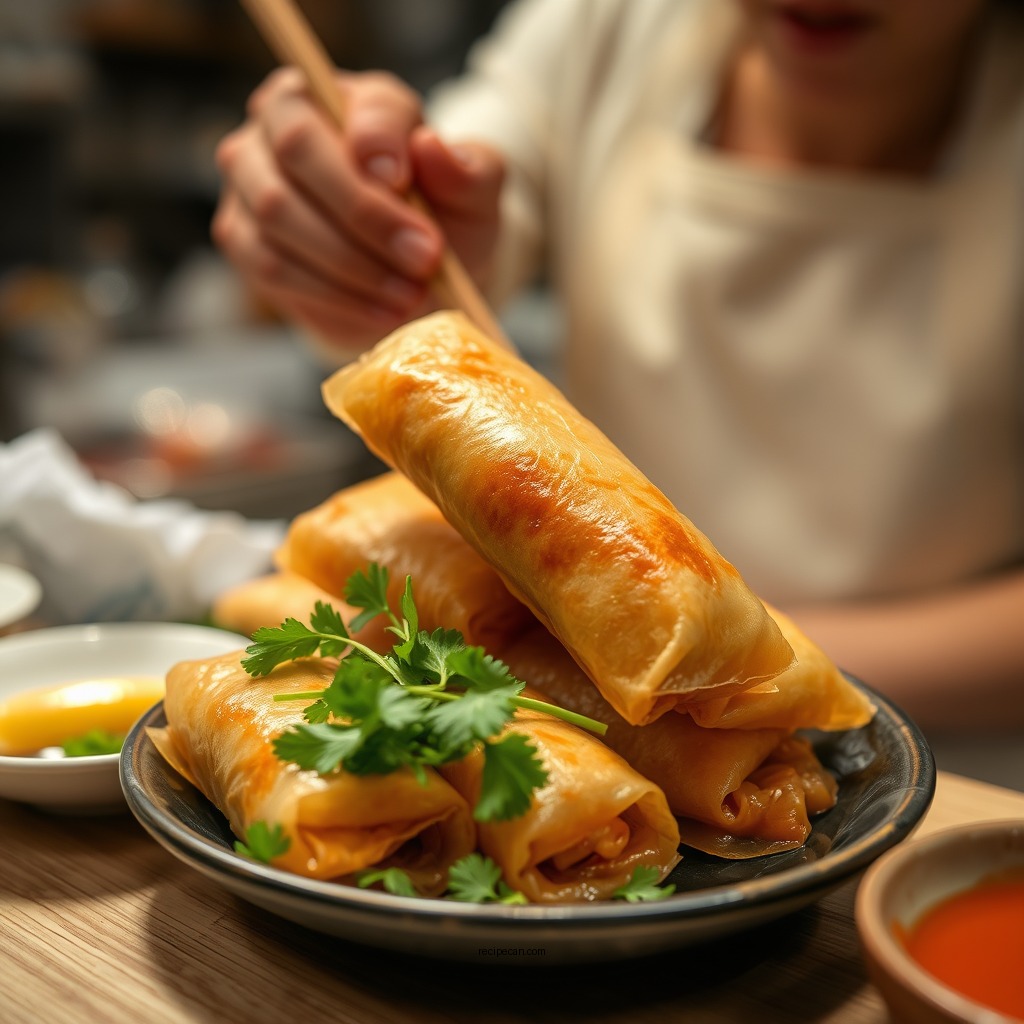
How to Prepare the Filling
1. Soak the Mushrooms: If using dried wood ear mushrooms, soak them in warm water for about 30 minutes until soft, then chop finely.
2. Cook the Pork: In a pan, cook the ground pork over medium heat until browned, breaking it apart with a spatula. Drain excess fat if necessary.
3. Combine Ingredients: In a large bowl, mix the cooked pork, chopped mushrooms, shredded carrots, minced garlic, and onions. Add fish sauce, salt, and pepper to taste.
4. Optional Add-Ins: If you’re using glass noodles or bean sprouts, mix them into the filling now. Adjust seasoning as needed.
Tips for Preparing the Rice Paper Wrappers
– Soften Wrappers: Fill a large bowl with warm water. Dip one rice paper wrapper into the water for about 10-15 seconds until it’s pliable but not too soft. Lay it flat on a clean surface.
– Work Quickly: Once softened, the rice paper can become sticky, so work quickly to fill and roll.
Rolling Techniques
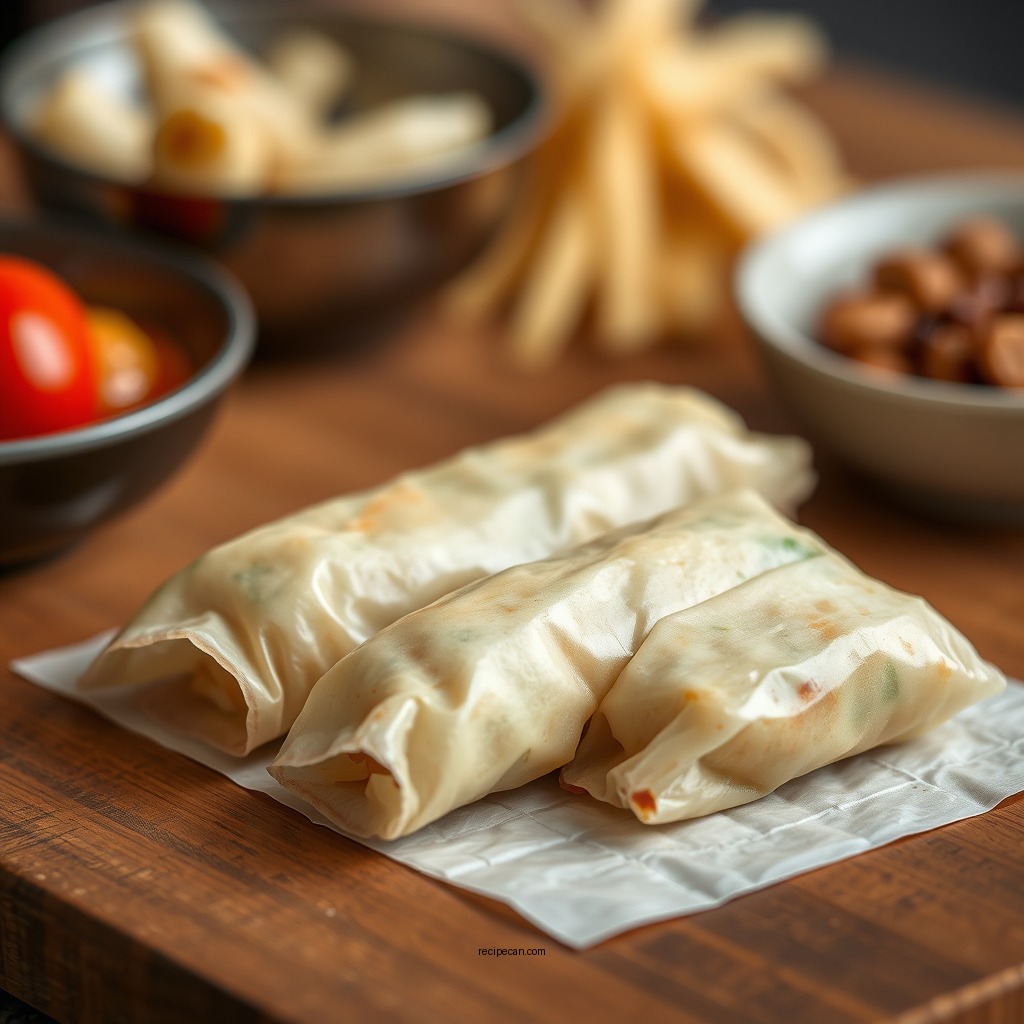
Step-by-Step Guide to Properly Roll the Egg Rolls
1. Place the Filling: On the lower third of the softened rice paper, add about 2 tablespoons of your filling mixture.
2. Fold the Sides: Fold the left and right sides of the wrapper over the filling.
3. Roll Tightly: Starting from the bottom, roll the wrapper over the filling, tucking it in as you go. Keep it tight but not so tight that the wrapper tears.
4. Seal the Edges: Use a little water to moisten the top edge of the wrapper, sealing the roll.
Common Mistakes to Avoid While Rolling
– Overfilling: Less is more. Overstuffing can result in tearing.
– Too Much Water: If the wrapper is too soggy, it will be difficult to roll.
– Not Sealing Properly: Ensure the edges are sealed to prevent the filling from leaking during cooking.
Cooking Methods
Overview of Frying vs. Baking Egg Rolls
– Frying: Traditional method that yields crispy, golden-brown egg rolls. Heat oil in a deep pan to about 350°F (175°C) and fry for 3-5 minutes until golden.
– Baking: A healthier alternative. Brush the rolls with oil and bake at 400°F (200°C) for 20-25 minutes, turning halfway through for even cooking.
Tips for Achieving the Perfect Texture and Flavor
– Oil Temperature: Ensure the oil is hot enough before frying. A small piece of bread dropped in should brown in about 60 seconds.
– Batch Cooking: Don’t overcrowd the pan when frying to maintain the oil temperature, which ensures crispy results.
Serving Suggestions
Ideas for Dipping Sauces that Complement Egg Rolls
– Nuoc Cham: A traditional Vietnamese dipping sauce made from fish sauce, lime juice, sugar, water, and chili.
– Peanut Sauce: Creamy and savory, made from peanut butter, hoisin sauce, and a dash of chili paste.
– Sweet Chili Sauce: Adds a sweet and spicy kick, perfect for those who prefer milder flavors.
Creative Ways to Present and Serve Egg Rolls
– Garnish with Fresh Herbs: Serve with a side of mint or cilantro for freshness.
– Platter Presentation: Arrange on a platter with dipping sauces in small bowls for an appealing presentation.
Storing and Reheating Leftovers
Best Practices for Storing Leftover Egg Rolls
– Refrigeration: Store any leftovers in an airtight container in the refrigerator for up to 3 days.
– Freezing: For longer storage, freeze uncooked egg rolls on a baking sheet until firm, then transfer to a freezer bag for up to 2 months.
Tips for Reheating to Maintain Crispiness
– Oven Method: Preheat the oven to 375°F (190°C) and bake for 10-15 minutes until crispy.
– Air Fryer: For a quicker option, reheat in an air fryer at 350°F (175°C) for about 5-7 minutes.
Top Ingredients for Authentic Vietnamese Egg Rolls
| # | Ingredient | Usage (%) | Flavor Contribution | Texture Contribution |
|---|---|---|---|---|
| 1 | Ground Pork | 40% | Rich | Soft |
| 2 | Mushrooms | 15% | Umami | Chewy |
| 3 | Carrots | 10% | Sweet | Crisp |
| 4 | Garlic | 5% | Savory | Aromatic |
| 5 | Onions | 5% | Sweet | Soft |
| 6 | Fish Sauce | 3% | Umami | Liquid |
| 7 | Salt & Pepper | 2% | Seasoned | N/A |
Cooking Methods for Vietnamese Egg Rolls
In summary, making authentic Vietnamese egg rolls at home is both an enjoyable and rewarding endeavor. By following this guide, you will not only learn how to prepare the filling and master the rolling techniques but also understand the best cooking methods and serving suggestions. Now it’s time to gather your ingredients, invite friends over, and enjoy a delightful meal that celebrates the rich flavors of Vietnamese cuisine. Happy cooking!
Frequently Asked Questions
What are the key ingredients needed for a Vietnamese egg roll recipe?
The essential ingredients for a Vietnamese egg roll recipe include rice paper or egg roll wrappers, ground pork or shrimp, shredded vegetables like carrots and cabbage, garlic, and fish sauce. These components create a flavorful filling that is characteristic of Vietnamese cuisine, enhancing the overall taste and texture of the rolls.
How do you properly roll Vietnamese egg rolls?
To properly roll Vietnamese egg rolls, start by soaking the rice paper in warm water until it becomes pliable. Place a spoonful of the filling at the bottom of the wrapper, fold the sides in, and then roll tightly from the bottom up. Ensuring the filling is compact but not overstuffed will help achieve a perfect roll that holds together during frying.
Why are Vietnamese egg rolls different from traditional Chinese egg rolls?
Vietnamese egg rolls are distinct from traditional Chinese egg rolls primarily due to their ingredients and cooking methods. They often use rice paper or thin wrappers, feature a mixture of fresh vegetables and meats, and are typically deep-fried until crispy. This results in a lighter, crunchier texture and a more complex flavor profile compared to their Chinese counterparts.
What is the best way to serve Vietnamese egg rolls?
The best way to serve Vietnamese egg rolls is hot and crispy, accompanied by fresh herbs like mint and cilantro, and a side of dipping sauce such as nuoc cham (a sweet and tangy fish sauce-based dip). This combination enhances the flavor and allows for a refreshing contrast to the rich, savory rolls, making for an authentic Vietnamese dining experience.
Which dipping sauces work well with Vietnamese egg rolls?
The most popular dipping sauce for Vietnamese egg rolls is nuoc cham, made from fish sauce, lime juice, sugar, garlic, and chili. Other options include hoisin sauce mixed with peanut butter for a creamy texture or sweet chili sauce for a touch of sweetness. These sauces complement the savory flavors of the egg rolls and elevate the overall meal.
References
- Spring roll
https://en.wikipedia.org/wiki/Spring_roll - https://www.ncbi.nlm.nih.gov/pmc/articles/PMC4333962/
https://www.ncbi.nlm.nih.gov/pmc/articles/PMC4333962/ - Google Scholar Google Scholar
https://scholar.google.com/scholar?q=vietnamese+egg+roll+recipe - Google Scholar Google Scholar
https://scholar.google.com/scholar?q=vietnamese+cuisine - Spring roll | food | Britannica
https://www.britannica.com/topic/spring-roll - https://www.sciencedirect.com/topics/food-science/spring-roll
https://www.sciencedirect.com/topics/food-science/spring-roll - https://www.ncbi.nlm.nih.gov/pmc/articles/PMC5396110/
https://www.ncbi.nlm.nih.gov/pmc/articles/PMC5396110/ - https://www.cdc.gov/nutrition/infantandbabyfood/food-safety.html
https://www.cdc.gov/nutrition/infantandbabyfood/food-safety.html - Food safety
https://www.who.int/news-room/fact-sheets/detail/food-safety - https://www.nytimes.com/2020/01/15/dining/vietnamese-spring-roll-recipe.html
https://www.nytimes.com/2020/01/15/dining/vietnamese-spring-roll-recipe.html