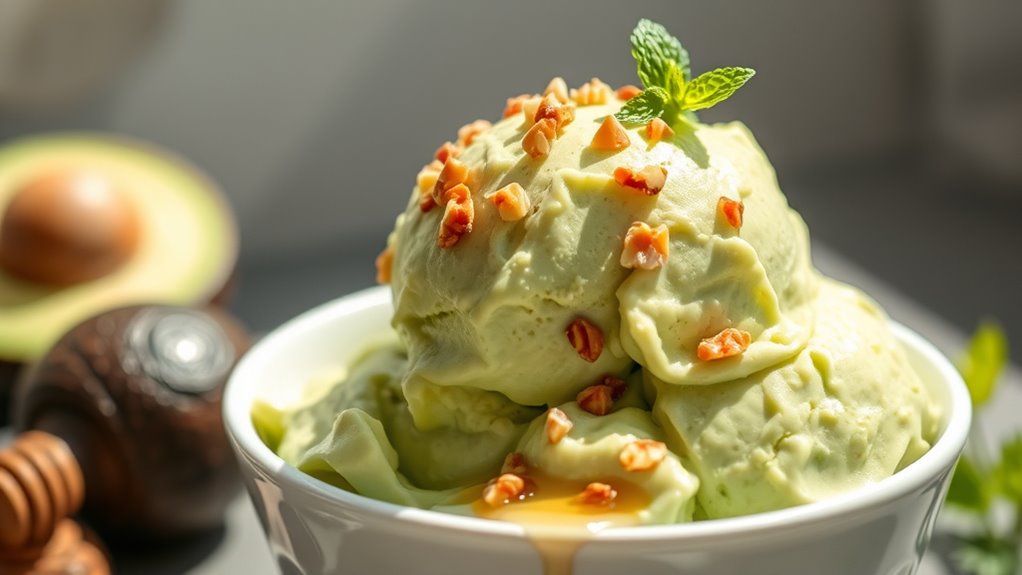
To make a kidney-friendly ice cream, start with a base of low-potassium dairy or alternatives, adding 2 tablespoons of cream or fat for creaminess. Measure everything precisely, then whisk in a low-sugar sweetener and gentle flavoring. Chill the base fully before churning to trap air and improve texture. Serve in small portions, about half a cup, with minimal toppings. This approach helps control minerals and sugar; more details await if you keep exploring.
Ingredients and Quantity
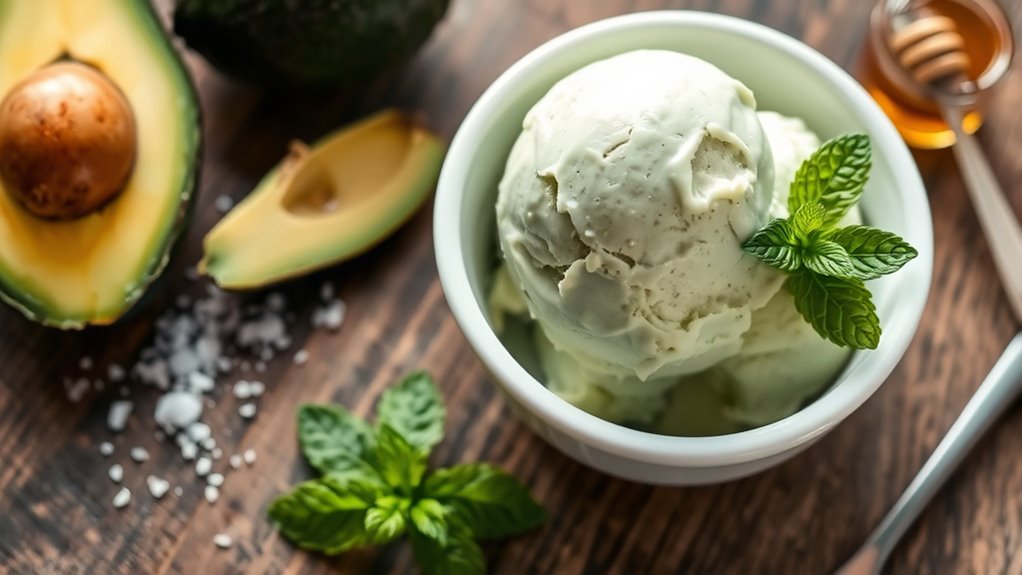
To make a kidney-friendly ice cream, gather ingredients with low potassium, phosphate, and added sugars. You’ll balance base milk, a neutral fat, and a sweetener, then adjust with optional flavorings. For nutritional analysis, track potassium, phosphorus, and sugar per serving to stay within targets. Core quantities provide structure, while substitutions allow flavor variations without compromising safety. Choose lactose-free or low-lactose dairy if needed, or switch to a fortified plant milk with comparable mineral content. Include a stabilizer or thickener to improve texture. Flavor variations come from vanilla, cinnamon, berries, or cocoa, added in modest amounts. Keep portions consistent to guarantee accurate nutritional data.
| Item | Target Amount |
|---|---|
| Base milk or alternative | 1 cup |
| Cream or fat | 2 tbsp |
Preparations
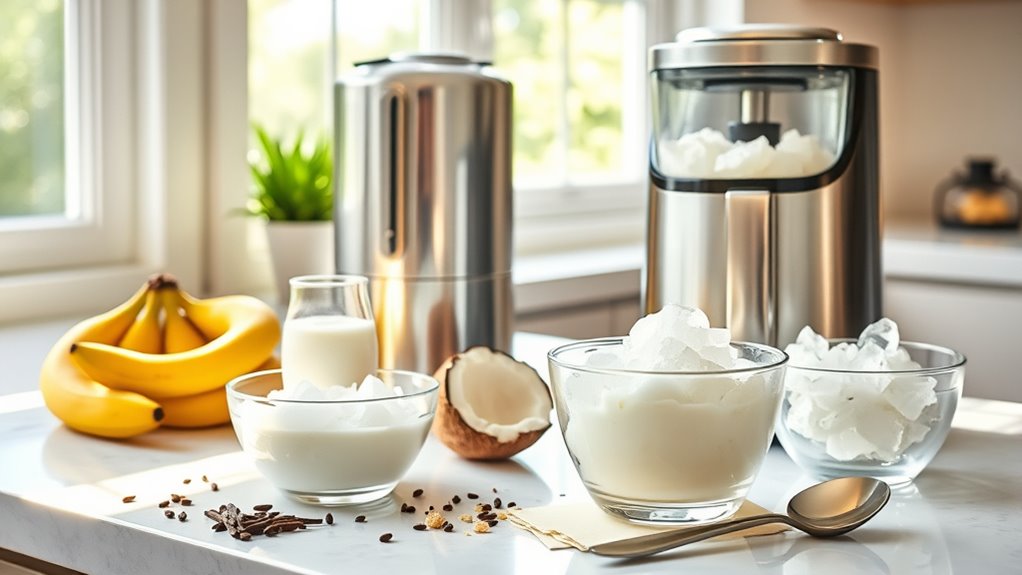
Gather ingredients as outlined, ensuring each item is low in potassium, phosphorus, and added sugars, then measure them precisely before combining. You’ll prepare mixtures with care, recording substitutions when needed and noting their nutrient impact. Your goal is consistency and safety, not speed.
- Prepare base mixture by whisking low-potassium dairy or dairy alternatives with a measured sweetener and flavoring, ensuring smooth integration.
- Explore ingredient substitutions strategically, documenting how a swap affects texture, sweetness, and nutrient counts, so you can tailor servings without compromising kidney health.
- Chill and aerate thoughtfully, testing small adjustments to achieve creaminess while maintaining compliance with your dietary plan.
Preparation methods and ingredient substitutions guide you toward a reliable, flexible process you can trust for every batch.
How to Cook
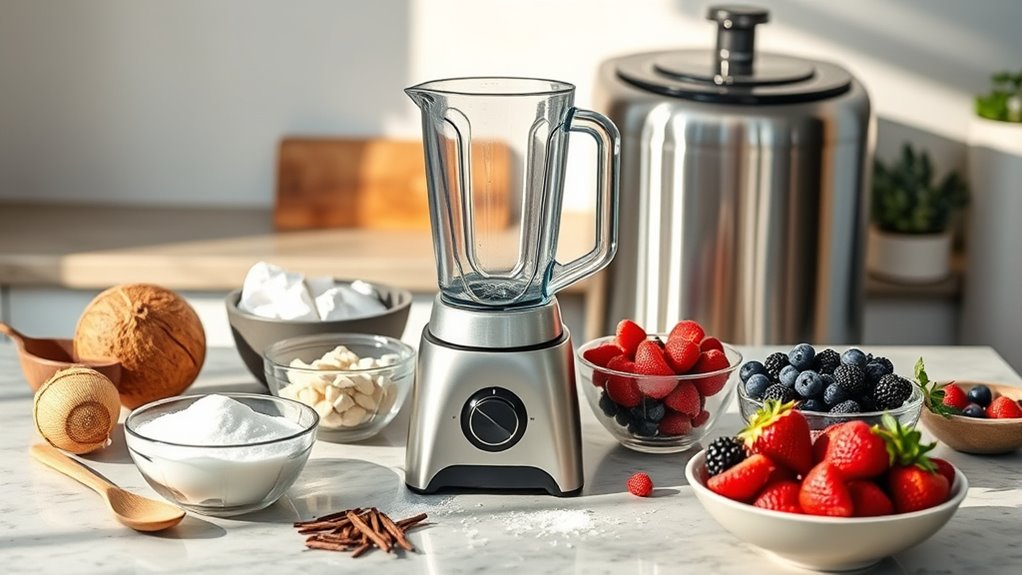
- Start with a precise plan for kidney-friendly ice cream.
- Choose low-potassium dairy or suitable alternatives.
- Measure each ingredient carefully.
- Prepare a smooth base by blending dairy (or alternative), a measured sweetener, and flavoring.
- Monitor the balance of potassium, sugar, and fat to maintain texture and safety.
- Fully cool the ice cream base before churning.
- Churn steadily to incorporate air and achieve lightness.
- Use healthy dairy alternatives if needed, such as unsweetened almond milk, coconut cream, or cashew cream for creaminess with lower potassium.
- Select simple, evidence-based flavors like vanilla, cocoa, or fruit purée.
- Chill the ice cream thoroughly before serving.
- Avoid overmixing to prevent iciness.
- Document any recipe tweaks for consistent, reliable results.
How to Serve
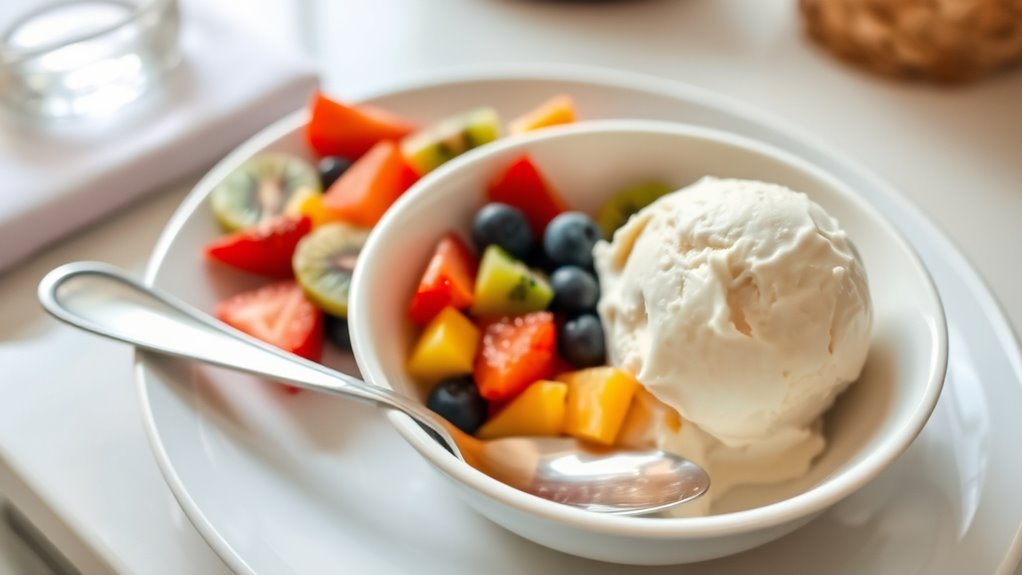
A serving approach for kidney-friendly ice cream centers on portion control and timing. You’ll maximize enjoyment while supporting kidney health by mindful serving choices and clear boundaries.
- Serving suggestions: opt for a small, measured scoop alongside a balanced meal or snack to pace intake.
- Portion sizes: stick to a standard half-c Cup or 2–3 tablespoon equivalent depending on dietary guidance, and record servings to track intake.
- Timing: place ice cream after protein-rich foods or with fibrous sides to help satiety and prevent spikes.
Keep it simple: choose a single flavor per serving, limit added toppings, and savor slowly. By respecting portion sizes, you preserve flavor and autonomy while supporting kidney-friendly goals.
Tips

To keep kidney-friendly ice cream both enjoyable and practical, start with smart substitutions and mindful preparation. You’ll favor low-sodium, potassium-conscious ingredients, and opt for unsweetened bases to control sugar and mineral load. Choose dairy or plant milks fortified with calcium but modest in phosphorus. Use lean flavoring agents like vanilla, cocoa, or fruit purées instead of high-phosphorus mix-ins. Portion guidance matters: stick to standard serving sizes and track portions to protect kidney health. For texture, blend frozen fruit with a small amount of yogurt or a calcium-treated dairy alternative, avoiding heavy cream. Consider dessert alternatives like sorbet or frozen yogurt when in doubt. Document your preferences, so you can repeat successful batches, maintain kidney health, and enjoy dessert alternatives with confidence.
Food Value and Benefit
This kidney-friendly ice cream recipe provides a nutritious and delicious treat that supports kidney health while satisfying your sweet cravings. It is thoughtfully prepared with low-sodium bases and light dairy options to minimize mineral load, balanced fats, controlled protein, and portion control to promote overall well-being.
Food Value:
- Contains balanced fats for sustained energy.
- Provides moderate amounts of protein to maintain muscle health without overburdening the kidneys.
- Includes fortified calcium sources to support bone strength.
- Low in sodium, potassium, and phosphorus to reduce kidney strain.
- Free from added sugars to avoid glycemic spikes.
Vitamins and Minerals:
- Calcium: essential for bone health.
- Vitamin D (if fortified dairy used): supports calcium absorption.
- Potassium: present in controlled amounts to prevent excess.
- Phosphorus: moderated to avoid kidney overload.
- Sodium: kept low to support cardiovascular and kidney health.
Benefits of Eating This Recipe:
- Supports easier management of kidney function by reducing mineral load.
- Helps maintain bone and muscle health through balanced protein and calcium.
- Controls blood sugar levels by avoiding added sugars.
- Promotes hydration and overall well-being.
- Allows you to enjoy a delicious treat without compromising kidney health.
Frequently Asked Questions
Can I Substitute Dairy for Non-Dairy Milk in This Recipe?
Yes, you can swap dairy with non-dairy milks like almond or oat. For best texture, choose enriched milk substitutes and adjust sweetness. Dairy alternatives may alter taste slightly, but with care you preserve creaminess and kidney-friendly goals.
Is There a Sugar-Free Option for Kidney-Friendly Diets?
Yes, you can explore sugar-free options; choose sugar substitutes like monk fruit or stevia, and monitor total carbs. For kidney health, limit phosphorus and potassium, and consult a clinician before changes to guarantee balance with your diet.
How Long Can I Store This Ice Cream Safely?
Storing it safely means you should follow storage guidelines: keep ice cream at 0°F (-18°C) or colder; use airtight containers, and consume within about 1 to 2 months for best ice cream lifespan. Regularly check for freezer burn.
Can I Add Fruits Without Affecting Kidney Health Goals?
Yes, you can add fruits, but choose low-oxalate options and monitor sugar. Stick to fruit choices like berries in small portions, and practice portion control to protect kidney health goals. This supports freedom with evidence-based, precise choices.
Is a Slow-Churn Blender Necessary for Texture?
No, a slow-churn blender isn’t strictly necessary; you can still get good texture. Still, slow churn benefits include creamier consistency, and texture comparison often shows smoother results versus standard blending when dairy-free bases are used.
1. What ingredients are used in a kidney-friendly ice cream recipe?
A kidney-friendly ice cream recipe typically includes low-potassium fruits like berries, a base of lactose-free milk or almond milk, and natural sweeteners like honey or maple syrup. You may also use low-sodium yogurt to enhance the creaminess without adding too much sodium. Always be mindful of portion sizes and ingredients to ensure they fit within your dietary restrictions.
2. Can I use artificial sweeteners in kidney-friendly ice cream?
Yes, you can use artificial sweeteners such as stevia or erythritol in kidney-friendly ice cream recipes. These sweeteners can help reduce sugar intake while still providing sweetness. However, it’s important to consult with your healthcare provider or dietitian before incorporating them into your diet, especially if you have any existing health conditions.
3. How can I make my kidney-friendly ice cream creamier?
To achieve a creamier texture in your kidney-friendly ice cream, consider using full-fat coconut milk or adding a small amount of avocado. Alternatively, using a high-speed blender to thoroughly mix your ingredients can also help create a smooth and creamy consistency. Freezing the mixture for several hours and then blending it again before serving can enhance the creaminess as well.
4. How long can I store kidney-friendly ice cream?
Kidney-friendly ice cream can usually be stored in an airtight container in the freezer for up to 2 weeks. However, for the best flavor and texture, it is recommended to consume it within the first week. If the ice cream becomes too hard, let it sit at room temperature for a few minutes before scooping to soften it up.
5. Are there any specific dietary considerations for people with kidney disease when making ice cream?
Yes, individuals with kidney disease should be mindful of their intake of potassium, phosphorus, and sodium when making ice cream. Choosing low-potassium fruits like strawberries or blueberries and avoiding high-phosphorus ingredients such as certain nuts can help maintain a kidney-friendly diet. Always consult with a healthcare provider or dietitian to tailor recipes to your specific dietary needs.
References
- https://www.kidney.org/atoz/content/icecream
- https://www.ncbi.nlm.nih.gov/pmc/articles/PMC7278540/
- https://www.kidneys.org/
- https://www.niddk.nih.gov/health-information/kidney-disease/diet-nutrition
- https://www.cdc.gov/healthyweight/healthy_eating/dietary_guidelines.html
- https://www.sciencedirect.com/science/article/pii/S0895435617301680
- https://www.kidneyhealth.org.au/
- https://www.uptodate.com/contents/kidney-disease-and-nutrition
- https://www.health.harvard.edu/heart-health/how-to-make-kidney-friendly-ice-cream