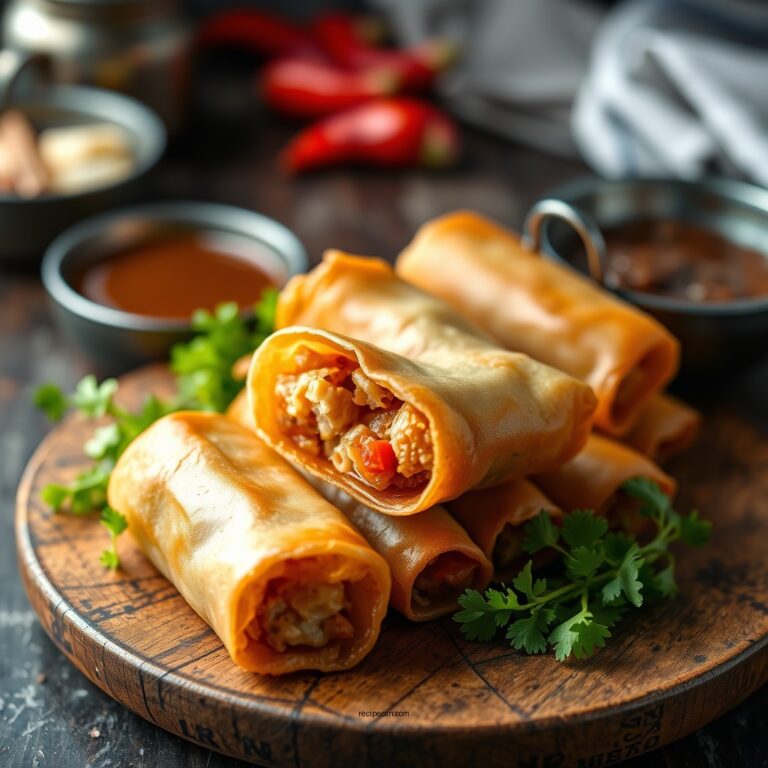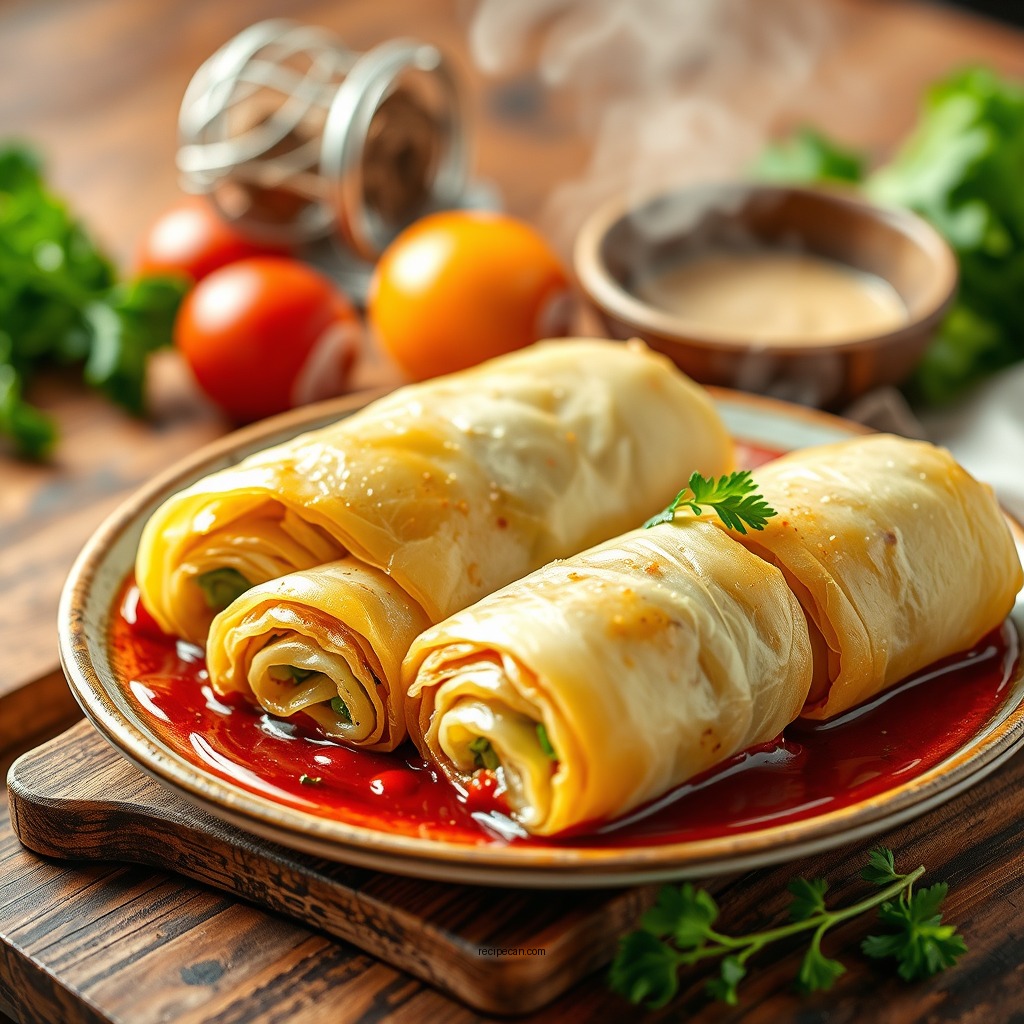
Cabbage rolls are a hearty, satisfying dish that can be made easily at home. These delectable rolls consist of tender cabbage leaves wrapped around a savory filling of meat and rice, offering a comforting meal that is both nutritious and flavorful. In this recipe, you will learn how to prepare the rolls, the best methods for cooking them, and tips for serving them to enhance your dining experience.
Ingredients for Cabbage Rolls
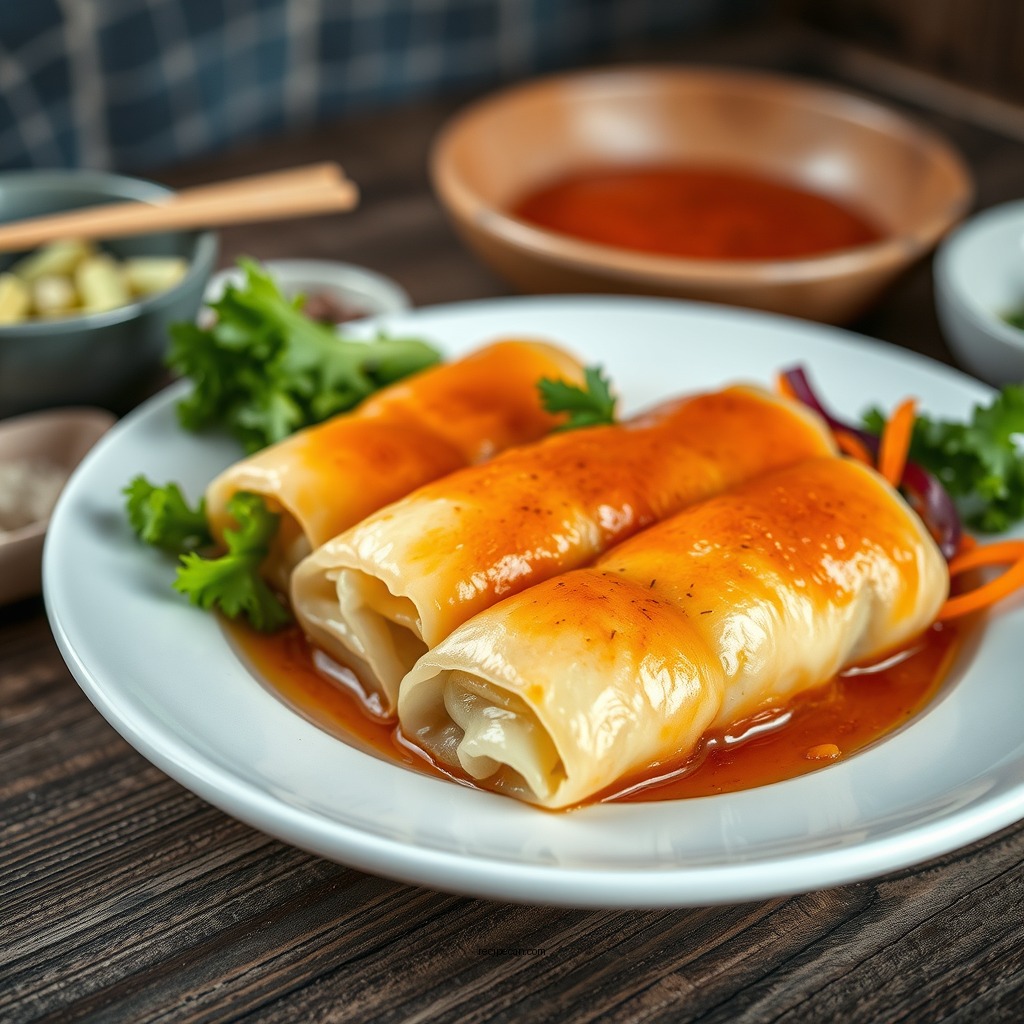
To make delicious cabbage rolls, you will need the following ingredients:
– Cabbage Leaves: Fresh green or savoy cabbage is recommended for its soft texture and pliable leaves, making it easier to wrap the filling.
– Ground Meat: Choose from beef, pork, or turkey, depending on your preference. Each type of meat brings a unique flavor to the rolls.
– Rice: Uncooked rice is mixed with the meat to create the filling, absorbing flavors as it cooks.
– Seasonings: Basic seasonings such as salt, pepper, and garlic powder are essential for enhancing the overall taste. You may also consider adding diced onions and herbs like parsley or dill for an extra flavor boost.
Preparing the Cabbage
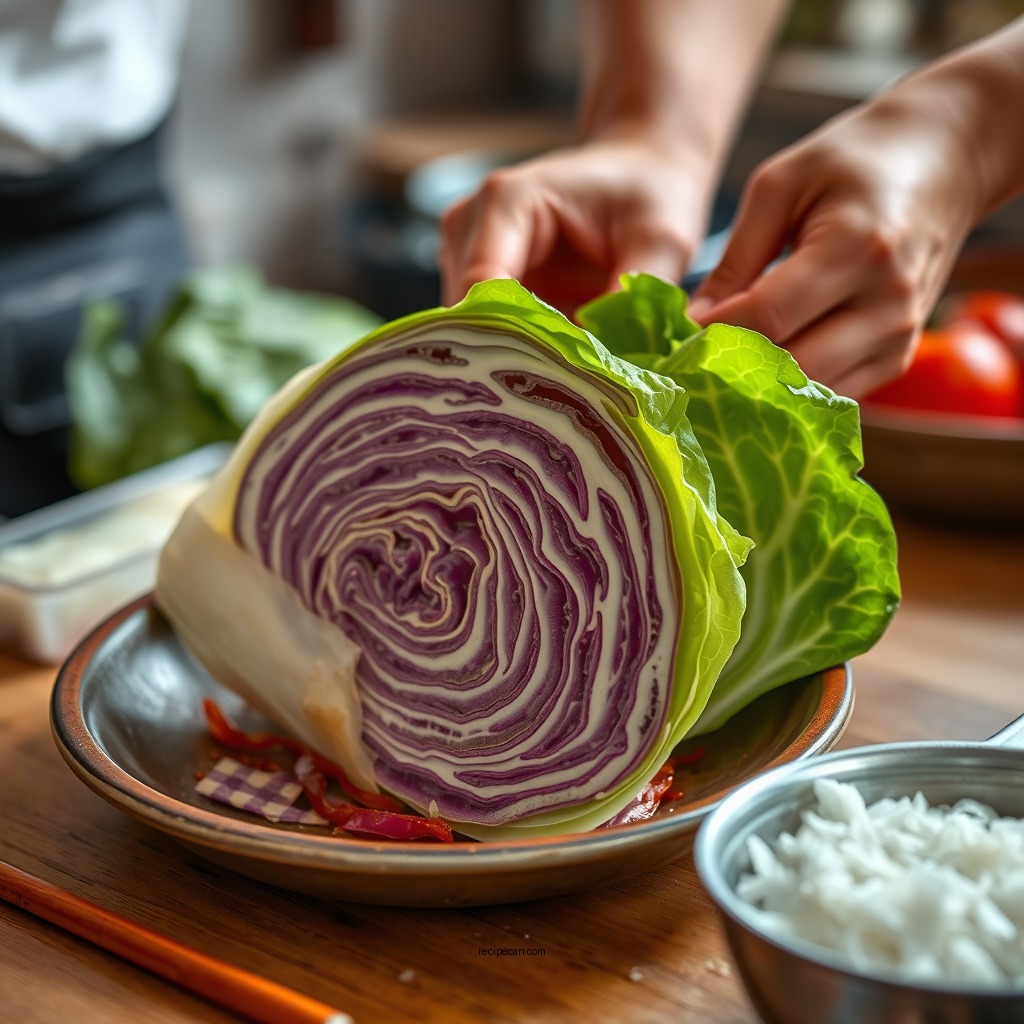
Preparing the cabbage properly is crucial for making rolls that are easy to work with. Follow these steps:
1. Remove the Core: Start by carefully cutting out the core of the cabbage head. This will help you separate the leaves more easily.
2. Blanch the Cabbage Leaves: Bring a large pot of water to a boil. Add the cabbage head and allow it to cook for about 2-3 minutes, or until the outer leaves become soft and pliable. This process makes it easier to roll the leaves without tearing. After blanching, remove the cabbage from the water and let it cool slightly before peeling off the leaves.
Making the Filling
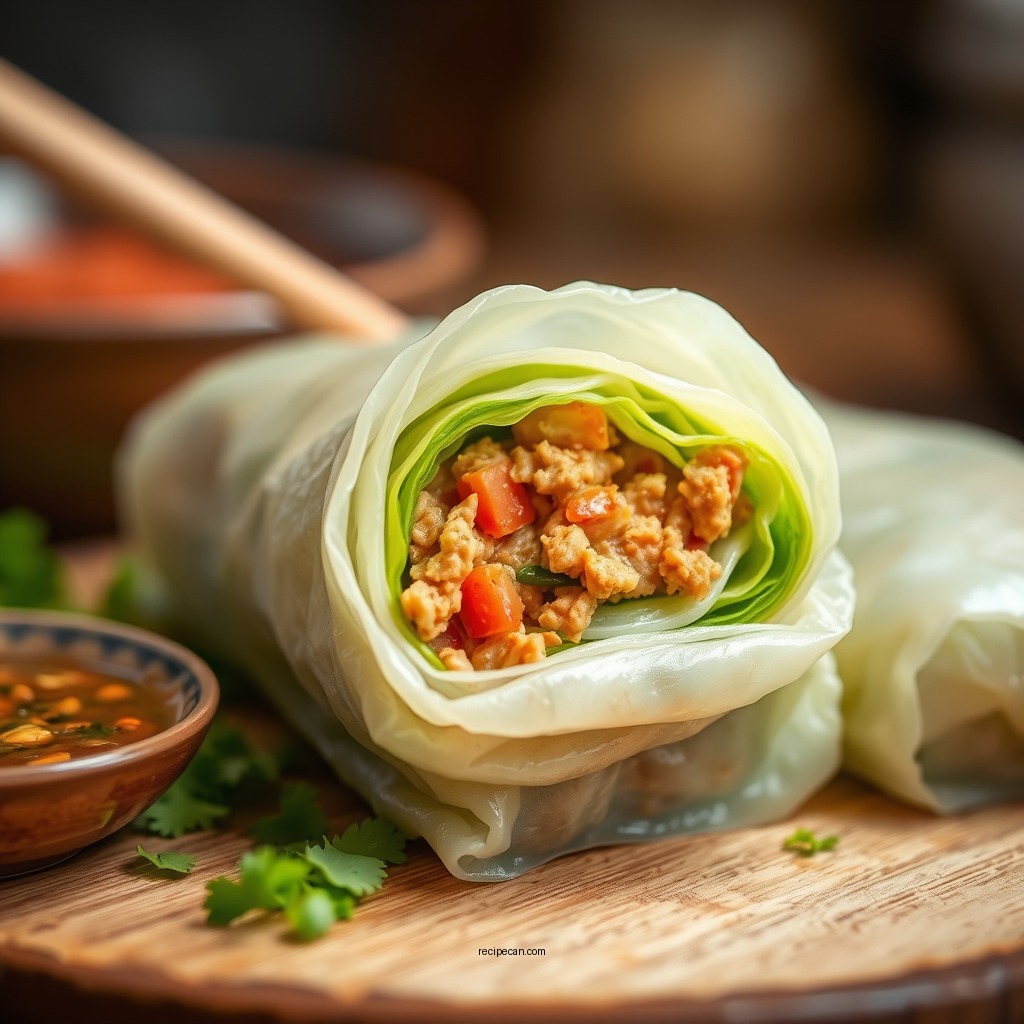
The filling is the heart of the cabbage rolls, and the flavor can be customized according to your taste. Here’s how to prepare it:
1. Combine Ingredients: In a large mixing bowl, combine the ground meat with uncooked rice. The rice will expand during cooking, adding texture to the filling.
2. Add Seasonings: Incorporate spices such as salt, pepper, and garlic powder. For a more complex flavor, consider adding finely diced onions and chopped herbs. Mix thoroughly until all ingredients are well combined.
Cabbage Roll Ingredients Comparison
| # | Ingredient | Proportion | Calories (per serving) | Protein (g) |
|---|---|---|---|---|
| 1 | Ground Beef | 1 lb | 250 | 20 |
| 2 | Rice | 1 cup | 205 | 4 |
| 3 | Cabbage Leaves | 10 leaves | 30 | 2 |
| 4 | Onion | 1 medium | 44 | 1 |
| 5 | Garlic | 2 cloves | 9 | 0 |
| 6 | Salt | 1 tsp | 0 | 0 |
| 7 | Pepper | 1 tsp | 0 | 0 |
Assembling the Cabbage Rolls
Correctly assembling the cabbage rolls is essential for ensuring that they hold together during cooking. Here’s how to do it:
1. Place the Filling: Take a blanched cabbage leaf and place a generous spoonful of the meat and rice filling at the base of the leaf.
2. Roll Tightly: Begin to roll the cabbage leaf from the base, folding the sides in as you go to secure the filling. Ensure the rolls are tight enough to hold together but not so tight that they burst during cooking.
3. Repeat: Continue this process until all the filling is used up. You may need to adjust the size of the filling based on the size of your cabbage leaves.
Cooking the Cabbage Rolls
Cooking the cabbage rolls is straightforward and can be done in the oven for a deliciously baked version. Here’s how:
1. Arrange in Baking Dish: Preheat your oven to 350°F (175°C). Arrange the cabbage rolls seam-side down in a baking dish. This helps keep them from unrolling during cooking.
2. Add Sauce: Pour tomato sauce or broth over the rolls, ensuring they are covered. This not only adds flavor but also keeps the rolls moist during baking.
3. Bake: Cover the baking dish with foil and bake for about 1 hour, or until the meat is cooked through and the rice is tender.
Cabbage Roll Cooking Time Comparison
Serving Suggestions
The way you serve cabbage rolls can elevate the dining experience. Here are some suggestions:
– Garnish: Serve the cabbage rolls hot, garnished with fresh herbs like parsley or dill. This adds a splash of color and enhances the flavor.
– Accompaniments: Pair the rolls with crusty bread or a side salad to create a well-rounded meal. A dollop of sour cream can also add a creamy contrast to the savory rolls.
Tips and Variations
To keep your cabbage rolls exciting, consider the following tips and variations:
– Filling Variations: Experiment with different fillings, such as using quinoa or bulgur instead of rice for a healthier option. You can also add vegetables like grated carrots or chopped bell peppers to the mix.
– Cooking Methods: While baking is a classic method, you can also try slow cooking or pressure cooking for a different texture and flavor profile. Slow cooking allows the flavors to meld beautifully, while pressure cooking can save time.
Cabbage rolls are not only delicious but also versatile, making them a great addition to your meal rotation. By following this easy recipe, you can create your own at home and customize them to your taste. Share your results with friends and family, and enjoy the satisfaction of serving a comforting, homemade dish. Savor every bite of your delicious cabbage rolls and explore the various ways to enjoy this classic meal.
Frequently Asked Questions
What ingredients do I need for a traditional cabbage roll recipe?
A traditional cabbage roll recipe typically requires green cabbage, ground meat (such as beef, pork, or turkey), rice, onion, garlic, tomato sauce, and various seasonings like salt, pepper, and herbs. Some variations may also include ingredients like diced bell peppers or carrots for added flavor and nutrition.
How do I properly prepare cabbage for rolling?
To prepare cabbage for rolling, first, remove the core of the cabbage and blanch the whole head in boiling water for about 2-3 minutes until the leaves are pliable. Carefully peel off the outer leaves as they soften, being cautious not to tear them, and allow them to cool before filling.
Why are my cabbage rolls falling apart during cooking?
Cabbage rolls may fall apart if the cabbage leaves are not cooked long enough to soften or if there isn’t enough binding in the filling mixture. Ensure you use a proper ratio of rice to meat and consider adding an egg to help hold the filling together, and make sure to tightly roll and secure the cabbage leaves.
What is the best cooking method for cabbage rolls?
The best cooking method for cabbage rolls is to bake them in the oven or simmer them on the stovetop, as both methods allow the flavors to meld beautifully. Baking at 350°F for about 1-1.5 hours provides a nice texture, while simmering in a flavorful tomato sauce can keep them moist and enhance the overall taste.
Which sauces can I use to serve with cabbage rolls?
Cabbage rolls are often served with tomato-based sauces for a classic flavor, but you can also try sour cream, mushroom sauce, or a creamy dill sauce for a twist. Each sauce complements the savory filling and enhances the overall dish, providing a delicious contrast to the cabbage.
References
- Cabbage roll
https://en.wikipedia.org/wiki/Cabbage_roll - https://www.britannica.com/topic/cabbage-roll
https://www.britannica.com/topic/cabbage-roll - https://pubmed.ncbi.nlm.nih.gov/16628539/
https://pubmed.ncbi.nlm.nih.gov/16628539/ - https://www.ncbi.nlm.nih.gov/pmc/articles/PMC6270043/
https://www.ncbi.nlm.nih.gov/pmc/articles/PMC6270043/ - https://www.cdc.gov/nutrition/resources-publications/healthy-eating.html
https://www.cdc.gov/nutrition/resources-publications/healthy-eating.html - Google Scholar Google Scholar
https://scholar.google.com/scholar?q=cabbage+roll+recipe - Google Scholar Google Scholar
https://scholar.google.com/scholar?q=cabbage+nutrition+benefits - https://www.sciencedirect.com/topics/agricultural-and-biological-sciences/cabbage
https://www.sciencedirect.com/topics/agricultural-and-biological-sciences/cabbage - Healthy diet
https://www.who.int/news-room/fact-sheets/detail/healthy-diet - https://www.nytimes.com/2020/10/14/dining/cabbage-rolls-recipe.html
https://www.nytimes.com/2020/10/14/dining/cabbage-rolls-recipe.html