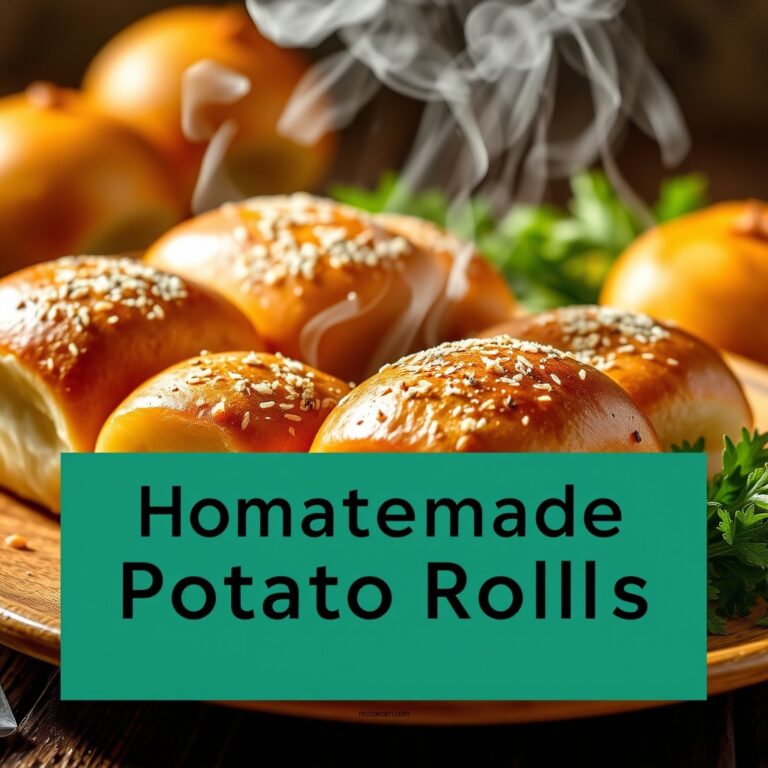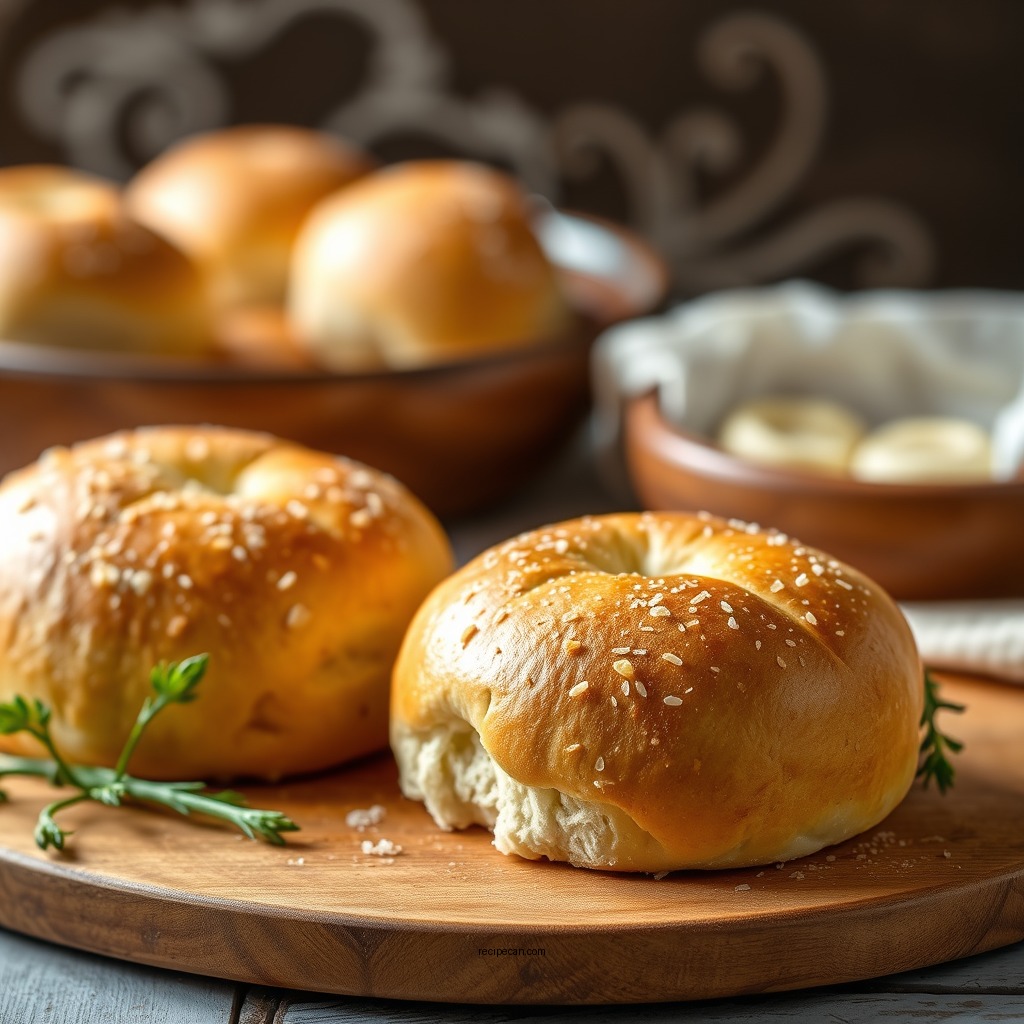
Making homemade yeast rolls is simpler than you might think, and with the right recipe, you can achieve fluffy, delicious rolls that will impress your family and friends. This easy yeast roll recipe provides step-by-step instructions, tips for perfect results, and variations to suit your taste.
Ingredients You’ll Need
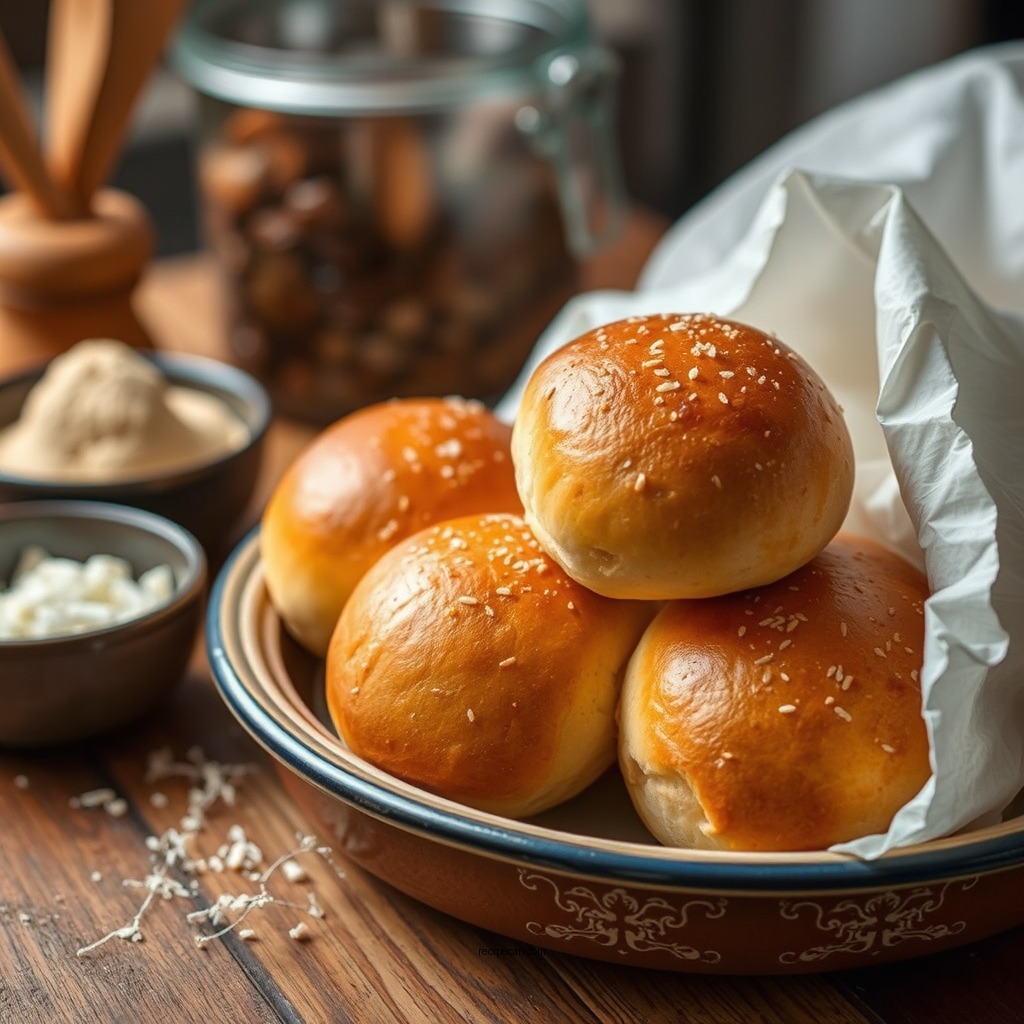
To create the perfect fluffy yeast rolls, you will need the following basic ingredients:
– All-Purpose Flour: 4 cups, sifted
– Active Dry Yeast: 2 tablespoons (or 1 packet)
– Granulated Sugar: 1/4 cup (provides nourishment for the yeast)
– Salt: 1 teaspoon (enhances flavor)
– Warm Water: 1.5 cups (about 110°F or 43°C)
– Unsalted Butter: 1/2 cup, melted (adds richness)
For variations, you may consider adding:
– Fresh Herbs: Such as rosemary or thyme for an aromatic twist
– Cheese: Shredded cheddar or parmesan for a savory flavor
– Garlic: Minced garlic for an additional layer of flavor
Step-by-Step Instructions
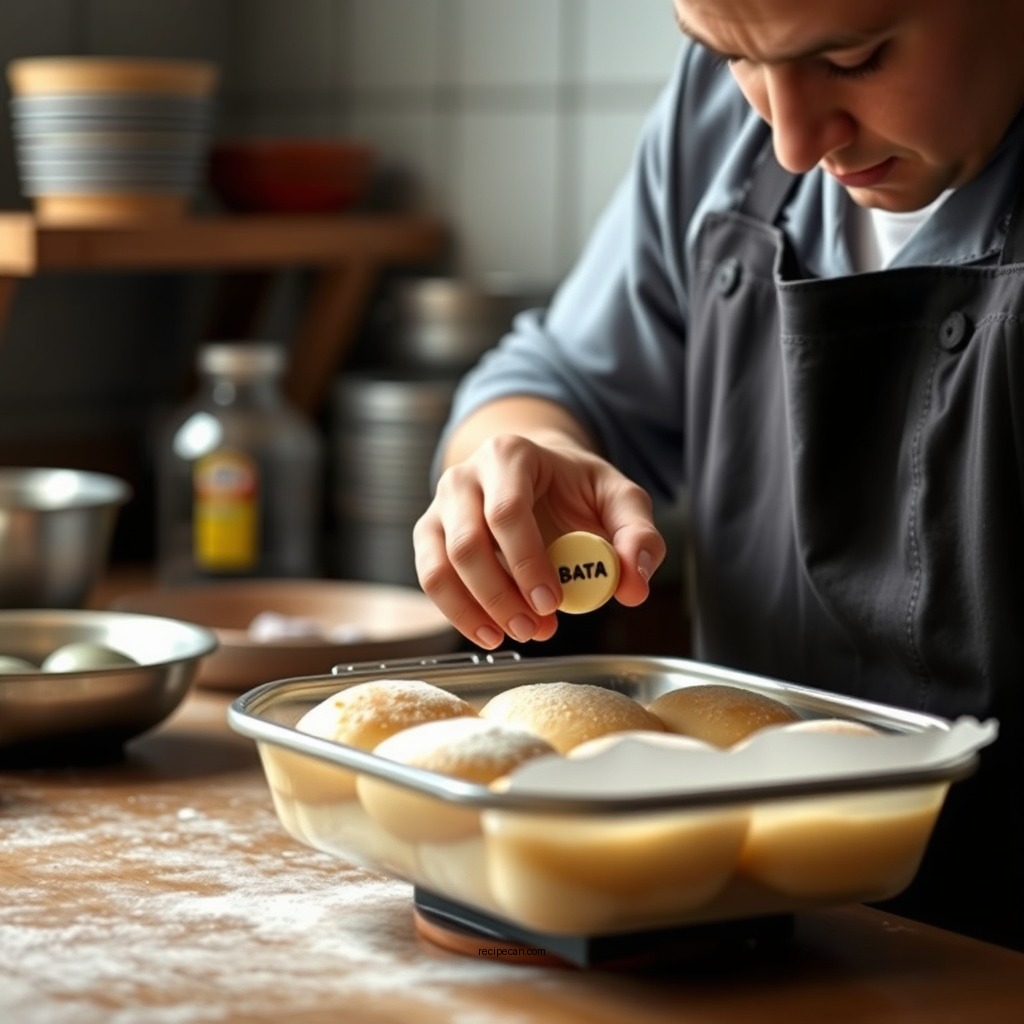
1. Activate the Yeast: In a small bowl, combine the warm water, sugar, and yeast. Allow it to sit for about 5-10 minutes until it becomes frothy. This indicates that your yeast is active.
2. Prepare the Dough: In a large mixing bowl, combine the flour and salt. Create a well in the center and pour in the activated yeast mixture along with the melted butter. Mix until a dough starts to form.
3. Knead the Dough: Transfer the dough to a floured surface. Knead for about 8-10 minutes until the dough is smooth and elastic. The dough should bounce back when lightly pressed.
4. First Rise: Place the dough in a greased bowl, cover it with a damp cloth, and let it rise in a warm environment for about 1 hour, or until it has doubled in size.
5. Shape the Rolls: Once risen, punch the dough down to release air. Divide it into equal pieces (about 12-15 for standard dinner rolls). Shape each piece into a ball.
6. Second Rise: Place the shaped rolls into a greased baking dish, ensuring they are close but not touching. Cover and let rise for another 30-45 minutes.
7. Bake: Preheat your oven to 375°F (190°C). Bake the rolls for 15-20 minutes or until they are golden brown on top.
8. Cool and Serve: Remove from the oven and brush with melted butter for a glossy finish. Allow them to cool slightly before serving.
Tips for Perfect Yeast Rolls
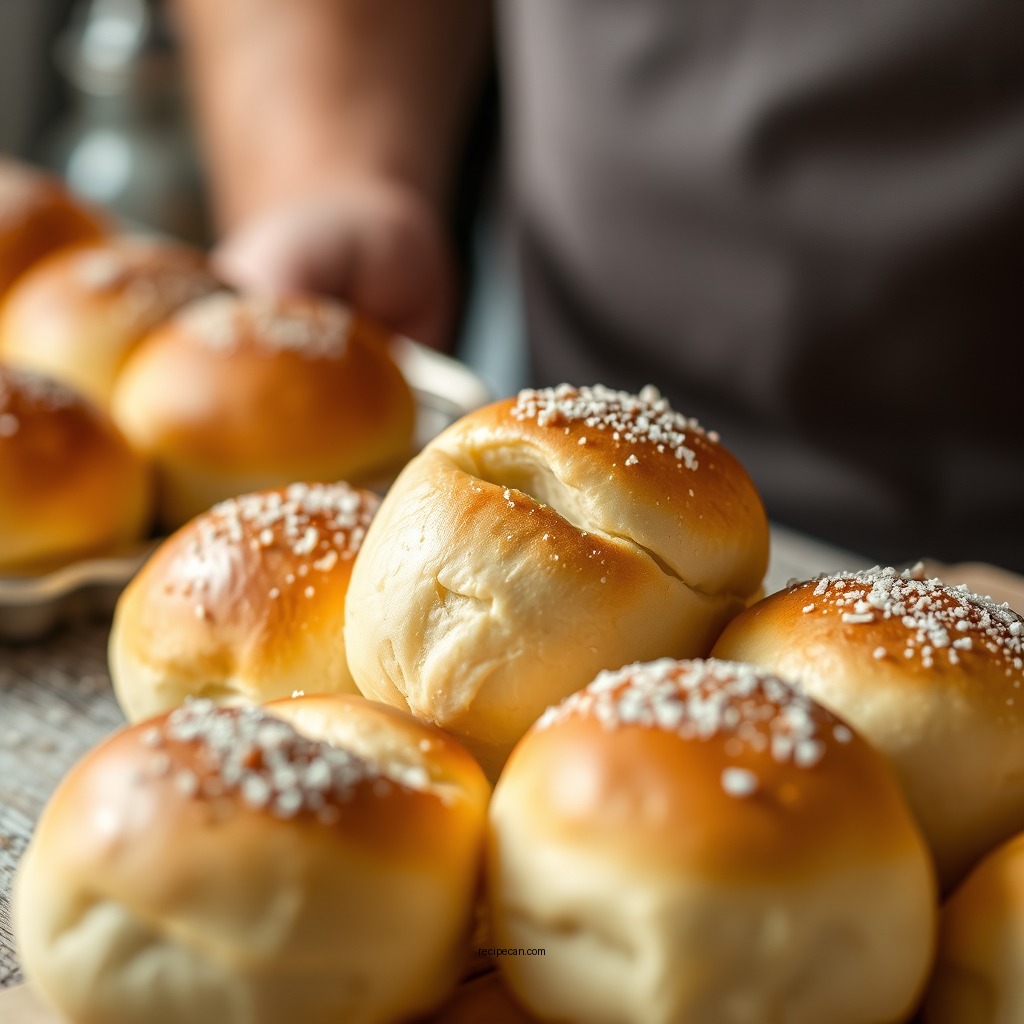
Achieving the best yeast rolls involves understanding the importance of the right conditions:
– Temperature and Environment: Yeast thrives in warm, draft-free environments. Ideal rising temperatures are between 75°F and 85°F. If your kitchen is cool, you can place the dough in an unheated oven with the light on or near a warm stove.
– How to Tell When Dough Has Risen Enough: The dough should double in size. Gently press two fingers into the dough; if the indentation remains, it’s ready for the next step.
Top Factors Influencing Yeast Roll Texture
| # | Factor | Importance Level | Impact on Fluffiness |
|---|---|---|---|
| 1 | Yeast Freshness | High | Critical |
| 2 | Water Temperature | Medium | High |
| 3 | Kneading Time | High | Very High |
| 4 | Rising Conditions | High | Critical |
| 5 | Flour Quality | Medium | Moderate |
| 6 | Dough Temperature | High | High |
| 7 | Baking Time | Medium | Moderate |
Common Mistakes to Avoid
When baking yeast rolls, certain pitfalls can lead to unsatisfactory results:
– Overworking the Dough: Kneading the dough too much can lead to tough rolls. Aim for a soft, elastic texture without excessive gluten development.
– Using Old Yeast: Fresh yeast is crucial for proper rise. To check the viability, mix a teaspoon of yeast with sugar and warm water. If it bubbles within 10 minutes, it’s good to use.
Serving Suggestions
These homemade rolls are incredibly versatile and can enhance various meals:
– Pairing with Soups and Stews: Fluffy rolls complement rich soups and hearty stews, soaking up flavors beautifully.
– As Dinner Rolls: Serve them alongside your favorite main dishes like roasted chicken or beef.
For leftover rolls, consider these creative ideas:
– Sliders: Slice and fill with your choice of meats, cheeses, or veggies for a delightful slider.
– Bread Pudding: Transform stale rolls into a delicious dessert by cubing them and baking with a custard mixture.
Popular Uses for Yeast Rolls
Storage and Reheating Tips
To maintain the freshness of your yeast rolls, follow these storage methods:
– Storing: Place cooled rolls in an airtight container at room temperature for up to 2 days. For longer storage, freeze them in a single layer, then transfer to a freezer bag for up to 3 months.
– Reheating: To reheat, wrap rolls in aluminum foil and place them in a preheated oven at 350°F (175°C) for about 10-15 minutes. This method keeps them moist and fluffy.
Baking homemade yeast rolls can truly elevate your meals and enhance your culinary repertoire. With this easy recipe and the tips provided, you can create delightful rolls that are sure to impress.
Try out this recipe, and don’t hesitate to share your results or explore more baking recipes on our blog for further inspiration!
Frequently Asked Questions
What ingredients do I need for a basic yeast roll recipe?
To make a basic yeast roll recipe, you will need all-purpose flour, active dry yeast, sugar, salt, milk, butter, and eggs. These ingredients work together to create a soft and fluffy texture that is perfect for dinner rolls. Make sure to use fresh yeast for the best rise and flavor in your rolls.
How can I ensure my yeast rolls rise properly?
To ensure your yeast rolls rise properly, make sure your yeast is activated by dissolving it in warm water (about 110°F) with a bit of sugar for about 5-10 minutes until it becomes frothy. Additionally, allow your dough to rise in a warm, draft-free place, covering it with a damp cloth or plastic wrap to retain moisture. Patience is key; a longer rise can enhance the flavor and texture of the rolls.
Why did my yeast rolls turn out dense instead of fluffy?
Dense yeast rolls can result from several factors, including using old or inactive yeast, not kneading the dough enough, or not allowing adequate rising time. Ensure your yeast is fresh and properly activated, and knead the dough until it is smooth and elastic for the best texture. Also, avoid overworking the dough after the first rise, as this can deflate the air bubbles that create fluffiness.
What is the best way to store homemade yeast rolls?
The best way to store homemade yeast rolls is to let them cool completely, then place them in an airtight container or resealable plastic bag at room temperature for up to three days. For longer storage, you can freeze the rolls by wrapping them tightly in plastic wrap and then in aluminum foil, keeping them fresh for up to three months. When ready to eat, simply thaw and reheat in the oven for a few minutes.
Which types of flour are best for making yeast rolls?
All-purpose flour is the most commonly used flour for making yeast rolls, as it provides a good balance of protein for structure and softness. However, for an even fluffier texture, you can substitute bread flour, which has a higher protein content, or a combination of both flours. Always measure your flour accurately, as too much can lead to dry rolls.
References
- https://en.wikipedia.org/wiki/Roll_(bread
https://en.wikipedia.org/wiki/Roll_(bread - https://www.brown.edu/academics/science/yeast-rol
https://www.brown.edu/academics/science/yeast-rol - Google Scholar Google Scholar
https://scholar.google.com/scholar?q=yeast+roll+recipe - https://www.sciencedirect.com/topics/food-science/yeast
https://www.sciencedirect.com/topics/food-science/yeast - https://pubmed.ncbi.nlm.nih.gov/?term=yeast+roll+recipe
https://pubmed.ncbi.nlm.nih.gov/?term=yeast+roll+recipe - https://www.bbc.co.uk/food/recipes/yeast_rolls_25735
https://www.bbc.co.uk/food/recipes/yeast_rolls_25735 - NYT Cooking – Recipes and Cooking Guides From The New York Times
https://www.nytimes.com/recipes/1019829/yeast-rolls - Google Scholar Google Scholar
https://scholar.google.com/scholar?q=yeast+fermentation+in+baking - https://www.britannica.com/topic/roll-bread
https://www.britannica.com/topic/roll-bread - Editors – Herbal Medicine – NCBI Bookshelf
https://www.ncbi.nlm.nih.gov/books/NBK92749/