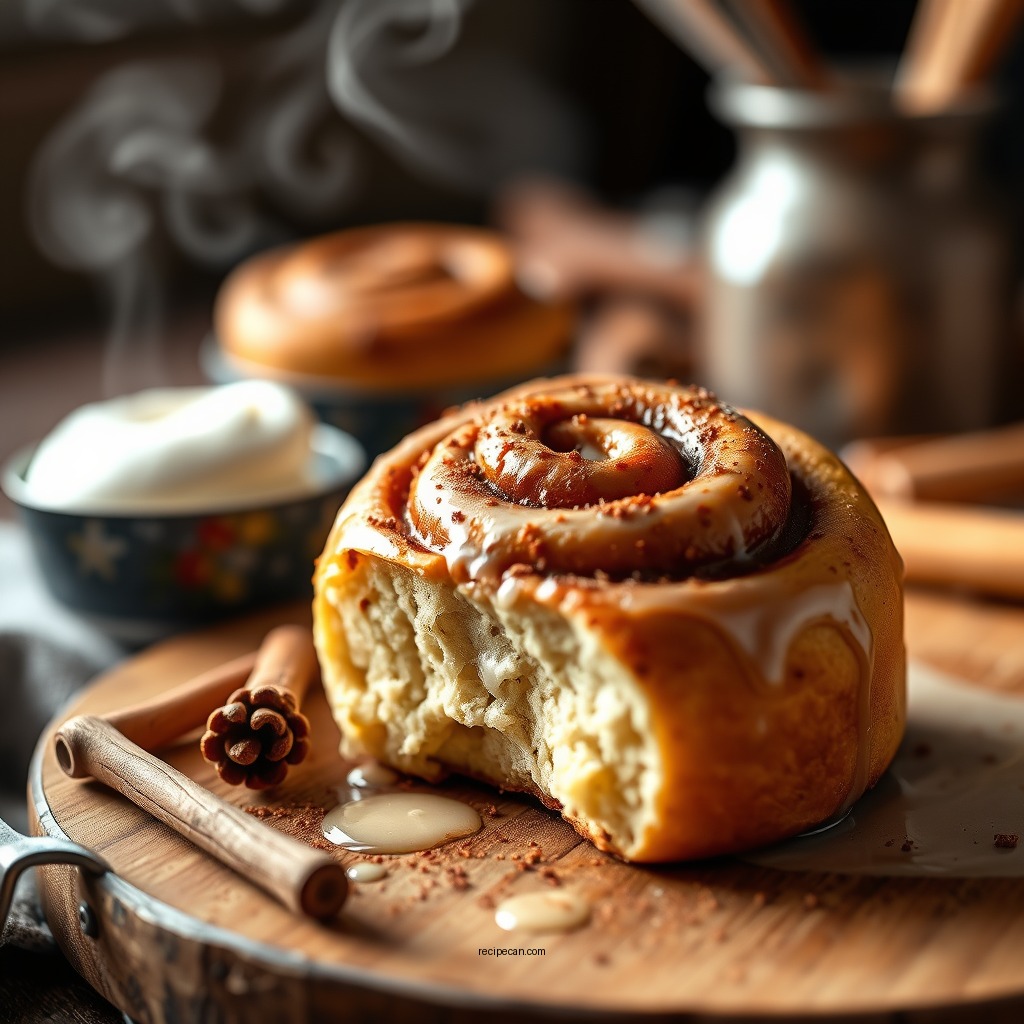
Making homemade cinnamon rolls is both a rewarding and delightful experience that can elevate your breakfast or dessert table. This easy cinnamon roll recipe combines soft, fluffy dough with a rich cinnamon-sugar filling and a creamy icing. In this guide, you’ll learn how to create delicious homemade cinnamon rolls that will impress your family and friends. Follow these simple steps and tips to bake the best cinnamon rolls ever.
Gather Your Ingredients

To create the perfect cinnamon rolls, the first step is to gather all your necessary ingredients. The basics for the dough include:
– Flour: All-purpose flour works best for creating a light and fluffy texture.
– Sugar: Granulated sugar adds sweetness to the dough.
– Yeast: Active dry yeast helps the dough rise, creating that soft, airy structure.
– Milk: Whole milk is recommended for richness and flavor.
For the filling, you’ll need:
– Cinnamon: The star ingredient that gives cinnamon rolls their signature flavor.
– Nutmeg: Optional, but it can add a warm, spicy undertone.
– Butter: Softened butter helps the filling spread easily and adds richness.
Lastly, don’t forget the ingredients for the icing:
– Cream Cheese: Provides a creamy texture and tangy flavor that complements the sweetness of the rolls.
– Powdered Sugar: Used for sweetness and to achieve that classic icing consistency.
– Vanilla Extract: Adds a lovely aroma and flavor.
Making the Dough
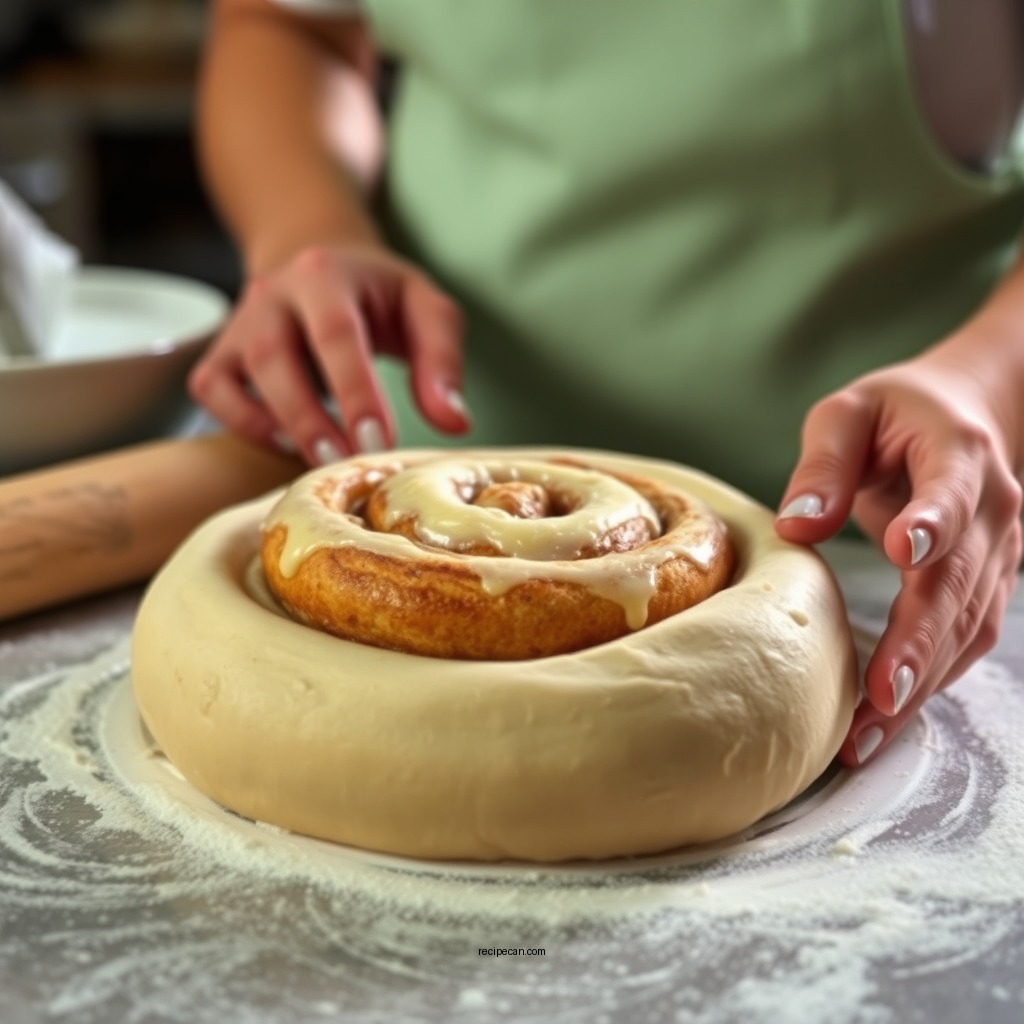
The dough is a crucial component of cinnamon rolls, and making it correctly is key to achieving that fluffy texture. Start by combining the dry ingredients in a large mixing bowl:
1. Mix the Dry Ingredients: In a bowl, whisk together 4 cups of all-purpose flour, 1/4 cup of granulated sugar, and 2 teaspoons of active dry yeast. Ensure that the yeast is evenly distributed.
2. Add the Wet Ingredients: Gradually incorporate 1 cup of warm milk (about 110°F or 43°C) and 1/4 cup of melted butter. Mix until a rough dough begins to form.
3. Knead the Dough: Transfer the dough to a floured surface and knead for about 8-10 minutes. You want the dough to become smooth and elastic. This step is essential for developing gluten, which gives the rolls their structure.
4. Let the Dough Rise: Place the kneaded dough in a lightly greased bowl, cover it with a damp cloth, and let it rise in a warm place until it doubles in size, approximately 1 hour.
Preparing the Filling
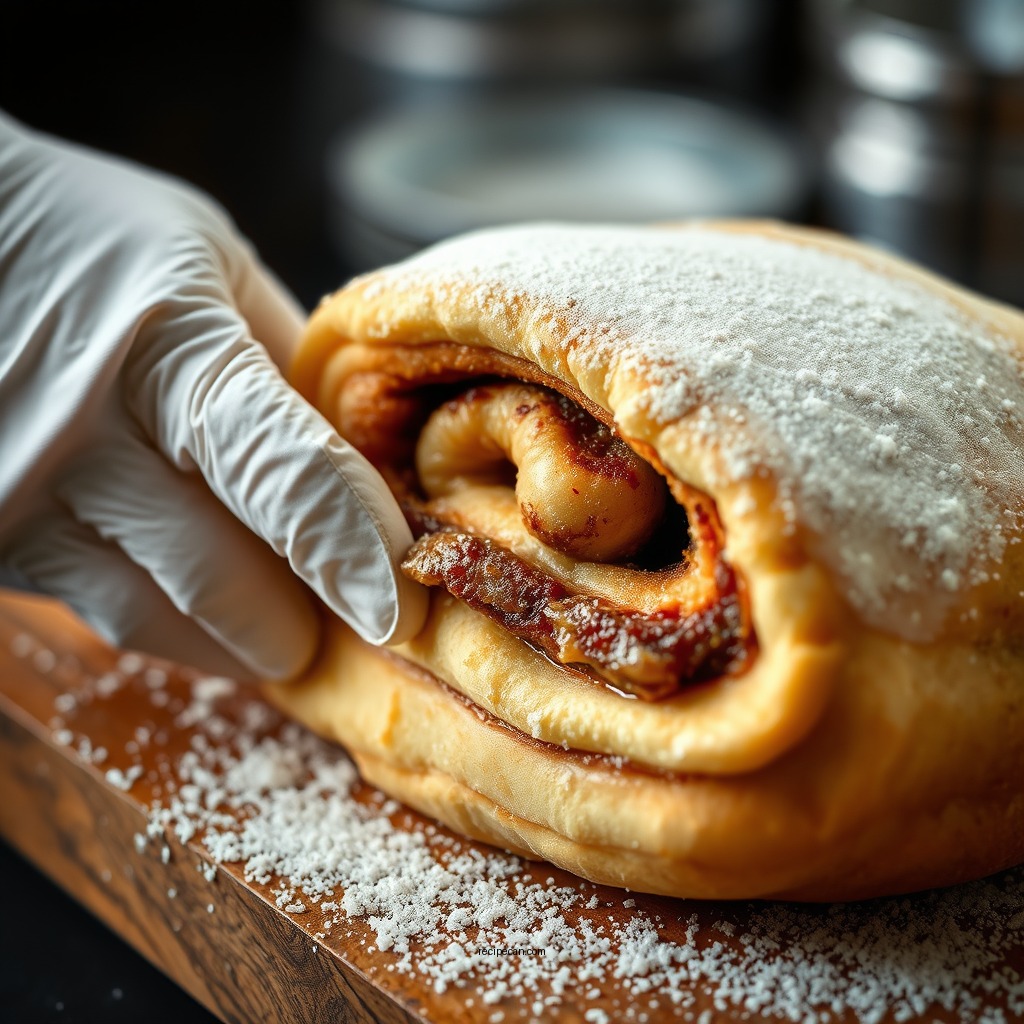
The filling is where you can get creative and personalize your cinnamon rolls. Here’s how to prepare it:
1. Make the Filling: In a small bowl, mix together 1/2 cup of softened butter, 1 cup of granulated sugar, and 2 tablespoons of ground cinnamon until it forms a spreadable paste.
2. Spread the Filling: Once your dough has risen, roll it out on a floured surface into a rectangle (approximately 16×24 inches). Spread the cinnamon filling evenly over the dough, ensuring to cover all corners for maximum flavor.
3. Optional Add-ins: For added texture, consider mixing in 1/2 cup of chopped nuts (such as pecans or walnuts) or 1/2 cup of raisins into the filling mixture.
📋 DATA
Top 7 Ingredients for Cinnamon Rolls (2024)
| # | Ingredient | Quantity | Cost (Approx.) |
|---|---|---|---|
| 1 | All-Purpose Flour | 4 cups | $1.50 |
| 2 | Granulated Sugar | 1 1/4 cups | $0.75 |
| 3 | Butter | 3/4 cup | $1.25 |
| 4 | Active Dry Yeast | 2 teaspoons | $0.50 |
| 5 | Cinnamon | 2 tablespoons | $0.30 |
| 6 | Cream Cheese | 8 oz | $2.00 |
| 7 | Vanilla Extract | 1 teaspoon | $0.20 |
Shaping the Rolls
Once your filling is ready, it’s time to shape your cinnamon rolls:
1. Roll the Dough: Starting from the long side of the rectangle, carefully roll the dough tightly into a log shape. This tightness ensures that your rolls will hold their shape during baking.
2. Cut the Rolls: Using a sharp knife or dental floss, cut the log into equal pieces, about 1.5 inches thick. You should end up with approximately 12-16 rolls, depending on your cutting.
3. Prepare the Baking Dish: Grease a 9×13-inch baking dish and arrange the cut rolls inside, leaving a little space for them to expand. Cover the dish with a cloth and allow the rolls to rise again for about 30 minutes.
Baking the Cinnamon Rolls
Now that your rolls are shaped and ready, it’s time to bake:
1. Preheat the Oven: Set your oven to 350°F (175°C) to ensure even baking.
2. Bake: Place the rolls in the oven and bake for approximately 25-30 minutes or until they are golden brown on top. Keep an eye on them to avoid overbaking; they should be fluffy and slightly firm to the touch.
3. Cool Before Frosting: Once baked, remove the rolls from the oven and allow them to cool slightly in the pan for about 10 minutes before applying the icing.
Making the Icing
The icing takes your cinnamon rolls to the next level of indulgence. Here’s how to whip it up:
1. Blend the Ingredients: In a mixing bowl, combine 4 oz of softened cream cheese, 1/4 cup of softened butter, 2 cups of powdered sugar, and 1 teaspoon of vanilla extract. Mix until smooth and creamy.
2. Adjust Consistency: If the icing is too thick, add a splash of milk to reach your desired consistency. It should be thick enough to hold its shape but pourable enough to drizzle.
3. Drizzle Over Rolls: Generously drizzle the icing over the warm cinnamon rolls, allowing it to melt slightly into the nooks and crannies. This step enhances the overall flavor and presentation.
Serving and Storing
To enjoy your homemade cinnamon rolls at their best:
1. Serve Warm: For an optimal taste experience, serve the rolls warm right out of the oven. They are perfect for breakfast or as a sweet treat throughout the day.
2. Storing Leftovers: If you have any leftovers, store them in an airtight container at room temperature for up to 2 days. Alternatively, you can refrigerate them for up to a week.
3. Reheating: To enjoy the rolls again, simply reheat them in the microwave for about 10-15 seconds, ensuring they remain soft and fluffy.
📈 CHART
Cinnamon Roll Baking Time vs. Texture Quality
Enjoy these homemade cinnamon rolls as a delightful breakfast treat or a satisfying dessert. With this easy recipe, you’ll be able to create a warm, comforting dish that brings everyone together. Try making them this weekend and share your delicious results!
Frequently Asked Questions
What are the key ingredients for a classic cinnamon roll recipe?
A classic cinnamon roll recipe typically requires all-purpose flour, sugar, yeast, milk, butter, eggs, and ground cinnamon. The dough is enriched with butter and eggs to create a soft, fluffy texture, while the cinnamon and sugar filling adds that signature sweet and spicy flavor. It’s important to use fresh yeast for optimal rise and fluffiness.
How do I make my cinnamon rolls soft and fluffy?
To achieve soft and fluffy cinnamon rolls, ensure you use warm milk (around 110°F) to activate the yeast properly. Knead the dough until it’s smooth and elastic, allowing it to rise in a warm environment until doubled in size. Additionally, avoid overbaking to keep the rolls moist and tender.
Why did my cinnamon rolls turn out dense and dry?
Dense and dry cinnamon rolls can result from overworking the dough or using too much flour. Make sure to measure your flour correctly, preferably by weighing it, and knead the dough just until smooth. Also, ensure that the dough has enough time to rise properly, as this is crucial for achieving a light texture.
What is the best way to store leftover cinnamon rolls?
The best way to store leftover cinnamon rolls is to let them cool completely and then wrap them tightly in plastic wrap or place them in an airtight container. They can be stored at room temperature for up to 2 days or in the refrigerator for up to a week. For longer storage, consider freezing them, which allows you to enjoy fresh rolls later on.
Which frosting is best for cinnamon rolls?
The best frosting for cinnamon rolls is typically a cream cheese frosting, which adds a rich, tangy flavor that complements the sweetness of the rolls. A simple glaze made from powdered sugar and milk can also work well for a lighter option. Choose based on your flavor preference, and feel free to experiment with adding vanilla extract or maple syrup for added depth.
References
- Cinnamon roll
https://en.wikipedia.org/wiki/Cinnamon_roll - https://www.bbcgoodfood.com/recipes/cinnamon-rolls
https://www.bbcgoodfood.com/recipes/cinnamon-rolls - https://www.sciencedirect.com/topics/food-science/cinnamon
https://www.sciencedirect.com/topics/food-science/cinnamon - Cinnamon roll foods
https://www.nutritionvalue.org/Cinnamon_roll_nutritional_value.html - https://www.healthline.com/nutrition/cinnamon-benefits
https://www.healthline.com/nutrition/cinnamon-benefits - https://www.ncbi.nlm.nih.gov/pmc/articles/PMC7000524/
https://www.ncbi.nlm.nih.gov/pmc/articles/PMC7000524/ - https://www.britannica.com/topic/cinnamon-roll
https://www.britannica.com/topic/cinnamon-roll - Google Scholar Google Scholar
https://scholar.google.com/scholar?q=cinnamon+roll+recipe - Google Scholar Google Scholar
https://scholar.google.com/scholar?q=cinnamon+roll+baking+techniques - Google Scholar Google Scholar
https://scholar.google.com/scholar?q=cinnamon+roll+nutrition+facts