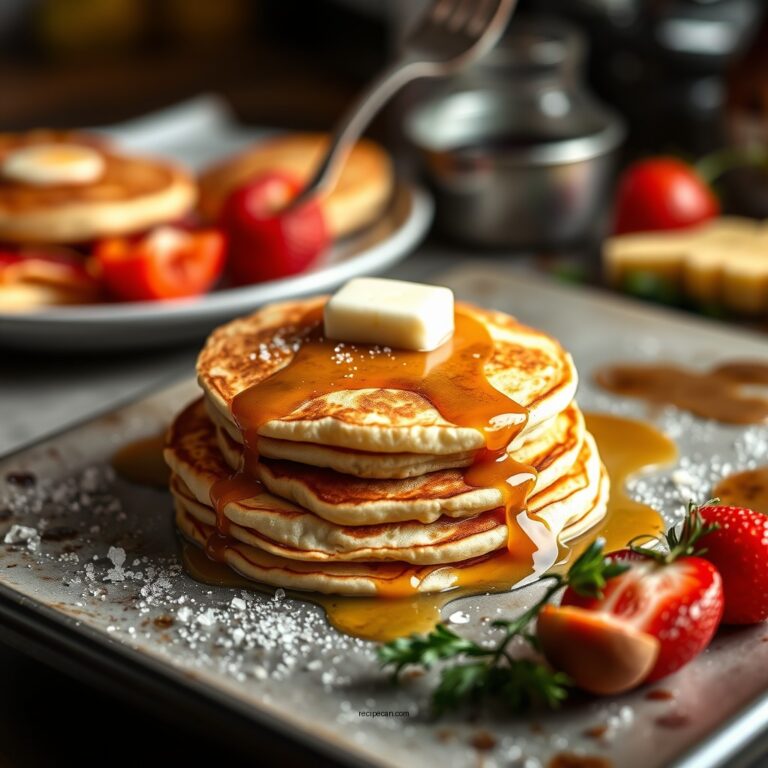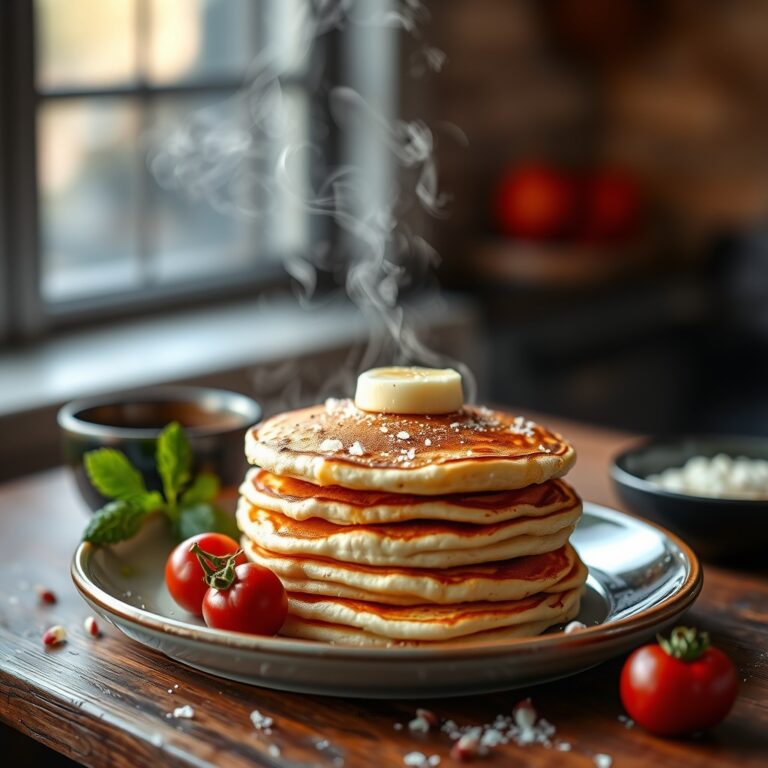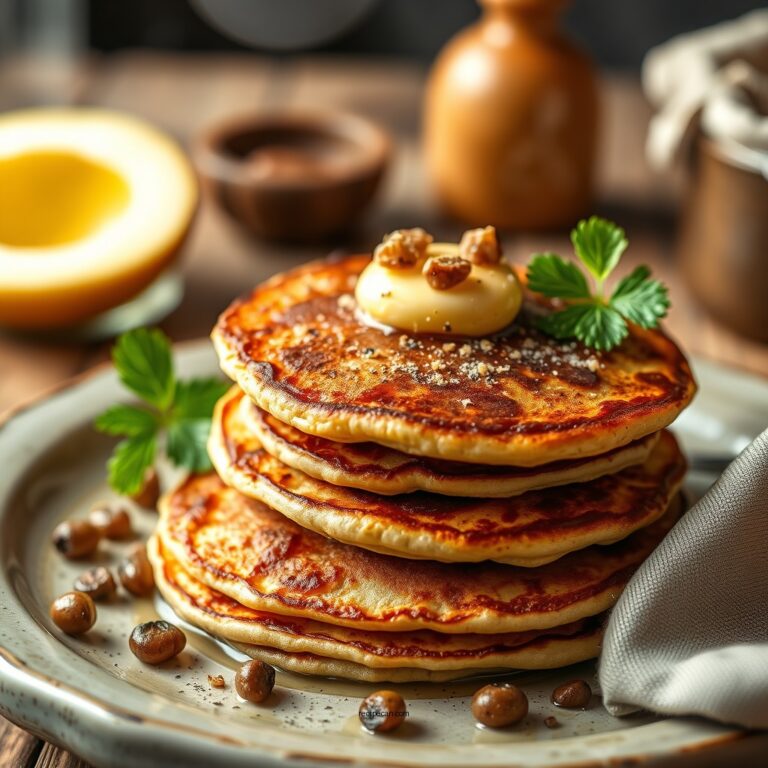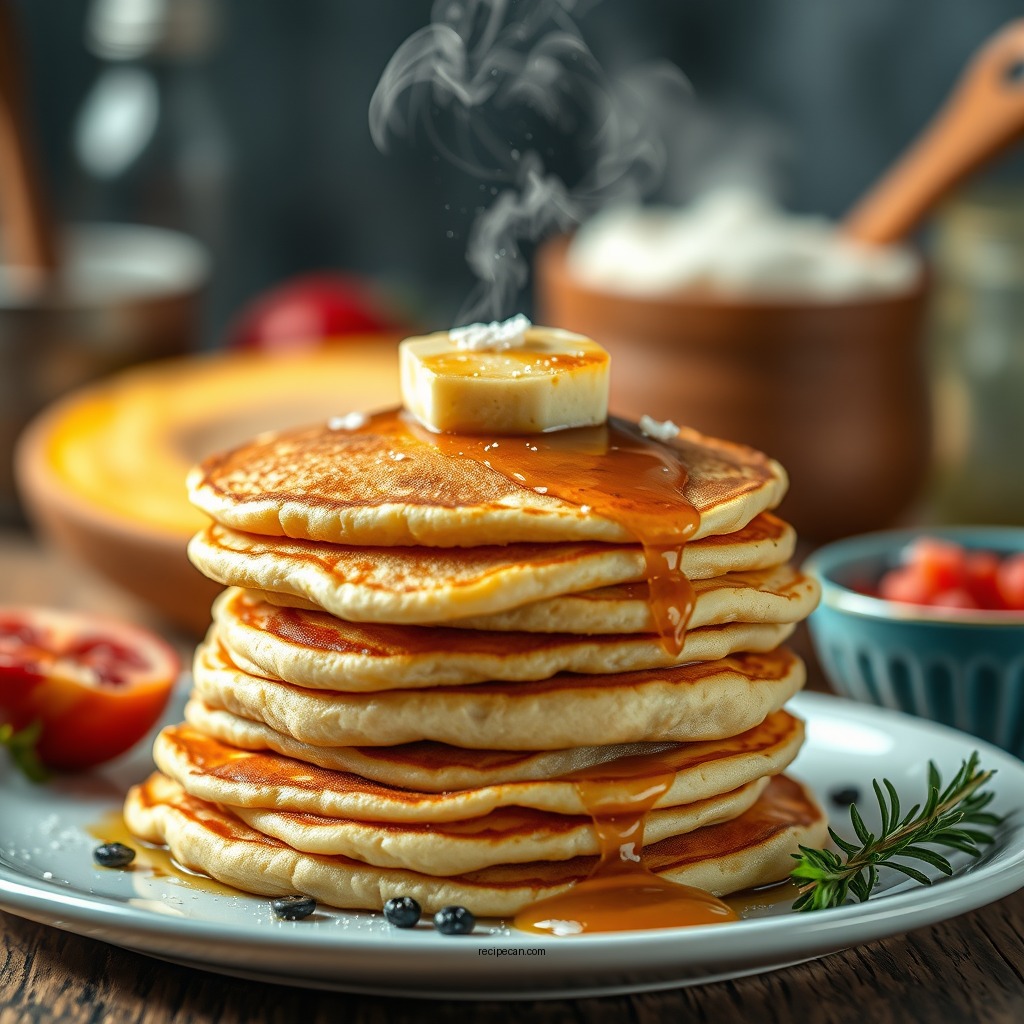
Pancakes can be just as fluffy and delicious without baking powder by utilizing alternative ingredients. This guide will show you how to make light, tasty pancakes using simple methods that don’t require any leavening agents. With just a few ingredients, you can whip up a delightful breakfast that everyone will love!
Alternative Leavening Options
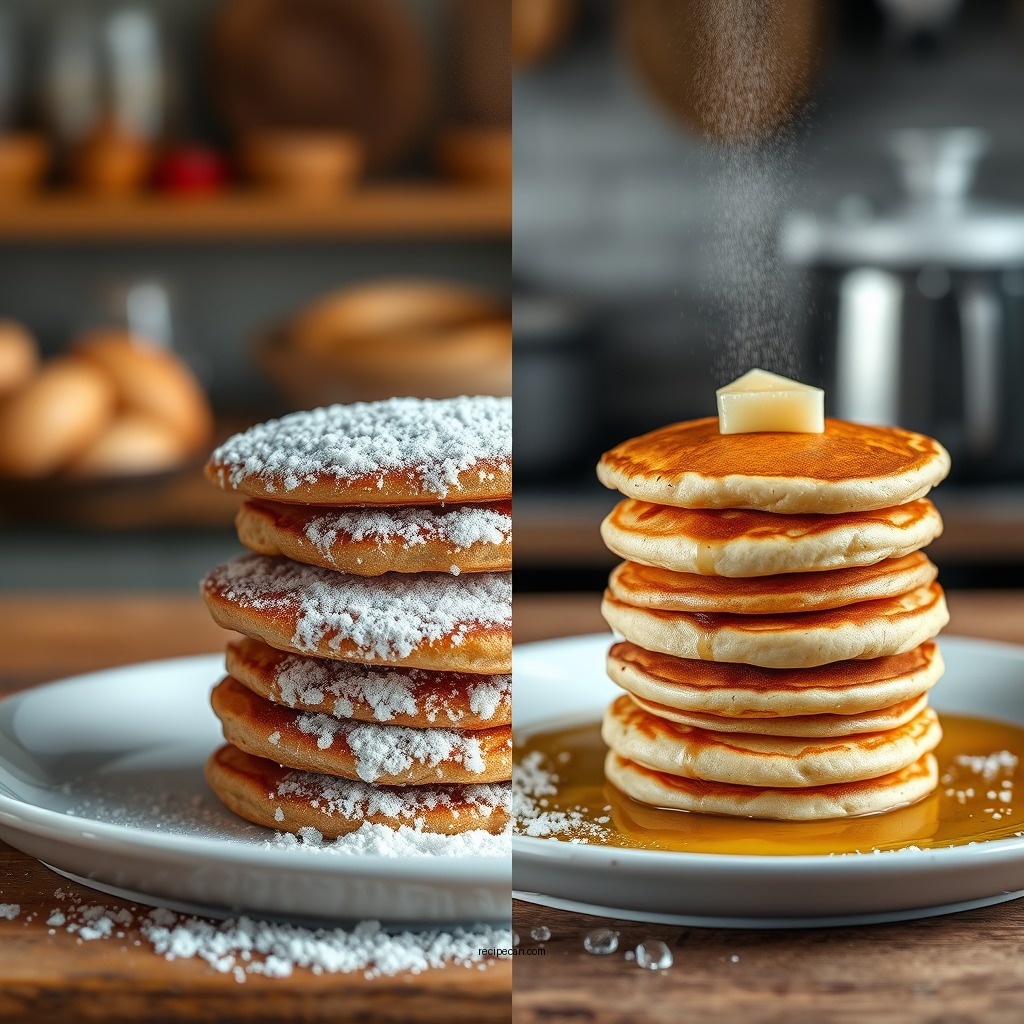
When it comes to making pancakes without baking powder, you can achieve fluffiness through alternative leavening methods. One effective technique is to use whipped egg whites. By separating the eggs and whipping the whites until they form soft peaks, you can incorporate air into the batter, resulting in a light and airy pancake. This method not only enhances texture but also adds a touch of elegance to your breakfast.
Another option is to use baking soda in combination with an acid, such as vinegar or lemon juice. Baking soda is a powerful leavening agent, but it requires an acid to activate it. When these two ingredients are mixed together, they create carbon dioxide bubbles, which help the pancakes rise. A common ratio is one teaspoon of baking soda to one tablespoon of vinegar or lemon juice. This combination not only serves to lift the pancakes but also provides a subtle tang that can enhance the overall flavor.
Basic Pancake Ingredients
The fundamental ingredients for pancakes remain quite simple and accessible. The essential components include all-purpose flour, milk, eggs, and a sweetener such as sugar or honey. Each plays a critical role in the pancake-making process:
– Flour: This forms the base of your pancake and provides structure. All-purpose flour is often preferred, but whole wheat flour can also be used for a healthier twist.
– Milk: This adds moisture and helps to create a batter that can be easily poured. You can use regular dairy milk or opt for alternatives like almond or oat milk.
– Eggs: Eggs not only bind the ingredients but also contribute to the overall fluffiness, especially when the whites are whipped separately.
– Sweetener: A little sweetness enhances the flavor; consider using vanilla extract for added depth.
For a more flavorful pancake, consider incorporating vanilla extract or a pinch of salt to balance the sweetness.
Mixing Techniques for Fluffiness
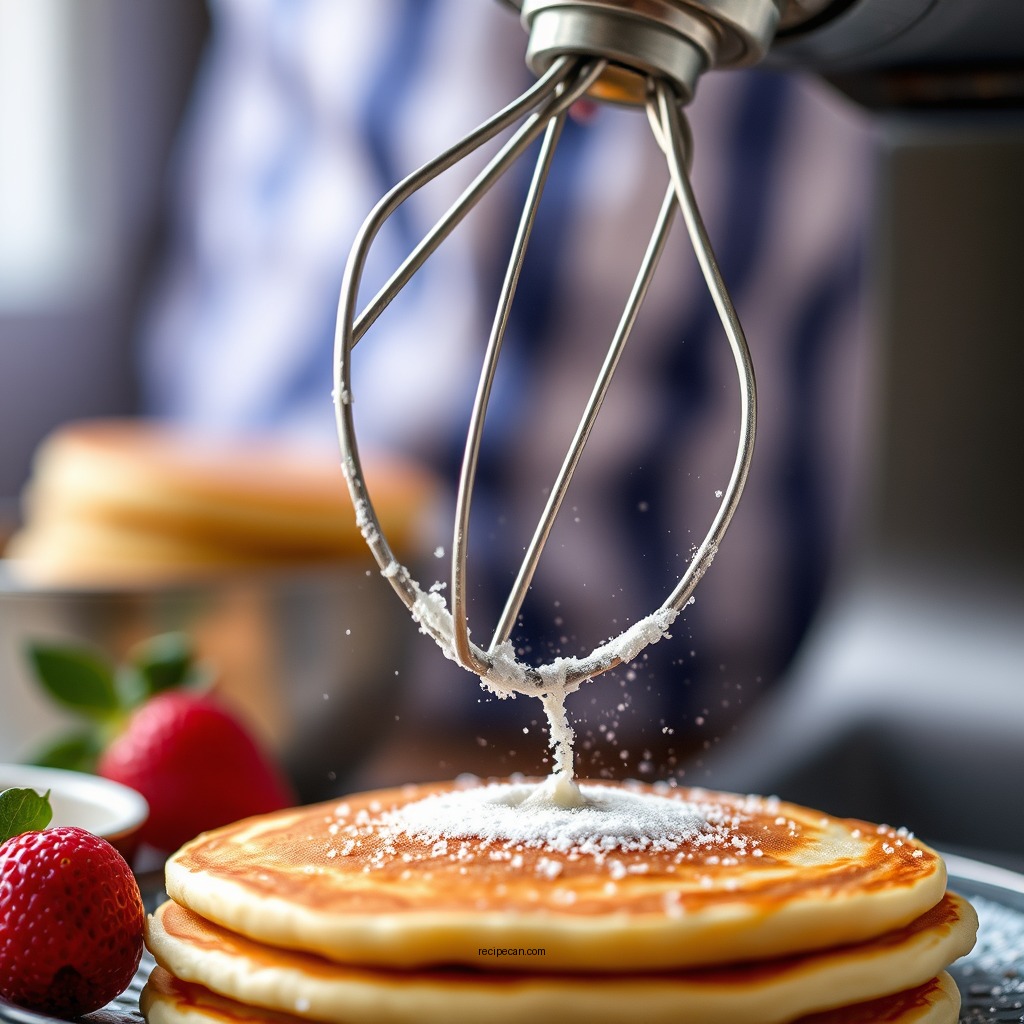
The mixing method you use can significantly impact the final texture of your pancakes. When incorporating whipped egg whites into the batter, it’s essential to do so gently. The goal is to maintain the airiness you’ve achieved through whipping. Use a spatula to fold the egg whites into the batter, being careful not to overmix. Overmixing can lead to dense pancakes, as it causes the gluten in the flour to develop too much.
Remember, it’s perfectly fine if your batter has a few lumps. This indicates that you haven’t overworked the mixture, which is crucial for achieving that fluffy texture. A light hand during mixing is key to creating pancakes that are soft and tender.
Key Ingredients for Fluffy Pancakes Without Baking Powder
| # | Ingredient | Role | Measurement | Notes |
|---|---|---|---|---|
| 1 | All-Purpose Flour | Base Structure | 1 cup | Use whole wheat for more fiber |
| 2 | Milk | Moisture | 3/4 cup | Substitute with almond or oat milk |
| 3 | Eggs | Binding Agent | 2 large | Separate whites for fluffiness |
| 4 | Sugar | Sweetness | 2 tbsp | Adjust to taste |
| 5 | Baking Soda | Leavening | 1 tsp | Combine with acid |
| 6 | Vinegar/Lemon Juice | Acid for Activation | 1 tbsp | Enhances flavor |
| 7 | Vanilla Extract | Flavor Enhancer | 1 tsp | Optional but recommended |
Cooking Tips for Perfect Pancakes
To ensure your pancakes cook evenly and turn out perfectly, consider the following cooking tips:
1. Preheat Your Pan: The right temperature is crucial. Preheat your skillet over medium heat before adding the batter. A drop of water should sizzle and evaporate quickly when the pan is ready.
2. Use a Non-Stick Surface: A non-stick skillet or griddle helps prevent the pancakes from sticking, leading to a more aesthetically pleasing final product. If you don’t have non-stick cookware, lightly oil the surface with butter or cooking spray.
3. Portion Control: Use a ladle or measuring cup to pour the batter onto the skillet. This ensures uniform size and even cooking. A standard 1/4 cup is ideal for one pancake.
4. Cook Until Bubbles Appear: Watch for bubbles forming on the surface of the pancake. Once they begin to burst and the edges look set, it’s time to flip.
5. Flip with Care: Use a spatula to gently flip the pancake. Cook for an additional one to two minutes on the other side until golden brown.
Following these tips will help you achieve pancakes that are not only visually appealing but also perfectly cooked.
Cooking Time Comparison for Pancakes
Flavor Variations Without Baking Powder
To elevate your pancake experience, consider adding flavor variations that don’t require baking powder. Here are some suggestions:
– Fruit Additions: Mashed bananas or applesauce can be mixed into the batter for natural sweetness and moisture. This not only enhances flavor but also adds nutritional value.
– Texture Enhancements: Incorporate chocolate chips, nuts, or berries into the batter. These additions provide delightful bursts of flavor and texture, making each bite exciting.
– Spices and Extracts: Experiment with cinnamon, nutmeg, or almond extract to add depth. A sprinkle of cinnamon can transform plain pancakes into a warm and inviting dish.
– Savory Options: For a savory twist, consider adding grated cheese or chopped herbs into the batter. Cheese pancakes can be a delightful breakfast alternative, offering a unique flavor profile.
Serving Suggestions
The way you serve your pancakes can enhance the overall breakfast experience. Here are some serving suggestions to consider:
– Classic Toppings: Serve pancakes with maple syrup, which adds a sweet and rich flavor. Fresh fruits like strawberries, blueberries, or sliced bananas can provide freshness and contrast.
– Creamy Accents: Yogurt can be a wholesome topping, adding creaminess and a tangy flavor. Greek yogurt, in particular, offers a protein boost.
– Decadent Additions: For those with a sweet tooth, whipped cream or nut butter can add richness. Drizzling chocolate syrup or caramel can turn pancakes into a dessert-like treat.
– Healthy Alternatives: Consider using honey or agave syrup as a natural sweetener. Nut-based spreads like almond or peanut butter not only add flavor but also increase the nutritional value.
By following these steps, you can enjoy delicious pancakes without the need for baking powder, proving that simplicity can lead to great flavor. Gather your ingredients today and embark on a pancake-making journey that transforms your breakfast routine! Whether you opt for classic flavors or innovative variations, pancakes without baking powder can be both satisfying and enjoyable.
Frequently Asked Questions
What are some substitute ingredients for baking powder in pancake recipes?
If you’re looking to make pancakes without baking powder, you can use baking soda combined with an acid like vinegar or lemon juice. For every teaspoon of baking powder, substitute it with 1/4 teaspoon of baking soda and 1/2 teaspoon of vinegar or lemon juice. This combination will help your pancakes rise and achieve a fluffy texture.
How can I make fluffy pancakes without baking powder?
To achieve fluffy pancakes without baking powder, you can whip egg whites separately until they form stiff peaks and then gently fold them into the batter. This technique incorporates air into the mixture, providing the lift needed for light and fluffy pancakes. Additionally, using buttermilk can enhance the texture and flavor.
Why do some pancake recipes not require baking powder?
Some pancake recipes avoid baking powder by relying on ingredients that naturally provide leavening, such as whipped eggs or sour milk. These alternatives create a light texture without the need for chemical leaveners. Additionally, traditional recipes from various cultures may utilize different methods and ingredients, showcasing diverse approaches to making pancakes.
What is the best method to prepare pancakes without baking powder?
The best method for preparing pancakes without baking powder involves using beaten eggs for leavening. Start by separating the yolks and whites, mixing the yolks with your dry ingredients, and then folding in the whipped egg whites. This technique not only helps the pancakes rise but also adds a delightful fluffiness to the final dish.
Which types of pancakes can be made without baking powder?
You can make various types of pancakes without baking powder, including crepes, Japanese soufflé pancakes, and oat pancakes. Each type utilizes different methods for achieving texture, such as using a thin batter for crepes or incorporating whipped egg whites for soufflé pancakes. These alternatives provide unique flavors and textures that can be enjoyed without the need for baking powder.
References
- Pancake
https://en.wikipedia.org/wiki/Pancake - https://www.sciencedirect.com/topics/agricultural-and-biological-sciences/pancake
https://www.sciencedirect.com/topics/agricultural-and-biological-sciences/pancake - https://www.ncbi.nlm.nih.gov/pmc/articles/PMC3334664/
https://www.ncbi.nlm.nih.gov/pmc/articles/PMC3334664/ - https://www.bbc.com/food/recipes/pancakes_90553
https://www.bbc.com/food/recipes/pancakes_90553 - https://www.ncbi.nlm.nih.gov/pmc/articles/PMC5815850/
https://www.ncbi.nlm.nih.gov/pmc/articles/PMC5815850/ - https://www.ncbi.nlm.nih.gov/pmc/articles/PMC4008252/
https://www.ncbi.nlm.nih.gov/pmc/articles/PMC4008252/ - Page Not Found – Site Help – Mayo Clinic
https://www.mayoclinic.org/healthy-lifestyle/nutrition-and-healthy-eating/expert-answers/baking-powder/faq-20057754 - https://www.verywellfit.com/the-ultimate-pancake-recipe-without-baking-powder-4157065
https://www.verywellfit.com/the-ultimate-pancake-recipe-without-baking-powder-4157065 - Google Scholar Google Scholar
https://scholar.google.com/scholar?q=pancakes+without+baking+powder - Google Scholar Google Scholar
https://scholar.google.com/scholar?q=recipe+pancakes+substitutes+baking+powder