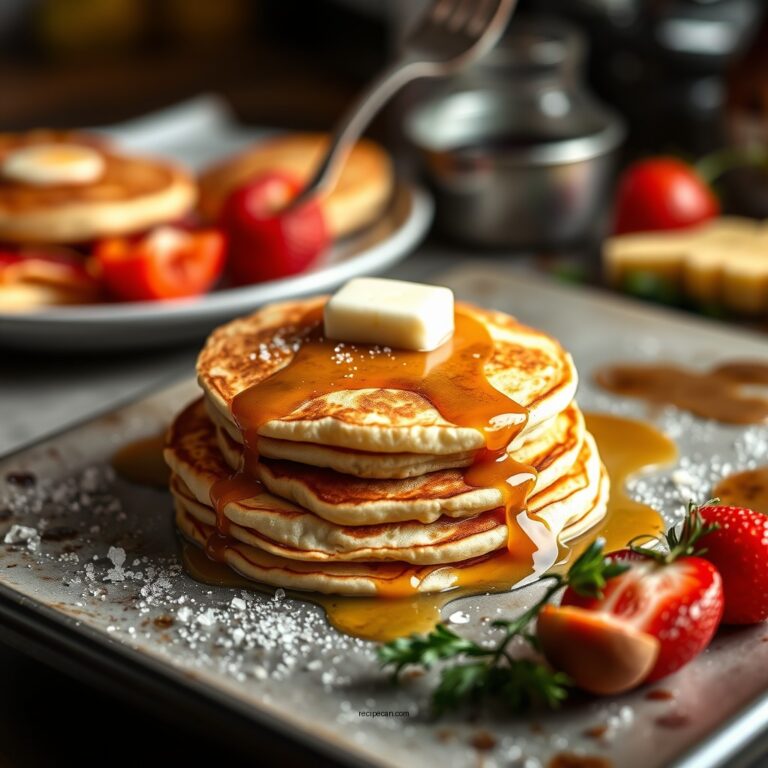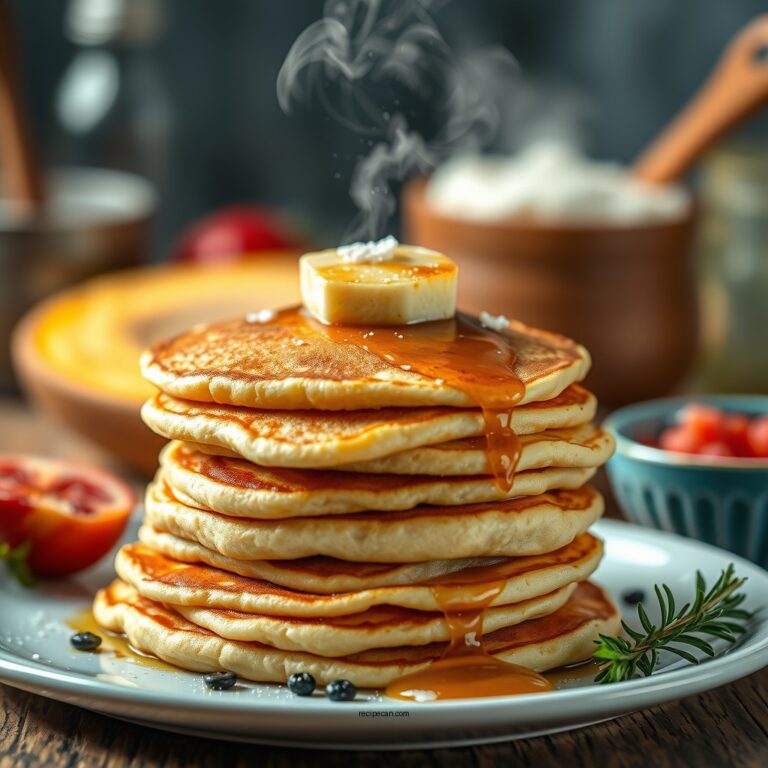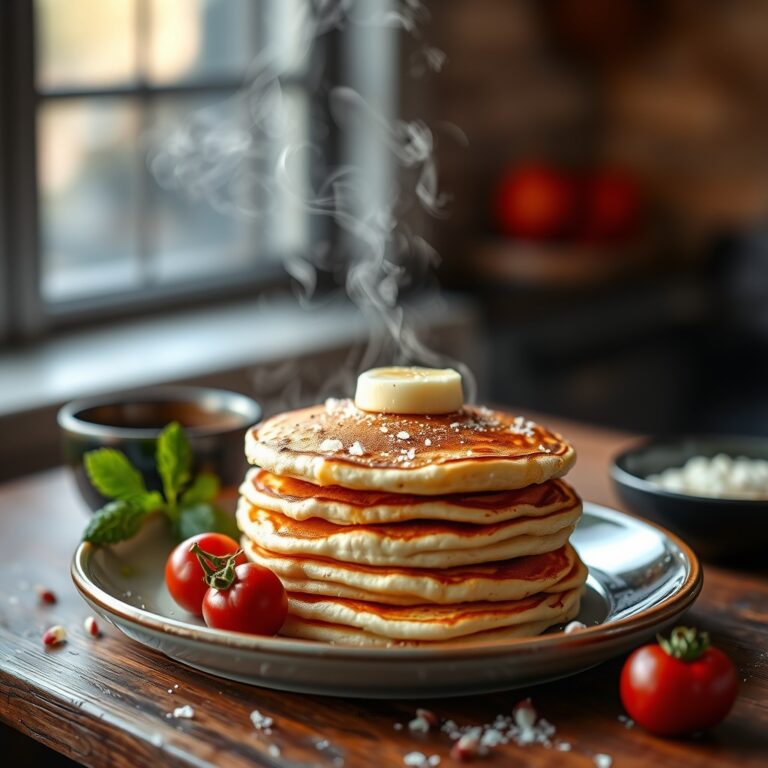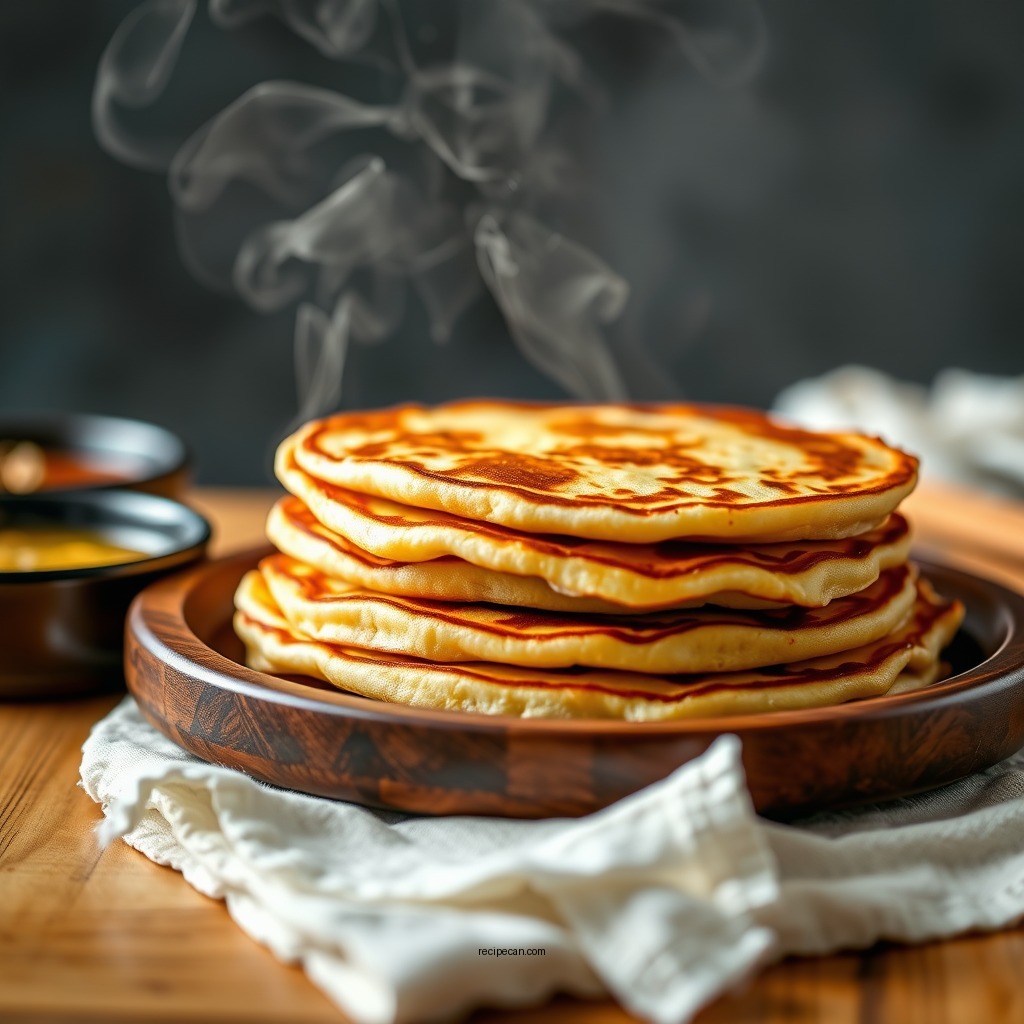
Making Korean pancakes, known as “jeon,” is simple and rewarding. In just a few steps, you can prepare a delicious and crispy dish that’s perfect as a snack or appetizer. This article will guide you through the essential ingredients, preparation methods, and tips for making perfect Korean pancakes at home. Whether you’re a seasoned cook or a beginner, you’ll find this recipe easy to follow and enjoyable to create.
Essential Ingredients for Korean Pancakes
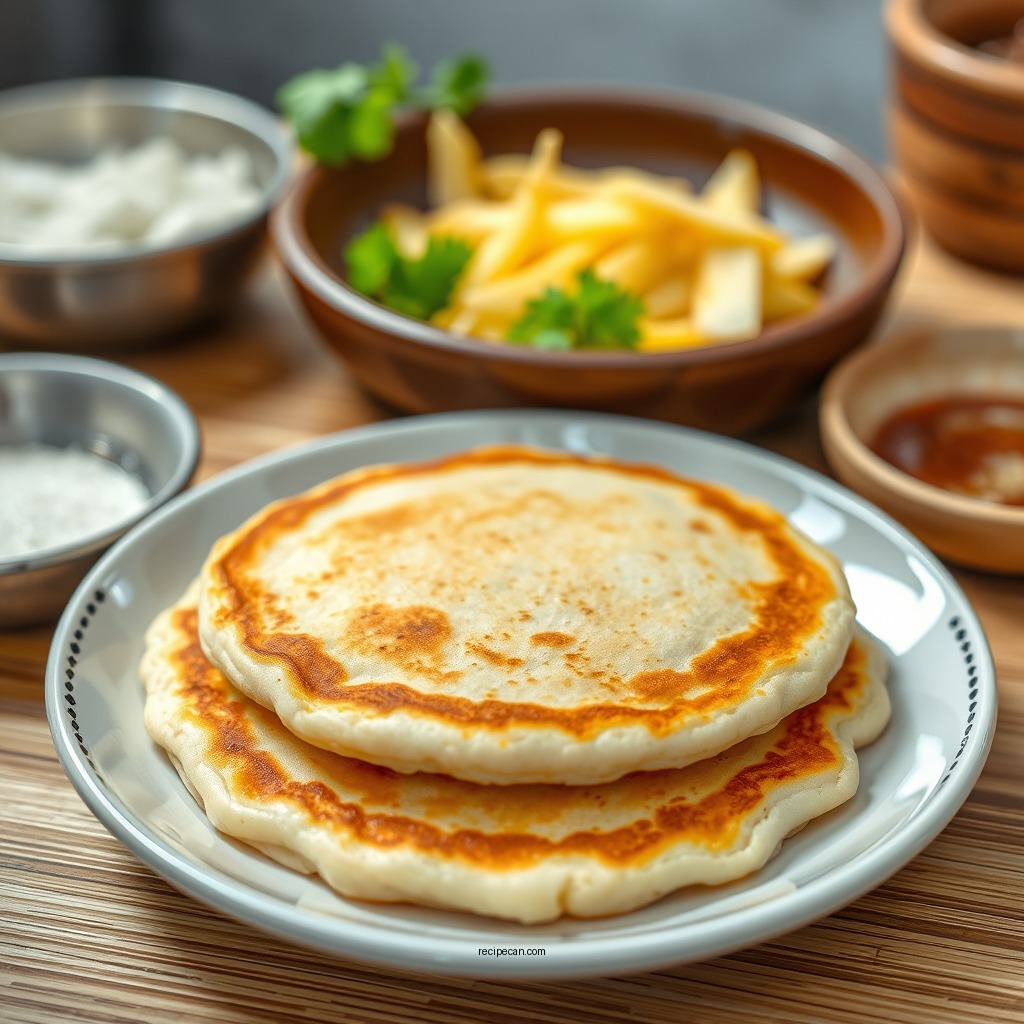
To make authentic Korean pancakes, the ingredients are quite straightforward and versatile. The primary components include:
– Flour: The base of your pancake, typically all-purpose flour or a mix of flour types.
– Water: This helps to create the batter’s consistency, making it smooth and easy to spread.
– Vegetables or Proteins: Common choices include green onions, grated zucchini, carrots, and seafood like shrimp or squid.
Optional additions can enhance the flavor and texture of your pancakes. For instance, using finely chopped kimchi can create a spicy kick, while adding mung bean sprouts can give a nice crunch. The beauty of jeon lies in its adaptability; you can modify the recipe according to the ingredients you have on hand or desire.
Preparing the Batter
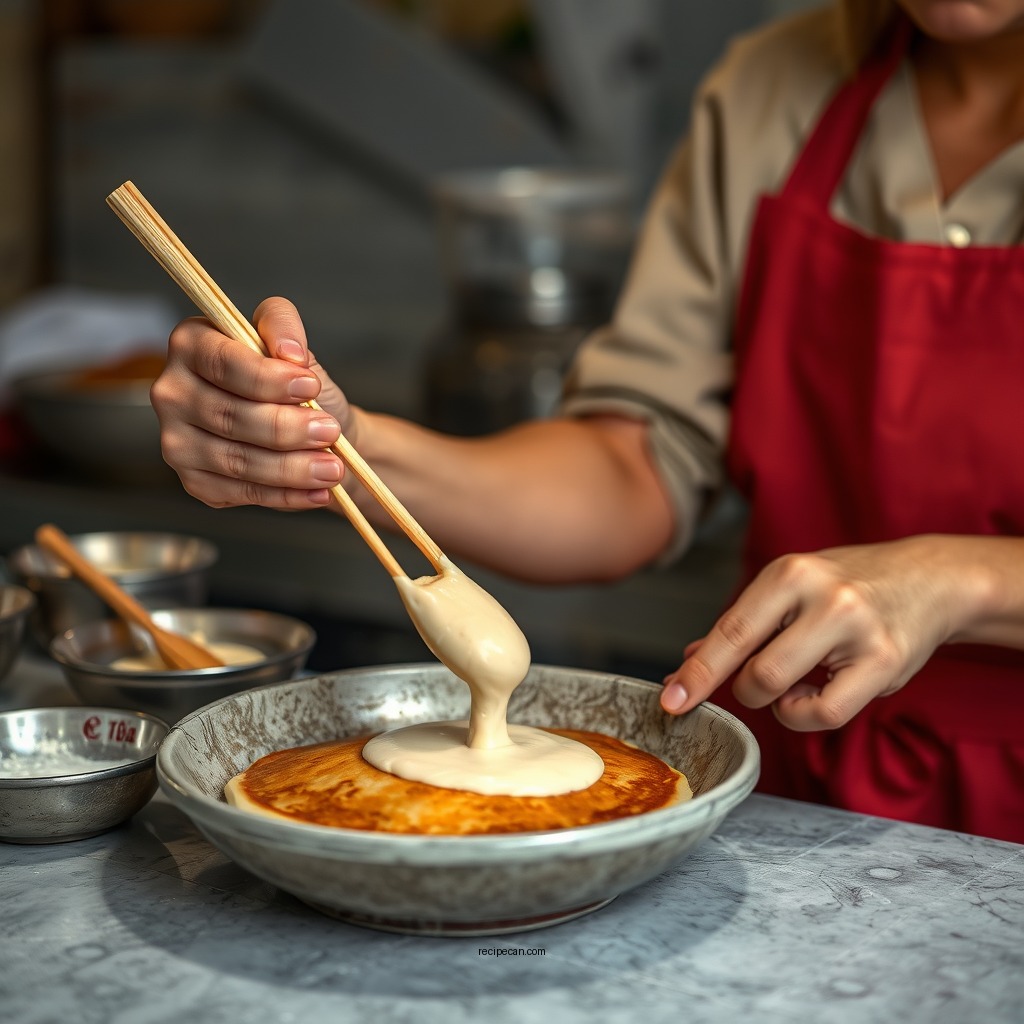
Creating the batter for Korean pancakes is a simple yet crucial step. Start by mixing equal parts of flour and water—typically, a ratio of 1:1 works well. This ensures a smooth consistency that adheres well to your chosen ingredients. You can use a whisk or a fork to mix until there are no lumps.
Next, add your chopped vegetables or proteins to the batter. It’s essential to ensure that the ingredients are cut into small, uniform pieces to ensure even cooking and distribution throughout the pancake. For instance, if you’re using green onions, slice them thinly, and if you’re incorporating seafood, make sure it is pre-cooked and chopped into bite-sized pieces. The batter should be thick enough to hold the ingredients without being too stiff.
Cooking Techniques for Perfect Pancakes
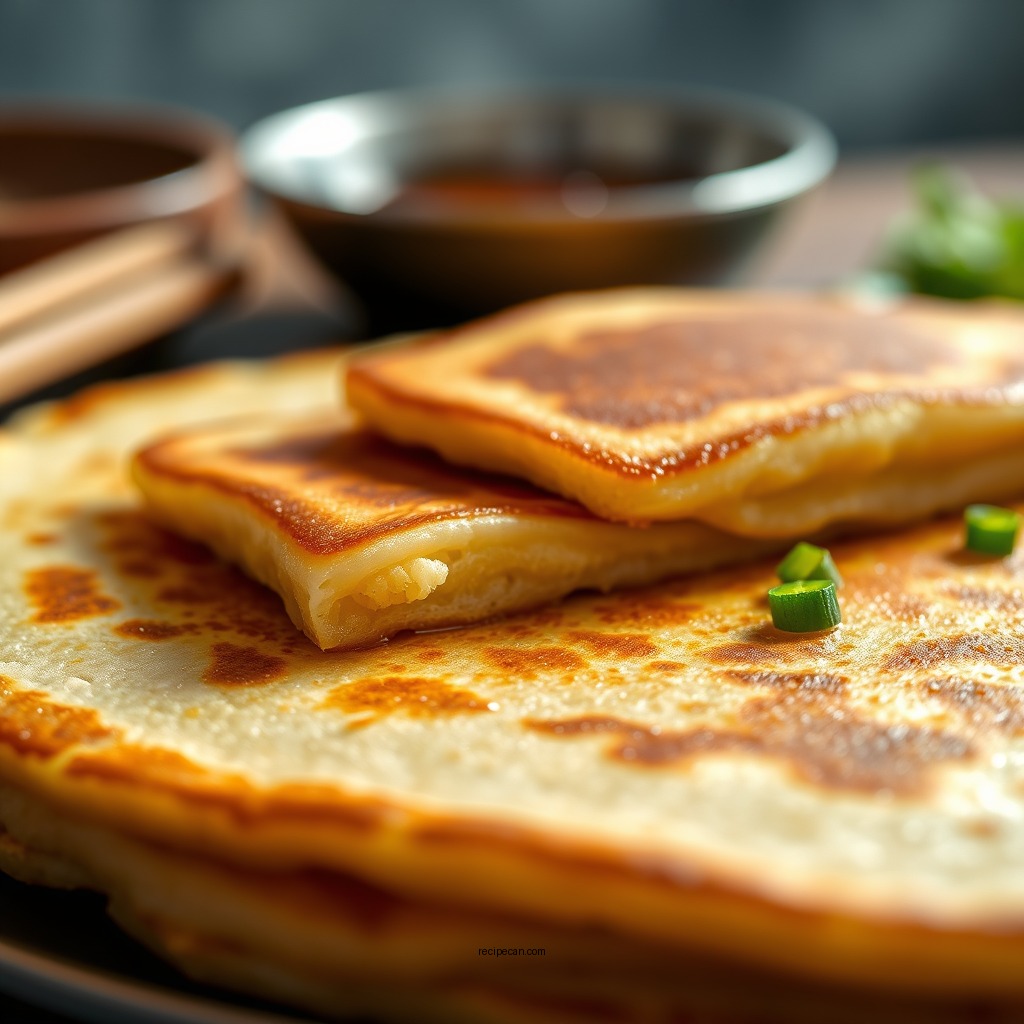
Cooking Korean pancakes requires attention to detail to achieve that ideal crispy exterior. Here are some vital tips:
– Use a Non-Stick Skillet: This ensures easy flipping and prevents the pancakes from sticking. A well-seasoned cast iron skillet can also work well.
– Heat Management: Preheat your skillet over medium heat. Once it’s hot, add a small amount of oil—preferably vegetable or sesame oil for added flavor. Allow the oil to heat up before pouring in the batter.
– Fry Until Golden Brown: Pour a ladleful of batter into the skillet, spreading it out to about a quarter-inch thickness. Fry until the edges start to turn golden brown, which typically takes about 3-4 minutes. Once the underside is crispy, flip it carefully using a spatula and cook the other side until it reaches the same golden hue.
Here’s a visual representation of pancake cooking times by thickness:
Cooking Times for Korean Pancakes by Thickness
| # | Pancake Thickness | Cooking Time (Minutes) | Texture |
|---|---|---|---|
| 1 | 1/4 inch | 3-4 | Crispy |
| 2 | 1/2 inch | 5-6 | Soft |
| 3 | 3/4 inch | 8-10 | Chewy |
| 4 | 1 inch | 10-12 | Dense |
Serving Suggestions
Once you’ve cooked your pancakes to golden perfection, it’s time to serve them. Korean pancakes are best enjoyed hot and can be served with a dipping sauce. A traditional soy sauce dip, made with soy sauce, vinegar, and a sprinkle of sesame seeds, complements the savory flavors beautifully. For a spicy kick, you might consider adding gochujang (Korean chili paste) or a spicy pepper sauce.
To elevate the dish, garnish your pancakes with sesame seeds or freshly chopped herbs like cilantro or green onions. This not only adds visual appeal but also contributes to the overall flavor profile, enhancing the dining experience.
Variations of Korean Pancakes
The world of Korean pancakes is diverse, offering various types to explore based on your taste preferences and seasonal ingredients. Here are a few popular variations:
– Kimchi Jeon: Incorporating kimchi into the batter results in a spicy, tangy flavor that is both satisfying and delicious.
– Seafood Jeon: Adding shrimp, squid, or other seafood gives the pancakes a unique twist. This variation is particularly popular during family gatherings or special occasions.
– Vegetable Jeon: You can get creative by using a variety of seasonal vegetables, such as mushrooms, bell peppers, or spinach, allowing for an endless combination of flavors and textures.
Each variation reflects the regional tastes and ingredients available, making Korean pancakes a versatile dish suitable for any palate.
Tips for Storing and Reheating
If you have leftovers (though they are often too delicious to leave uneaten), proper storage and reheating are essential to maintain their texture and flavor.
– Storage: Place leftover pancakes in an airtight container in the refrigerator. They can typically be stored for up to 3 days. For longer storage, consider freezing them; just ensure they are well-wrapped to avoid freezer burn.
– Reheating: To reheat, use a skillet over medium-low heat for the best results. This method helps to restore their crispiness. Alternatively, you can use an oven set to 350°F (175°C), placing the pancakes on a baking sheet for about 10 minutes. Microwaving can make them rubbery, so it’s best avoided.
Creating homemade Korean pancakes is an enjoyable culinary experience that can be shared with family and friends. By following this easy recipe and exploring variations, you’ll be able to impress your guests with authentic flavors. Don’t wait—gather your ingredients and start cooking your delicious Korean pancakes today!
Frequently Asked Questions
What ingredients do I need for a traditional Korean pancake recipe?
A traditional Korean pancake, or “jeon,” typically requires all-purpose flour, water, and a variety of vegetables such as scallions, zucchini, or carrots. You may also add proteins like shrimp or pork for extra flavor. Don’t forget to season the batter with a pinch of salt and optionally include an egg for a richer texture.
How do I make crispy Korean pancakes?
To achieve crispy Korean pancakes, ensure your batter is not too thick; a thinner batter will fry better. Use a hot pan with a good amount of oil, and cook the pancakes until they are golden brown on both sides. Adding a bit of cornstarch to the flour can also enhance the crispiness of the pancakes.
Why are my Korean pancakes soggy?
Soggy Korean pancakes often result from excess moisture in the batter or vegetables. To avoid this, make sure to pat dry any watery ingredients like zucchini before incorporating them. Additionally, using a hot pan and sufficient oil will help create a crispy exterior while cooking off excess moisture.
What is the best dipping sauce for Korean pancakes?
The best dipping sauce for Korean pancakes is a simple mixture of soy sauce, vinegar, and sesame oil, often enhanced with minced garlic or chopped green onions. This flavorful sauce complements the savory taste of the pancakes and adds a delightful tanginess that balances the dish.
Which vegetables work best in a Korean pancake recipe?
The best vegetables for a Korean pancake recipe include scallions, carrots, and zucchini, as they provide great flavor and texture. You can also experiment with mushrooms, bell peppers, or even kimchi for a unique twist. Just remember to chop them finely to ensure even cooking and a cohesive batter.
References
- Pajeon
https://en.wikipedia.org/wiki/Pajeon - https://www.bbc.co.uk/food/recipes/pajeon_92387
https://www.bbc.co.uk/food/recipes/pajeon_92387 - https://www.sciencedirect.com/topics/food-science/korean-pancake
https://www.sciencedirect.com/topics/food-science/korean-pancake - https://www.ncbi.nlm.nih.gov/pmc/articles/PMC6408556/
https://www.ncbi.nlm.nih.gov/pmc/articles/PMC6408556/ - Google Scholar Google Scholar
https://scholar.google.com/scholar?q=korean+pancake+recipe - Google Scholar Google Scholar
https://scholar.google.com/scholar?q=korean+pajeon+recipe - https://www.theguardian.com/food/2022/mar/18/the-best-pajeon-recipe-korean-pancakes
https://www.theguardian.com/food/2022/mar/18/the-best-pajeon-recipe-korean-pancakes - NYT Cooking – Recipes and Cooking Guides From The New York Times
https://www.nytimes.com/recipes/1019853/korean-pancakes - https://www.britannica.com/topic/pajeon
https://www.britannica.com/topic/pajeon - https://www.nature.com/articles/s41598-020-80127-7
https://www.nature.com/articles/s41598-020-80127-7