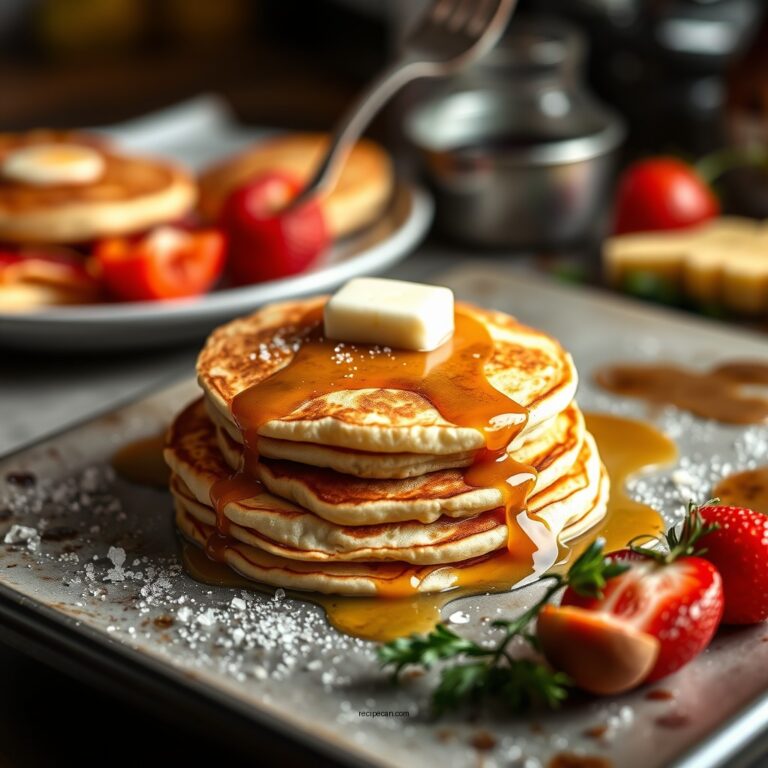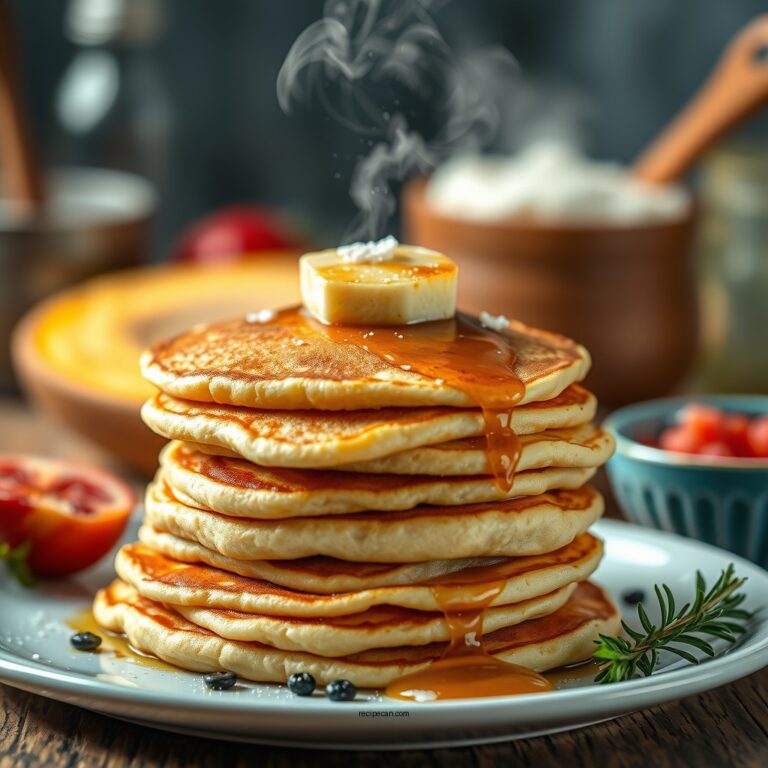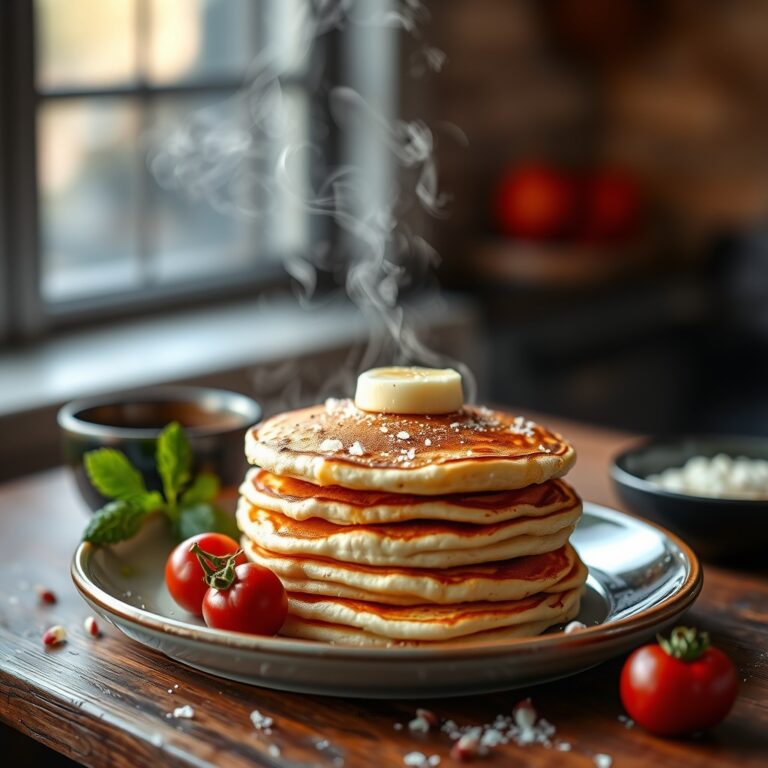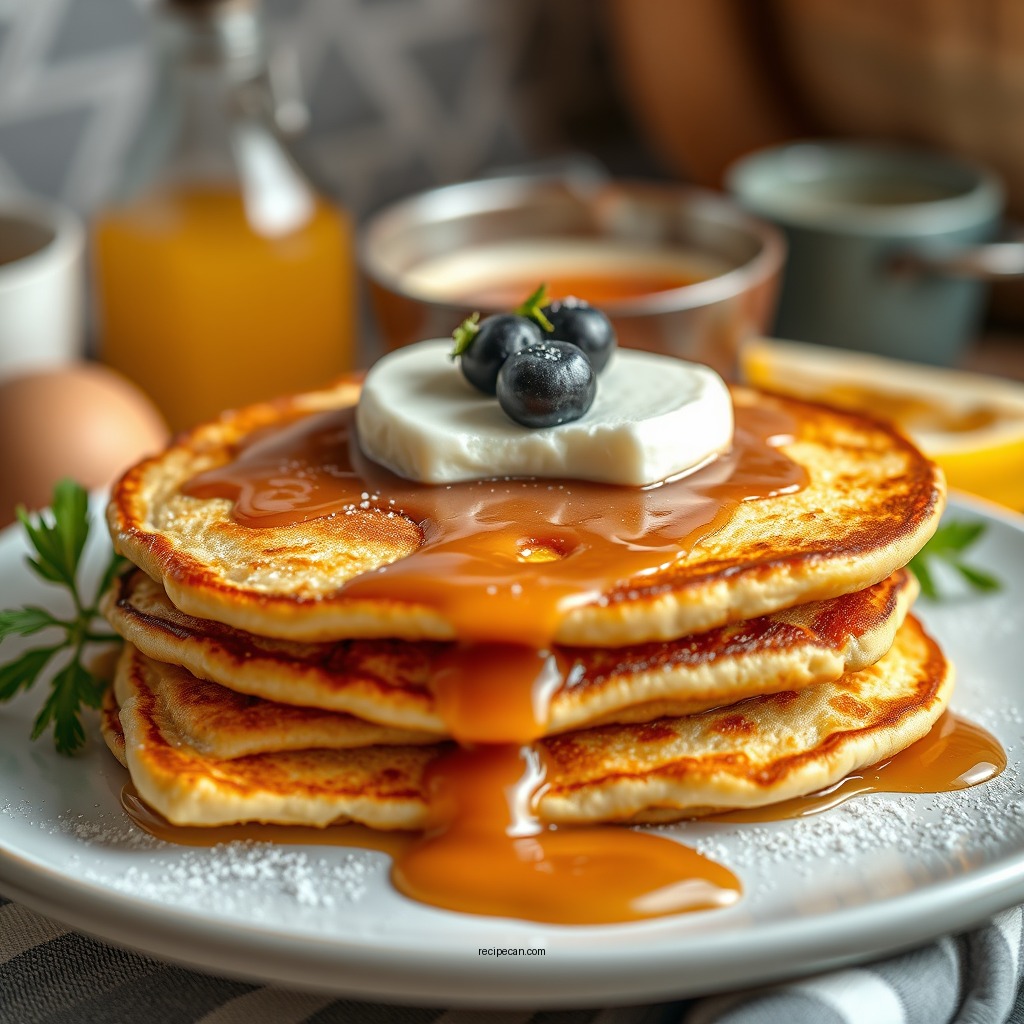
German pancakes are a delightful and fluffy breakfast option that can be whipped up in just a few minutes. This recipe will guide you through making a traditional German pancake that puffs up beautifully in the oven, creating a perfect base for your favorite toppings. Get ready to impress your family and friends with this easy-to-follow dish!
Ingredients You’ll Need
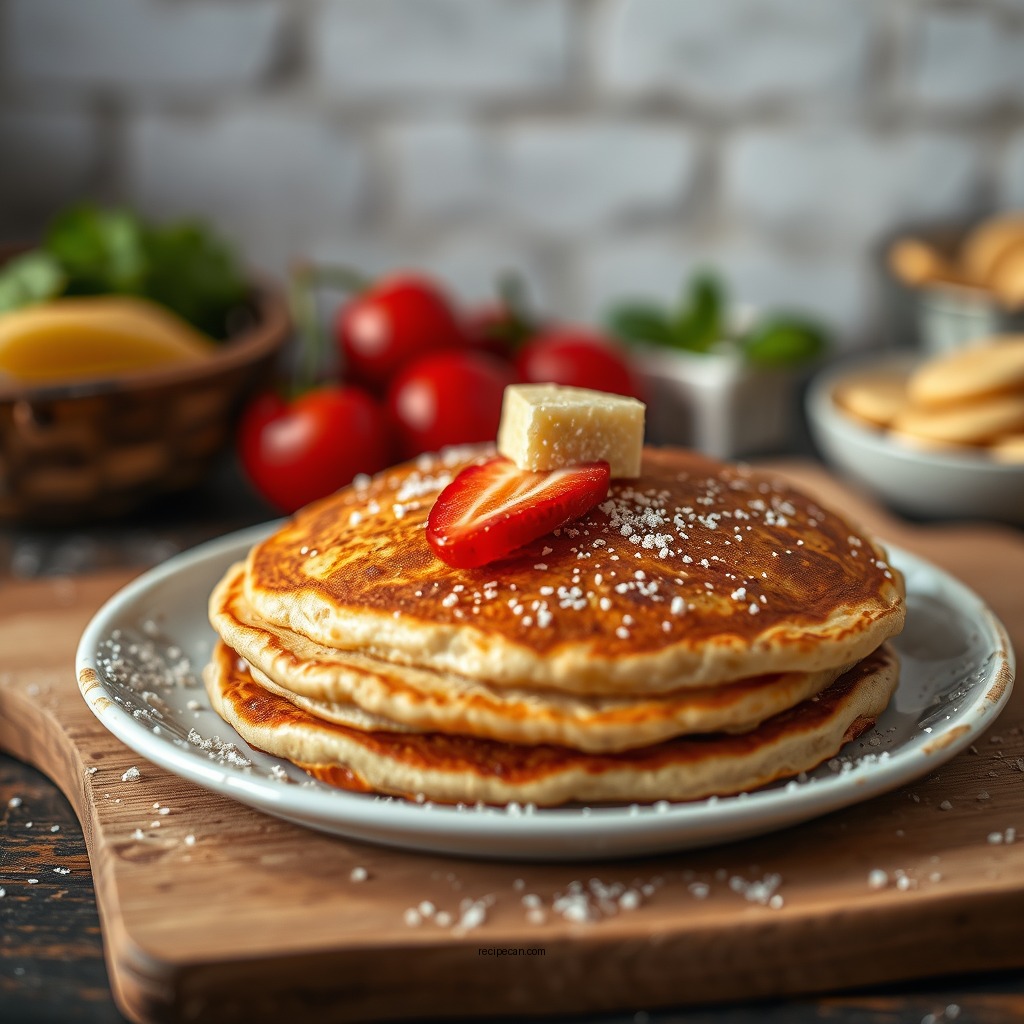
To create the perfect German pancake, you will need a few simple ingredients that are likely already in your pantry:
– Eggs: The foundation of your pancake, providing structure and fluffiness. Fresh eggs contribute to a light and airy texture, which is essential for a successful German pancake.
– Milk: Adds moisture and helps create the airy texture that is characteristic of this dish. Whole milk is recommended for the richest flavor, but you can also use low-fat milk or even a dairy-free alternative.
– Flour: The primary ingredient that binds everything together. All-purpose flour is typically used, but you can experiment with whole wheat or gluten-free flour if desired.
In addition to the main ingredients, you may want to have some salt and vanilla extract on hand to enhance the flavor of your pancake.
Step-by-Step Preparation
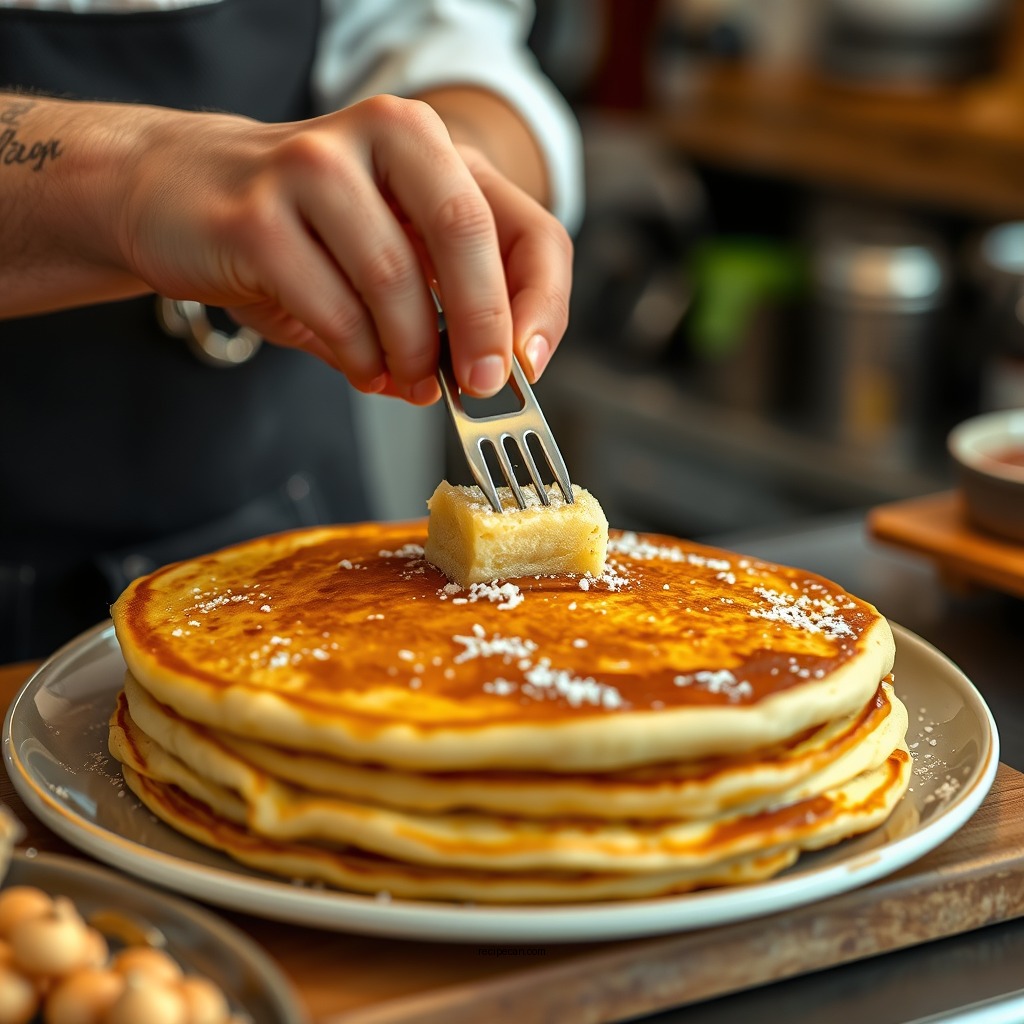
The preparation of German pancakes is straightforward, yet it requires some attention to detail to achieve the best results:
– Preheat your oven: Start by preheating your oven to 425°F (220°C). This high temperature is crucial as it allows the pancake to puff up beautifully.
– Mix ingredients: In a mixing bowl, combine the eggs, milk, and flour. Use a whisk to mix until the ingredients are smooth and free of lumps. It’s important not to overmix, as this can lead to a dense pancake instead of a fluffy one.
Once your batter is ready, allow it to rest for a few minutes; this will help the gluten relax, ensuring a tender pancake.
Baking Instructions
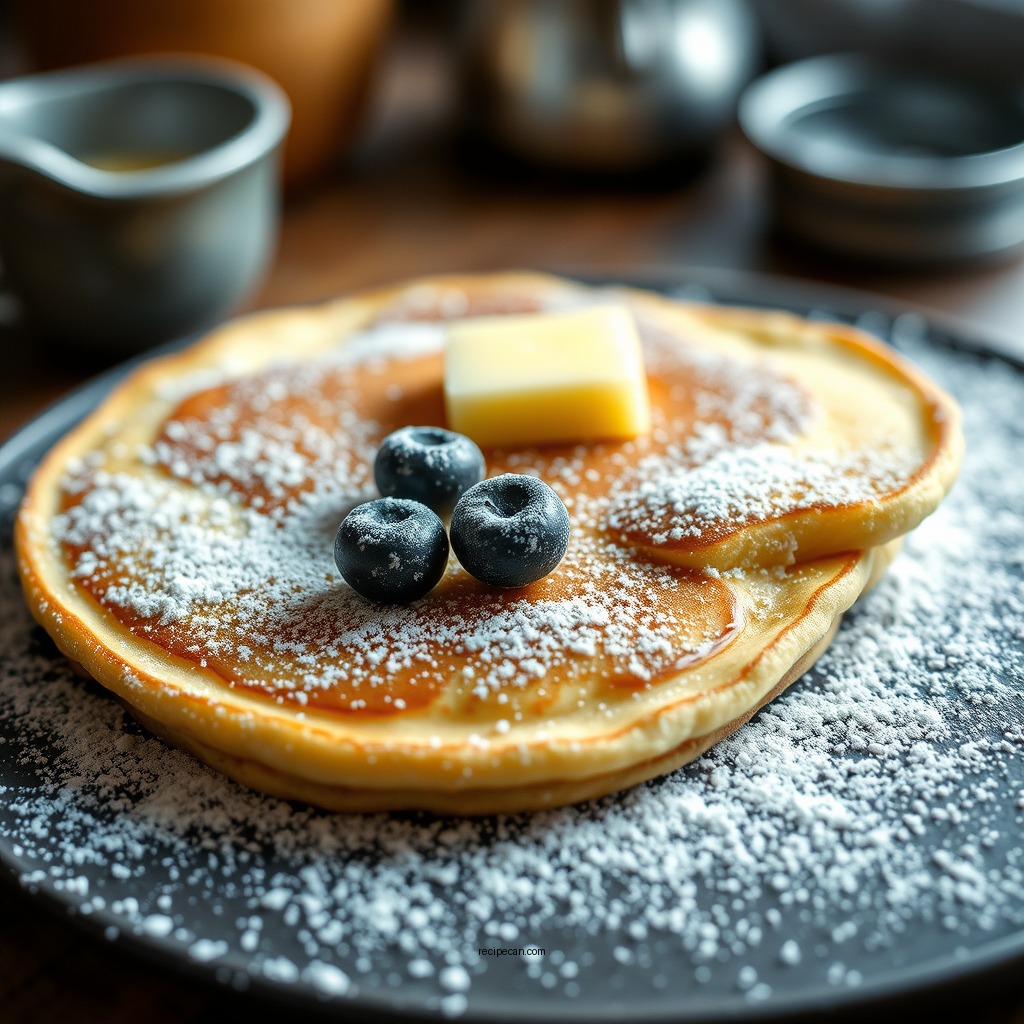
Now that your batter is ready, it’s time to bake:
– Pour batter: Transfer the mixed batter into a greased baking dish, preferably a 9×13 inch pan. For an extra touch, you can melt some butter in the dish before pouring in the batter for added richness.
– Bake: Place the dish in the preheated oven and bake for 20-25 minutes. Keep an eye on it; you want it to turn a lovely golden brown and puff up significantly. Avoid opening the oven door during cooking, as it can cause the pancake to deflate.
Serving Suggestions
The beauty of German pancakes lies in their versatility. Here are some delicious serving suggestions:
– Fresh fruits: Top with berries, bananas, or apples for added flavor and nutrition. Sliced strawberries or a mixed berry compote can make for a refreshing topping.
– Syrups: Drizzle with maple syrup or honey for sweetness. For an indulgent twist, you could also add a dollop of whipped cream or a sprinkle of powdered sugar.
– Nuts and Seeds: Sprinkle some toasted nuts for added crunch and nutritional benefits, or a dusting of cinnamon for warmth.
Common Mistakes to Avoid
To ensure your German pancake turns out perfectly every time, be mindful of these common mistakes:
– Overmixing: This can lead to a dense pancake instead of a fluffy one. Mix just until combined and then stop.
– Not preheating: Skipping this step may prevent the pancake from puffing properly. Always ensure your oven is fully preheated before placing the pancake inside.
– Using the wrong pan: A glass or metal pan can yield different results. Metal pans generally promote even browning and puffing.
Variations to Try
Once you have mastered the basic German pancake recipe, consider trying some variations:
– Savory options: Add cheese, herbs, or sautéed vegetables for a delicious twist. A sprinkle of fresh chives or some crumbled feta can elevate your pancake to an elegant brunch dish.
– Gluten-free alternative: Substitute regular flour with a gluten-free blend. Many gluten-free flour mixes work well in this recipe, but be sure to check the packaging for specific instructions.
– Flavor infusions: Experiment with adding vanilla extract or almond extract to the batter for a flavor boost.
Top 7 Ingredients for a German Pancake (Nutritional Values)
| # | Ingredient | Calories (per 100g) | Protein (g) | Carbs (g) |
|---|---|---|---|---|
| 1 | Eggs | 155 | 13 | 1.1 |
| 2 | Milk | 42 | 3.4 | 5 |
| 3 | Flour | 364 | 10 | 76 |
| 4 | Butter | 717 | 0.9 | 0.1 |
| 5 | Sugar | 387 | 0 | 100 |
| 6 | Baking Powder | 53 | 0.3 | 12 |
| 7 | Salt | 0 | 0 | 0 |
Ingredient Contribution to Flavor Profile
Enjoy your homemade German pancake as a delightful breakfast or brunch treat that’s sure to please everyone at the table!
To make the most of your German pancake experience, don’t hesitate to experiment with different toppings and flavors. Try this recipe today and elevate your breakfast game!
Frequently Asked Questions
What are the key ingredients needed for a traditional German pancake recipe?
A traditional German pancake, also known as a Dutch baby, requires simple yet essential ingredients: eggs, milk, flour, sugar, and butter. These ingredients create a fluffy texture that puffs up in the oven. For added flavor, you can also include vanilla extract and a pinch of salt.
How do you make a German pancake that puffs perfectly?
To achieve a perfectly puffed German pancake, preheat your oven to a high temperature, typically around 425°F (220°C). Use a hot cast-iron skillet or oven-safe pan and melt butter in it before pouring in the batter. This creates steam, which is crucial for the pancake to rise dramatically while baking.
Why did my German pancake deflate after baking?
A German pancake may deflate due to several reasons, including undercooking or opening the oven door too early. It’s essential to bake it without interruption until the edges are golden brown and the center is set. Additionally, ensure that your batter is well-mixed and includes the right ratio of ingredients for optimal puffiness.
What toppings pair well with German pancakes?
German pancakes are incredibly versatile and can be topped with a variety of ingredients. Popular choices include fresh fruits like berries or sliced bananas, powdered sugar, maple syrup, or whipped cream. For a savory twist, consider adding sautéed vegetables or a sprinkle of cheese.
Which type of pan is best for baking a German pancake?
The best type of pan for baking a German pancake is a cast-iron skillet, as it retains heat effectively and helps the pancake rise properly. Alternatively, you can use a metal or glass baking dish, but make sure it is oven-safe and preheated to ensure even cooking and puffiness.
References
- Dutch baby pancake
https://en.wikipedia.org/wiki/German_pancake - https://www.bbc.com/food/recipes/german_pancakes_23987
https://www.bbc.com/food/recipes/german_pancakes_23987 - NYT Cooking – Recipes and Cooking Guides From The New York Times
https://www.nytimes.com/recipes/1019843/german-pancakes - https://www.sciencedirect.com/topics/food-science/pancake
https://www.sciencedirect.com/topics/food-science/pancake - Pancake | food | Britannica
https://www.britannica.com/topic/pancake - Google Scholar Google Scholar
https://scholar.google.com/scholar?q=german+pancake+recipe - Google Scholar Google Scholar
https://scholar.google.com/scholar?q=pancake+history - Google Scholar Google Scholar
https://scholar.google.com/scholar?q=cooking+techniques+pancakes - https://www.theguardian.com/food/2021/jan/22/how-to-make-german-pancakes-recipe
https://www.theguardian.com/food/2021/jan/22/how-to-make-german-pancakes-recipe - https://www.ncbi.nlm.nih.gov/pmc/articles/PMC3990502/
https://www.ncbi.nlm.nih.gov/pmc/articles/PMC3990502/