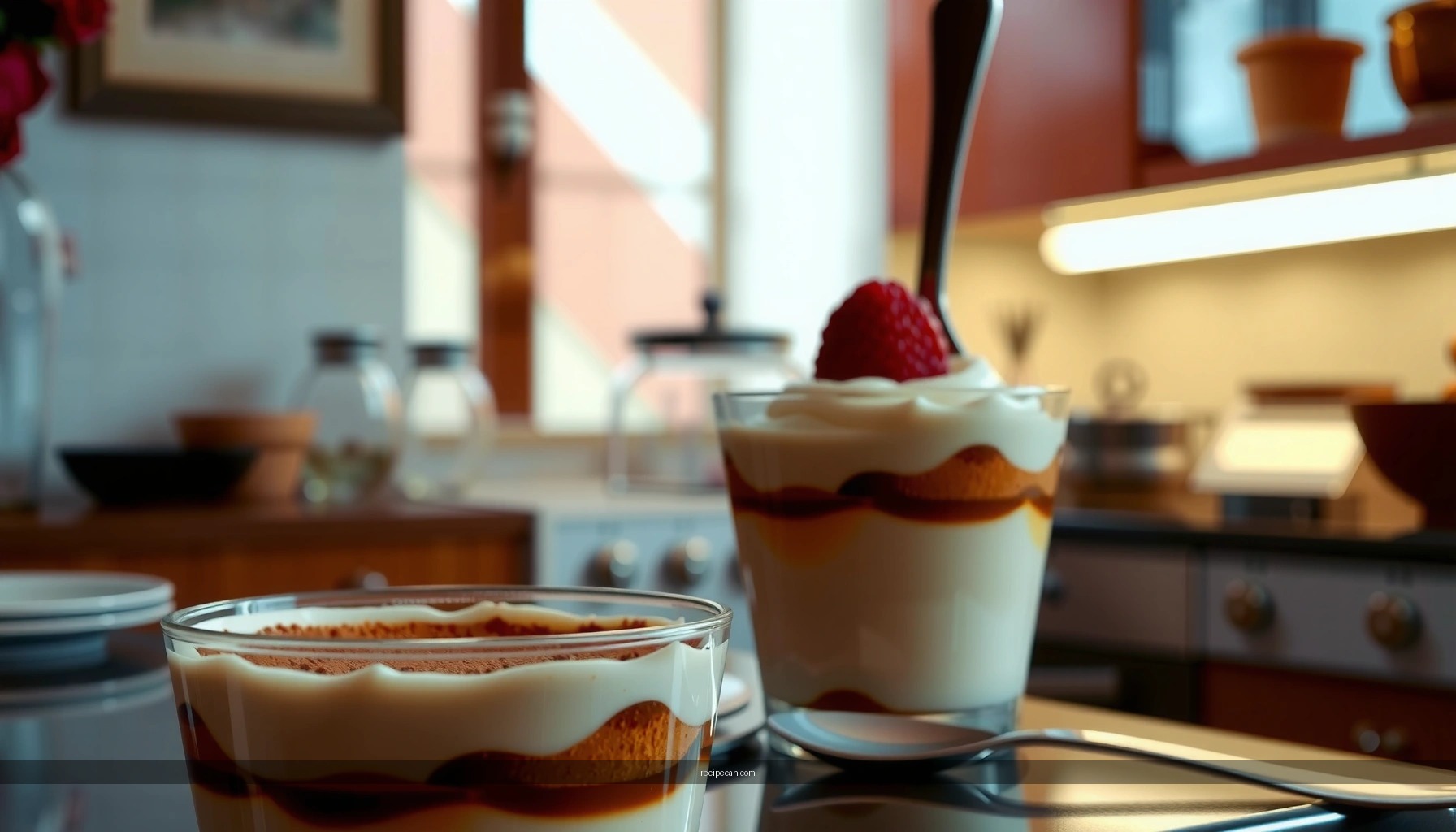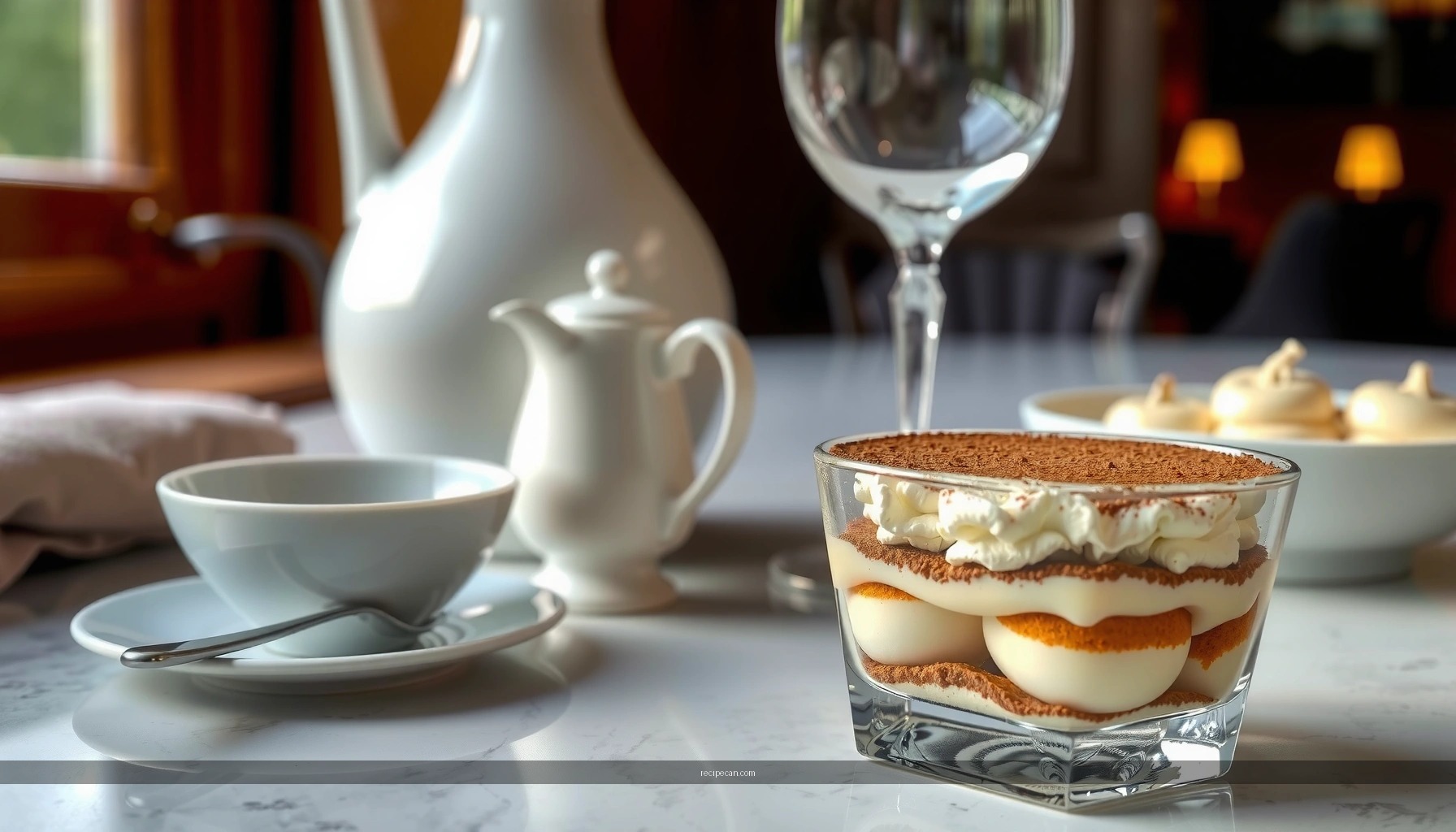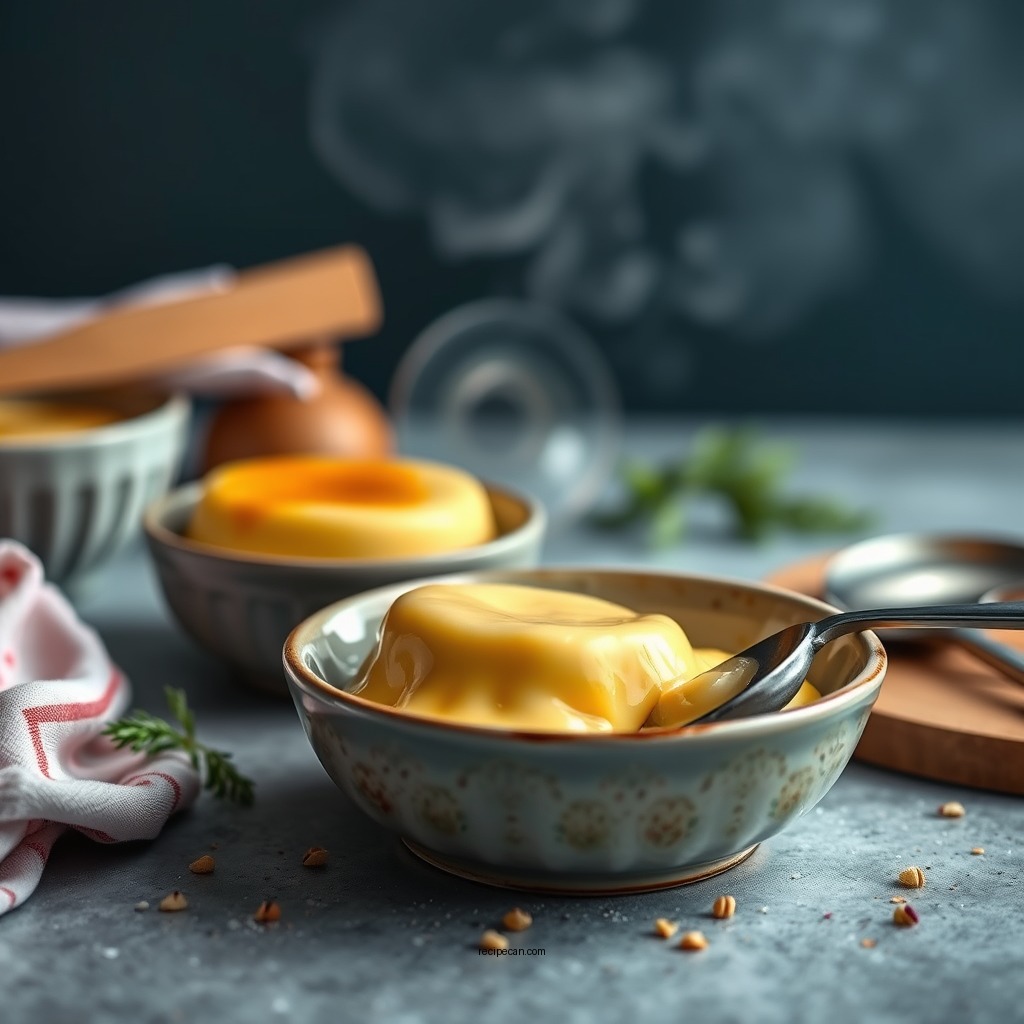
Creating a traditional custard is simple and rewarding. This creamy dessert is made from basic ingredients, allowing you to enjoy a classic flavor that has stood the test of time. In this article, you will learn how to make a delicious custard from scratch, including tips for perfecting the texture and flavor. Whether you’re a novice baker or a seasoned chef, mastering this custard recipe will enrich your culinary repertoire.
Understanding Custard Basics
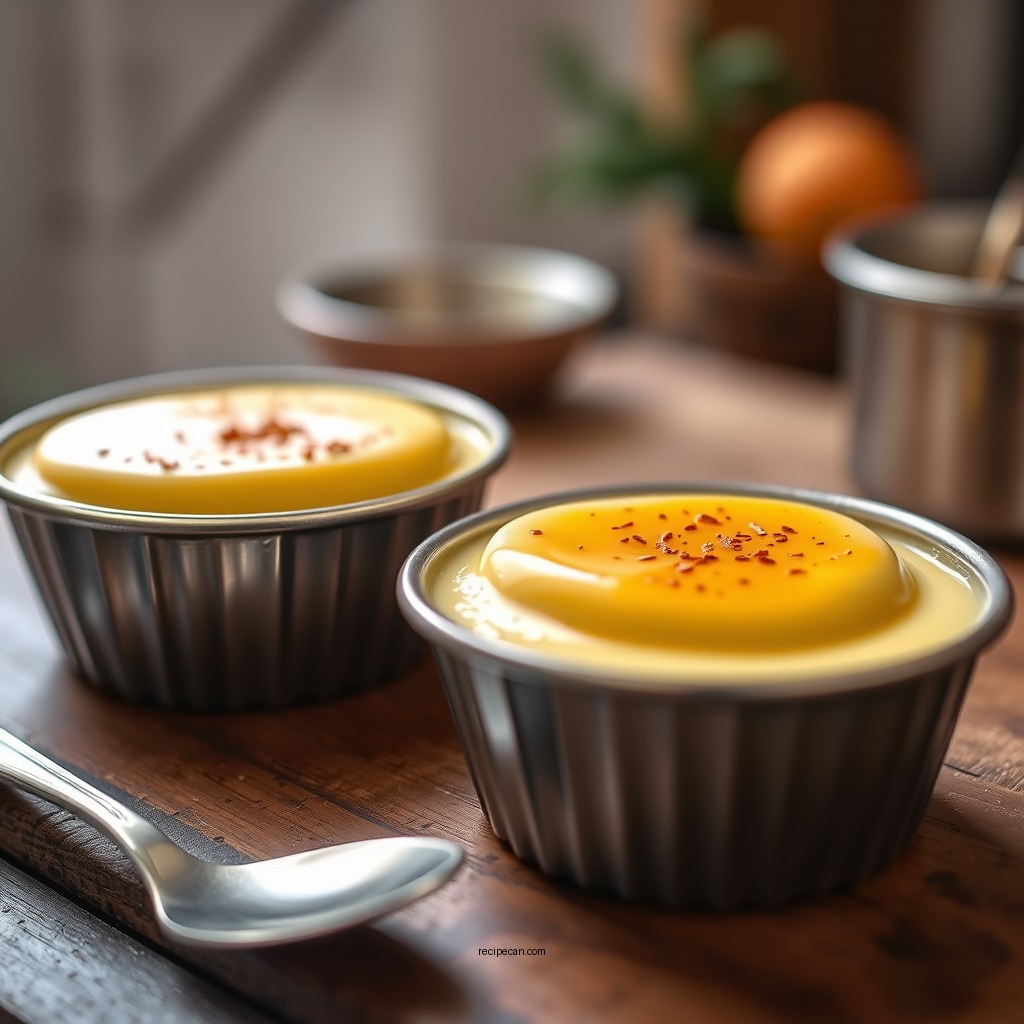
Custard is primarily made from eggs, milk, and sugar, which create a rich and creamy texture. This delightful mixture can be prepared in various forms, including baked, stirred, or as a filling for pastries and desserts. The versatility of custard allows it to be enjoyed in numerous settings, from formal dining occasions to casual family meals. Additionally, custard can serve as the foundation for other desserts, such as crème brûlée or flan, showcasing its adaptability and timeless appeal.
There are two main types of custard: stirred and baked. Stirred custard is cooked on the stovetop and is typically used as a sauce or filling. Baked custard is prepared in the oven, often in a water bath, giving it a firmer texture and making it suitable for desserts like custard tarts. Understanding these basics will set you on the right path to creating a custard that suits your culinary needs.
Essential Ingredients for Traditional Custard
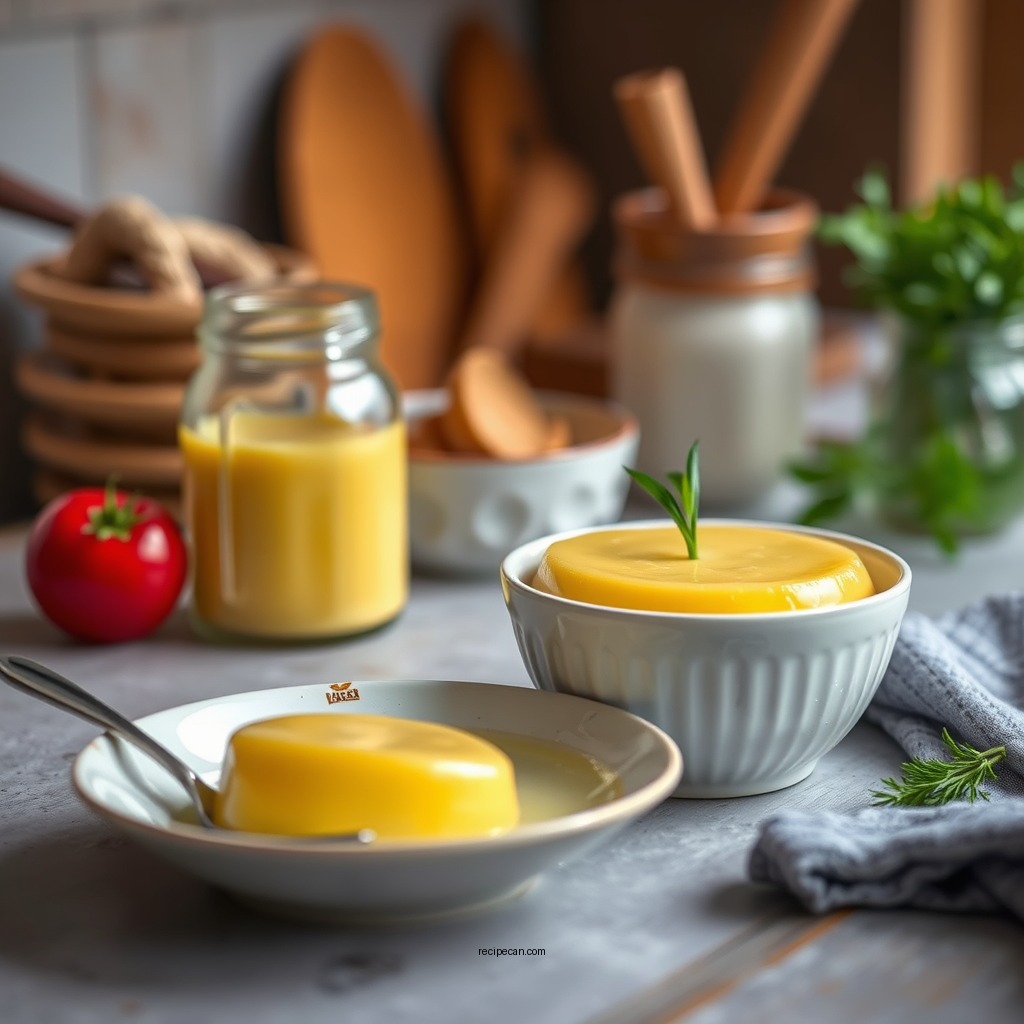
To make a classic custard, you will need a few essential ingredients:
– Eggs: Use fresh large eggs for the best flavor and texture. The richness of the yolks contributes significantly to the custard’s overall creaminess.
– Milk and Cream: A combination of whole milk and heavy cream enhances richness. The heavy cream provides a luxurious mouthfeel, while the milk balances the texture.
– Sugar: Granulated sugar adds sweetness; consider using vanilla sugar for added flavor. The sweetness can be adjusted to suit your taste preferences, making custard a customizable dessert.
Additionally, flavorings such as vanilla extract, citrus zest, or even chocolate can be added to elevate the custard’s taste profile. Selecting high-quality ingredients is crucial, as they directly impact the final product’s flavor and texture.
Step-by-Step Preparation Process
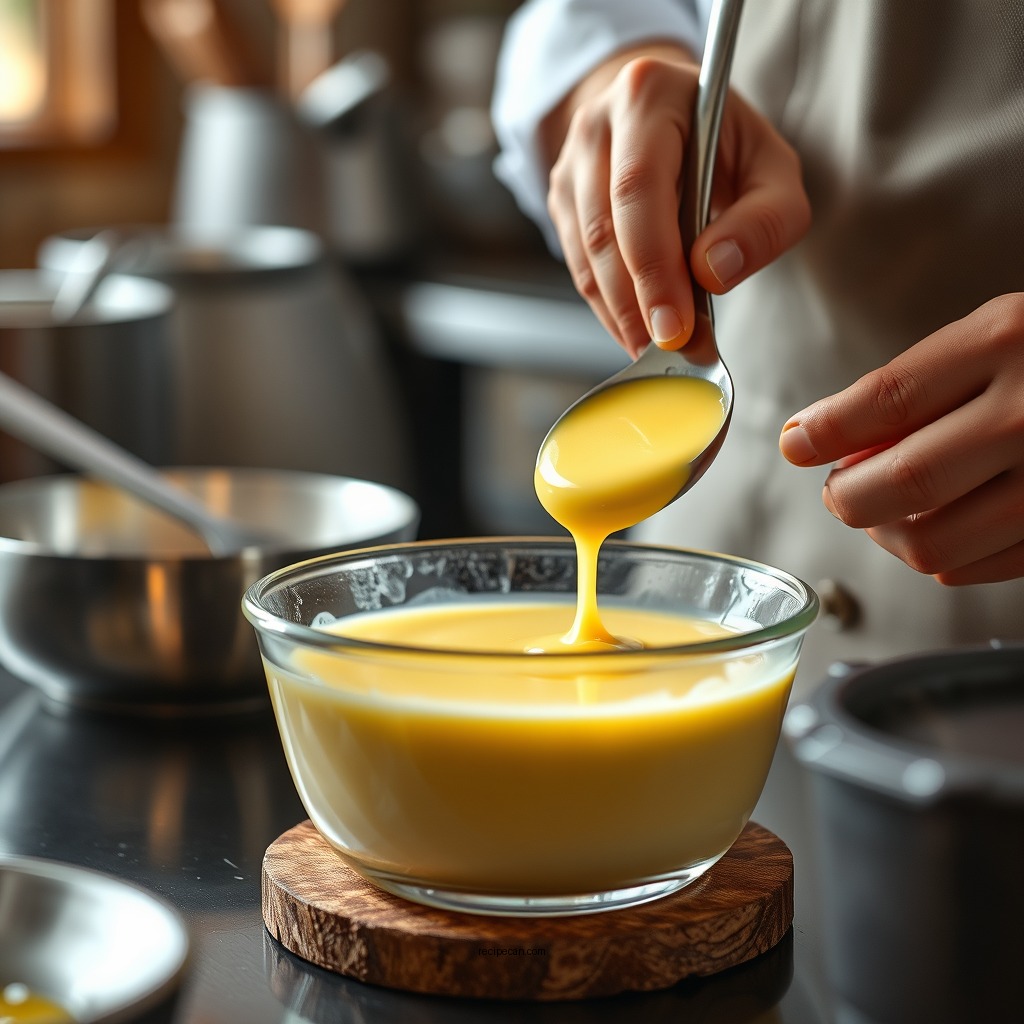
The process of making custard can be broken down into several simple steps:
1. Whisk Together Eggs and Sugar: Start by cracking the eggs into a mixing bowl and adding the sugar. Whisk them together until well combined and slightly frothy. This aeration helps create a light texture in the final product.
2. Gradually Add Warmed Milk and Cream: In a saucepan, gently heat the milk and cream until just warm (not boiling). Gradually pour this mixture into the egg and sugar mixture, stirring continuously. This gradual addition helps prevent the eggs from curdling.
3. Strain the Mixture: To ensure a smooth custard, strain the mixture through a fine sieve into a clean bowl or measuring jug. This step removes any bits of cooked egg and results in a velvety texture.
4. Cook the Custard: Pour the strained mixture back into the saucepan and cook over low heat, stirring constantly. Monitor the mixture closely until it thickens enough to coat the back of a spoon.
5. Cool the Custard: Once thickened, remove the custard from the heat and allow it to cool before serving or refrigerating. This cooling period allows the flavors to meld beautifully.
Cooking Techniques for Perfect Custard
Achieving the perfect custard requires attention to detail and proper cooking techniques:
– Use a Double Boiler or Gentle Stovetop Heat: Cooking custard over direct high heat can lead to curdling. A double boiler provides gentle, even heat, reducing the risk of scrambling the eggs. If using the stovetop, keep the heat low and constant.
– Stir Constantly: Continuous stirring is essential for even cooking. This ensures that the mixture does not stick to the bottom of the pan and allows for a uniform texture.
– Monitor for Thickening: Custard is ready when it thickens enough to coat the back of a spoon and holds a line when you run your finger through it. Be patient, as rushing this process can lead to an undesirable texture.
📋 MANDATORY DATA TABLE
Top 7 Ingredients for Custard (2024)
| # | Ingredient | Usage Amount | Flavor Profile |
|---|---|---|---|
| 1 | Eggs | 4 large | Rich, creamy |
| 2 | Whole Milk | 2 cups | Mild, creamy |
| 3 | Heavy Cream | 1 cup | Rich, velvety |
| 4 | Granulated Sugar | 3/4 cup | Sweet |
| 5 | Vanilla Extract | 1 tbsp | Sweet, aromatic |
| 6 | Salt | A pinch | Enhances flavor |
| 7 | Nutmeg (optional) | To taste | Warm, spicy |
Flavor Variations and Additions
One of the joys of making custard is the ability to customize the flavors to your liking. Here are some popular variations:
– Vanilla: Infuse your custard with vanilla beans or extract for a classic flavor. Using whole vanilla beans enhances the custard’s fragrance and visual appeal, adding tiny specks of vanilla throughout.
– Citrus Zest: Adding zest from oranges or lemons can provide a refreshing twist. The acidity from citrus balances the sweetness, making it a delightful option for warmer months.
– Chocolate Custard: Incorporating melted chocolate can create a rich, indulgent dessert. This variation is perfect for chocolate lovers and can be served as a stand-alone dessert or used as a filling in pastries.
– Spices: Experimenting with spices like cinnamon or nutmeg can add warmth and depth to the flavor. A dash of these spices can enhance the overall profile, making the custard feel more sophisticated.
Common Mistakes to Avoid
While making custard is straightforward, several common pitfalls can lead to disappointing results:
– Overheating: Cooking custard at too high a temperature can lead to a scrambled texture. Always use low heat and stir continuously to ensure the eggs do not cook too quickly.
– Not Straining: Always strain the mixture before cooking to ensure a smooth consistency. Skipping this step can result in an unpleasant texture filled with egg bits.
– Rushing the Cooling Process: Allowing the custard to cool gradually is essential for flavor development and achieving the right texture. Rushing this process can lead to a less flavorful and unevenly set product.
📈 MANDATORY BAR CHART
Custard Flavor Variations Popularity (%)
Serving Suggestions
Custard can be served warm or chilled, making it a versatile dessert option for any occasion. Here are some creative serving suggestions:
– With Fresh Fruit: Serve custard alongside seasonal fruits such as berries, peaches, or poached pears. The freshness of the fruit complements the richness of the custard beautifully.
– In Tart Shells: Use custard as a filling for tart shells, topped with a glaze of fruit or chocolate. This combination not only looks appealing but also adds various textures to the dessert.
– Topped with Whipped Cream: A dollop of freshly whipped cream adds lightness and enhances the overall experience. You can also sprinkle some chocolate shavings or crushed nuts for decorative flair.
– As a Base for Other Desserts: Incorporate custard into trifles or parfaits, layering it with cake and fruit for an eye-catching dessert. This not only showcases your custard but also enhances its flavor through complementary ingredients.
Custard is a versatile dessert that can be enjoyed in many ways. By following this traditional recipe and tips, you can create a delightful custard that impresses family and friends. Try making it today and discover the joy of this timeless treat!
Frequently Asked Questions
What ingredients are needed for a traditional custard recipe?
A traditional custard recipe typically requires simple ingredients including eggs, sugar, milk, and vanilla extract. Some variations may also include heavy cream for a richer texture. Using fresh, high-quality ingredients is key to achieving the best flavor and consistency in your custard.
How do you prevent custard from curdling during cooking?
To prevent custard from curdling, it is essential to cook it over low heat and stir constantly while it thickens. Additionally, tempering the eggs by gradually adding hot milk to them before mixing everything together helps maintain a smooth texture. Using a double boiler can also provide even heat and reduce the risk of curdling.
Why is my custard too runny, and how can I fix it?
If your custard is too runny, it may not have been cooked long enough or at a high enough temperature. To fix it, you can return the custard to the heat and cook it gently while stirring until it thickens. Alternatively, adding a cornstarch slurry can help achieve the desired thickness without compromising the flavor.
What is the best method for baking a traditional custard in the oven?
The best method for baking traditional custard is to use a water bath, also known as a bain-marie. This technique involves placing the custard dish in a larger pan filled with hot water, which helps distribute heat evenly and prevents the custard from overcooking. Ensure the water is hot but not boiling to achieve the perfect creamy texture.
Which types of dishes are best for serving traditional custard?
Traditional custard is best served in ramekins, individual custard cups, or a larger baking dish for family-style servings. These types of dishes allow for even cooking and make it easy to portion out servings. Additionally, using ceramic or glass dishes can help maintain even heat during baking, enhancing the custard’s flavor and texture.
References
- Custard
https://en.wikipedia.org/wiki/Custard - https://www.bbc.co.uk/food/recipes/custard_91562
https://www.bbc.co.uk/food/recipes/custard_91562 - https://www.sciencedirect.com/topics/food-science/custard
https://www.sciencedirect.com/topics/food-science/custard - Custard | Definition, Ingredients, & Preparation | Britannica
https://www.britannica.com/topic/custard - https://www.nytimes.com/2011/11/02/dining/how-to-make-the-perfect-custard.html
https://www.nytimes.com/2011/11/02/dining/how-to-make-the-perfect-custard.html - Google Scholar Google Scholar
https://scholar.google.com/scholar?q=traditional+custard+recipe - Google Scholar Google Scholar
https://scholar.google.com/scholar?q=custard+history - Google Scholar Google Scholar
https://scholar.google.com/scholar?q=custard+ingredients - https://www.nature.com/articles/s41598-020-61659-3
https://www.nature.com/articles/s41598-020-61659-3 - https://www.ncbi.nlm.nih.gov/pmc/articles/PMC3296111/
https://www.ncbi.nlm.nih.gov/pmc/articles/PMC3296111/