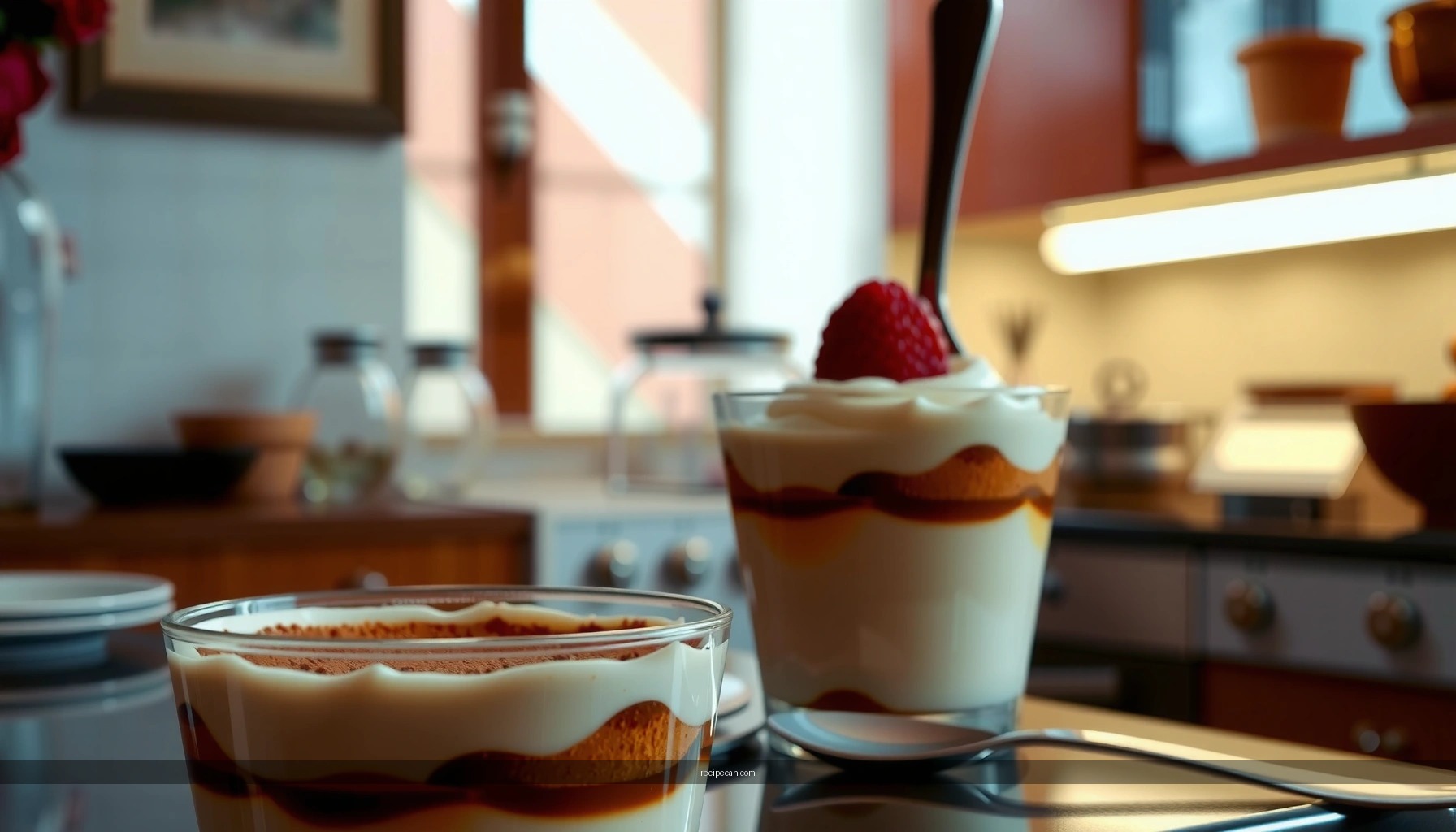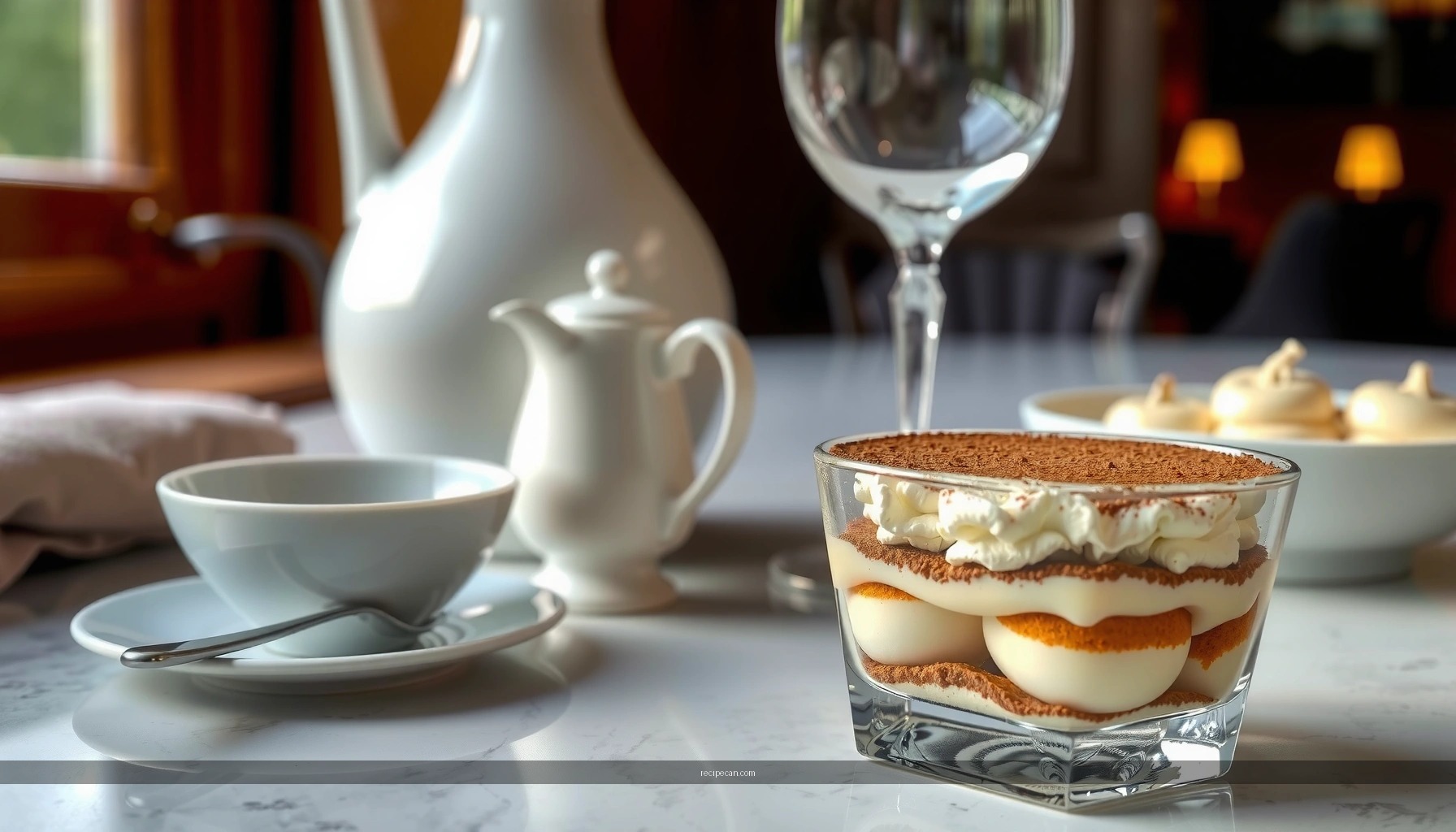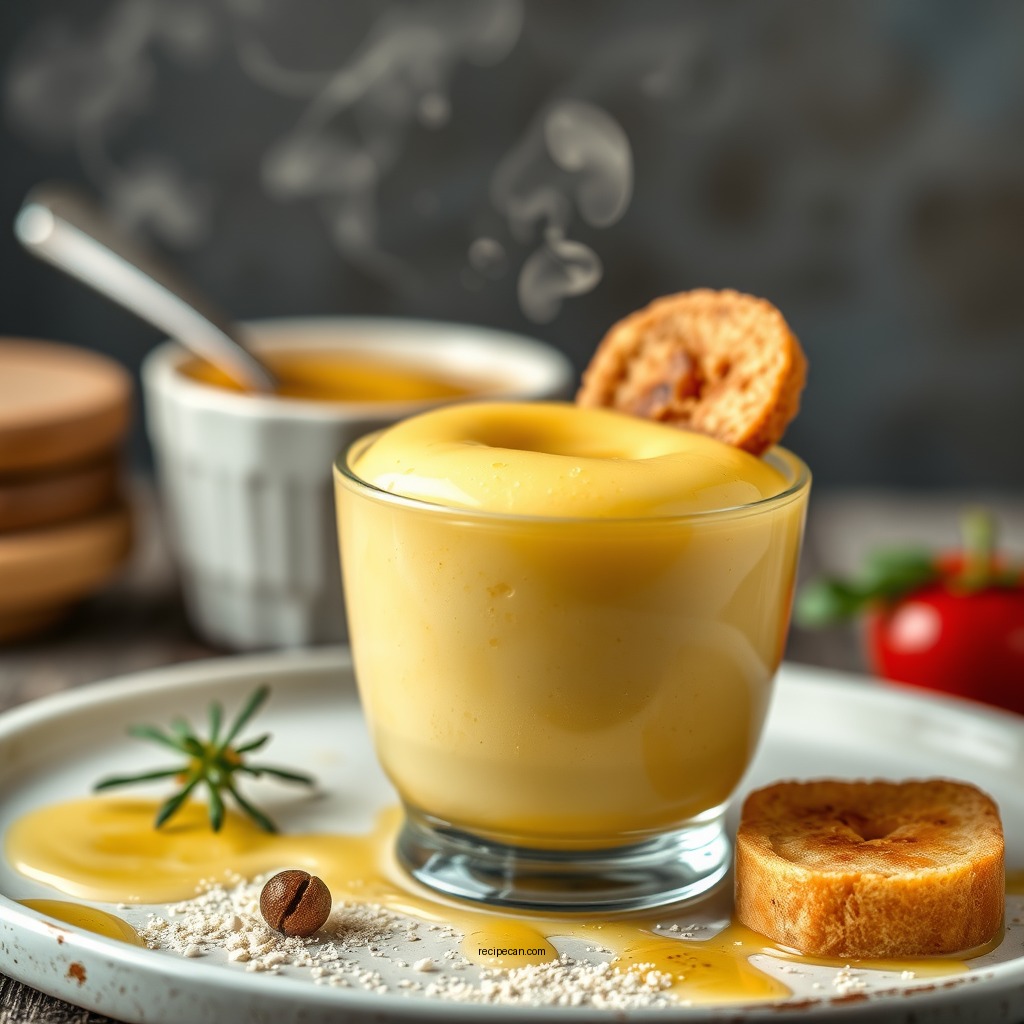
Making a classic old fashioned custard is straightforward and satisfying, resulting in a luscious dessert that can stand alone or serve as a foundation for various dishes. This creamy delight, with its rich texture and subtle sweetness, has been a beloved favorite for generations. In this article, you will discover how to prepare this timeless custard recipe, the essential ingredients required, and expert tips for perfecting your custard-making skills.
Essential Ingredients for Custard
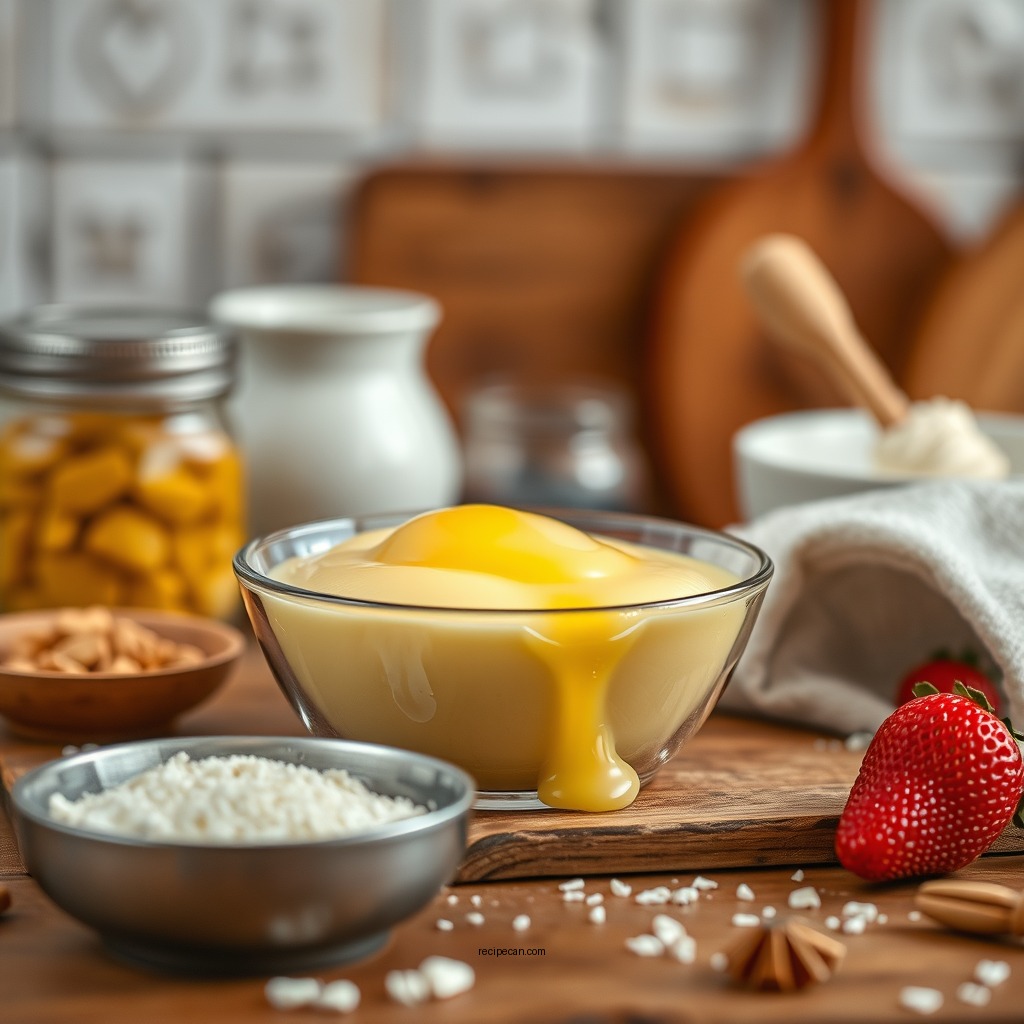
To create a classic custard, a few fundamental ingredients are essential:
– Whole milk or cream: The primary base of your custard, which provides its creamy texture and richness. Whole milk yields a lighter custard, while cream adds a luxurious, velvety consistency.
– Egg yolks: These are crucial for thickening the custard and giving it a smooth, silky texture. The proteins in the yolks coagulate when heated, creating the custard’s structure.
– Sugar: This ingredient sweetens the custard, balancing the richness of the dairy and enhancing the overall flavor profile. Granulated sugar is commonly used, but you can experiment with alternatives like honey or maple syrup for a different taste.
Step-by-Step Instructions

Creating a classic custard involves a few key steps:
– Heating the milk: Begin by gently warming the whole milk or cream over low heat in a saucepan. It’s essential to avoid boiling, as high temperatures can curdle the milk. Stir occasionally to ensure even heating.
– Whisking the egg yolks: In a separate bowl, whisk together the egg yolks and sugar until the mixture becomes light and fluffy. This step aerates the yolks, contributing to the custard’s texture. Once combined, gradually add a small amount of the warm milk to temper the yolks, preventing them from scrambling when combined with the rest of the milk.
– Cooking the mixture: Slowly pour the tempered egg mixture back into the saucepan with the remaining milk. Cook over low heat, stirring constantly with a wooden spoon or silicone spatula. The custard is ready when it thickens enough to coat the back of a spoon. This process typically takes around 10-15 minutes.
Flavor Variations to Try
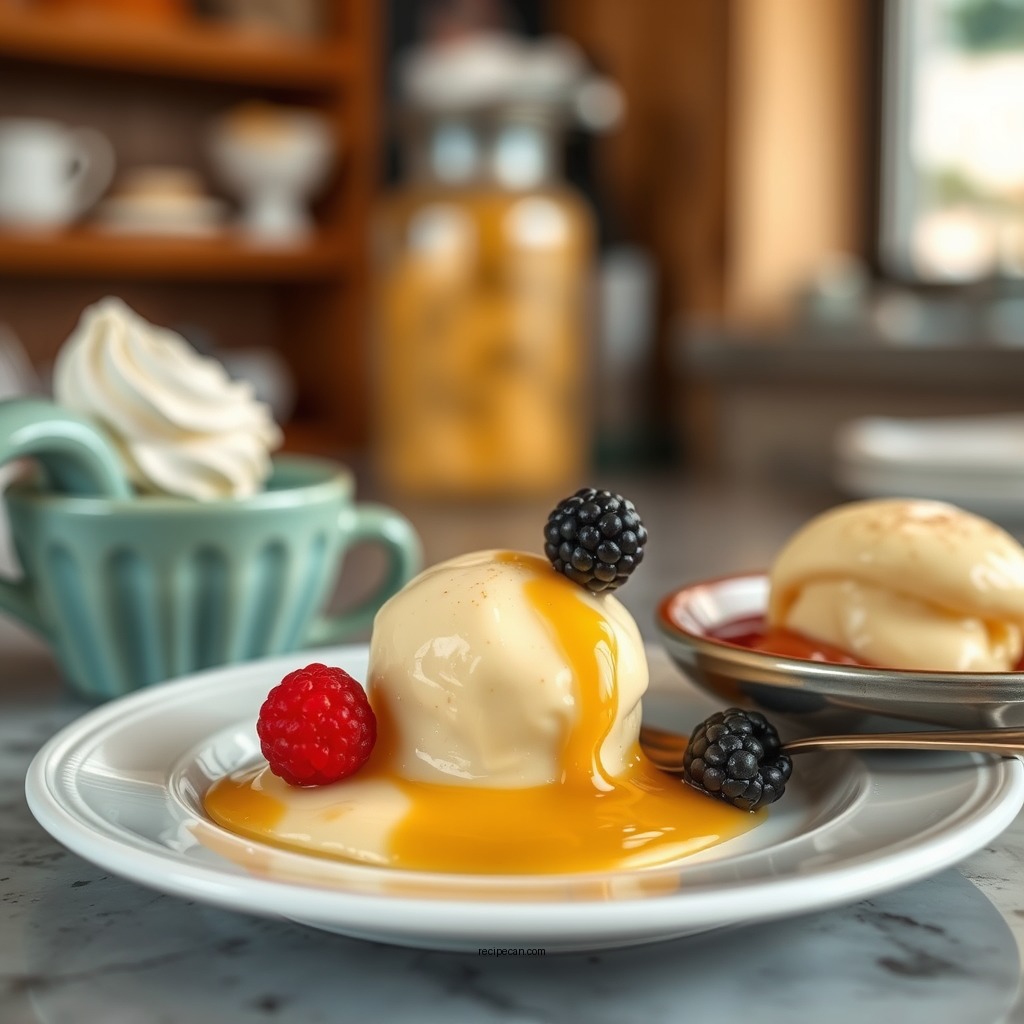
While the classic custard is delightful on its own, several variations can enhance its flavor:
– Vanilla: Incorporate vanilla bean pods or quality vanilla extract for an aromatic boost. This classic addition complements the custard’s richness beautifully.
– Chocolate: For a decadent twist, blend in unsweetened cocoa powder or melted chocolate after the custard has thickened. This creates a sumptuous chocolate custard perfect for layering in desserts.
– Citrus: Adding fresh zest from lemons or oranges can introduce a refreshing acidity that balances the sweetness of the custard. Experimenting with different citrus fruits can yield delightful results.
Top 7 Variations for Old Fashioned Custard
| # | Flavor Variation | Popularity Rating | Preparation Time |
|---|---|---|---|
| 1 | Vanilla | ★★★★☆ | 20 mins |
| 2 | Chocolate | ★★★★★ | 25 mins |
| 3 | Citrus | ★★★★☆ | 22 mins |
| 4 | Coffee | ★★★★☆ | 23 mins |
| 5 | Nutmeg | ★★★☆☆ | 20 mins |
| 6 | Almond | ★★★☆☆ | 21 mins |
| 7 | Lavender | ★★☆☆☆ | 25 mins |
Tips for Perfecting Your Custard
Achieving the perfect custard requires attention to detail and a few helpful techniques:
– Use a double boiler: This method provides gentle, even heat, reducing the risk of scrambling the eggs. If you don’t have a double boiler, a heatproof bowl placed over a pot of simmering water will work just as well.
– Strain the mixture: Pour your custard through a fine mesh sieve before cooling. This step removes any curdled egg bits, resulting in a silky-smooth texture that enhances the overall mouthfeel.
– Monitor cooking time: Keep a close eye on the custard as it cooks. Stirring continuously and checking the thickness regularly will help you avoid overcooking, which can lead to a grainy texture.
Common Mistakes to Avoid
Even experienced cooks can make errors when preparing custard. Here are some common pitfalls to watch out for:
– High heat: Cooking custard on high heat can cause the eggs to scramble. Always stick to low heat, and be patient as the custard thickens.
– Not whisking enough: Inadequate whisking can lead to uneven cooking and texture. Ensure you’re mixing thoroughly to achieve uniform consistency.
– Skipping the chilling step: Allow the custard to cool completely in the refrigerator before serving. Chilling not only enhances the flavor but also improves the texture, making it creamier.
Serving Suggestions
The final presentation of your custard can elevate its appeal:
– Serve chilled: Custard is best enjoyed cold, making it a refreshing dessert option, especially during warm weather.
– Pair with fruits: Fresh berries, poached pears, or citrus segments provide a colorful and flavorful contrast to the creamy custard.
– Use as a base: Custard serves as an excellent foundation for desserts like trifles, tarts, and even ice creams. Layer it with cake, fruit, or nuts for a delightful treat.
Custard Cooking Times for Various Variations
Making an old fashioned custard is an enjoyable process that yields a delightful dessert. By following this classic recipe and incorporating your favorite flavors, you can create a custard that is sure to impress. Don’t hesitate to experiment with variations and serving ideas to make it your own! Whether served alone, layered in a dessert, or paired with fresh fruit, custard remains a timeless treat that brings comfort and joy to any occasion.
Frequently Asked Questions
What are the essential ingredients for an old fashioned custard recipe?
The essential ingredients for an old fashioned custard recipe include whole milk or cream, egg yolks, sugar, and vanilla extract. These simple ingredients combine to create a rich and creamy dessert base that can be enjoyed on its own or used in various recipes.
How do you prevent your old fashioned custard from curdling while cooking?
To prevent your old fashioned custard from curdling, it’s crucial to cook it over low heat and stir constantly. Gradually temper the egg yolks by whisking in a small amount of the hot milk mixture before combining it all together, ensuring a smooth and creamy texture without lumps.
Why is my old fashioned custard too runny, and how can I fix it?
If your old fashioned custard is too runny, it may not have been cooked long enough or at a high enough temperature. To fix it, you can return the custard to the heat and gently cook it while stirring until it thickens, ensuring it reaches the appropriate consistency for your desired use.
What is the best way to serve old fashioned custard?
The best way to serve old fashioned custard is chilled, either in individual ramekins or as a larger dish. You can enhance its presentation with a sprinkle of nutmeg or cinnamon, fresh fruit, or even a drizzle of caramel sauce for added flavor and visual appeal.
Which kitchen tools do I need to make old fashioned custard?
To make old fashioned custard, you will need a heavy-bottomed saucepan, a whisk, and a fine-mesh strainer. A thermometer can also be helpful to monitor the temperature, ensuring your custard cooks perfectly without curdling.
References
- Custard
https://en.wikipedia.org/wiki/Custard - https://www.bbc.co.uk/food/recipes/classiccustard_72474
https://www.bbc.co.uk/food/recipes/classiccustard_72474 - https://www.nytimes.com/2020/04/01/cooking/custard-recipe.html
https://www.nytimes.com/2020/04/01/cooking/custard-recipe.html - https://www.sciencedirect.com/topics/food-science/custard
https://www.sciencedirect.com/topics/food-science/custard - https://www.jstor.org/stable/10.1525/jafm.2008.2.1.53
https://www.jstor.org/stable/10.1525/jafm.2008.2.1.53 - Custard | Definition, Ingredients, & Preparation | Britannica
https://www.britannica.com/topic/custard - Google Scholar Google Scholar
https://scholar.google.com/scholar?q=old+fashioned+custard+recipe - Google Scholar Google Scholar
https://scholar.google.com/scholar?q=custard+history - https://scholar.google.com/scholar?q=custard+cooking+techniques Google Scholar
https://scholar.google.com/scholar?q=custard+cooking+techniques - https://www.ncbi.nlm.nih.gov/pmc/articles/PMC6042595/
https://www.ncbi.nlm.nih.gov/pmc/articles/PMC6042595/