Creating a delicious custard for tarts is straightforward and requires just a few ingredients. This guide will walk you through a classic custard recipe that can elevate your tart creations, ensuring they are creamy, flavorful, and perfect for any occasion.
Understanding Custard Basics
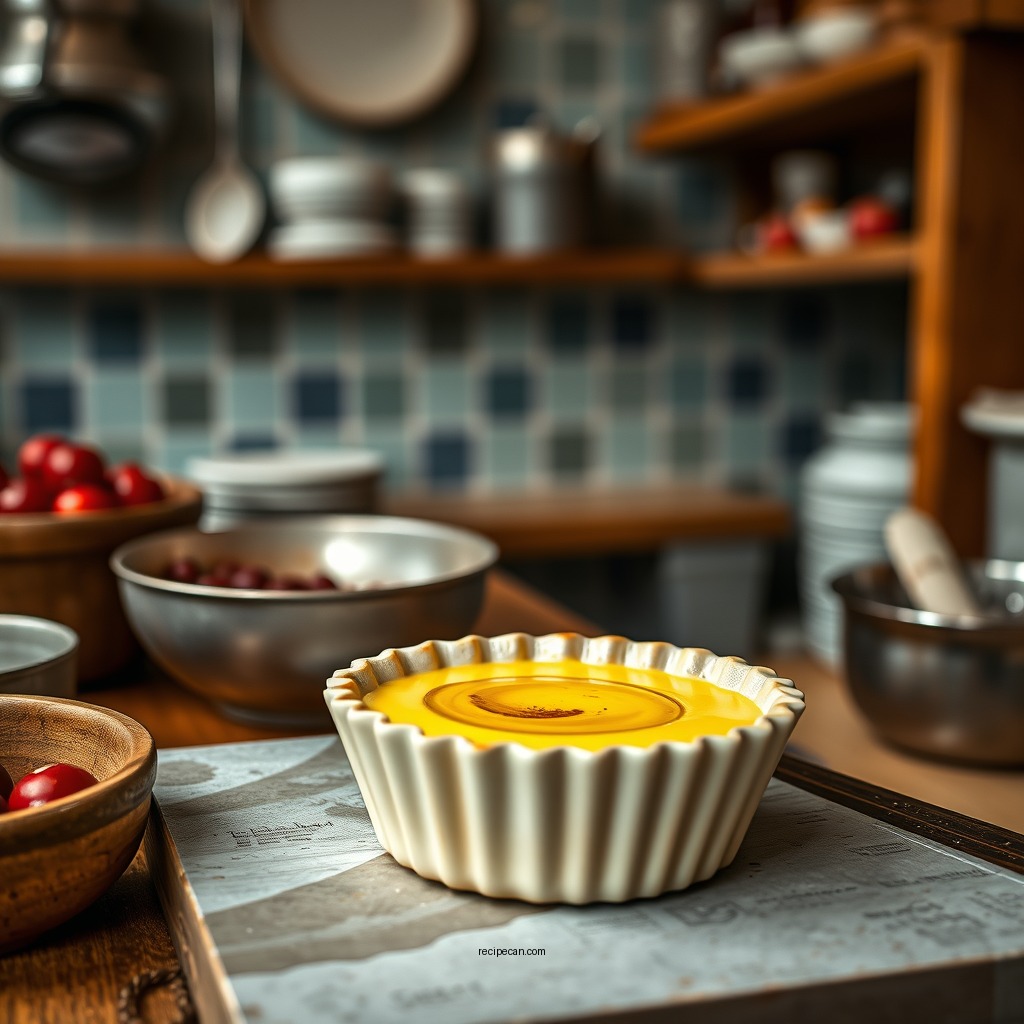
Custard is a versatile mixture made primarily from milk or cream, eggs, and sugar, thickened by cooking. Its texture can range from thin and pourable to thick and creamy, depending on the preparation method and the specific recipe. The two main types of custard are stirred custard, which is typically cooked on the stovetop and continuously stirred, and baked custard, which is set in the oven. Understanding these basics is crucial for crafting the perfect custard for your tarts, as the method you choose will affect both the flavor and texture of your final dish.
For tarts, a baked custard is often preferred as it allows for a firmer consistency that holds up well within the tart shell. The key to successful custard lies in the balance of ingredients and the gentle cooking process, which prevents curdling and ensures a smooth, creamy finish.
Ingredients You’ll Need
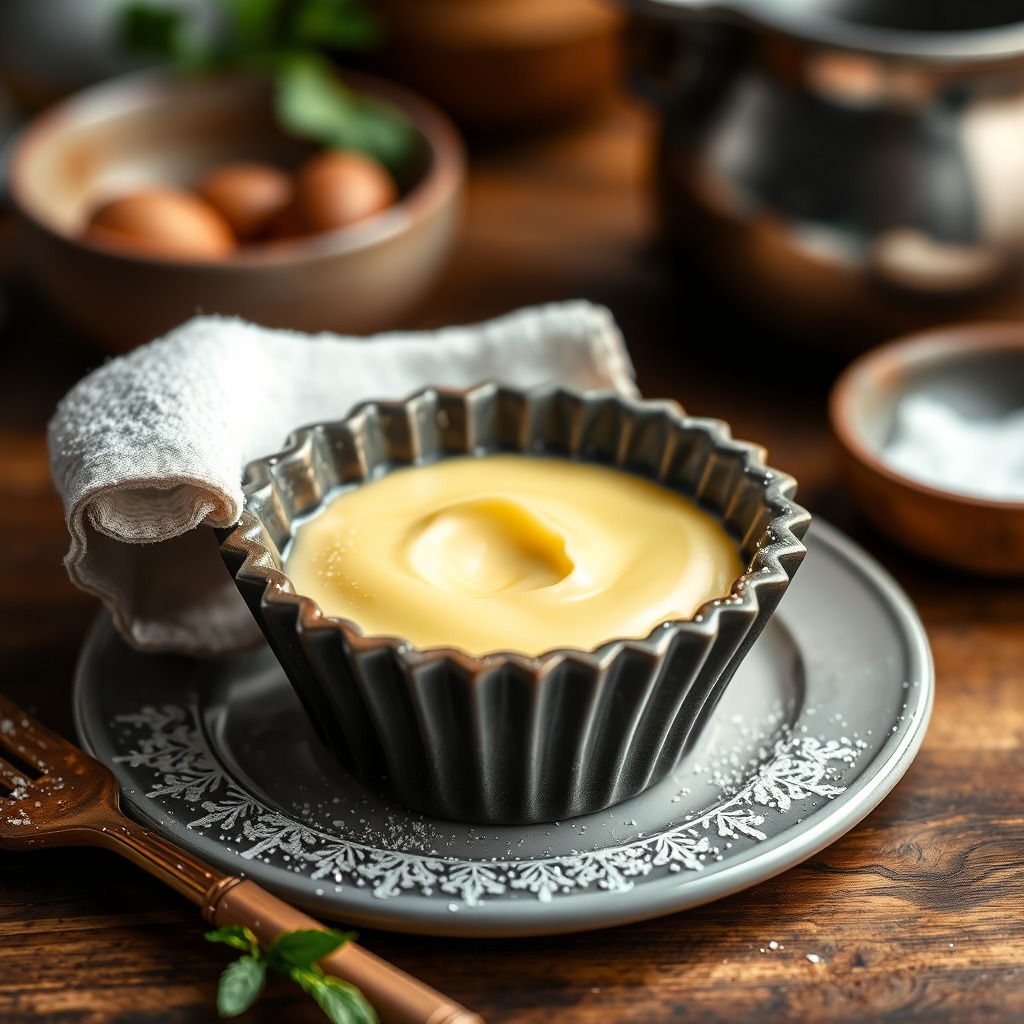
To create a rich and flavorful custard, you will need the following ingredients:
– Fresh Eggs: Using high-quality, fresh eggs is essential for the best flavor and texture. Eggs act as a binding agent and contribute to the custard’s creamy mouthfeel.
– Milk or Heavy Cream: Whole milk provides a lighter option, while heavy cream results in a richer, more decadent custard. The choice between the two largely depends on personal preference and the desired richness of the final tart.
– Sugar: Granulated sugar is commonly used to sweeten the custard. Adjust the amount based on your taste and the toppings you plan to add later.
– Flavorings: Vanilla extract is a classic addition to enhance the flavor profile, but you can also experiment with alternatives such as almond extract or citrus zest for a unique twist.
Step-by-Step Preparation
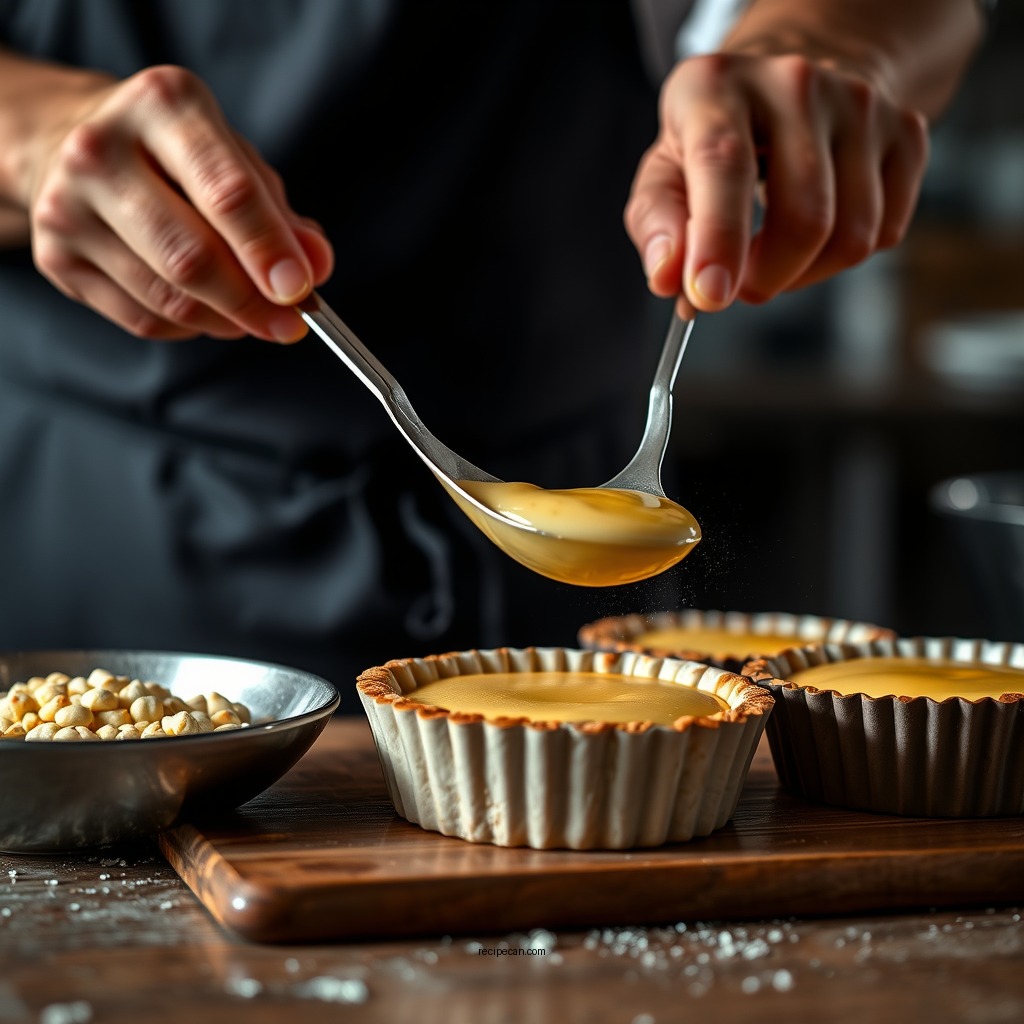
1. Whisk the Eggs and Sugar: Begin by cracking the eggs into a mixing bowl and adding the sugar. Whisk them together until the mixture is smooth and slightly pale. This step incorporates air and helps to create a light texture in your custard.
2. Heat the Milk or Cream: In a saucepan, gently heat the milk or cream over medium heat until it starts to steam but not boil. This is crucial as boiling can cause the milk to curdle when combined with the eggs.
3. Temper the Egg Mixture: Gradually pour the heated milk or cream into the egg mixture while continuously whisking. This process, known as tempering, prevents the eggs from cooking too quickly and forming lumps in your custard.
4. Cook the Custard: Return the tempered mixture to the saucepan and cook over low heat. Stir constantly until the custard thickens enough to coat the back of a spoon. This usually takes about 5-10 minutes. Be vigilant to avoid curdling, as overcooking can ruin the smooth texture.
5. Strain and Cool: Once thickened, strain the custard through a fine-mesh sieve into a bowl to remove any lumps. Allow it to cool slightly before using it in your tart recipe.
Custard Variants and Their Key Ingredients
| # | Custard Type | Primary Ingredients | Texture |
|---|---|---|---|
| 1 | Baked Custard | Eggs, Milk, Sugar | Firm, Smooth |
| 2 | Stirred Custard | Eggs, Milk, Sugar | Creamy, Pourable |
| 3 | Pastry Cream | Eggs, Milk, Sugar, Cornstarch | Thick, Creamy |
| 4 | Crème Brûlée | Eggs, Cream, Sugar | Smooth, Rich |
| 5 | Flan | Eggs, Milk, Sugar, Caramel | Silky, Soft |
| 6 | Chantilly Cream | Heavy Cream, Sugar | Light, Whipped |
| 7 | Sabayon | Eggs, Sugar, Wine | Foamy, Light |
Flavoring Your Custard
Flavoring your custard can transform a simple dessert into a standout dish. While vanilla extract is the go-to option, it’s essential to explore other flavorings that can enhance the overall taste of your tart. Here are some ideas:
– Vanilla Extract: The classic choice, adding a warm, sweet aroma.
– Almond Extract: Provides a nutty flavor that pairs well with fruit tarts.
– Citrus Zest: Grated lemon, lime, or orange zest can brighten up the custard and add a refreshing element.
– Spices: A dash of nutmeg or cinnamon can introduce warmth and complexity, making your custard even more inviting.
Experimenting with these flavorings can lead to unique custard variations that cater to different tastes and preferences, enhancing your tart’s appeal.
Baking Your Tart
The process of baking your tart is crucial for achieving that perfect balance of textures. Here’s how to ensure your tart crust is ideal for holding the custard:
1. Pre-Bake the Tart Shell: Begin by rolling out your tart dough and pressing it into your tart pan. Prick the bottom with a fork to prevent bubbling, then cover it with parchment paper and fill it with pie weights or dried beans. Bake at 350°F (175°C) for about 15-20 minutes, or until lightly golden.
2. Add the Custard: Once the tart shell is pre-baked, remove it from the oven and allow it to cool slightly. Pour the prepared custard into the shell, ensuring it is evenly distributed.
3. Bake Until Set: Return the tart to the oven and bake until the custard is just set. It should still have a slight wobble in the center when removed from the oven. This typically takes an additional 20-25 minutes. Overbaking can lead to a rubbery texture, so keep an eye on it.
4. Cool Completely: Allow the tart to cool at room temperature before transferring it to the refrigerator. This will help the custard firm up and make slicing easier.
Custard Tart Baking Times
Tips for Perfect Custard
Achieving the ideal custard requires some attention to detail. Here are essential tips to ensure your custard turns out perfect every time:
– Avoid Overcooking: The custard should be slightly wobbly when removed from the oven. This indicates that it will continue to set as it cools. Overcooking can lead to a grainy texture.
– Use a Thermometer: For precision, use an instant-read thermometer to check the custard’s temperature. It should reach around 170°F (77°C) to ensure it is fully cooked.
– Cool Before Slicing: Allow the tart to cool completely before slicing. This not only aids in presentation but also ensures that the custard remains intact.
– Experiment with Flavors: Don’t hesitate to try different flavorings and toppings. Fresh fruit, caramel sauce, or a sprinkle of sea salt can add a delightful twist to your custard tart.
Serving Suggestions
A custard tart can be a stunning centerpiece for any dessert table. Here are some serving suggestions to enhance its appeal:
– Toppings: Fresh fruits such as berries, slices of kiwi, or citrus segments can add a burst of color and freshness. Alternatively, a dollop of whipped cream or a drizzle of chocolate sauce can elevate the dessert.
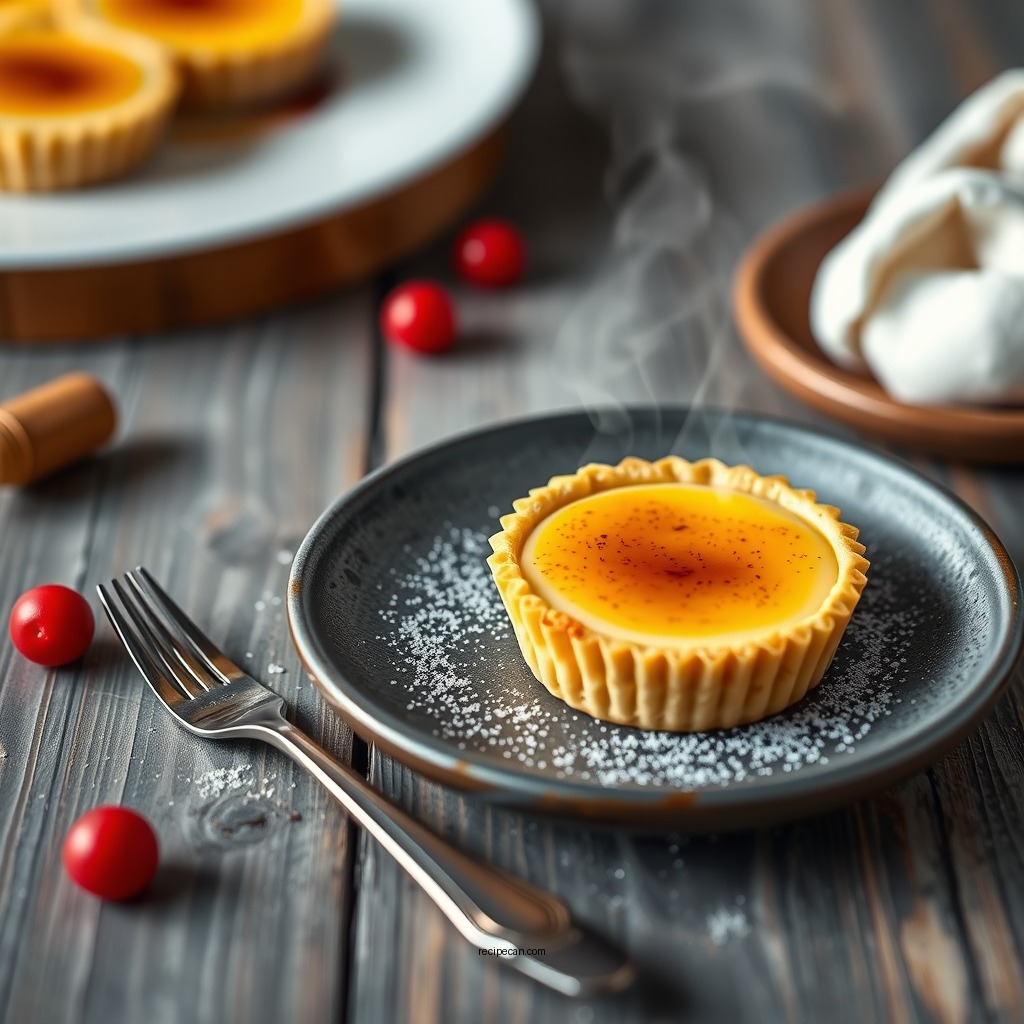
– Presentation: Dust the tart with powdered sugar before serving for an elegant touch. You can also use a blowtorch to caramelize sugar on top for a crème brûlée effect.
– Pairing: Serve your custard tart with a cup of coffee or tea for a delightful afternoon treat. The contrast of warm beverages with chilled custard offers a comforting experience.
Summarizing, making a custard for tarts is simple and rewarding, requiring only a few key ingredients and techniques. By following this guide, you can create a perfect custard that can be the star of your next dessert. Experiment with flavors, enjoy the baking process, and impress your family and friends with your culinary skills! Try out the recipe today and enjoy the delightful results.
Frequently Asked Questions
What ingredients do I need for a basic custard for tarts recipe?
A basic custard for tarts recipe typically requires eggs, sugar, milk, and vanilla extract. You can also use heavy cream for a richer texture. Make sure to use fresh ingredients for the best flavor and consistency.
How do I prevent my custard from curdling when making tarts?
To prevent custard from curdling, heat the milk or cream gently and avoid boiling. Gradually temper the eggs by whisking in a small amount of the warm milk before combining it all together. Stir continuously while cooking on low heat until the custard thickens.
Why is my custard for tarts too thin, and how can I fix it?
If your custard is too thin, it may not have been cooked long enough or the ratios of eggs to liquid were off. To fix it, you can return the mixture to low heat and cook it longer, stirring constantly until it thickens. Alternatively, you can add a cornstarch slurry to help thicken it.
What is the best method for baking custard tarts for optimal results?
The best method for baking custard tarts is to use a water bath, which helps to evenly distribute heat and prevents the custard from cracking. Bake at a low temperature, around 325°F (160°C), until the custard is set but still slightly jiggly in the center for a smooth texture.
Which types of tarts pair best with custard fillings?
Custard fillings pair best with sweet pastry tarts, such as shortcrust or pâte sucrée, as they provide a nice balance of texture and flavor. Flavors like fruit tarts, chocolate tarts, or nut tarts can also beautifully complement the creamy richness of custard, creating a delicious dessert experience.
References
- Custard
https://en.wikipedia.org/wiki/Custard - https://www.bbc.co.uk/food/recipes/custard_82322
https://www.bbc.co.uk/food/recipes/custard_82322 - https://www.nytimes.com/2021/04/07/dining/custard-recipe.html
https://www.nytimes.com/2021/04/07/dining/custard-recipe.html - https://www.sciencedirect.com/topics/food-science/custard
https://www.sciencedirect.com/topics/food-science/custard - Custard | Definition, Ingredients, & Preparation | Britannica
https://www.britannica.com/topic/custard - Google Scholar Google Scholar
https://scholar.google.com/scholar?q=custard+for+tarts+recipe - Google Scholar Google Scholar
https://scholar.google.com/scholar?q=custard+recipe - Google Scholar Google Scholar
https://scholar.google.com/scholar?q=custard+making+techniques - https://www.nichd.nih.gov/health/topics/nutrition/conditions/custard
https://www.nichd.nih.gov/health/topics/nutrition/conditions/custard - https://www.cdc.gov/nutrition/index.html
https://www.cdc.gov/nutrition/index.html