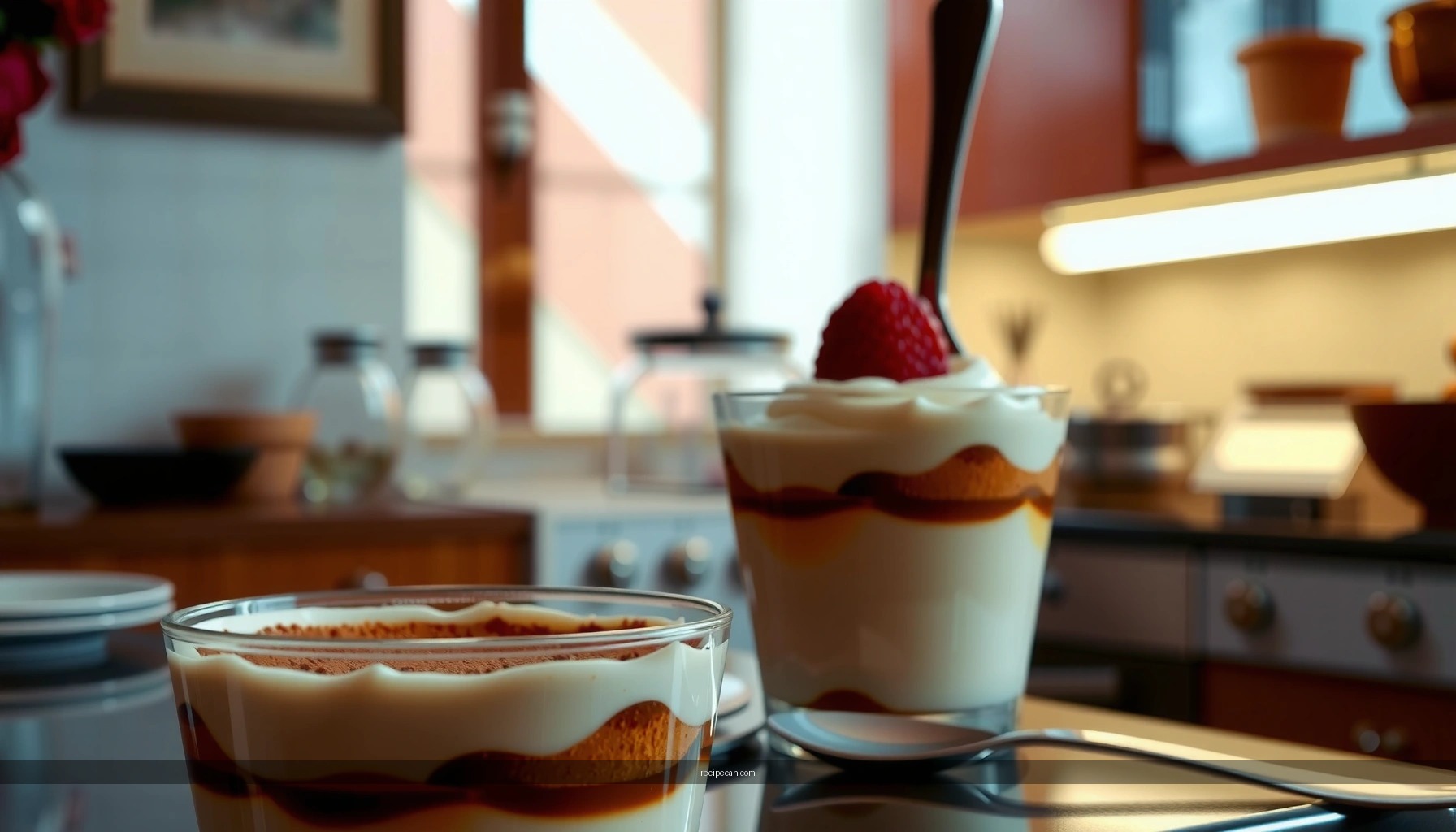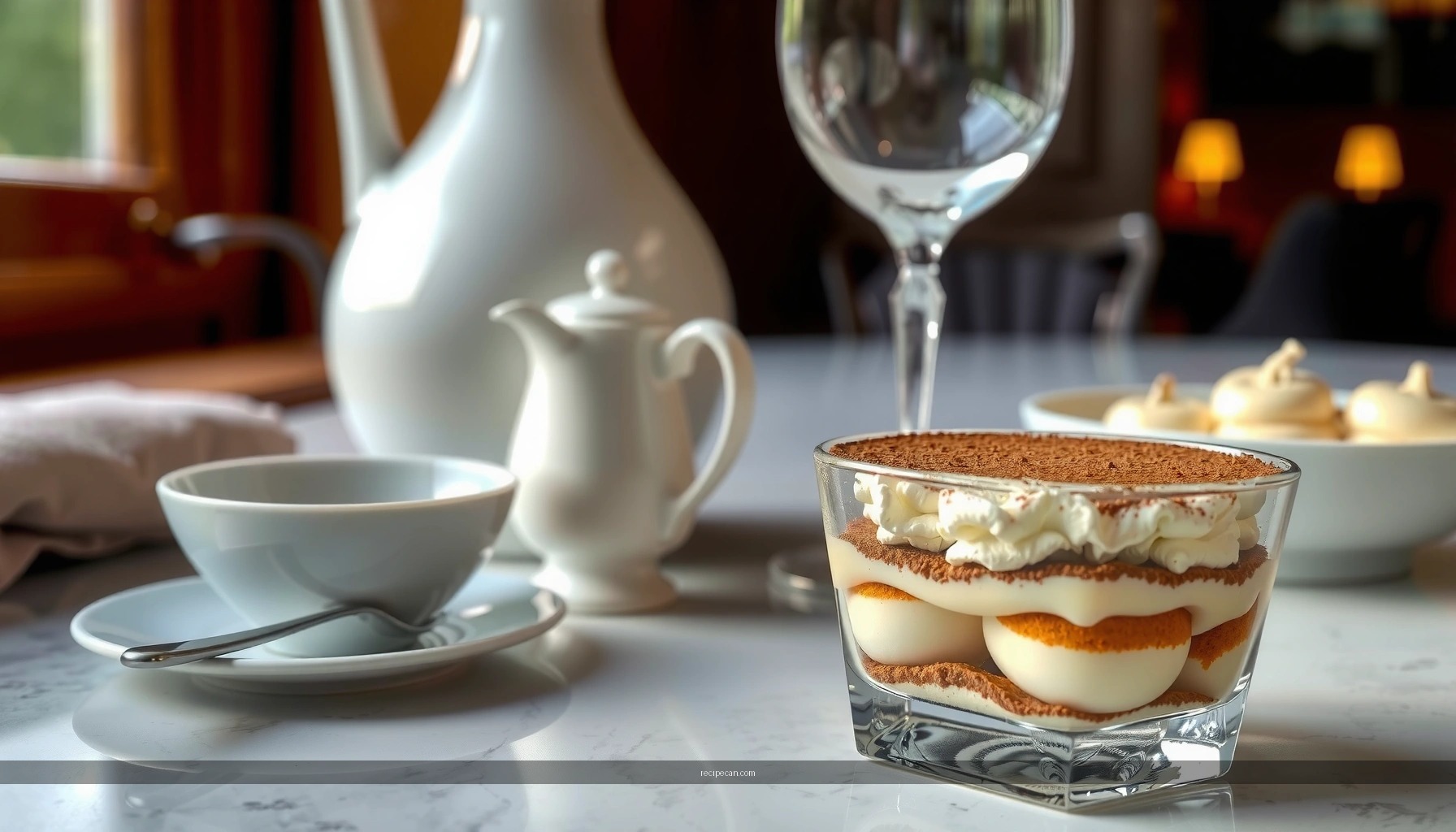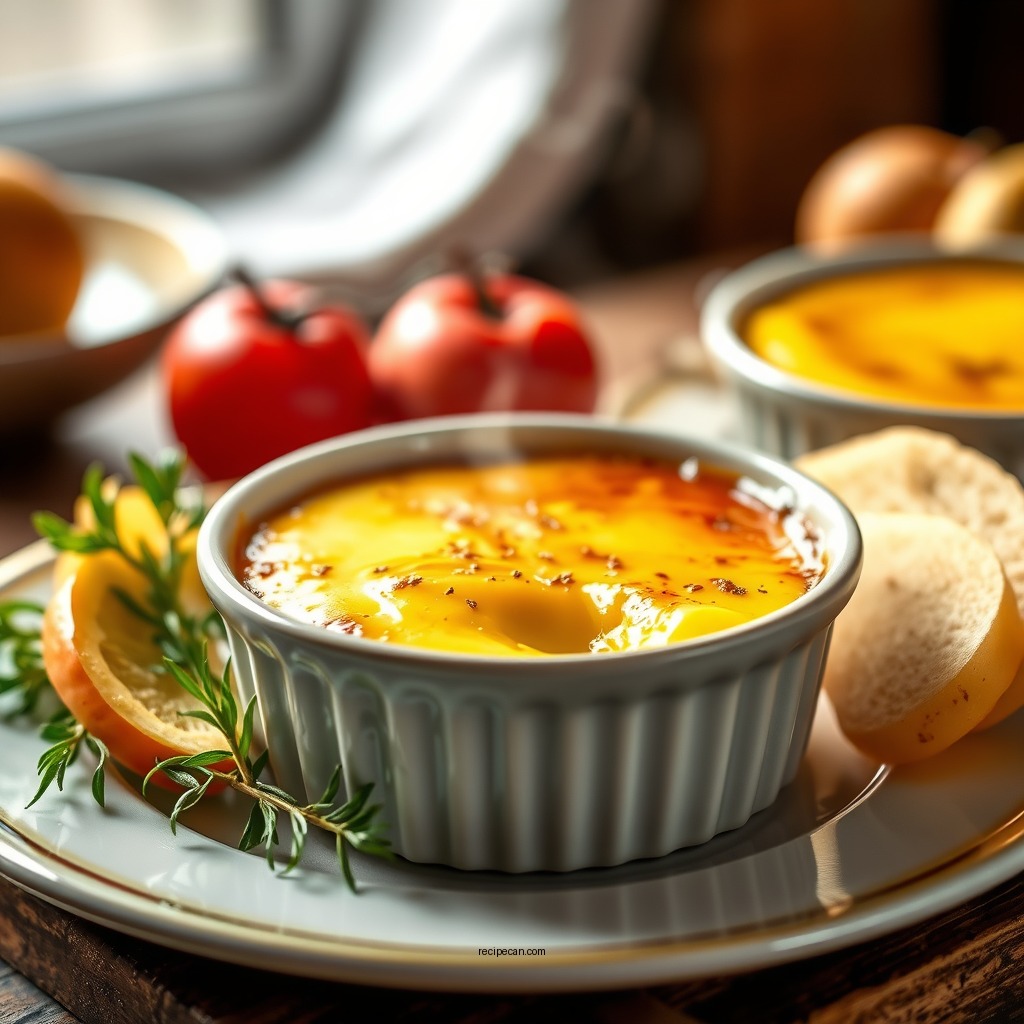
Baked egg custard is a timeless dessert that provides a creamy and comforting experience with each bite. This traditional recipe showcases the beauty of simplicity, combining just a few staple ingredients to create a rich, velvety custard that can be enjoyed warm or cold. Whether you’re looking to evoke nostalgia or impress dinner guests, mastering this custard will undoubtedly delight your family and friends.
Ingredients You’ll Need
To create a delectable baked egg custard, you’ll need the following ingredients:
– Eggs: The cornerstone of this recipe, eggs provide richness and structure. Typically, large eggs are used, and they should be at room temperature for the best results.
– Milk and cream: A combination of milk and cream creates an incredibly creamy texture, enhancing the overall flavor profile. Whole milk can be used for a lighter custard, while heavy cream adds an extra level of richness.
– Sugar: Granulated sugar sweetens the custard, balancing the richness of the eggs. Adjust the sugar to your taste, but a standard measurement is usually around 1/2 cup for a satisfying sweetness.
– Vanilla extract (optional): For an additional layer of flavor, pure vanilla extract is often included, complementing the custard’s natural sweetness.
Preparing the Custard Mixture
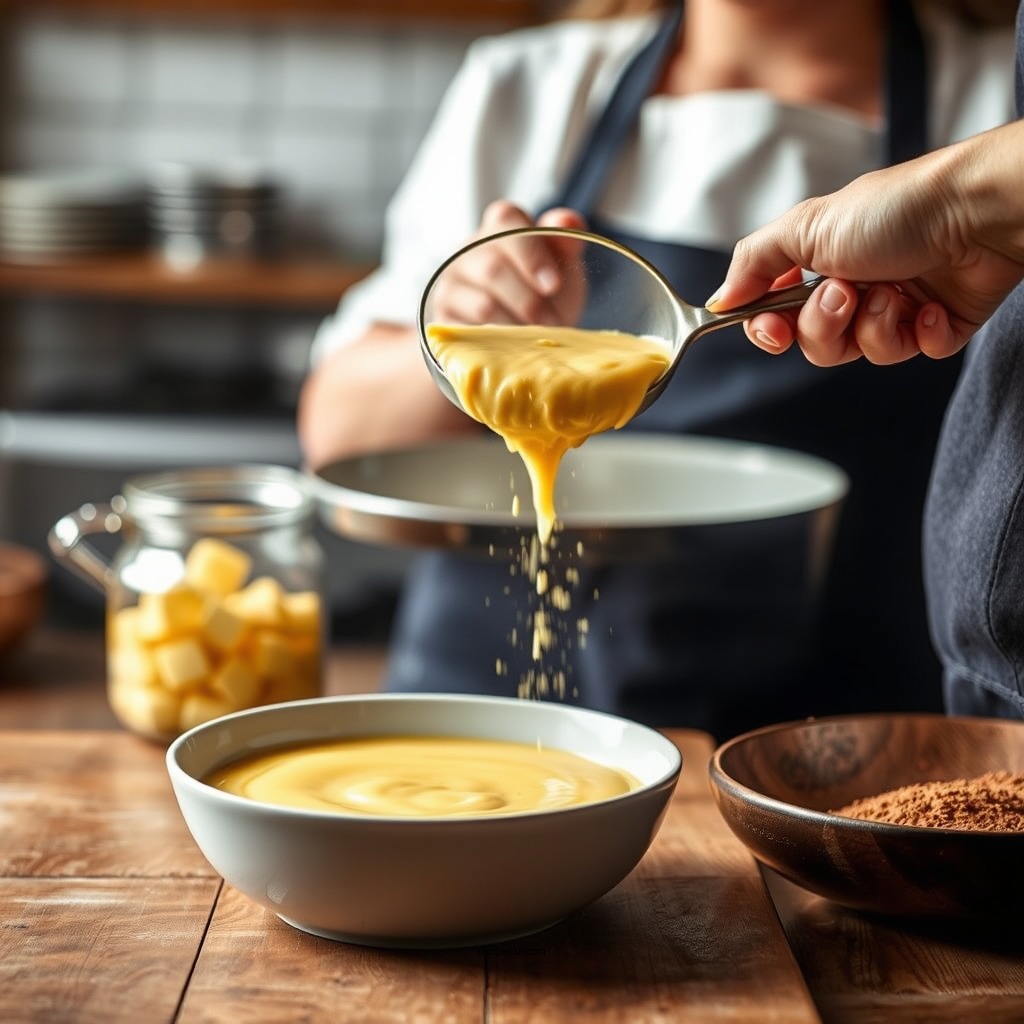
The preparation of the custard mixture is straightforward and can be accomplished in just a few steps:
– Whisking: Begin by cracking the eggs into a large mixing bowl. Add the sugar and vanilla extract, if using. Whisk the ingredients together until smooth and well-blended, ensuring there are no lumps. This process helps to incorporate air, leading to a lighter texture.
– Heating: In a saucepan, gently warm the milk and cream over medium-low heat. Avoid boiling; instead, aim for a temperature that is hot to the touch but not simmering. This step is crucial as it helps to temper the eggs, preventing them from scrambling when combined.
– Combining: Gradually pour the heated milk and cream mixture into the egg mixture, whisking continuously. This method not only combines the ingredients but also helps maintain a smooth consistency.
Baking Techniques for Perfect Custard
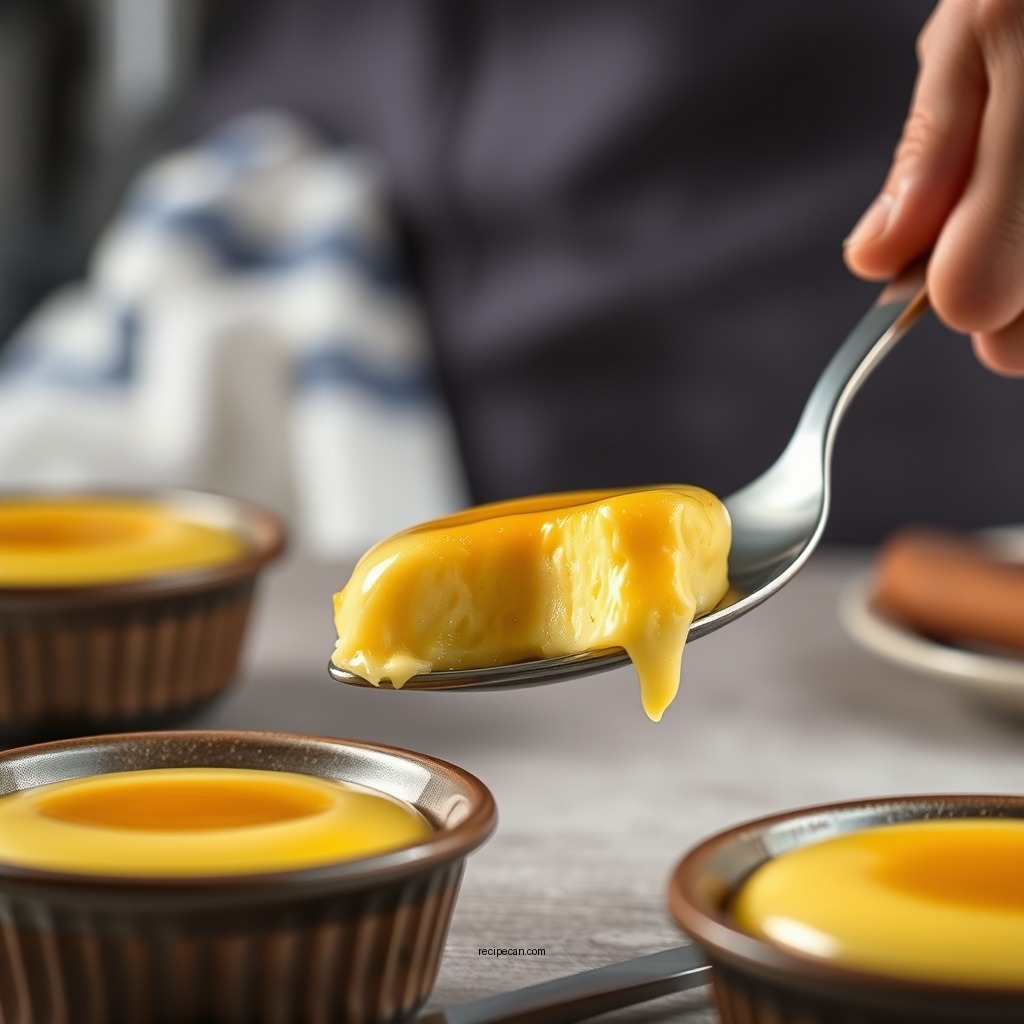
Achieving the ideal texture in baked egg custard hinges on a few essential baking techniques:
– Baking dish: Select a shallow baking dish or ramekins for even cooking. A water bath, or bain-marie, is highly recommended as it provides a gentle, consistent heat that prevents the custard from curdling.
– Temperature and timing: Preheat your oven to 325°F (160°C). Pour the custard mixture into the prepared dish and bake for approximately 40-50 minutes. The custard is done when it is set around the edges and slightly jiggly in the center. This careful baking ensures a creamy rather than rubbery texture.
Egg Custard Texture Ratings by Method
| # | Method | Texture Rating | Taste Rating | Preparation Time |
|---|---|---|---|---|
| 1 | Traditional Bake | ★★★★☆ | ★★★★★ | 50 min |
| 2 | Stovetop Method | ★★★☆☆ | ★★★★☆ | 30 min |
| 3 | Microwave Method | ★★☆☆☆ | ★★★☆☆ | 15 min |
| 4 | Slow Cooker | ★★★☆☆ | ★★★★☆ | 120 min |
| 5 | Pressure Cooker | ★★★★☆ | ★★★★★ | 25 min |
Flavor Variations to Try
While traditional baked egg custard is delightful on its own, you can enhance its flavor profile with some creative variations:
– Vanilla extract: This classic addition infuses the custard with a warm, sweet aroma. For a more robust vanilla flavor, consider using vanilla bean paste or steeping whole vanilla beans in the milk and cream before mixing.
– Nutmeg or cinnamon: A sprinkle of freshly grated nutmeg or ground cinnamon on top not only adds an aromatic twist but also elevates the visual appeal. These spices complement the creaminess of the custard and add a layer of warmth.
– Chocolate or caramel: For a different take, consider swirling in melted chocolate or caramel sauce before baking. This creates a delightful contrast of flavors and textures.
Serving Suggestions
Baked egg custard is versatile in its serving options, allowing for a customized experience:
– Chilled or warm: Depending on your preference, custard can be served warm right out of the oven or chilled in the refrigerator. Both options offer distinct experiences, with warm custard providing a comforting warmth and chilled custard offering a refreshing treat.
– Garnishes: Enhance the dish by topping with freshly whipped cream, seasonal fruits such as berries or peaches, or even a drizzle of honey or maple syrup. These garnishes add freshness and a pop of color, making your dessert visually appealing.
Common Mistakes to Avoid
To ensure your baked egg custard turns out perfectly every time, be aware of these common pitfalls:
– Overbaking: One of the most frequent mistakes is overbaking the custard. Keep a close eye on the baking time, as overbaked custard can lead to a rubbery texture. It’s better to err on the side of caution, checking for doneness a few minutes early.
– Not straining: Straining the custard mixture through a fine-mesh sieve before baking is essential for a smooth, lump-free custard. This step removes any coagulated egg bits and ensures a silky texture.
– Skipping the water bath: A water bath helps regulate the baking temperature, preventing direct heat from cooking the custard too quickly. Skipping this step can result in uneven cooking and curdling.
In summary, by following this old-fashioned baked egg custard recipe, you can create a delicious dessert that is both simple and satisfying. From the creamy texture to the rich flavor, this custard is a delightful addition to any gathering or a comforting treat at home. Whether you serve it chilled or warm, garnished or plain, it is sure to evoke a sense of nostalgia and joy. Try this recipe today and savor the creamy goodness that has stood the test of time!
Frequently Asked Questions
What ingredients do I need for an old fashioned baked egg custard recipe?
To make a classic old fashioned baked egg custard, you will need eggs, milk, sugar, vanilla extract, and a pinch of salt. Some recipes may also include nutmeg or cinnamon for added flavor. Ensure you use fresh ingredients for the best texture and taste in your custard.
How do I achieve the perfect texture in my baked egg custard?
To achieve a creamy and smooth texture in your baked egg custard, it’s essential to properly temper the eggs by gradually adding the hot milk mixture while whisking. Additionally, bake the custard in a water bath to ensure even cooking, which helps prevent curdling and promotes a silky consistency.
Why is my baked egg custard not setting properly?
If your baked egg custard is not setting, it may be due to undercooking or incorrect ratios of ingredients. Make sure to bake it long enough until it reaches a gentle jiggle in the center, and ensure you are using the right amount of eggs and milk for the recipe. An oven thermometer can help you verify the baking temperature.
What is the best way to serve old fashioned baked egg custard?
The best way to serve old fashioned baked egg custard is chilled, either on its own or topped with a sprinkle of nutmeg or cinnamon. You can also pair it with fresh fruits or a dollop of whipped cream for added flavor and presentation. Serving it in individual ramekins adds an elegant touch.
Which baking dish is ideal for making baked egg custard?
An ideal baking dish for making baked egg custard is a shallow, oven-safe dish or individual ramekins. A shallow dish allows for even cooking and better texture, while ramekins provide portion control and beautiful presentation. Ensure the dish is suitable for a water bath to prevent overcooking.
References
- Custard
https://en.wikipedia.org/wiki/Custard - https://www.bbc.co.uk/food/recipes/egg_custard_63756
https://www.bbc.co.uk/food/recipes/egg_custard_63756 - NYT Cooking – Recipes and Cooking Guides From The New York Times
https://www.nytimes.com/recipes/1014571/egg-custard - https://www.sciencedirect.com/topics/food-science/custard
https://www.sciencedirect.com/topics/food-science/custard - Custard | Definition, Ingredients, & Preparation | Britannica
https://www.britannica.com/topic/custard - Google Scholar Google Scholar
https://scholar.google.com/scholar?q=baked+egg+custard+recipe - Google Scholar Google Scholar
https://scholar.google.com/scholar?q=custard+recipe - https://pubmed.ncbi.nlm.nih.gov/?term=egg+custard
https://pubmed.ncbi.nlm.nih.gov/?term=egg+custard - https://www.cdc.gov/nutrition/resources-publications/food-safety.html
https://www.cdc.gov/nutrition/resources-publications/food-safety.html - Sitting risks: How harmful is too much sitting? – Mayo Clinic
https://www.mayoclinic.org/healthy-lifestyle/nutrition-and-healthy-eating/expert-answers/egg-nutrition/faq-20058005