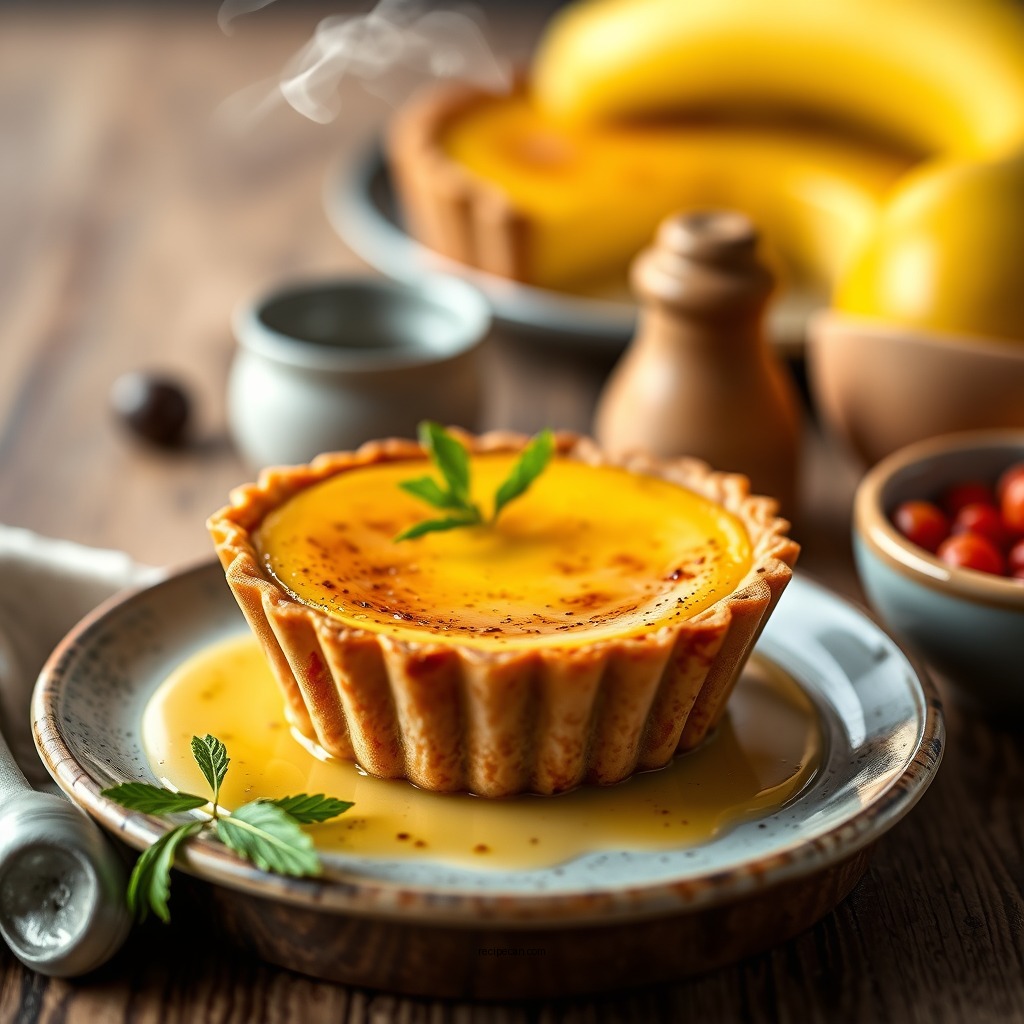
To make delightful Portuguese custard tarts, known as Pastéis de Nata, you’ll need a few essential ingredients and some patience for the perfect flaky pastry and creamy filling. This recipe will guide you through the process of creating these delicious treats right in your own kitchen, ensuring they turn out just like the ones from Portugal. The charm of Pastéis de Nata lies not only in their taste but also in their texture—the crisp pastry meets a creamy custard, resulting in an irresistible dessert.
Ingredients You’ll Need
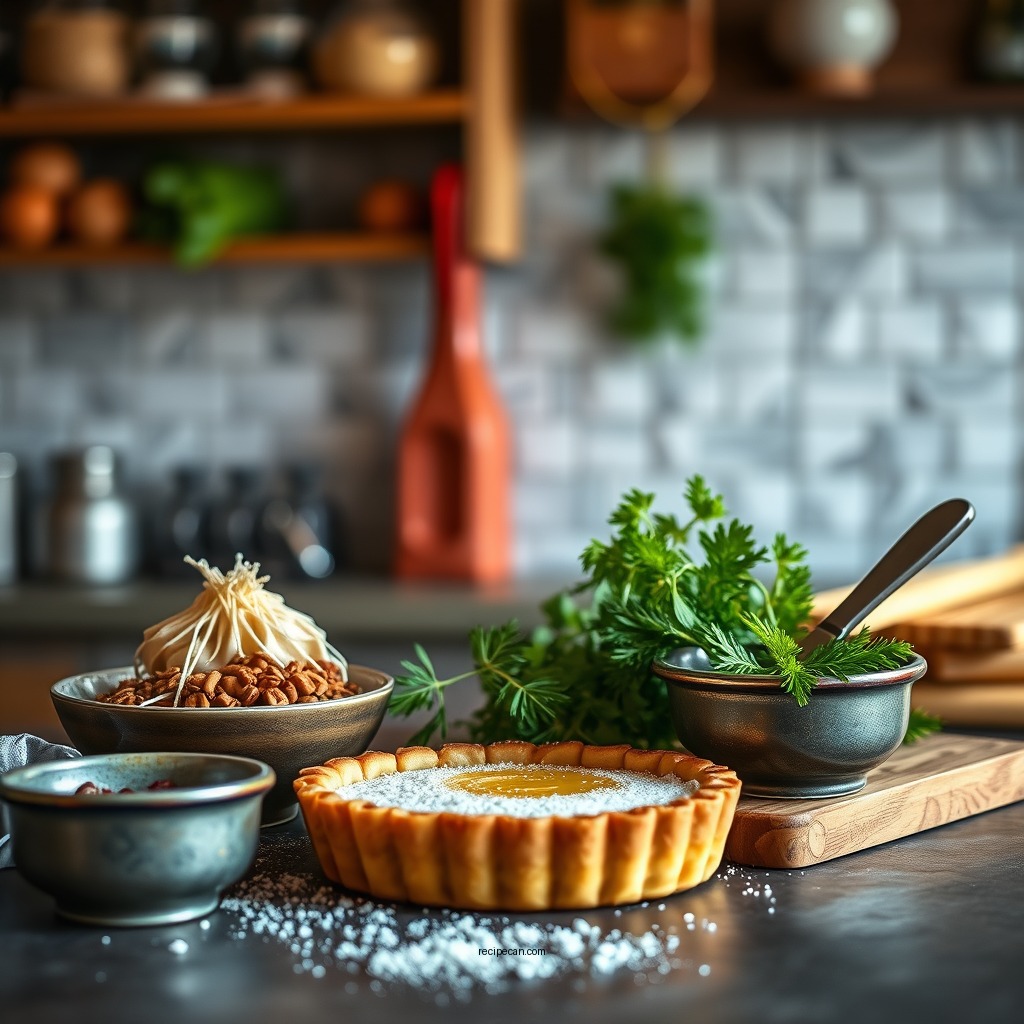
To create these iconic tarts, you will need the following ingredients:
For the Pastry:
– 250g all-purpose flour
– 125g unsalted butter (chilled)
– 1/4 teaspoon salt
– 90ml cold water
For the Custard Filling:
– 500ml whole milk
– 150g granulated sugar
– 6 large egg yolks
– 2 tablespoons cornstarch
– 1 teaspoon vanilla extract
– Zest of one lemon (optional for added flavor)
When selecting your ingredients, opt for high-quality butter and eggs, as these will significantly enhance the flavor and texture of your tarts. The butter should be unsalted and chilled to ensure a flaky pastry, while the milk should be full-fat for the creamiest custard.
Preparing the Pastry
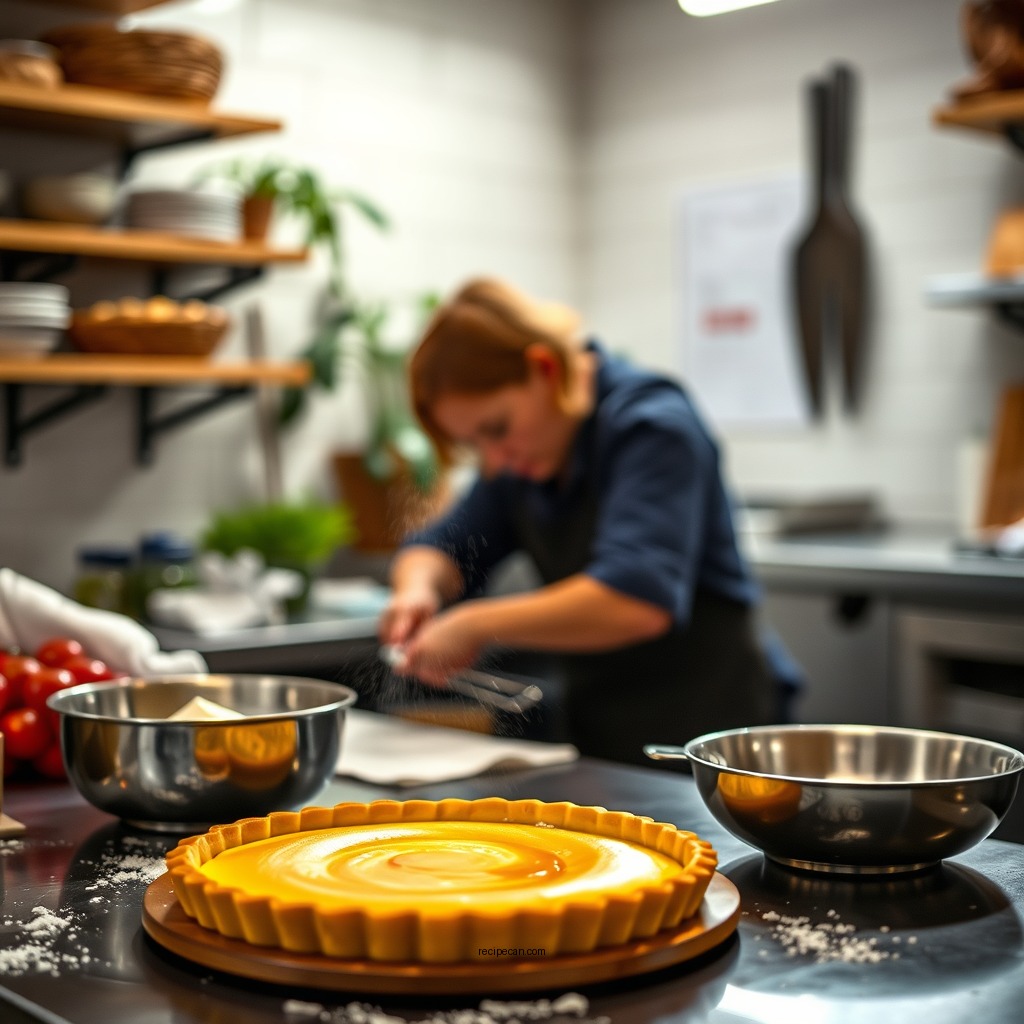
1. Mixing the Dough: In a large mixing bowl, combine the flour and salt. Cut the chilled butter into small cubes and add it to the flour mixture. Use your fingertips to rub the butter into the flour until the mixture resembles coarse breadcrumbs.
2. Adding Water: Gradually add the cold water, mixing until the dough just comes together. Avoid overworking the dough to keep it tender.
3. Chilling the Dough: Shape the dough into a disc, wrap it in plastic wrap, and refrigerate for at least 30 minutes. Chilling is crucial as it helps the gluten relax, resulting in a lighter, flakier pastry.
4. Rolling Out the Dough: After chilling, roll out the dough on a lightly floured surface to about 2mm thickness. This will create a base for your tarts.
Making the Custard Filling
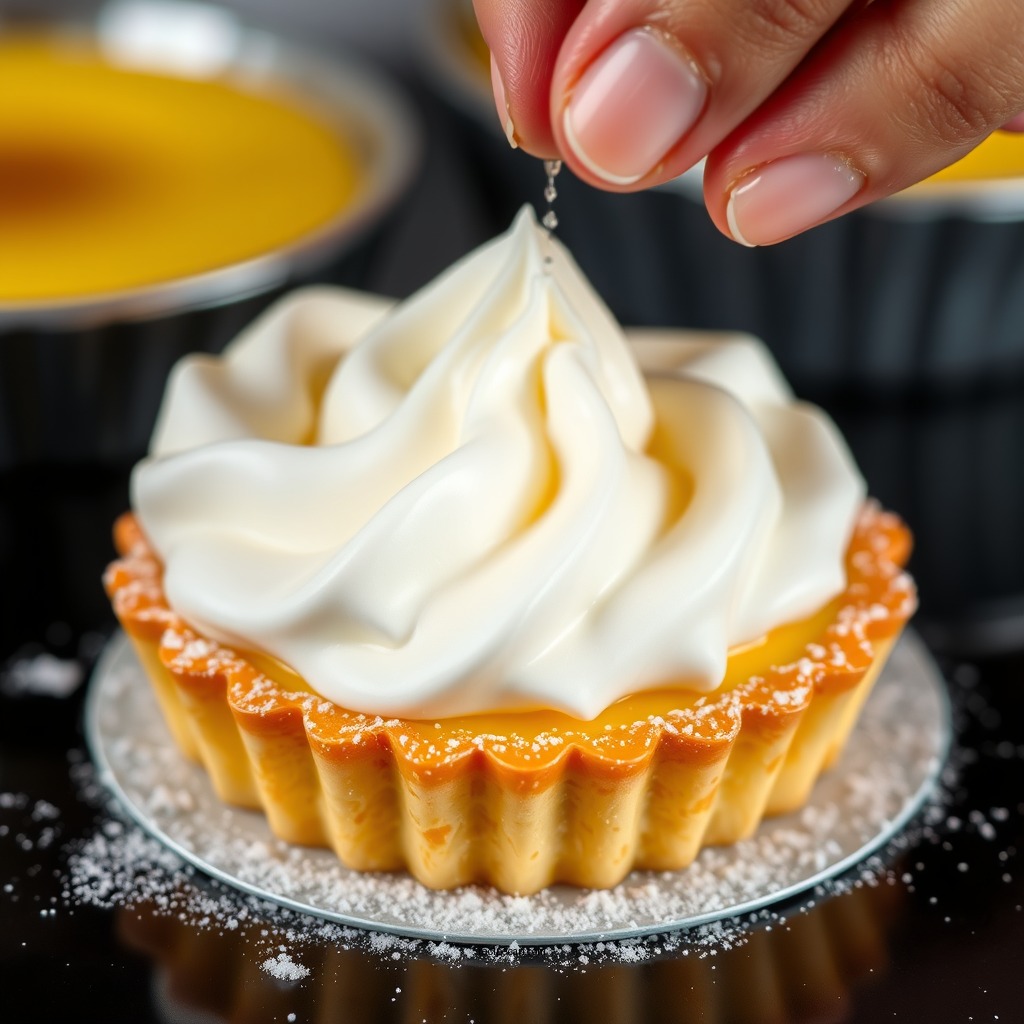
1. Heating the Milk: In a saucepan, heat the whole milk over medium heat until it almost reaches a boil. Remove it from the heat and let it cool slightly.
2. Mixing the Egg Yolks: In a mixing bowl, whisk together the egg yolks, sugar, cornstarch, and vanilla extract until well combined.
3. Tempering the Eggs: Slowly pour the warm milk into the egg mixture, whisking constantly to prevent the eggs from cooking. Once combined, return the mixture to the saucepan.
4. Cooking the Custard: Cook over low heat, stirring continuously until the mixture thickens and starts to bubble. This should take about 5-7 minutes. Remove from heat and let it cool.
Tips for Perfect Custard:
– Ensure the milk is warm but not boiling when mixing with the eggs.
– Stir continuously while cooking to prevent the custard from sticking to the bottom of the pan.
Assembling the Tarts
1. Preparing the Tart Shells: Preheat your oven to 250°C (482°F). Grease your muffin tins or tartlet pans with butter.
2. Lining the Tins: Roll the pastry into a large circle and cut it into smaller circles to fit the muffin tins. Press the dough into the bottom and up the sides of each tin.
3. Filling the Tart Shells: Carefully pour the custard into the lined pastry shells, filling them about 3/4 full to allow for expansion.
Baking the Tarts
1. Oven Temperature and Time: Bake the tarts in the preheated oven for approximately 15-20 minutes, or until the tops are golden brown with a slight caramelization.
2. Achieving the Signature Top: For that characteristic burnt edge, you can use a kitchen torch to lightly char the tops after baking. This will enhance the flavor and presentation.
Serving Suggestions
Pastéis de Nata are best enjoyed warm, but they can also be served at room temperature. For an extra touch, dust them with cinnamon or powdered sugar before serving. They pair beautifully with strong coffee, espresso, or even a sweet dessert wine.
Storing and Reheating
To maintain freshness, store any leftover tarts in an airtight container at room temperature for up to two days. For longer storage, refrigerate them, but be aware that refrigeration may affect the texture of the pastry.
To reheat, place the tarts in a preheated oven (about 180°C or 350°F) for 5-10 minutes to restore their flakiness without compromising the custard.
Top Ingredients for Authentic Pastéis de Nata (2024)
| # | Ingredient | Quality Rating | Source | Notes |
|---|---|---|---|---|
| 1 | All-Purpose Flour | ★★★★☆ | Local Mill | Freshly Milled |
| 2 | Unsalted Butter | ★★★★★ | Grass-Fed | Rich Flavor |
| 3 | Granulated Sugar | ★★★★☆ | Organic | Fine Texture |
| 4 | Whole Milk | ★★★★★ | Local Dairy | Creamy |
| 5 | Egg Yolks | ★★★★★ | Free-Range | Rich Color |
| 6 | Vanilla Extract | ★★★★☆ | Pure | Aromatic |
| 7 | Cornstarch | ★★★☆☆ | Non-GMO | Basic |
Popularity of Portuguese Custard Tarts (2024)
By following this recipe, you’ll be able to recreate the iconic flavors of Portuguese custard tarts in your home. Enjoy sharing them with family and friends, or savoring them yourself as a delightful treat. Don’t forget to experiment with different toppings and presentation styles to make them truly your own!
Frequently Asked Questions
What are the main ingredients needed for a Portuguese custard tart recipe?
The main ingredients for a traditional Portuguese custard tart, or “Pastéis de Nata,” include puff pastry, egg yolks, sugar, heavy cream, milk, vanilla extract, and a pinch of cinnamon. These ingredients combine to create a rich and creamy custard filling encased in a flaky pastry, resulting in a delightful treat.
How do I achieve the perfect flaky pastry for my custard tarts?
To achieve the perfect flaky pastry for your Portuguese custard tarts, it’s essential to use cold ingredients and handle the dough minimally. Roll out the puff pastry and fold it several times to create layers, then refrigerate it before baking. This ensures that the butter remains cold, which is crucial for achieving that desired flakiness.
Why is my custard filling not setting properly in my Portuguese tarts?
If your custard filling is not setting properly, it could be due to undercooking or incorrect proportions of egg yolks and cream. Ensure you are using the right ratio, typically around four egg yolks for every cup of cream, and bake the tarts until the custard is slightly wobbly in the center, as it will continue to set as it cools.
What is the best way to serve Portuguese custard tarts?
The best way to serve Portuguese custard tarts is warm, dusted with a light sprinkle of cinnamon or powdered sugar. This enhances the flavor and adds a touch of sweetness. Pairing them with a strong espresso or a cup of tea can also elevate the tasting experience.
Which tips can help me avoid common mistakes when making Portuguese custard tarts?
To avoid common mistakes when making Portuguese custard tarts, ensure your oven is preheated to a high temperature for a short baking time, which helps achieve a crispy crust. Additionally, strain your custard mixture before filling the pastry to eliminate any lumps and guarantee a smooth texture. Lastly, don’t skip chilling the pastry, as this is vital for maintaining the right consistency.
References
- Pastel de nata
https://en.wikipedia.org/wiki/Pastéis_de_nata - https://www.bbc.co.uk/food/recipes/pasteis_de_nata_13228
https://www.bbc.co.uk/food/recipes/pasteis_de_nata_13228 - https://www.theguardian.com/food/2020/jul/08/how-to-make-pasteis-de-nata-portuguese-custard-tarts
https://www.theguardian.com/food/2020/jul/08/how-to-make-pasteis-de-nata-portuguese-custard-tarts - https://www.nytimes.com/2019/05/01/dining/pasteis-de-nata-recipe.html
https://www.nytimes.com/2019/05/01/dining/pasteis-de-nata-recipe.html - https://www.sciencedirect.com/topics/food-science/pasteis-de-nata
https://www.sciencedirect.com/topics/food-science/pasteis-de-nata - https://www.jstor.org/stable/10.5325/foodreviw.5.1.0149
https://www.jstor.org/stable/10.5325/foodreviw.5.1.0149 - https://www.britannica.com/topic/pasteis-de-nata
https://www.britannica.com/topic/pasteis-de-nata - Google Scholar Google Scholar
https://scholar.google.com/scholar?q=portuguese+custard+tart+recipe - Google Scholar Google Scholar
https://scholar.google.com/scholar?q=pasteis+de+nata+history - Google Scholar Google Scholar
https://scholar.google.com/scholar?q=portuguese+cuisine+desserts