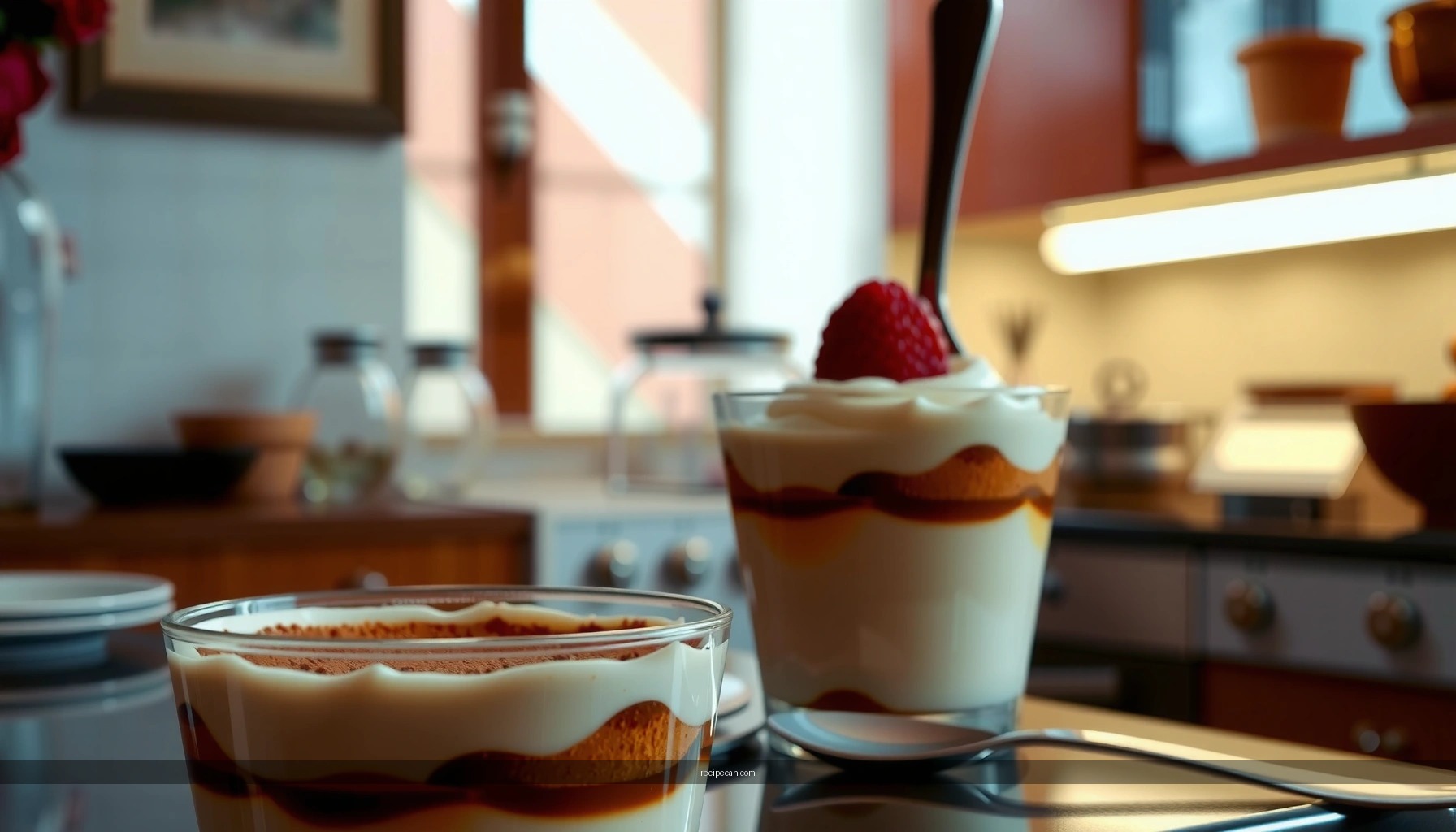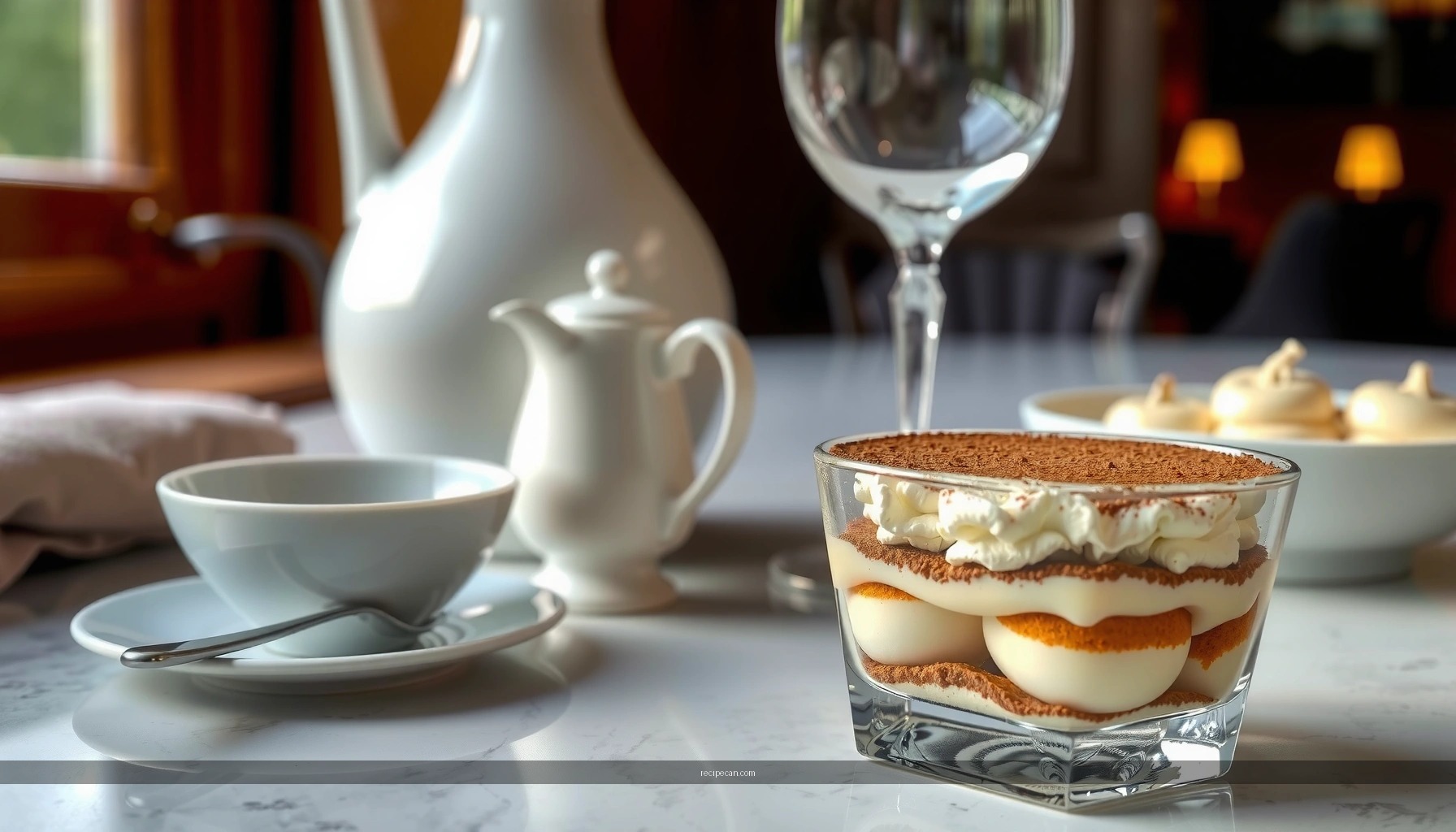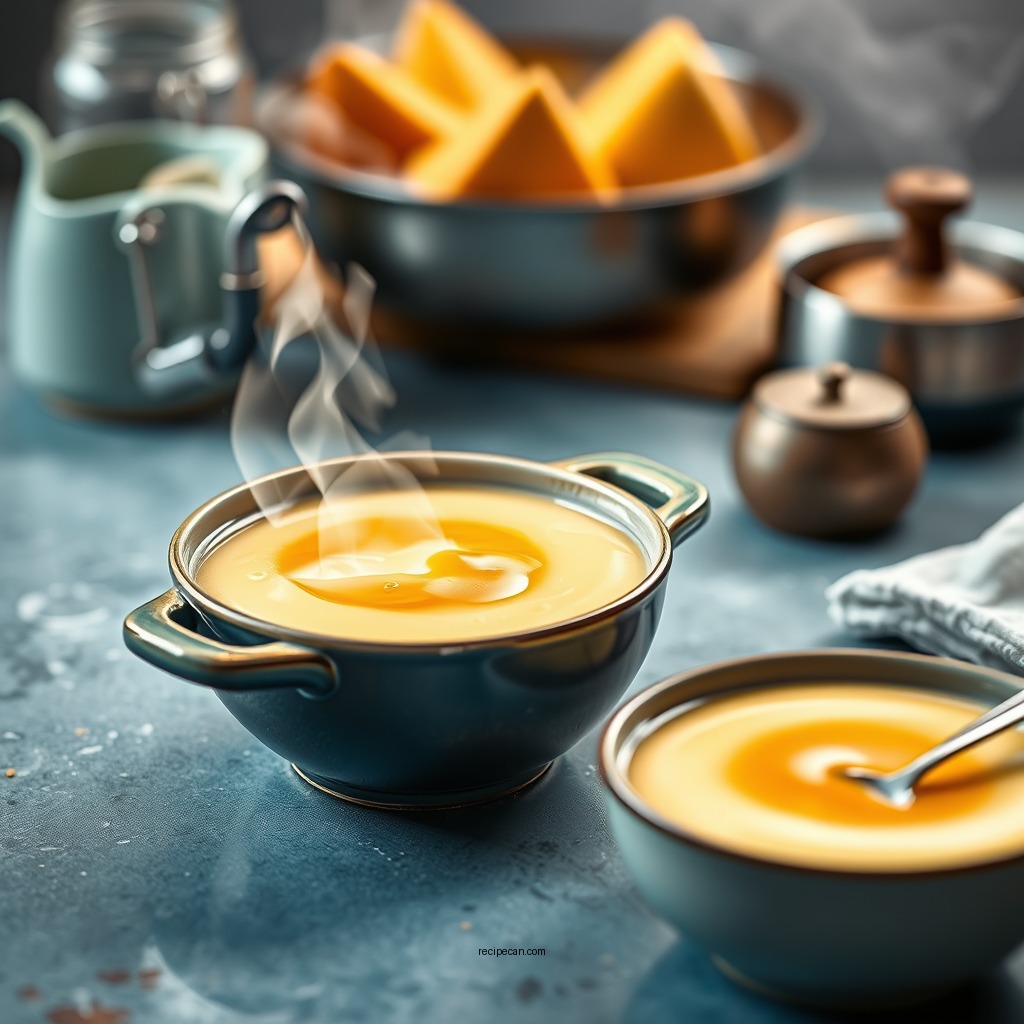
Making custard is surprisingly easy and requires just a few basic ingredients. In this guide, you’ll learn how to prepare a smooth and creamy custard perfect for desserts or as a base for other recipes. Whether you’re new to cooking or looking to refine your skills, this step-by-step approach will help you succeed. Custard serves as a versatile component in various dishes, adding richness and depth to both sweet and savory creations.
Understanding Custard Types
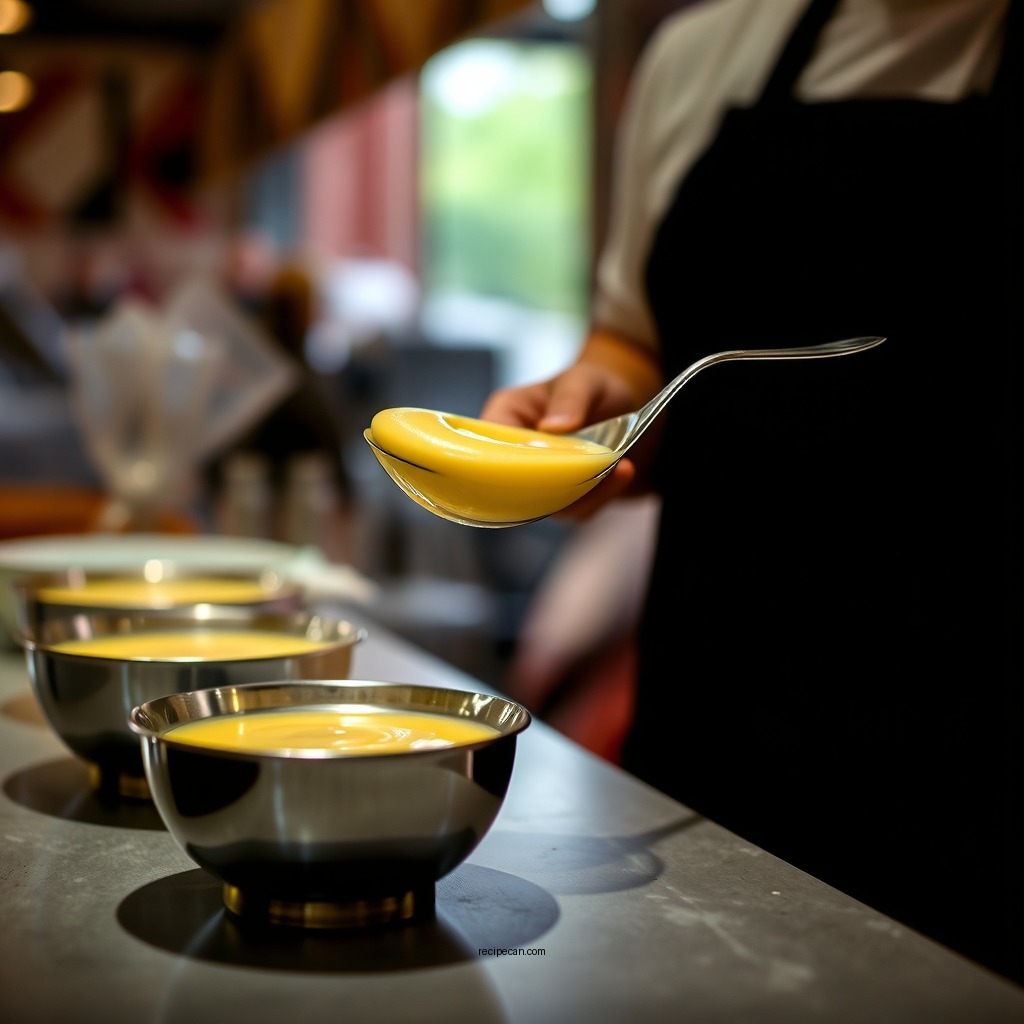
Custard comes in several forms, each with its unique characteristics and uses. The most common types include pastry cream, crème brûlée, and custard sauce.
– Pastry Cream: This is a thick custard used primarily as a filling for pastries, cakes, and tarts. It’s cooked on the stovetop and thickened with cornstarch for a stable consistency that holds up well in baked goods.
– Crème Brûlée: A classic French dessert, crème brûlée is a rich custard topped with a layer of caramelized sugar. It is baked in a water bath to ensure even cooking, resulting in a silky texture.
– Custard Sauce (Crème Anglaise): This is a pourable custard often served with desserts like fruit tarts and cakes. It’s lighter than pastry cream and typically flavored with vanilla, making it an excellent accompaniment for various desserts.
Understanding these distinctions can help you choose the right custard for your culinary needs, whether filling a tart or drizzling over a dessert.
Essential Ingredients
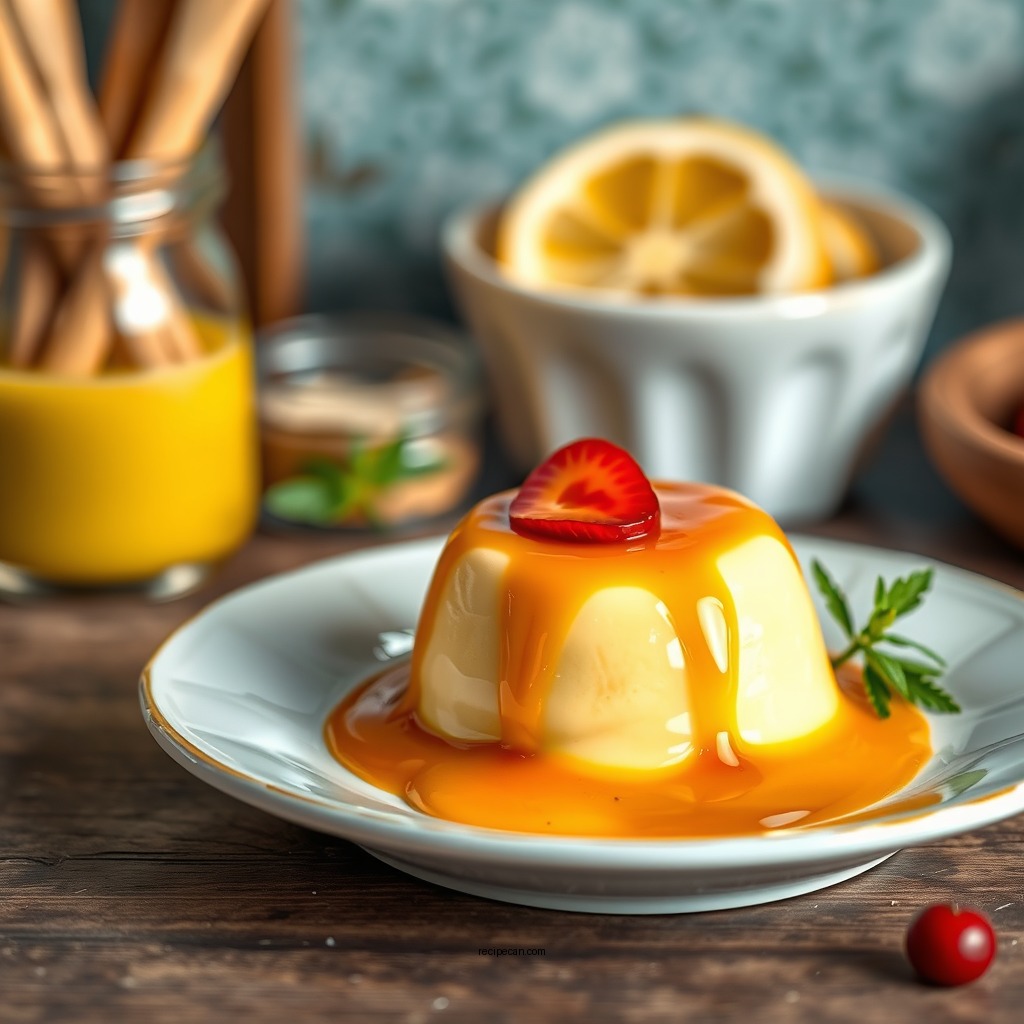
To make a basic custard, you’ll need the following essential ingredients:
– Eggs: Eggs are the key thickening agent in custard. The proteins in the egg coagulate when heated, providing the custard with its rich and creamy texture. Typically, whole eggs or just the yolks are used, depending on the recipe.
– Milk or Cream: This ingredient adds creaminess and flavor to the custard. While whole milk is often sufficient, using heavy cream or a combination of milk and cream can elevate the richness of your custard.
– Sugar: Granulated sugar sweetens the custard. The amount can be adjusted based on personal preference and the intended use of the custard.
– Flavorings: Common flavorings include vanilla extract, chocolate, or citrus zest. These add complexity and depth to the custard, enhancing its overall flavor profile.
Step-by-Step Custard Making
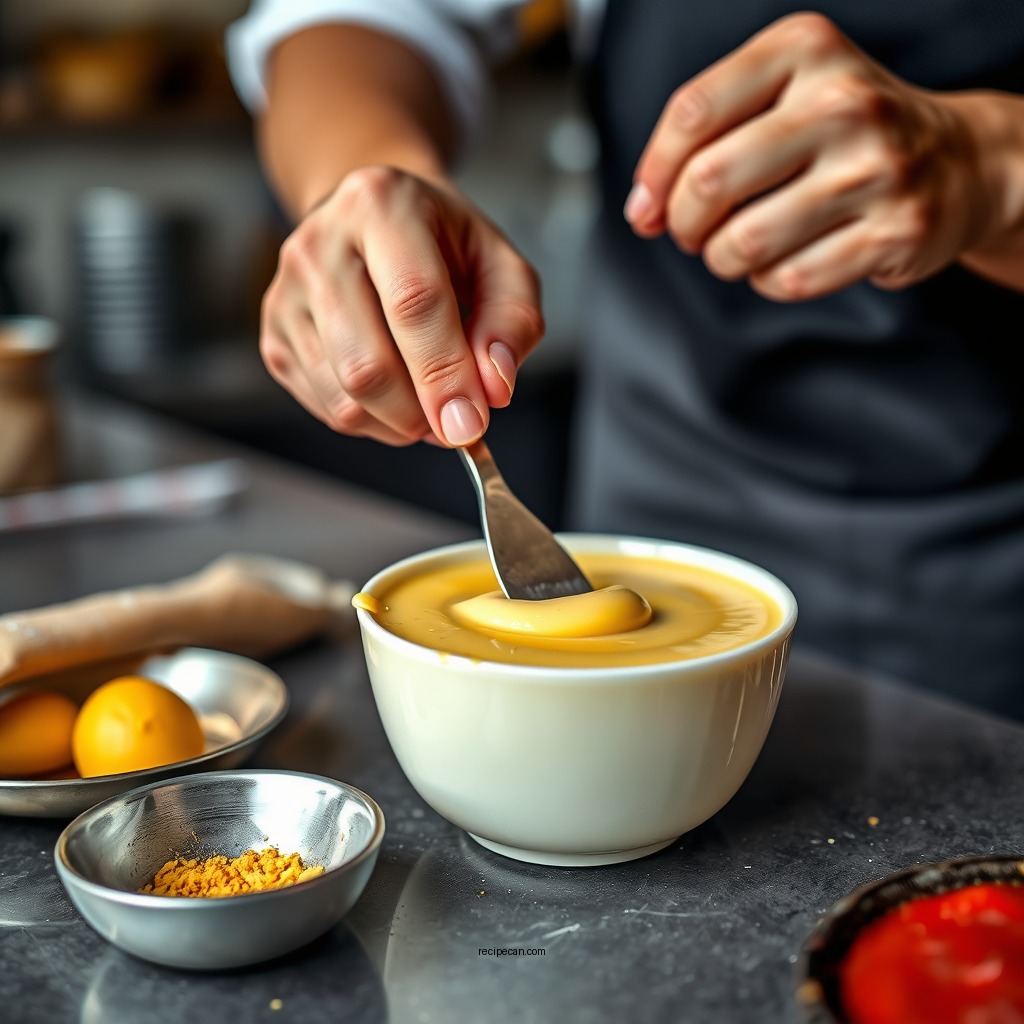
Making custard requires careful attention to detail. Follow this simple step-by-step process:
1. Combine Ingredients: In a medium bowl, whisk together eggs, sugar, and milk or cream until well blended. Ensure the sugar is dissolved completely to avoid a grainy texture.
2. Heat Gently: Transfer the mixture to a saucepan and cook over low to medium heat. It’s crucial to stir constantly to prevent the eggs from scrambling. This gentle heating allows the custard to thicken slowly without curdling.
3. Check for Doneness: The custard is done when it coats the back of a spoon and holds a line when you run your finger through it. This usually takes about 10-15 minutes.
4. Cool and Store: Once thickened, remove the custard from heat and strain it through a fine-mesh sieve into a bowl to remove any lumps. Allow it to cool before using, or refrigerate for later use.
📋 MANDATORY DATA TABLE
Comparison of Custard Types
| # | Custard Type | Texture | Use | Cooking Method |
|---|---|---|---|---|
| 1 | Pastry Cream | Thick | Pastries, Tarts | Stovetop |
| 2 | Crème Brûlée | Rich | Desserts | Baked |
| 3 | Custard Sauce | Pourable | Tarts, Cakes | Stovetop |
📈 MANDATORY BAR CHART
Custard Cooking Method Efficiency
Tips for Perfect Custard
Creating the perfect custard requires attention to detail and technique. Here are some tips to ensure your custard turns out flawlessly every time:
– Use a Double Boiler: Cooking custard in a double boiler helps control the temperature and prevents scorching. This method distributes heat evenly and reduces the risk of curdling.
– Strain the Mixture: After cooking, strain the custard through a fine-mesh sieve to remove any coagulated egg particles. This step ensures a silky-smooth texture.
– Monitor the Temperature: Keep a close eye on the cooking temperature. Custard should be cooked gently over low heat. A thermometer can help, ensuring you do not exceed 170°F (77°C) to avoid scrambling the eggs.
– Cool Gradually: Once cooked, allow the custard to cool gradually at room temperature before refrigerating. Rapid cooling can lead to separation or a grainy texture.
Common Mistakes to Avoid
Even experienced cooks can make errors when preparing custard. Here are some common pitfalls to watch out for:
– Cooking Too Fast: High heat is the enemy of custard; it can cause the eggs to scramble rather than thicken. Always use low to medium heat and stir continuously.
– Not Stirring Enough: Stirring is crucial for even cooking and preventing lumps. Make sure to stir the custard constantly while it cooks to achieve a smooth consistency.
– Overcooking: Custard should be removed from heat as soon as it thickens. Overcooking can lead to a rubbery texture. It’s better to err on the side of undercooking if you’re unsure, as it can continue to thicken after being removed from the heat.
– Neglecting Flavoring: Don’t forget to add flavorings like vanilla, nutmeg, or chocolate. These can greatly enhance the overall taste of your custard.
Serving Suggestions
Custard is a versatile ingredient that can elevate many desserts. Here are some serving suggestions:
– Pair with Desserts: Custard can be served with a variety of desserts, such as pies, cakes, or fresh fruit. It adds a creamy, luxurious element that enhances any dish.
– Flavor Variations: Experiment with different flavors to create unique custards. Consider adding vanilla beans, chocolate, or citrus zest for a refreshing twist. You can also infuse the milk with herbs like mint or basil for an unexpected flavor.
– Use as a Base: Custard can serve as a base for other desserts, such as ice cream or panna cotta. It can be frozen or whipped to create lighter textures.
Your custard journey can lead to delicious creations with just a bit of practice. By following these straightforward steps and tips, you’ll be able to whip up a custard that impresses everyone. Try making your first batch today and explore the versatility of this classic dish!
Frequently Asked Questions
What are the basic ingredients needed for a custard recipe?
To make a classic custard, you’ll need three basic ingredients: eggs, sugar, and milk. Some recipes may also call for cream for a richer texture, as well as vanilla extract for flavor. This simple combination creates a smooth and creamy custard base that can be enjoyed on its own or used in various desserts.
How do you prevent custard from curdling while cooking?
To prevent custard from curdling, it’s essential to cook it slowly over low heat and constantly stir the mixture. Gradually adding warm milk to the egg mixture (tempering) before combining helps to maintain a smooth texture. Using a double boiler can also help control the temperature and avoid direct heat that may cause curdling.
Why is my custard too runny, and how can I fix it?
A runny custard often results from insufficient cooking or an incorrect ratio of eggs to liquid. To fix it, return the custard to low heat and cook it gently while stirring continuously until it thickens. For future recipes, ensure you’re using the right amount of eggs and check for doneness by seeing if it coats the back of a spoon.
What is the best method for cooling custard after cooking?
The best method for cooling custard is to transfer it to a clean bowl and place the bowl in an ice bath, stirring occasionally. This technique helps to cool the custard quickly and evenly, preventing overcooking. Alternatively, you can let it cool at room temperature before refrigerating it, but this may take longer.
Which types of custard can be made from a basic custard recipe?
A basic custard recipe can be adapted to create various types of custards, including pastry cream, crème brûlée, and flan. By adjusting the sugar content, incorporating flavorings, or altering the cooking technique, you can achieve different textures and tastes suitable for a wide range of desserts.
References
- Custard
https://en.wikipedia.org/wiki/Custard - https://www.bbc.co.uk/food/recipes/custard_74606
https://www.bbc.co.uk/food/recipes/custard_74606 - https://www.sciencedirect.com/topics/food-science/custard
https://www.sciencedirect.com/topics/food-science/custard - Custard | Definition, Ingredients, & Preparation | Britannica
https://www.britannica.com/topic/custard - Google Scholar Google Scholar
https://scholar.google.com/scholar?q=custard+recipe - Google Scholar Google Scholar
https://scholar.google.com/scholar?q=how+to+make+custard - https://pubmed.ncbi.nlm.nih.gov/?term=custard+recipe
https://pubmed.ncbi.nlm.nih.gov/?term=custard+recipe - Shrinking through cilia-induced self-eating | Nature Reviews Molecular Cell Biology
https://www.nature.com/articles/nrm.2016.85 - https://www.ncbi.nlm.nih.gov/pmc/articles/PMC5825796/
https://www.ncbi.nlm.nih.gov/pmc/articles/PMC5825796/ - https://www.mayoclinic.org/healthy-lifestyle/nutrition-and-healthy-eating/in-depth/desserts/art-20045905
https://www.mayoclinic.org/healthy-lifestyle/nutrition-and-healthy-eating/in-depth/desserts/art-20045905