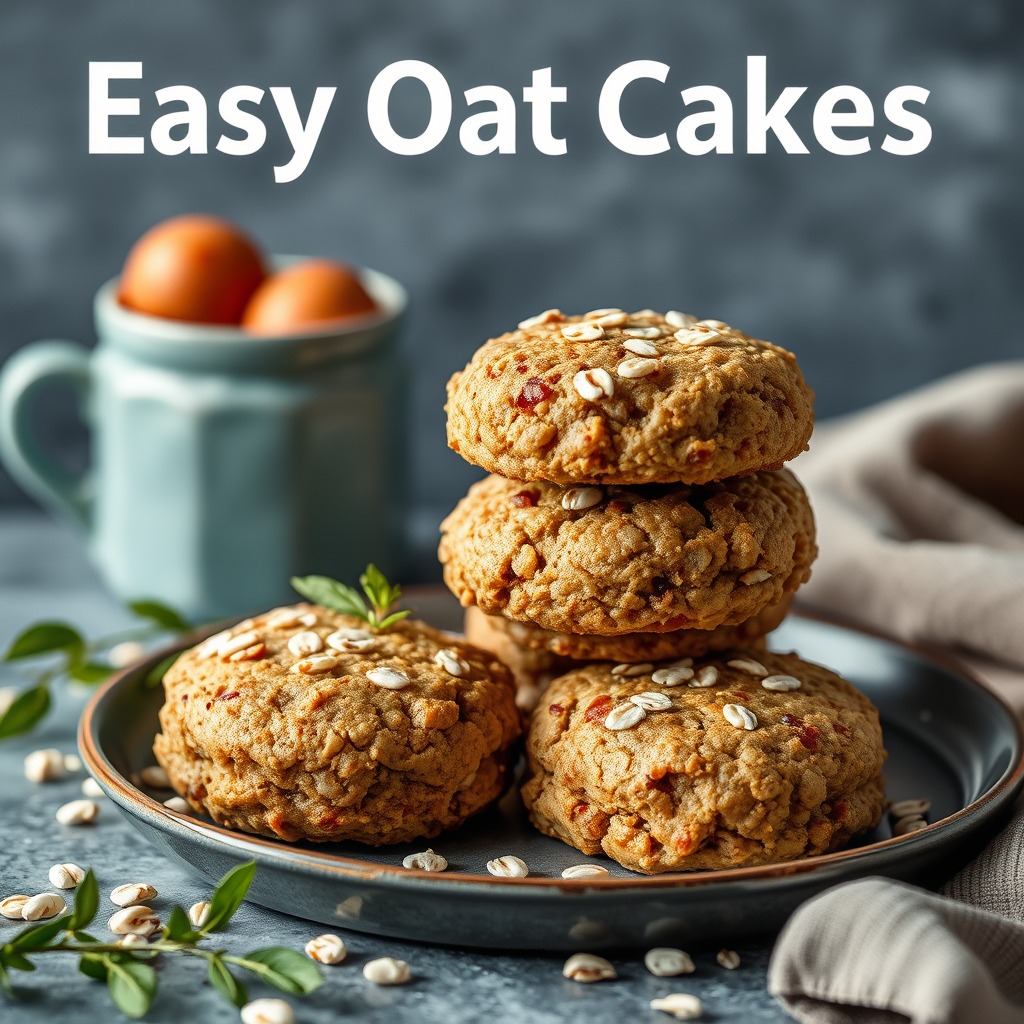
Making oat cakes is straightforward and fulfilling, enabling you to savor a wholesome and tasty snack in no time. This recipe brings together nutritious oats with a handful of simple ingredients, resulting in a delightful treat perfect for any occasion. In this article, you’ll discover how to prepare oat cakes from scratch, customize them to suit your preferences, and store them effectively for future enjoyment.
Ingredients Needed for Oat Cakes
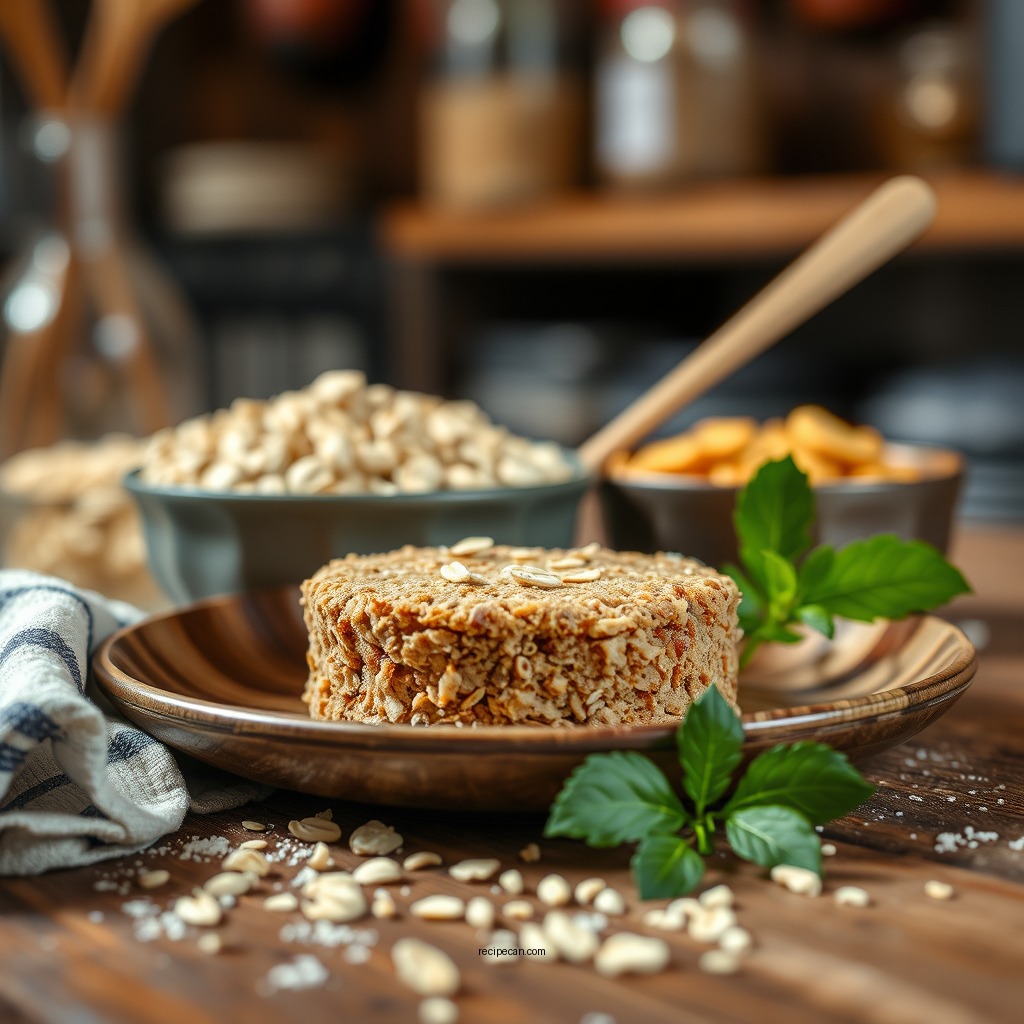
To create delicious oat cakes, you’ll need a few key ingredients that not only offer flavor but also pack a nutritional punch.
– Rolled oats: The foundation of the oat cake, rolled oats provide both texture and essential nutrients such as fiber, protein, and various vitamins and minerals. They are known for their heart-healthy benefits and can help maintain a balanced diet.
– Sweetener: To enhance the flavor of your oat cakes, you can choose from various sweeteners. Options include honey, maple syrup, agave nectar, or brown sugar. Each sweetener will impart a unique taste, allowing you to personalize your oat cakes based on your preference for sweetness and flavor profile.
– Additional mix-ins: For extra flavor and texture, consider adding various mix-ins. Choices include chopped nuts (such as walnuts or almonds), dried fruits (like cranberries or apricots), or even chocolate chips for a sweeter twist. These additions not only enhance the taste but also contribute additional nutrients.
Step-by-Step Preparation
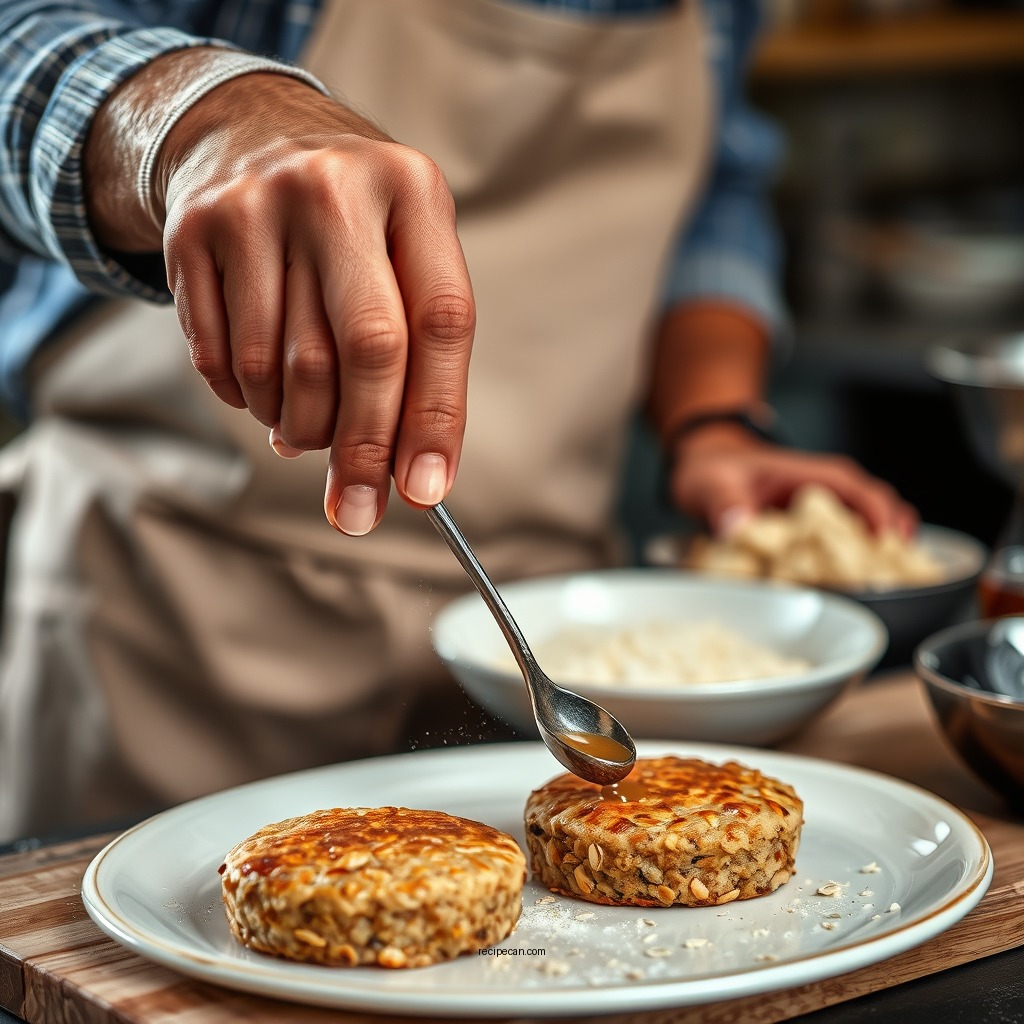
The preparation of oat cakes involves a few straightforward steps that anyone can follow, regardless of their baking experience.
– Mixing dry ingredients: Begin by combining your rolled oats with flour (whole wheat or regular) and a leavening agent like baking powder in a large mixing bowl. This mixture forms the base of your oat cakes.
– Adding wet ingredients: In a separate bowl, combine melted butter or a healthier oil option (like coconut oil or olive oil) with your chosen sweetener. Mix until smooth, then pour this wet mixture into the dry ingredients. Stir until just combined; overmixing can lead to tougher cakes.
– Forming the cakes: With your dough ready, scoop out portions and shape them into round cakes, approximately the size of your palm. Place these on a lined baking sheet, ensuring they are spaced apart to allow for even baking.
Baking the Oat Cakes
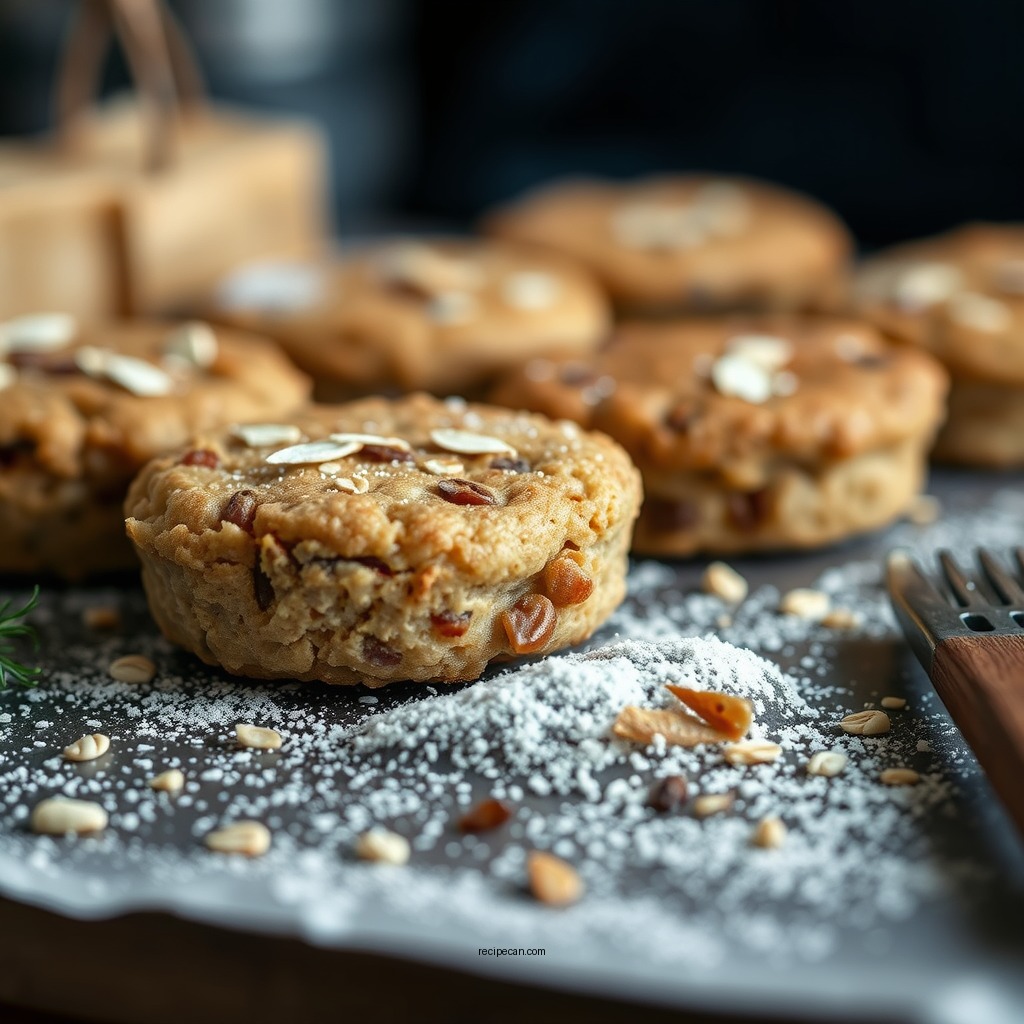
Baking oat cakes properly is crucial to achieving the perfect texture and flavor.
– Preheating the oven: Preheat your oven to 350°F (175°C). This step is essential for ensuring even baking and preventing undercooked or overcooked cakes.
– Baking time: Typically, oat cakes require about 15-20 minutes in the oven. Keep an eye on them, and remove them when they turn golden brown and firm to the touch.
– Cooling down: Once baked, let the oat cakes cool on a wire rack for at least 10 minutes before serving. This cooling period allows the flavors to deepen and the cakes to firm up, leading to a better texture.
Top 7 Ingredients for Oat Cakes (Nutritional Values per 100g)
| # | Ingredient | Calories | Fiber (g) | Protein (g) |
|---|---|---|---|---|
| 1 | Rolled Oats | 389 | 10.6 | 16.9 |
| 2 | Honey | 304 | 0.2 | 0.3 |
| 3 | Almonds | 576 | 12.5 | 21.1 |
| 4 | Coconut Oil | 892 | 0.0 | 0.0 |
| 5 | Brown Sugar | 377 | 0.0 | 0.0 |
| 6 | Dried Cranberries | 325 | 4.6 | 0.1 |
| 7 | Chocolate Chips | 502 | 1.0 | 3.4 |
Tips for Customizing Your Oat Cakes
Customization is key to making your oat cakes unique and suited to your taste.
– Flavor variations: Enhance your oat cakes with various spices. Adding cinnamon, nutmeg, or vanilla extract can elevate the flavor profile significantly. For a tropical twist, consider incorporating shredded coconut or pineapple.
– Healthier swaps: If you’re looking for a lighter option, consider substituting whole wheat flour for all-purpose flour or replacing half of the butter with unsweetened applesauce. This not only reduces the calorie content but also adds moisture to your cakes.
– Adding toppings: Top your oat cakes with yogurt, fresh fruits such as bananas or berries, or a drizzle of nut butter for added flavor and nutrition. These toppings can transform your oat cakes into a satisfying breakfast or a delightful dessert.
Storing and Serving Suggestions
Knowing how to store and serve your oat cakes will help you enjoy them over time.
– Proper storage: To keep your oat cakes fresh, store them in an airtight container at room temperature for up to a week. If you want them to last longer, consider refrigerating them or freezing them.
– Serving ideas: Oat cakes can be enjoyed at any time of the day. They make an excellent breakfast option paired with a side of fruit, a convenient snack for mid-afternoon cravings, or a wholesome dessert when served with a dollop of yogurt or a scoop of ice cream.
– Freezing: To freeze your oat cakes, allow them to cool completely, then wrap each cake individually in plastic wrap and place them in a freezer-safe bag. They can be stored for up to three months. When ready to eat, simply thaw them at room temperature or reheat them in the oven.
Oat Cake Nutritional Breakdown (per cake)
Common Mistakes to Avoid
When making oat cakes, it’s essential to be aware of common pitfalls that can affect the outcome.
– Overmixing: One of the most common mistakes is overmixing the batter. This can lead to dense and tough oat cakes. Mix until the ingredients are just combined to ensure a light texture.
– Incorrect baking time: Baking times can vary based on your oven and the size of your cakes. Keep a close watch to avoid burning or undercooking—golden brown is usually the best indicator of doneness.
– Skipping cooling: Allowing your oat cakes to cool properly is crucial. This step enhances their flavor and texture, making them more enjoyable. Rushing this process can result in a gummy or overly soft consistency.
In summary, making oat cakes is an easy and rewarding endeavor that yields a nutritious snack option. With the right ingredients and a few simple steps, you can create delicious oat cakes tailored to your taste. Experiment with different flavors and toppings to elevate your creations, and enjoy the satisfaction of homemade treats! Try out this recipe today and savor the delightful combination of health and indulgence.
Frequently Asked Questions
What ingredients do I need for a basic oat cakes recipe?
A basic oat cakes recipe typically requires rolled oats, flour (often whole wheat), baking powder, salt, butter or oil, and water or milk. You can also add sweeteners like honey or sugar for flavor. These simple ingredients make oat cakes a healthy and easy snack option.
How do I make oat cakes from scratch?
To make oat cakes from scratch, start by mixing your dry ingredients—rolled oats, flour, baking powder, and salt—in a bowl. Then, add melted butter and enough water or milk to form a dough. Roll it out, cut into shapes, and bake at 350°F (175°C) for about 15-20 minutes until golden. This simple process yields delicious, homemade oat cakes.
Why are oat cakes a healthy snack option?
Oat cakes are a healthy snack option because they are high in fiber, which aids digestion and keeps you feeling full longer. They also provide essential nutrients like vitamins and minerals due to the oats and whole grain flour. Additionally, they can be easily customized with fruits, nuts, or seeds for added health benefits.
What is the best way to store homemade oat cakes?
The best way to store homemade oat cakes is to let them cool completely before placing them in an airtight container. They can be stored at room temperature for up to a week or in the refrigerator for longer freshness. For extended storage, consider freezing them; just ensure they are well-wrapped to prevent freezer burn.
Which variations can I try to make my oat cakes more flavorful?
You can try various flavor variations for your oat cakes by adding ingredients like cinnamon, raisins, or chopped nuts to the dough. Additionally, experimenting with different sweeteners like maple syrup or brown sugar can enhance the taste. For a savory twist, consider adding herbs or cheese to your oat cake mix.
References
- Oatcake
https://en.wikipedia.org/wiki/Oatcake - https://www.bbc.co.uk/food/recipes/oatcakes_89752
https://www.bbc.co.uk/food/recipes/oatcakes_89752 - https://www.sciencedirect.com/topics/food-science/oatcake
https://www.sciencedirect.com/topics/food-science/oatcake - Oat cakes foods
https://www.nutritionvalue.org/Oat_cakes_nutritional_value.html - https://www.ncbi.nlm.nih.gov/pmc/articles/PMC6462488/
https://www.ncbi.nlm.nih.gov/pmc/articles/PMC6462488/ - Google Scholar Google Scholar
https://scholar.google.com/scholar?q=oat+cakes+recipe - Google Scholar Google Scholar
https://scholar.google.com/scholar?q=oat+cakes+nutrition - Google Scholar Google Scholar
https://scholar.google.com/scholar?q=traditional+oat+cakes+recipe - https://www.theguardian.com/food/2020/jul/11/how-to-make-oatcakes-and-why-you-should
https://www.theguardian.com/food/2020/jul/11/how-to-make-oatcakes-and-why-you-should - https://www.britannica.com/topic/oatcake
https://www.britannica.com/topic/oatcake