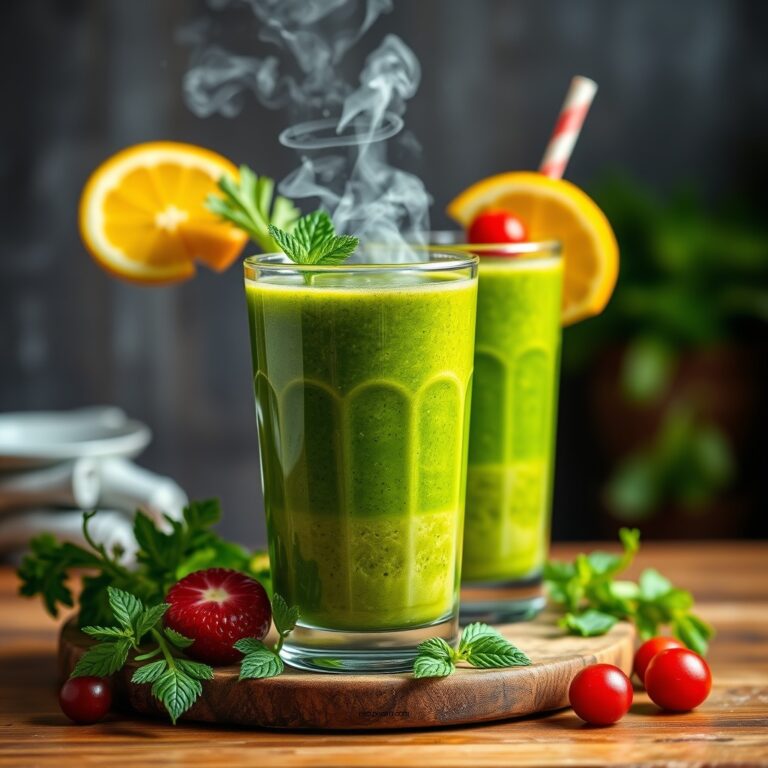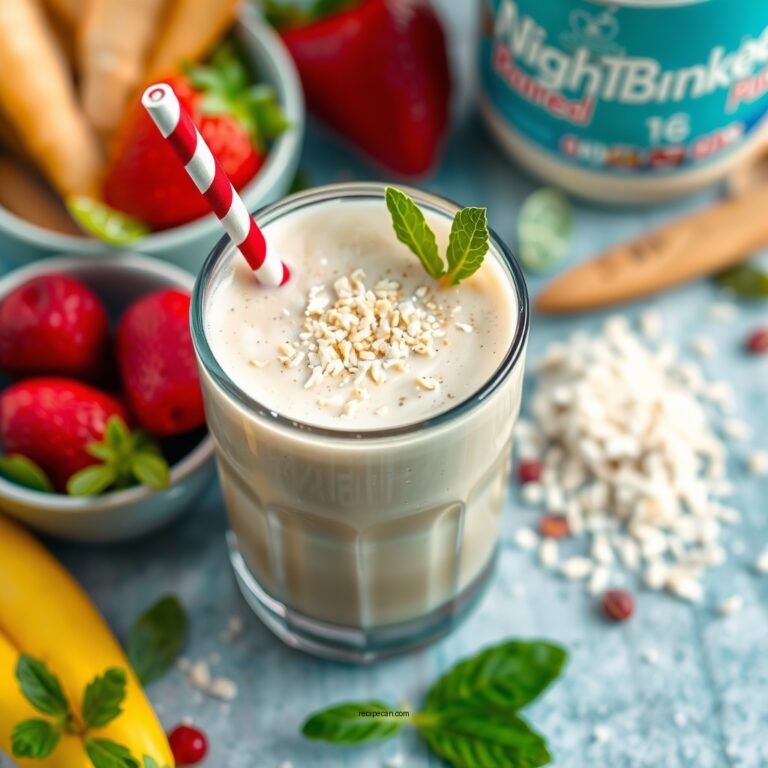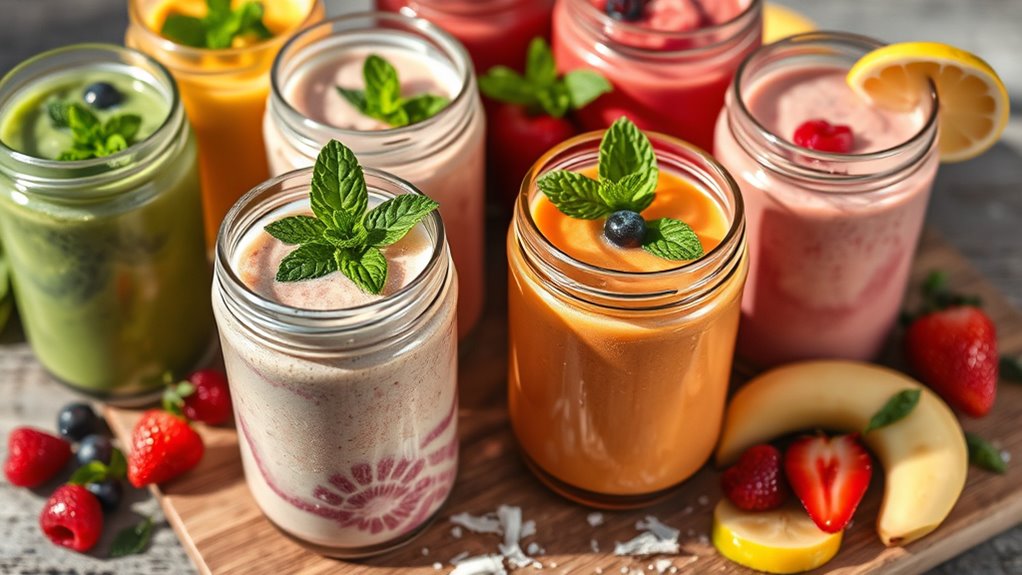
You can create effective weight loss smoothies by combining nutrient-dense ingredients like spinach, frozen berries, Greek yogurt, chia seeds, and unsweetened almond milk in balanced portions. Use a high-speed blender for a smooth texture, blending liquids first. Opt for low-sugar fruits and avoid high-calorie additives to keep calories in check. Serve immediately for maximum nutrients, and enjoy slowly to aid fullness. There’s more to learn about perfecting preparation, serving, and ingredient choices for lasting results.
Ingredients and Quantity
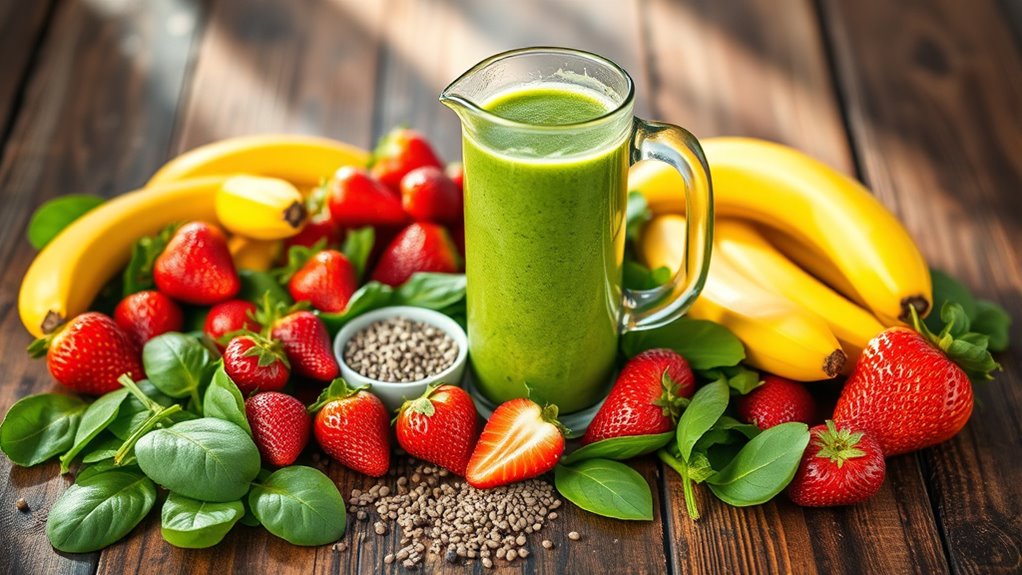
When choosing ingredients for weight loss smoothies, it’s important to focus on nutrient-dense, low-calorie options that provide essential vitamins and fiber. You can easily manage portion control by measuring ingredients and making smart ingredient substitutions to fit your calorie goals without sacrificing nutrition.
| Ingredient | Suggested Quantity |
|---|---|
| Spinach | 1 cup |
| Frozen Berries | ½ cup |
| Greek Yogurt | ½ cup |
| Chia Seeds | 1 tbsp |
| Unsweetened Almond Milk | 1 cup |
Swapping high-calorie fruits for berries or using plant-based milks lowers calories while keeping fiber and nutrients high. Keeping portion sizes consistent guarantees you stay within your daily calorie allowance, supporting sustainable weight loss and your freedom to enjoy food without guilt.
Preparations
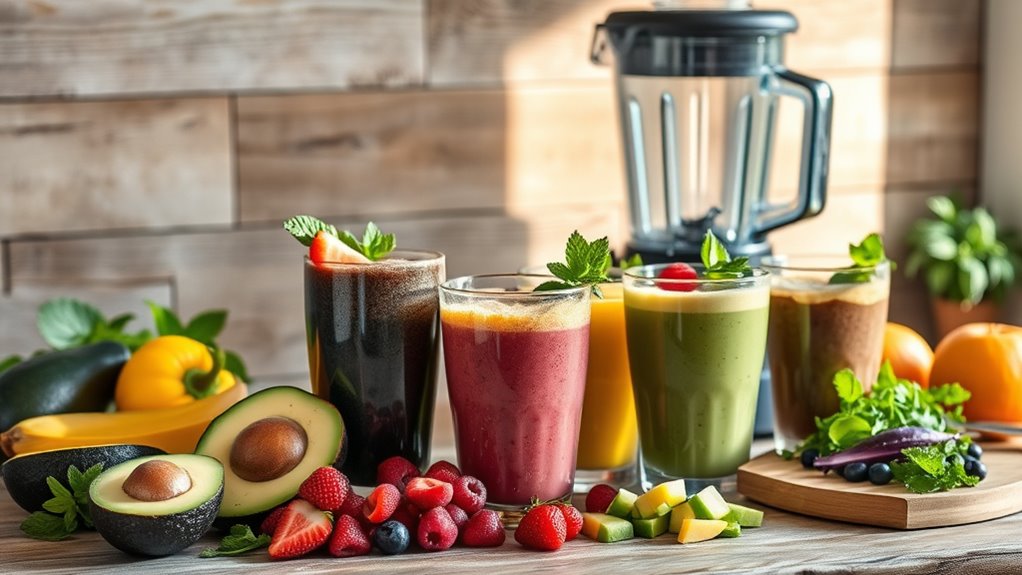
Once you’ve selected the right ingredients and measured the quantities carefully, preparing your smoothie correctly can maximize nutrient retention and texture. To guarantee the best results, consider these key steps:
- Choose appropriate blending techniques: Use a high-speed blender for a smooth consistency, blending in stages—liquids first, then solids—to avoid overworking the motor and preserve nutrients.
- Opt for ingredient substitutions wisely: Swap high-sugar fruits with lower-sugar options like berries to support weight loss without compromising flavor or nutrient density.
- Prepare ingredients properly: Wash, peel, and chop produce to enhance blending efficiency and nutrient availability, avoiding excessive heat that can degrade vitamins.
How to Prepare
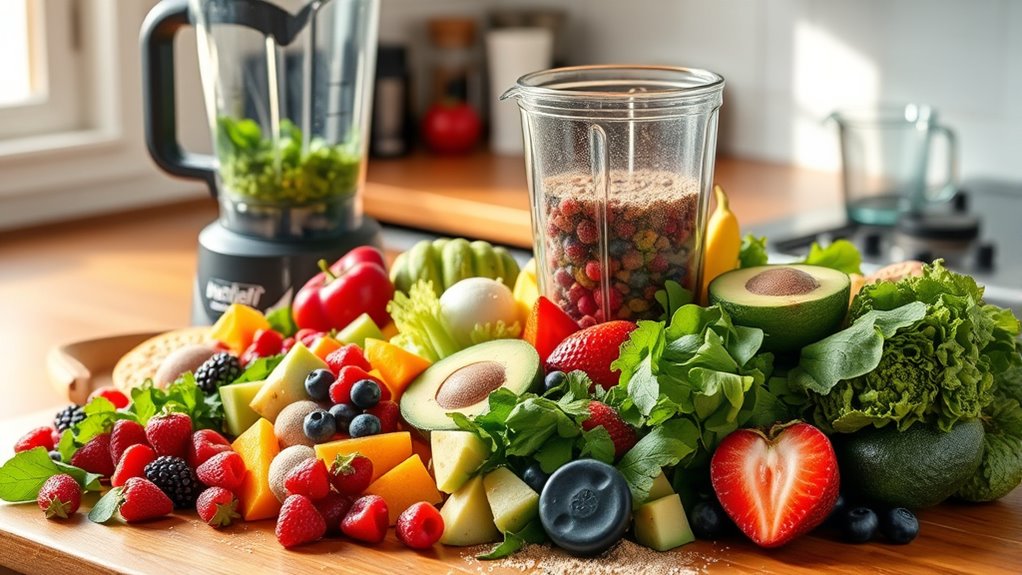
- Select quality ingredients to ensure maximum nutritional benefits.
- Cut fruits and vegetables into small pieces to guarantee even blending and preserve fiber and nutrients.
- Use proper blending techniques:
- Pulse initially to break down harder ingredients.
- Blend continuously afterward for a smooth consistency.
- Avoid over-blending to retain vitamins and minerals.
- Experiment with smoothie variations by adding protein powders or healthy fats to enhance satiety and support weight loss.
- Balance liquid and solid ingredients carefully:
- Too much liquid dilutes nutrients.
- Too little liquid results in a thick, unpalatable texture.
- Master these preparation methods to enjoy nutrient-dense smoothies tailored to your weight loss goals and personal freedom.
How to Serve
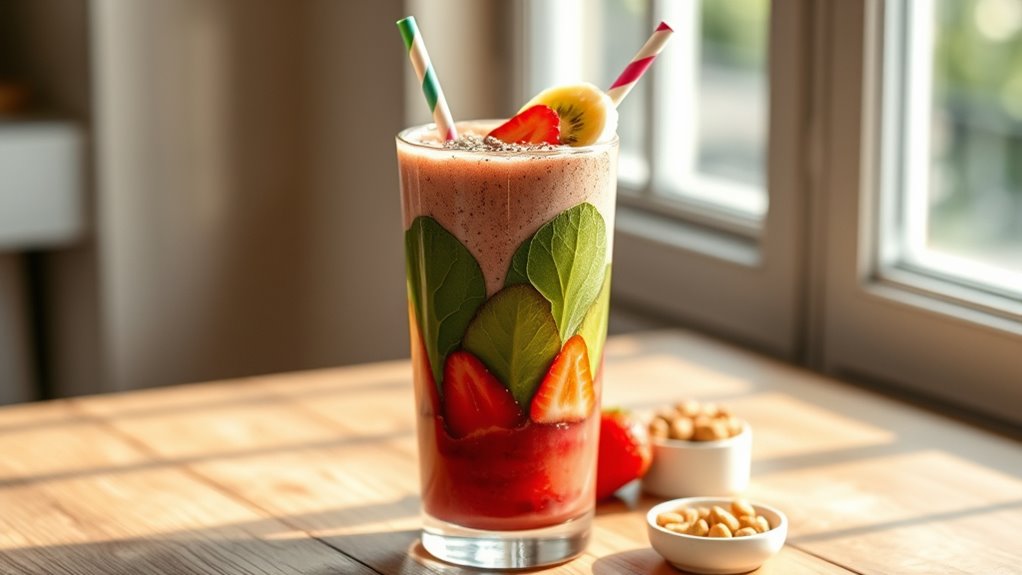
How should you serve your smoothie to maximize both enjoyment and nutritional benefits? Presentation styles and serving suggestions play a key role in enhancing your smoothie experience. Here are three evidence-based tips you can follow:
- Choose the right glass: Use a clear, tall glass to showcase vibrant colors, which can increase your appetite and satisfaction.
- Add texture thoughtfully: Top your smoothie with nuts, seeds, or fresh fruit to introduce a contrast in texture, improving satiety.
- Serve immediately: To preserve nutrient content and flavor, consume your smoothie right after blending rather than storing it for long periods.
Tips
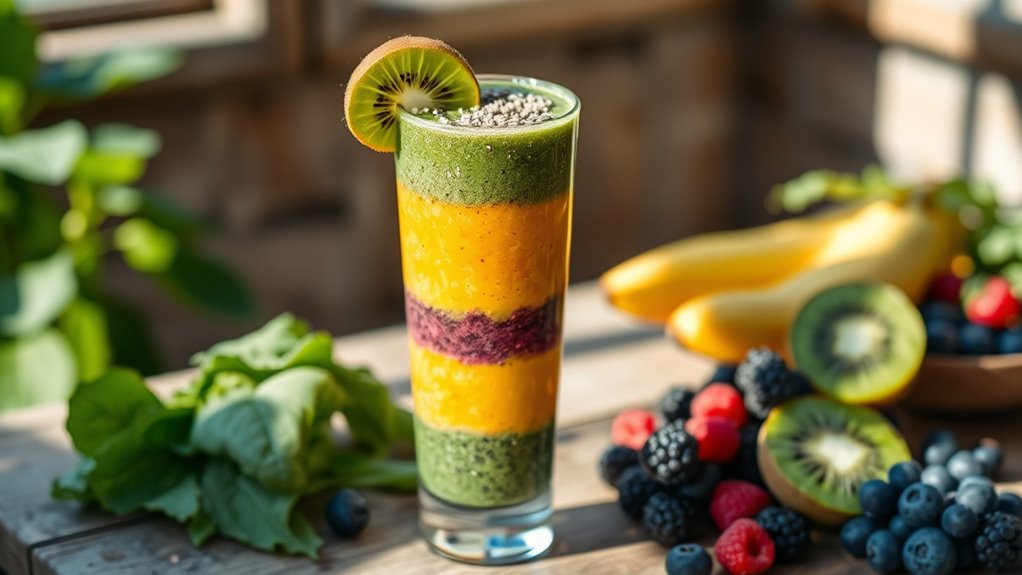
Serving your smoothie properly can enhance your experience, but knowing a few additional tips can further aid your weight loss goals. Focus on ingredient selection by choosing whole, nutrient-dense foods like leafy greens, berries, and lean protein sources that promote satiety and stable blood sugar. Avoid adding excessive sugars or high-calorie additives, which can hinder weight management efforts. Portion control is key; keep your smoothie servings moderate to prevent unintentional calorie overconsumption. Drinking your smoothie slowly allows your body to register fullness, helping you avoid overeating later. Finally, vary your ingredients to guarantee a broad spectrum of nutrients and avoid dietary monotony, which supports sustainable weight loss. These practical tips empower you to enjoy your smoothies while maintaining control over your weight management journey.
Food Value and Benefit
The prepared weight loss smoothie is rich in essential nutrients, offering a balanced combination of fiber, protein, antioxidants, vitamins, and minerals that contribute to overall health and effective weight management.
Food Value of the Smoothie:
- High in dietary fiber
- Good source of quality protein
- Packed with antioxidants
- Contains important vitamins such as Vitamin C, Vitamin A, and some B-complex vitamins
- Provides minerals including potassium, magnesium, and calcium
Benefits of Eating This Recipe:
- Promotes satiety by slowing digestion, helping you feel full longer and reducing calorie intake
- Supports muscle preservation and boosts metabolism for efficient weight loss
- Fights oxidative stress and inflammation, enhancing overall health and energy levels
- Supplies essential vitamins that support immune function, skin health, and energy metabolism
- Provides minerals crucial for electrolyte balance, bone health, and muscle function
What are the best ingredients for weight loss smoothies?
The best ingredients for weight loss smoothies typically include a mix of fruits and vegetables, lean proteins, and healthy fats. Common fruits like berries, bananas, and apples provide natural sweetness and fiber, while leafy greens such as spinach or kale add nutrients without extra calories. Adding protein sources like Greek yogurt, protein powder, or nut butters can help keep you full longer. Healthy fats from avocado or chia seeds can also contribute to satiety and provide essential nutrients.
How can I make my smoothie more filling?
To make your smoothie more filling, consider incorporating ingredients that are high in protein and fiber. Adding a scoop of protein powder, Greek yogurt, or cottage cheese can significantly increase the protein content. For fiber, include ingredients like oats, chia seeds, or flaxseeds. Additionally, using whole fruits instead of fruit juice helps retain the fiber, making your smoothie more satiating. Lastly, you can add healthy fats, such as nut butter or avocado, which can help keep you full longer.
Are smoothies a good option for weight loss?
Smoothies can be a great option for weight loss when they are made with the right ingredients and portion sizes. They can be nutrient-dense and provide a quick meal or snack, especially when packed with fruits, vegetables, and protein sources. However, it’s important to be mindful of added sugars and high-calorie ingredients. To maximize their weight loss benefits, focus on whole, minimally processed ingredients and avoid adding excessive amounts of sweeteners or high-calorie extras.
How often should I drink smoothies for weight loss?
The frequency of smoothie consumption for weight loss can vary based on individual dietary needs and preferences. Many people find that incorporating one smoothie per day as a meal replacement or snack helps them control calorie intake while still receiving essential nutrients. However, it’s important to maintain a balanced diet that includes a variety of foods. Listen to your body and adjust the frequency based on how it fits into your overall meal plan and lifestyle.
Can I prepare smoothies in advance for weight loss?
Yes, you can prepare smoothies in advance for weight loss! To do this, consider batch-prepping your smoothie ingredients. You can assemble individual portions of fruits, vegetables, and other add-ins in freezer-safe bags or containers, and freeze them. When you’re ready to enjoy a smoothie, simply blend the frozen ingredients with your chosen liquid. This method not only saves time but also ensures you have healthy options ready to go, making it easier to stick to your weight loss goals.
References
- https://www.health.harvard.edu/staying-healthy/the-health-benefits-of-smoothies
- https://www.nutrition.gov/topics/nutrition-education/healthy-eating/smoothies
- https://www.eatright.org/health/wellness/preventing-illness/smoothies-101
- https://www.ncbi.nlm.nih.gov/pmc/articles/PMC6520717/
- https://www.cdc.gov/healthyweight/healthy_eating/index.html
- https://www.mayoclinic.org/healthy-lifestyle/nutrition-and-healthy-eating/in-depth/smoothies/art-20045804
- https://www.jamanetwork.com/journals/jama/fullarticle/2673256
- https://www.webmd.com/diet/ss/slideshow-smoothies-for-weight-loss
- https://www.thekitchn.com/how-to-make-a-smoothie-221748