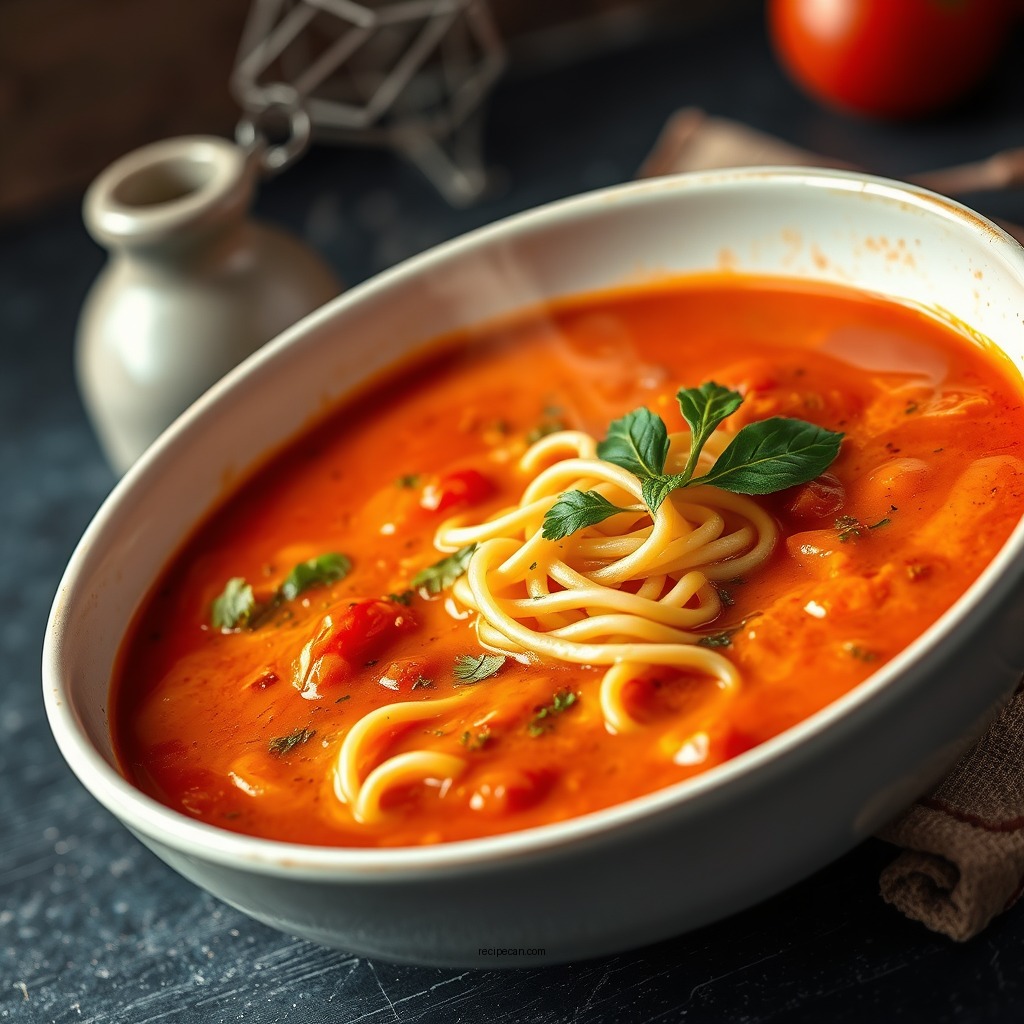
Tomato soup and noodles make for a comforting and satisfying meal that’s quick and easy to prepare. This recipe combines the rich flavors of homemade tomato soup with tender noodles, creating a delightful dish that warms the heart. In this article, you’ll learn how to make this delicious meal step by step, along with tips for customization and serving suggestions.
Ingredients Needed
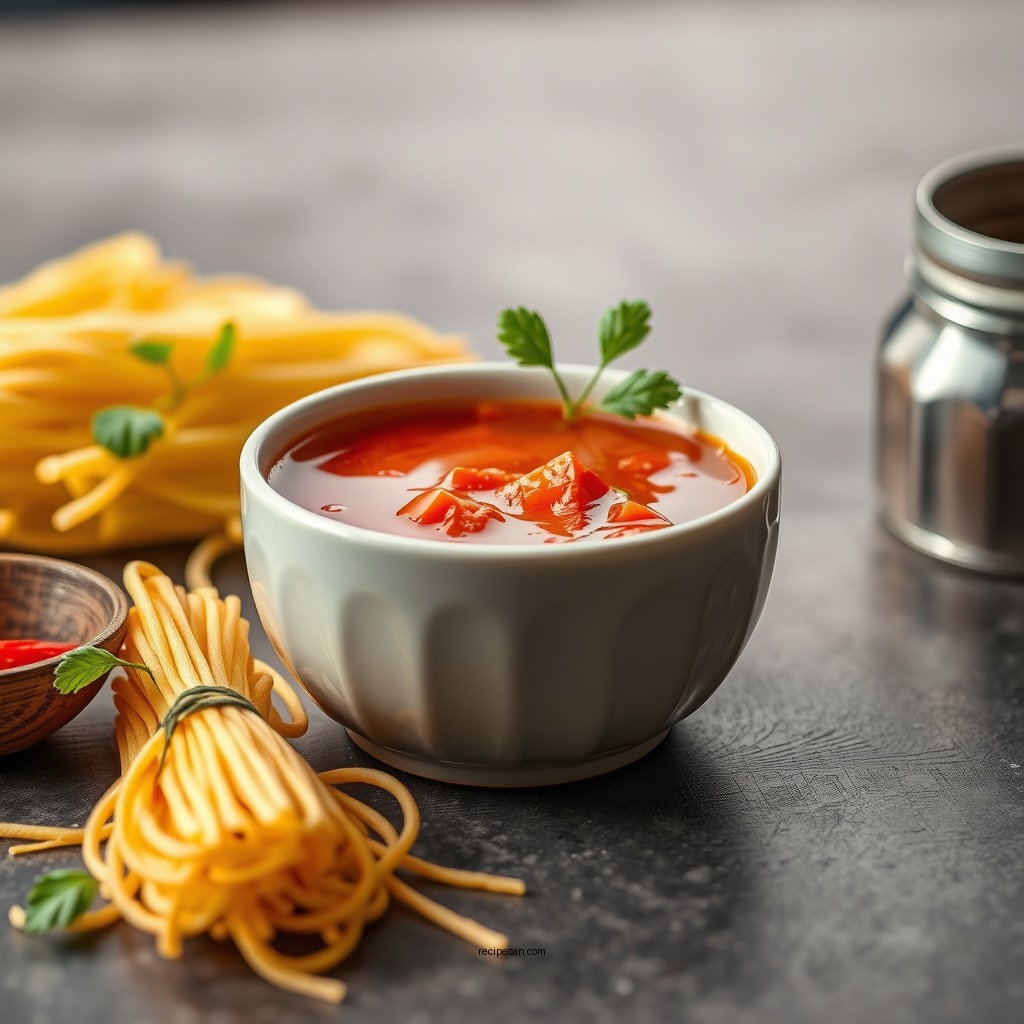
To create a superb tomato soup and noodles dish, you will need the following ingredients:
– Fresh or canned tomatoes: The cornerstone of the dish, tomatoes can be either fresh or canned, depending on availability and preference. Fresh tomatoes provide a vibrant taste, while canned tomatoes are convenient and packed with flavor.
– Noodles of your choice: The type of noodles can vary based on personal preference. Options include traditional pasta, egg noodles, or ramen for an Asian twist. Each type brings its unique texture and flavor to the dish.
– Essential spices and herbs: A well-seasoned soup is crucial for depth of flavor. Commonly used spices include garlic, basil, oregano, salt, and pepper. Feel free to experiment with spices like red pepper flakes for heat or thyme for earthy notes.
Preparing the Tomato Soup
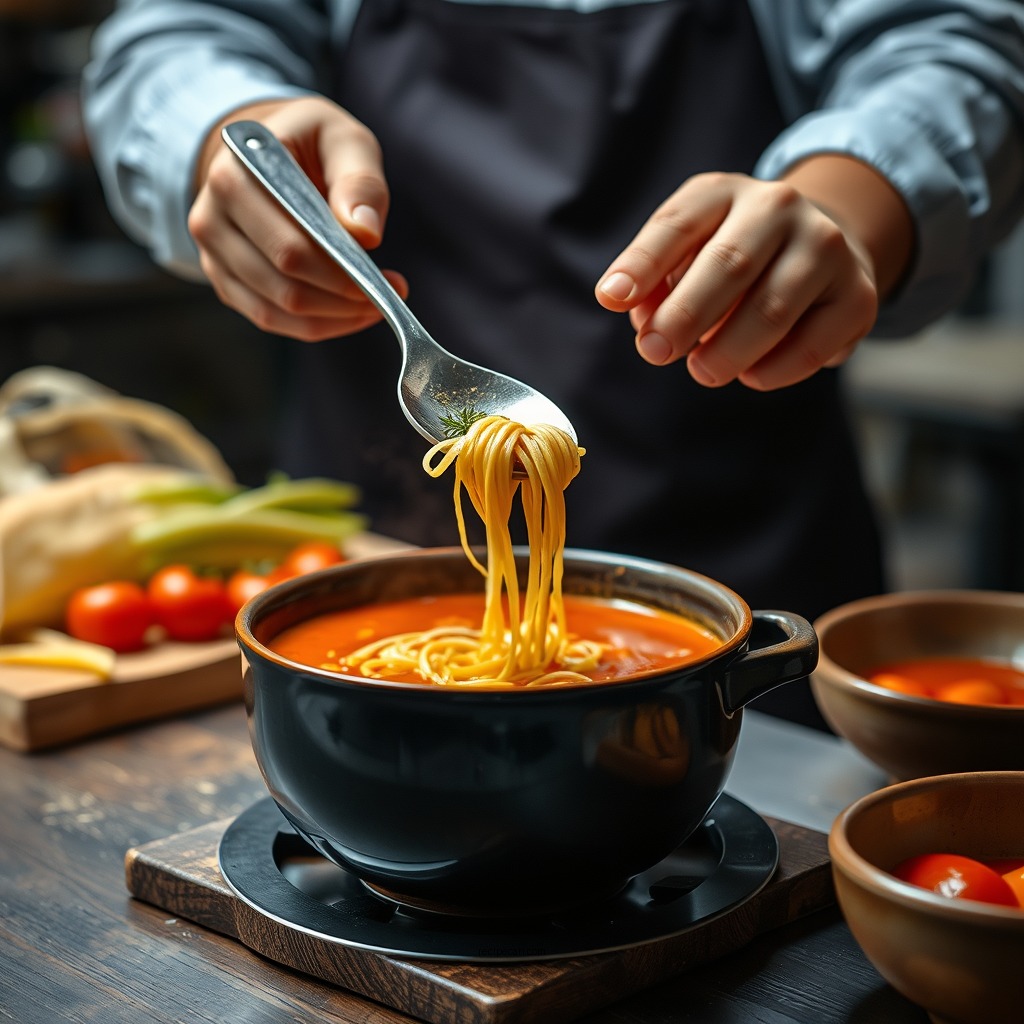
The preparation of the tomato soup is straightforward yet vital for achieving a rich flavor profile.
1. Sauté onions and garlic: Start by heating a tablespoon of olive oil in a large pot over medium heat. Add finely chopped onions and minced garlic, sautéing until they become translucent and fragrant. This step builds a solid flavor foundation for the soup.
2. Add tomatoes, broth, and seasonings: Next, incorporate your choice of tomatoes. If using fresh tomatoes, chop them into small pieces; if using canned, simply pour them in. Add vegetable or chicken broth to enhance the soup’s richness. Season with salt, pepper, and your selected herbs. Bring the mixture to a gentle simmer and let it cook for about 20-30 minutes. This simmering time allows the flavors to meld beautifully.
3. Blend for smoothness (optional): If you prefer a creamy texture, use an immersion blender to purée the soup. Alternatively, you can transfer it to a standard blender in batches for a velvety finish.
Cooking the Noodles
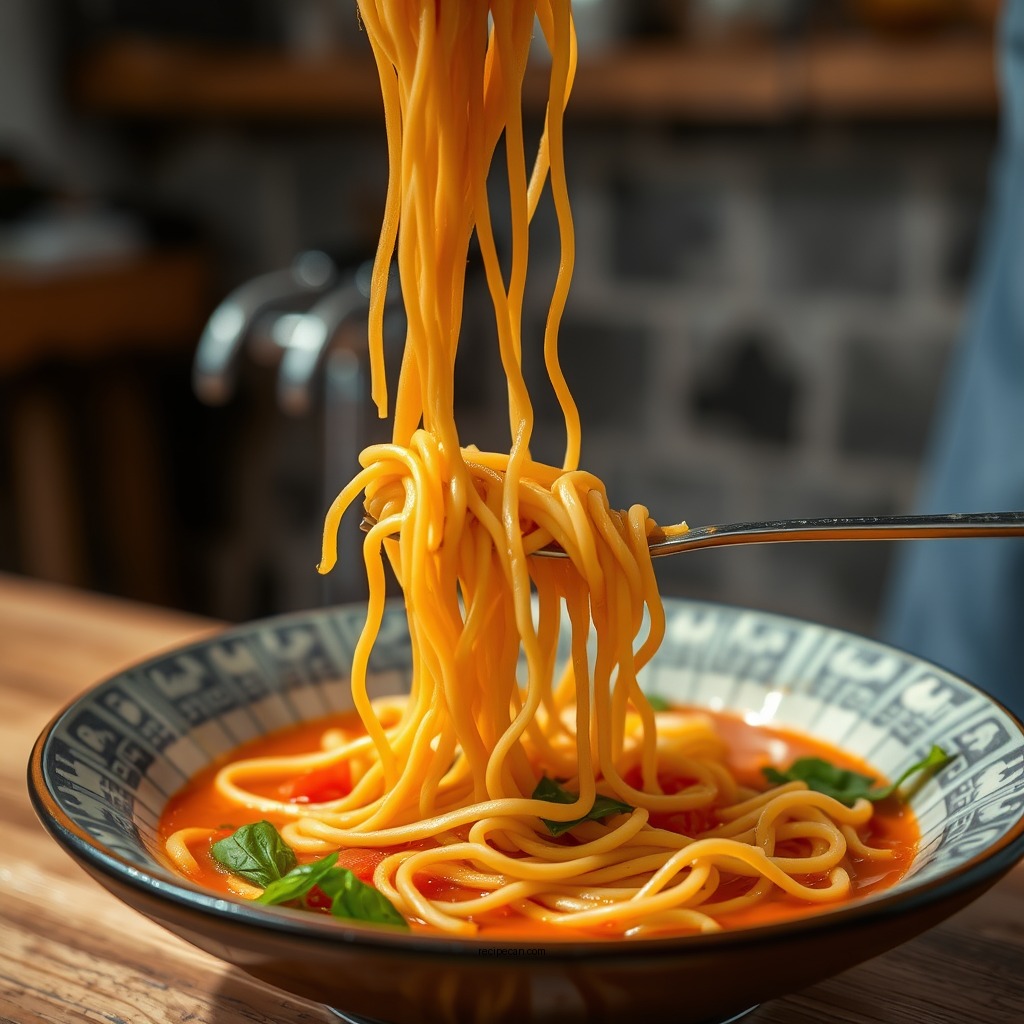
Cooking the noodles is a simple process, but there are a few tips to keep in mind to ensure optimal texture and flavor.
1. Choose your preferred noodles: Depending on your taste, select the noodles that best complement the soup. Pasta such as fusilli or spaghetti works well, while ramen adds a unique texture.
2. Cook according to package instructions: Follow the cooking instructions on the package, usually boiling them in salted water until al dente. Be cautious not to overcook the noodles as they will continue to soften once combined with the hot soup.
3. Consider a one-pot meal: For convenience, you can add the uncooked noodles directly into the simmering soup during the last 5-7 minutes of cooking. This method infuses the noodles with the soup’s flavor and reduces cleanup.
Combining Soup and Noodles
Once both the soup and noodles are ready, it’s time to combine them into a cohesive dish.
1. Mix cooked noodles into the tomato soup: If you cooked the noodles separately, drain them and add them to the pot of tomato soup. Stir gently to combine, ensuring the noodles are evenly coated with the soup.
2. Adjust consistency: Depending on your preference, you may want to adjust the soup’s thickness. If it seems too thick, add a bit more broth or water until you reach your desired consistency.
Top Tomato Varieties for Soup (2024)
| # | Tomato Variety | Flavor Profile | Best for Soups |
|---|---|---|---|
| 1 | Roma | Rich and Sweet | Yes |
| 2 | San Marzano | Savory and Tangy | Yes |
| 3 | Beefsteak | Juicy and Sweet | Yes |
| 4 | Cherry | Sweet and Fruity | No |
| 5 | Campari | Balanced and Sweet | Yes |
| 6 | Heirloom | Complex and Rich | Yes |
| 7 | Green Zebra | Tangy and Sweet | No |
Adding Flavor and Texture
To elevate your tomato soup and noodles, consider enhancing the dish with additional flavors and textures.
1. Top with fresh herbs: Garnishing with fresh herbs like basil or parsley not only adds a pop of color but also brightens the dish. Fresh herbs provide a burst of flavor that complements the richness of the tomato soup.
2. Consider adding cheese or cream: For those who enjoy a richer soup, adding grated cheese such as Parmesan or a swirl of cream can create a luxurious texture. This addition turns a simple dish into something truly indulgent.
Serving Suggestions
Serving your tomato soup and noodles in an appealing manner enhances the dining experience.
1. Serve hot with crusty bread or a simple salad: A side of crusty bread for dipping or a light salad can balance the meal beautifully. The bread can soak up the soup, while the salad adds freshness.
2. Garnish with grated cheese or a drizzle of olive oil: A final touch of grated cheese or a drizzle of high-quality olive oil not only enhances the presentation but also adds depth of flavor.
Noodle Types for Tomato Soup (2024)
Tips for Customization
A great advantage of tomato soup and noodles is its versatility. Here are some tips for customization:
1. Experiment with spices: Adding spices like paprika or chili flakes can introduce a delightful kick to your soup. Consider smoked paprika for a deeper flavor or fresh chili for heat.
2. Add vegetables: Enhancing the nutritional value of your dish can be as simple as adding vegetables like spinach, carrots, or bell peppers. These additions not only boost the health quotient but also add color and texture.
3. Protein options: For those seeking a heartier meal, consider adding protein sources such as grilled chicken, sautéed shrimp, or chickpeas. This makes the dish more filling and nutritionally balanced.
By tailoring the recipe to your liking, you can create a dish that reflects your personal tastes while enjoying the comforting essence of tomato soup and noodles.
Enjoy this tomato soup and noodles recipe as a quick weeknight dinner or a cozy weekend lunch. It’s a versatile dish that you can personalize based on your tastes and preferences. Try it out today and discover your new favorite comfort food!
Frequently Asked Questions
What ingredients do I need for a basic tomato soup and noodles recipe?
To make a basic tomato soup and noodles recipe, you will need fresh or canned tomatoes, vegetable or chicken broth, garlic, onion, olive oil, and seasonings such as basil, oregano, salt, and pepper. For the noodles, you can use any type of pasta, such as spaghetti or elbow macaroni, depending on your preference.
How do I prepare the tomato soup before adding the noodles?
Start by sautéing chopped onions and garlic in olive oil until they are soft. Then, add your tomatoes and broth, bring the mixture to a boil, and let it simmer for about 20 minutes to enhance the flavors. After that, blend the soup until smooth or leave it chunky, depending on your desired texture, before adding the cooked noodles.
Why is it important to use fresh herbs in tomato soup and noodles?
Using fresh herbs like basil and parsley in your tomato soup and noodles enhances the flavor profile significantly compared to dried herbs. Fresh herbs add brightness and a fragrant aroma that elevate the dish, making it more enjoyable and aromatic, which is especially important in a comforting recipe like tomato soup.
What is the best type of noodles to use in tomato soup?
The best type of noodles for tomato soup depends on personal preference, but small shapes like ditalini or elbow macaroni are popular choices because they hold the soup’s flavors well. Alternatively, spaghetti or fettuccine can be used for a heartier option, providing a satisfying bite that complements the smooth texture of the soup.
Which cooking techniques can enhance the flavor of my tomato soup and noodles?
To enhance the flavor of your tomato soup and noodles, consider roasting the tomatoes before adding them to the soup for a deeper, caramelized taste. Additionally, simmering the soup longer allows the ingredients to meld together and develop a richer flavor, while finishing it with a splash of cream or a sprinkle of cheese can add creaminess and depth.
References
- Tomato soup
https://en.wikipedia.org/wiki/Tomato_soup - https://www.ncbi.nlm.nih.gov/pmc/articles/PMC5979830/
https://www.ncbi.nlm.nih.gov/pmc/articles/PMC5979830/ - https://www.ncbi.nlm.nih.gov/pmc/articles/PMC4966954/
https://www.ncbi.nlm.nih.gov/pmc/articles/PMC4966954/ - https://www.sciencedirect.com/topics/agricultural-and-biological-sciences/tomato-soup
https://www.sciencedirect.com/topics/agricultural-and-biological-sciences/tomato-soup - https://www.bbc.co.uk/food/recipes/tomato_soup_1963
https://www.bbc.co.uk/food/recipes/tomato_soup_1963 - https://www.health.harvard.edu/staying-healthy/the-health-benefits-of-tomatoes
https://www.health.harvard.edu/staying-healthy/the-health-benefits-of-tomatoes - https://www.mayoclinic.org/healthy-lifestyle/nutrition-and-healthy-eating/in-depth/tomatoes/art-20045499
https://www.mayoclinic.org/healthy-lifestyle/nutrition-and-healthy-eating/in-depth/tomatoes/art-20045499 - https://www.theguardian.com/food/2021/mar/05/how-to-make-a-perfect-tomato-soup
https://www.theguardian.com/food/2021/mar/05/how-to-make-a-perfect-tomato-soup - Google Scholar Google Scholar
https://scholar.google.com/scholar?q=tomato+soup+and+noodles+recipe - Google Scholar Google Scholar
https://scholar.google.com/scholar?q=tomato+soup+health+benefits