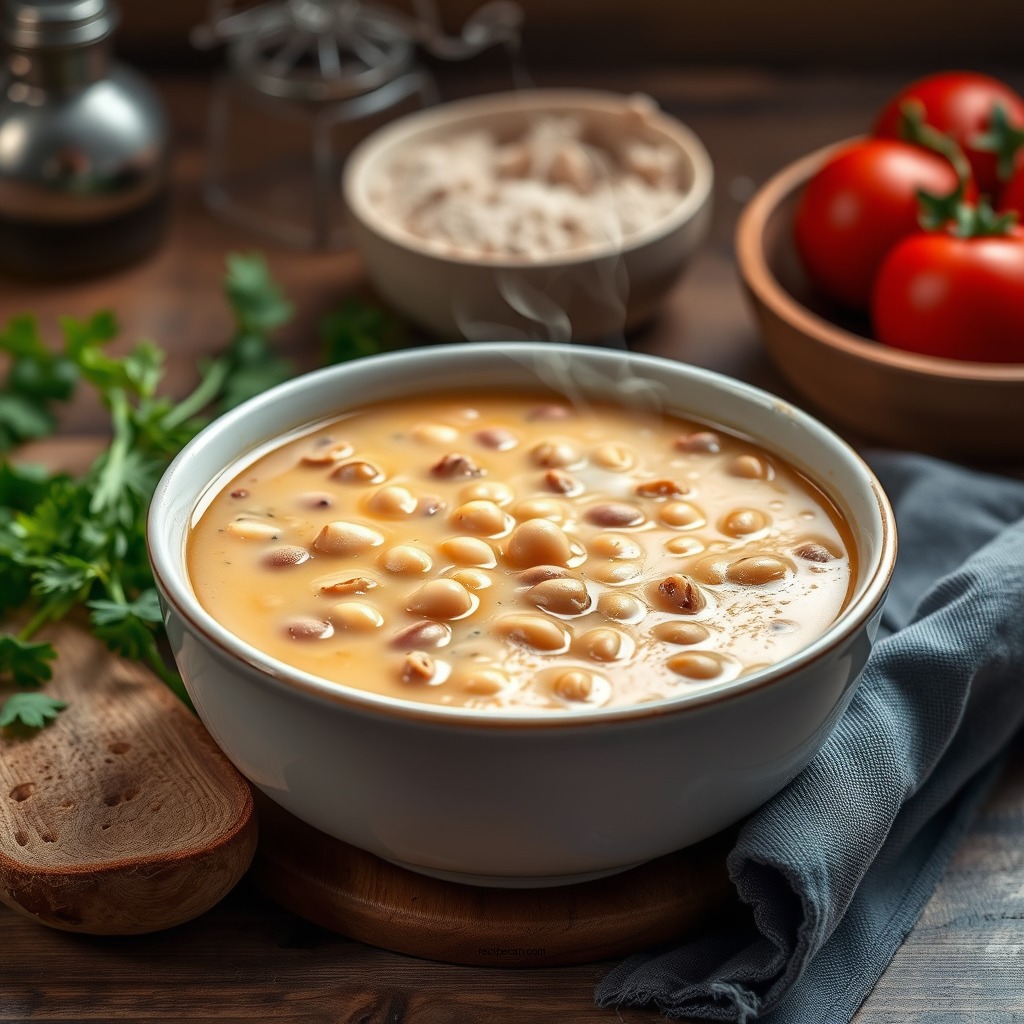
Fava bean soup is a nutritious and flavorful dish that’s easy to prepare at home. This recipe combines the earthy taste of fava beans with aromatic herbs and spices, making it a perfect option for a comforting meal. In this article, you’ll find a step-by-step guide to creating a delicious fava bean soup that will impress your family and friends.
Ingredients You’ll Need
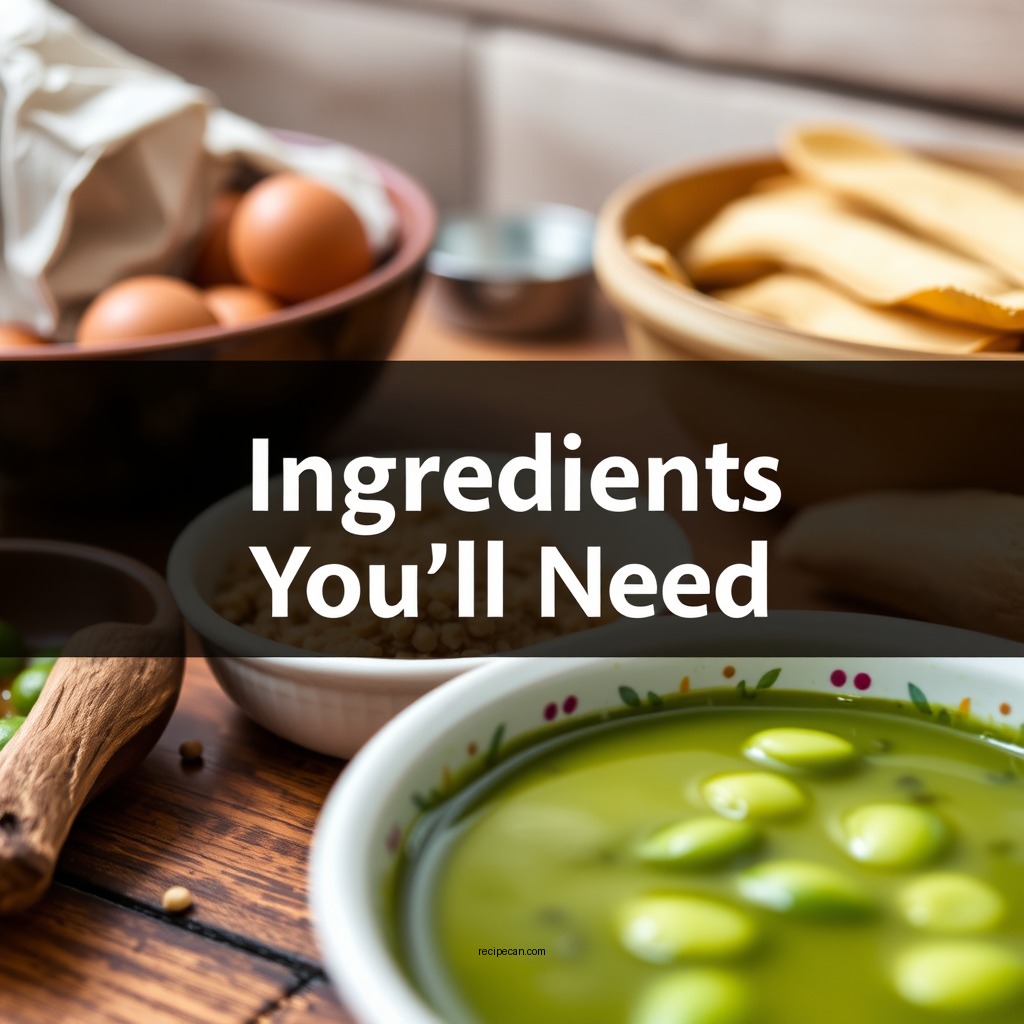
To create a delicious fava bean soup, you will need a selection of wholesome ingredients that not only enhance the flavor but also contribute to the nutritional value of the dish. Here’s what you’ll need:
– Fresh or dried fava beans: If you opt for dried fava beans, remember to soak them overnight, as this will reduce cooking time and enhance their digestibility.
– Aromatic vegetables: Onions, garlic, and carrots are essential for building the base flavor of the soup. Their natural sweetness and aroma will infuse the soup with depth.
– Broth: Choose either vegetable or chicken broth to add richness. Homemade broth is ideal, but store-bought options can work just as well.
– Herbs and spices: Fresh herbs like parsley or mint can elevate the flavor profile, while spices such as cumin or smoked paprika add an extra layer of warmth.
Preparation Steps

Preparing for your fava bean soup is a straightforward process that begins with gathering and prepping your ingredients. Follow these steps to ensure a smooth cooking experience:
1. Soak dried fava beans: If using dried fava beans, soak them in water overnight. This step is crucial as it not only hydrates the beans but also helps to soften their tough outer skin, making them easier to cook.
2. Chop vegetables: Finely chop your onions, garlic, and carrots. Aim for uniform pieces to ensure even cooking. You can also add celery or bell peppers for a more complex flavor.
3. Measure out broth and spices: Gather your broth and spices before you begin cooking. This preparation will help streamline your cooking process and prevent any last-minute scrambles.
Cooking Process
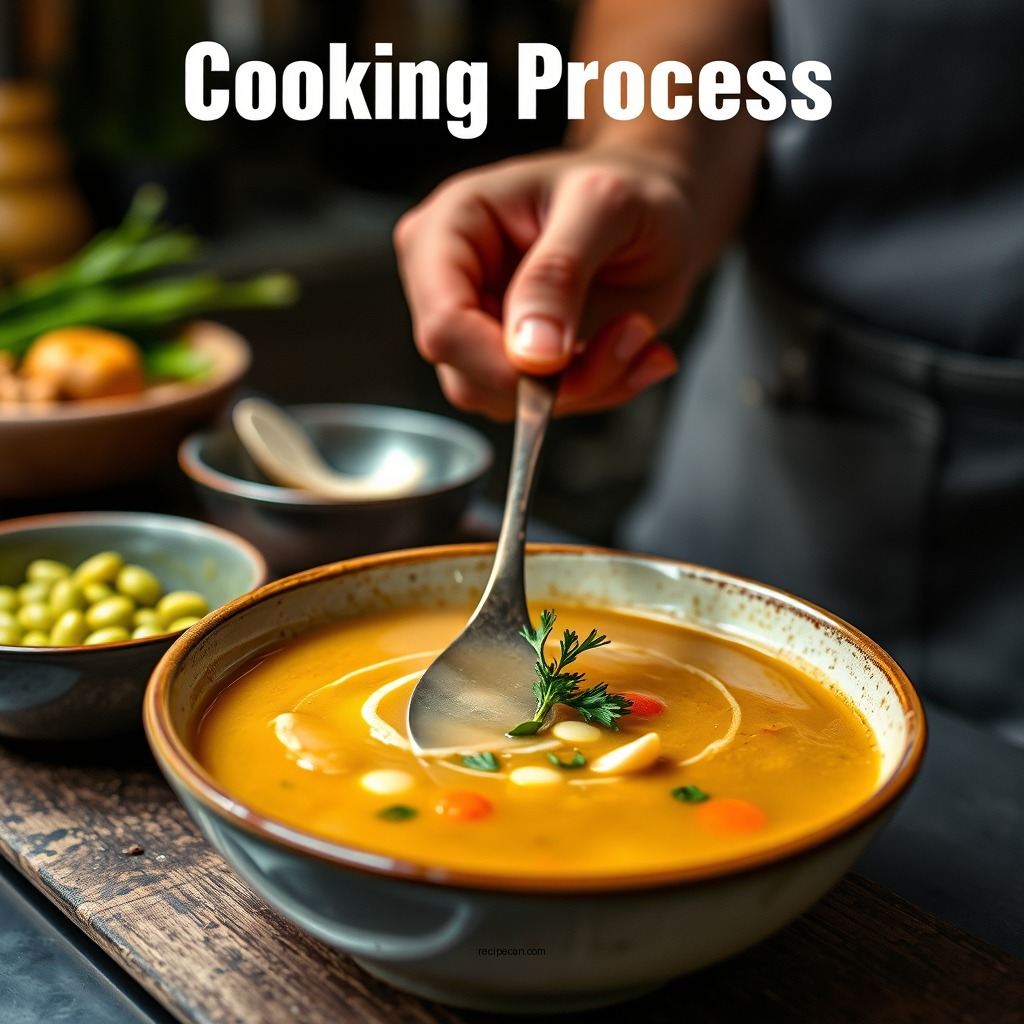
The actual cooking process is where the magic happens, transforming your ingredients into a comforting bowl of soup. Follow these steps to create a flavorful fava bean soup:
1. Sauté onions and garlic: In a large pot, heat some olive oil over medium heat. Add the chopped onions and garlic, sautéing until the onions become translucent and fragrant. This step usually takes about 5-7 minutes and is essential for developing a rich base flavor.
2. Add fava beans and broth: Once the onions and garlic are ready, add your soaked fava beans (or fresh beans, if using). Pour in the broth and bring the mixture to a vigorous boil. The boiling step is crucial as it helps to initiate the cooking process for the beans.
3. Simmer until tender: Reduce the heat and allow the soup to simmer gently until the fava beans are tender. This can take anywhere from 30 to 45 minutes, depending on whether you are using dried or fresh beans. Stir occasionally to prevent sticking.
Nutritional Comparison of Fava Beans vs Other Legumes
| # | Legume | Protein (g) | Fiber (g) | Calories |
|---|---|---|---|---|
| 1 | Fava Beans | 26 | 9 | 341 |
| 2 | Chickpeas | 19 | 8 | 164 |
| 3 | Lentils | 18 | 8 | 230 |
| 4 | Black Beans | 21 | 8 | 227 |
| 5 | Kidney Beans | 24 | 9 | 225 |
| 6 | Peas | 5 | 5 | 62 |
Blending the Soup
Once your fava beans are tender, it’s time to blend the soup for that creamy texture that makes it so comforting. Here’s how to do it:
1. Blend the soup: Use an immersion blender directly in the pot for convenience, or carefully transfer the soup to a regular blender in batches if you don’t have an immersion blender. Blend until smooth, but you can leave some texture if preferred.
2. Adjust consistency: If the soup is too thick, gradually add more broth until you reach the desired consistency. A silky texture enhances the overall experience of the dish.
3. Season to taste: This is the final touch! Add salt and freshly ground black pepper to taste. For a touch of brightness, squeeze in some fresh lemon juice, which will elevate the flavor profile and balance the earthiness of the beans.
Serving Suggestions
Your fava bean soup is now ready to be served, and there are numerous ways to enhance the presentation and flavor:
– Garnish: Top each bowl with freshly chopped herbs like parsley or mint to add a splash of color and freshness. A sprinkle of chili flakes can also add a delightful kick.
– Accompaniments: Serve the soup with crusty bread or a side salad for a wholesome meal. The bread can be used for dipping, making it an interactive dining experience.
– Finishing touch: A drizzle of high-quality olive oil over the top can add a layer of richness, enhancing both the flavor and appearance of the dish.
Popular Accompaniments for Fava Bean Soup
Variations to Try
Fava bean soup is incredibly versatile, making it easy to tailor the dish to your specific tastes. Here are some variations to consider:
– Extra Vegetables: Incorporate nutrient-dense greens like spinach or kale to boost the soup’s health benefits. These can be added during the last few minutes of cooking to wilt without losing their vibrant color.
– Spice it Up: Experiment with spices such as cumin, coriander, or smoked paprika for a flavor twist. Adding a pinch of cayenne pepper can also provide a delightful kick.
– Protein Additions: For a heartier soup, consider adding proteins such as shredded chicken, sausage, or even tofu. These can be cooked directly in the soup for added flavor or added after the soup is blended for texture.
Incorporating fava bean soup into your meal rotation is not only a delicious choice but also a healthy one. With its rich flavor and versatility, this soup can be adapted to suit various tastes and preferences. Try making it today, and enjoy the delightful taste of homemade fava bean soup!
Frequently Asked Questions
What are the main ingredients needed for a fava bean soup recipe?
The main ingredients for a fava bean soup typically include fresh or dried fava beans, vegetable or chicken broth, garlic, onions, olive oil, and seasonings like salt, pepper, and cumin. For added flavor, you can also include herbs such as mint or parsley, and vegetables like carrots or tomatoes.
How do I prepare fava beans for soup?
To prepare fava beans for soup, start by soaking dried fava beans overnight to soften them. If using fresh fava beans, remove them from their pods and blanch them in boiling water for a few minutes before peeling off the outer skin. This step enhances their flavor and texture in the soup.
Why is fava bean soup a healthy choice?
Fava bean soup is a healthy choice because fava beans are high in protein, fiber, and essential nutrients like iron and magnesium. This nutritious soup can aid in digestion, help maintain a healthy weight, and provide a good source of plant-based protein, making it an excellent option for vegetarians and vegans.
What is the best way to serve fava bean soup?
The best way to serve fava bean soup is hot, garnished with a drizzle of olive oil and a sprinkle of fresh herbs, such as parsley or mint. You can also pair it with crusty bread or a side salad for a complete meal. For added texture, consider topping it with crispy croutons or sautéed greens.
Which cooking method is best for making fava bean soup?
The best cooking method for making fava bean soup is simmering on the stovetop. This allows the flavors to meld beautifully as the fava beans cook down in the broth. You can also use a pressure cooker for quicker preparation, or an immersion blender for a smooth texture, depending on your preference.
References
- Vicia faba
https://en.wikipedia.org/wiki/Fava_bean - https://www.ncbi.nlm.nih.gov/pmc/articles/PMC7860262/
https://www.ncbi.nlm.nih.gov/pmc/articles/PMC7860262/ - https://www.ncbi.nlm.nih.gov/pmc/articles/PMC6470330/
https://www.ncbi.nlm.nih.gov/pmc/articles/PMC6470330/ - https://www.sciencedirect.com/science/article/pii/S2212670821000804
https://www.sciencedirect.com/science/article/pii/S2212670821000804 - https://www.ncbi.nlm.nih.gov/pmc/articles/PMC6365697/
https://www.ncbi.nlm.nih.gov/pmc/articles/PMC6365697/ - https://www.mayoclinic.org/healthy-lifestyle/nutrition-and-healthy-eating/in-depth/fava-beans/art-20468643
https://www.mayoclinic.org/healthy-lifestyle/nutrition-and-healthy-eating/in-depth/fava-beans/art-20468643 - Google Scholar Google Scholar
https://scholar.google.com/scholar?q=fava+bean+soup - Google Scholar Google Scholar
https://scholar.google.com/scholar?q=fava+bean+nutrition - Google Scholar Google Scholar
https://scholar.google.com/scholar?q=health+benefits+of+fava+beans - Google Scholar Google Scholar
https://scholar.google.com/scholar?q=recipe+for+fava+bean+soup