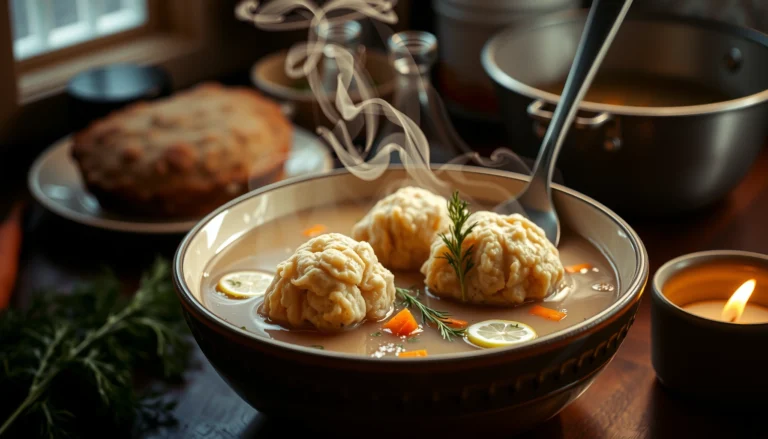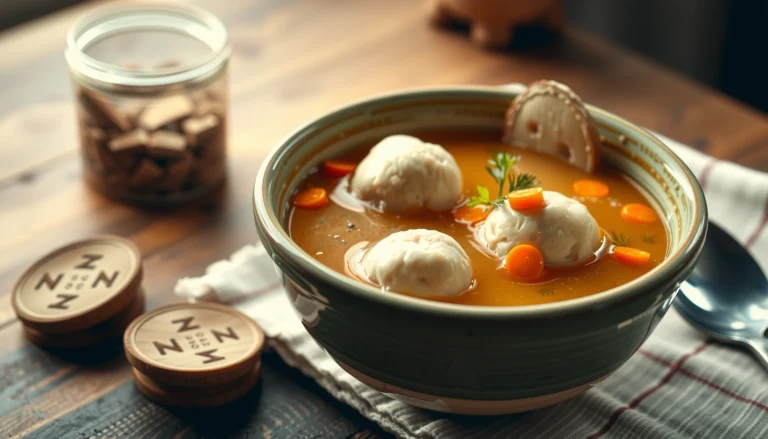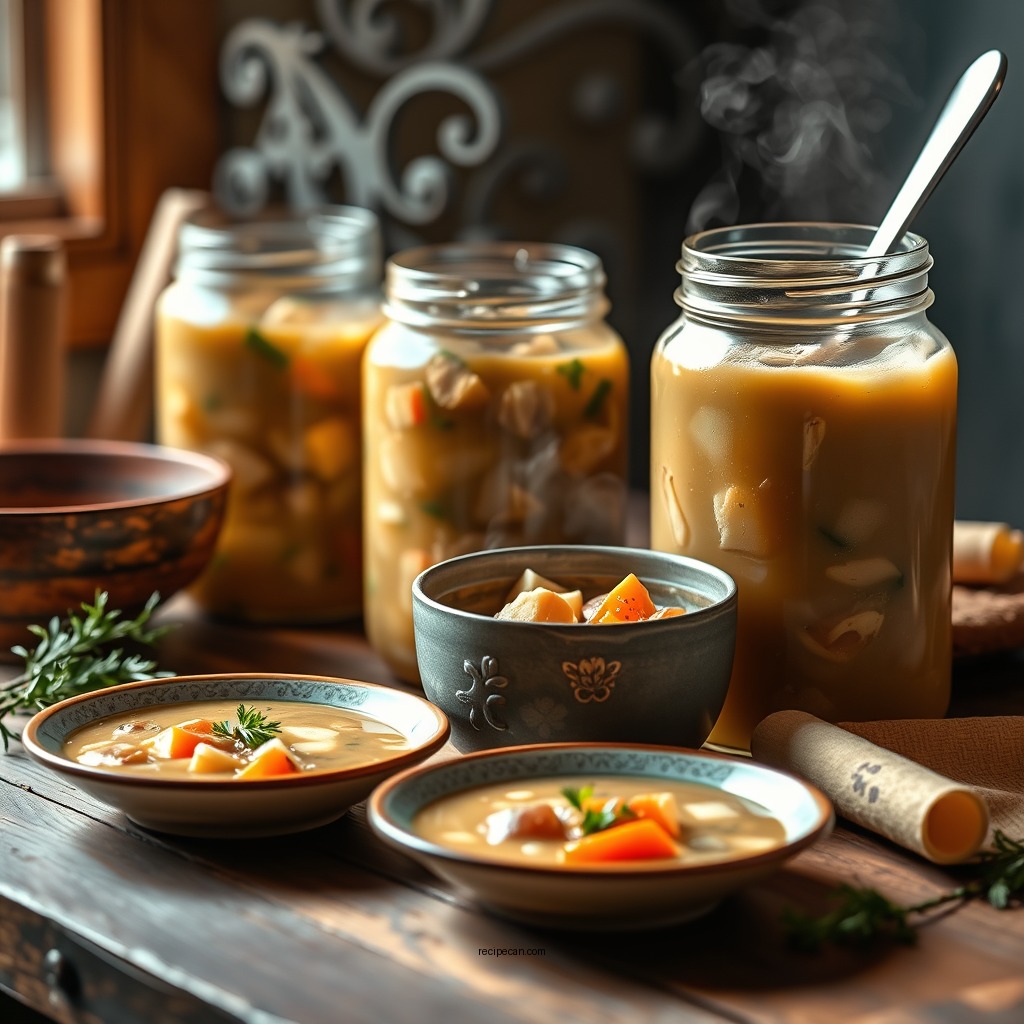
Canning chicken soup is an excellent method for preserving homemade meals, allowing you to enjoy delicious and nutritious soup anytime. This guide will take you through the entire canning process, ensuring that your chicken soup is safe, flavorful, and ready for long-term storage. With a few simple steps, you can stock your pantry with jars of comforting soup that are perfect for any occasion.
Gather Your Ingredients and Supplies
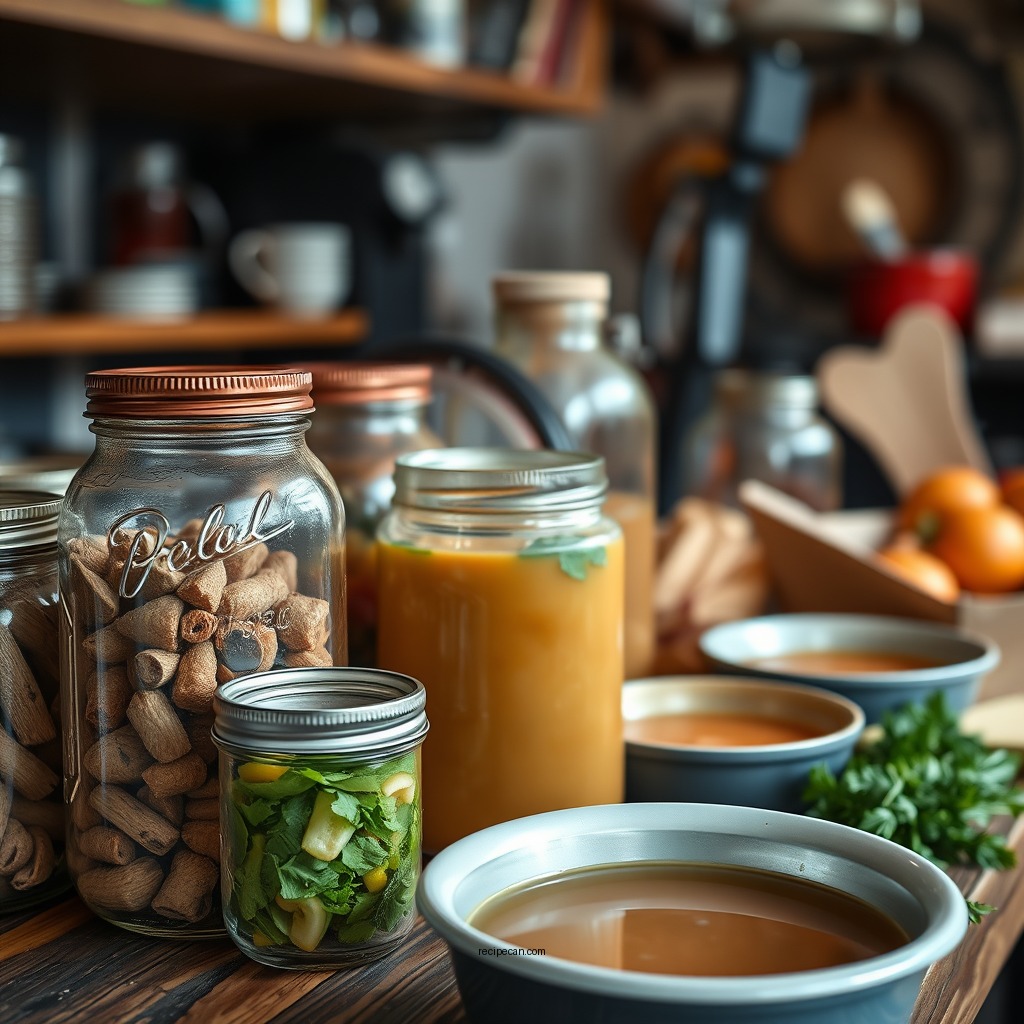
To begin the canning process, you need to gather fresh ingredients and the necessary equipment. Here’s what you will need:
– Fresh Chicken: Choose boneless, skinless chicken to create a rich and tender base for your soup. You can also use chicken thighs or a mix of different cuts if you prefer.
– Vegetables: Essential vegetables include carrots, celery, and onions. These not only enhance the flavor but also contribute to the nutritional value of your soup.
– Spices and Herbs: Essential spices include salt, pepper, thyme, and bay leaves. These will add depth to the flavor of your soup. You may also consider adding garlic or parsley for additional taste.
– Canning Supplies: Make sure to have a pressure canner, canning jars (pint or quart sizes), lids, and a ladle. Having a jar lifter and a funnel can also make the process easier.
Prepare Your Chicken Soup
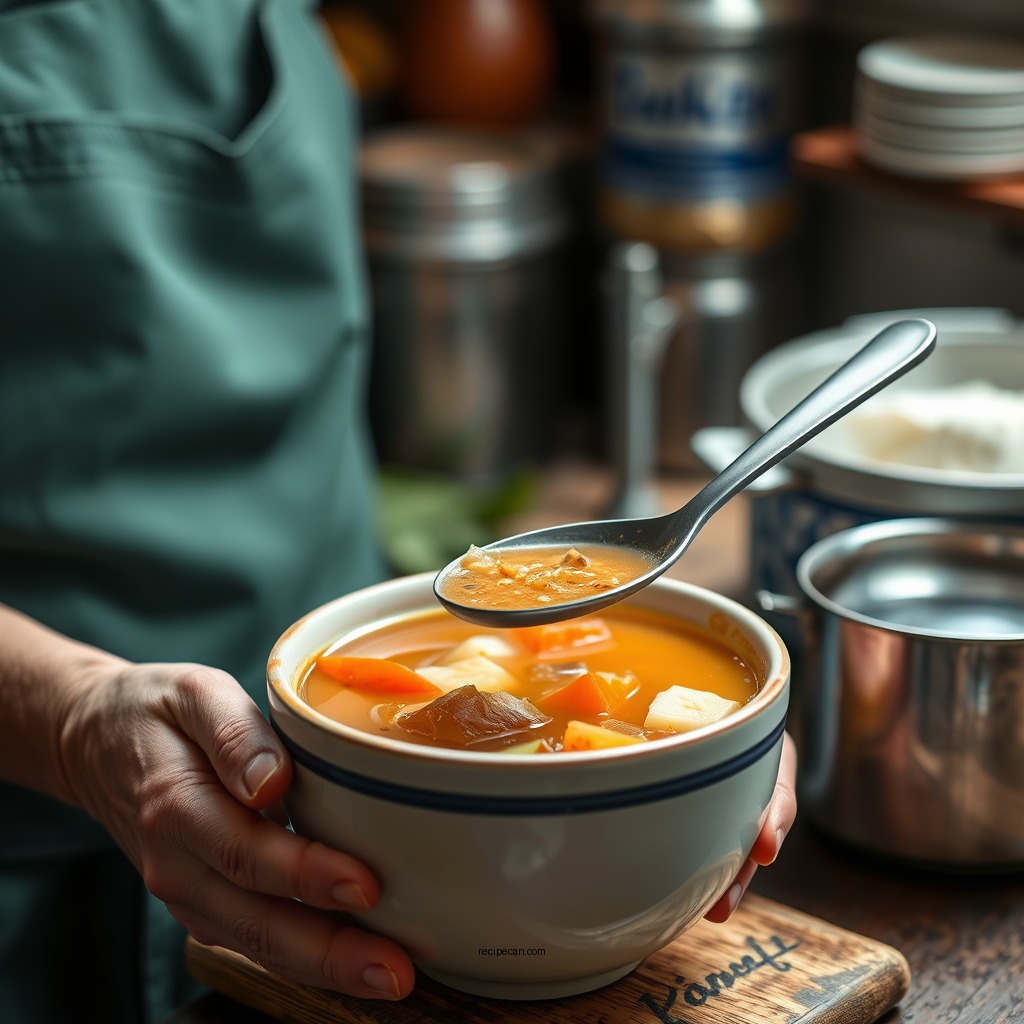
Once you have gathered your ingredients, it’s time to prepare the chicken soup:
1. Cook the Chicken: In a large pot, cook the chicken thoroughly until it reaches an internal temperature of at least 165°F (75°C). You can boil, bake, or sauté the chicken, depending on your preference.
2. Add Vegetables and Seasonings: After the chicken is cooked, add your diced vegetables and seasonings to the pot. Allow the soup to simmer for at least 30 minutes. This cooking time helps develop rich flavors and ensures that the vegetables are tender.
3. Adjust Seasonings: Taste the soup and adjust the seasonings as needed. You can add more salt, pepper, or herbs to match your personal taste. Consider adding a splash of lemon juice for brightness.
Choose the Right Canning Method
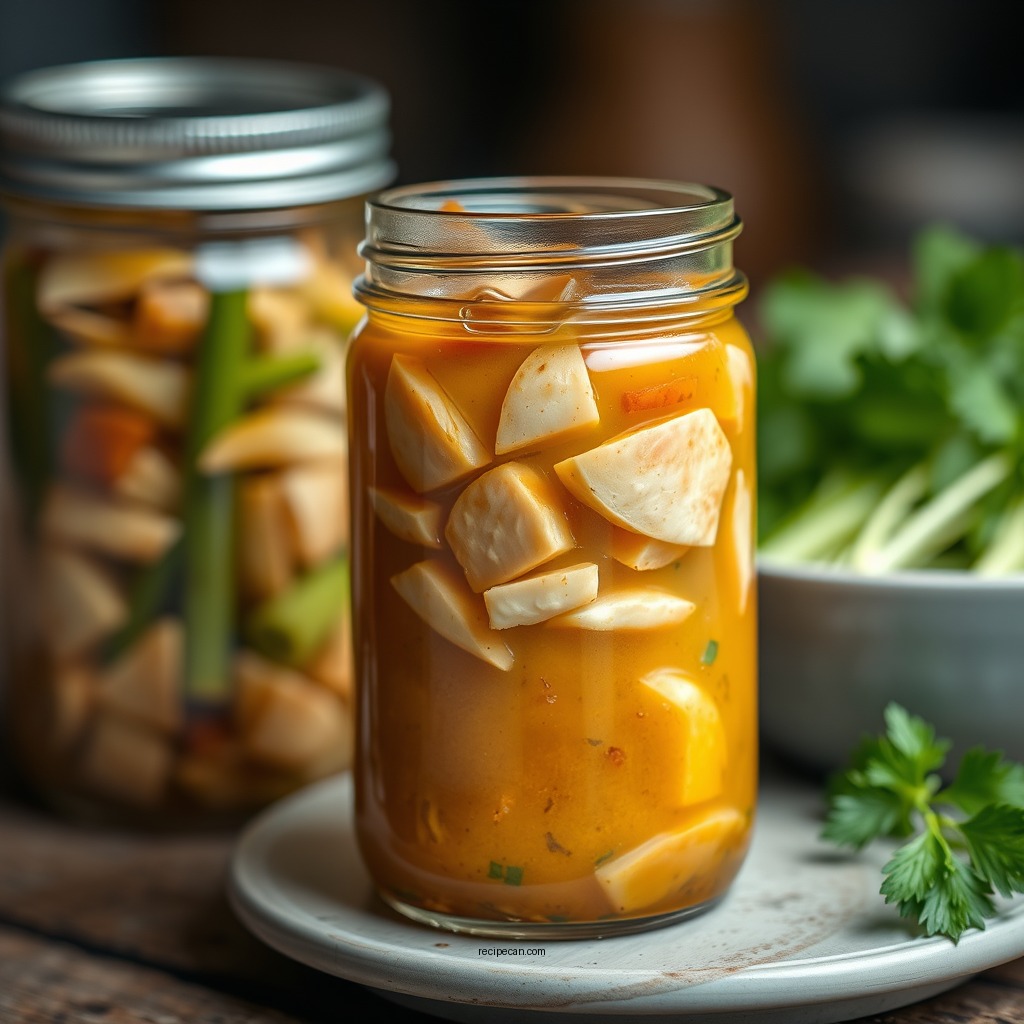
For canning chicken soup, pressure canning is the safest option. This method is necessary for low-acid foods like chicken, as it effectively eliminates harmful bacteria.
– Pressure Canner: Ensure you have a reliable pressure canner that is in good working condition. You can choose between a dial gauge or a weighted gauge canner.
– Jars: Use canning jars specifically designed for pressure canning. These jars can withstand the high temperatures and pressure during the canning process.
Nutritional Comparison of Chicken Soup Ingredients
| # | Ingredient | Calories (per 100g) | Protein (g) | Fat (g) | Carbohydrates (g) |
|---|---|---|---|---|---|
| 1 | Chicken Breast | 165 | 31 | 3.6 | 0 |
| 2 | Carrots | 41 | 0.9 | 0.2 | 10 |
| 3 | Celery | 16 | 0.7 | 0.2 | 3 |
| 4 | Onions | 40 | 1.1 | 0.1 | 9 |
| 5 | Thyme | 101 | 5 | 1.7 | 24 |
| 6 | Bay Leaves | 313 | 7.6 | 0.5 | 74 |
| 7 | Salt | 0 | 0 | 0 | 0 |
Fill and Seal the Jars
Now that your chicken soup is prepared, it’s time to fill and seal the jars for canning:
1. Fill the Jars: Using a ladle, fill each jar with hot soup, leaving at least 1 inch of headspace at the top. This space is necessary for expansion during the canning process.
2. Wipe the Rims: Use a clean cloth to wipe the rims of the jars, ensuring there are no food particles or grease that could prevent a proper seal.
3. Apply Lids: Place a sterilized lid on each jar and secure it tightly. Do not overly tighten, as this can lead to issues during processing.
Process the Jars
The next step is to process the jars in the pressure canner:
1. Load the Canner: Place the filled jars in the pressure canner, ensuring they are not touching each other.
2. Seal and Heat: Close the canner lid, and heat according to the manufacturer’s instructions. Bring the pressure to the recommended level (typically 10-11 lbs of pressure).
3. Monitor Processing Time: Process the jars for the appropriate time, typically 75 minutes for pints and 90 minutes for quarts, at the pressure level specific to your altitude.
Processing Times for Canning Chicken Soup
Cool and Store the Canned Soup
Once the processing is complete, you must allow the jars to cool properly:
1. Remove Jars: Turn off the heat and let the canner depressurize naturally. Once the pressure has returned to normal, carefully remove the jars using a jar lifter.
2. Cool Completely: Place the jars on a clean towel or cooling rack and allow them to cool at room temperature for 12-24 hours.
3. Check Seals: After cooling, check that each jar has sealed properly by pressing the center of the lid. If it pops back, the jar has not sealed and must be refrigerated and used within a few days.
4. Label and Store: Label each jar with the date and store them in a cool, dark place. Properly sealed jars can last up to a year or more.
Enjoying Your Canned Chicken Soup
When you’re ready to enjoy your delicious canned chicken soup, simply reheat it:
– Heating: Pour the soup into a pot and heat on the stove over medium heat, stirring occasionally. Alternatively, you can heat it in the microwave in a microwave-safe container.
– Enhancements: For an extra touch of flavor, consider adding fresh herbs or a squeeze of lemon juice right before serving. This not only brightens the dish but also adds a fresh element to the soup.
Canning chicken soup is a fulfilling way to enjoy homemade comfort food at your convenience. By following these detailed steps, you ensure that your soup is preserved safely and remains flavorful for months. Start your canning journey today and enjoy the satisfaction of having homemade chicken soup ready for any occasion!
Frequently Asked Questions
What are the essential ingredients for a chicken soup canning recipe?
The essential ingredients for canning chicken soup include cooked chicken, chicken broth, vegetables like carrots, celery, and onions, as well as seasonings such as salt, pepper, and herbs. You can also add noodles or rice, but note that they may affect the texture during storage. Using fresh, high-quality ingredients will ensure the best flavor and safety in your canned chicken soup.
How do I safely can chicken soup at home?
To safely can chicken soup at home, you’ll need a pressure canner, which is crucial for low-acid foods like chicken soup. First, prepare your soup by cooking the chicken and vegetables, then ladle the hot mixture into sterilized jars, leaving appropriate headspace. Finally, process the jars in the pressure canner at the recommended pressure and time based on your altitude to ensure safety and prevent spoilage.
Why is it important to use a pressure canner for chicken soup?
It is important to use a pressure canner for chicken soup because it effectively reaches the high temperatures necessary to kill harmful bacteria and pathogens that can cause foodborne illnesses. Water bath canning is not suitable for low-acid foods like chicken soup, as it does not achieve the required heat levels. Ensuring proper canning techniques will help preserve your soup safely for long-term storage.
What is the best way to store canned chicken soup after processing?
The best way to store canned chicken soup after processing is in a cool, dark, and dry place, such as a pantry or a cellar. Ensure that the jars are sealed properly and labeled with the date of canning for easy tracking. Avoid storing canned goods in direct sunlight or areas with fluctuating temperatures, as this can affect the shelf life and quality of the soup.
Which vegetables are best for adding to chicken soup for canning?
The best vegetables for adding to chicken soup for canning include carrots, celery, onions, and peas, as they hold up well during the canning process and enhance the flavor. You can also consider adding green beans or corn, but it’s important to chop them into small pieces to ensure even cooking and proper sealing in the jars. Always use fresh vegetables for the best results in your canned chicken soup.
References
- https://www.ncbi.nlm.nih.gov/pmc/articles/PMC6023955/
https://www.ncbi.nlm.nih.gov/pmc/articles/PMC6023955/ - https://www.extension.purdue.edu/extmedia/FNR/FNR-516-W.pdf
https://www.extension.purdue.edu/extmedia/FNR/FNR-516-W.pdf - https://www.foodsafety.gov/food-safety-charts/canning-home-foods
https://www.foodsafety.gov/food-safety-charts/canning-home-foods - https://www.uga.edu/extension/canning/
https://www.uga.edu/extension/canning/ - https://www.fsis.usda.gov/wps/portal/fsis/topics/regulatory-compliance/food-safety-fact-sheets/home-canning
https://www.fsis.usda.gov/wps/portal/fsis/topics/regulatory-compliance/food-safety-fact-sheets/home-canning - https://www.nal.usda.gov/legacy/fnic/food-safety-home-canning
https://www.nal.usda.gov/legacy/fnic/food-safety-home-canning - https://www.cdc.gov/foodsafety/communication/canning.html
https://www.cdc.gov/foodsafety/communication/canning.html - Google Scholar Google Scholar
https://scholar.google.com/scholar?q=recipe+for+canning+chicken+soup - Google Scholar Google Scholar
https://scholar.google.com/scholar?q=canning+soup+food+safety - Google Scholar Google Scholar
https://scholar.google.com/scholar?q=home+canning+chicken+recipe