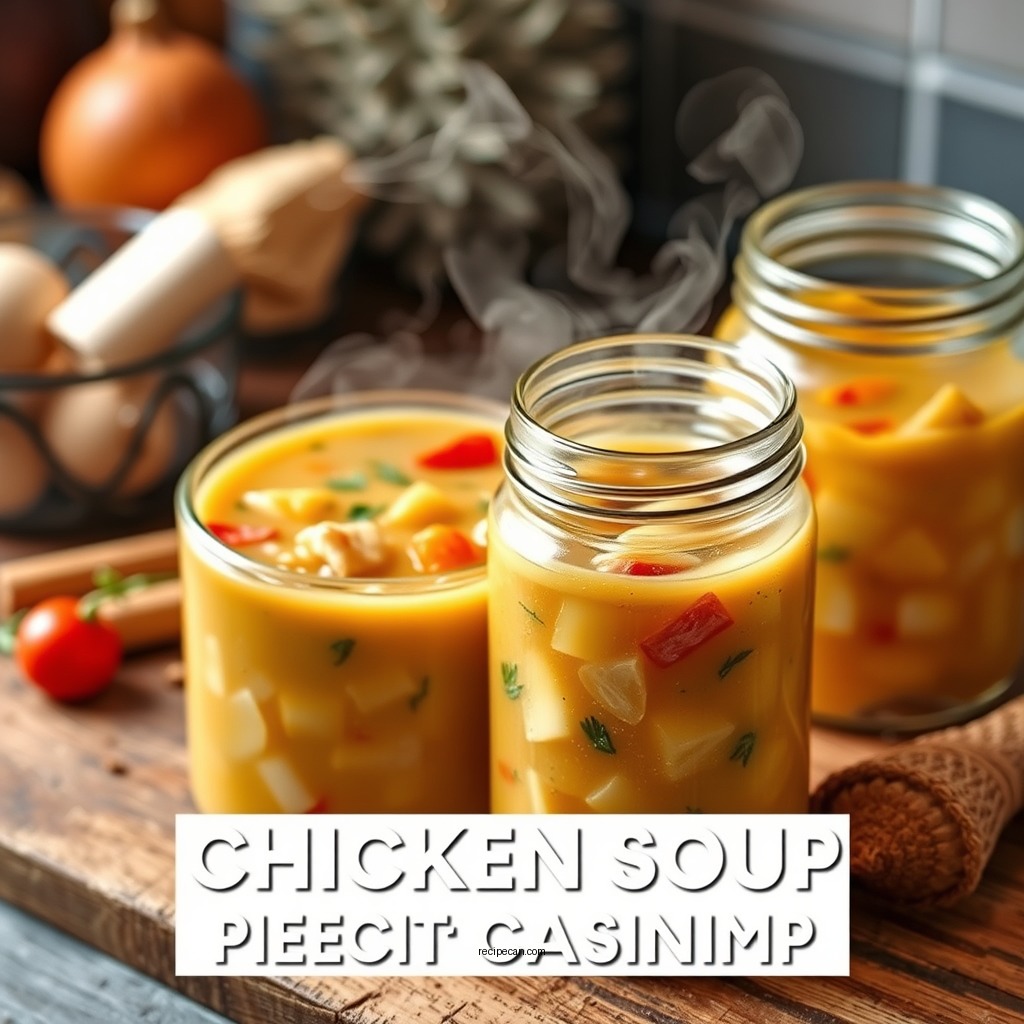
To preserve delicious homemade chicken soup safely and effectively, follow this comprehensive step-by-step guide specifically designed for canning. In this article, you will learn how to prepare a nutritious chicken soup and can it properly, ensuring that you can enjoy wholesome meals throughout the year.
Understanding Canning Basics
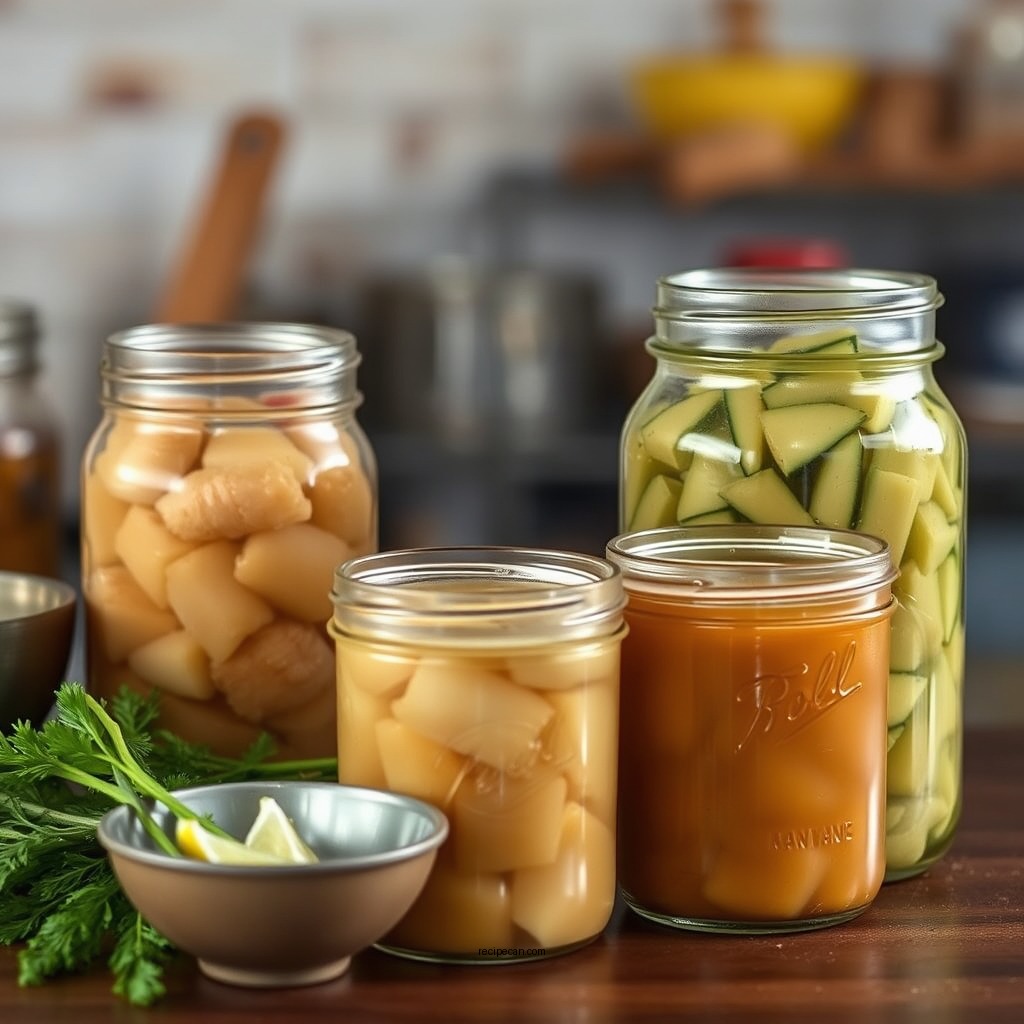
Canning is a crucial method for preserving food, particularly for homemade soups. There are two primary canning methods: water bath canning and pressure canning. Water bath canning is suitable for high-acid foods, while pressure canning is essential for low-acid foods, like chicken soup. The latter method ensures that the internal temperature reaches a level high enough to kill harmful bacteria, making it vital for meat-based products.
Before diving into the canning process, it’s important to gather the right equipment. You will need canning jars, lids, and a canner. A pressure canner is the best choice for canning chicken soup, as it can reach the necessary temperatures to safely preserve the broth and meat. Additionally, ensure your jars are clean and in good condition to prevent breakage and ensure an airtight seal.
Ingredients for Chicken Soup
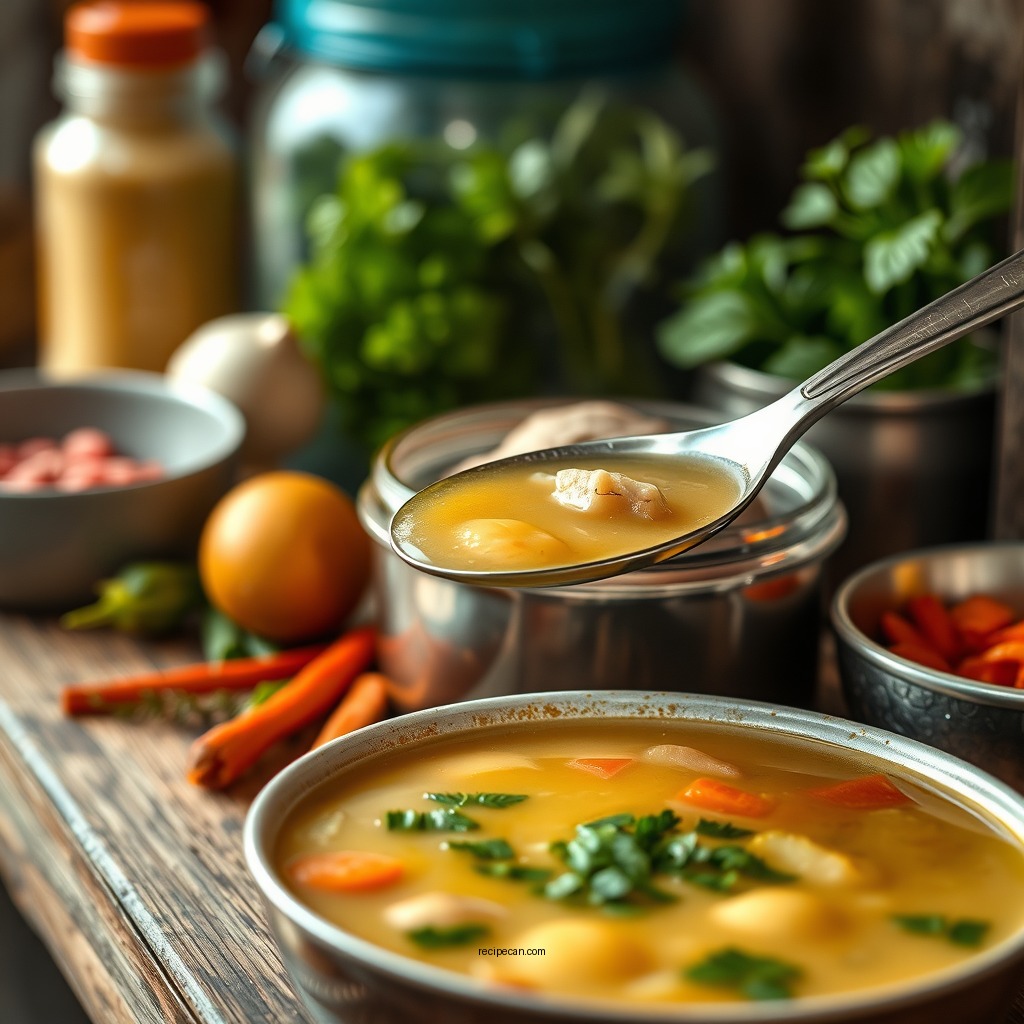
To create a flavorful and nutritious chicken soup for canning, you will need the following essential ingredients:
– Chicken: Use fresh, preferably organic chicken for the best flavor.
– Vegetables: Common choices include carrots, celery, onions, and garlic.
– Broth: You can use homemade chicken broth or store-bought, but ensure it’s low-sodium for better control over seasoning.
– Spices: Consider using bay leaves, thyme, salt, and pepper to enhance the flavor profile.
Choosing fresh, organic ingredients not only enhances the flavor of your soup but also boosts its nutritional value. Organic vegetables are often richer in vitamins and minerals, providing a healthier meal option.
Preparing the Chicken Soup
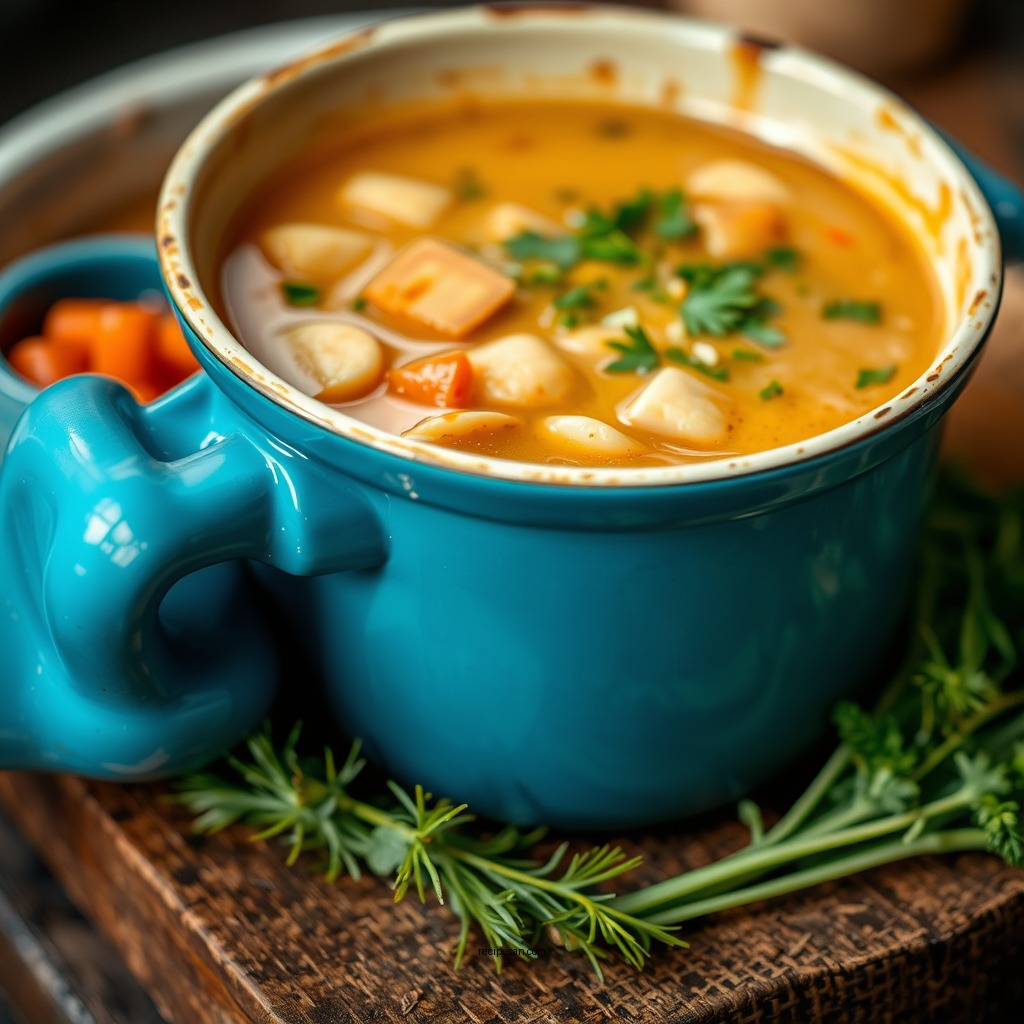
Preparing your chicken soup involves several steps to ensure a rich and savory flavor:
1. Cook the Chicken: Start by boiling whole chicken pieces or thighs in a large pot of water. Add a pinch of salt and simmer until the chicken is cooked through, about 30-40 minutes. Once cooked, remove the chicken and let it cool before shredding the meat.
2. Sauté the Vegetables: In the same pot, add a splash of olive oil and sauté chopped onions, carrots, and celery until softened. This step builds a flavorful base for your soup.
3. Combine Ingredients: Return the shredded chicken to the pot and add the sautéed vegetables. Pour in your broth and add spices. Bring the mixture to a gentle boil, then reduce the heat and let it simmer for about 30 minutes.
4. Taste and Adjust: Before canning, taste the soup and adjust seasonings as necessary. This final touch will ensure a delicious product when you open your jars later.
📋 Data Table: Nutritional Benefits of Ingredients
Nutritional Benefits of Chicken Soup Ingredients
| # | Ingredient | Calories per Serving | Protein (g) | Vitamin A (%) |
|---|---|---|---|---|
| 1 | Chicken | 250 | 31 | 0 |
| 2 | Carrots | 41 | 1 | 184 |
| 3 | Celery | 16 | 0.7 | 0 |
| 4 | Onions | 64 | 1.8 | 0 |
| 5 | Garlic | 4 | 0.2 | 0 |
| 6 | Broth | 15 | 1.2 | 0 |
| 7 | Spices | 0 | 0 | 0 |
Canning the Chicken Soup
Once your soup is prepared, it’s time to can it. Follow these detailed steps:
1. Sterilize Jars: Before filling, sterilize your jars by placing them in a boiling water bath for 10 minutes. This step is crucial for preventing contamination.
2. Fill the Jars: Using a ladle, fill each jar with hot soup, leaving about an inch of headspace at the top. This space is necessary for the soup to expand during processing.
3. Remove Air Bubbles: After filling the jars, run a non-metallic spatula or a bubble remover tool along the inside edge to release any trapped air bubbles.
4. Wipe the Rims: Clean the rims of the jars with a clean cloth to ensure a proper seal.
5. Seal the Jars: Place the lids on the jars, and screw on the metal bands until they are fingertip-tight.
6. Process the Jars: Place the filled jars into the pressure canner. Process according to your canner’s guidelines, typically at 10-11 pounds of pressure for 75-90 minutes, depending on the size of the jars.
7. Cool and Store: After processing, allow the jars to cool completely before storing them in a cool, dark place.
📈 Chart: Processing Times for Different Jar Sizes
Processing Times for Canning Chicken Soup
Storage and Shelf Life
Proper storage is essential to maintain the quality and safety of your canned chicken soup. Store the jars in a cool, dark place, away from direct sunlight and heat sources. A pantry or a dedicated storage area works best.
The shelf life of properly canned chicken soup is typically 1 to 2 years. However, it’s advisable to check the jars periodically for any signs of spoilage. Look for bulging lids, leakage, or any unusual odors when opening a jar. If you notice any of these signs, do not consume the soup.
Using Your Canned Chicken Soup
Your canned chicken soup can be a versatile addition to many meals. Here are some creative ideas for using it:
1. As a Base for Other Soups: Use your canned chicken soup as a base for other soups by adding different vegetables, beans, or grains to create a hearty meal.
2. Chicken and Rice: Combine the soup with rice for a quick and filling dish. Simply heat the soup and stir in cooked rice until well combined.
3. Casseroles: Use the soup as a creamy sauce in casseroles. Mix it with pasta, vegetables, and cheese, then bake until golden.
4. Reheating: When reheating your canned soup, do so on the stovetop or in the microwave until it reaches a rolling boil, ensuring it’s heated thoroughly for safety.
Incorporating your canned chicken soup into meals not only saves time but also ensures you have a nutritious option readily available.
With your homemade canned chicken soup ready, you can enjoy nutritious meals all year round. This step-by-step guide provides all the information you need to create, can, and utilize your soup effectively. Try out this recipe, and don’t forget to share your results or any variations you make!
Frequently Asked Questions
What are the best ingredients for a chicken soup recipe for canning?
The best ingredients for a chicken soup recipe for canning include fresh chicken, vegetables like carrots, celery, and onions, and herbs such as thyme and parsley. It’s important to use high-quality ingredients and avoid starchy vegetables like potatoes, as they can affect the canning process and texture of the soup.
How do I safely can chicken soup at home?
To safely can chicken soup at home, use a pressure canner to ensure that the soup reaches the necessary temperature to kill harmful bacteria. Fill sterilized jars with hot soup, leaving appropriate headspace, and process them according to your canner’s instructions, typically for about 75 minutes at 10-15 PSI, depending on your altitude.
Why is it important to follow a specific chicken soup recipe for canning?
Following a specific chicken soup recipe for canning is crucial because it ensures safety and preserves the quality of the food. Home canning requires precise measurements and processing times to prevent spoilage and maintain the nutritional value, making it essential to adhere to tested recipes.
Which canning method is best for chicken soup: water bath or pressure canning?
The best canning method for chicken soup is pressure canning, as it reaches higher temperatures necessary to safely preserve low-acid foods. Water bath canning is not recommended for chicken soup, as it does not achieve the temperatures needed to kill bacteria and prevent botulism.
What are common mistakes to avoid when canning chicken soup?
Common mistakes to avoid when canning chicken soup include not properly sterilizing jars, overfilling jars beyond the recommended headspace, and failing to process the jars for the appropriate amount of time. Additionally, using ingredients not suitable for canning, like certain grains or starchy vegetables, can compromise both safety and texture.
References
- https://www.extension.purdue.edu/extmedia/FNR/FNR-450-W.pdf
https://www.extension.purdue.edu/extmedia/FNR/FNR-450-W.pdf - UGA
https://www.uga.edu/ - https://www.nchfp.uga.edu/how/can_02/chicken_soup.html
https://www.nchfp.uga.edu/how/can_02/chicken_soup.html - https://www.fsis.usda.gov/wps/portal/fsis/topics/food-safety-education/get-answers/food-safety-fact-sheets
https://www.fsis.usda.gov/wps/portal/fsis/topics/food-safety-education/get-answers/food-safety-fact-sheets - Food Safety | Food Safety | CDC
https://www.cdc.gov/foodsafety/ - https://www.ncbi.nlm.nih.gov/pmc/articles/PMC5947193/
https://www.ncbi.nlm.nih.gov/pmc/articles/PMC5947193/ - Google Scholar Google Scholar
https://scholar.google.com/scholar?q=chicken+soup+recipe+for+canning - Google Scholar Google Scholar
https://scholar.google.com/scholar?q=canning+chicken+soup+recipes - Google Scholar Google Scholar
https://scholar.google.com/scholar?q=home+canning+chicken+soup - Food Safety | Iowa State University Extension and Outreach Health and Human Sciences
https://www.extension.iastate.edu/foodsafety/