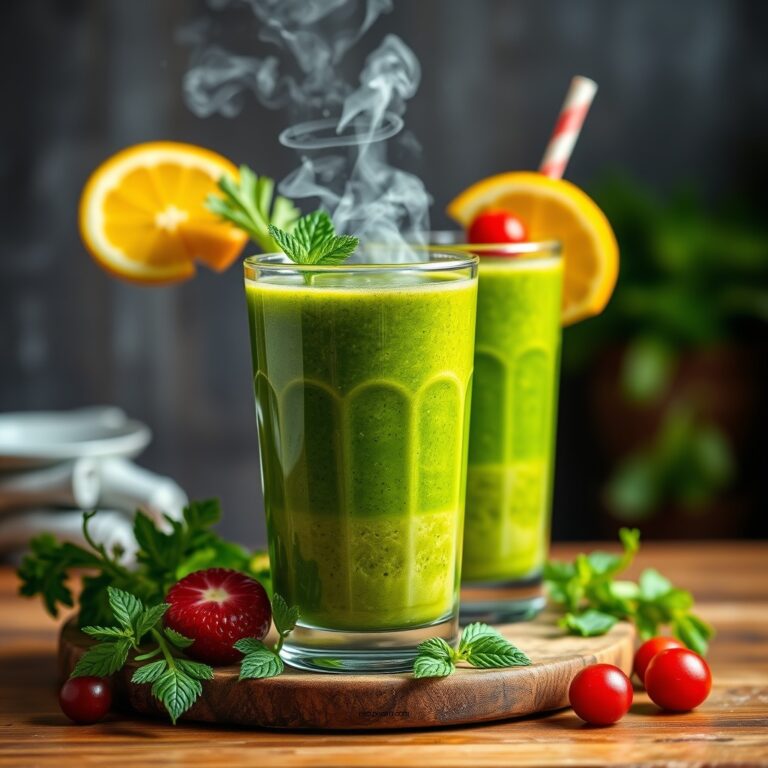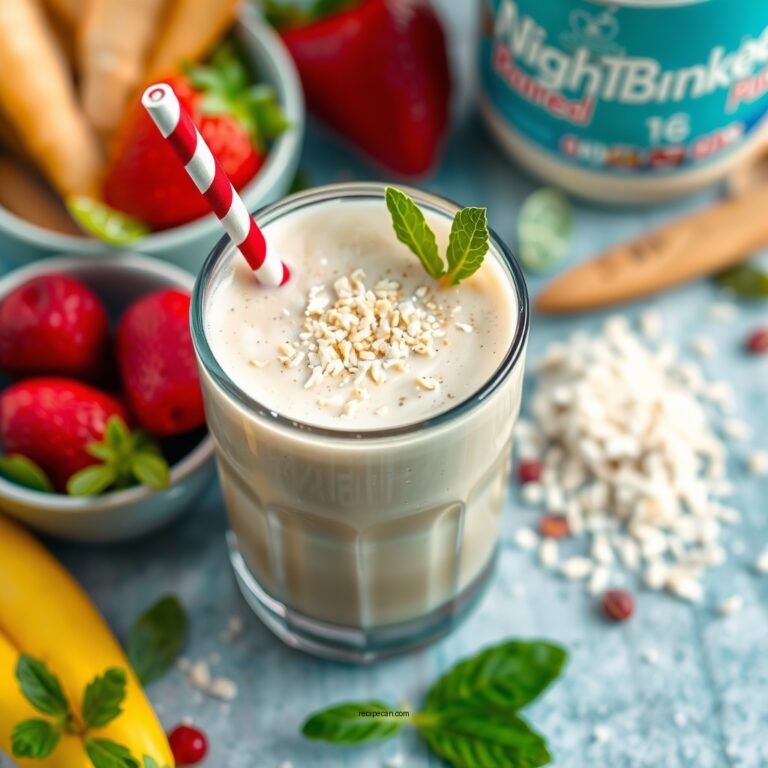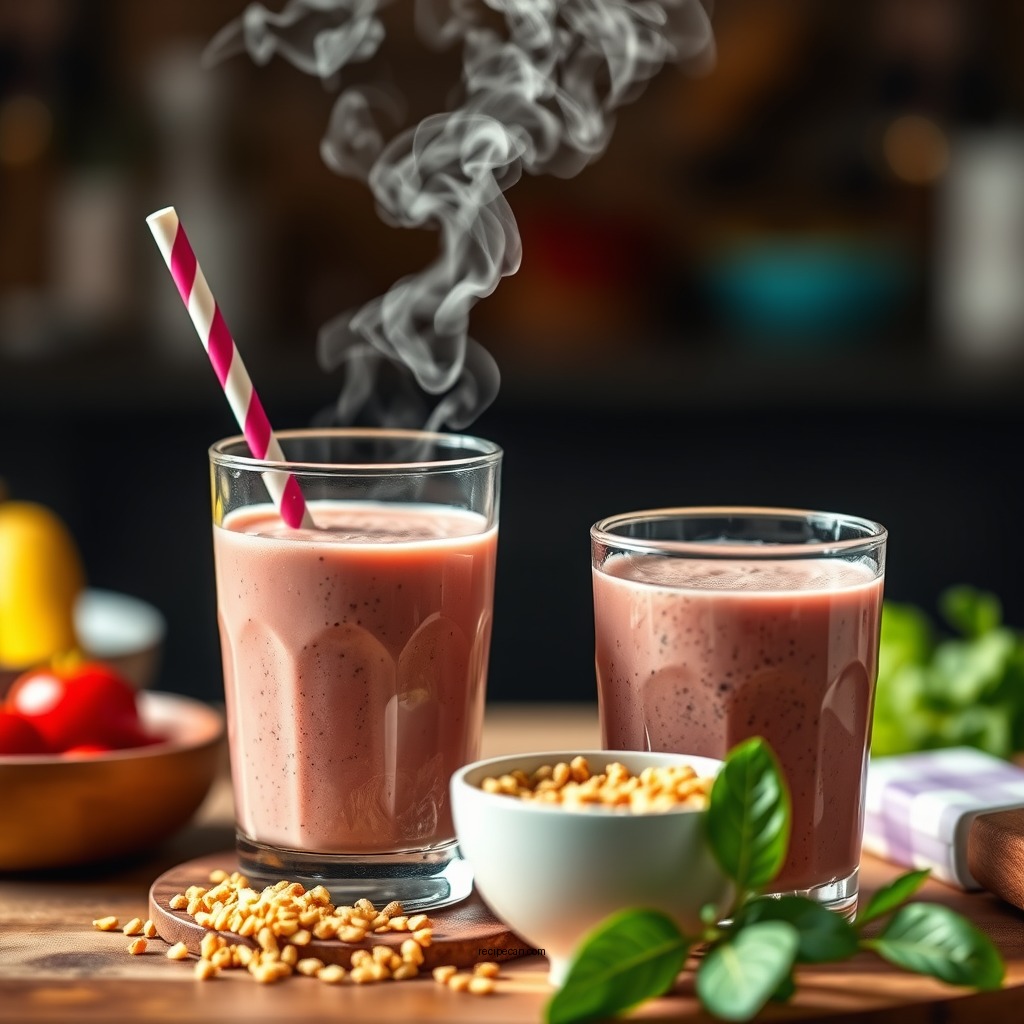
Nursing mothers can enhance their milk production and overall health with a nutritious lactation smoothie. This simple yet delicious recipe is packed with essential nutrients that support lactation and provide the energy needed during the demanding journey of motherhood. In this article, we will delve into a lactation smoothie recipe, highlight key ingredients that promote milk production, and share tips to optimize your smoothie for maximum benefits.
Nutrient-Rich Ingredients
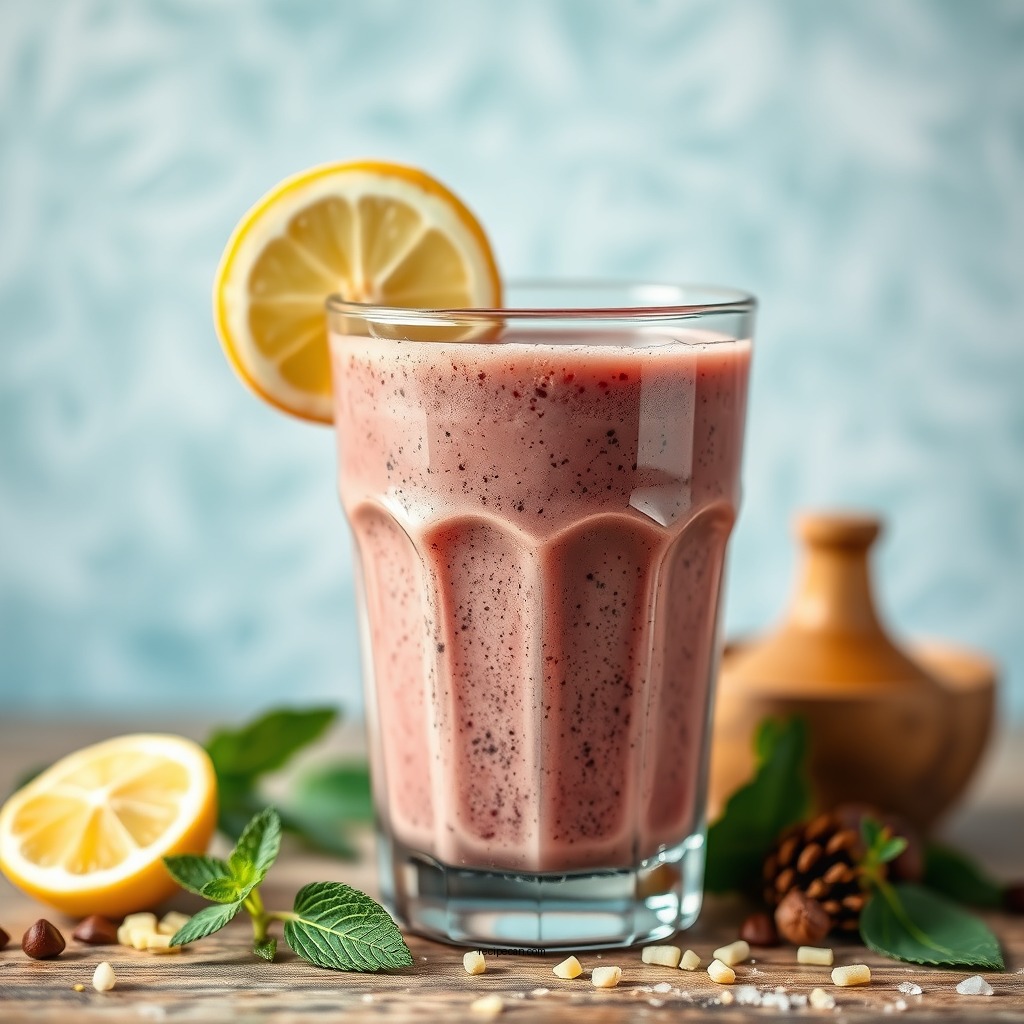
To create a truly beneficial lactation smoothie, it is essential to incorporate nutrient-rich ingredients.
– Leafy Greens: Spinach and kale are two powerhouse greens that are rich in vitamins A, C, and K, as well as essential minerals such as calcium and iron. These nutrients are crucial for nursing mothers as they support overall health and contribute to the quality of breast milk. Leafy greens also provide fiber, which aids digestion and can help combat the postpartum constipation that many women experience.
– Healthy Fats: Including healthy fats in your smoothie is vital for both energy and milk production. Avocado is an excellent source of monounsaturated fats, which are beneficial for heart health. Nut butters, like almond or peanut butter, are also great additions, providing protein and healthy fats that contribute to sustained energy levels. These fats help your body absorb fat-soluble vitamins (A, D, E, and K), which are important for both mother and baby.
Lactogenic Foods to Include
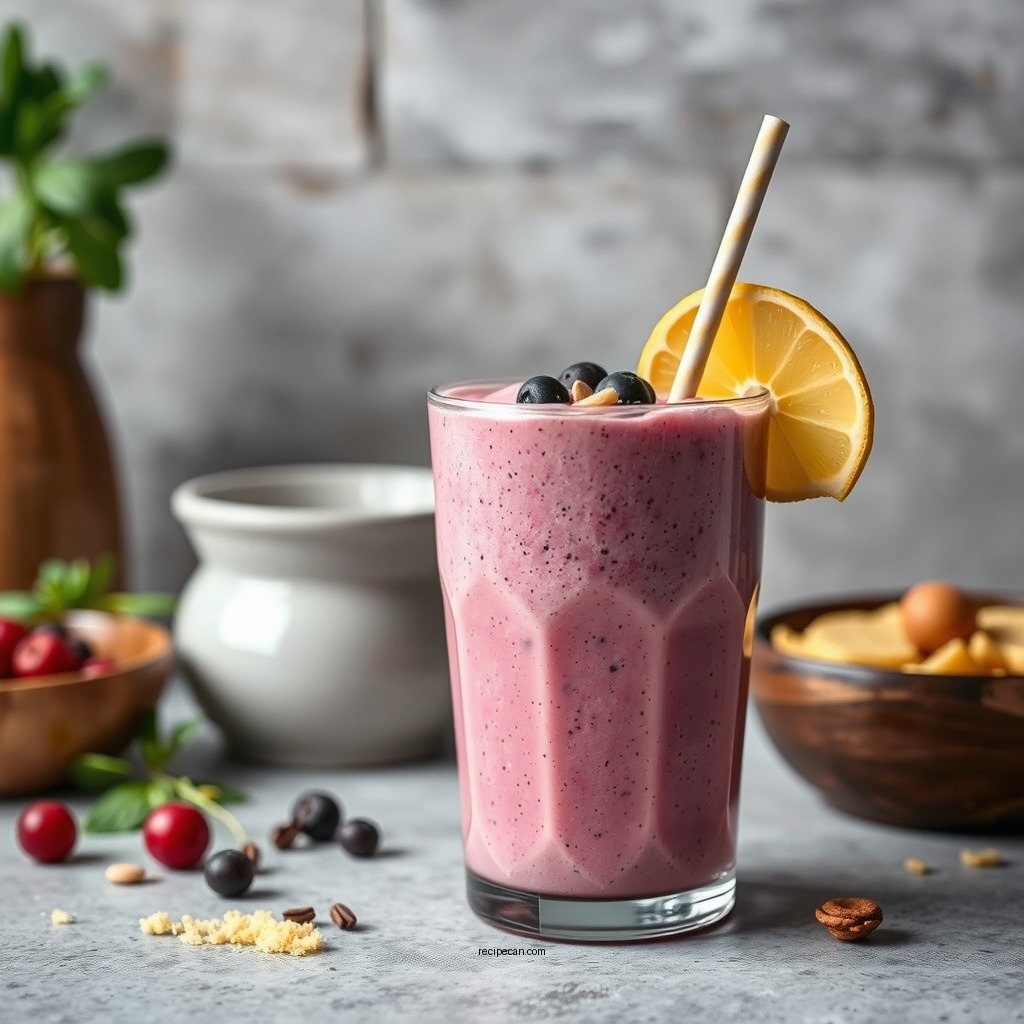
Certain foods are known to specifically enhance lactation, making them essential in your smoothie.
– Oats: Oats are rich in beta-glucans, a type of soluble fiber that has been shown to boost milk supply in nursing mothers. They are also a good source of iron, which is vital for blood production and energy levels. Adding oats to your smoothie not only supports lactation but also provides a satisfying, creamy texture.
– Flaxseeds: Flaxseeds are another lactogenic food that can enhance milk production. They are loaded with omega-3 fatty acids, which play a crucial role in hormonal balance and can positively impact mood and cognitive function during the postpartum period. Ground flaxseeds can easily be added to your smoothie for a nutritional boost.
Smoothie Recipe Instructions
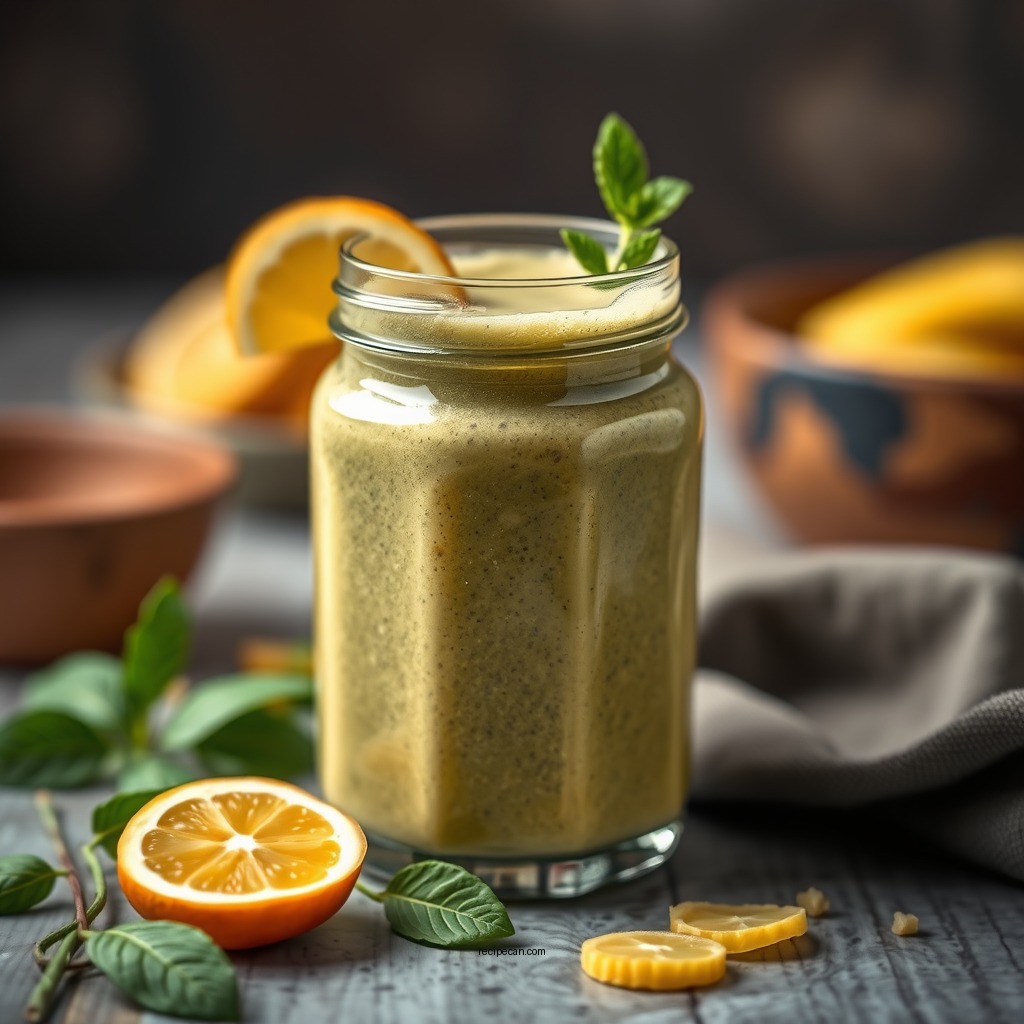
Creating a delicious lactation smoothie is straightforward and can be customized to your taste preferences.
– Base Ingredients: Begin with 1 cup of almond milk or yogurt for a creamy and nutritious base. Almond milk is a great dairy-free option, while yogurt adds probiotics, which are beneficial for gut health.
– Add Fruits: Incorporate a banana for natural sweetness and creaminess, along with a handful of berries, such as blueberries or strawberries, which are rich in antioxidants. These fruits not only enhance the flavor but also provide essential vitamins and minerals.
Nutritional Table of Ingredients
Nutritional Benefits of Key Ingredients in Lactation Smoothies
| # | Ingredient | Nutrients | Benefits |
|---|---|---|---|
| 1 | Spinach | Vitamins A, C, K, Iron | Boosts immune function, supports bone health |
| 2 | Avocado | Healthy fats, Potassium | Enhances energy levels, supports heart health |
| 3 | Oats | Beta-glucans, Iron | Increases milk supply, provides sustained energy |
| 4 | Flaxseeds | Omega-3, Fiber | Supports hormonal balance, enhances lactation |
| 5 | Banana | Potassium, Vitamin B6 | Boosts mood, provides quick energy |
| 6 | Berries | Antioxidants, Vitamin C | Supports immune health, reduces inflammation |
| 7 | Nut Butters | Protein, Healthy fats | Provides energy, aids in milk production |
Blending Techniques
The method of blending your smoothie can significantly impact its texture and taste.
– Proper Order: To achieve a smooth consistency, blend leafy greens first with the liquid base. This ensures that the greens are fully incorporated and prevents any gritty texture in the final product.
– Texture Preference: Depending on your personal preference, you can adjust the thickness of your smoothie. If you prefer a thicker smoothie, add ice or frozen fruits. For a thinner consistency, add more liquid, such as almond milk or yogurt. Experimenting with different ratios will help you find your ideal texture.
Lactation Smoothie Bar Chart
Lactogenic Ingredient Contribution to Milk Production (%)
Additional Tips for Boosting Lactation
While smoothies can be a fantastic addition to your diet, there are other strategies that can help further support milk production.
– Stay Hydrated: Adequate hydration is fundamental for nursing mothers. Drinking plenty of water throughout the day, in addition to enjoying your lactation smoothie, can promote milk supply. Aim for at least 8-10 glasses of water daily, as hydration directly influences milk volume.
– Regular Consumption: Integrating lactation smoothies into your daily meal plan can yield sustained benefits. Consider having a smoothie for breakfast or as a mid-afternoon snack. Consistent intake of lactogenic foods can help maintain your milk supply and provide the necessary nutrients you need while nursing.
Variations to Try
One of the best aspects of smoothies is their versatility. You can easily adapt the recipe to suit your taste and nutritional needs.
– Flavor Combinations: Experiment with different fruits, such as mango or pineapple, to create a tropical twist. You could also incorporate spices like cinnamon or ginger for added flavor and health benefits.
– Protein Boost: For an extra nutrient kick, consider adding protein powder or Greek yogurt. This addition not only enhances the protein content but also helps keep you full longer, making it a perfect meal replacement.
Incorporating these variations will not only keep your smoothies exciting but also allow you to tailor them to your specific dietary needs.
Nursing mothers can easily integrate this delicious lactation smoothie into their daily diet for added nutrition and support. By choosing the right ingredients and following the recipe, you can create a tasty drink that promotes lactation and enhances your overall health. Don’t hesitate to try different variations to find your perfect blend!
Frequently Asked Questions
What ingredients are essential for a lactation smoothie recipe?
A good lactation smoothie recipe typically includes ingredients known to support milk production, such as oats, flaxseeds, spinach, and nuts. Additionally, incorporating fruits like bananas, berries, and avocados can enhance flavor and provide essential nutrients. Don’t forget to add a liquid base like almond milk or coconut water for a creamy texture.
How can I customize my lactation smoothie for better taste and nutrition?
You can customize your lactation smoothie by experimenting with various fruits and vegetables that you enjoy. Adding Greek yogurt or protein powder can boost the nutritional content, while honey or maple syrup can sweeten the taste. Mixing in spices like cinnamon or vanilla extract also enhances flavor without compromising health benefits.
Why are oats a popular ingredient in lactation smoothies?
Oats are a popular ingredient in lactation smoothies because they are rich in beta-glucan, a type of soluble fiber that can help increase milk supply. Additionally, oats are nutritious and provide sustained energy, making them an excellent choice for breastfeeding mothers who need extra calories and nutrients during this time.
What is the best time to consume a lactation smoothie for maximum benefits?
The best time to consume a lactation smoothie is in the morning as part of a balanced breakfast or as a mid-morning snack. This helps provide essential nutrients to support your energy levels throughout the day and contributes to maintaining a healthy milk supply. Additionally, enjoying a smoothie after nursing can help replenish your body’s nutrients.
Which lactation smoothie recipes are quick and easy to prepare?
Some quick and easy lactation smoothie recipes include a banana and spinach smoothie with almond milk or a berry and oatmeal smoothie blended with Greek yogurt. Both recipes can be prepared in under 10 minutes and are packed with lactation-boosting ingredients. You can also prepare smoothie packs in advance to save time on busy mornings.
References
- https://www.ncbi.nlm.nih.gov/pmc/articles/PMC6515856/
https://www.ncbi.nlm.nih.gov/pmc/articles/PMC6515856/ - https://www.ncbi.nlm.nih.gov/pmc/articles/PMC6504742/
https://www.ncbi.nlm.nih.gov/pmc/articles/PMC6504742/ - https://www.mayoclinic.org/healthy-lifestyle/nutrition-and-healthy-eating/in-depth/smoothies/art-20046050
https://www.mayoclinic.org/healthy-lifestyle/nutrition-and-healthy-eating/in-depth/smoothies/art-20046050 - https://www.who.int/news-room/fact-sheets/detail/lactation
https://www.who.int/news-room/fact-sheets/detail/lactation - https://www.cdc.gov/nutrition/infantandtoddlernutrition/breastfeeding/lactation.html
https://www.cdc.gov/nutrition/infantandtoddlernutrition/breastfeeding/lactation.html - Lactation | Physiology, Pregnancy, & Hormones | Britannica
https://www.britannica.com/topic/lactation - What are the benefits of breastfeeding? | NICHD – Eunice Kennedy Shriver National Institute of Ch…
https://www.nichd.nih.gov/health/topics/breastfeeding/conditioninfo/benefits - Google Scholar Google Scholar
https://scholar.google.com/scholar?q=lactation+smoothie+recipe - Google Scholar Google Scholar
https://scholar.google.com/scholar?q=lactation+nutrition+recipes - Google Scholar Google Scholar
https://scholar.google.com/scholar?q=breastfeeding+smoothie+benefits