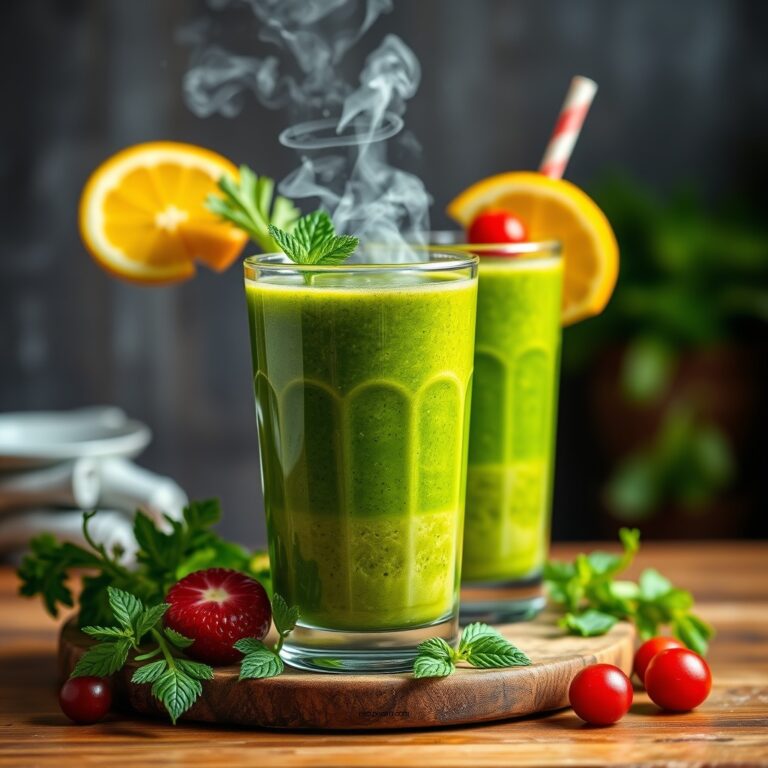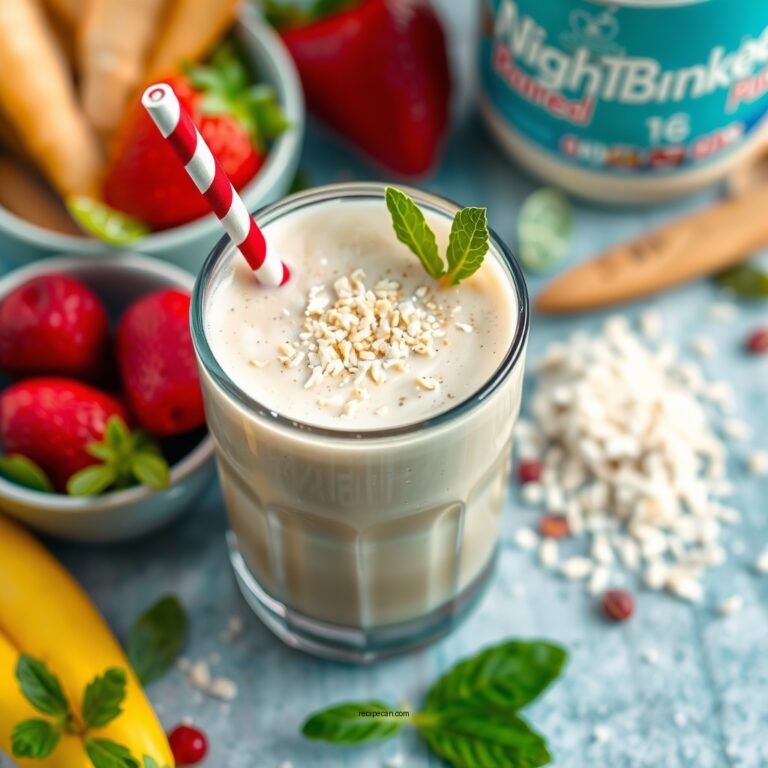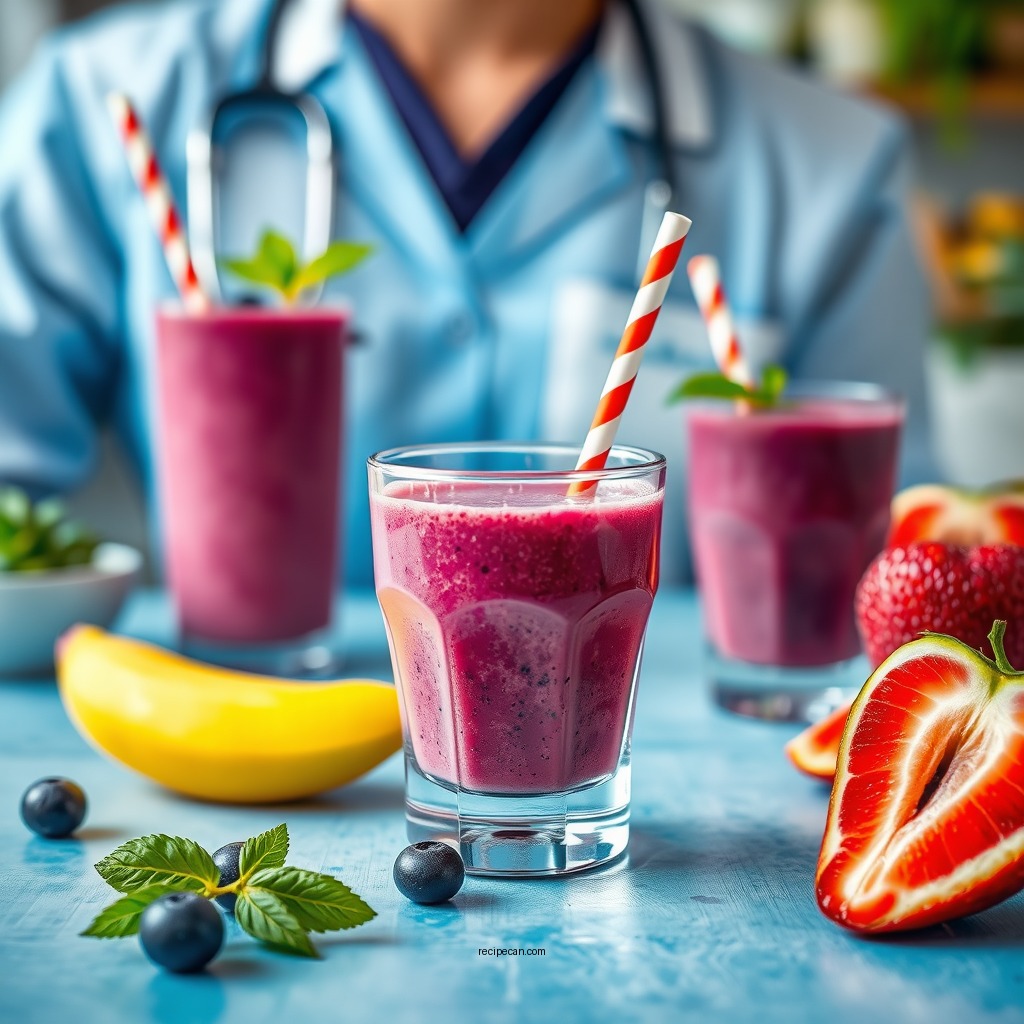
Smoothies can be a fantastic choice for those managing diabetes, as they can be packed with nutrients while keeping sugar levels in check. In this article, you’ll discover a variety of diabetic-friendly fruit smoothie recipes that are not only delicious but also simple to prepare. These recipes focus on low-glycemic fruits and healthy ingredients to help you maintain balanced blood sugar levels.
Understanding Diabetic Smoothies
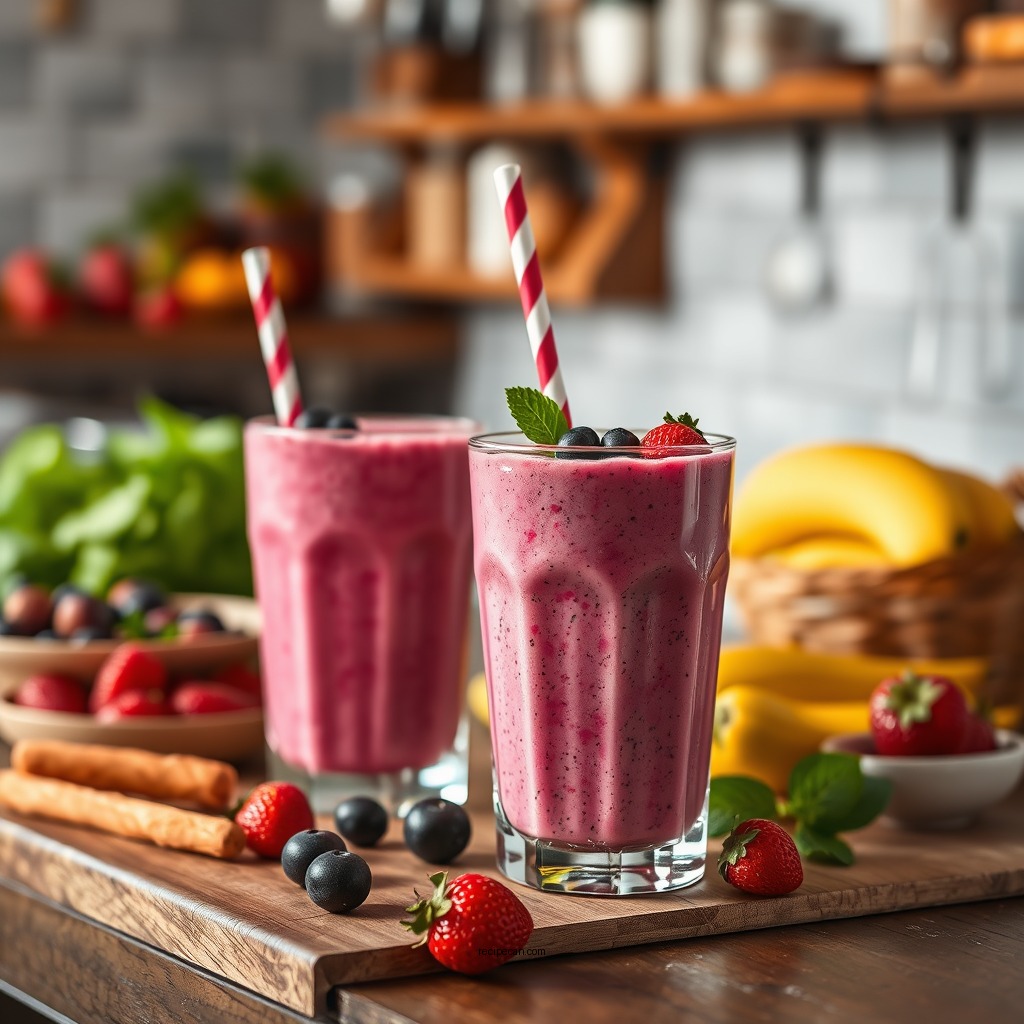
When creating smoothies for diabetes management, the importance of low-glycemic fruits cannot be overstated. Low-glycemic fruits, such as berries, cherries, and apples, are digested more slowly compared to high-glycemic options like bananas and pineapples. This slow digestion helps prevent spikes in blood sugar levels, which is crucial for individuals managing diabetes. Additionally, incorporating leafy greens like spinach or kale into smoothies not only enhances their nutrient profile but also adds fiber, which can help stabilize blood sugar levels.
Moreover, adding protein sources such as Greek yogurt or nut butters can make smoothies more satisfying and nourishing. Protein helps slow down the absorption of sugar into the bloodstream, thereby maintaining more balanced energy levels throughout the day. Together, these components create a smoothie that is not only delicious but also supportive of overall health.
Essential Ingredients for Diabetic Smoothies
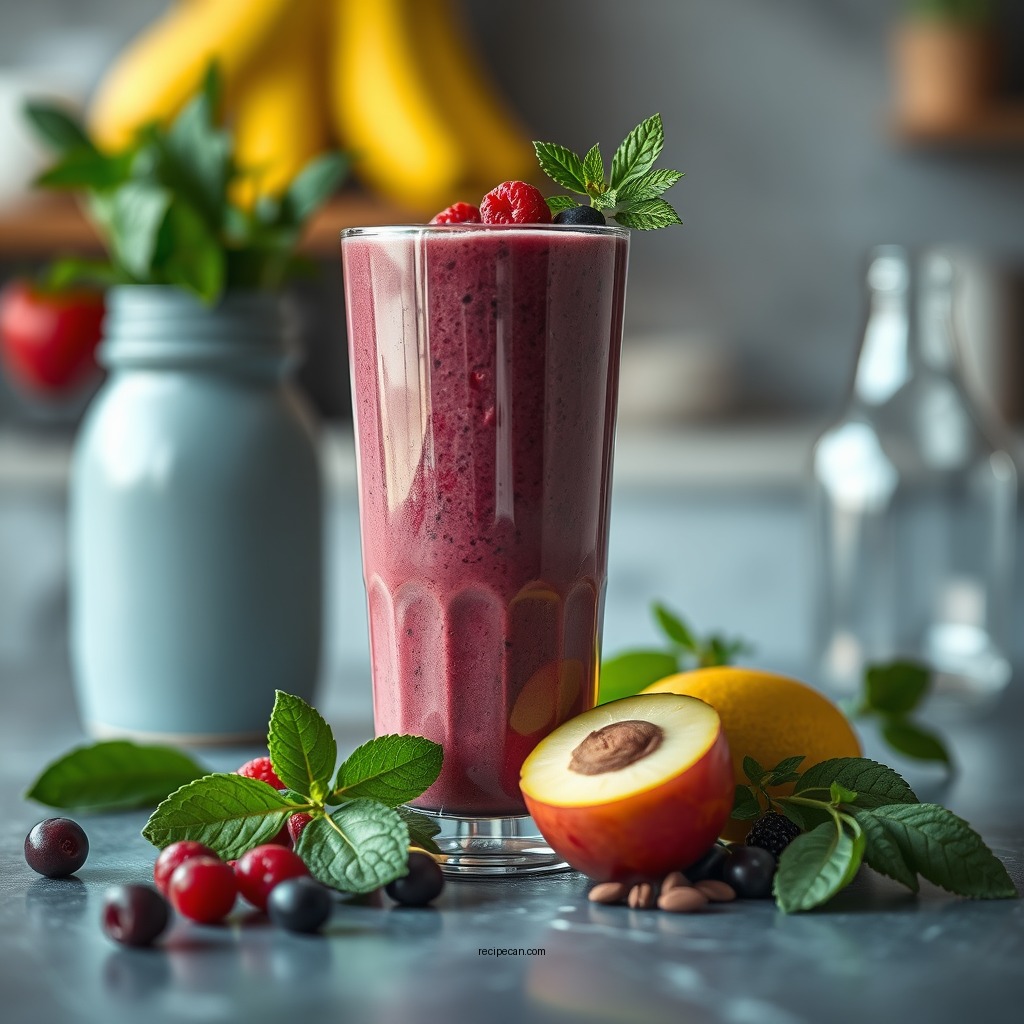
When crafting diabetic-friendly smoothies, selecting the right ingredients is key. Here’s an overview of fruits that are typically safe for diabetics:
– Berries: Strawberries, blueberries, and blackberries are excellent choices. They are low in sugar and high in antioxidants.
– Avocados: Packed with healthy fats and fiber, avocados can help keep you full and provide a creamy texture to smoothies.
– Citrus Fruits: Oranges and grapefruits have a low glycemic index and can add a refreshing zing to your smoothie.
In addition to fruits, consider these protein sources to enhance your smoothies:
– Greek Yogurt: This is a great source of protein and probiotics, which can aid in digestion.
– Nut Butters: Almond butter or peanut butter adds healthy fats and protein, making your smoothie more filling.
– Protein Powders: Unsweetened protein powders can be an efficient way to increase your protein intake without adding extra sugars.
Smoothie Recipe 1: Berry Burst Delight
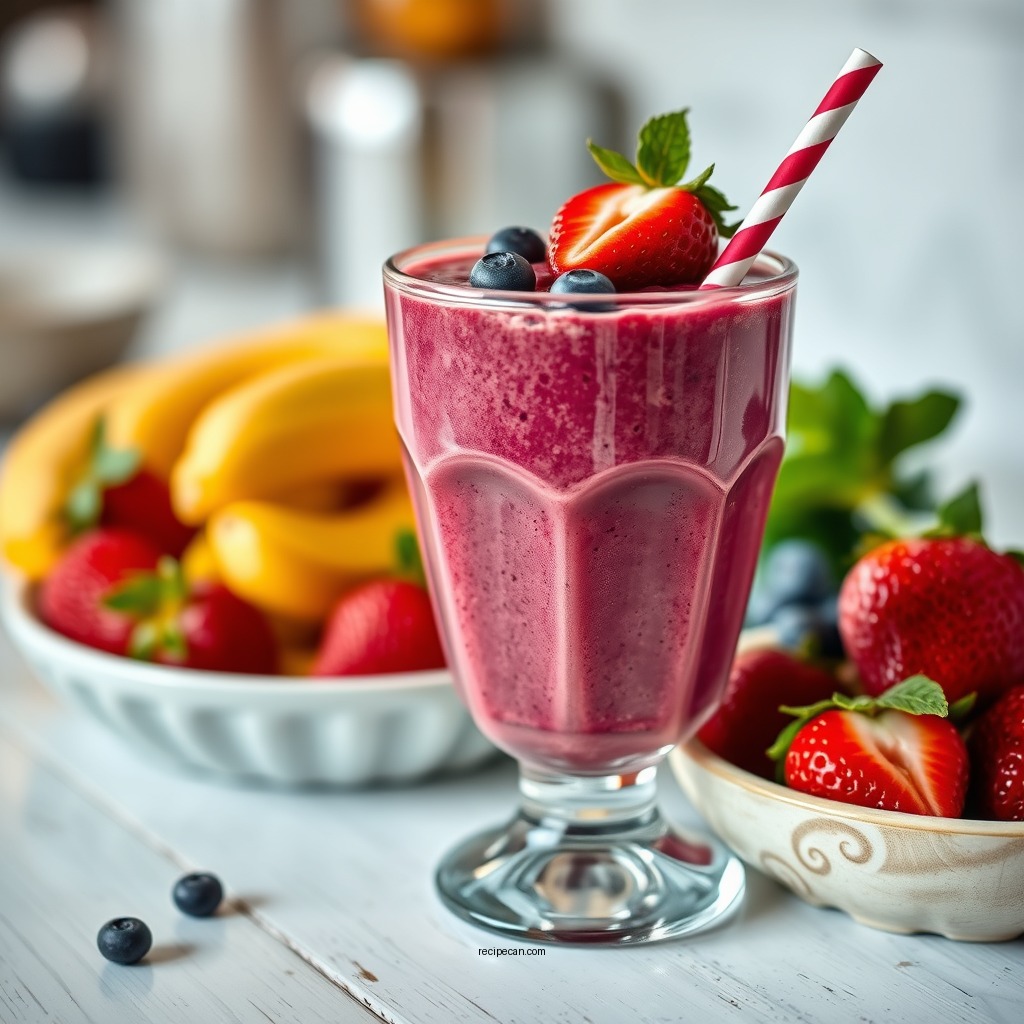
Ingredients:
– 1 cup mixed berries (strawberries, blueberries, raspberries)
– 1 cup fresh spinach
– 1 cup unsweetened almond milk
Instructions:
1. In a blender, combine the mixed berries, spinach, and almond milk.
2. Blend until smooth, adjusting the thickness by adding more almond milk if necessary.
3. For a refreshing texture, add ice cubes and blend again until the desired consistency is achieved.
Smoothie Recipe 2: Creamy Avocado Green Smoothie
Ingredients:
– 1 ripe avocado
– 1 cup kale
– 1 cup unsweetened coconut milk
– 2 tablespoons chia seeds
Instructions:
1. Place avocado, kale, coconut milk, and chia seeds in a blender.
2. Blend until all ingredients are fully combined and the smoothie reaches a creamy consistency.
3. Serve chilled for a refreshing and nutritious drink.
Smoothie Recipe 3: Protein-Packed Banana Smoothie
Ingredients:
– ½ medium banana
– 1 scoop unsweetened protein powder
– 1 cup almond milk
– ½ teaspoon cinnamon
Instructions:
1. Combine the banana, protein powder, almond milk, and cinnamon in a blender.
2. Blend until smooth, ensuring the banana is fully incorporated.
3. Enjoy immediately for a protein-rich breakfast or snack.
Top 7 Diabetic-Friendly Fruits (2024)
| # | Fruit | Glycemic Index | Health Benefits |
|---|---|---|---|
| 1 | Strawberries | 41 | High in Vitamin C |
| 2 | Blueberries | 53 | Rich in Antioxidants |
| 3 | Blackberries | 25 | Anti-Inflammatory Properties |
| 4 | Cherries | 20 | Improves Sleep Quality |
| 5 | Apples | 36 | High Fiber Content |
| 6 | Peaches | 42 | Hydrating Fruit |
| 7 | Avocados | 15 | Healthy Fats |
Top Diabetic-Friendly Smoothie Ingredients
Tips for Making Healthy Smoothies
To maximize the health benefits of your smoothies, it is crucial to exercise portion control and be mindful of ingredient selection. Even healthy ingredients can contribute to higher sugar levels if used in excessive amounts. For example, while fruits are packed with nutrients, it is advisable to limit the quantity to ensure that the overall sugar content remains low. Aim for a balance of fruits to vegetables, favoring leafy greens for added fiber and nutrients.
Moreover, consider flavor enhancements that do not add sugars, such as spices like cinnamon or ginger, which can impart a warm, rich flavor without elevating blood sugar levels. Additionally, vanilla extract or a squeeze of lemon juice can provide a delightful taste, making your smoothies enjoyable and nutritious.
Storage and Meal Prep Ideas
Preparing smoothies in advance can save time and ensure that you always have a healthy option available. To do this, consider prepping your ingredients in bulk. You can wash and chop fruits and vegetables, then store them in individual bags in the freezer. This way, all you need to do is grab a bag, add your liquid base, and blend when you’re ready to enjoy your smoothie.
If you prefer to make smoothies ahead of time, they can be stored in the refrigerator for up to 24 hours in an airtight container. However, freezing is the best way to maintain the freshness and nutritional value of your smoothies. When stored properly, smoothies can last in the freezer for up to three months.
By following these diabetic-friendly fruit smoothie recipes and tips, you can enjoy tasty and nutritious beverages that support your health. Start blending today and incorporate these delicious smoothies into your daily routine for a healthier lifestyle.
Frequently Asked Questions
What are the best fruits to use in a diabetic-friendly smoothie?
The best fruits for a diabetic-friendly smoothie are those with a low glycemic index, such as berries (strawberries, blueberries, and raspberries), cherries, and apples. These fruits provide essential nutrients and fiber while helping to stabilize blood sugar levels. Avoid high-sugar fruits like bananas and mangoes, or use them sparingly.
How can I make a diabetic fruit smoothie that is low in sugar?
To create a low-sugar diabetic fruit smoothie, focus on using unsweetened ingredients like almond milk, Greek yogurt, and a variety of low-glycemic fruits. Additionally, you can add leafy greens like spinach or kale for extra nutrients without adding sugar. Incorporating chia seeds or flaxseeds can enhance flavor and provide healthy fats, making your smoothie more satisfying.
Why should I include protein in my diabetic fruit smoothie?
Including protein in your diabetic fruit smoothie is essential because it helps to slow down the absorption of sugars into the bloodstream, which can prevent spikes in blood sugar levels. Protein-rich ingredients like Greek yogurt, protein powder, or nut butter can also keep you feeling full longer, making it easier to manage hunger and cravings.
What are some easy diabetic fruit smoothie recipes I can try?
Some easy diabetic fruit smoothie recipes include a mixed berry smoothie with spinach, unsweetened almond milk, and Greek yogurt, or a green smoothie with kale, avocado, cucumber, and a small apple. For a refreshing option, try blending cucumber, mint, and a splash of lime juice. Each of these recipes is designed to be low in sugar while providing delicious flavors and essential nutrients.
Which sweeteners are safe to use in diabetic fruit smoothies?
Safe sweeteners for diabetic fruit smoothies include stevia, monk fruit, and erythritol, which have little to no impact on blood sugar levels. These natural sweeteners can enhance the flavor of your smoothies without the drawbacks of traditional sugar. Always use them sparingly and adjust to taste to maintain a healthy balance.
References
- https://www.mayoclinic.org/healthy-lifestyle/nutrition-and-healthy-eating/in-depth/diabetes-diet/art-20044208
https://www.mayoclinic.org/healthy-lifestyle/nutrition-and-healthy-eating/in-depth/diabetes-diet/art-20044208 - https://www.ncbi.nlm.nih.gov/pmc/articles/PMC5409650/
https://www.ncbi.nlm.nih.gov/pmc/articles/PMC5409650/ - https://www.ncbi.nlm.nih.gov/pmc/articles/PMC6465864/
https://www.ncbi.nlm.nih.gov/pmc/articles/PMC6465864/ - https://www.cdc.gov/diabetes/library/spotlights/diabetes-and-fruits.html
https://www.cdc.gov/diabetes/library/spotlights/diabetes-and-fruits.html - https://www.nhlbi.nih.gov/health-topics/diabetes
https://www.nhlbi.nih.gov/health-topics/diabetes - Diabetes
https://www.who.int/news-room/fact-sheets/detail/diabetes - https://www.health.harvard.edu/staying-healthy/how-to-make-smoothies
https://www.health.harvard.edu/staying-healthy/how-to-make-smoothies - Diabetes | Type 1, Type 2 & Insulin | Britannica
https://www.britannica.com/science/diabetes - Google Scholar Google Scholar
https://scholar.google.com/scholar?q=diabetic+fruit+smoothie+recipes - Google Scholar Google Scholar
https://scholar.google.com/scholar?q=diabetes+nutrition+smoothies