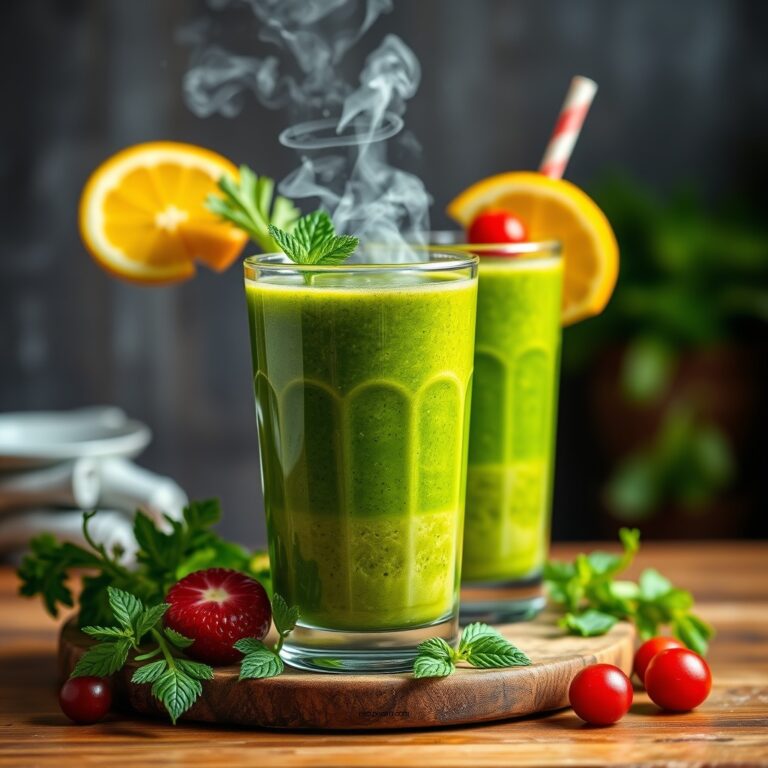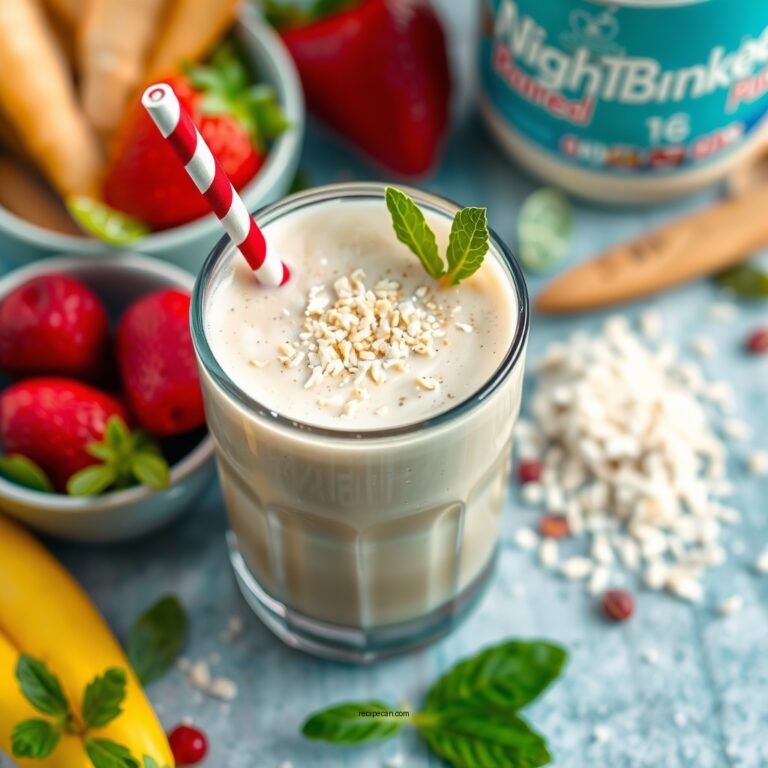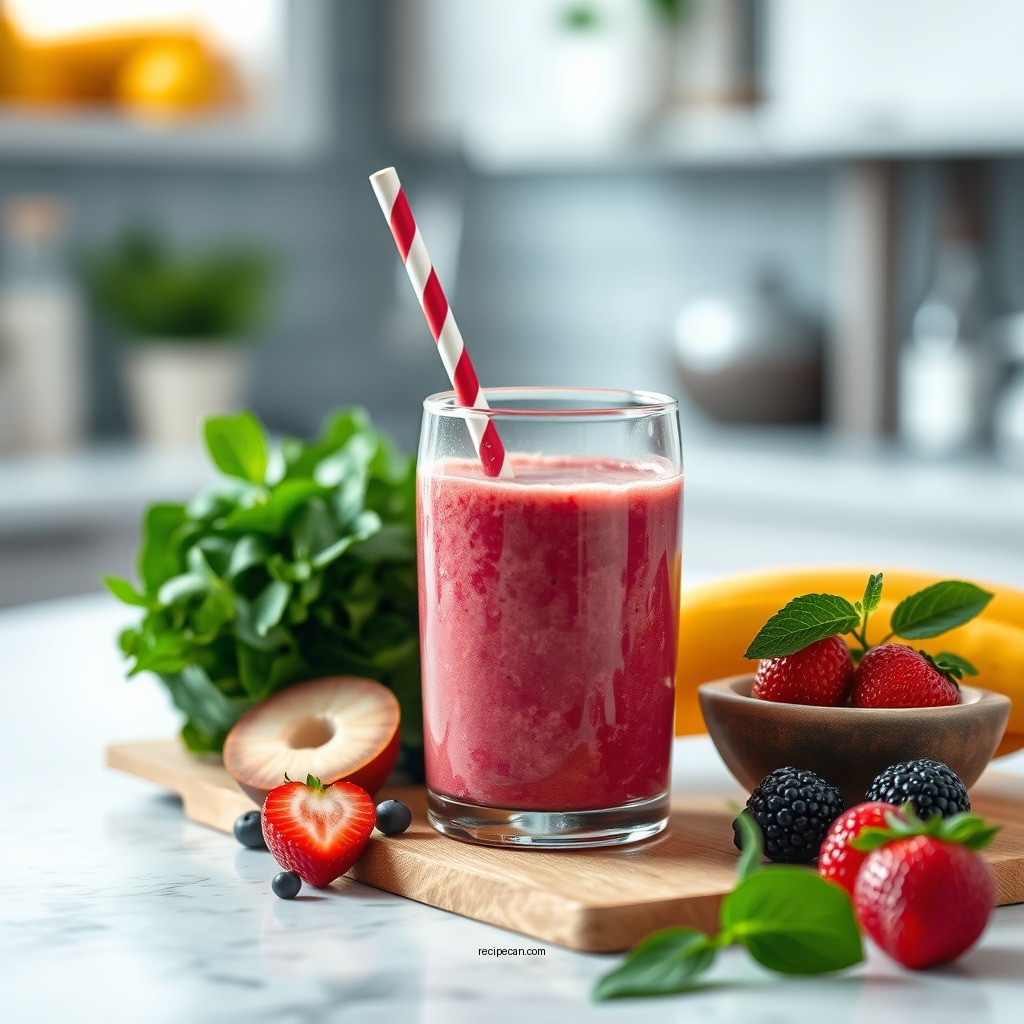
Creating smoothies that nourish both the body and soul is a blend of art and science, drawing from wisdom passed down through generations. In this article, you’ll discover a variety of smoothie recipes that not only taste great but also come packed with nutritional benefits and ancient insights. By incorporating whole ingredients, balancing flavors, and exploring historical wisdom, you can turn these delicious beverages into powerful allies in your health journey.
The Power of Whole Ingredients
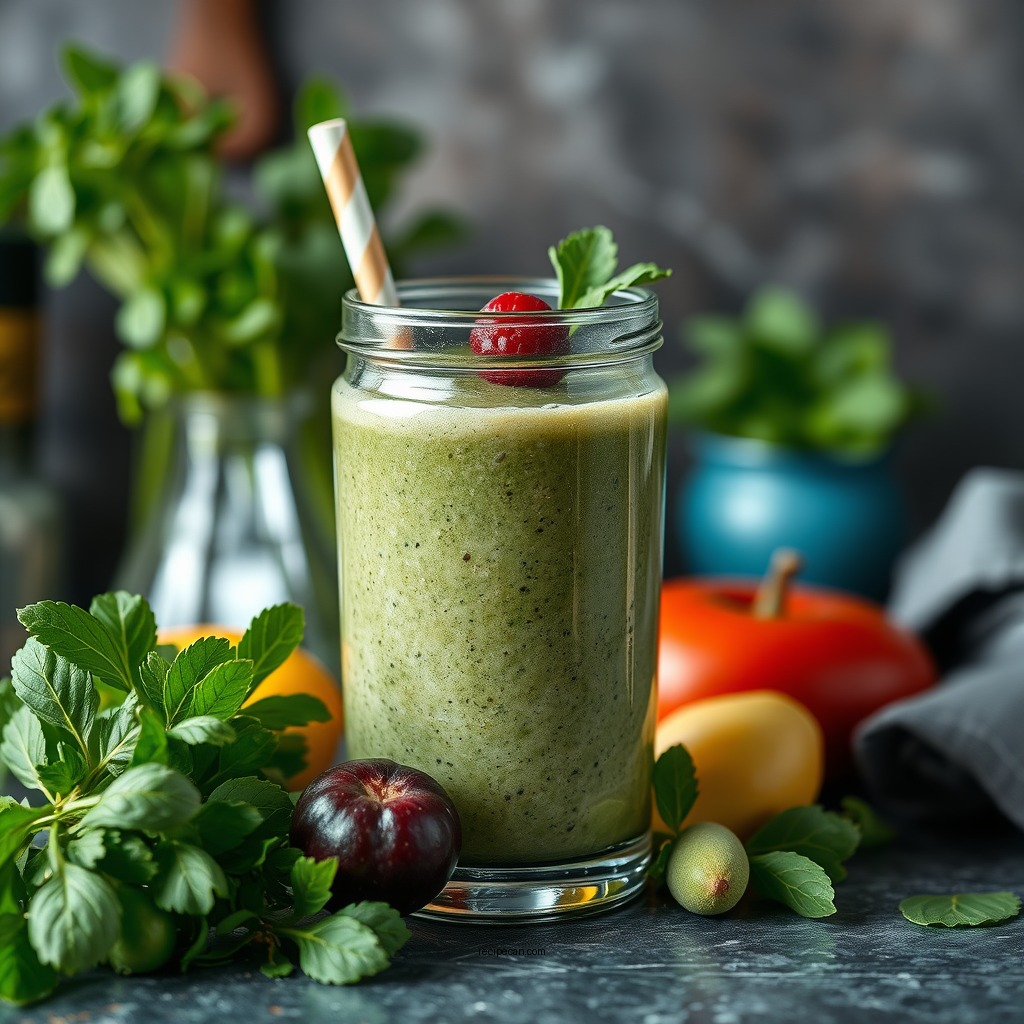
Whole fruits and vegetables are the cornerstone of any nutritious smoothie. They provide essential vitamins and minerals that fuel your body and support overall wellness. For instance, bananas are rich in potassium, which helps regulate blood pressure, while spinach is packed with iron, essential for energy production.
Incorporating superfoods such as berries can significantly enhance health benefits. Berries are renowned for their high antioxidant content, which helps combat oxidative stress and inflammation. A smoothie made with spinach, blueberries, and banana not only tastes delightful but also delivers a robust array of nutrients that can boost your immune system and enhance your mood.
Balancing Taste and Nutrition
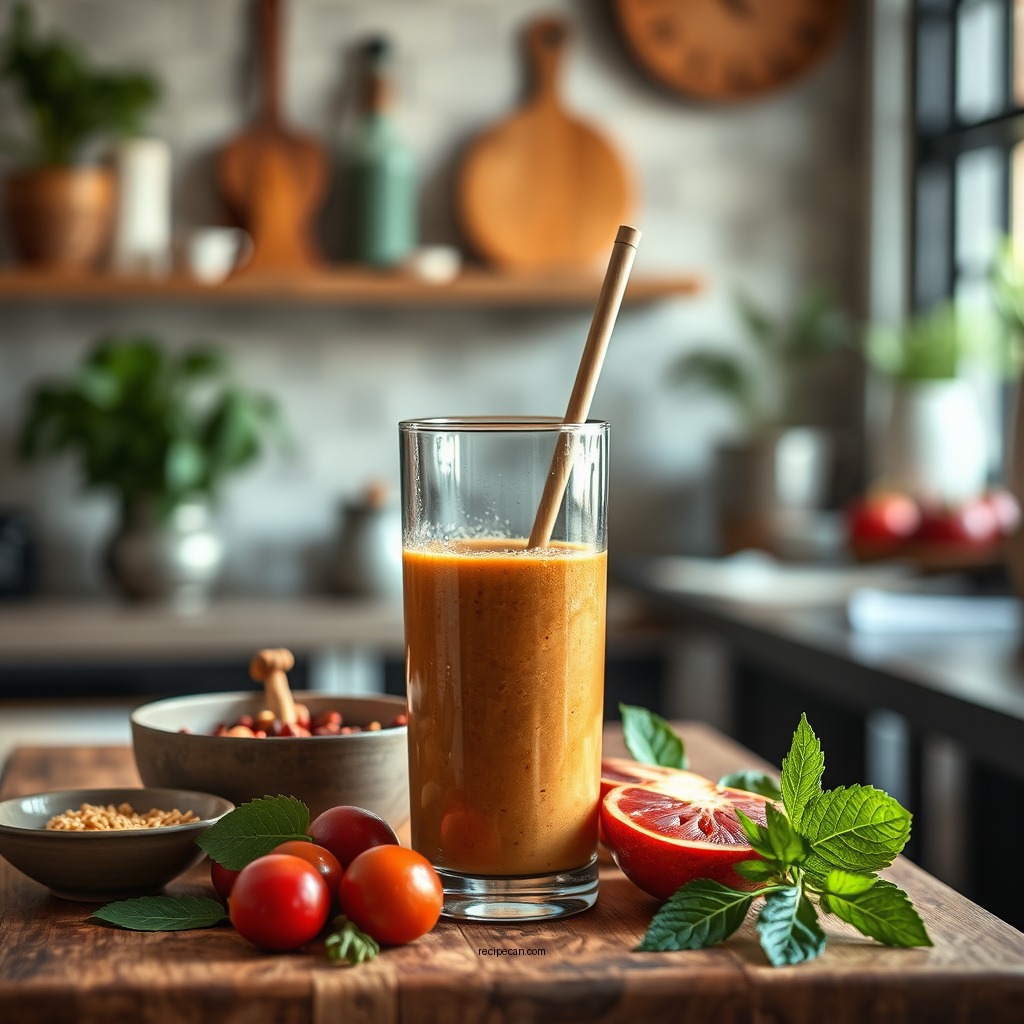
Achieving the perfect balance of taste and nutrition in your smoothies can be accomplished through thoughtful ingredient selection. Instead of reaching for refined sugars, consider using natural sweeteners like honey or agave syrup. These alternatives provide sweetness while also offering additional nutrients. For example, honey has antimicrobial properties that can benefit your digestive system.
Moreover, experimenting with spices can elevate both flavor and health benefits. Adding cinnamon can help regulate blood sugar levels, while ginger can aid digestion and reduce nausea. A smoothie that combines mango, ginger, and a sprinkle of cinnamon can turn your drink into a tropical delight that also supports your digestive health.
Historical Wisdom in Smoothies
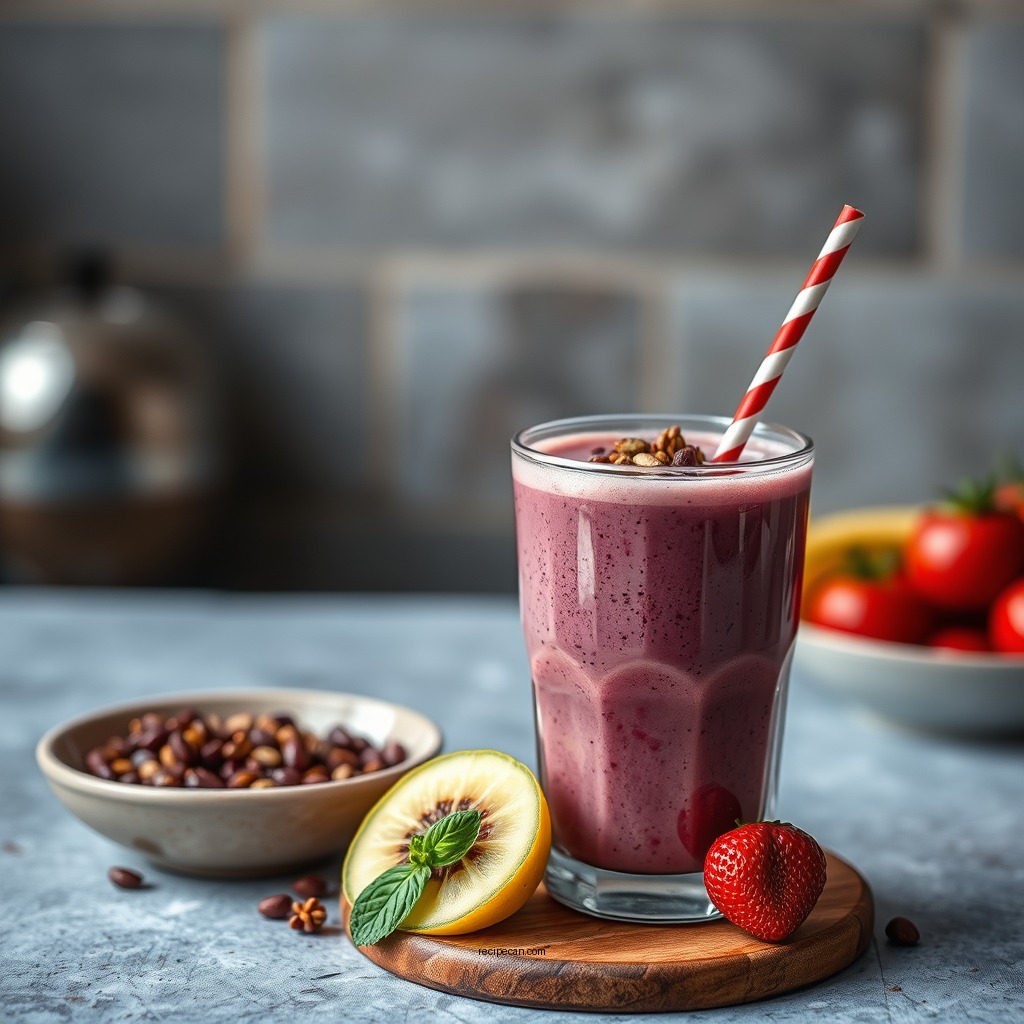
Ancient cultures often utilized fruits and herbs for their medicinal properties, and many of these ingredients can be seamlessly integrated into modern smoothies. For instance, turmeric, a staple in Ayurvedic medicine, is celebrated for its anti-inflammatory properties. Adding a teaspoon of turmeric to a pineapple and coconut smoothie not only enhances the flavor but also boosts its health benefits.
Additionally, adaptogens like ashwagandha and maca root have gained popularity for their ability to help the body adapt to stress. Incorporating these into your smoothie can provide a calming effect, making your drink not only nourishing but also soothing for the mind.
Top 7 Superfoods for Smoothies (2024)
| # | Superfood | Health Benefits | Usage | Popularity Rating |
|---|---|---|---|---|
| 1 | Spinach | Rich in iron and vitamins | Smoothies, salads | ★★★★☆ |
| 2 | Kale | High in antioxidants | Smoothies, juices | ★★★★☆ |
| 3 | Berries | Rich in fiber and vitamins | Smoothies, desserts | ★★★★★ |
| 4 | Turmeric | Anti-inflammatory properties | Smoothies, cooking | ★★★★☆ |
| 5 | Ginger | Supports digestion | Smoothies, teas | ★★★★☆ |
| 6 | Maca Root | Enhances energy levels | Smoothies, supplements | ★★★☆☆ |
| 7 | Chia Seeds | High in omega-3 fatty acids | Smoothies, puddings | ★★★★☆ |
Seasonal Smoothie Inspirations
Utilizing seasonal fruits and vegetables not only enhances flavor but also provides peak nutritional benefits. For example, summer brings an abundance of fresh berries, while fall offers pumpkins and apples. A summer smoothie featuring strawberries, blueberries, and a splash of coconut water can be incredibly refreshing and hydrating, while a fall-inspired smoothie with pumpkin, cinnamon, and almond milk can warm you up while providing essential nutrients.
Exploring regional recipes can also add a unique twist to your smoothies. In tropical regions, smoothies may include papaya, mango, and coconut, while Mediterranean regions might emphasize figs, olives, and yogurt. Each cultural approach to smoothies reflects the local produce and traditions, allowing for a world of flavors to be discovered in your glass.
Customizing Your Smoothie
One of the greatest advantages of making smoothies is the ability to customize them to your dietary needs. Whether you are vegan, gluten-free, or looking to increase protein intake, there are endless possibilities. For instance, using almond milk instead of dairy provides a lactose-free option, while adding protein powder or nut butter can enhance the smoothie’s protein content.
Moreover, learning how to effectively include supplements like flaxseeds, chia seeds, or spirulina can maximize the nutritional profile of your smoothies. A simple addition of flaxseeds can boost fiber intake, while spirulina offers a powerful dose of vitamins and minerals. Tailoring your smoothie to your specific health goals makes it a personalized health booster.
Smoothie Customization Options (2024)
Smoothie-Making Techniques
Mastering the art of smoothie-making involves understanding various blending techniques that can alter the texture and overall experience of your drink. For instance, blending ingredients in a specific order—soft items like spinach or bananas at the bottom and harder items like frozen fruit at the top—ensures smoother blending.
Additionally, experimenting with different blending speeds can yield varying textures. A longer blend time results in a creamier consistency, while a quick blend can retain some chunkiness, which some may prefer. Learning these techniques not only enhances the smoothie’s taste but also contributes to a more enjoyable drinking experience.
Conclusion
By merging traditional wisdom with modern nutritional knowledge, you can create delicious smoothies that enhance your wellness journey. Emphasizing whole ingredients, balancing flavors, and customizing your smoothies to fit your dietary needs are all essential steps in crafting the perfect blend. Try these recipes and techniques to enjoy a refreshing boost in your daily routine, and don’t hesitate to experiment with your own creative combinations!
Frequently Asked Questions
What are some easy smoothie recipes for beginners?
For beginners, simple smoothie recipes can be a great starting point. A classic banana and spinach smoothie blends one banana, a handful of spinach, a cup of almond milk, and a tablespoon of peanut butter for a nutritious treat. Alternatively, try a mixed berry smoothie with one cup of frozen berries, half a banana, and a cup of yogurt for a delicious and refreshing option.
How can I make my smoothies healthier?
To enhance the health benefits of your smoothies, consider adding superfoods such as chia seeds, flaxseeds, or spinach. You can also replace juice with water or unsweetened almond milk to reduce sugar content. Incorporating protein sources like Greek yogurt or protein powder can help keep you fuller for longer.
Why are smoothies a popular choice for breakfast?
Smoothies have gained popularity as a breakfast option because they are quick to prepare, nutritious, and highly customizable. They allow you to pack in fruits, vegetables, and protein in one convenient drink, making them ideal for busy mornings. Additionally, smoothies can be tailored to meet specific dietary needs, such as vegan or low-carb.
What are the best fruits to include in a smoothie for weight loss?
When aiming for weight loss, consider fruits that are low in sugar and high in fiber, such as berries, green apples, and citrus fruits. These fruits provide essential nutrients while helping to keep you satisfied. Adding avocado or banana can also contribute healthy fats and creaminess without excess calories.
Which kitchen appliances are best for making smoothies?
A high-quality blender is essential for making smooth and creamy smoothies. Brands like Vitamix and Ninja offer powerful models that can handle tough ingredients like frozen fruits and leafy greens. For those on a budget, a good immersion blender can also suffice for quick smoothies, though it may not achieve the same consistency as a countertop blender.
References
- https://www.ncbi.nlm.nih.gov/pmc/articles/PMC5643219/
https://www.ncbi.nlm.nih.gov/pmc/articles/PMC5643219/ - https://pubmed.ncbi.nlm.nih.gov/29584926/
https://pubmed.ncbi.nlm.nih.gov/29584926/ - https://www.mayoclinic.org/healthy-lifestyle/nutrition-and-healthy-eating/in-depth/smoothies/art-20046078
https://www.mayoclinic.org/healthy-lifestyle/nutrition-and-healthy-eating/in-depth/smoothies/art-20046078 - https://www.health.harvard.edu/staying-healthy/the-truth-about-smoothies
https://www.health.harvard.edu/staying-healthy/the-truth-about-smoothies - https://www.cdc.gov/nutrition/resources-publications/index.html
https://www.cdc.gov/nutrition/resources-publications/index.html - Healthy diet
https://www.who.int/news-room/fact-sheets/detail/healthy-diet - https://www.bbc.com/future/article/20220120-what-is-the-best-way-to-make-a-smoothie
https://www.bbc.com/future/article/20220120-what-is-the-best-way-to-make-a-smoothie - https://www.sciencedirect.com/topics/agricultural-and-biological-sciences/smoothies
https://www.sciencedirect.com/topics/agricultural-and-biological-sciences/smoothies - https://www.theguardian.com/lifeandstyle/2021/mar/23/how-to-make-the-perfect-smoothie
https://www.theguardian.com/lifeandstyle/2021/mar/23/how-to-make-the-perfect-smoothie - Google Scholar Google Scholar
https://scholar.google.com/scholar?q=smoothie+recipes+echoes+of+wisdom