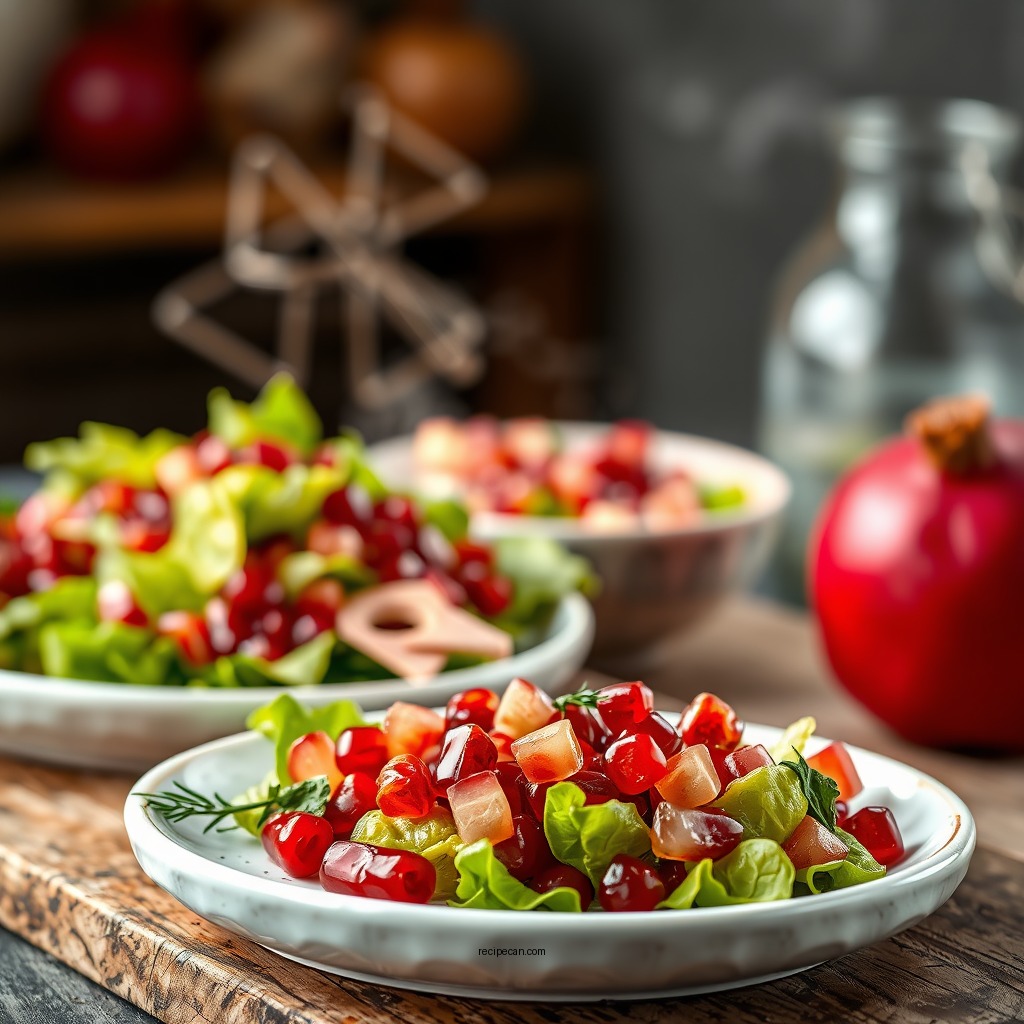
Creating a delightful pomegranate salad dressing is not only quick and easy but also a fantastic way to infuse your salads with a burst of flavor. This dressing combines fresh ingredients that elevate any salad, providing a perfect balance of sweetness and tanginess. In just a few simple steps, you can whip up this vibrant dressing that enhances your greens and adds a refreshing twist. This recipe will guide you through the process to ensure a tasty addition to your meals that you and your guests will love.
Ingredients You’ll Need
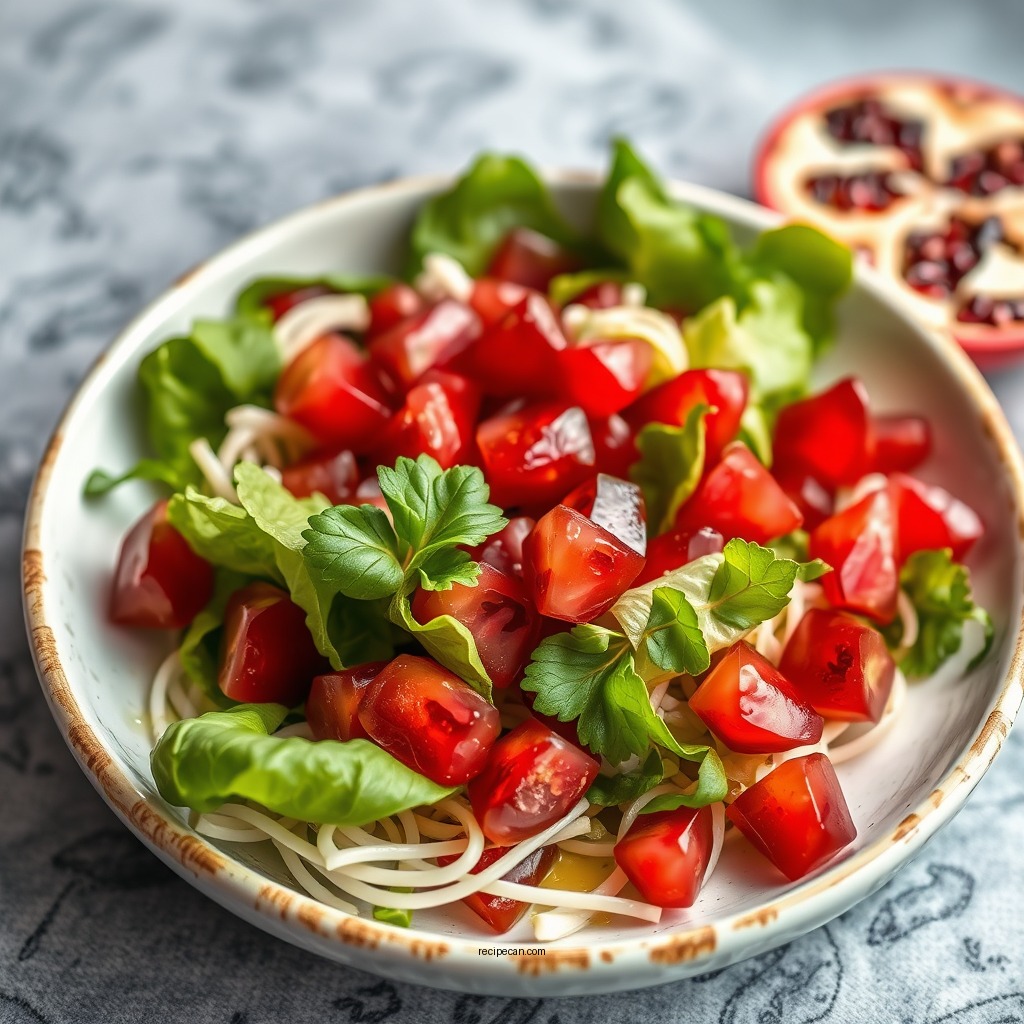
To prepare a delicious pomegranate salad dressing, you will need the following ingredients:
– Fresh Pomegranate Juice: This is the star ingredient, giving the dressing its vibrant color and sweet-tart flavor. Pomegranate juice is also packed with antioxidants and vitamins, making it a healthy choice for your dressing.
– Olive Oil: A high-quality extra virgin olive oil adds smoothness and richness to the dressing. It serves as the base that helps to emulsify the other ingredients.
– Honey or Maple Syrup: For those who enjoy a hint of sweetness, adding honey or maple syrup balances the acidity of the pomegranate juice. Use organic honey for a natural option, or choose maple syrup for a vegan alternative.
Easy Preparation Steps
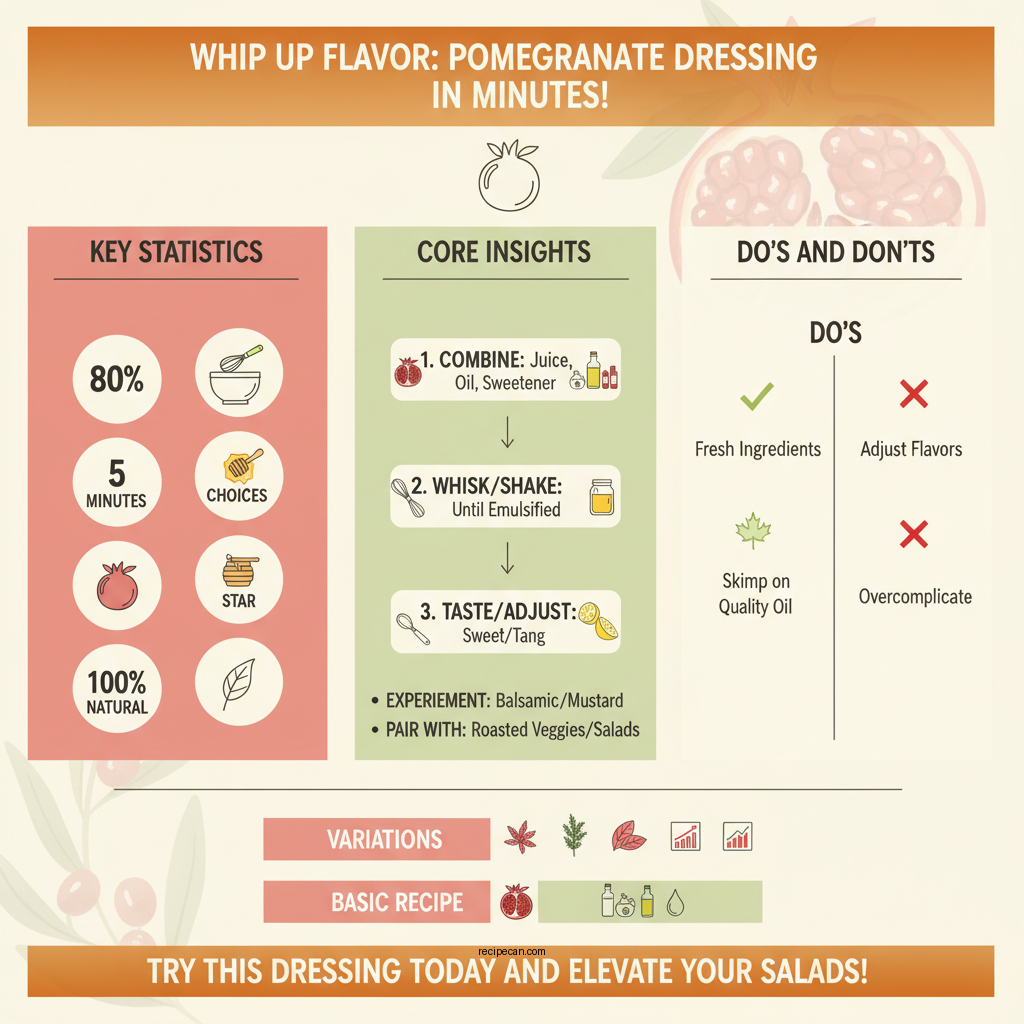

Making this dressing is straightforward and requires minimal effort. Follow these simple steps:
1. Combine All Ingredients: In a medium-sized bowl or a jar with a tight-fitting lid, pour in the fresh pomegranate juice, olive oil, and your choice of sweetener (honey or maple syrup).
2. Whisk or Shake: If you are using a bowl, whisk the ingredients together until they are fully emulsified and have a consistent texture. If you opted for a jar, simply seal it and shake vigorously until well combined.
3. Taste and Adjust: After mixing, taste your dressing. If you prefer it sweeter, add more honey or maple syrup. For a tangier flavor, a splash more pomegranate juice can be included.
Flavor Variations to Try
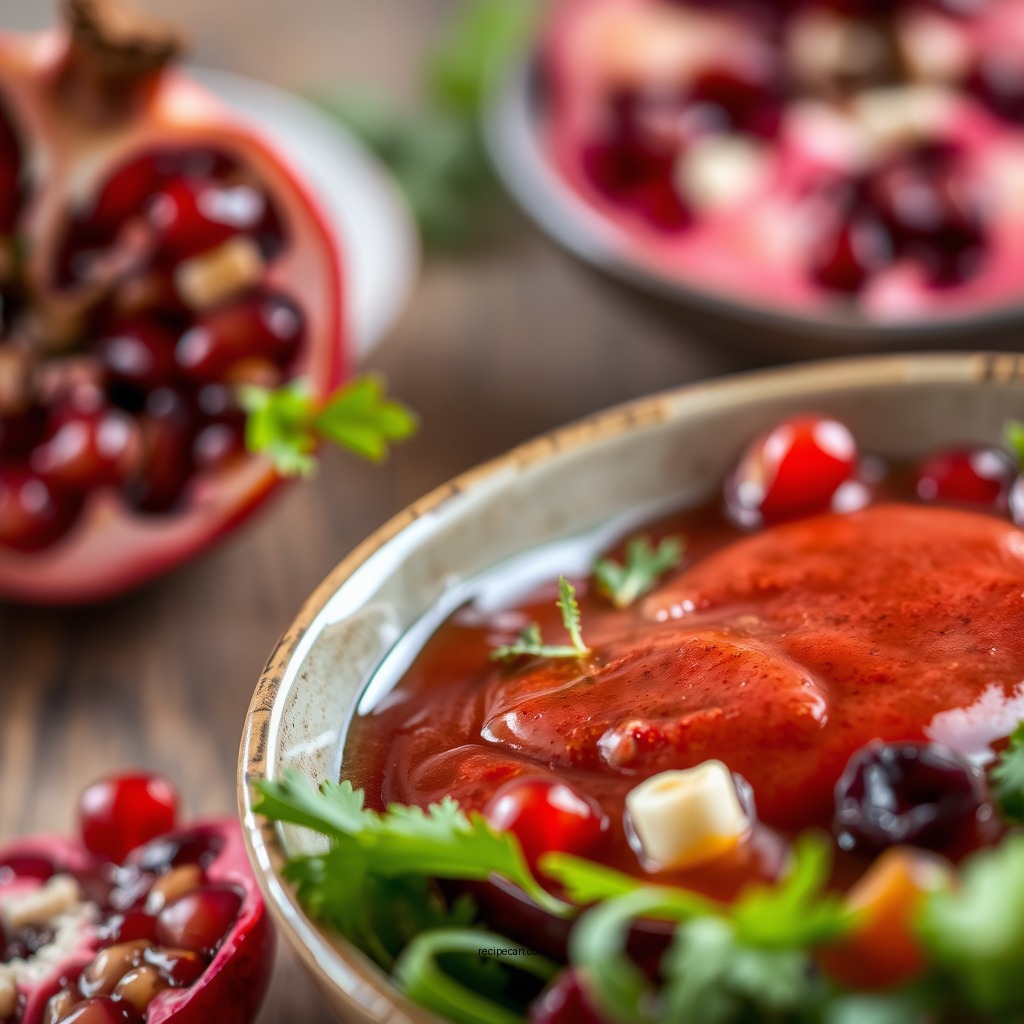
While the basic pomegranate salad dressing is delightful on its own, here are a few variations to enhance its flavor profile further:
– Balsamic Vinegar: Adding a tablespoon of balsamic vinegar can introduce a deeper tang and complexity to the dressing. This combination works beautifully with roasted vegetables and hearty salads.
– Dijon Mustard: For those who love a bit of zest, incorporating Dijon mustard can elevate your dressing. The mustard adds a sharp bite that complements the sweetness of the pomegranate juice.
– Spices and Herbs: Consider adding spices like black pepper, garlic powder, or fresh herbs like thyme or rosemary to create your own signature dressing.
Best Salad Combinations
Now that you have your pomegranate salad dressing ready, it’s time to explore the best salads to pair it with:
– Mixed Greens Salad: Combine a mix of arugula, spinach, and romaine with toasted walnuts or pecans, crumbled feta cheese, and fresh pomegranate seeds to create a vibrant salad that’s not only delicious but visually appealing.
– Quinoa Salad: Toss cooked quinoa with diced cucumbers, cherry tomatoes, red onion, and a sprinkle of feta cheese. Drizzle with the pomegranate dressing for a nutritious meal that’s perfect for lunch or dinner.
– Roasted Vegetable Salad: Roasted sweet potatoes, Brussels sprouts, and beets can be beautifully complemented by the pomegranate dressing, adding a sweet and tangy flavor that balances the earthiness of the vegetables.
Top 7 Nutritional Benefits of Pomegranate
| # | Benefit | Amount per 100g | Health Impact |
|---|---|---|---|
| 1 | Antioxidants | 60% | Reduces oxidative stress |
| 2 | Vitamin C | 10% | Boosts immune function |
| 3 | Vitamin K | 16% | Supports bone health |
| 4 | Anti-inflammatory | High | Reduces inflammation |
| 5 | Heart Health | 20% | Improves cholesterol levels |
| 6 | Weight Management | Low Calories | Helps with weight loss |
| 7 | Digestive Health | Rich in Fiber | Aids digestion |
Storage Tips for Your Dressing
Once you have prepared your pomegranate salad dressing, proper storage is essential to maintain its freshness and flavor:
– Airtight Container: Store the dressing in an airtight container, preferably a glass jar, to prevent air exposure which can spoil the dressing quicker.
– Refrigeration: Keep the container in the refrigerator, where it can last for up to a week. The cold temperature helps preserve the freshness of the pomegranate juice and other ingredients.
– Shake Before Use: Since the ingredients may separate after sitting, give the container a good shake or a stir before using to recombine the components.
Nutritional Benefits of Pomegranate
Pomegranate is not just a delicious fruit; it is also packed with numerous health benefits that make it an excellent addition to your diet. Here are some notable benefits:
– Rich in Antioxidants: Pomegranate juice is loaded with antioxidants, which help protect your body from free radicals and reduce oxidative stress.
– Heart Health: Consuming pomegranate can lower blood pressure and improve cholesterol levels, contributing to better heart health.
– Anti-Inflammatory Properties: The anti-inflammatory compounds in pomegranate can help reduce inflammation in the body, making it beneficial for those with chronic inflammatory conditions.
– Vitamins and Minerals: Pomegranate provides essential vitamins such as Vitamin C and K, both of which contribute to immune function and bone health, respectively.
Serving Suggestions
The versatility of this pomegranate salad dressing allows it to be used in various ways beyond salads:
– Drizzle Over Roasted Vegetables: Enhance the flavor of roasted vegetables, such as carrots, Brussels sprouts, or butternut squash with a drizzle of pomegranate dressing for a flavorful side dish.
– Grilled Chicken Marinade: Use the dressing as a marinade for grilled chicken or fish. The acidity of the pomegranate juice helps tenderize the meat while adding a delightful flavor.
– Dessert Topping: Consider drizzling the dressing over desserts like cheesecake or a fruit salad for a unique and tangy twist.
Pomegranate Salad Dressing Flavor Profile Comparison
Summarizing the steps to create a delicious pomegranate salad dressing, you can easily prepare this tasty dressing that not only enhances your salads but also brings numerous health benefits. With the right ingredients and a few simple steps, you can make a dressing that elevates any dish. Try making it today and enjoy the refreshing twist it adds to your meals!
Frequently Asked Questions
What are the key ingredients for a pomegranate salad dressing recipe?
The key ingredients for a pomegranate salad dressing typically include fresh pomegranate juice, olive oil, honey or maple syrup, Dijon mustard, and a splash of vinegar, such as balsamic or apple cider vinegar. This combination creates a flavorful dressing that balances sweetness, acidity, and richness, enhancing your salads.
How can I make a creamy pomegranate salad dressing?
To create a creamy pomegranate salad dressing, blend together pomegranate juice, Greek yogurt or sour cream, olive oil, and a touch of honey or agave for sweetness. Whisk in a bit of lemon juice and season with salt and pepper to taste, resulting in a rich, tangy dressing perfect for drizzling over mixed greens or roasted vegetables.
Why should I use pomegranate in my salad dressing?
Using pomegranate in your salad dressing not only adds a vibrant color and unique flavor, but it also provides numerous health benefits. Pomegranates are rich in antioxidants and vitamins, which can boost your immune system and promote heart health, making your salads both delicious and nutritious.
What is the best way to store homemade pomegranate salad dressing?
The best way to store homemade pomegranate salad dressing is in an airtight container in the refrigerator, where it can last for about one week. Be sure to shake or whisk the dressing before each use, as the ingredients may separate over time, ensuring you enjoy its full flavor.
Which salads pair well with pomegranate salad dressing?
Pomegranate salad dressing pairs wonderfully with a variety of salads, particularly those featuring mixed greens, feta cheese, nuts, and fruits like apples or pears. It complements both autumn-inspired salads containing roasted squash and seasonal salads with fresh ingredients, adding a delightful sweetness and tang.
References
- Pomegranate
https://en.wikipedia.org/wiki/Pomegranate - https://www.ncbi.nlm.nih.gov/pmc/articles/PMC4003705/
https://www.ncbi.nlm.nih.gov/pmc/articles/PMC4003705/ - https://www.sciencedirect.com/topics/agricultural-and-biological-sciences/pomegranate
https://www.sciencedirect.com/topics/agricultural-and-biological-sciences/pomegranate - https://www.ncbi.nlm.nih.gov/pmc/articles/PMC6837659/
https://www.ncbi.nlm.nih.gov/pmc/articles/PMC6837659/ - https://www.mayoclinic.org/healthy-lifestyle/nutrition-and-healthy-eating/expert-answers/pomegranate/faq-20057800
https://www.mayoclinic.org/healthy-lifestyle/nutrition-and-healthy-eating/expert-answers/pomegranate/faq-20057800 - Pomegranate dressing recipe | Good Food
https://www.bbcgoodfood.com/recipes/pomegranate-dressing - https://www.healthline.com/nutrition/pomegranate-benefits#1.-Rich-in-nutrients
https://www.healthline.com/nutrition/pomegranate-benefits#1.-Rich-in-nutrients - Google Scholar Google Scholar
https://scholar.google.com/scholar?q=pomegranate+salad+dressing+recipe - Google Scholar Google Scholar
https://scholar.google.com/scholar?q=pomegranate+health+benefits - Google Scholar Google Scholar
https://scholar.google.com/scholar?q=pomegranate+culinary+uses