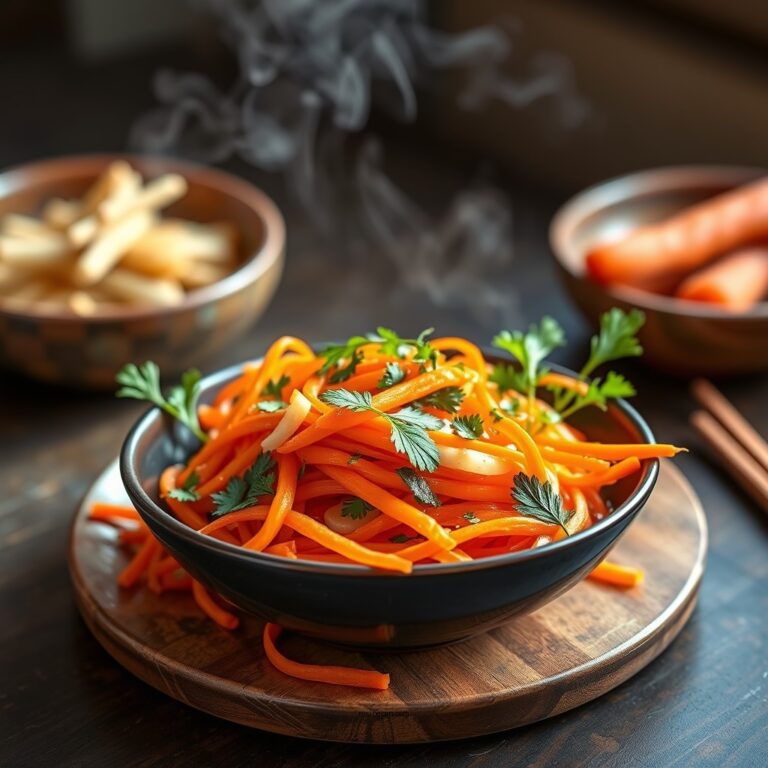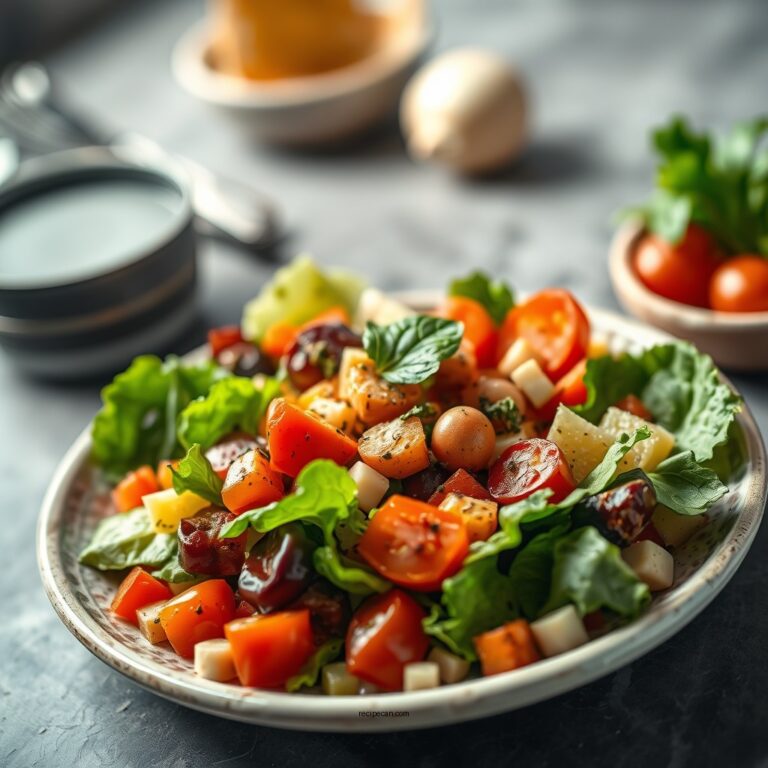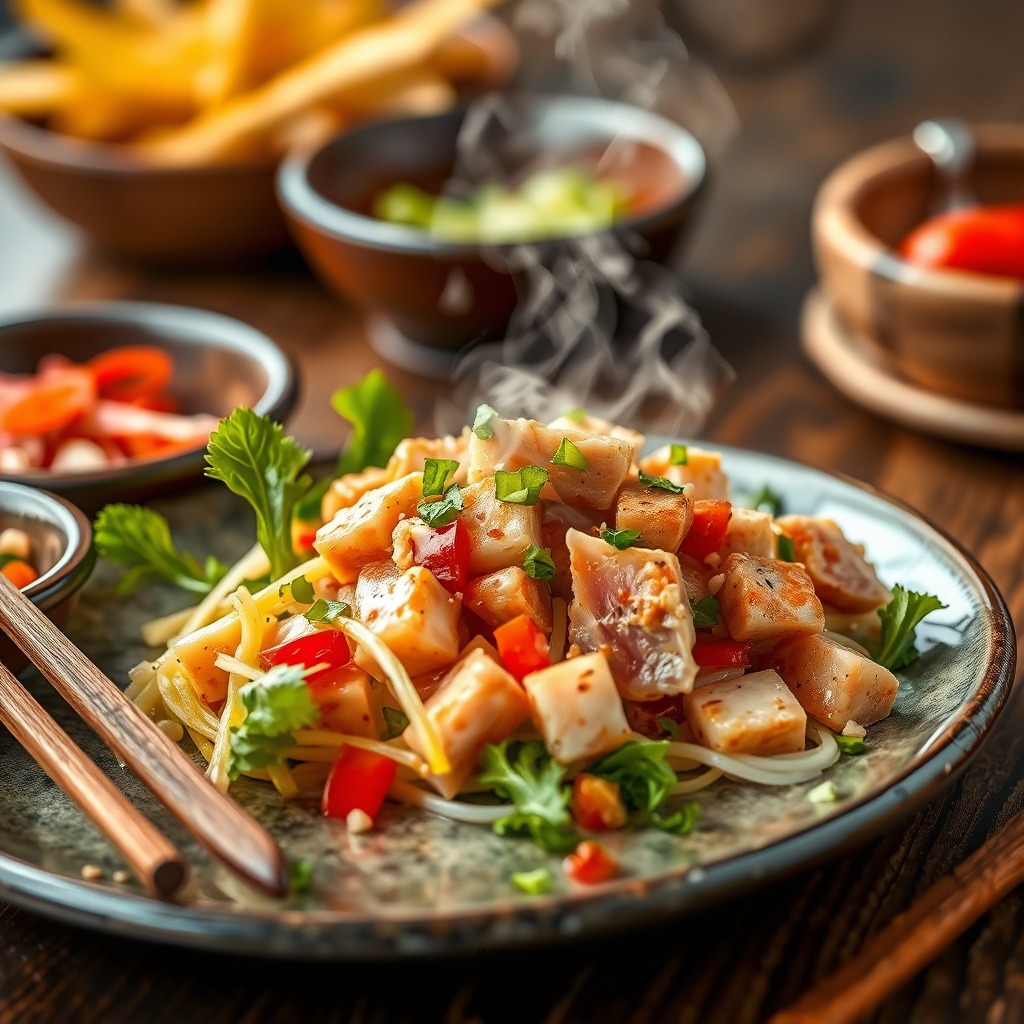
Creating a flavorful Asian tuna salad is both simple and satisfying, providing a fresh, nutritious meal option that can be ready in minutes. This recipe combines high-quality canned tuna with crisp vegetables and a tangy Asian dressing, transforming a pantry staple into a gourmet dish suitable for lunch or a light dinner. Whether you are looking to impress your guests or simply enjoy a wholesome meal on your own, this Asian tuna salad offers versatility and taste.
Ingredients You’ll Need
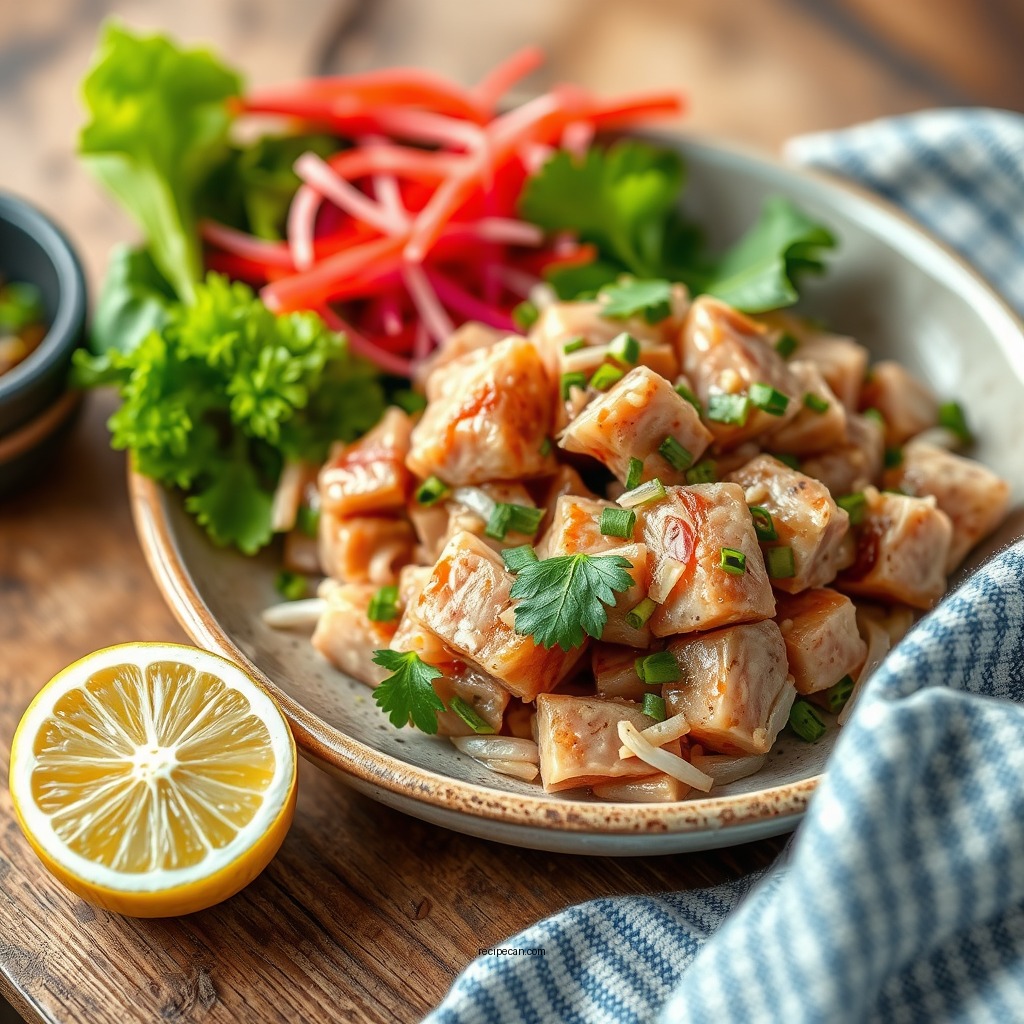
To make a delicious Asian tuna salad, you will need the following fresh ingredients:
– Fresh Vegetables: Incorporate diced cucumber, bell pepper, and scallions. These not only add crunch but also provide essential vitamins and minerals. Cucumbers are hydrating, bell peppers are rich in antioxidants, and scallions bring a mild onion flavor that complements the tuna beautifully.
– Canned Tuna: Opt for high-quality tuna packed in water or olive oil. The choice of tuna can significantly affect the final taste; for instance, albacore tuna tends to be milder and flakier compared to skipjack. Always check for sustainability certifications to ensure you’re making an eco-friendly choice.
– Asian Dressing: A simple yet flavorful dressing made from soy sauce, sesame oil, and rice vinegar serves as the backbone of this salad. Adding a touch of honey or maple syrup balances the saltiness of the soy sauce and enhances the overall flavor profile.
Preparing the Tuna
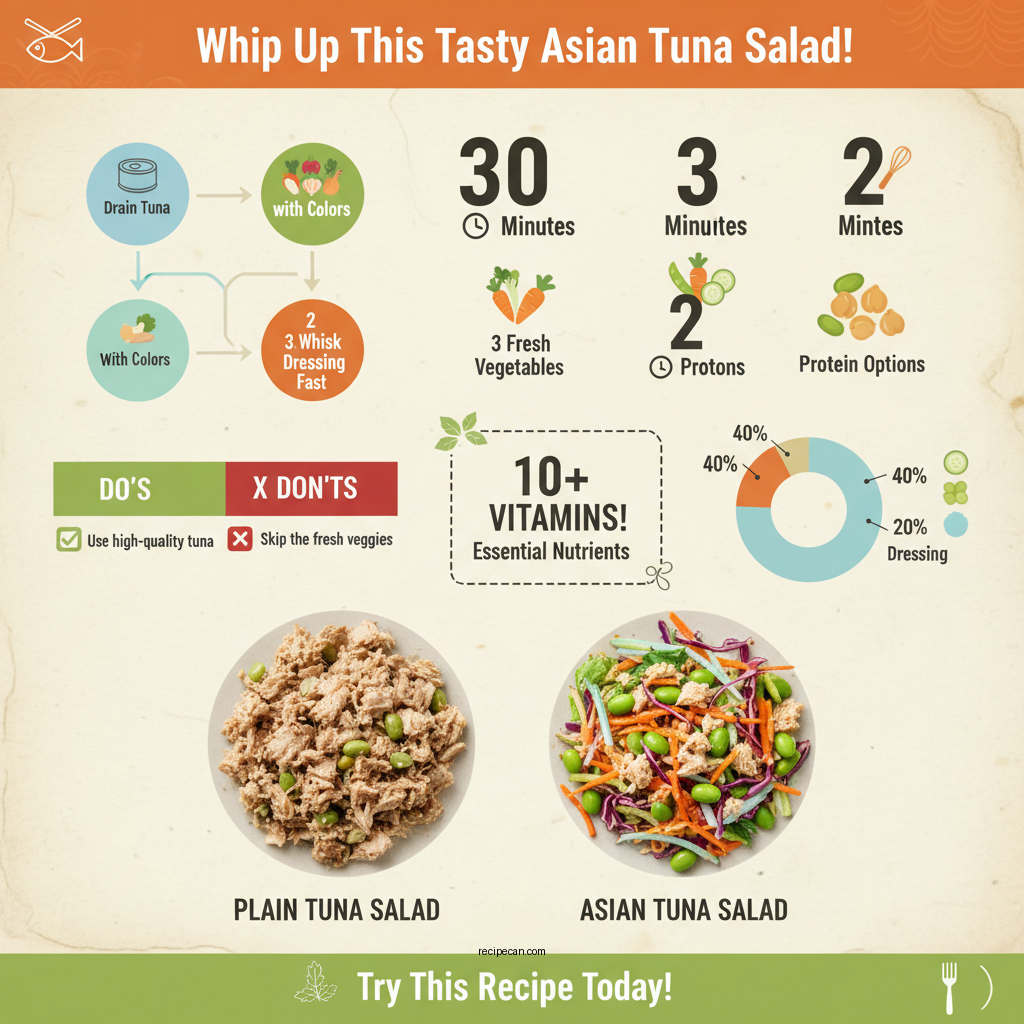
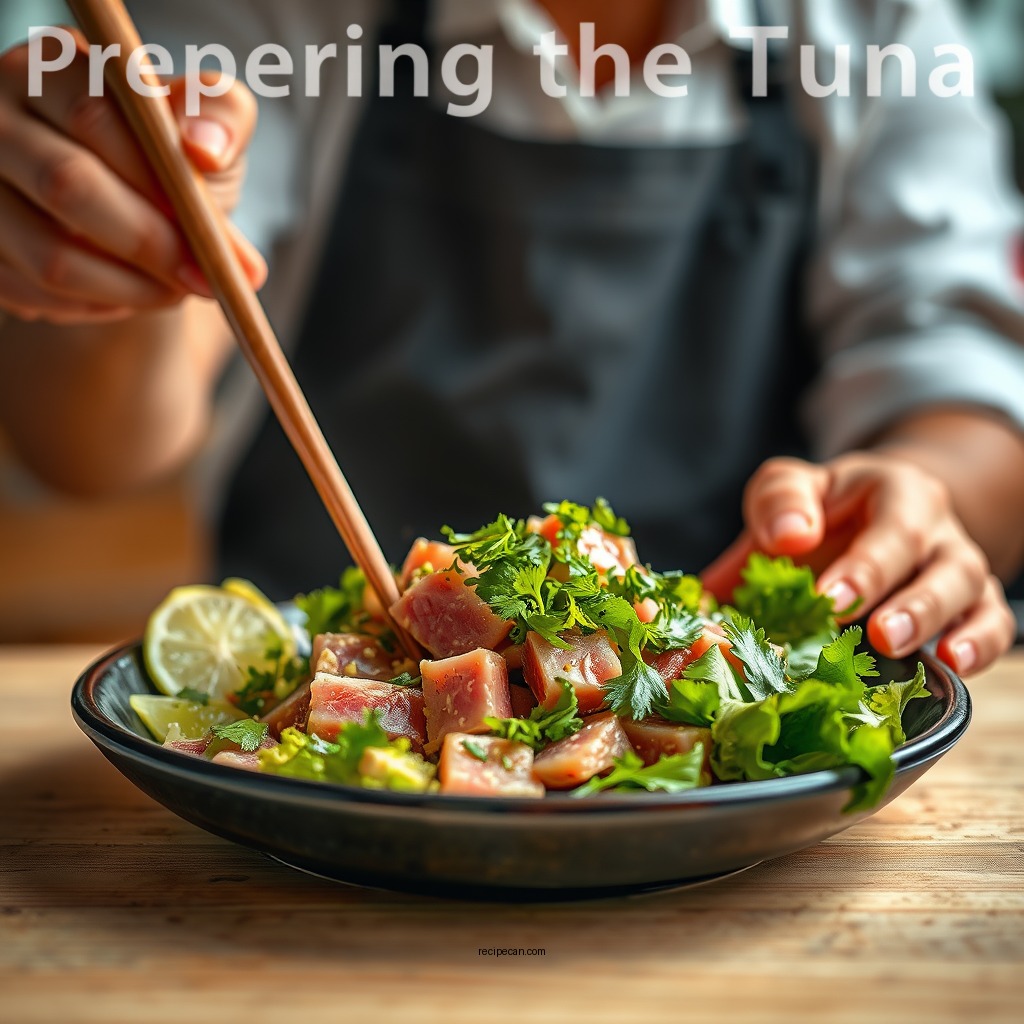
– Drain and Flake the Tuna: Begin by draining the canned tuna thoroughly to remove excess liquid. This step is crucial as it prevents the salad from becoming soggy. Once drained, use a fork to gently flake the tuna into bite-sized pieces.
– Combine with Vegetables: In a large mixing bowl, add the flaked tuna to your chopped vegetables. The vibrant colors of the cucumber, bell pepper, and scallions create an appealing base that’s visually enticing.
– Add Proteins: To boost the nutritional value, consider adding a handful of edamame for protein and fiber or chickpeas for a hearty twist. Both options complement the Asian flavors while enhancing the salad’s texture and satiety.
Making the Dressing
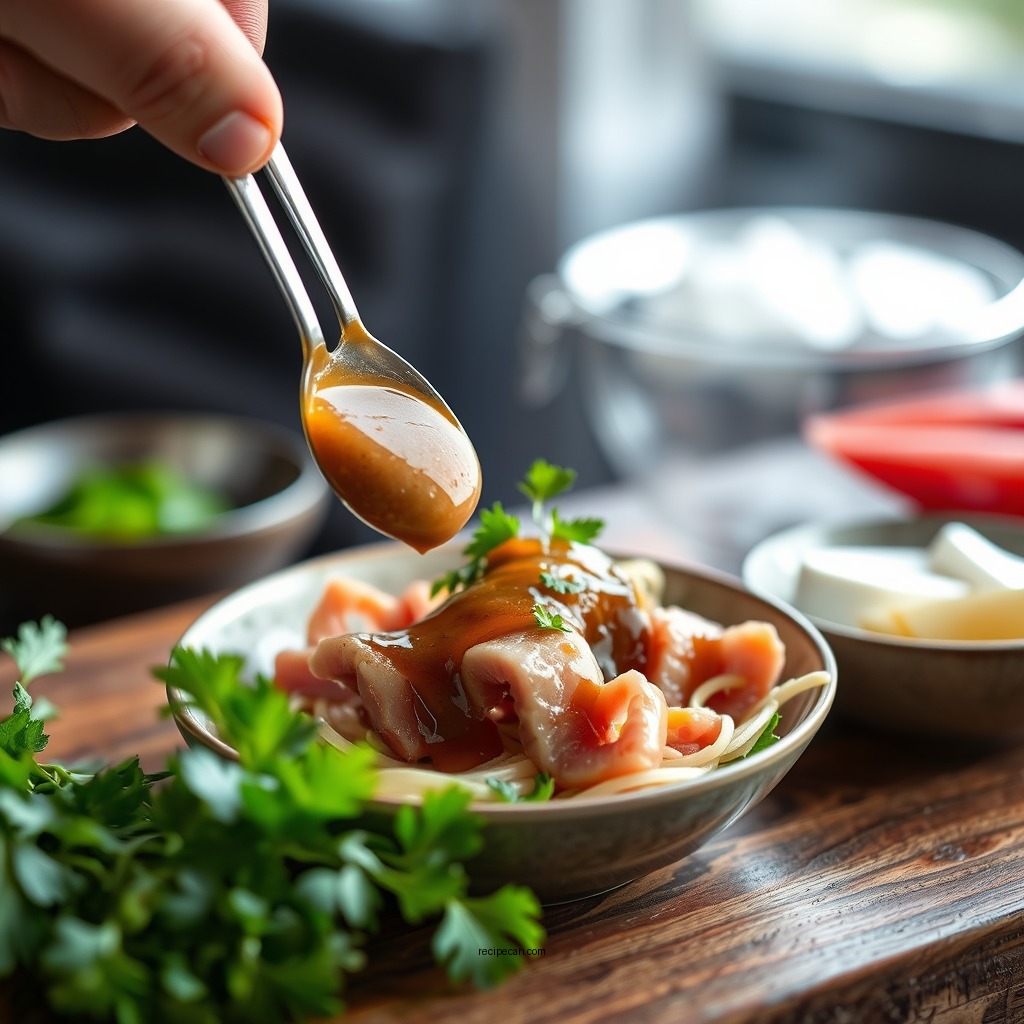
– Combine Ingredients: In a small bowl, whisk together the soy sauce, sesame oil, rice vinegar, and a touch of honey. This dressing is not only quick to prepare but also packed with flavor, ensuring that your salad is anything but bland.
– Adjust Flavors: After mixing, taste the dressing and adjust the flavors to your liking. If you prefer a saltier kick, add a bit more soy sauce; for a tangier profile, increase the rice vinegar.
– Emulsify: To ensure the dressing is well-blended, whisk it until all ingredients are fully incorporated. A well-emulsified dressing adheres better to the ingredients, providing a consistent flavor throughout the salad.
Assembling the Salad
– Mix Tuna and Dressing: In the bowl with the tuna and vegetables, gently fold in the dressing. Be careful not to over-mix, as you want to maintain the integrity of the tuna and vegetables.
– Add Toppings: For an extra layer of flavor and visual appeal, sprinkle sesame seeds and freshly chopped cilantro over the top of the salad. These additions not only enhance the taste but also add a nice crunch and fresh aroma.
– Chill Before Serving: To maximize flavor, cover the salad and let it chill in the refrigerator for at least 30 minutes. This resting period allows the ingredients to meld together, creating a more harmonious dish.
Serving Suggestions
– Serve on Greens: For a refreshing touch, serve the salad on a bed of mixed greens, such as lettuce or spinach. This adds a lightness to the dish and increases its nutritional value.
– Pair with Sides: Consider serving your Asian tuna salad with rice crackers for a satisfying crunch or a side of miso soup for a complete meal experience.
– Enjoy as a Wrap: For a portable option, use lettuce leaves or whole grain wraps to create fresh tuna salad wraps. This makes for an easy lunch or snack that you can take on the go.
Variations to Try
– Swap Proteins: If you’re looking for variety, try using grilled chicken or tofu instead of tuna. Both options work well with the Asian dressing and can cater to different dietary preferences.
– Experiment with Flavors: For those who enjoy a bit of heat, add sriracha to the dressing for a spicy kick. Alternatively, diced mango can introduce a touch of sweetness that beautifully complements the savory elements of the salad.
– Change Up the Greens: Instead of traditional lettuce, consider using peppery arugula or nutrient-dense kale. Both options provide a unique flavor profile and enhance the salad’s overall health benefits.
Top 7 Tuna Brands for Salad Preparation (2024)
| # | Brand | Sustainability Rating | Flavor Profile | Price per Can |
|---|---|---|---|---|
| 1 | Wild Planet | ★★★★★ | Mild & Flaky | $3.99 |
| 2 | American Tuna | ★★★★★ | Rich & Savory | $4.25 |
| 3 | Starkist | ★★★☆☆ | Mild & Versatile | $2.50 |
| 4 | Bumble Bee | ★★★☆☆ | Mild & Oily | $2.00 |
| 5 | Crown Prince | ★★★★☆ | Savory & Firm | $3.50 |
| 6 | Ocean Naturals | ★★★★☆ | Mild & Delicate | $3.00 |
| 7 | Trader Joe’s | ★★★★☆ | Mild & Versatile | $2.75 |
Nutrition Breakdown per Serving (Asian Tuna Salad)
Enjoy your Asian tuna salad as a healthy and delicious meal option. This recipe is not only quick to prepare but also versatile, allowing you to customize it to your taste. Gather your ingredients and start mixing for a delightful dish that everyone will love!
Frequently Asked Questions
What ingredients are essential for an Asian tuna salad recipe?
An authentic Asian tuna salad recipe typically includes canned tuna, sesame oil, soy sauce, rice vinegar, and a variety of fresh vegetables such as cucumber, carrots, and bell peppers. Additionally, you might want to incorporate ingredients like edamame, green onions, and toasted sesame seeds for added flavor and texture.
How can I make my Asian tuna salad healthier?
To make your Asian tuna salad healthier, consider using whole grain or low-sodium soy sauce, substituting mayonnaise with Greek yogurt, and adding more fresh vegetables like leafy greens or avocado. You can also boost the nutritional value by including nuts or seeds, which provide healthy fats and protein.
Why is sesame oil important in an Asian tuna salad?
Sesame oil is crucial in an Asian tuna salad because it adds a distinct nutty flavor that enhances the overall taste of the dish. Its unique aroma and rich taste help to create an authentic Asian profile, making the salad more enjoyable and flavorful.
What is the best way to serve Asian tuna salad?
The best way to serve Asian tuna salad is chilled on a bed of mixed greens or wrapped in lettuce leaves for a refreshing, low-carb option. You can also serve it in rice bowls or as a filling for sushi rolls, providing versatility and appealing presentation.
Which types of tuna are best for an Asian tuna salad recipe?
The best types of tuna for an Asian tuna salad are canned tuna in olive oil or water, preferably packed in a sustainable manner. Albacore or skipjack tuna are popular choices due to their mild flavor and flaky texture, making them ideal for mixing with Asian-inspired ingredients.
References
- Tuna salad
https://en.wikipedia.org/wiki/Tuna_salad - https://www.ncbi.nlm.nih.gov/pmc/articles/PMC7070599/
https://www.ncbi.nlm.nih.gov/pmc/articles/PMC7070599/ - https://www.ncbi.nlm.nih.gov/pmc/articles/PMC6164634/
https://www.ncbi.nlm.nih.gov/pmc/articles/PMC6164634/ - Page Not Found – Site Help – Mayo Clinic
https://www.mayoclinic.org/healthy-lifestyle/recipes/tuna-salad/NV00454 - https://www.health.harvard.edu/staying-healthy/the-health-benefits-of-tuna
https://www.health.harvard.edu/staying-healthy/the-health-benefits-of-tuna - https://www.cdc.gov/nutrition/food-safety.html
https://www.cdc.gov/nutrition/food-safety.html - Healthy diet
https://www.who.int/news-room/fact-sheets/detail/healthy-diet - Google Scholar Google Scholar
https://scholar.google.com/scholar?q=asian+tuna+salad+recipe - Google Scholar Google Scholar
https://scholar.google.com/scholar?q=tuna+salad+nutrition - Google Scholar Google Scholar
https://scholar.google.com/scholar?q=recipe+for+tuna+salad+with+vegetables