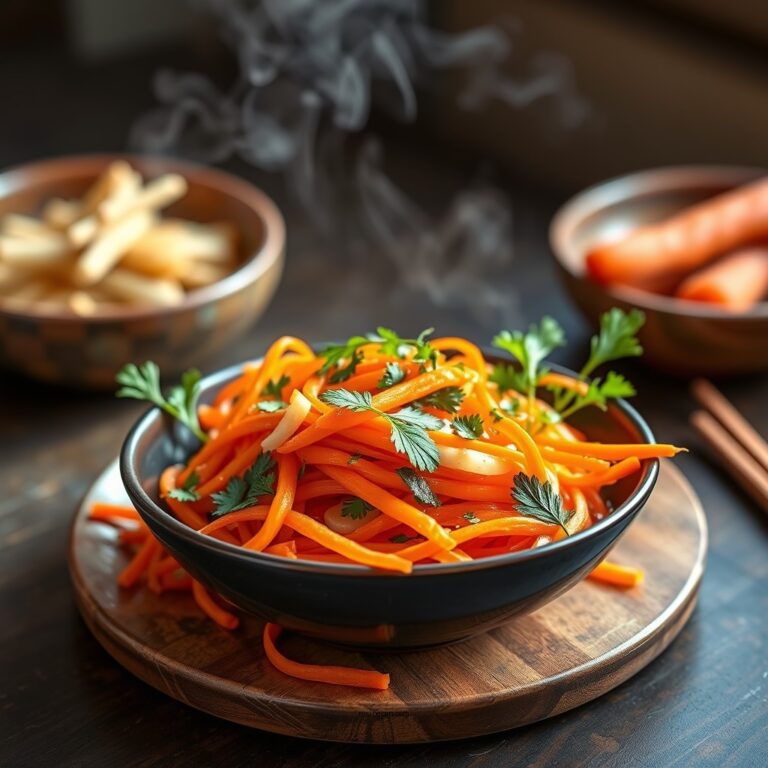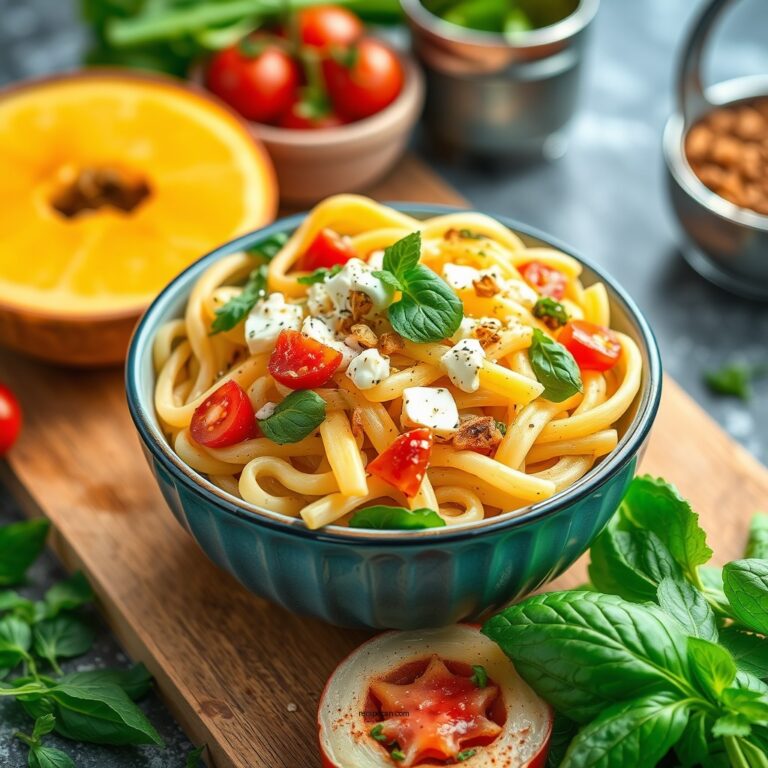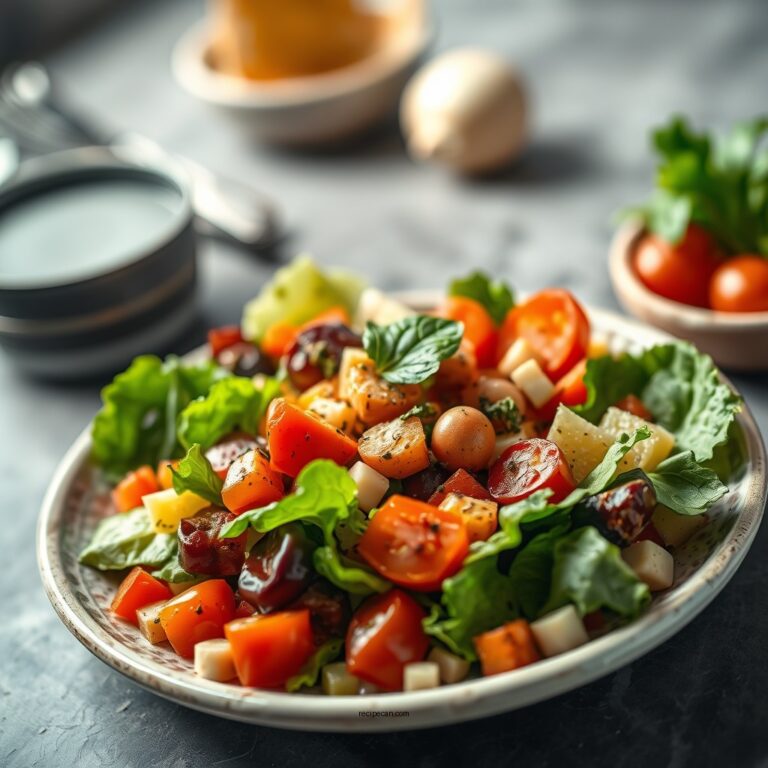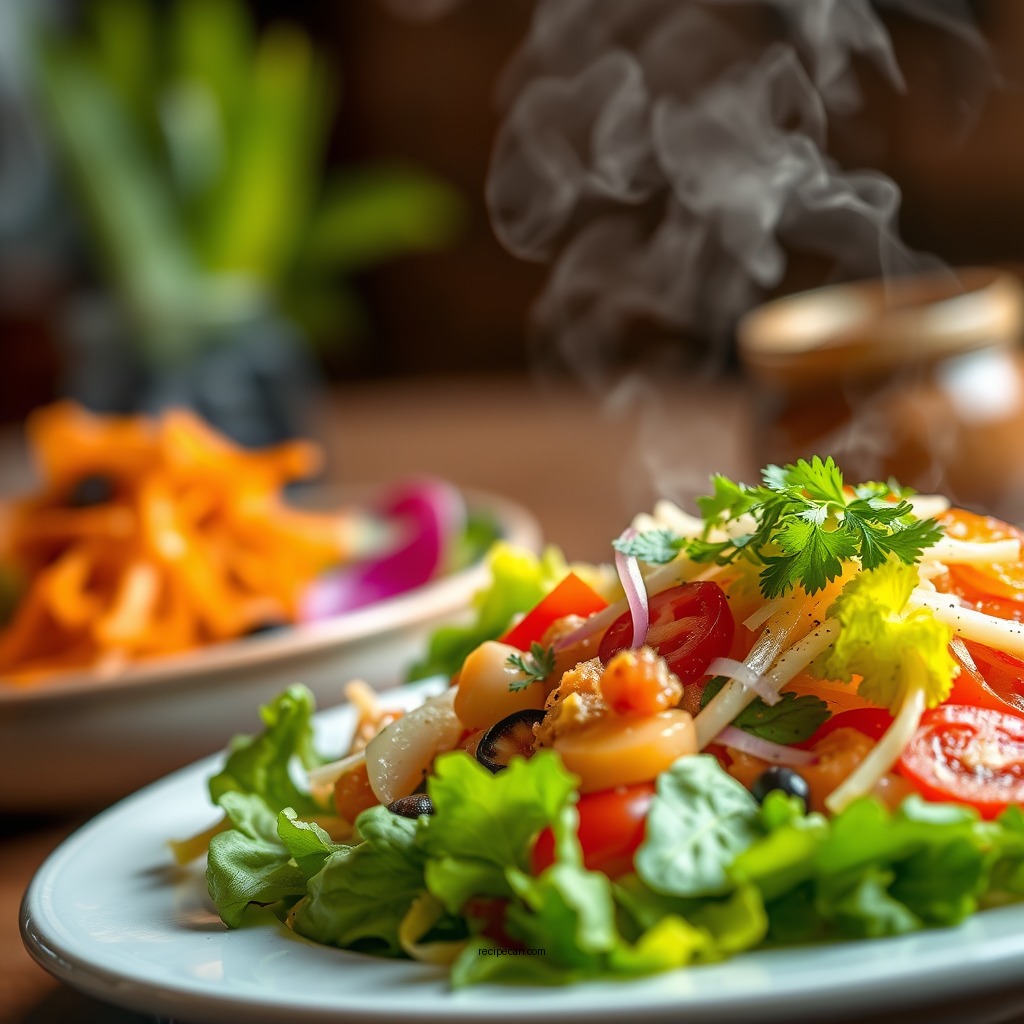
Filipino salads are a delightful fusion of fresh ingredients and unique flavors that showcase the country’s rich culinary heritage. With a variety of traditional and modern recipes, Filipino salads are not only refreshing but also simple to prepare, making them perfect for any occasion. This article delves into a selection of delicious salad recipes that highlight local produce and flavors, allowing you to bring a taste of the Philippines to your dining table.
Traditional Filipino Salads
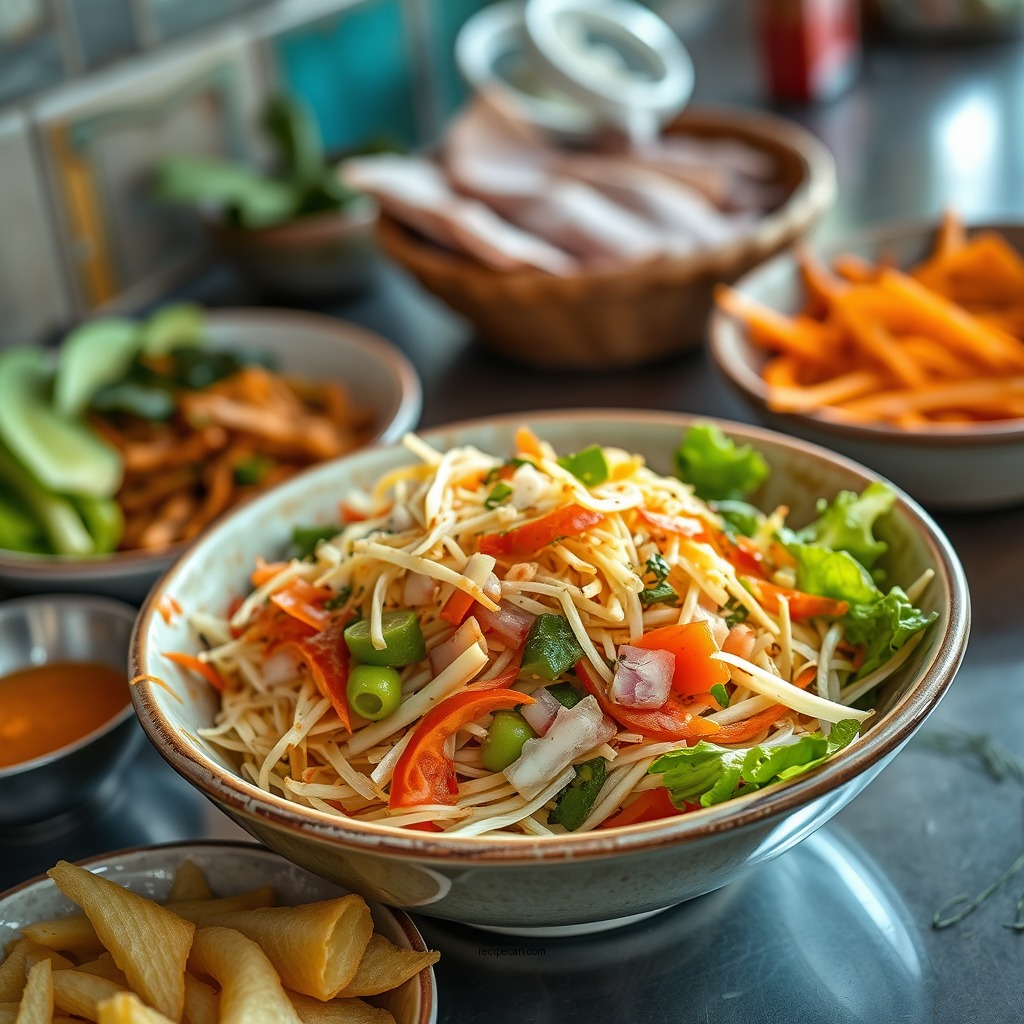
When it comes to traditional Filipino salads, two classics stand out: Ensaladang Mangga (Green Mango Salad) and Ensaladang Talong (Eggplant Salad). Ensaladang Mangga features green mangoes, tomatoes, onions, and a splash of vinegar, offering a refreshing blend of sweet, tangy, and savory flavors. This salad is often complemented with salted eggs or grilled fish, making it a versatile side dish for many Filipino meals.
Ensaladang Talong, on the other hand, is made from roasted eggplant mixed with tomatoes, onions, and a drizzle of vinegar or calamansi juice. The smoky flavor of the roasted eggplant combined with the freshness of the tomatoes creates a satisfying dish that is both light and flavorful. Both salads utilize local ingredients such as tomatoes, onions, and vinegar, which are staples in Filipino cuisine.
Tropical Fruit Salads
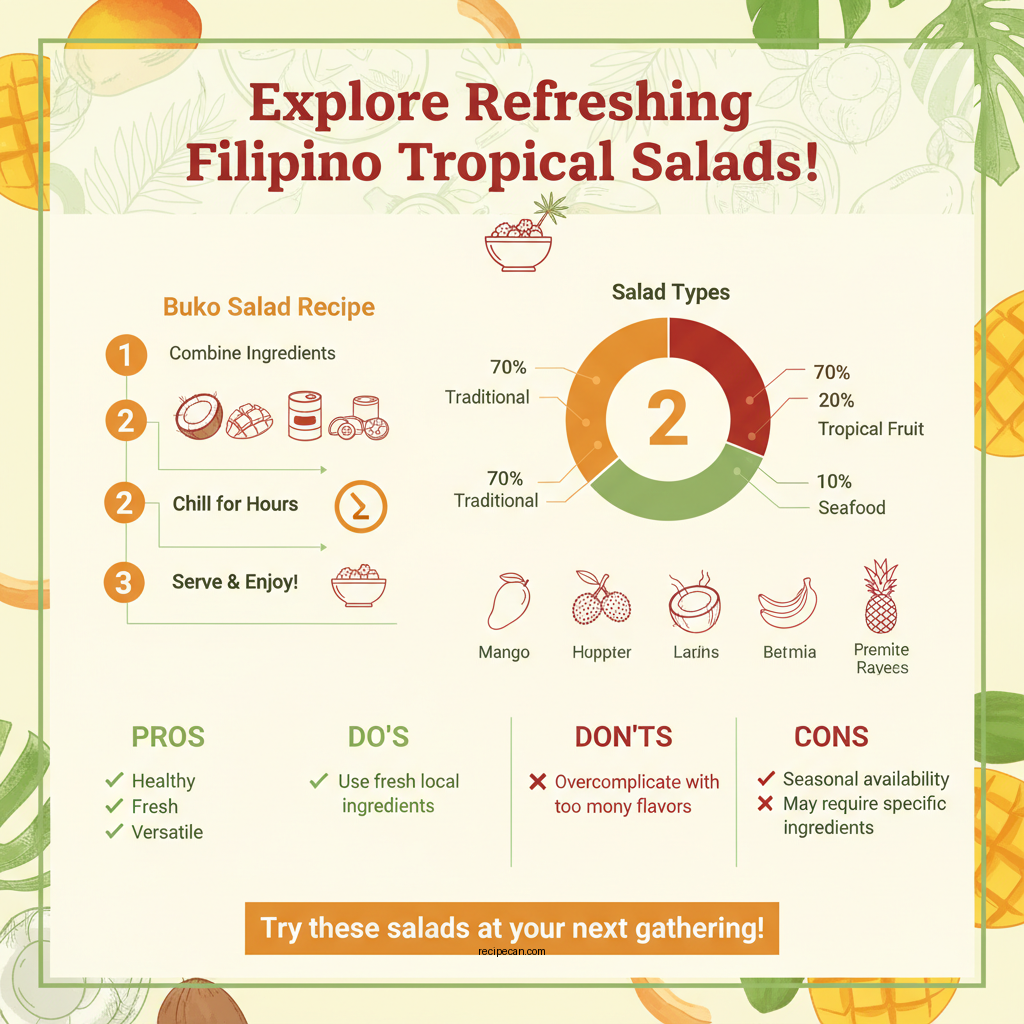
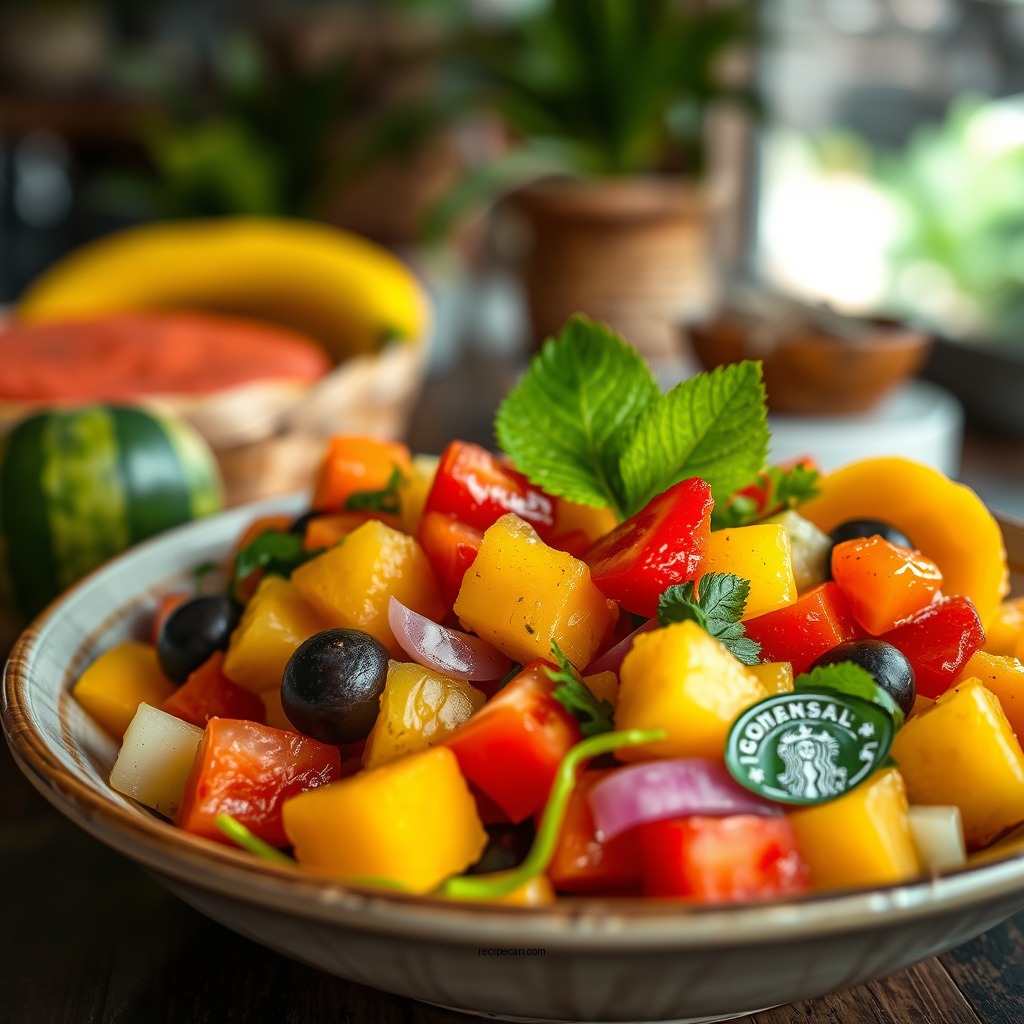
Tropical fruit salads are a hallmark of Filipino cuisine, celebrated for their vibrant colors and refreshing flavors. One popular option is Buko Salad, which combines young coconut (buko) with a medley of fruits like pineapple, grapes, and apples, all tossed in a sweetened cream dressing. This salad is a common fixture at celebrations and gatherings, providing a sweet, creamy counterpoint to savory dishes.
Another favorite is the Filipino-style Fruit Salad, which often includes fruits like mangoes, bananas, and lychees mixed with a creamy dressing made from condensed milk and all-purpose cream. The balance of sweet, tangy, and creamy flavors makes these salads a perfect addition to any festive table, showcasing the bounty of tropical fruits available in the Philippines.
Seafood Salads
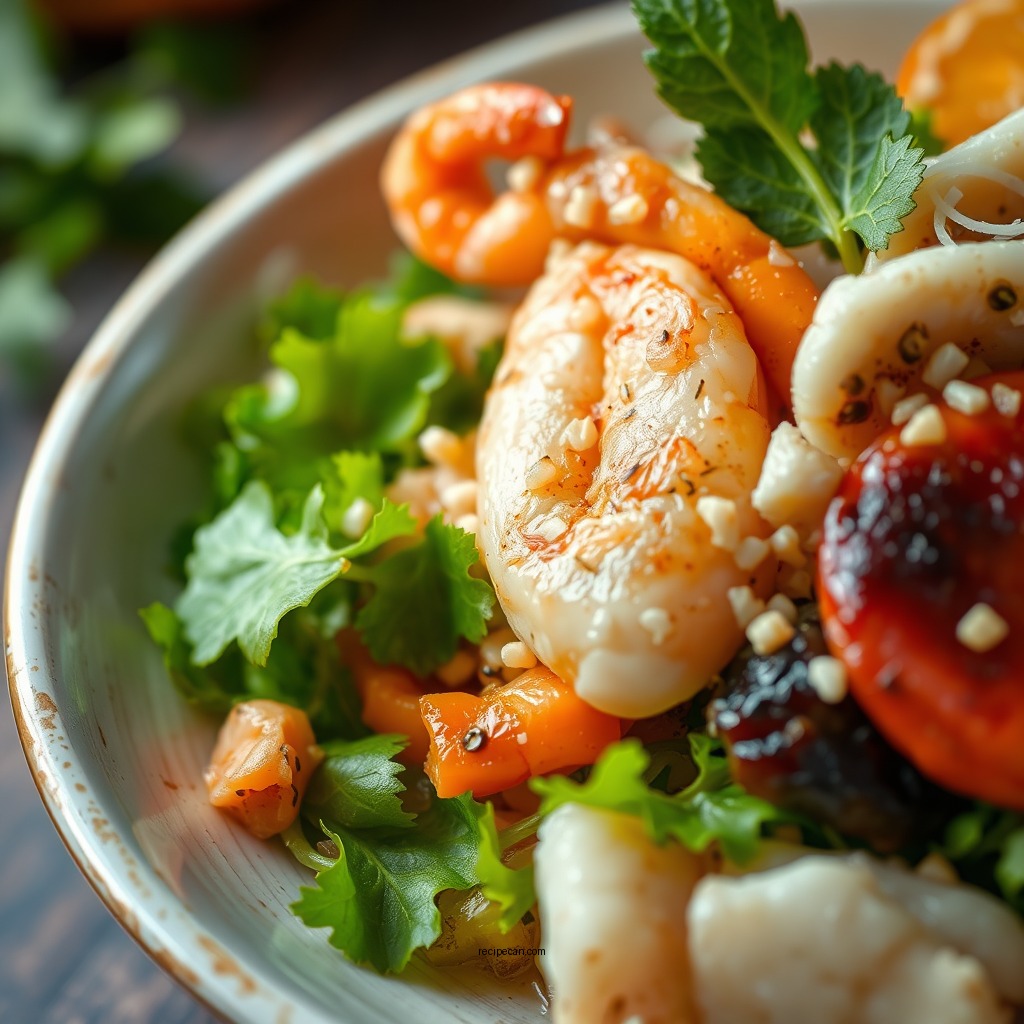
Seafood salads in the Philippines highlight the freshness of the ocean’s bounty, with Kinilaw (Ceviche) being a standout example. Kinilaw typically features fresh fish marinated in vinegar and citrus juices, mixed with onions, ginger, and chili peppers. This dish is not only refreshing but also showcases the natural flavors of the ingredients, making it a popular choice for hot days.
When preparing seafood salads, it’s essential to use the freshest fish and shellfish available. Incorporating local seasonings such as calamansi or coconut vinegar adds depth to the flavors and connects the dish to its Filipino roots. Kinilaw is often served as an appetizer or side dish, making it a versatile option for gatherings.
Popular Filipino Salad Ingredients
| # | Ingredient | Usage (%) | Flavor Profile |
|---|---|---|---|
| 1 | Mango | 85% | Sweet, Tangy |
| 2 | Coconut | 70% | Creamy, Sweet |
| 3 | Fish | 65% | Savory, Fresh |
| 4 | Eggplant | 60% | Smoky, Savory |
| 5 | Tomato | 55% | Sweet, Juicy |
| 6 | Onion | 50% | Pungent, Sweet |
| 7 | Vinegar | 45% | Tangy, Sour |
Vegetable Salads
Vegetable salads in the Philippines are a feast for the eyes and the palate, featuring an array of colorful produce that showcases the country’s agricultural diversity. Salads made with sitaw (string beans) and labanos (radish) are particularly popular. For example, a simple sitaw salad can be prepared by blanching the string beans and tossing them with tomatoes, onions, and a light vinaigrette made from vinegar, oil, and local herbs.
Another vegetable salad that reflects the local flavors is the Pinakbet Salad, which combines various vegetables such as bitter melon, squash, and eggplant, often garnished with shrimp paste for added depth. These salads not only provide visual appeal but also highlight the nutritional benefits of fresh vegetables, making them a healthy addition to any meal.
Unique Salad Dressings
The dressing can make or break a salad, and Filipino-inspired dressings offer a unique twist to enhance your salads. Simple vinaigrettes made with local vinegar, olive oil, and calamansi juice provide a tangy flavor that complements the fresh ingredients beautifully. For a creamier option, a coconut dressing made from coconut cream, lime juice, and a touch of honey creates a rich, tropical flavor profile.
Experimenting with local spices and herbs, such as ginger, calamansi, and even chili, can elevate your salad dressings and add layers of flavor. These dressings not only bring out the best in the salads but also reflect the vibrant and diverse culinary culture of the Philippines.
Salads for Special Occasions
Filipino culture is rich in celebrations, and salads play a significant role in festive gatherings such as Christmas and fiestas. Recipes like the Macaroni Salad, which includes macaroni, fruits, vegetables, and mayonnaise, are often served during these special occasions. The creamy texture and sweet-tangy flavor of this salad make it a crowd favorite.
For an attractive presentation, consider using colorful serving bowls and garnishing the salads with fresh herbs or edible flowers. This not only enhances the visual appeal but also invites guests to indulge in the festive spirit. Incorporating seasonal ingredients and traditional flavors into these salads can make your gatherings memorable and delicious.
Health Benefits of Filipino Salads
Incorporating Filipino salads into your diet can provide numerous health benefits. The fresh ingredients commonly used, such as fruits, vegetables, and seafood, are rich in essential vitamins, minerals, and antioxidants. For instance, mangoes are high in vitamin C, while vegetables like sitaw and labanos offer dietary fiber and are low in calories.
Regularly consuming salads can promote health and wellness by supporting digestion, boosting the immune system, and providing hydration due to their high water content. By making Filipino salads a staple in your meal planning, you can enjoy delicious flavors while nourishing your body.
Nutritional Benefits of Common Filipino Salad Ingredients
In summary, Filipino salads present a delightful combination of fresh ingredients and unique flavors that can enhance any meal. These recipes, ranging from traditional to modern, reflect the rich culinary heritage of the Philippines. Whether you’re in search of a simple side dish or a vibrant centerpiece for your table, these salads provide an enticing taste of Filipino cuisine. Try out these salad recipes today and elevate your dining experience with the freshness and flavor of the Philippines!
Frequently Asked Questions
What are some popular salad recipes in the Philippines?
Some popular Filipino salad recipes include Ensaladang Mangga (Green Mango Salad), which combines green mangoes, tomatoes, and onions with a tangy dressing. Another favorite is the Ensaladang Labanos (Radish Salad), featuring fresh radishes, cucumber, and a vinegar-based dressing. These salads are not only refreshing but also highlight local ingredients, making them perfect for any Filipino meal.
How can I make a healthy salad using local ingredients in the Philippines?
To create a healthy salad using local ingredients, start with leafy greens like kangkong (water spinach) or romaine lettuce. Add colorful vegetables such as tomatoes, cucumber, and carrots, then top it off with a protein source like grilled chicken or tofu. Drizzle with a simple dressing made from calamansi juice, olive oil, and a pinch of salt for a delicious and nutritious meal.
Why are salads important in Filipino cuisine?
Salads play a significant role in Filipino cuisine by providing a balance of flavors and textures to dishes. They often serve as a refreshing side that complements the rich and savory main courses, promoting a healthier eating style. Additionally, salads highlight the vibrant produce available in the Philippines, making them a staple in both everyday meals and festive occasions.
What is the best dressing for a Filipino-style salad?
The best dressing for a Filipino-style salad often incorporates local flavors, such as a mixture of vinegar, soy sauce, and calamansi juice. This tangy dressing enhances the freshness of the vegetables while adding a zesty kick. For creamier options, you can use mayonnaise mixed with a touch of mustard and sweet mango for a Filipino twist.
Which vegetables are commonly used in Filipino salad recipes?
Common vegetables used in Filipino salad recipes include tomatoes, cucumbers, radishes, and green mangoes. Leafy greens like lettuce and water spinach are also popular, as they provide a fresh base for salads. Additionally, you can include ingredients like onions and carrots to enhance flavor and texture, making your salad both colorful and nutritious.
References
- Filipino cuisine
https://en.wikipedia.org/wiki/Philippine_cuisine - https://www.ncbi.nlm.nih.gov/pmc/articles/PMC6464949/
https://www.ncbi.nlm.nih.gov/pmc/articles/PMC6464949/ - https://www.bbc.com/travel/article/20200107-the-filipino-dish-youve-probably-never-heard-of
https://www.bbc.com/travel/article/20200107-the-filipino-dish-youve-probably-never-heard-of - https://www.sciencedirect.com/science/article/pii/S2212670817300364
https://www.sciencedirect.com/science/article/pii/S2212670817300364 - https://www.theguardian.com/global/2017/may/16/philippines-food-culture-what-to-eat
https://www.theguardian.com/global/2017/may/16/philippines-food-culture-what-to-eat - https://www.nytimes.com/2021/06/14/dining/philippines-food.html
https://www.nytimes.com/2021/06/14/dining/philippines-food.html - https://www.britannica.com/topic/Philippine-cuisine
https://www.britannica.com/topic/Philippine-cuisine - Google Scholar Google Scholar
https://scholar.google.com/scholar?q=salad+recipes+in+the+philippines - Google Scholar Google Scholar
https://scholar.google.com/scholar?q=philippine+salad+recipes - Google Scholar Google Scholar
https://scholar.google.com/scholar?q=traditional+salads+in+philippine+cuisine