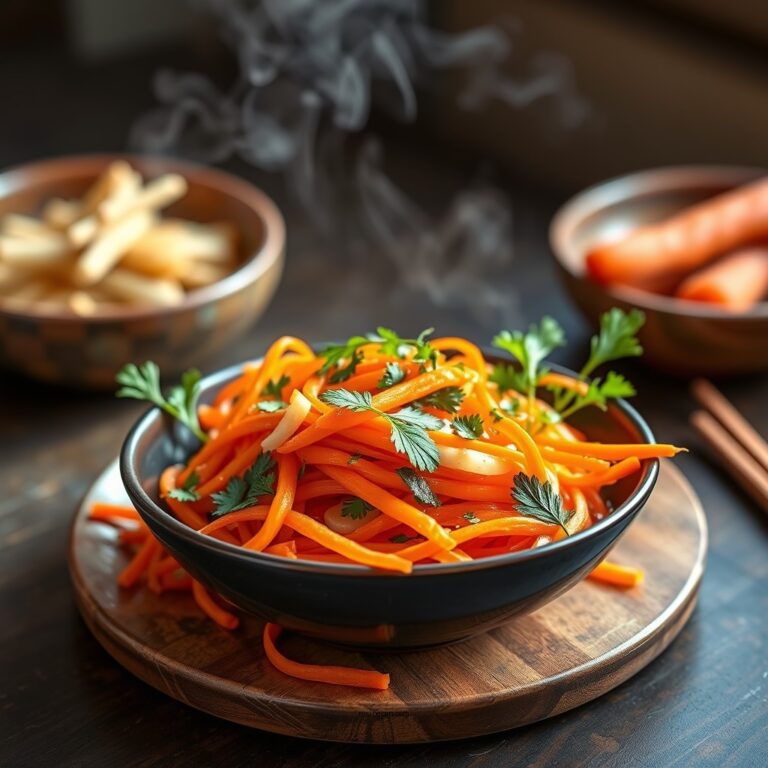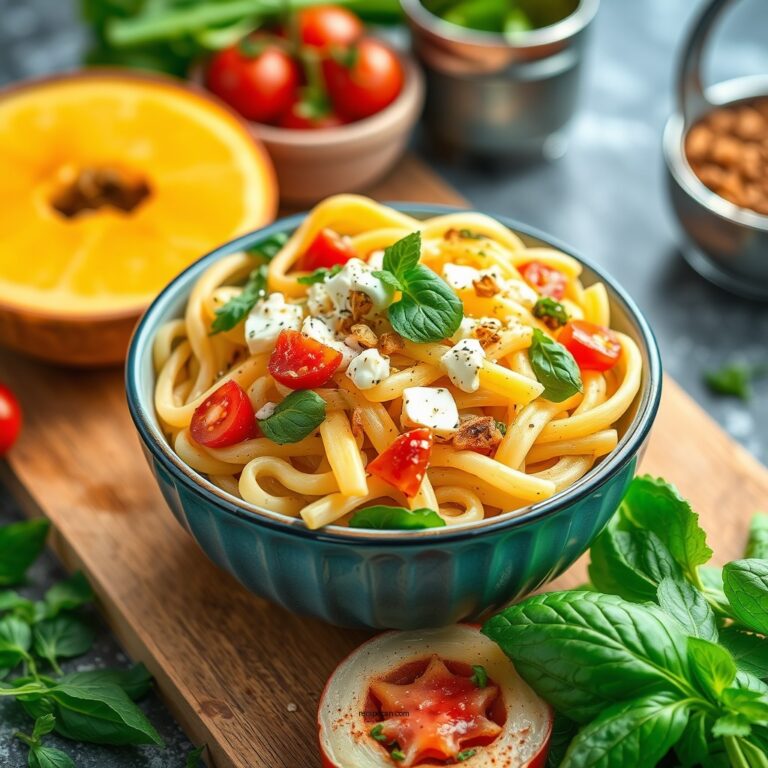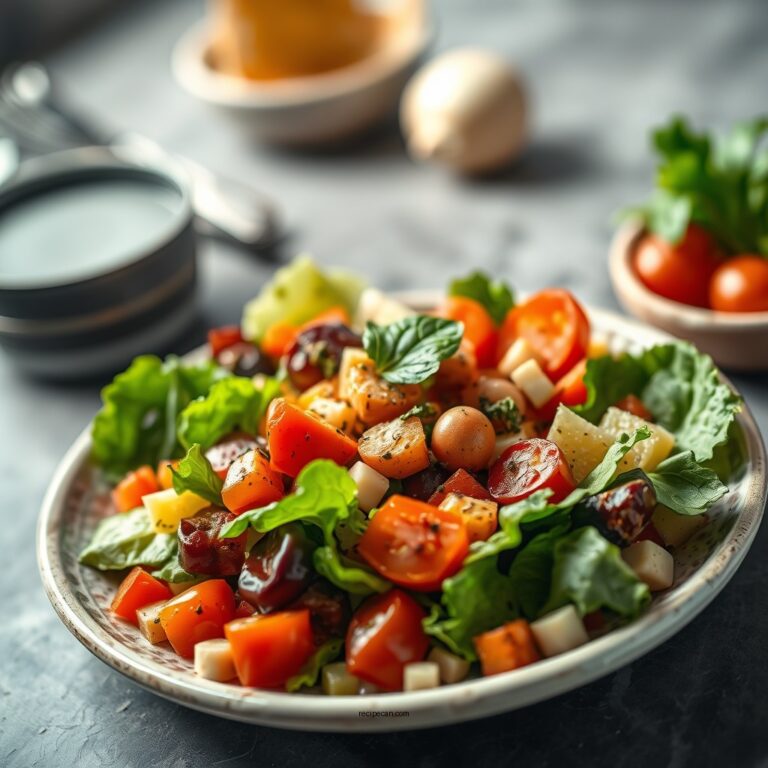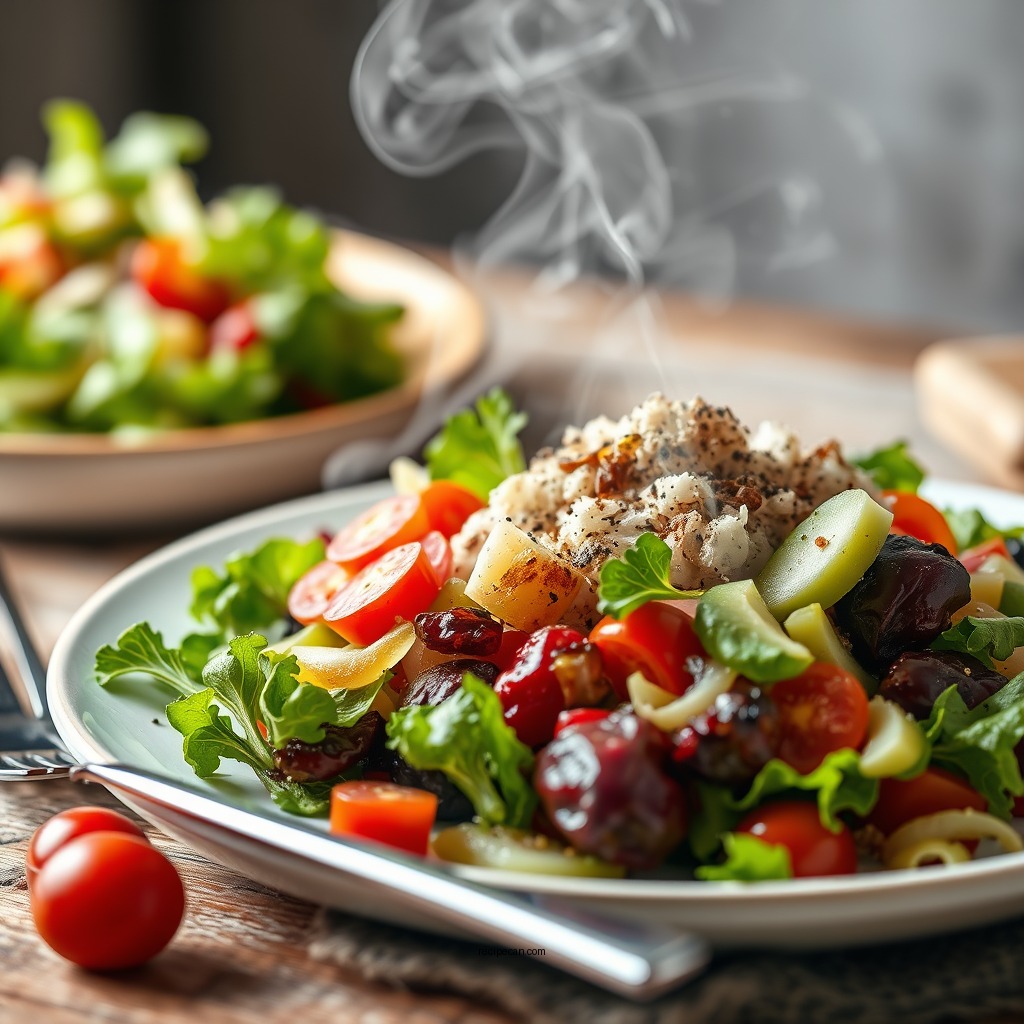
Creating an everything salad is straightforward and allows you to combine a multitude of flavors and textures into one delicious dish. This guide will illustrate how to mix and match ingredients to craft the perfect everything salad, ensuring that every bite is loaded with nutrition and taste. Whether you’re aiming for a light lunch, a hearty dinner, or a side dish, the versatility of salads can cater to all your culinary needs.
Choosing Your Base Greens
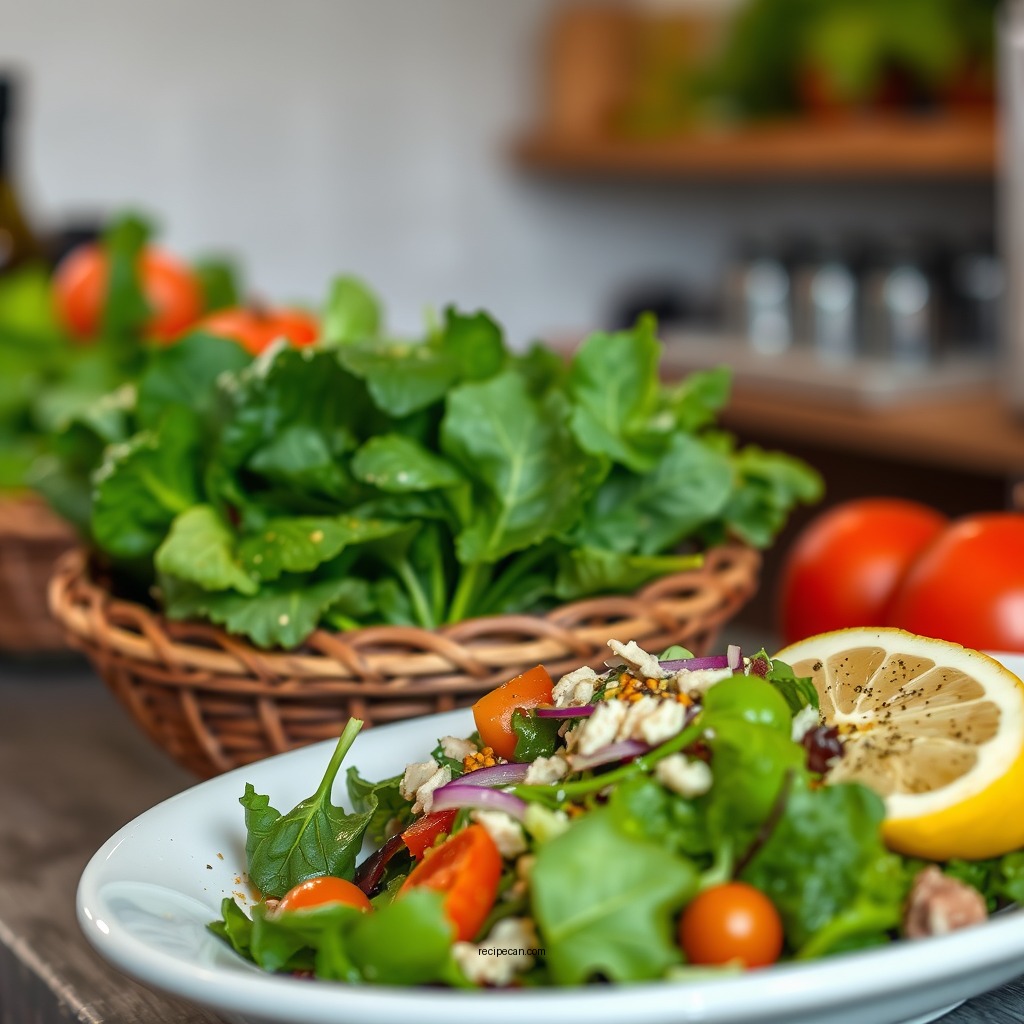
The foundation of any great salad lies in its base greens. Selecting a mix of leafy greens is essential for both nutrition and texture. Spinach, kale, and arugula are popular choices that not only provide a powerful nutrient punch but also offer distinct flavors. Spinach is mild and versatile, kale is known for its robust texture, and arugula adds a peppery bite.
For those looking to enhance the heartiness of their salad, consider incorporating grains like quinoa or farro. These grains not only add a chewy texture but also increase the protein content of your dish. Quinoa is a complete protein, meaning it contains all nine essential amino acids, while farro is rich in fiber and provides a nutty flavor that pairs well with various toppings.
Adding Colorful Veggies
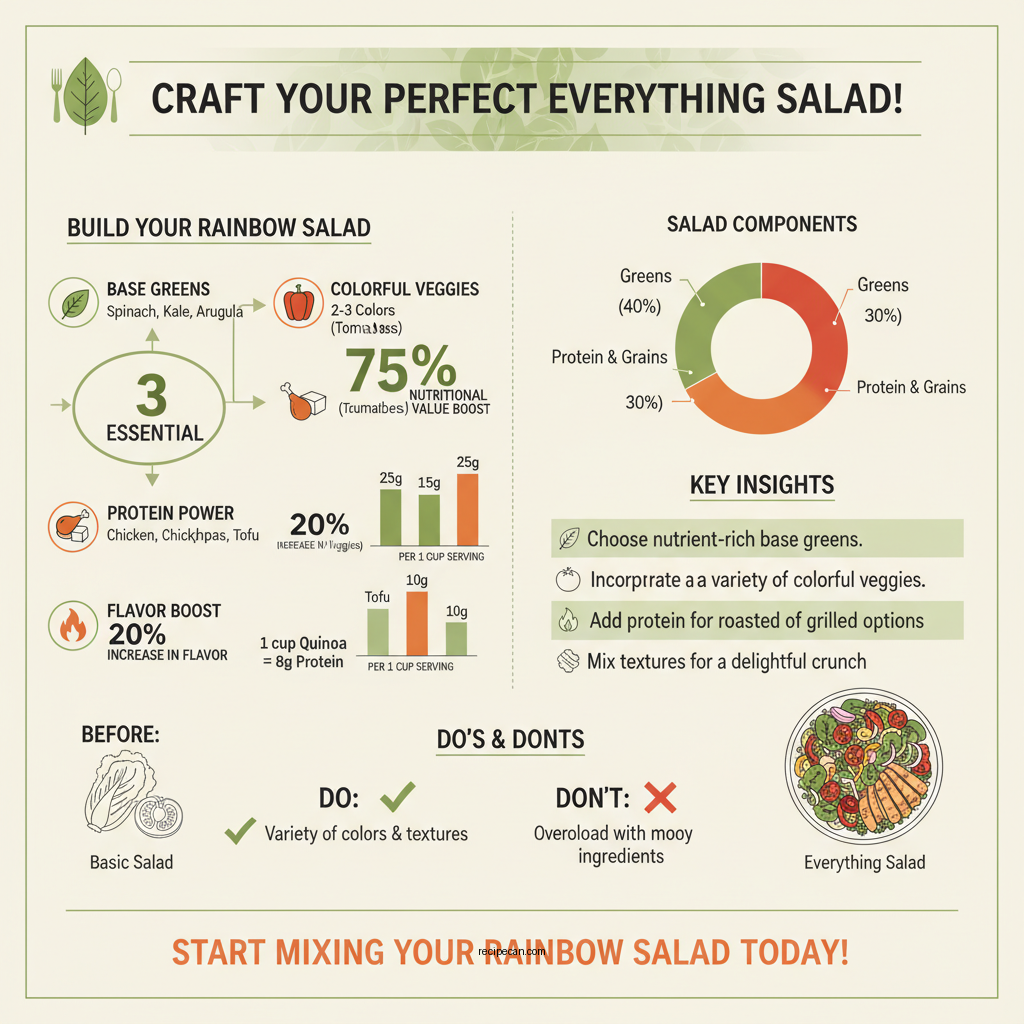
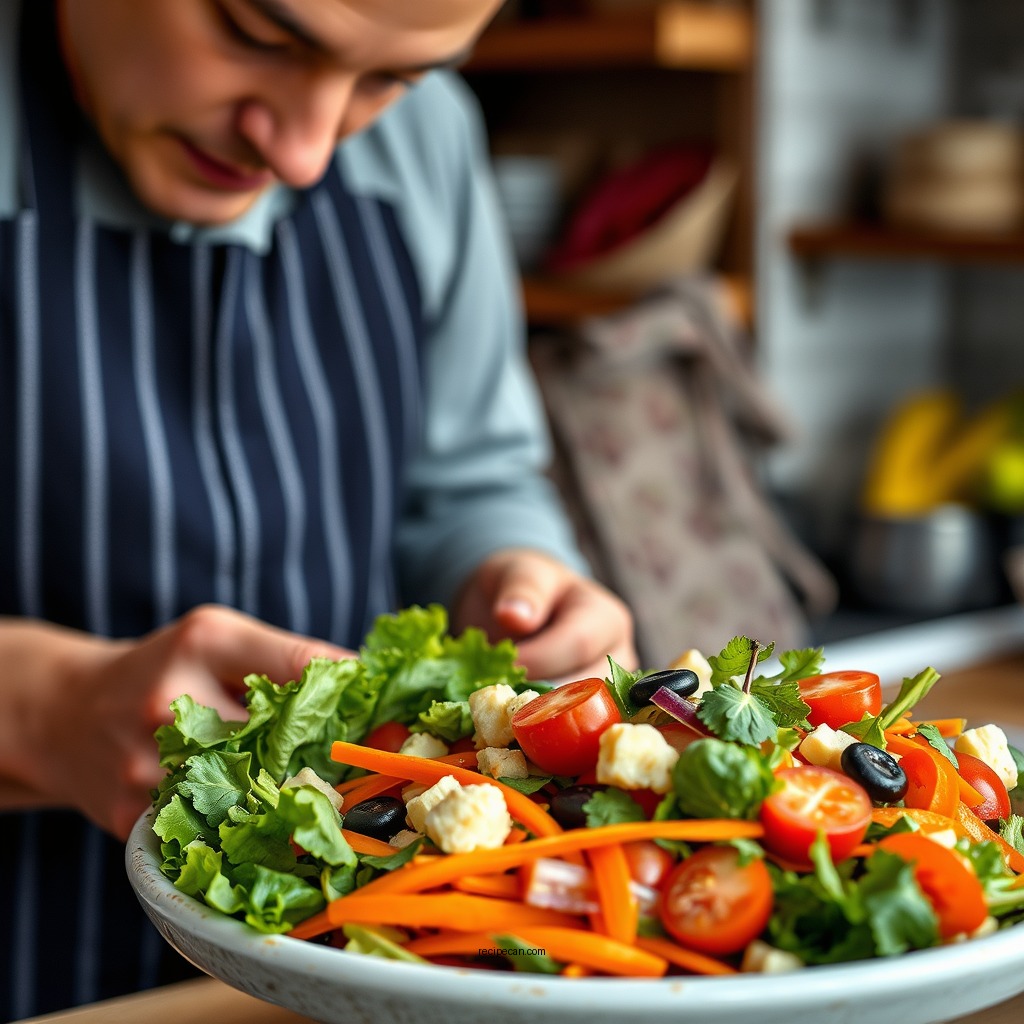
The addition of colorful vegetables to your salad not only enhances its visual appeal but also boosts its nutritional value. Aim for a rainbow of vegetables; bell peppers, cucumbers, and cherry tomatoes are excellent choices. Bell peppers add sweetness and crunch, cucumbers provide a refreshing crunch, and cherry tomatoes burst with juiciness.
To elevate the flavor profile, consider experimenting with roasted or grilled vegetables. Roasting carrots or zucchini caramelizes their natural sugars, bringing out a depth of flavor that complements the freshness of your greens. Grilled asparagus or bell peppers can add a delightful smokiness, making your salad not only vibrant but also complex in taste.
Including Protein Sources
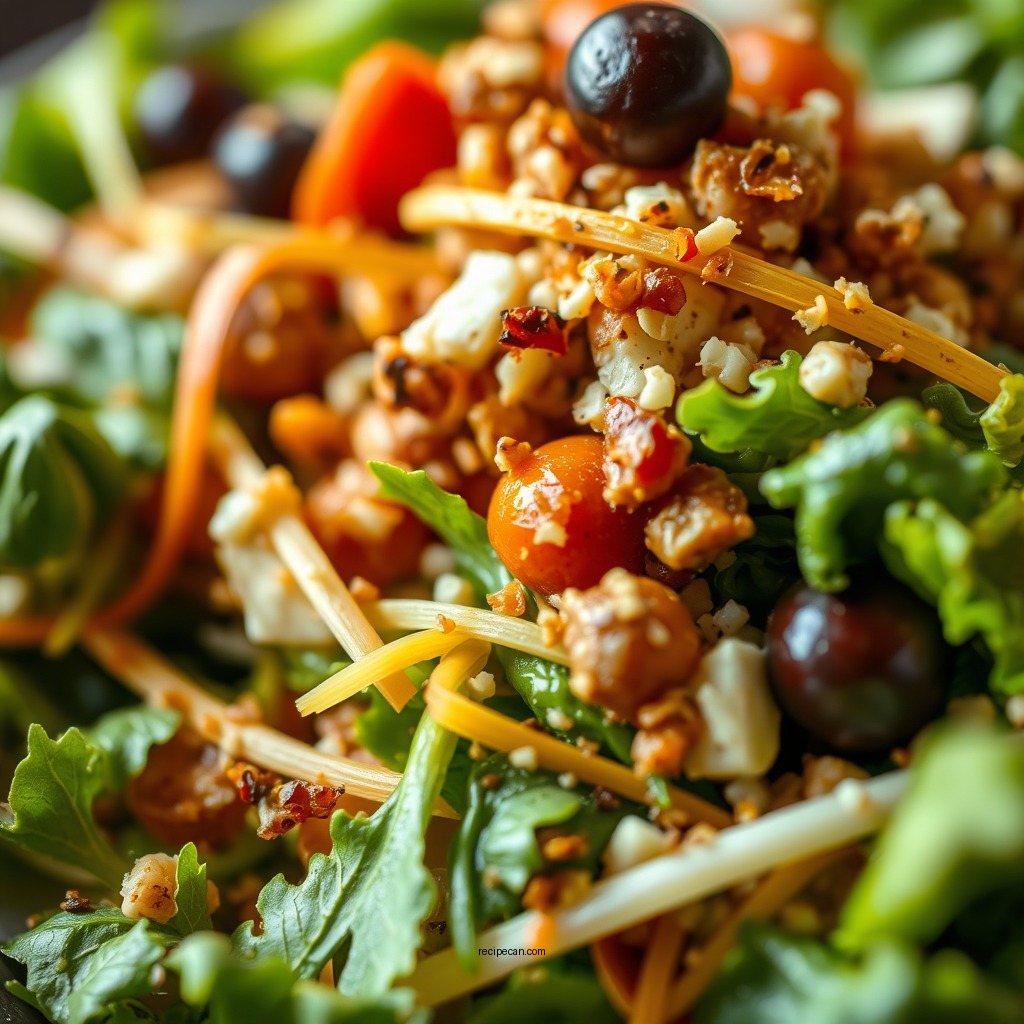
Incorporating protein into your salad transforms it from a side dish into a satisfying meal. Grilled chicken, chickpeas, and tofu are all excellent options. Grilled chicken is a classic choice that adds flavor and substance, while chickpeas offer a plant-based protein alternative that is both nutritious and filling. Tofu, especially when marinated and grilled, can absorb flavors well and add a rich texture.
For an added layer of taste and crunch, consider hard-boiled eggs or a variety of nuts. Hard-boiled eggs are a great source of protein and healthy fats, while nuts like almonds or walnuts provide a satisfying crunch and a dose of omega-3 fatty acids. Mixing these protein sources can not only enhance the flavor but also ensure that your salad keeps you full longer.
Top 7 Protein Sources for Salads (2024)
| # | Protein Source | Protein per 100g | Calories | Fat (g) |
|---|---|---|---|---|
| 1 | Grilled Chicken | 31g | 165 | 3.6g |
| 2 | Chickpeas | 19g | 164 | 2.6g |
| 3 | Tofu | 8g | 144 | 4.8g |
| 4 | Hard-Boiled Eggs | 13g | 155 | 11g |
| 5 | Quinoa | 14g | 120 | 2g |
| 6 | Almonds | 21g | 579 | 50g |
| 7 | Lentils | 9g | 116 | 0.4g |
Topping with Flavorful Extras
To truly elevate your everything salad, don’t hesitate to add flavorful extras. Toppings like feta cheese, avocado, or olives can provide a rich burst of flavor. Feta cheese adds a creamy, tangy element, while avocado contributes healthy fats and a buttery texture. Olives, whether green or black, impart a salty depth that can balance out sweeter ingredients like roasted vegetables.
Additionally, incorporating seeds such as sunflower or pumpkin can enhance both the flavor and nutritional profile. These seeds not only add a satisfying crunch but are also rich in vitamins and minerals, making your salad even more nourishing. Experimenting with different toppings can also lead to delightful flavor combinations that keep your salads exciting.
Dressing Your Salad
Selecting the right dressing is crucial for enhancing the flavors of your everything salad without overshadowing the ingredients. A light vinaigrette made from olive oil and vinegar is a classic choice that can add brightness and acidity. For creamier options, consider a yogurt-based dressing or a tahini sauce, which can provide a rich mouthfeel without being overly heavy.
For a personal touch, try experimenting with homemade dressings. Combine olive oil, balsamic vinegar, mustard, and fresh herbs to create a dressing that complements your salad’s specific flavors. Not only does homemade dressing ensure fresher taste, but it also allows you to control the ingredients, making it a healthier choice.
Customizing Your Salad
One of the best aspects of an everything salad is its adaptability. Don’t hesitate to get creative by mixing different cuisines. For example, adding Asian sesame dressing can bring a delightful twist, while Mediterranean olives and herbs can infuse your salad with bold flavors.
Tailoring your ingredients based on seasonal availability is another way to keep your salads fresh and interesting. In the summer, ripe tomatoes and cucumbers shine, while fall offers roasted squash and hearty greens. Listening to your palate and using ingredients you love will lead to an everything salad that is truly your own.
Storing and Serving Your Salad
To ensure the freshness and quality of your salad, keep the dressing separate until just before serving. This practice helps maintain the crispness of the greens and prevents sogginess. When storing leftovers, use an airtight container and consume them within two days. Be cautious with watery ingredients like cucumbers or tomatoes, as they can make the salad soggy over time.
If you’re preparing a salad for a gathering, consider serving it in a large bowl and allowing guests to toss their own portions with dressing. This interactive approach not only allows for personalization but also keeps the salad looking fresh and appealing.
Salad Ingredients Popularity (2024)
By following these guidelines, you can create a delicious and nutritious everything salad that caters to your tastes and dietary needs. Remember to mix and match ingredients to discover your perfect combination. Don’t hesitate to share your creations with friends and family, inspiring them to explore the endless possibilities that salads have to offer!
Frequently Asked Questions
What ingredients do I need for an everything salad recipe?
An everything salad recipe typically includes a mix of fresh greens like spinach and kale, a variety of colorful vegetables such as bell peppers, cucumbers, and cherry tomatoes, as well as protein sources like grilled chicken or chickpeas. You can also add nuts, seeds, and a variety of dressings to enhance flavor and nutrition. The key is to include diverse ingredients that provide texture and taste.
How can I customize my everything salad to cater to dietary restrictions?
To customize your everything salad for dietary restrictions, consider using gluten-free grains like quinoa or brown rice as a base, and select proteins that align with specific diets, such as tofu for vegans or lean meats for those avoiding carbs. Additionally, you can substitute dressings with oil and vinegar or dairy-free options to accommodate allergies or preferences. Always check ingredient labels to ensure they meet dietary needs.
Why is an everything salad a great choice for meal prep?
An everything salad is an excellent choice for meal prep because it can be made in large batches and stored in the refrigerator for several days without losing freshness. This versatility allows you to mix and match ingredients based on what you have available, making it easy to enjoy a healthy meal throughout the week. Additionally, it provides a balanced mix of nutrients that can help you stay energized and satisfied.
What is the best dressing to use for an everything salad?
The best dressing for an everything salad depends on personal preference, but a simple vinaigrette made with olive oil, balsamic vinegar, and a touch of mustard complements a variety of ingredients beautifully. For a creamier option, consider a yogurt-based dressing or a tahini sauce that adds richness without overpowering the fresh flavors. Aim for dressings that enhance the salad’s taste while keeping it healthy.
Which toppings can I add to enhance the flavor of my everything salad?
To enhance the flavor of your everything salad, consider adding toppings like crumbled feta cheese, avocado slices, roasted nuts, or seeds for crunch. Fresh herbs such as cilantro or basil can also elevate the taste profile, while fruits like berries or citrus segments provide a refreshing contrast. Experimenting with different toppings allows you to create a unique and satisfying salad each time.
References
- Salad
https://en.wikipedia.org/wiki/Salad - https://www.mayoclinic.org/healthy-lifestyle/nutrition-and-healthy-eating/in-depth/salad/art-20044716
https://www.mayoclinic.org/healthy-lifestyle/nutrition-and-healthy-eating/in-depth/salad/art-20044716 - https://www.health.harvard.edu/staying-healthy/the-health-benefits-of-salad
https://www.health.harvard.edu/staying-healthy/the-health-benefits-of-salad - https://www.nal.usda.gov/legacy/fnic/food-safety-and-salad
https://www.nal.usda.gov/legacy/fnic/food-safety-and-salad - https://www.cdc.gov/nutrition/resources-publications/healthyeating.html
https://www.cdc.gov/nutrition/resources-publications/healthyeating.html - https://www.ncbi.nlm.nih.gov/pmc/articles/PMC6469433/
https://www.ncbi.nlm.nih.gov/pmc/articles/PMC6469433/ - https://www.sciencedirect.com/topics/food-science/salad
https://www.sciencedirect.com/topics/food-science/salad - https://www.nytimes.com/2020/05/04/dining/salad-recipes.html
https://www.nytimes.com/2020/05/04/dining/salad-recipes.html - Google Scholar Google Scholar
https://scholar.google.com/scholar?q=salad+recipes - Google Scholar Google Scholar
https://scholar.google.com/scholar?q=nutritional+benefits+of+salads