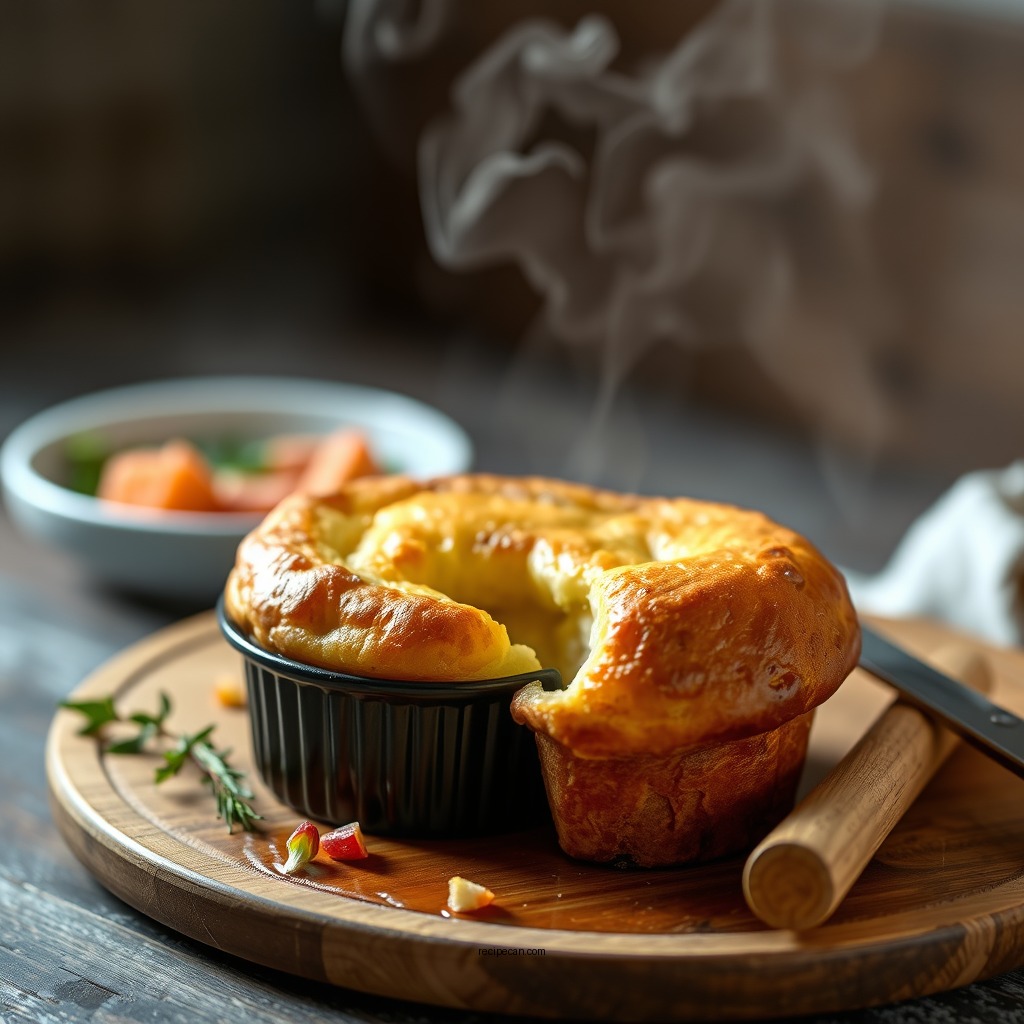
Making gluten-free Yorkshire pudding is entirely achievable and can be just as delightful as the traditional version. This recipe will guide you through creating light, fluffy Yorkshire puddings that everyone can enjoy, regardless of dietary restrictions. You’ll learn about the best gluten-free flour options, the perfect batter consistency, and tips for achieving that signature rise.
Understanding Gluten-Free Ingredients
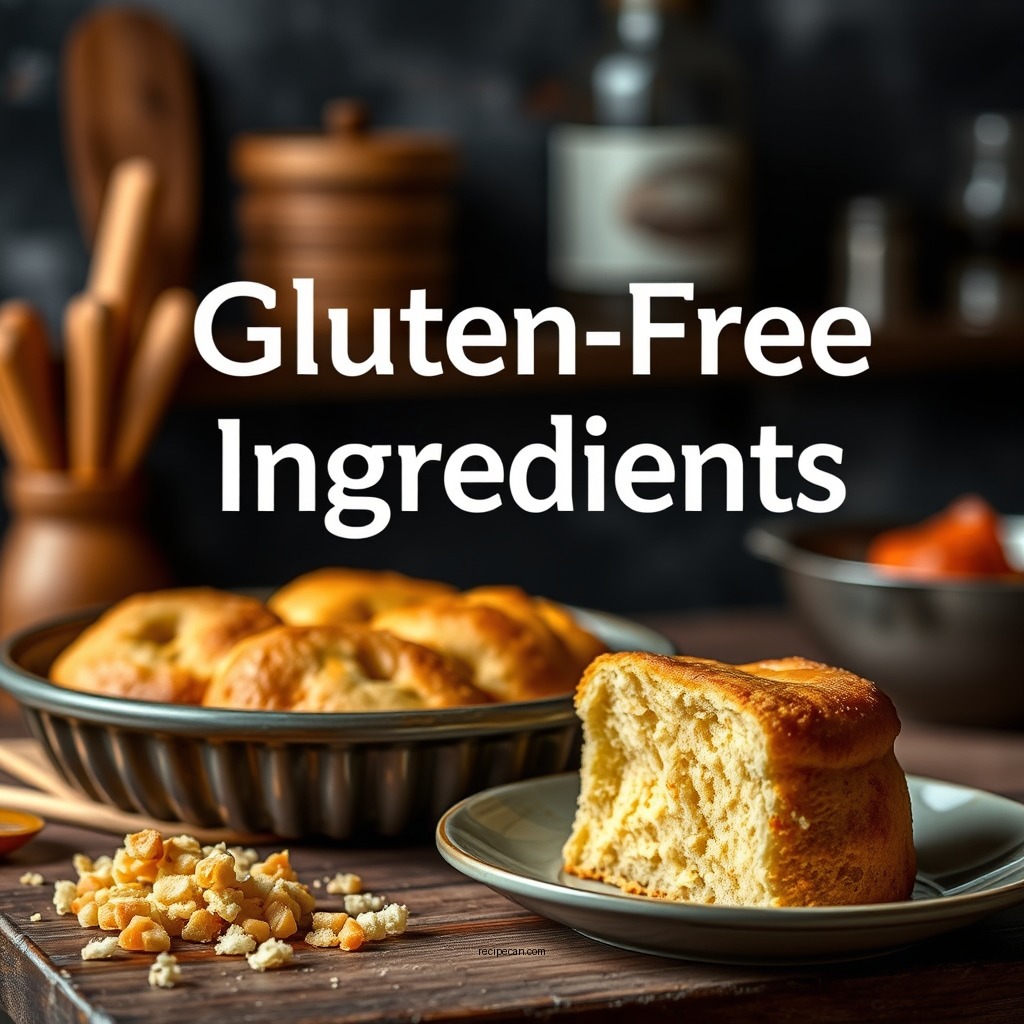
When venturing into gluten-free cooking, selecting the right flour is crucial for achieving the desired texture and flavor. Gluten-free flour options abound, with popular choices including almond flour, coconut flour, and specialized gluten-free blends. Almond flour offers a rich, nutty flavor and a dense texture, making it suitable for those who enjoy a more robust taste. Coconut flour, on the other hand, absorbs a significant amount of moisture and can lead to dry results if not balanced with adequate liquid. Therefore, it’s typically best to use a gluten-free flour blend designed for baking, which often combines various flours and starches to mimic the properties of traditional wheat flour.
Eggs play a key role in gluten-free Yorkshire pudding, providing structure and moisture while aiding in that all-important rise. The addition of milk or dairy alternatives enhances the creamy texture and helps create a smooth batter. For those avoiding dairy, alternatives like almond milk or oat milk work well, but it’s important to choose unsweetened versions to prevent altering the flavor profile.
Preparing the Batter
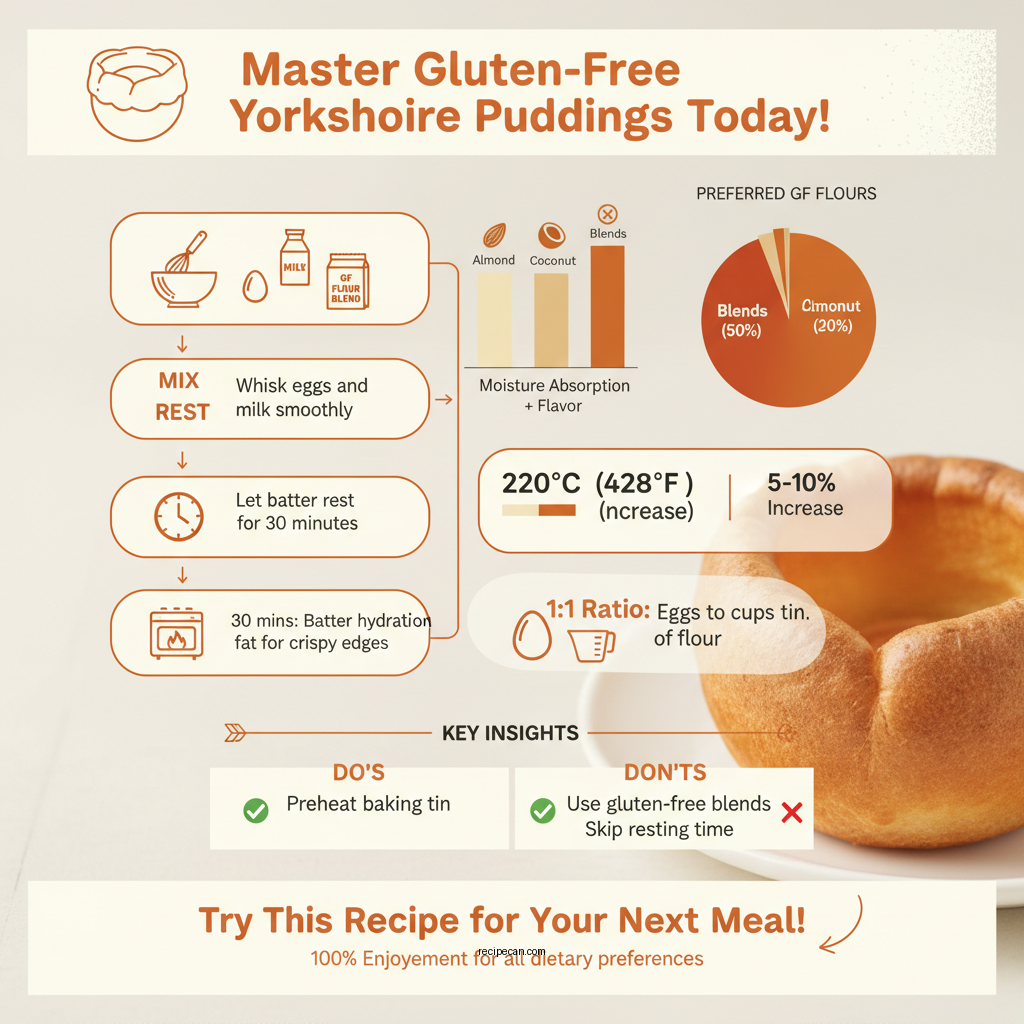
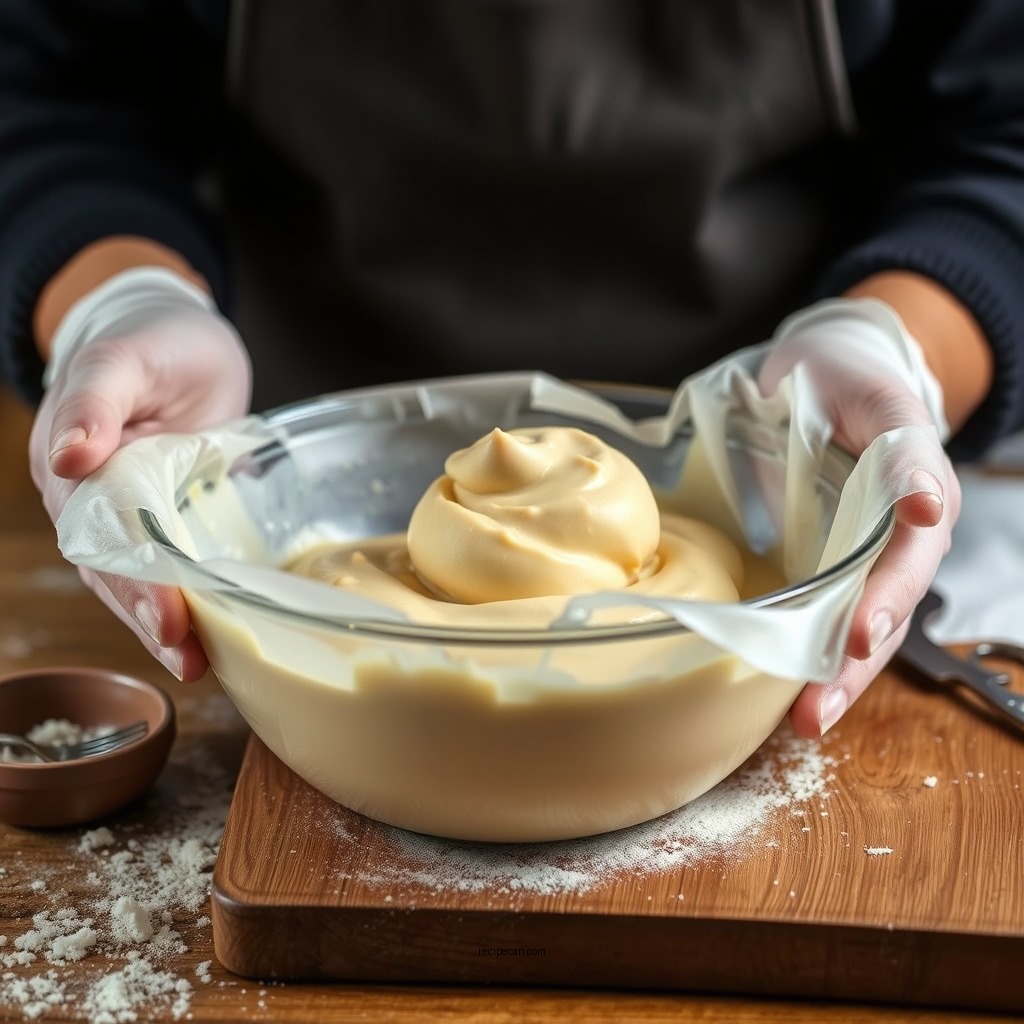
To create a smooth and airy batter, start by whisking together your chosen gluten-free flour with eggs and milk. Aim for a consistency similar to traditional pancake batter: thick yet pourable. It’s essential to avoid overmixing, as this can lead to a denser pudding. Once combined, let the batter rest for at least 30 minutes. This resting period allows the flour to hydrate fully and the starches to swell, which is pivotal for achieving the signature puffiness of Yorkshire puddings.
During this time, preheat your oven to a high temperature, typically around 220°C (428°F). This high heat is necessary to create the steam that puffs up the Yorkshire puddings.
Prepping the Baking Tin
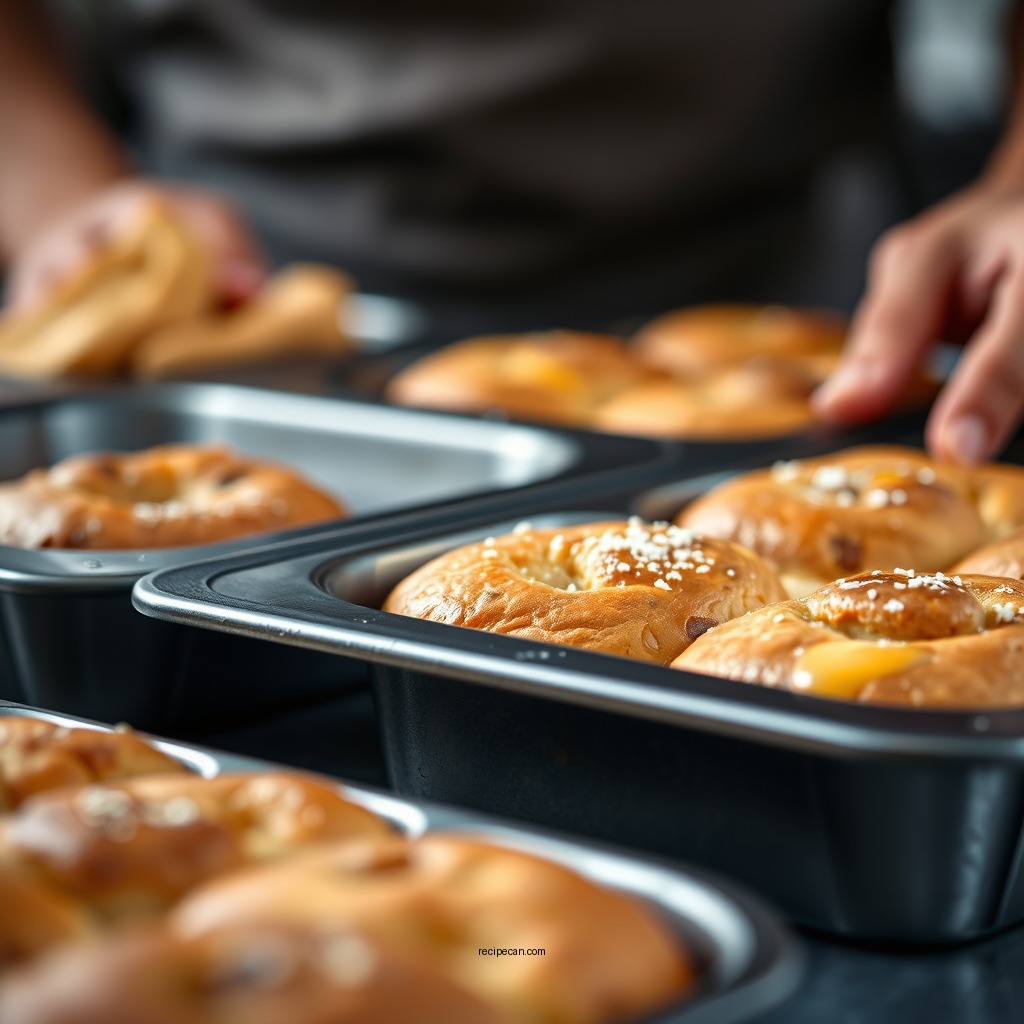
The choice of fat used in the baking tin is paramount for achieving crispy edges and a golden-brown finish. Traditional recipes often use beef drippings, which impart a rich flavor. However, if you prefer a vegetarian option, vegetable oil or coconut oil can suffice, providing a neutral base that still allows for crispiness.
Preheat your baking tin along with the oven to ensure the fat is sizzling hot before pouring in the batter. This step is critical as it helps to create an immediate reaction, causing the batter to rise dramatically. A well-preheated tin will yield Yorkshire puddings with perfectly crispy edges.
Top Gluten-Free Flour Options for Yorkshire Pudding
| # | Flour Type | Texture | Flavor | Best For |
|---|---|---|---|---|
| 1 | Gluten-Free Blend | Light and Fluffy | Mild | Baking |
| 2 | Almond Flour | Nutty | Rich | Desserts |
| 3 | Coconut Flour | Dense | Sweet | Baking (with adjustments) |
| 4 | Chickpea Flour | Slightly Gritty | Nutty | Savory Dishes |
| 5 | Rice Flour | Light | Neutral | Thickening |
| 6 | Tapioca Flour | Sticky | Neutral | Baking |
| 7 | Sorghum Flour | Fine | Mild | Baking |
Baking the Yorkshire Puddings
For the best results, aim for an oven temperature of 220°C (428°F) and bake your Yorkshire puddings for about 20-25 minutes. The key is to resist the temptation to open the oven door during the first 15 minutes of baking, as this can cause the puddings to deflate. Watch for a golden-brown color and an enticing aroma, indicating they are ready to come out. If you find they are not rising as expected, check the freshness of your baking powder or the temperature of your oven, as both can significantly impact the outcome.
Serving Suggestions
Traditional Yorkshire puddings are best served alongside a hearty roast dinner, complemented by rich gravy and roasted meats. For a gluten-free feast, consider pairing them with a succulent roast chicken or slow-cooked beef. Alternatively, explore modern variations by filling them with sautéed vegetables or a flavorful cheese mix, transforming them into a delightful appetizer. Fresh herbs like rosemary or thyme can also be added to the batter for an aromatic twist.
Storing and Reheating
Leftover Yorkshire puddings can be stored in an airtight container in the refrigerator for up to two days. When reheating, place them back in a preheated oven at 180°C (356°F) for around 5-10 minutes to restore their crispiness. Alternatively, you can repurpose them into a savory bread pudding by layering with vegetables, cheese, and a custard mixture, creating a delicious dish that minimizes waste.
Best Gluten-Free Flour for Yorkshire Pudding
Your gluten-free Yorkshire pudding journey is just a recipe away! Follow these steps to create a delicious and satisfying dish that everyone will love. Whether for a Sunday roast or a special occasion, these Yorkshire puddings will surely impress. Try it out and share your results!
Frequently Asked Questions
What ingredients do I need for a gluten free Yorkshire pudding recipe?
To make gluten free Yorkshire pudding, you will need gluten free flour, eggs, milk (or a dairy-free alternative), and a pinch of salt. Popular gluten free flour options include a blend of rice flour, tapioca flour, and potato starch to achieve the desired texture.
How do I achieve the perfect rise in gluten free Yorkshire puddings?
To ensure your gluten free Yorkshire puddings rise perfectly, preheat your oven to a high temperature and make sure your oil or fat is sizzling hot before pouring in the batter. Additionally, using a whisk to aerate the batter can help create a light and fluffy texture.
Why do gluten free Yorkshire puddings sometimes turn out dense?
Gluten free Yorkshire puddings can turn out dense if the batter is not mixed properly or if the oven temperature is too low. It’s crucial to use the right gluten free flour blend and allow the batter to rest before baking to help achieve a lighter result.
What is the best gluten free flour for making Yorkshire puddings?
The best gluten free flour for Yorkshire puddings typically includes a blend designed for baking, such as a mix of brown rice flour, tapioca flour, and xanthan gum. These blends mimic the structure of wheat flour, providing a better rise and texture in your gluten free Yorkshire puddings.
Which type of oil is recommended for cooking gluten free Yorkshire puddings?
For cooking gluten free Yorkshire puddings, vegetable oil or beef drippings are highly recommended due to their high smoke point, which helps achieve a crispy exterior. Alternatively, sunflower or canola oil can also be used, ensuring it is heated thoroughly before adding the batter for the best results.
References
- https://www.bbc.co.uk/food/recipes/gluten_free_yorkshire_80032
https://www.bbc.co.uk/food/recipes/gluten_free_yorkshire_80032 - https://www.ncbi.nlm.nih.gov/pmc/articles/PMC6266232/
https://www.ncbi.nlm.nih.gov/pmc/articles/PMC6266232/ - https://www.ncbi.nlm.nih.gov/pmc/articles/PMC6414974/
https://www.ncbi.nlm.nih.gov/pmc/articles/PMC6414974/ - https://www.sciencedirect.com/topics/agricultural-and-biological-sciences/gluten-free
https://www.sciencedirect.com/topics/agricultural-and-biological-sciences/gluten-free - Gluten-Free Diet: What to Avoid, Sample Menu, Benefits, Tips
https://www.healthline.com/nutrition/gluten-free-diet - Google Scholar Google Scholar
https://scholar.google.com/scholar?q=gluten+free+yorkshire+pudding+recipe - Google Scholar Google Scholar
https://scholar.google.com/scholar?q=gluten+free+recipes - Google Scholar Google Scholar
https://scholar.google.com/scholar?q=gluten+free+yorkshire+pudding - https://www.cdc.gov/nutrition/articles/gluten-free.html
https://www.cdc.gov/nutrition/articles/gluten-free.html - gluten free yorkshire pudding recipe – Search results
https://en.wikipedia.org/wiki/Special:Search?search=gluten+free+yorkshire+pudding+recipe
