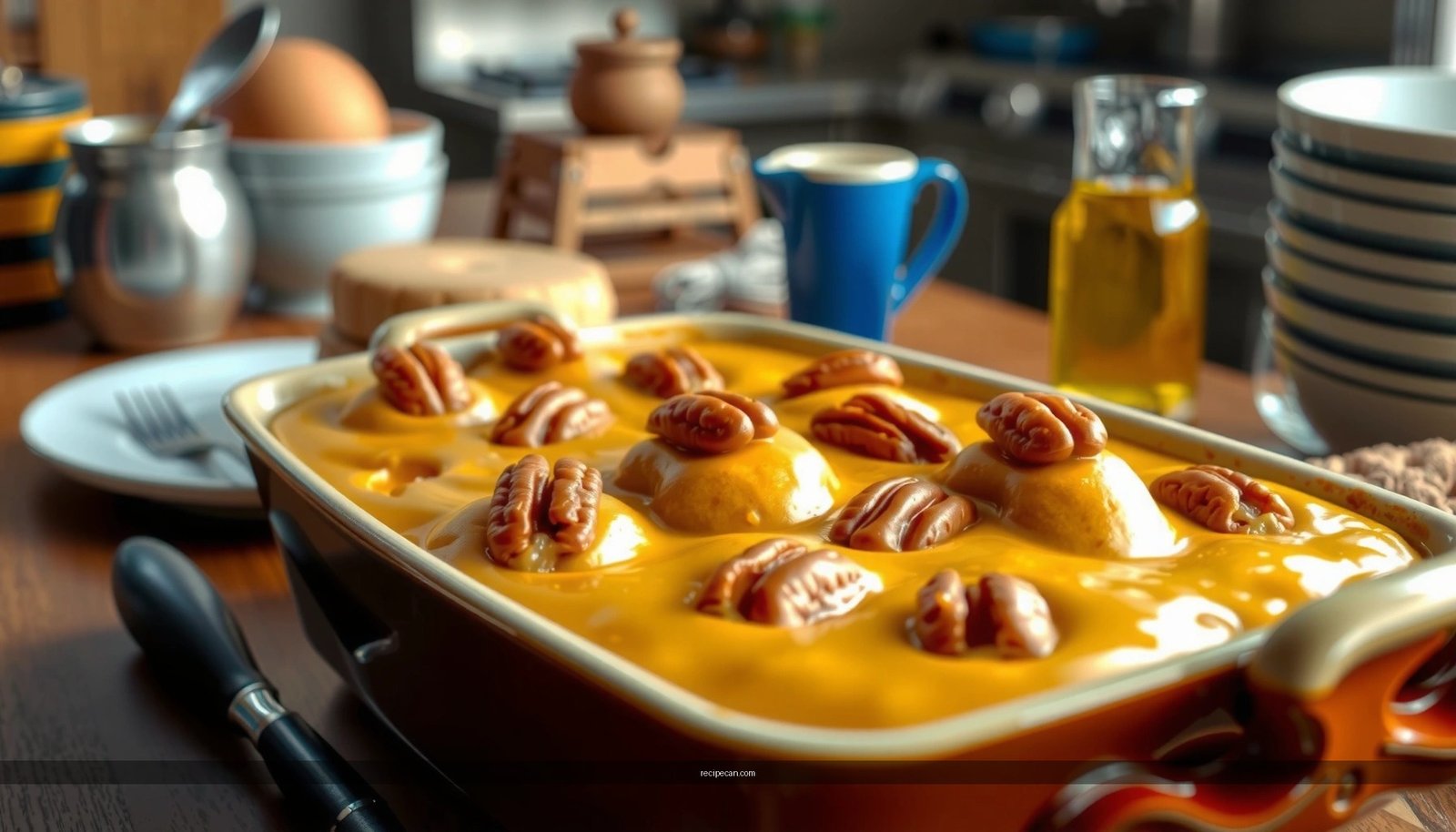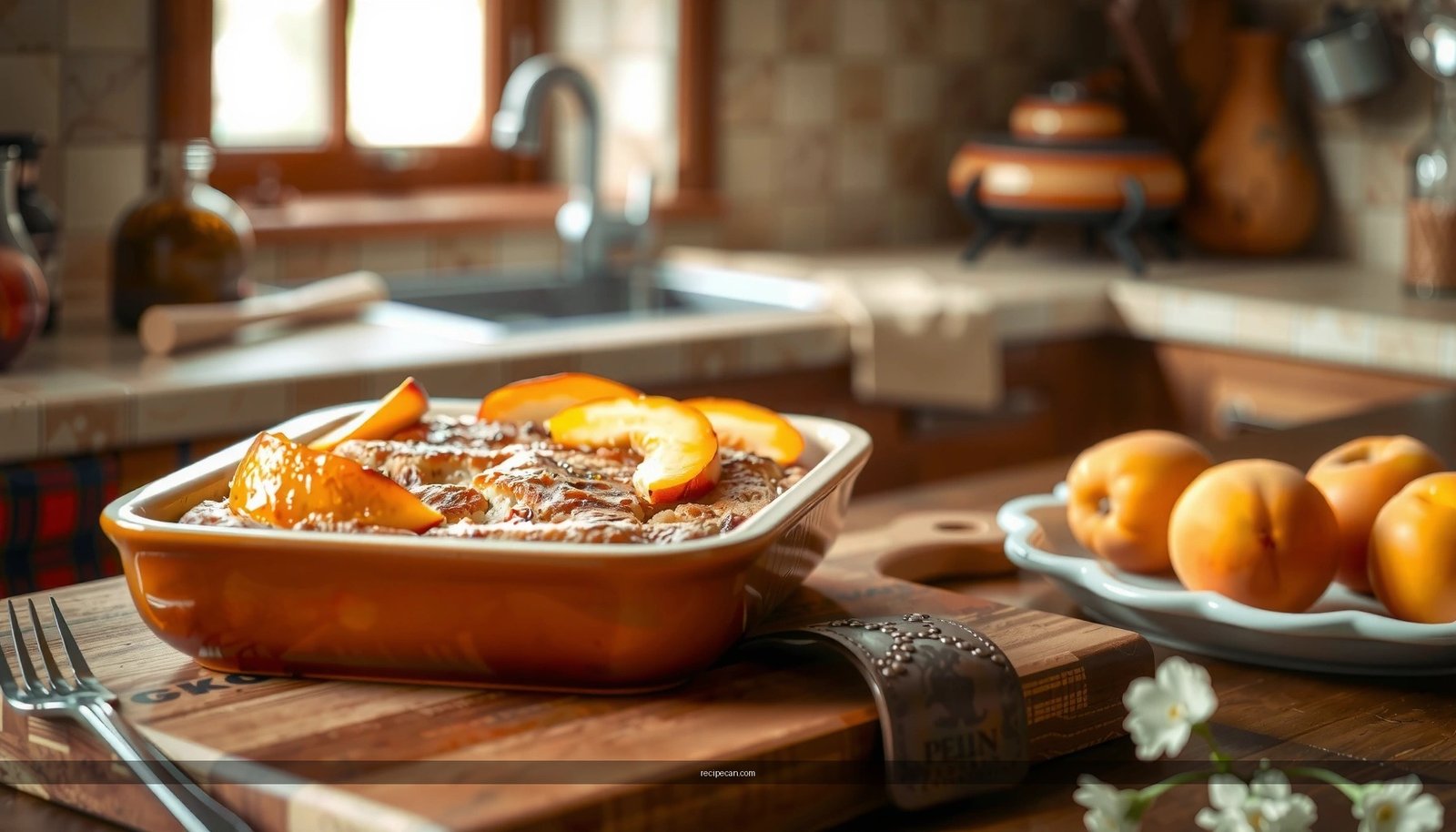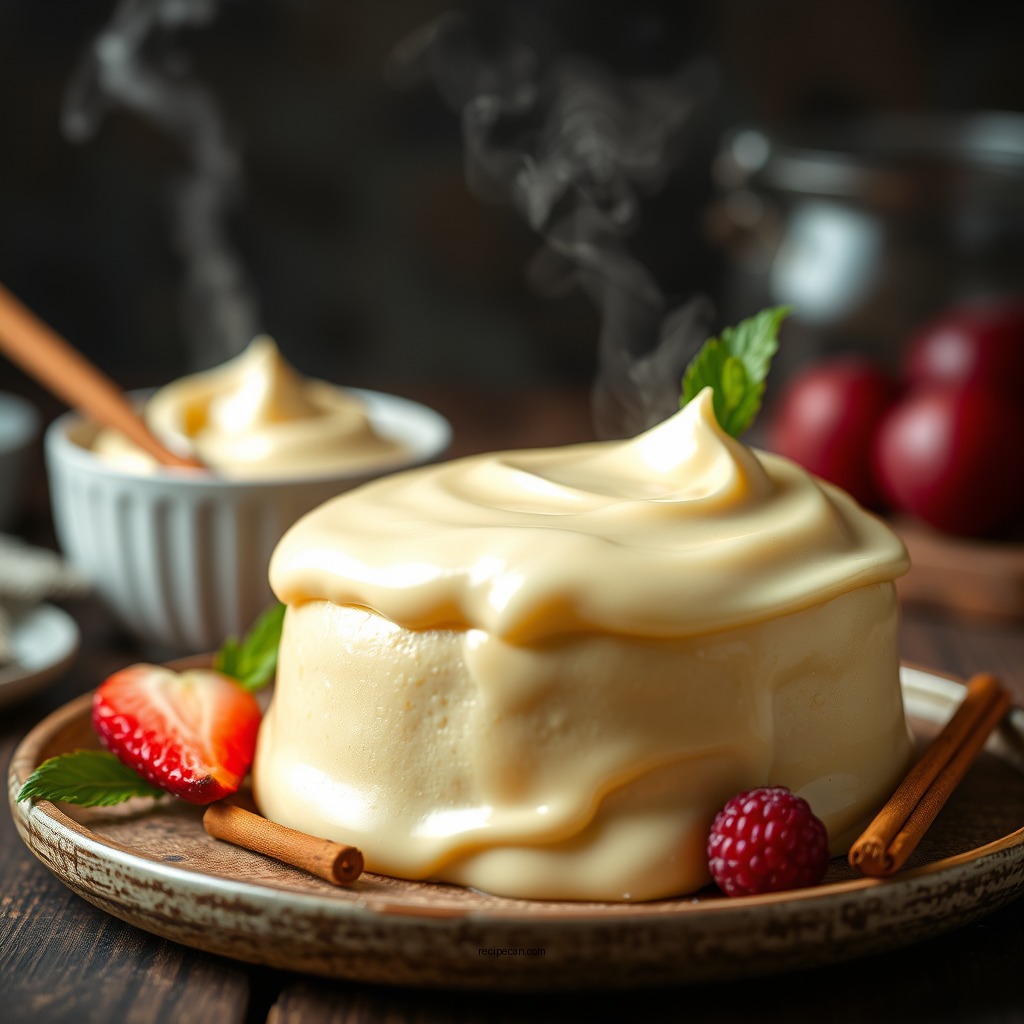
Pudding icing is an effortless way to enhance the flavor and texture of your desserts. With minimal ingredients, you can whip up a smooth and creamy icing that transforms your cakes, cupcakes, and other sweets into delightful treats. This article will guide you through the process of making pudding icing from scratch, offer variations to explore, and provide tips to perfect your icing technique.
Ingredients Needed for Pudding Icing
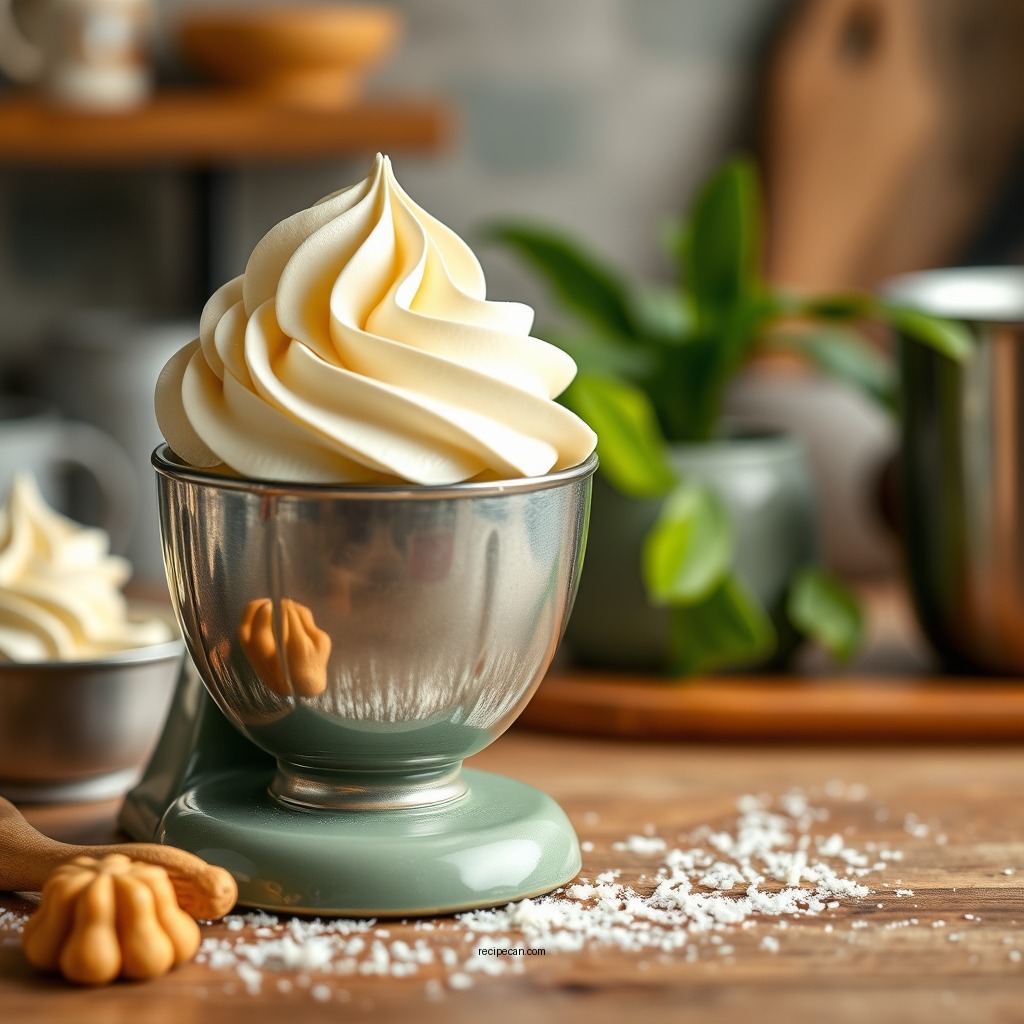
To create a delicious pudding icing, you will need the following ingredients:
– Vanilla pudding mix or any flavored pudding of your choice: This serves as the base for your icing, providing both taste and texture. You can choose from various flavors such as chocolate, butterscotch, or even lemon to match your dessert.
– Milk or cream: Using milk or cream will help achieve a creamy texture. The choice between the two depends on how rich you want your icing to be—cream will yield a thicker, richer icing, while milk will provide a lighter consistency.
– Whipped topping or butter: Incorporating whipped topping adds a lightness and fluffiness to your icing, while butter contributes a rich, smooth texture. You can use either or both, depending on your desired richness.
Using these simple ingredients, you can create a versatile icing that can be customized to suit any dessert.
Step-by-Step Instructions
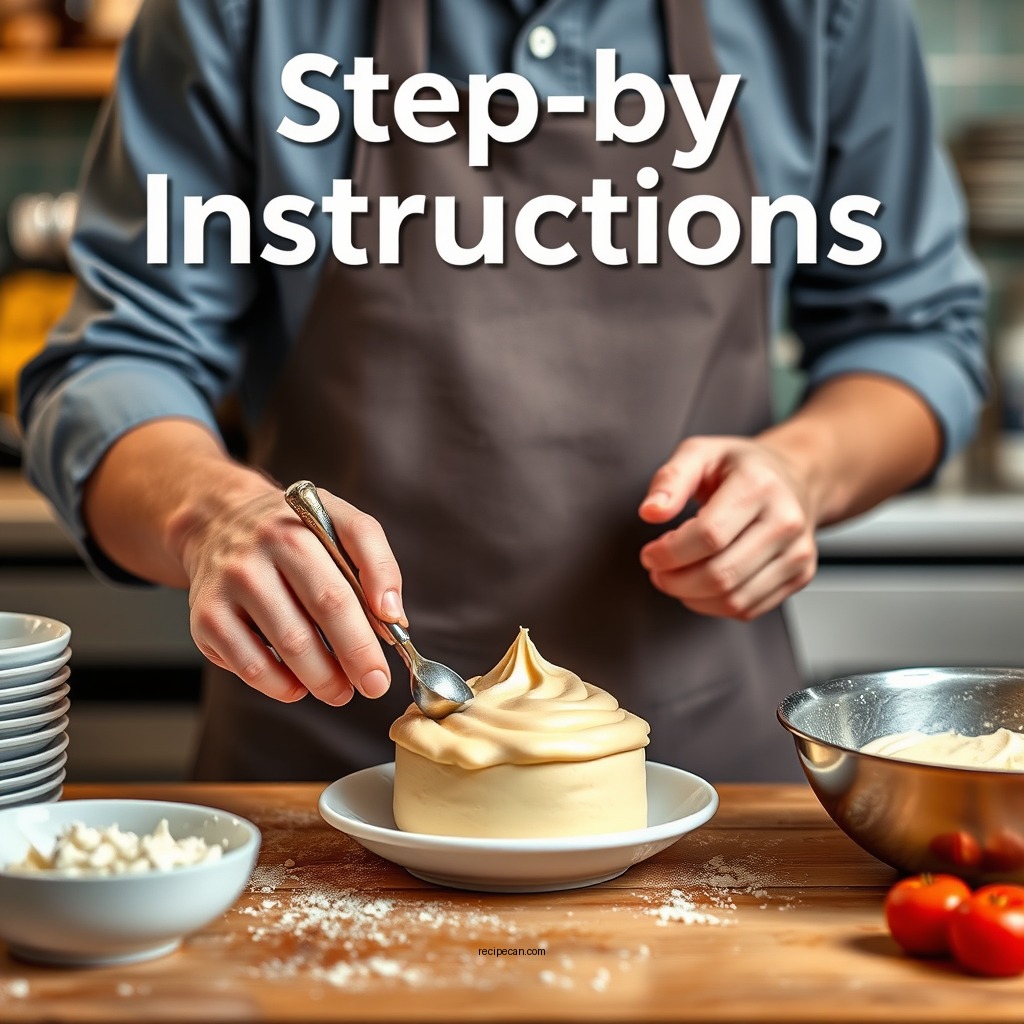
Making pudding icing is straightforward and can be accomplished in just a few steps:
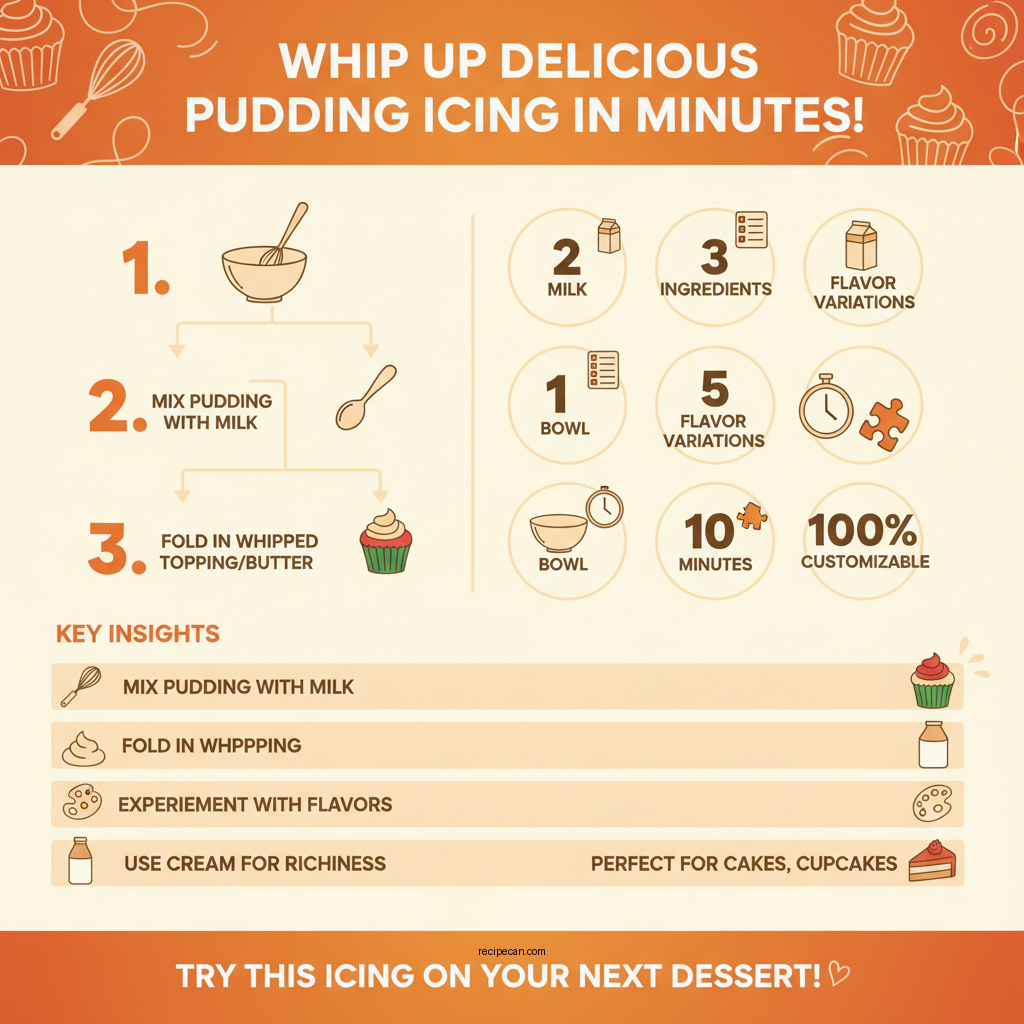
1. Mix the pudding mix with milk according to package instructions: Begin by pouring the desired amount of pudding mix into a mixing bowl. Gradually add the milk while whisking continuously to prevent lumps. Follow the package instructions for the specific ratio of pudding mix to milk, typically around 2 cups of milk for each package of pudding mix.
2. Fold in whipped topping or softened butter until smooth and creamy: Once the pudding mixture has thickened, gently fold in the whipped topping or softened butter using a spatula. This will help create a creamy and airy icing. Be careful not to overmix, as this can deflate the whipped topping and lead to a thinner consistency.
Following these steps will yield a delicious pudding icing ready to adorn your favorite desserts.
Flavor Variations to Try
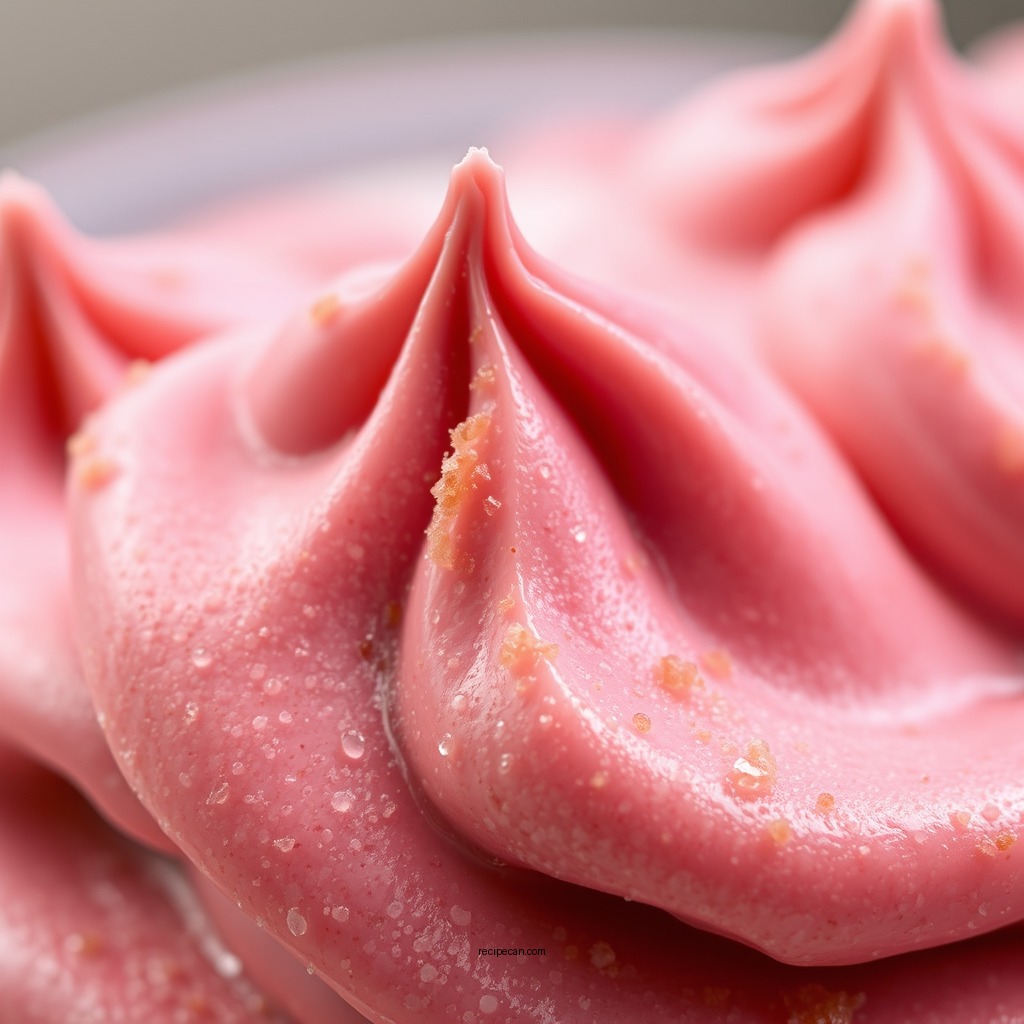
While vanilla pudding icing is a classic choice, experimenting with different flavors can add excitement to your desserts. Here are a few variations to consider:
– Chocolate pudding icing: Substitute vanilla pudding mix with chocolate pudding mix for a rich, indulgent flavor. This icing pairs beautifully with chocolate cakes or brownies.
– Butterscotch pudding icing: Using butterscotch pudding mix creates a unique, buttery flavor that complements spice cakes or pumpkin desserts.
– Lemon pudding icing: For a refreshing twist, lemon pudding mix can be used, making it perfect for light cakes or cupcakes, especially during the spring and summer months.
These variations not only enhance the taste but also add visual appeal, allowing you to match the icing with the theme of your dessert.
Top Pudding Flavors for Icing (2024)
| # | Flavor | Popularity (%) | Best Pairing |
|---|---|---|---|
| 1 | Vanilla | 35% | Chocolate Cake |
| 2 | Chocolate | 30% | Brownies |
| 3 | Butterscotch | 15% | Spice Cake |
| 4 | Lemon | 10% | Vanilla Cupcakes |
| 5 | Strawberry | 5% | Shortcake |
Tips for Perfect Pudding Icing
To ensure your pudding icing turns out perfectly every time, consider the following tips:
– Chill the pudding before mixing for a thicker consistency: If you want your icing to be particularly thick, place the pudding in the refrigerator for about 30 minutes prior to mixing. This will enhance the texture and make it easier to spread.
– Adjust the amount of milk for the desired thickness: Depending on whether you prefer a thicker or thinner icing, feel free to modify the amount of milk. Start with the recommended amount, and if you find it too thick, gradually add more until you reach your desired consistency.
– Use high-quality ingredients: The flavor of your pudding icing is influenced by the quality of the ingredients used. Opt for premium pudding mixes and fresh dairy for the best results.
By following these tips, you can achieve a pudding icing that is not only delicious but also visually appealing.
Pudding Icing Preferences by Dessert Type (2024)
Using Pudding Icing on Desserts
Pudding icing can be used in a multitude of ways to enhance your desserts:
– Frost cakes and cupcakes generously for a beautiful finish: Spread a thick layer of pudding icing on your cakes or cupcakes. Use a spatula to create swirls or peaks for added visual interest. This not only improves appearance but also adds an extra layer of flavor.
– Use as a filling between cake layers or in pastries: Pudding icing makes an excellent filling for layered cakes or pastries. Simply spread a layer of icing between the cake layers or in your favorite pastry for a creamy surprise that complements the dessert’s texture.
By incorporating pudding icing into your dessert creations, you can elevate the overall taste and presentation.
Common Mistakes to Avoid
Creating pudding icing can be simple, but there are a few common pitfalls to avoid:
– Not mixing thoroughly, leading to lumps in the icing: It’s crucial to mix the pudding and milk well to eliminate any lumps. If lumps form, they can affect the texture of the final icing. Use a whisk to ensure a smooth blend.
– Overmixing, which can cause the icing to become too thin: While thorough mixing is important, overmixing can incorporate too much air and cause the icing to thin out. Mix just until combined to maintain the desired consistency.
Avoiding these mistakes will help you achieve a perfect pudding icing every time.
In summary, pudding icing is a simple yet effective way to enhance your desserts with rich flavors and creamy textures. By following the outlined ingredients, instructions, and tips, you can create a variety of delightful icings tailored to your dessert needs. Don’t hesitate to explore different flavor variations and applications, and remember to avoid common mistakes for the best results.
Try making this versatile pudding icing today, and share your creations or variations with friends and family. Enjoy the process of experimenting with this delightful icing recipe!
Frequently Asked Questions
What ingredients are needed for a basic pudding icing recipe?
A basic pudding icing recipe typically requires instant pudding mix, milk, and whipped topping or cream. You can also add powdered sugar for sweetness and flavor extract, like vanilla or almond, to enhance the taste. This simple combination creates a creamy, flavorful icing perfect for cakes and cupcakes.
How do I make pudding icing that holds its shape?
To make pudding icing that holds its shape, use a combination of instant pudding mix and heavy cream instead of milk. Whip the heavy cream until stiff peaks form, then gently fold in the pudding mix and any additional flavorings. This method ensures a thicker consistency that is ideal for decorating baked goods.
Why is my pudding icing runny and how can I fix it?
If your pudding icing is runny, it may be due to using too much milk or not enough pudding mix. To fix it, you can add more instant pudding mix to thicken the icing or reduce the amount of liquid. Additionally, chilling the icing in the refrigerator for about 30 minutes can help it firm up before use.
What is the best way to flavor pudding icing?
The best way to flavor pudding icing is to add extracts, such as vanilla, almond, or citrus, which enhance the overall taste without altering the texture. You can also incorporate ingredients like cocoa powder for chocolate flavor or pureed fruits for a fruity twist. Experimenting with different flavor combinations can elevate your pudding icing to match any dessert.
Which desserts pair well with pudding icing?
Pudding icing pairs well with a variety of desserts, including cakes, cupcakes, and cookies. It complements chocolate, vanilla, and even spice cakes beautifully, adding a creamy texture and rich flavor. Additionally, it can be used as a filling for layered desserts or as a topping for brownies and cheesecakes.
References
- Icing
https://en.wikipedia.org/wiki/Icing - Google Scholar Google Scholar
https://scholar.google.com/scholar?q=pudding+icing+recipe - https://www.sciencedirect.com/topics/food-science/pudding
https://www.sciencedirect.com/topics/food-science/pudding - https://www.ncbi.nlm.nih.gov/pmc/articles/PMC6003973/
https://www.ncbi.nlm.nih.gov/pmc/articles/PMC6003973/ - https://www.jstor.org/stable/10.1525/jn.2011.98.2.162
https://www.jstor.org/stable/10.1525/jn.2011.98.2.162 - Google Scholar Google Scholar
https://scholar.google.com/scholar?q=pudding+icing - https://www.foodnetwork.com/recipes/articles/50-pudding-recipes
https://www.foodnetwork.com/recipes/articles/50-pudding-recipes - https://www.nutrition.gov/topics/food-safety/food-safety-education-resources
https://www.nutrition.gov/topics/food-safety/food-safety-education-resources - pudding icing recipe – Search results
https://en.wikipedia.org/wiki/Special:Search?search=pudding+icing+recipe - https://www.ncbi.nlm.nih.gov/search/research-articles/?term=pudding+icing+recipe
https://www.ncbi.nlm.nih.gov/search/research-articles/?term=pudding+icing+recipe