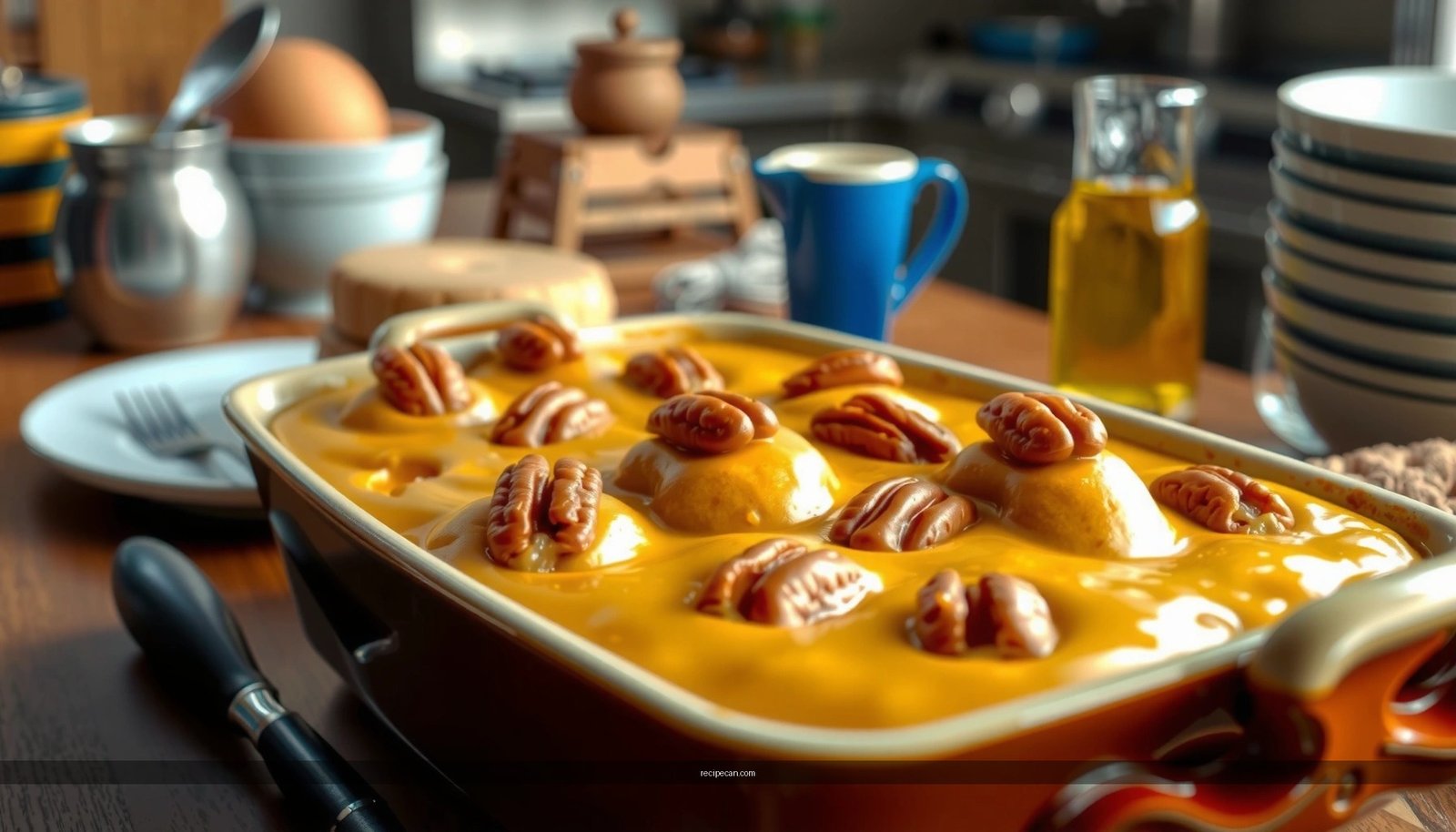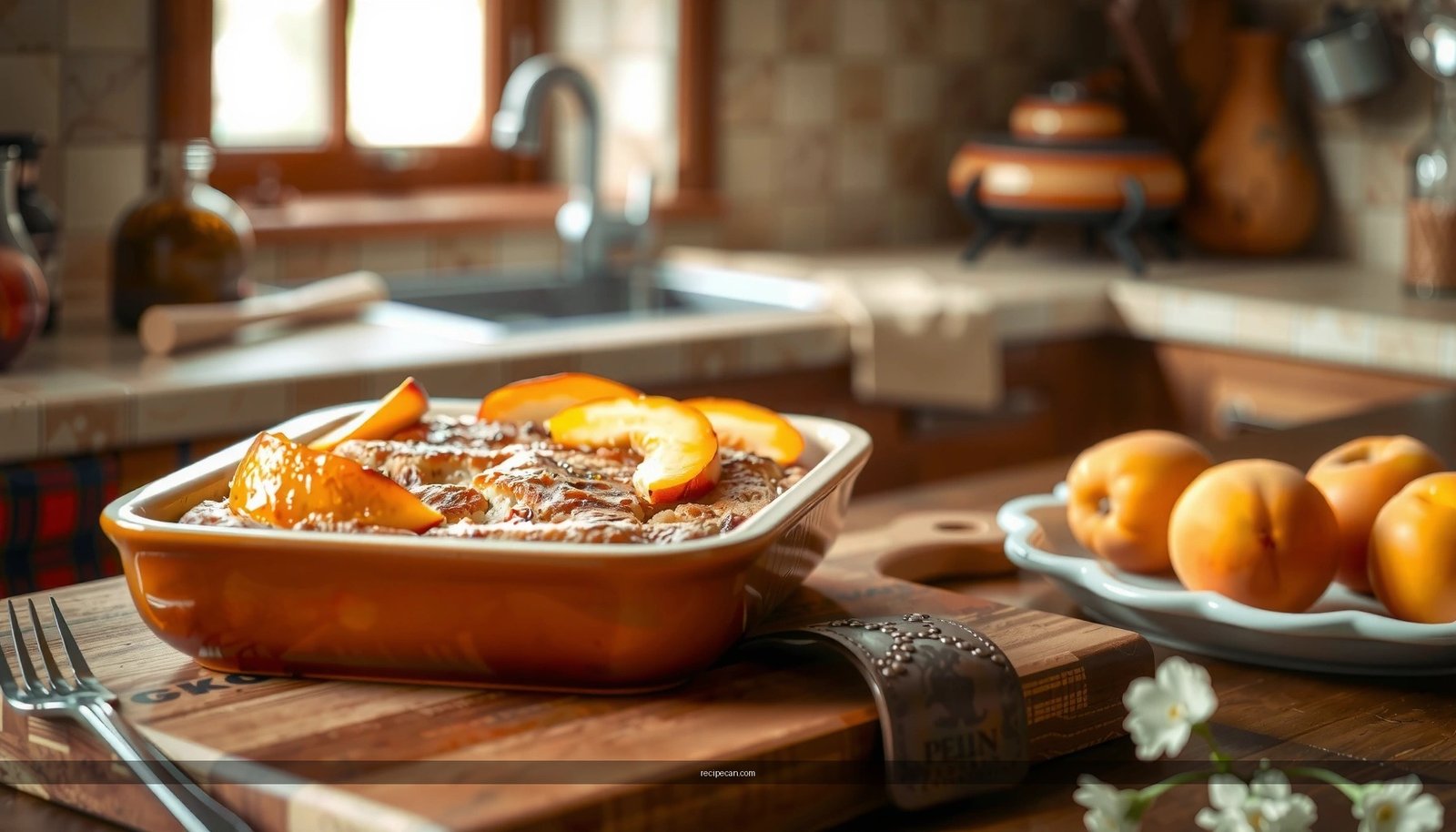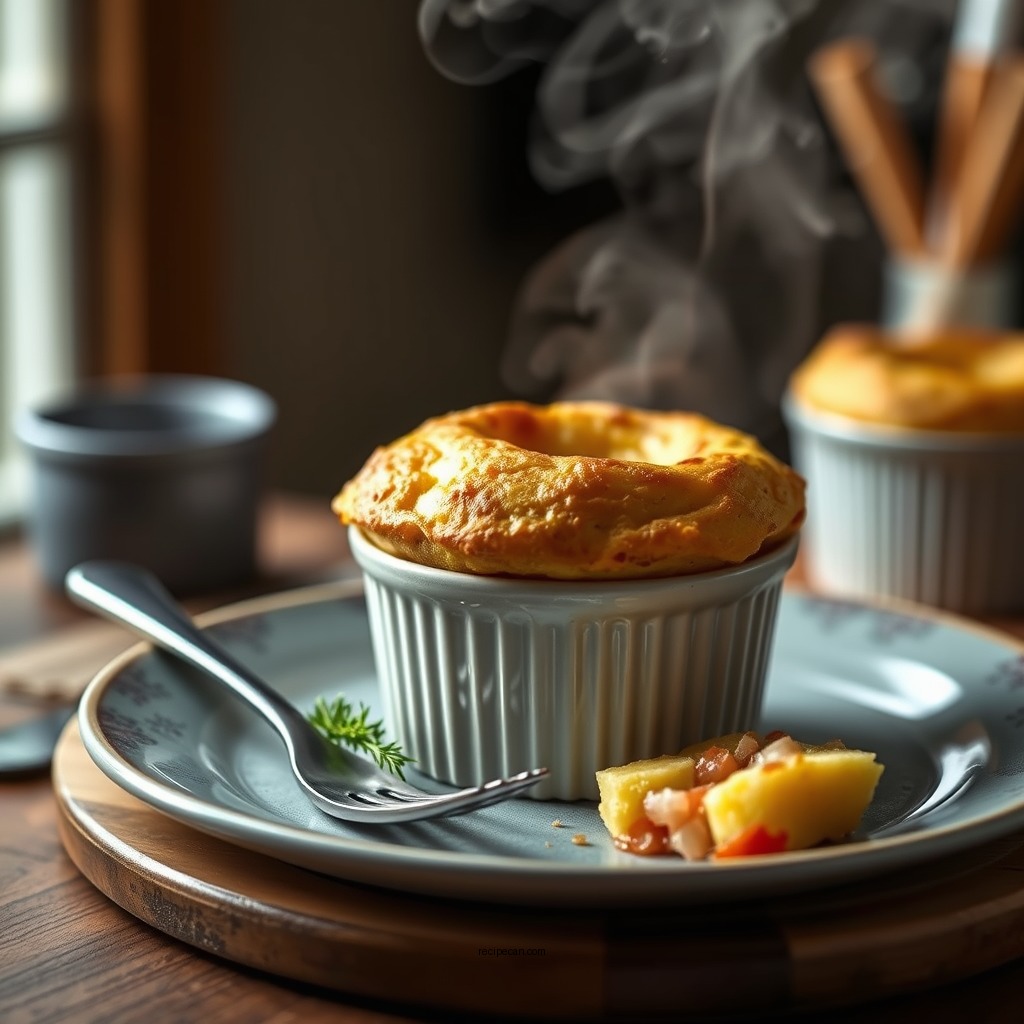
Yorkshire pudding is a delightful and fluffy dish that’s perfect as a side for any roast dinner. This traditional British favorite not only complements hearty meals but also brings a sense of nostalgia and warmth to the dining table. In this article, you’ll learn how to make Yorkshire pudding from scratch, focusing on essential ingredients, preparation techniques, and tips for achieving that perfect rise and golden-brown color. Let’s dive into the joy of cooking this classic dish!
Ingredients for Perfect Yorkshire Pudding
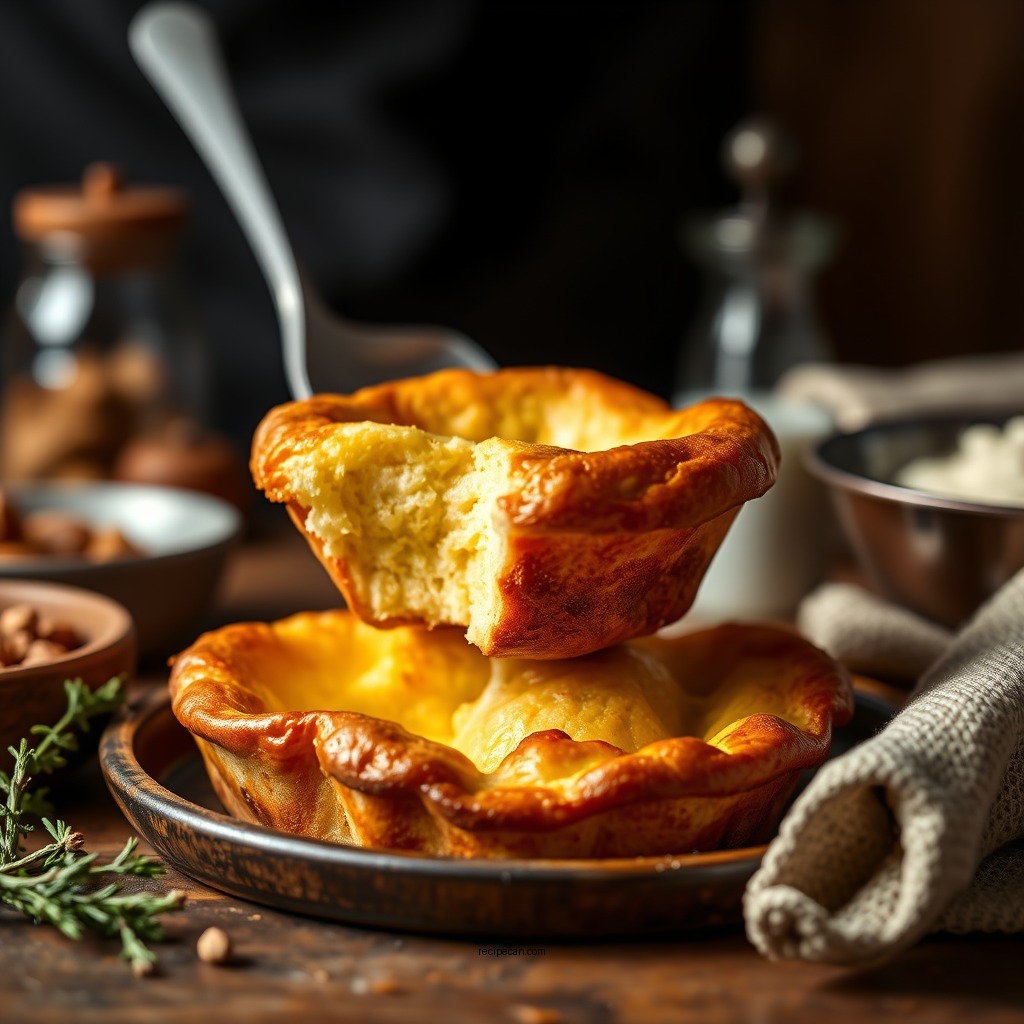
To create the perfect Yorkshire pudding, you only need a handful of essential ingredients: flour, eggs, milk, and salt.
– Flour: All-purpose flour is traditionally used for its balance of protein content, which helps create a light and airy texture.
– Eggs: Fresh eggs add structure and richness to the batter.
– Milk: Whole milk or a mixture of milk and water enhances the flavor and contributes to the pudding’s tenderness.
– Salt: A pinch of salt elevates the taste of the pudding.
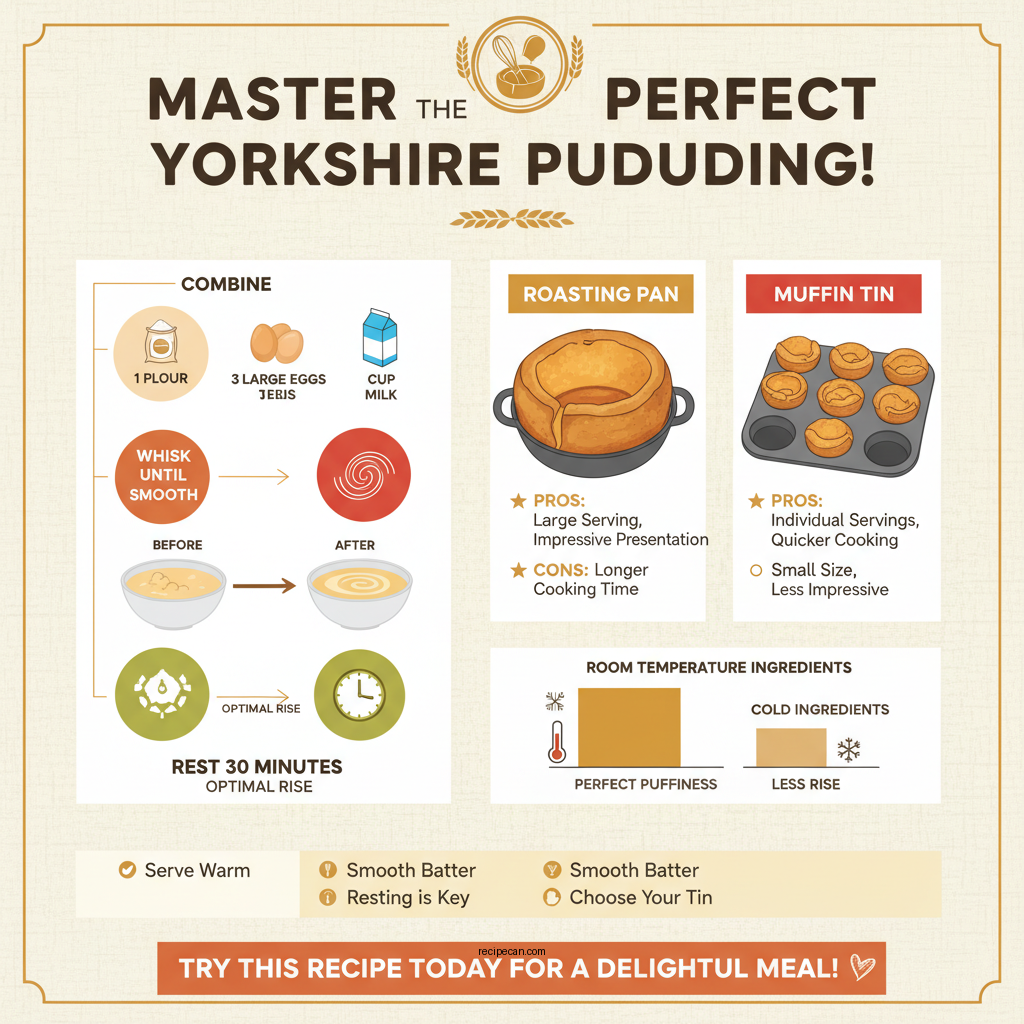
It’s crucial to use room temperature ingredients when preparing your batter. This practice allows for better incorporation of air and results in a light and fluffy texture. Cold ingredients can lead to a denser pudding that does not rise as well.
Preparing the Batter
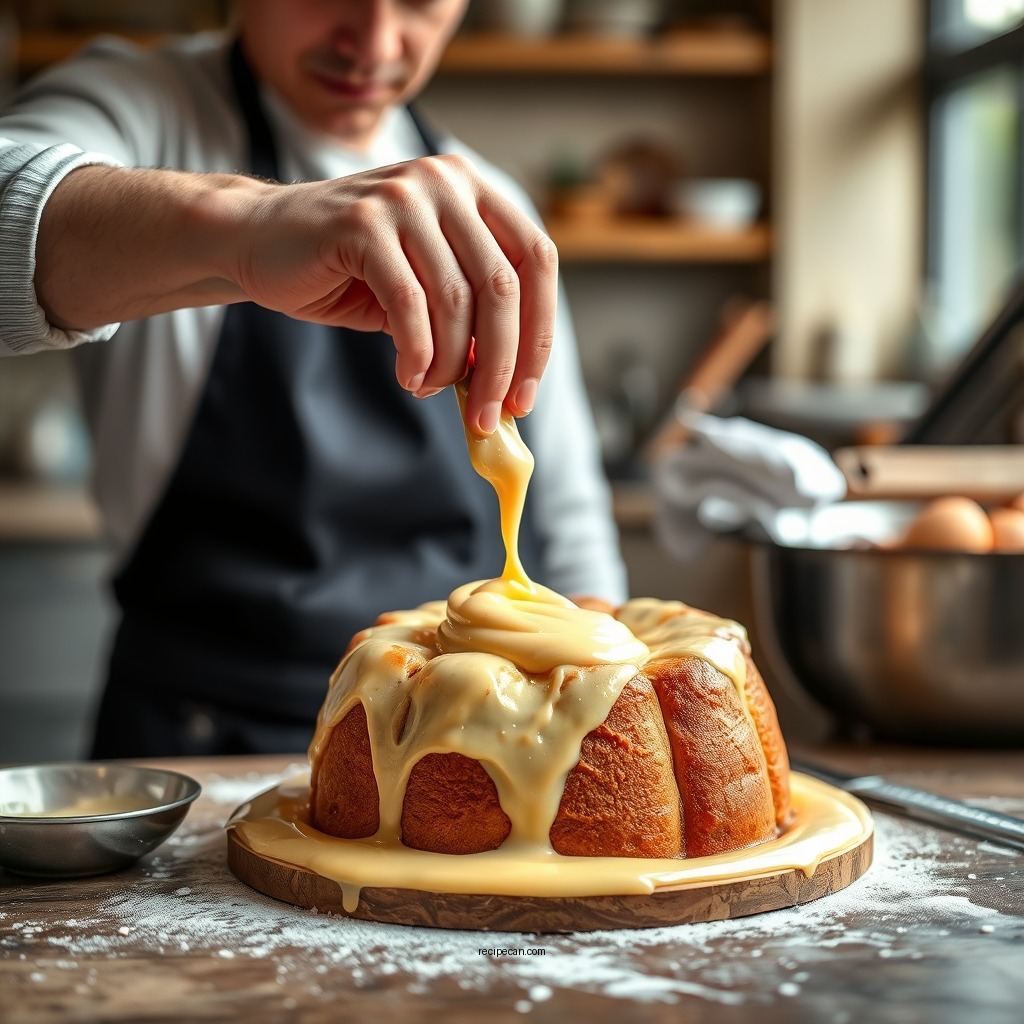
Making Yorkshire pudding batter is straightforward but requires attention to detail. Here are step-by-step instructions for mixing the batter:
1. Combine the Ingredients: In a mixing bowl, whisk together 1 cup of all-purpose flour and a pinch of salt. Make a well in the center and crack in 3 large eggs.
2. Add Milk: Gradually pour in 1 cup of milk while whisking continuously to avoid lumps. The batter should be smooth and slightly thick.
3. Rest the Batter: Allow the batter to rest for at least 30 minutes at room temperature. This resting period is vital as it enables the flour to hydrate fully and the gluten to relax, resulting in a better rise during baking.
For optimal results, consider resting the batter for longer, up to an hour. This can enhance the texture and flavor of your pudding.
Choosing the Right Cooking Method
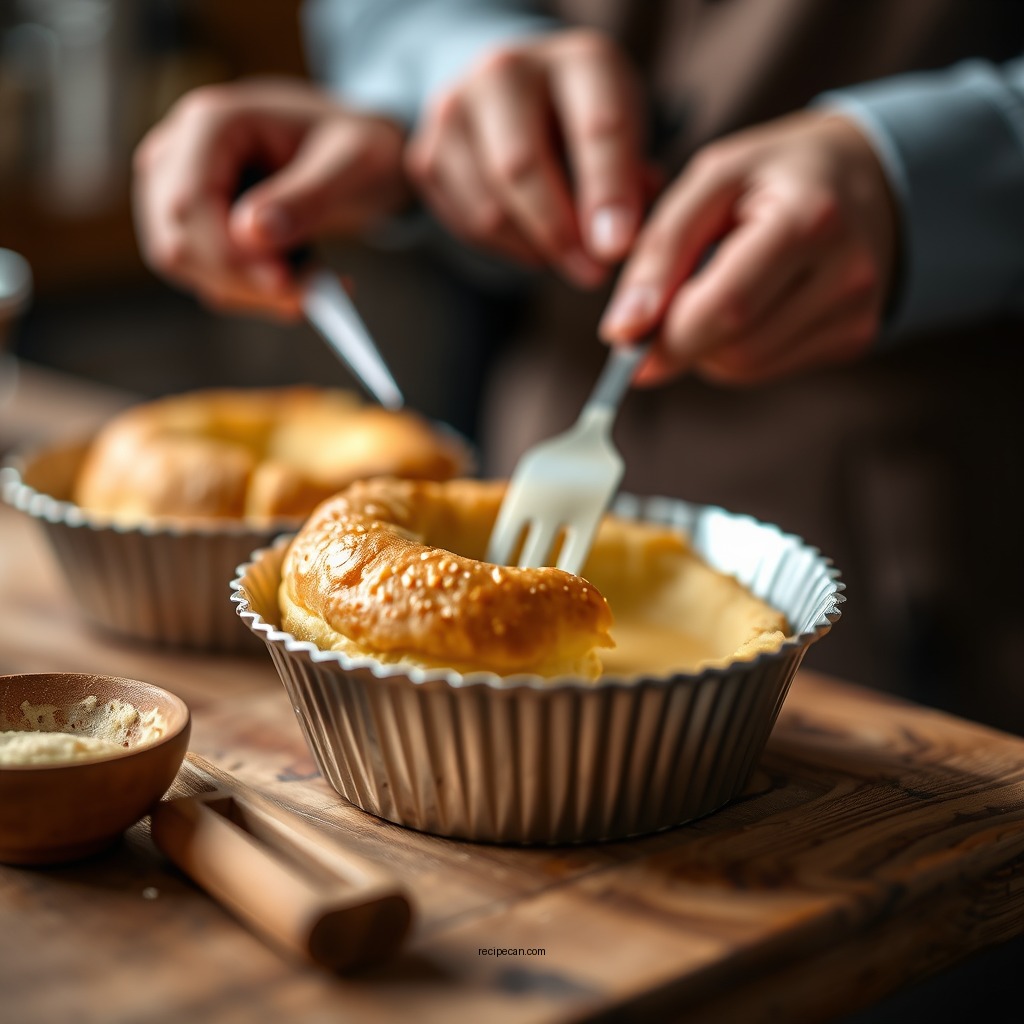
When it comes to cooking Yorkshire pudding, you have two main options: using a traditional roasting pan or a muffin tin. Each method produces slightly different results:
– Roasting Pan: This method is ideal for making a large Yorkshire pudding that can be served in slices. It requires more batter but creates a beautifully puffed pudding.
– Muffin Tin: This option yields individual Yorkshire puddings that are perfect for serving alongside individual plates. They cook quicker and can be filled with various ingredients.
Regardless of your choice, the significance of hot oil cannot be overstated. Preheat your pan with a generous amount of oil (traditionally beef drippings or vegetable oil) until it’s smoking hot before adding the batter. This step is crucial for achieving a crispy exterior and a well-risen interior.
Comparison of Cooking Methods for Yorkshire Pudding
| # | Cooking Method | Cook Time | Texture | Serving Style |
|---|---|---|---|---|
| 1 | Roasting Pan | 30-35 mins | Crispy exterior, soft interior | Sliced |
| 2 | Muffin Tin | 20-25 mins | Crispy all around | Individual portions |
Baking Your Yorkshire Puddings
For baking Yorkshire puddings, a high oven temperature is essential for achieving that perfect puff. Preheat your oven to 425°F (220°C) and make sure it is fully heated before placing the batter-filled pan inside.
– Baking Time: Bake your Yorkshire puddings for about 20-25 minutes if using a muffin tin or 30-35 minutes for a roasting pan, without opening the oven door during the first half of the cooking time to prevent them from collapsing.
– Signs of Doneness: Yorkshire puddings are done when they are puffed up and golden brown. A skewer inserted into the center should come out clean, indicating they are fully cooked. For an even bake, rotate your pan halfway through the cooking time.
Serving Suggestions
Yorkshire pudding is best served hot, straight from the oven. The classic pairing is with roast beef and a rich gravy, making it a staple in traditional Sunday dinners. However, there are numerous creative variations to try:
– Herb-Infused: Adding fresh herbs such as rosemary or thyme to the batter can impart a delicious flavor.
– Cheese-Stuffed: Consider adding cheese to the batter for a savory twist that complements soups and stews.
– Sweet Variations: For a dessert twist, you can fill Yorkshire puddings with fruit compote or custard, transforming them into a delightful treat.
Troubleshooting Common Issues
Even the best cooks can face challenges when making Yorkshire pudding. Here are some common issues and solutions:
– Flat or Soggy Puddings: This can occur if the batter is overmixed or if the oven temperature is too low. Ensure that the oven is preheated, and allow the batter to rest adequately.
– Uneven Cooking: If your puddings are cooking unevenly, it may be due to hot spots in your oven. Use an oven thermometer to check the accuracy of your oven’s temperature and consider rotating the pan for even cooking.
– Adjustments for Altitude: At higher altitudes, you may need to make adjustments by increasing the oven temperature or reducing the liquid slightly in the batter.
The joy of cooking Yorkshire pudding lies in its simplicity and the satisfaction of sharing it with loved ones. By following this recipe and tips, you can create a delightful dish that will impress at any dinner table. So gather your ingredients and get ready to experience the joy of cooking this traditional favorite!
Frequently Asked Questions
What is the best Yorkshire pudding recipe for beginners?
The best Yorkshire pudding recipe for beginners involves a simple mix of equal parts flour, eggs, and milk, seasoned with a pinch of salt. Start by preheating your oven to a high temperature (around 425°F or 220°C) and allowing your batter to rest for at least 30 minutes for better results. Use a muffin tin or Yorkshire pudding tray and fill each cup with hot oil before adding the batter for a perfect rise.
How can I achieve a perfect rise in my Yorkshire pudding?
To achieve a perfect rise in your Yorkshire pudding, ensure your oven is fully preheated and the oil in the tin is sizzling hot before adding the batter. Additionally, using room temperature ingredients helps create a better rise, as cold batter can hinder the pudding’s ability to puff up. Avoid opening the oven door during cooking, as this can cause the temperature to drop and affect the rise.
Why do my Yorkshire puddings always come out flat?
Flat Yorkshire puddings are often the result of cold batter or insufficiently hot oil when baking. Ensure your batter is at room temperature and that you preheat the oil in your pan until it’s smoking hot before pouring in the batter. Also, make sure not to overmix the batter, as this can lead to a dense texture.
Which type of oil is best for making Yorkshire pudding?
The best oils for making Yorkshire pudding are those with a high smoke point, such as vegetable oil, canola oil, or beef dripping for traditional flavor. These oils can withstand high temperatures, promoting a good rise and crispy texture. Avoid using olive oil, as its lower smoke point may lead to burning.
What can I serve with Yorkshire pudding for a complete meal?
Yorkshire pudding is traditionally served with roast beef and gravy, making it a classic component of a Sunday roast. However, you can also pair it with stews, sausages, or even vegetarian dishes like mushroom gravy for a delicious meal. Adding sides like roasted vegetables and mashed potatoes can round out your dinner beautifully.
References
- Yorkshire pudding
https://en.wikipedia.org/wiki/Yorkshire_pudding - https://www.bbc.co.uk/food/recipes/yorkshire_pudding_76820
https://www.bbc.co.uk/food/recipes/yorkshire_pudding_76820 - Best Yorkshire puddings recipe | Good Food
https://www.bbcgoodfood.com/recipes/yorkshire-puddings - https://www.royal.gov.uk/HistoryoftheMonarchy/HistoryofYorkshirePudding.aspx
https://www.royal.gov.uk/HistoryoftheMonarchy/HistoryofYorkshirePudding.aspx - Google Scholar Google Scholar
https://scholar.google.com/scholar?q=Yorkshire+pudding+recipe - Google Scholar Google Scholar
https://scholar.google.com/scholar?q=cooking+Yorkshire+pudding - Google Scholar Google Scholar
https://scholar.google.com/scholar?q=joy+of+cooking+Yorkshire+pudding - Eat well – NHS
https://www.nhs.uk/live-well/eat-well/ - https://www.sciencedirect.com/topics/food-science/yorkshire-pudding
https://www.sciencedirect.com/topics/food-science/yorkshire-pudding - Google Scholar Google Scholar
https://scholar.google.com/scholar?q=joy+of+cooking+yorkshire+pudding+recipe