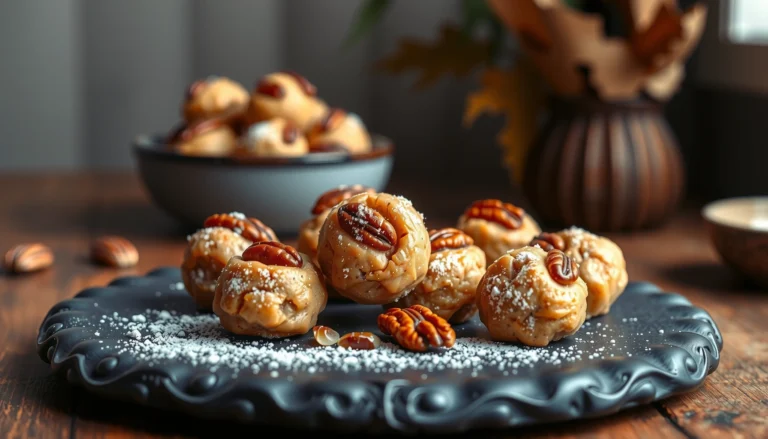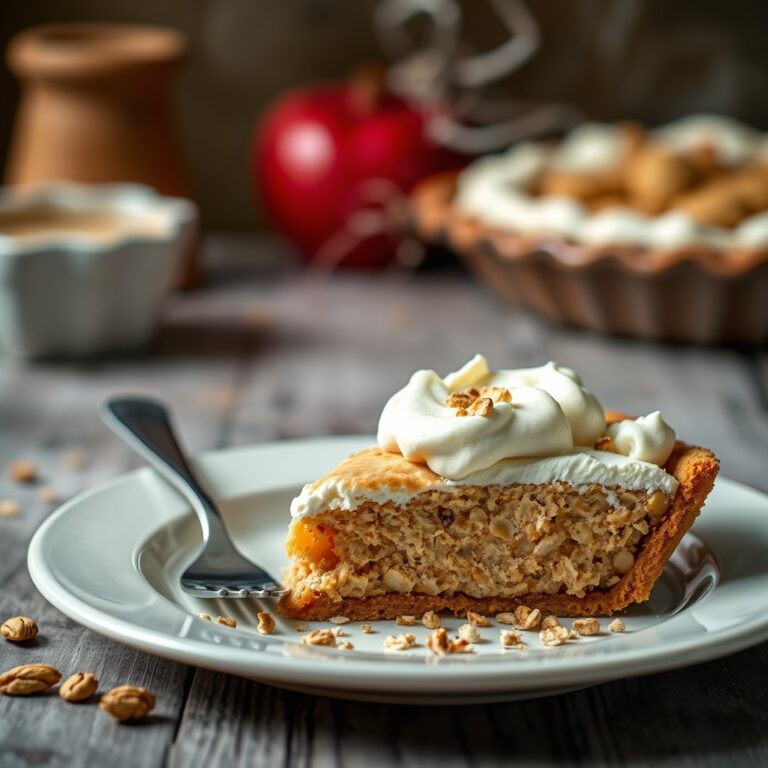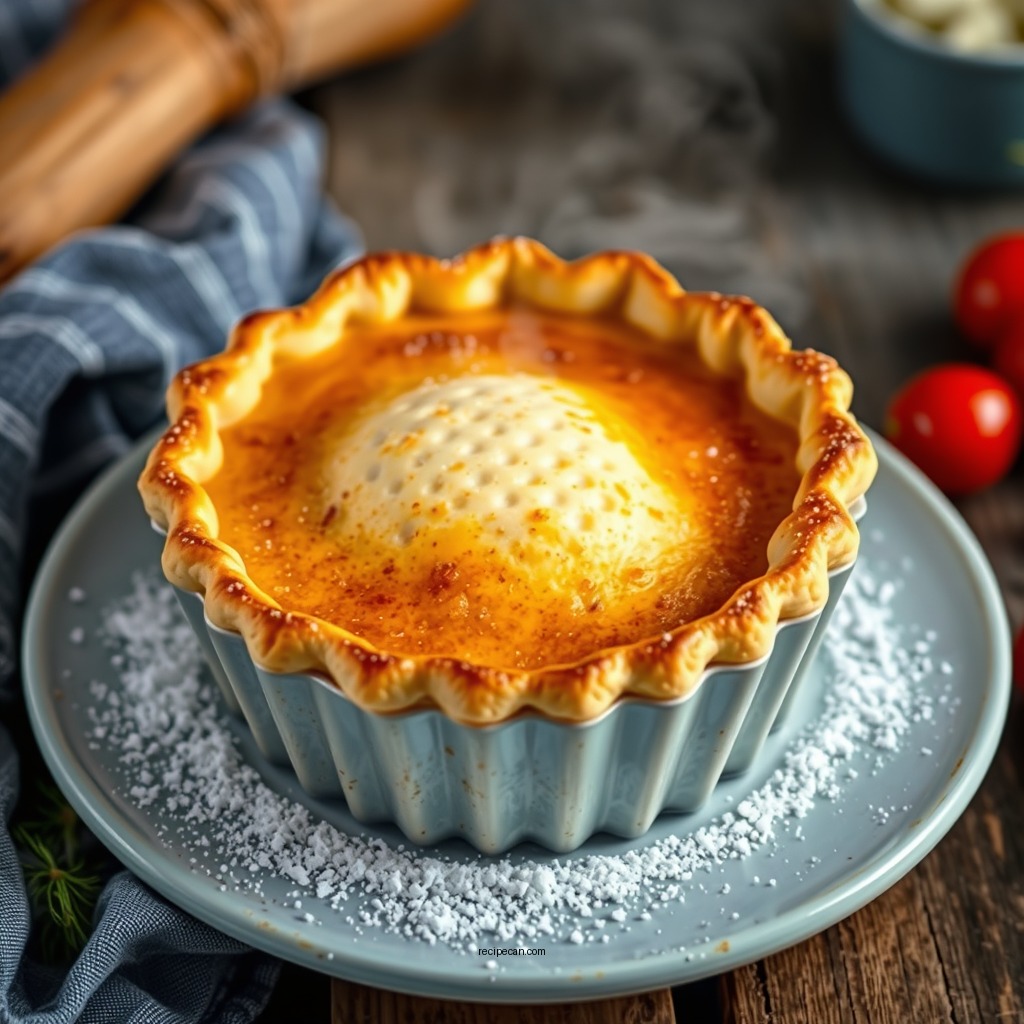
Creating a gluten-free pie dough is not only feasible but can also yield a deliciously flaky crust that rivals traditional options. This guide will take you through the straightforward process of making gluten-free pie dough from scratch, ensuring that those with gluten sensitivities can enjoy homemade pies filled with their favorite sweet or savory ingredients. By following this simple recipe, you will unlock the secrets to a delectable pie crust that everyone will love.
Ingredients You Will Need
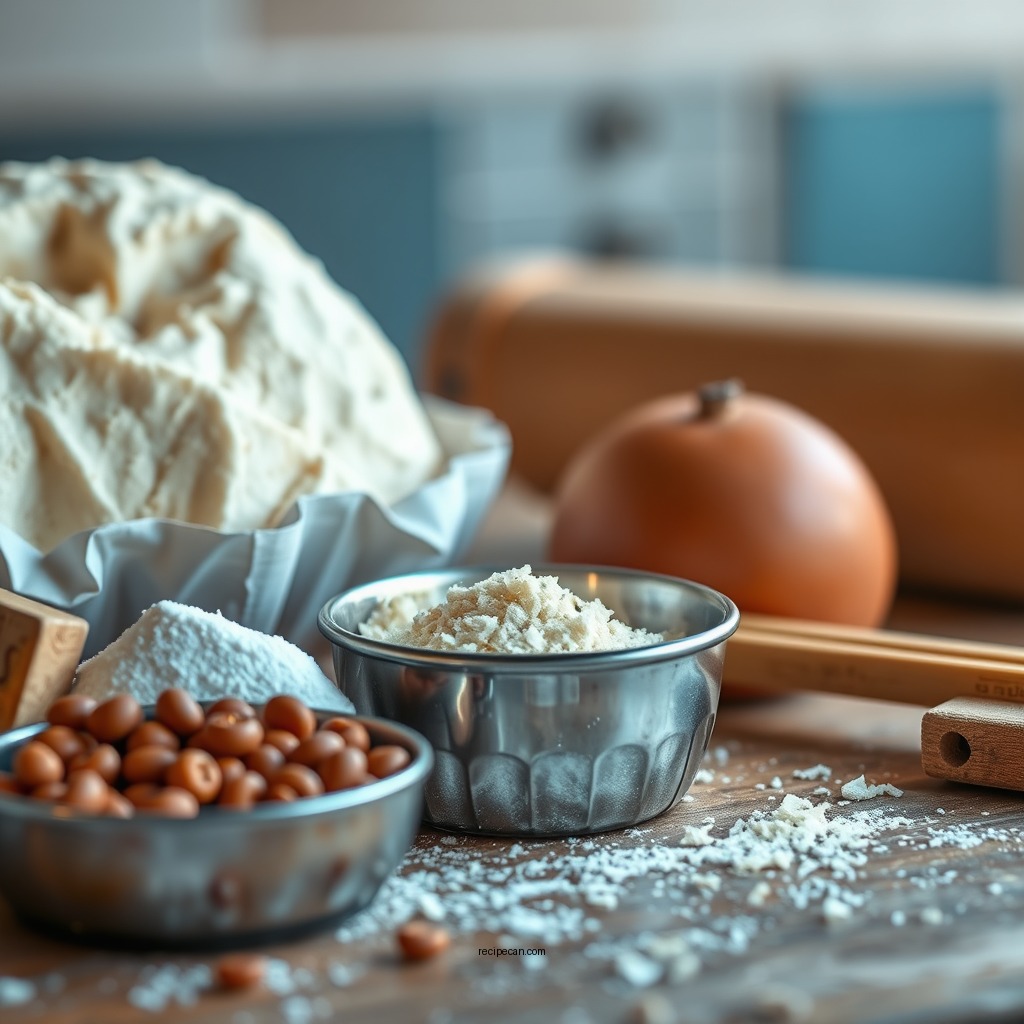
To make the perfect gluten-free pie dough, you’ll need a few key ingredients:
– Gluten-free flour blend: A mix specifically designed for baking will provide the best results. Look for blends that include a combination of rice flour, potato starch, and tapioca flour to achieve a balanced texture.
– Fats: Butter or coconut oil are excellent choices for adding richness and flavor to your crust. Butter will provide a traditional taste, while coconut oil can contribute a subtle sweetness and is a great dairy-free option.
– Ice water: This is essential for binding the dough without adding excess moisture. The cold temperature helps maintain the integrity of the fats, which is crucial for achieving a flaky texture.
Step-by-Step Preparation
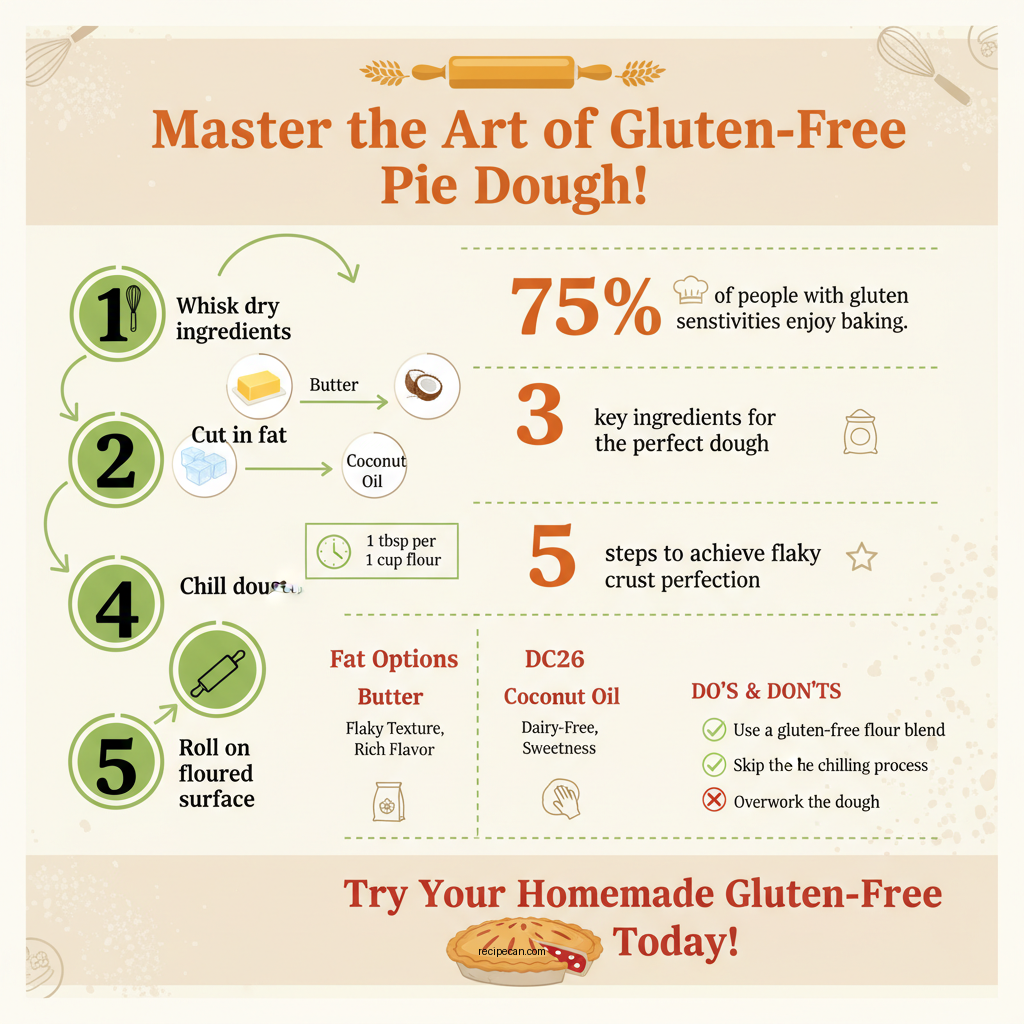
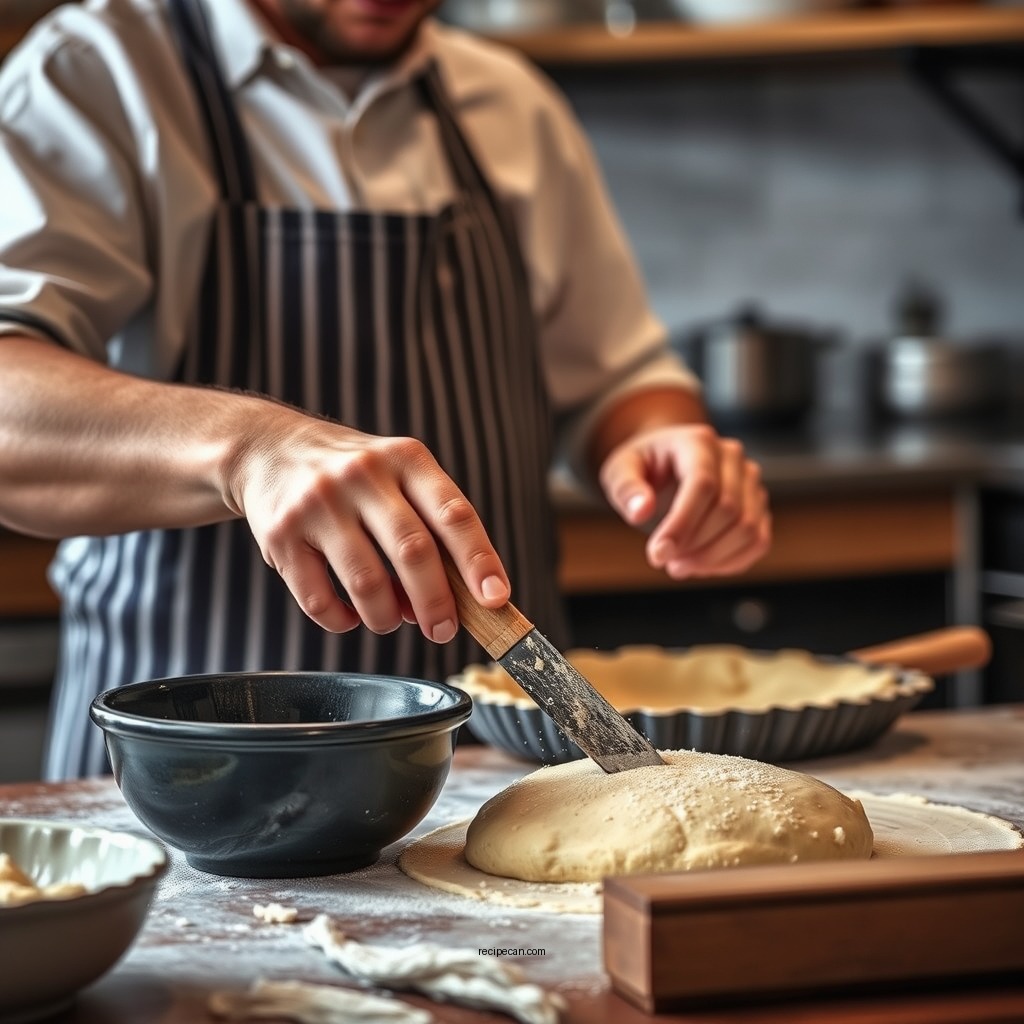
Creating your gluten-free pie dough involves several straightforward steps:
– Combine dry ingredients: Start by whisking together the gluten-free flour blend and salt in a large bowl. This ensures that the salt is evenly distributed throughout the flour, which is vital for flavor.
– Cut in the fat: Using a pastry cutter or a fork, incorporate the cold butter or coconut oil into the flour mixture. You want to achieve a consistency similar to coarse crumbs. This is where the flakiness of your crust begins to develop.
– Add ice water: Gradually mix in the ice water, starting with a few tablespoons and adding more as needed. The goal is to have the dough hold together without becoming sticky. Once it forms a cohesive ball, it’s ready for the next step.
Rolling Out the Dough
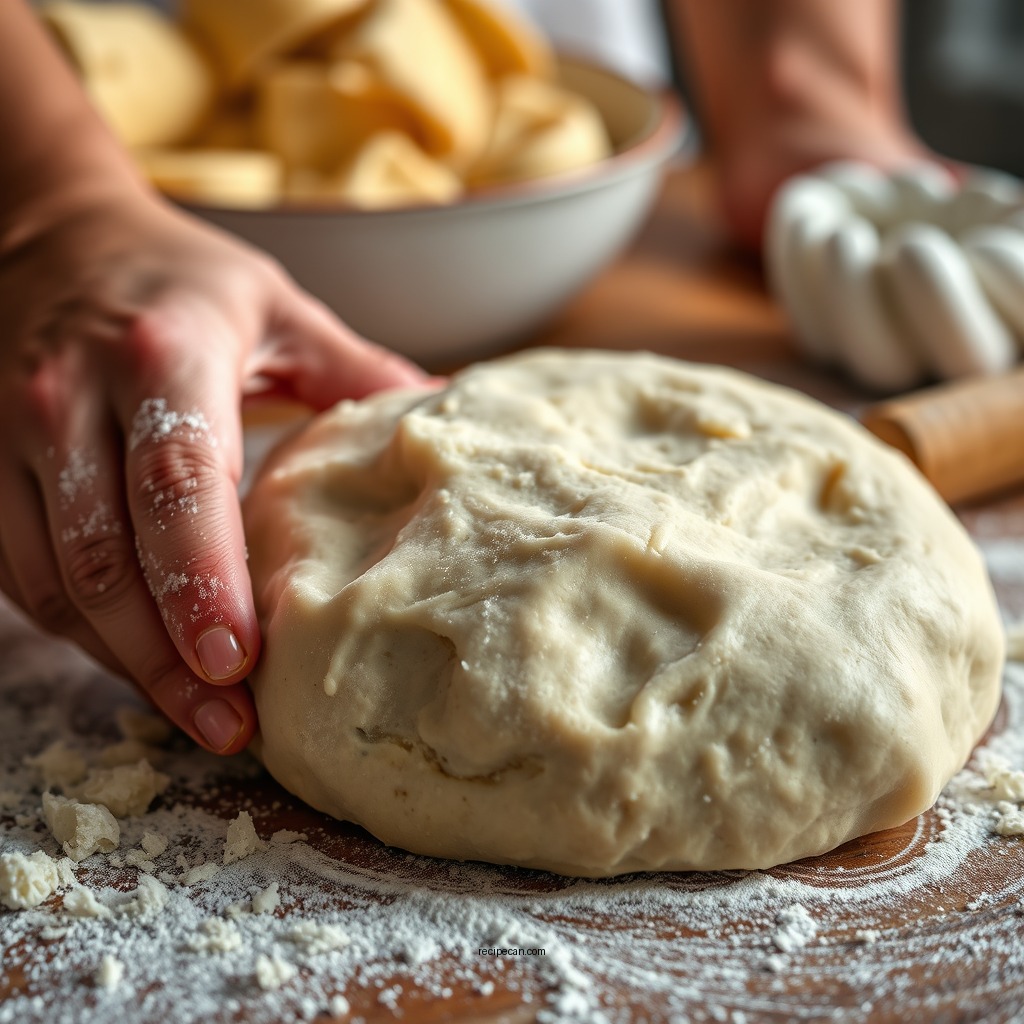
Rolling out your dough properly is essential for a perfect crust:
– Chill the dough: After forming the dough, wrap it in plastic wrap and refrigerate for at least 30 minutes. This step helps to relax the gluten-free flour, making it easier to roll out and reducing shrinkage during baking.
– Roll on a floured surface: Use additional gluten-free flour to dust your work surface and rolling pin to prevent sticking. Roll the dough out into your desired shape, ensuring it’s even in thickness to promote uniform baking.
Gluten-Free Flour Types and Their Properties
| # | Flour Type | Texture | Flavor | Best Use |
|---|---|---|---|---|
| 1 | Almond Flour | Fine | Nutty | Cookies, Cakes |
| 2 | Coconut Flour | Dense | Sweet | Pancakes, Muffins |
| 3 | Rice Flour | Fine | Neutral | Breading, Sauces |
| 4 | Oat Flour | Coarse | Mild | Baking, Smoothies |
| 5 | Chickpea Flour | Grainy | Nutty | Savory Dishes |
| 6 | Tapioca Flour | Starchy | Neutral | Thickening |
| 7 | Potato Starch | Powdery | Neutral | Baking |
Baking Techniques
Once your dough is rolled out, the following baking techniques will help ensure your pie turns out perfectly:
– Preheat your oven: Make sure your oven is preheated to the correct temperature before placing your pie inside. This step is critical for achieving a golden, flaky crust.
– Blind baking: For recipes like custard pies or quiches, consider blind baking the crust. This involves baking the crust without the filling first, which helps to prevent a soggy bottom. To do this, line the crust with parchment paper and fill it with pie weights or dried beans. Bake for about 15-20 minutes, then remove the weights and continue baking until lightly golden.
Flour Type and Usage for Gluten-Free Baking
Tips for Success
To ensure your gluten-free pie dough turns out perfectly every time, consider the following tips:
– Experiment with different flours: Don’t hesitate to try alternative flours such as almond flour or oat flour. Each type brings unique flavors and textures that can enhance your pie crust.
– Keep everything cold: Cold ingredients are crucial for creating a flaky crust. Ensure your butter or coconut oil is chilled, and if the dough starts to warm up while you’re working with it, place it back in the refrigerator for a few minutes.
Common Mistakes to Avoid
When making gluten-free pie dough, be mindful of these common pitfalls:
– Overworking the dough: Handling the dough too much can lead to a tough texture. Aim to mix until just combined to maintain the desired flakiness.
– Not measuring ingredients accurately: Gluten-free baking requires precision; using a kitchen scale can help you achieve the correct ratios for the best results.
In summary, this gluten-free pie dough recipe is a practical solution for those avoiding gluten without compromising on flavor or texture. The steps are simple, and with a few tips and techniques, you can create a delicious crust that holds up to any filling.
Experiment with this gluten-free pie dough recipe in your next baking adventure! Enjoy the deliciousness of homemade pie without gluten, and don’t forget to share your creations with family and friends. With this guide, you can ensure that everyone, regardless of dietary restrictions, can enjoy a slice of pie.
Frequently Asked Questions
What are the best gluten free flours to use for pie dough?
The best gluten free flours for pie dough typically include a blend of almond flour, coconut flour, and gluten free all-purpose flour. Each type of flour brings unique properties; for example, almond flour adds richness while gluten free all-purpose flour provides structure. A pre-mixed gluten free flour blend often contains xanthan gum, which helps mimic the elasticity of traditional wheat flour.
How do I make a flaky gluten free pie dough?
To achieve a flaky gluten free pie dough, it’s essential to keep your ingredients cold, especially the butter. Mix your gluten free flour, salt, and any binding agents like xanthan gum, then cut in cold butter until the mixture resembles coarse crumbs. Gradually add ice water until the dough holds together, then chill before rolling it out for best results.
Why does my gluten free pie dough fall apart?
Gluten free pie dough can fall apart due to insufficient binding agents or not enough moisture. Gluten-free flours lack the protein structure found in wheat, so using ingredients like xanthan gum or ground chia seeds can help bind the dough. Additionally, ensure you’re adding enough liquid to hydrate the flours without making the dough too wet.
Which fats are best for making gluten free pie dough?
The best fats for gluten free pie dough include unsalted butter, coconut oil, and shortening. Each provides a different flavor and texture; butter gives a rich taste and flaky texture, while coconut oil adds a slight sweetness. For a dairy-free option, using a vegan butter substitute or palm shortening can also work well.
What are some tips for rolling out gluten free pie dough?
When rolling out gluten free pie dough, it’s crucial to use a well-floured surface and keep the dough chilled to prevent sticking. If the dough is too crumbly, you can press it into the pie pan rather than rolling it out. Using parchment paper can also help, allowing you to roll the dough between two sheets for easier handling and minimal sticking.
References
- https://www.ncbi.nlm.nih.gov/pmc/articles/PMC6468457/
https://www.ncbi.nlm.nih.gov/pmc/articles/PMC6468457/ - https://www.cdc.gov/healthyweight/assessing/bmi/adult_bmi/english_bmi_calculator/weight.html
https://www.cdc.gov/healthyweight/assessing/bmi/adult_bmi/english_bmi_calculator/weight.html - Yerba mate: Is it safe to drink? – Mayo Clinic
https://www.mayoclinic.org/healthy-lifestyle/nutrition-and-healthy-eating/expert-answers/gluten-free-diet/faq-20058343 - https://www.nhlbi.nih.gov/health-topics/gluten-free-diet
https://www.nhlbi.nih.gov/health-topics/gluten-free-diet - https://www.bbc.co.uk/food/gluten_free
https://www.bbc.co.uk/food/gluten_free - https://www.sciencedirect.com/topics/food-science/gluten-free-dough
https://www.sciencedirect.com/topics/food-science/gluten-free-dough - https://www.ncbi.nlm.nih.gov/pmc/articles/PMC5570870/
https://www.ncbi.nlm.nih.gov/pmc/articles/PMC5570870/ - https://www.nytimes.com/2020/01/17/well/eat/gluten-free-baking.html
https://www.nytimes.com/2020/01/17/well/eat/gluten-free-baking.html - Food safety
https://www.who.int/news-room/fact-sheets/detail/food-safety - Google Scholar Google Scholar
https://scholar.google.com/scholar?q=gluten+free+pie+dough+recipe