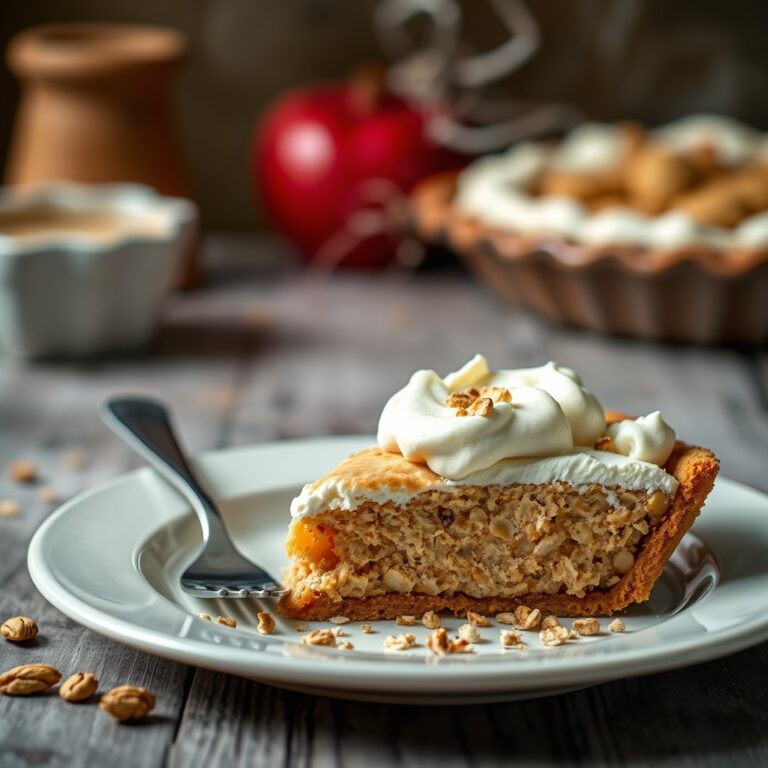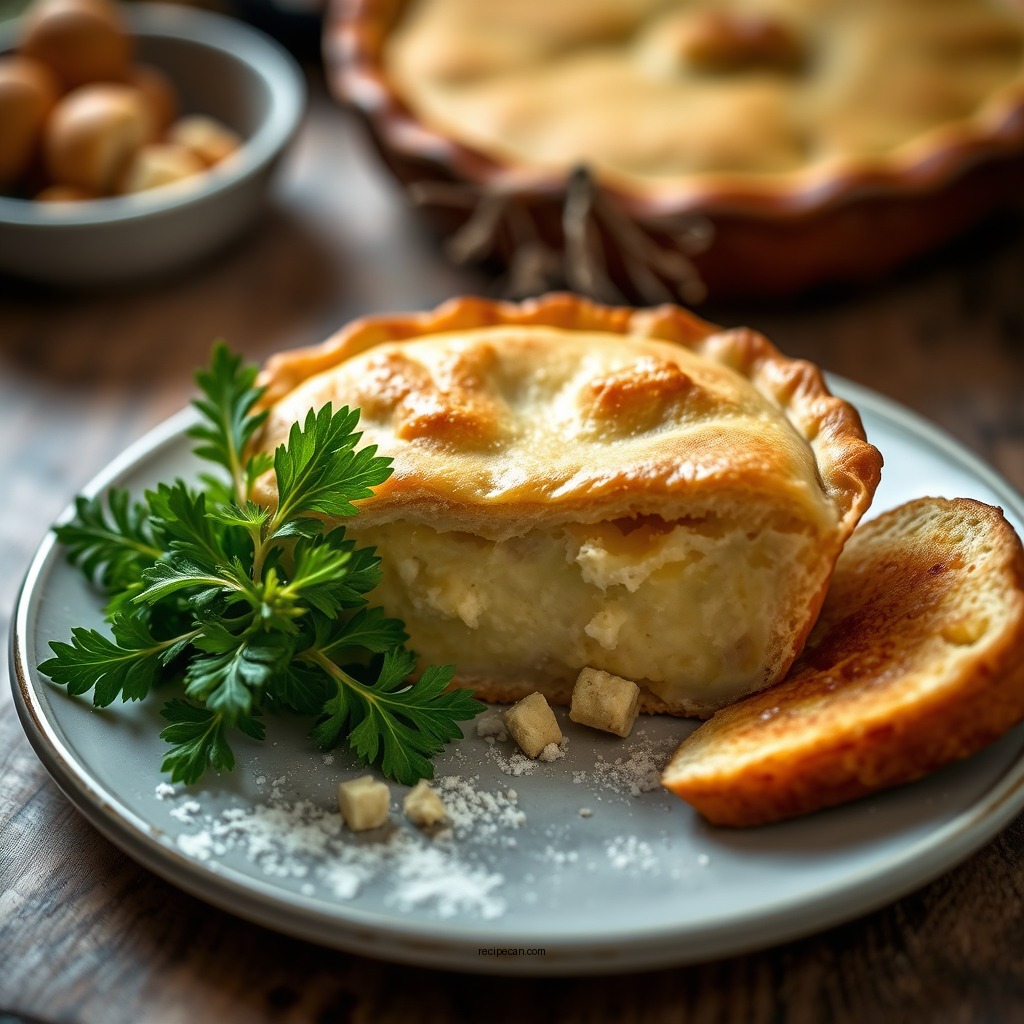
Making a pie crust by hand is simple and rewarding, and with this easy recipe, you’ll have a flaky, delicious crust in no time. You’ll learn how to combine basic ingredients and techniques to create the perfect base for any pie, whether sweet or savory. This guide will take you through each step, ensuring that your homemade pie crust is consistently delightful and a perfect canvas for your favorite fillings.
Understanding Pie Crust Ingredients
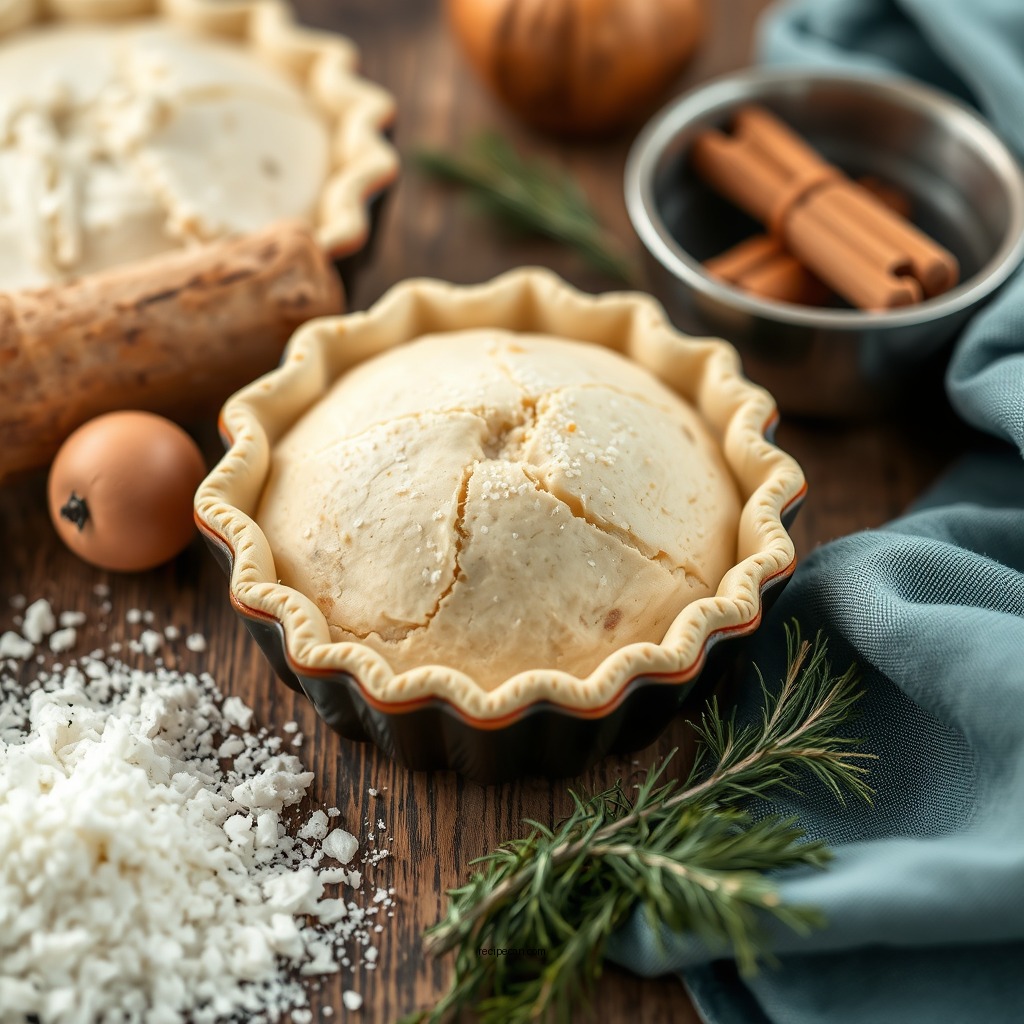
To create a perfect pie crust, understanding the ingredients is essential. The primary components of a pie crust are flour, fat, salt, and water.
– Flour: For the best texture and flavor, all-purpose flour is recommended. It has the right protein content to create a tender yet sturdy crust. Whole wheat flour can be used for a nuttier flavor, but it may require adjustments in liquid content due to its higher absorbency.
– Fat: The choice of fat significantly impacts the crust’s flavor and texture. Butter is popular for its rich taste and ability to create flakiness, while shortening or lard can contribute to a tender and crumbly texture. A combination of these fats can yield the best of both worlds, providing both flavor and texture.
– Salt: Salt enhances the flavor of the crust and is essential for balancing the sweetness of the filling. Using a fine sea salt can ensure even distribution throughout the dough.
– Water: Ice-cold water is crucial for binding the flour and fat together. The cold temperature helps keep the fat solid, leading to a flakier texture once baked.
Essential Tools for Making Pie Crust
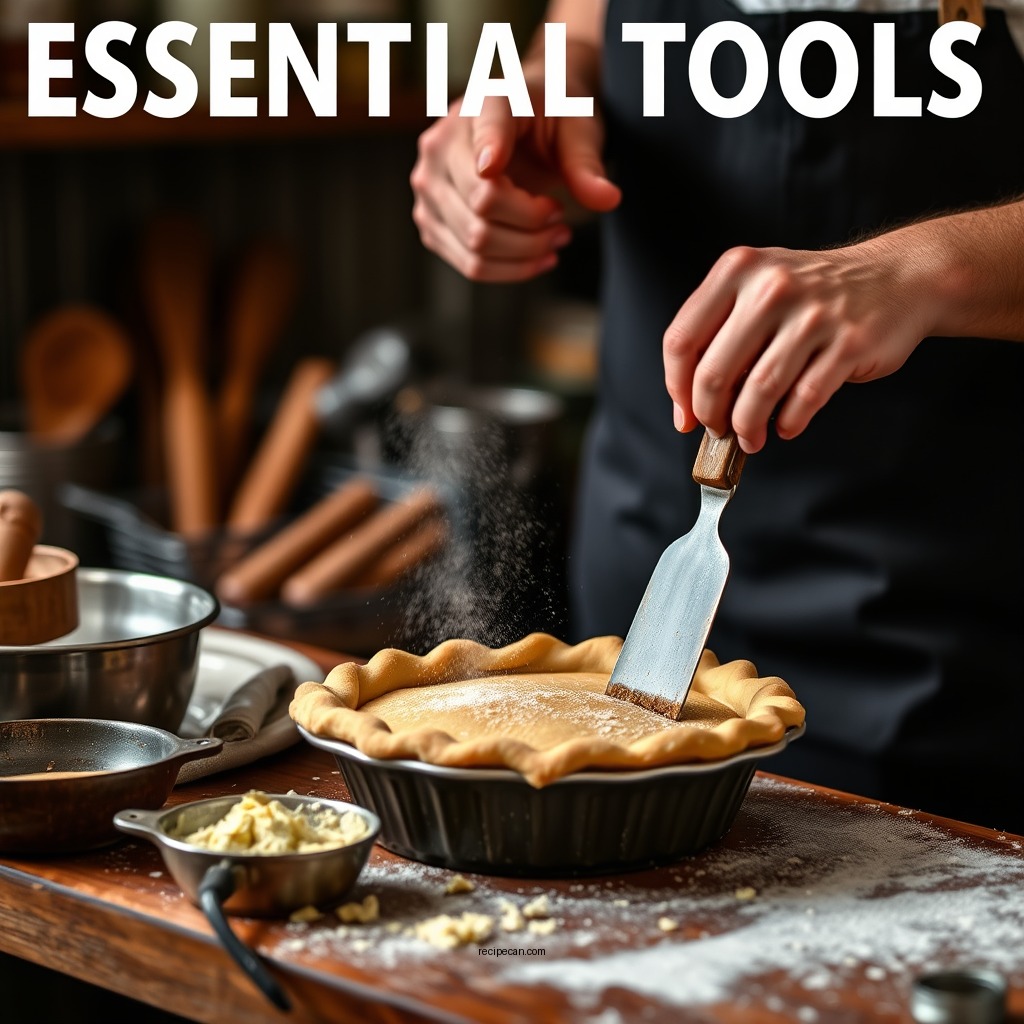
Having the right tools on hand can make the process of making pie crust by hand much easier and more enjoyable.
– Mixing Bowl: A large mixing bowl is necessary for combining the ingredients. It allows enough space for mixing without spilling.
– Pastry Cutter or Forks: These tools are essential for cutting the fat into the flour. A pastry cutter gives more control and can help ensure the fat is distributed evenly throughout the flour. If you don’t have a pastry cutter, two forks can be used to achieve a similar result.
– Rolling Pin: A good-quality rolling pin is important for rolling out the dough uniformly. If you don’t have one, a clean wine bottle can serve as a suitable substitute.
– Plastic Wrap or Parchment Paper: These are useful for wrapping the dough while it chills in the refrigerator, preventing it from drying out.
Step-by-Step Instructions to Make Pie Crust
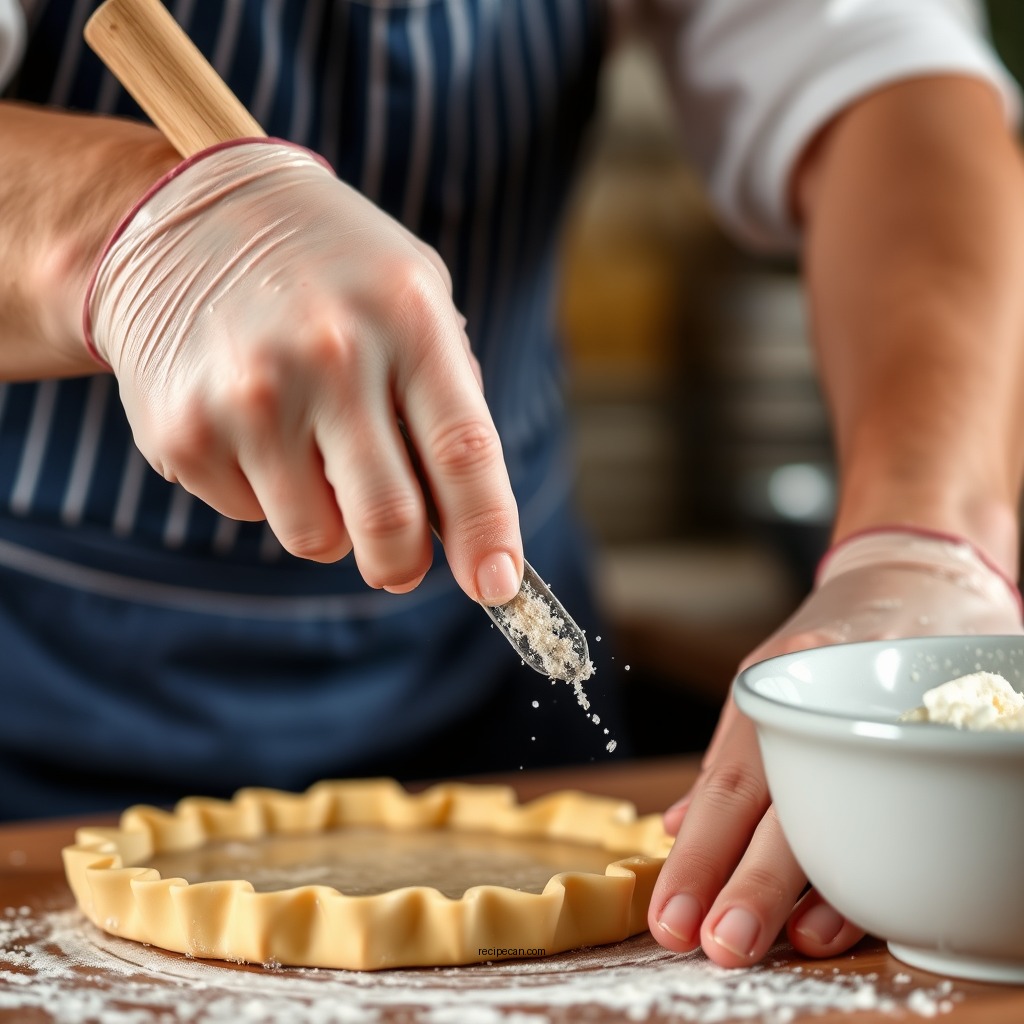
Making pie crust involves a few straightforward steps that, when followed carefully, lead to a delicious and flaky result.
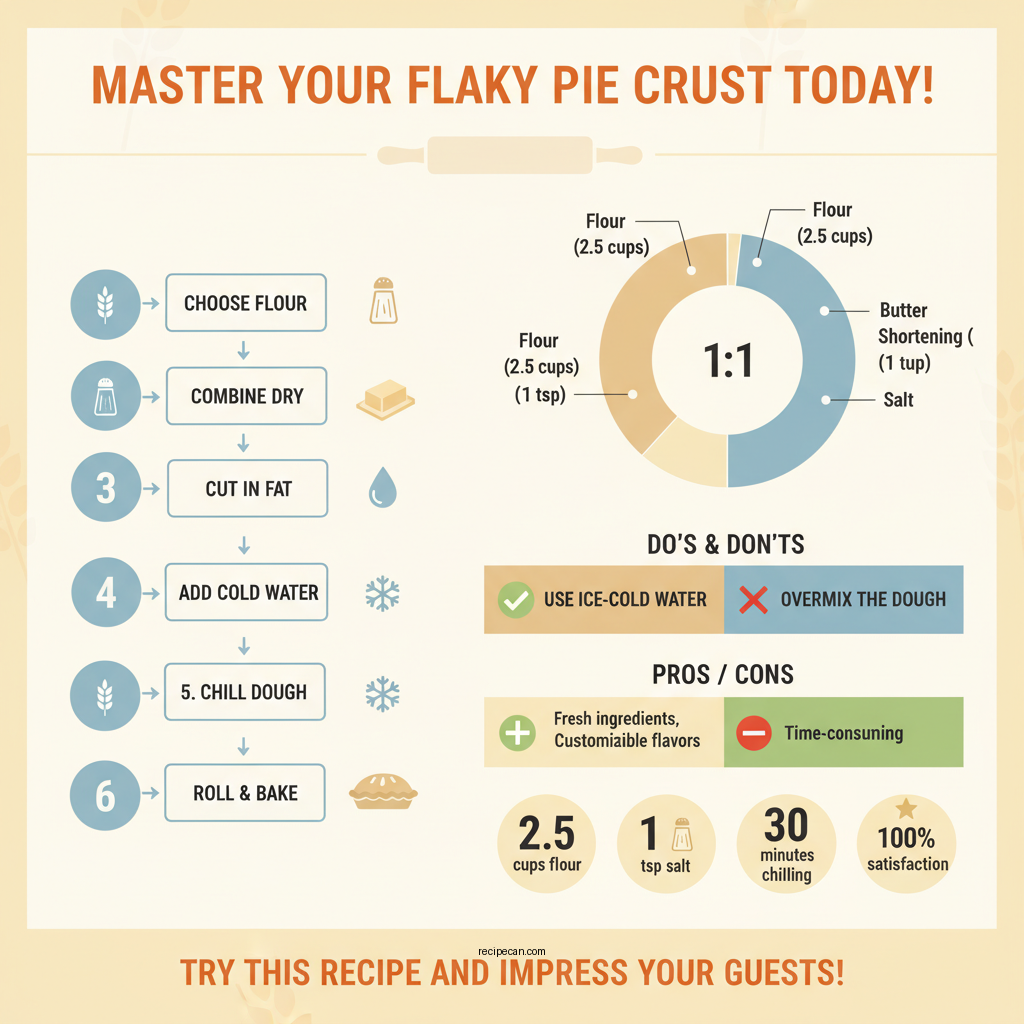
1. Measure and Mix: Start by measuring 2 ½ cups of all-purpose flour and 1 teaspoon of salt into a large mixing bowl. Stir these dry ingredients together until well combined.
2. Cut in the Fat: Next, add 1 cup of chilled butter (or a combination of butter and shortening) cut into small cubes. Use a pastry cutter or two forks to cut the fat into the flour mixture until it resembles coarse crumbs. This process is crucial as it creates layers of fat within the flour, leading to a flakier crust.
3. Incorporating Water: Gradually add ice-cold water, one tablespoon at a time, mixing gently with a fork until the dough starts to come together. You may need about 6 to 8 tablespoons of water, depending on humidity and flour type.
4. Forming the Dough: Once the dough holds together, turn it out onto a lightly floured surface and gently knead it just until it forms a cohesive ball. Avoid overworking the dough, as this can develop the gluten and lead to a tougher crust.
Incorporating Water into the Dough
Adding water to your pie dough needs careful attention to avoid a soggy or tough crust.
– Gradual Addition: It’s essential to add ice-cold water gradually, one tablespoon at a time. This method allows you to control the moisture content, ensuring that the dough is neither too wet nor too dry.
– Forming the Dough: Mix the dough just until combined. You should still see small bits of fat throughout the dough; this is what helps create flakiness. If the dough feels too dry, add a little more water, but do so sparingly.
Chilling the Dough for Best Results
Chilling the dough is a critical step that shouldn’t be skipped.
– Wrap and Refrigerate: After forming your dough into a ball, wrap it in plastic wrap and refrigerate it for at least 30 minutes. This resting period allows the gluten to relax, making the dough easier to roll out and helping to prevent shrinkage during baking.
– Benefits of Chilling: Chilling the dough also firms up the fat, which contributes to a flakier crust. When the cold fat hits the hot oven, it creates steam, leading to a light and airy structure.
Rolling Out the Dough
Rolling out your pie crust requires a delicate touch to achieve the right thickness.
– Lightly Flour Your Surface: Before rolling, dust your work surface and rolling pin with flour to prevent sticking. This step is crucial to ensure a smooth roll and an even thickness.
– Achieving the Right Thickness: Aim for a thickness of about 1/8 inch. A too-thick crust may not bake evenly, while a too-thin crust may tear or become overly crispy. Use a ruler or a guide to help maintain consistent thickness if necessary.
Baking Tips for a Perfect Pie Crust
Baking is the final step that will bring your pie crust to life.
– Pre-baking: For recipes that require a custard or cream filling, consider blind baking the crust. To do this, line the crust with parchment paper, fill it with pie weights or dried beans, and bake it at 375°F (190°C) for about 15 minutes, until lightly golden.
– Checking for Doneness: A perfectly baked crust should be golden brown around the edges. Keep an eye on your pie as it bakes, and rotate it halfway through to ensure even cooking.
Top 7 Pie Crust Ingredients by Popularity (2023)
| # | Ingredient | Usage Rate (%) | Flavor Profile | Texture |
|---|---|---|---|---|
| 1 | All-Purpose Flour | 95% | Neutral | Flaky |
| 2 | Butter | 85% | Rich | Tender |
| 3 | Shortening | 70% | Neutral | Crispy |
| 4 | Salt | 100% | Savory | N/A |
| 5 | Lard | 30% | Rich | Tender |
| 6 | Whole Wheat Flour | 15% | Nutty | Dense |
| 7 | Ice Water | 100% | Neutral | N/A |
Flakiness Ratings of Different Pie Crust Fats (2023)
Creating an easy pie crust by hand is straightforward and can be mastered with practice. By understanding the ingredients, tools, and techniques outlined above, you can bake a perfect pie crust every time. Now that you have the recipe, why not gather your ingredients and make a delicious pie today? This versatile crust can serve as a delightful base for a wide variety of fillings, enhancing both sweet and savory dishes in your culinary repertoire.
Frequently Asked Questions
What are the basic ingredients for an easy pie crust recipe by hand?
The basic ingredients for an easy pie crust recipe by hand include all-purpose flour, unsalted butter, salt, and cold water. Typically, you’ll need about 1 1/4 cups of flour, 1/2 cup of butter, a pinch of salt, and 3-4 tablespoons of cold water. Using high-quality butter and keeping your ingredients cold are key for achieving a flaky texture.
How do I make an easy pie crust by hand without a food processor?
To make an easy pie crust by hand, start by mixing the flour and salt in a bowl. Cut the cold butter into small pieces and use a pastry cutter or your fingers to blend it into the flour until the mixture resembles coarse crumbs. Gradually add cold water, mixing until the dough holds together, then shape it into a disk, wrap it in plastic wrap, and refrigerate for at least 30 minutes before rolling it out.
Why is it important to chill the dough for an easy pie crust recipe?
Chilling the dough is crucial because it helps solidify the butter, which creates pockets of steam during baking, resulting in a flaky texture. Additionally, resting the dough allows the gluten to relax, making it easier to roll out without shrinking. Skipping this step can lead to a tough and dense crust rather than a light and flaky one.
What is the best way to roll out an easy pie crust by hand?
The best way to roll out an easy pie crust by hand is to lightly flour your work surface and rolling pin to prevent sticking. Start from the center of the dough and roll outward, turning the dough a quarter turn after each roll to maintain a circular shape. Aim for an even thickness of about 1/8 inch, and remember to lift the dough occasionally to ensure it isn’t sticking to the surface.
Which types of pies work best with an easy homemade pie crust?
An easy homemade pie crust is versatile and works wonderfully with a variety of pies, including fruit pies like apple or cherry, as well as cream pies like chocolate or coconut. It also serves as an excellent base for savory dishes, such as quiches or pot pies. The flaky texture of the crust complements both sweet and savory fillings beautifully.
References
- Pastry
https://en.wikipedia.org/wiki/Pastry - https://www.sciencedirect.com/topics/food-science/pie-crust
https://www.sciencedirect.com/topics/food-science/pie-crust - https://www.nytimes.com/2020/11/18/dining/easy-pie-crust-recipe.html
https://www.nytimes.com/2020/11/18/dining/easy-pie-crust-recipe.html - https://www.theguardian.com/lifeandstyle/2021/oct/01/how-to-make-the-perfect-pie-crust
https://www.theguardian.com/lifeandstyle/2021/oct/01/how-to-make-the-perfect-pie-crust - Google Scholar Google Scholar
https://scholar.google.com/scholar?q=easy+pie+crust+recipe+by+hand - Google Scholar Google Scholar
https://scholar.google.com/scholar?q=homemade+pie+crust+techniques - Pastry | Definition, Ingredients, & Uses | Britannica
https://www.britannica.com/topic/pastry - https://www.cdc.gov/nutrition/food-safety/food-safety-education.html
https://www.cdc.gov/nutrition/food-safety/food-safety-education.html - Prenatal care: First trimester visits – Mayo Clinic
https://www.mayoclinic.org/healthy-lifestyle/nutrition-and-healthy-eating/in-depth/pie-crust/art-20044882 - easy pie crust recipe by hand – Search results
https://en.wikipedia.org/wiki/Special:Search?search=easy+pie+crust+recipe+by+hand