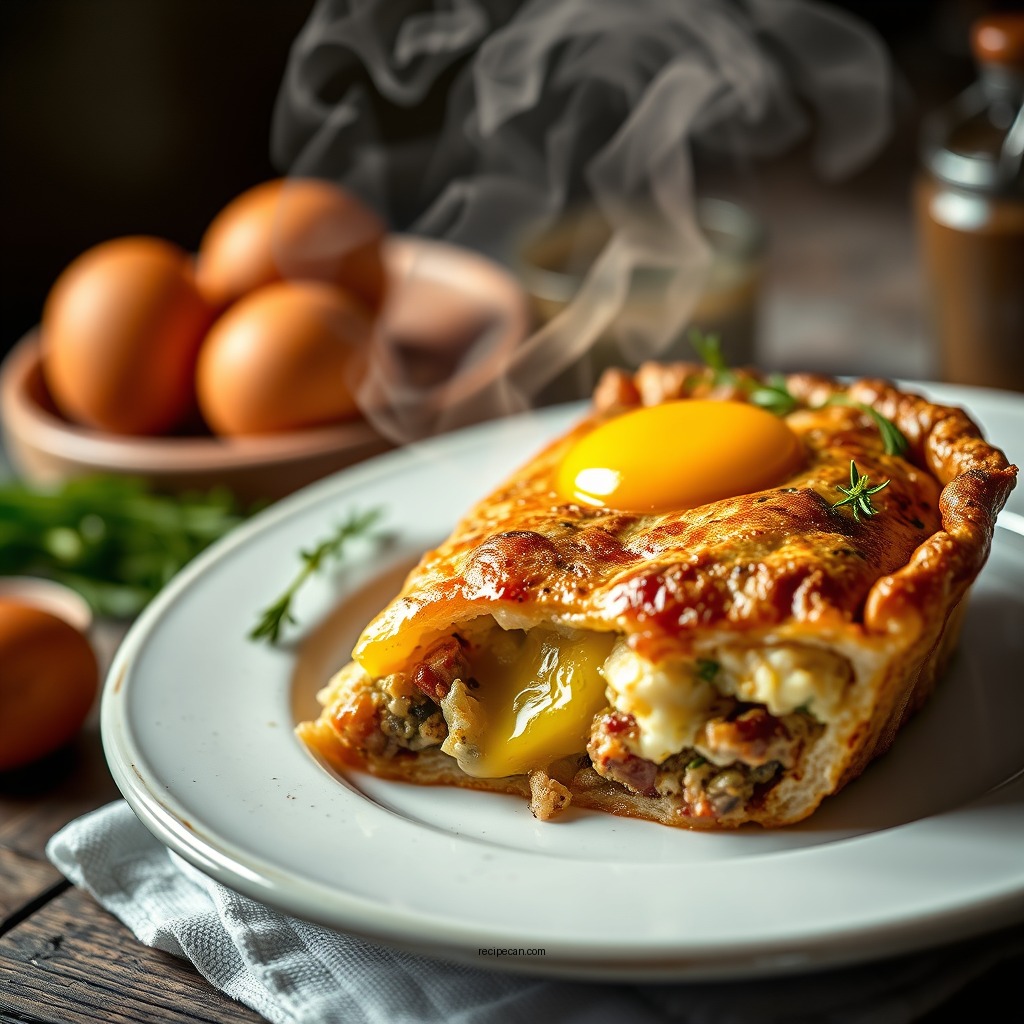
During World War II, egg and sausage pie emerged as a delicious and resourceful dish, showcasing the ingenuity of families who had to make do with limited ingredients. This hearty recipe not only provides a filling meal but also serves as a culinary reminder of how people adapted during challenging times. In this post, you’ll discover how to recreate this comforting pie in your own kitchen, using simple ingredients reminiscent of the wartime era.
Ingredients Needed
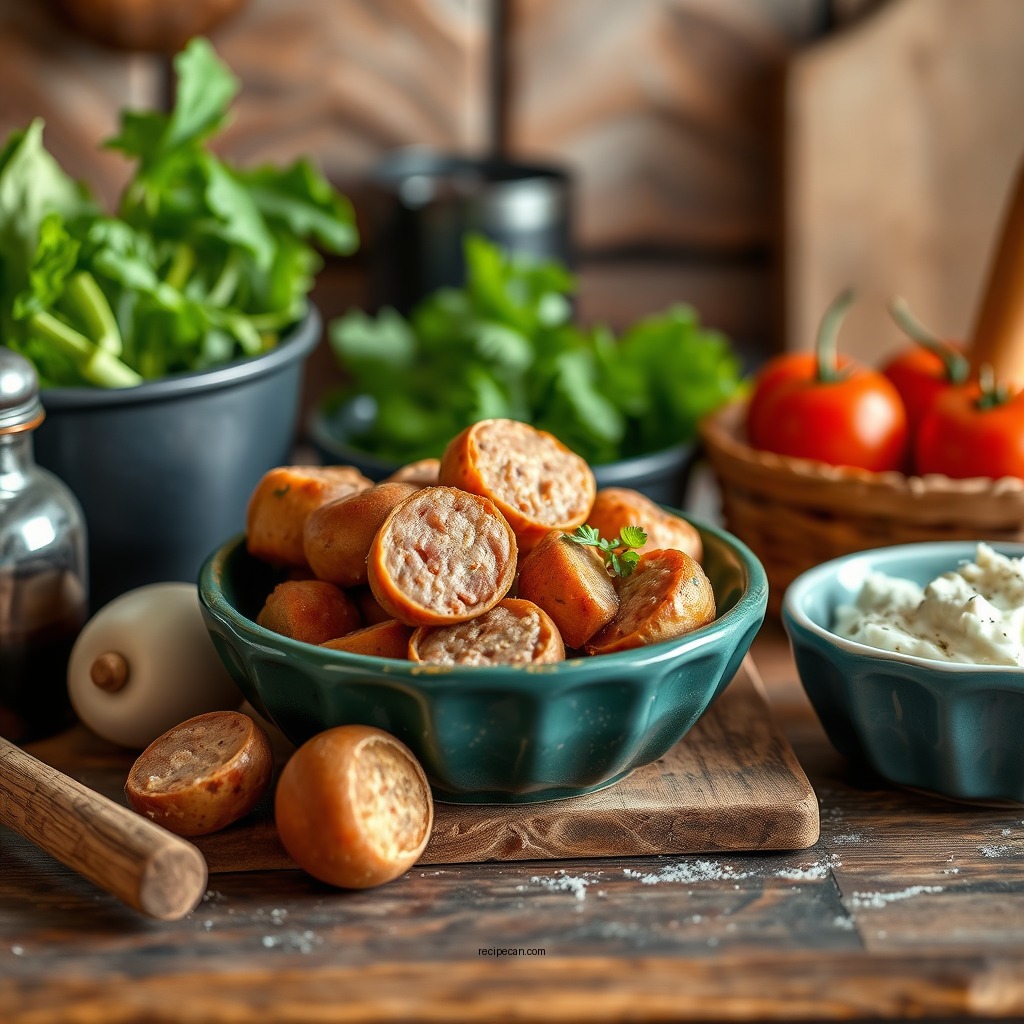
To prepare egg and sausage pie, you’ll need the following basic ingredients:
– Pastry Dough: You can either make your own or use store-bought dough to save time.
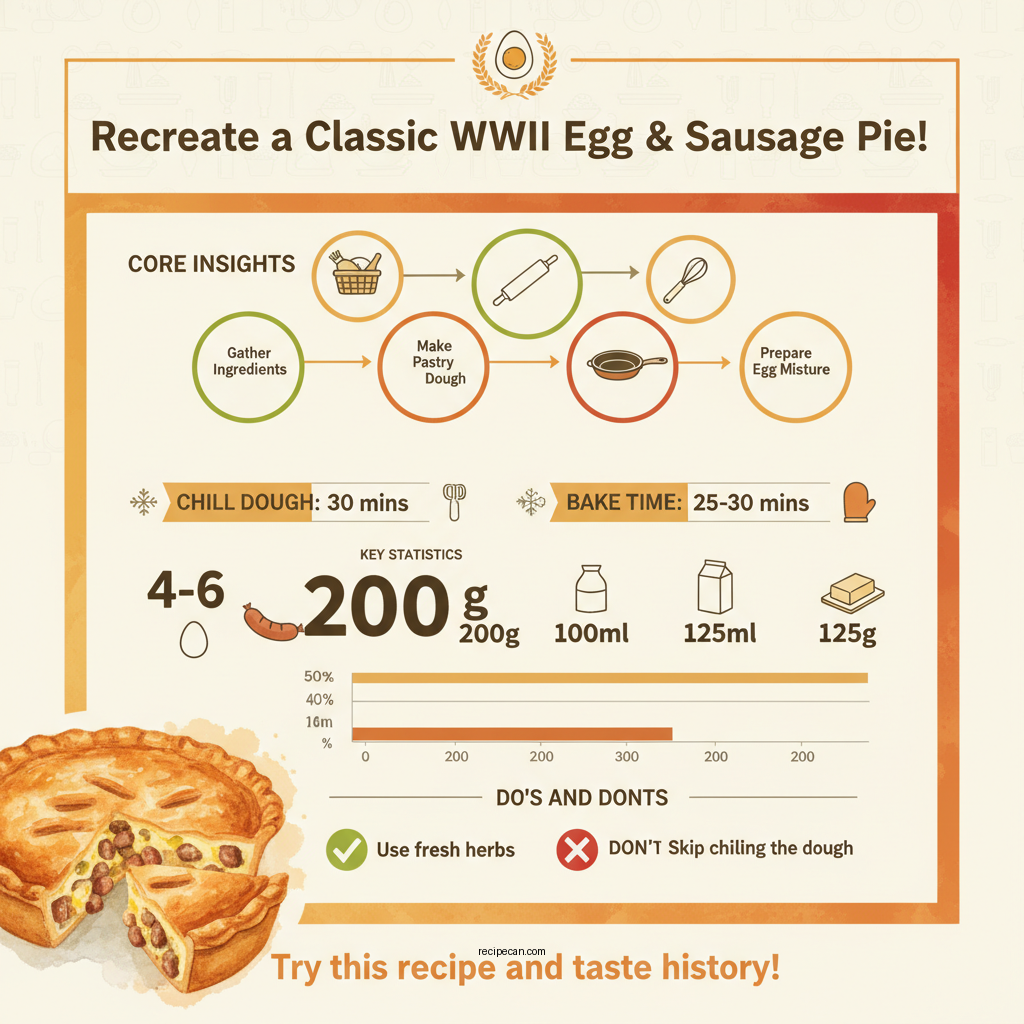
– Eggs: Typically, about 4-6 large eggs are required.
– Sausage: Approximately 200 grams of sausage, which can be pork or any type you prefer.
– Milk: About 100ml, to add creaminess to the filling.
– Salt and pepper: For seasoning.
Optional Ingredients
To enhance the flavor and nutritional value of your pie, consider adding:
– Onions: Sautéed onions can add sweetness.
– Bell Peppers: For a touch of color and crunch.
– Herbs: Fresh parsley or thyme can elevate the taste.
– Cheese: A handful of grated cheese can make the pie extra indulgent.
Preparation Steps
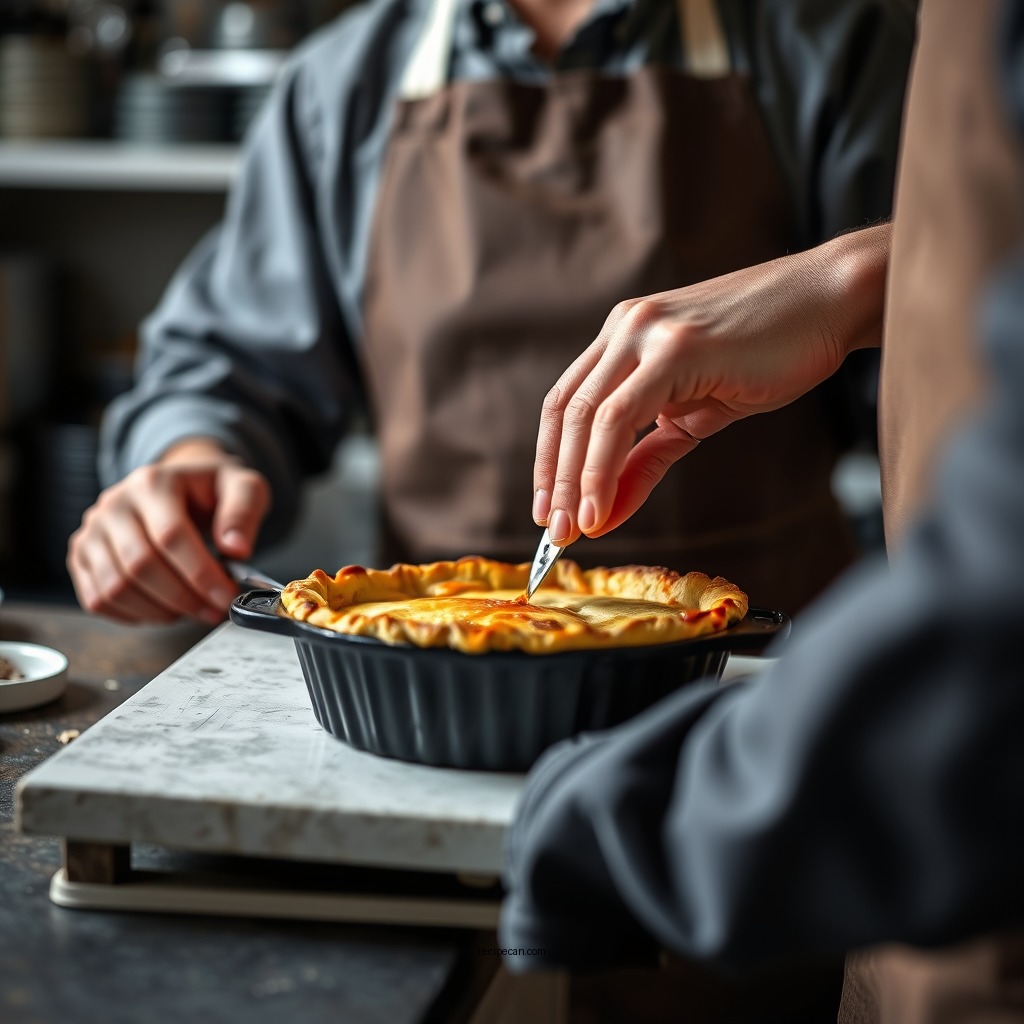
Making the Pastry Dough
1. Ingredients: For homemade pastry, you’ll need 250 grams of plain flour, 125 grams of butter, a pinch of salt, and some cold water.
2. Mix the Flour and Butter: In a mixing bowl, combine the flour and salt, then cut in the butter until the mixture resembles breadcrumbs.
3. Form the Dough: Gradually add cold water, mixing until the dough comes together. Wrap in plastic wrap and refrigerate for at least 30 minutes.
Cooking the Sausage and Preparing the Filling
1. Cook the Sausage: In a frying pan over medium heat, cook the sausage until browned and fully cooked through. Allow to cool slightly, then slice or crumble it.
2. Prepare the Egg Mixture: In a bowl, whisk together the eggs, milk, salt, and pepper. Add any optional ingredients like sautéed onions or herbs at this stage.
Baking Instructions
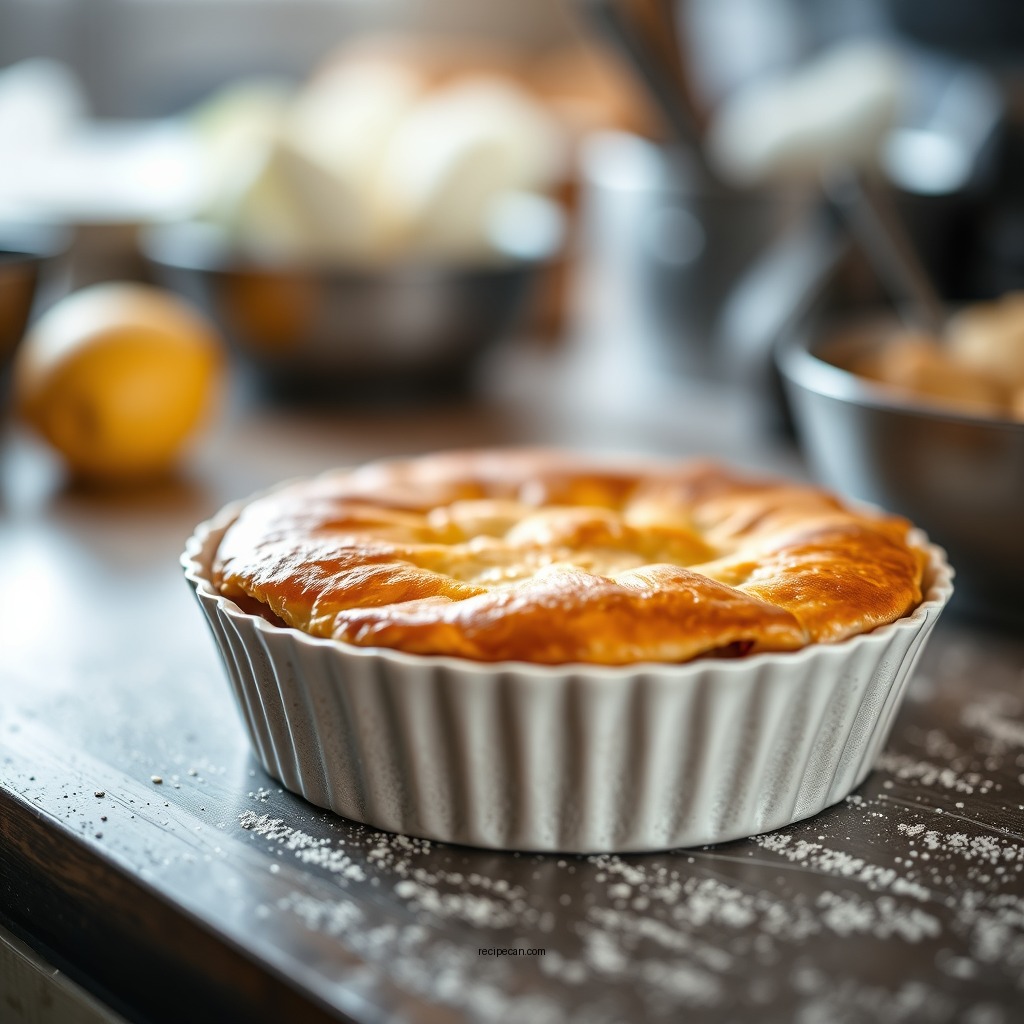
Assembling the Pie
1. Preheat your Oven: Set your oven to 180°C (350°F).
2. Roll Out the Pastry: On a floured surface, roll out the chilled pastry dough to fit your pie dish, leaving some overhang.
3. Layer the Ingredients: Place the cooked sausage evenly in the bottom of the pie crust. Pour the egg mixture over the top, ensuring even distribution.
Baking the Pie
1. Trim the Overhang: Fold the overhanging edges of the pastry back over the filling, sealing the edges.
2. Bake: Place the pie in the preheated oven and bake for 25-30 minutes or until the filling is set and the crust is golden brown.
Historical Context
Egg and sausage pie is a reflection of the resourcefulness required during World War II. With rationing in full effect, families learned to use whatever ingredients they had on hand, leading to the creation of dishes that were both economical and fulfilling. The pie represents a time when home cooking not only nourished but also provided comfort amidst uncertainty. Many families would adapt recipes based on what was available, often using leftovers creatively to minimize waste.
Variations of the Recipe
While the classic egg and sausage pie is delicious, there are numerous ways to adapt the recipe based on personal preferences or available ingredients:
– Vegetarian Option: Substitute sausage with mushrooms or lentils for a meat-free version.
– Spicy Twist: Incorporate spicy sausage or add chili flakes for those who enjoy a kick.
– Cheesy Delight: Add a layer of cheese between the sausage and egg mixture for a richer taste.
Serving Suggestions
Pair your egg and sausage pie with some delightful accompaniments to complete the meal:
– Side Salad: A fresh green salad with a vinaigrette can balance the richness of the pie.
– Roasted Vegetables: Carrots, zucchini, and bell peppers roasted simply with olive oil and herbs make a great side.
– Presentation: Serve slices of the pie on individual plates, garnished with fresh herbs for an elegant touch.
Tips for Success
To ensure your egg and sausage pie turns out perfectly, keep these tips in mind:
– Avoid Soggy Bottom: Pre-bake your pastry crust for about 10 minutes before adding the filling to prevent it from becoming soggy.
– Don’t Overfill: Be cautious not to overfill the pie, as the egg mixture will expand during baking.
– Storage Tips: Store any leftovers in the refrigerator for up to three days. To reheat, place in the oven at 180°C (350°F) for about 10-15 minutes.
Popular Ingredients in Wartime Recipes
| # | Ingredient | Availability | Usage in Recipes |
|---|---|---|---|
| 1 | Eggs | Widely Available | High |
| 2 | Sausage | Moderately Available | Medium |
| 3 | Potatoes | Widely Available | High |
| 4 | Flour | Widely Available | High |
| 5 | Milk | Moderately Available | Medium |
| 6 | Vegetables | Varies | Medium |
| 7 | Herbs | Varies | Low |
Ingredient Popularity in Wartime Cooking
Summarizing the key points, this egg and sausage pie recipe is a wonderful way to connect with history while enjoying a hearty meal. Gather your ingredients, follow the steps, and enjoy a slice of wartime ingenuity at your table. Don’t forget to share your baking experience or any variations you try!
Frequently Asked Questions
What ingredients are needed for a traditional egg and sausage pie recipe from WWII?
A traditional egg and sausage pie recipe from WWII typically includes basic ingredients such as eggs, sausage meat, flour for the crust, milk, and seasonings like salt and pepper. Due to rationing during the war, many recipes also incorporated leftover vegetables or whatever was available, making it a versatile dish that reflects the resourcefulness of that era.
How can I make a wartime egg and sausage pie using modern ingredients?
To make a wartime egg and sausage pie with modern ingredients, start by creating a simple pie crust with flour, butter, and water. For the filling, brown some pork sausage in a pan, then mix it with beaten eggs, milk, and any vegetables you have on hand, like onions or spinach, before pouring it into the crust and baking until set.
Why was egg and sausage pie a popular dish during World War II?
Egg and sausage pie became popular during World War II because it was a hearty dish that could be made using limited resources and ingredients. With food rationing in place, families often relied on inexpensive proteins like eggs and sausage, making this pie a filling option that helped stretch meals while providing necessary nutrition.
What are the best serving suggestions for egg and sausage pie?
The best serving suggestions for egg and sausage pie include pairing it with a simple green salad or steamed vegetables for a balanced meal. It can also be served warm or cold, making it ideal for picnics or as a leftover dish, and a side of mustard or ketchup can enhance the flavor.
Which cooking methods work best for making an egg and sausage pie?
The best cooking method for making an egg and sausage pie is baking, as it allows the crust to become golden and flaky while ensuring the filling is fully cooked. Pre-baking the crust briefly can help prevent sogginess, and using a moderate oven temperature of around 375°F (190°C) will result in a perfectly baked pie with a deliciously firm filling.
References
- https://en.wikipedia.org/wiki/World_War_II_food_rationing_in_the_United_Kingdom
https://en.wikipedia.org/wiki/World_War_II_food_rationing_in_the_United_Kingdom - https://www.bbc.com/news/magazine-23902568
https://www.bbc.com/news/magazine-23902568 - https://www.theguardian.com/world/2014/aug/05/food-rationing-united-kingdom-world-war-ii
https://www.theguardian.com/world/2014/aug/05/food-rationing-united-kingdom-world-war-ii - https://www.nationalarchives.gov.uk/pathways/firstworldwar/spotlights/food.htm
https://www.nationalarchives.gov.uk/pathways/firstworldwar/spotlights/food.htm - https://www.foodhistoryjournal.org/
https://www.foodhistoryjournal.org/ - Google Scholar Google Scholar
https://scholar.google.com/scholar?q=recipe+for+egg+and+sausage+pie+in+ww2 - Google Scholar Google Scholar
https://scholar.google.com/scholar?q=World+War+II+food+rationing+recipes - Google Scholar Google Scholar
https://scholar.google.com/scholar?q=British+recipes+during+World+War+II - recipe for egg and sausage pie in ww2 – Search results
https://en.wikipedia.org/wiki/Special:Search?search=recipe+for+egg+and+sausage+pie+in+ww2 - https://www.ncbi.nlm.nih.gov/search/research-articles/?term=recipe+for+egg+and+sausage+pie+in+ww2
https://www.ncbi.nlm.nih.gov/search/research-articles/?term=recipe+for+egg+and+sausage+pie+in+ww2