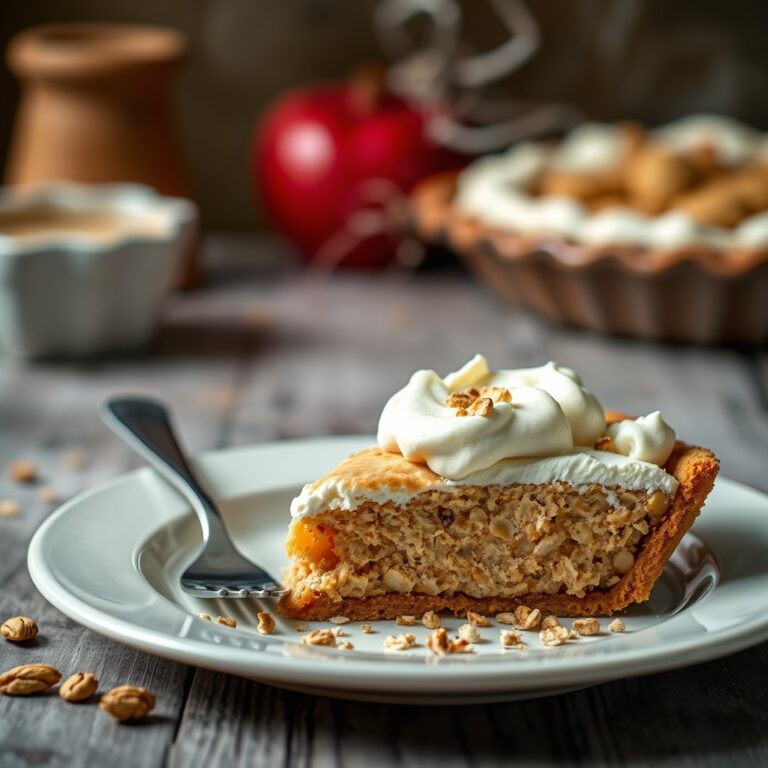
Making the perfect apple pie filling is all about selecting the right apples, balancing flavors, and achieving the ideal texture. In this guide, you will learn how to create a delicious filling that enhances your apple pie, ensuring it’s a crowd-pleaser every time. By following these essential tips and techniques, your apple pie will not only look stunning but also taste incredible, making it a delightful centerpiece for any occasion.
Choosing the Right Apples
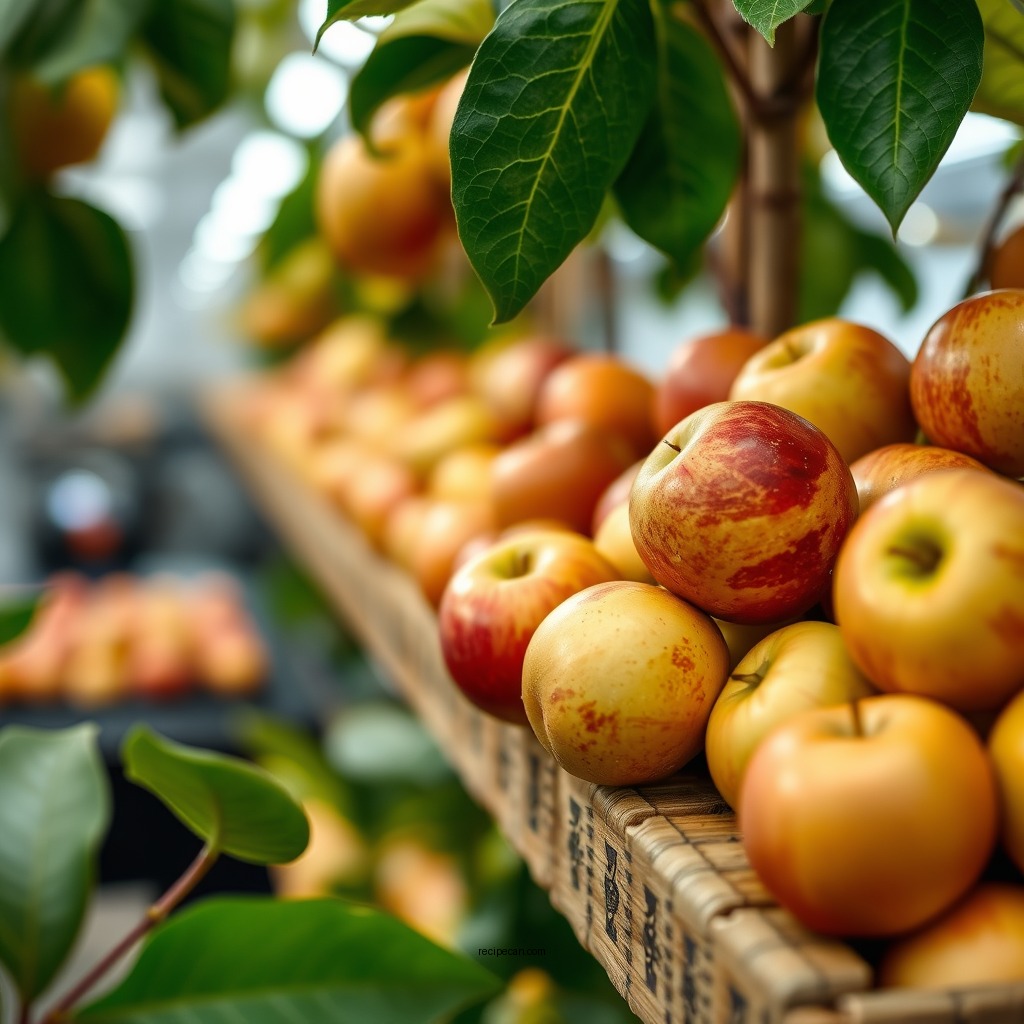
Selecting the right apples is crucial for achieving a well-balanced filling. A mix of sweet and tart varieties enhances the overall flavor profile of your pie. Popular choices include Granny Smith, known for its sharp tartness; Honeycrisp, which offers a delightful balance of sweetness and crisp texture; and Fuji, renowned for its juicy sweetness.
To ensure your pie maintains its structure during baking, opt for firm apples. Apples that are too soft can turn mushy, leading to a less than ideal texture. A combination of these apples can provide depth, allowing you to capture the essence of both sweetness and tartness in each bite. Experimenting with different varieties can also offer a unique twist—consider adding Braeburn or Jonagold for added complexity.
Preparing the Apples
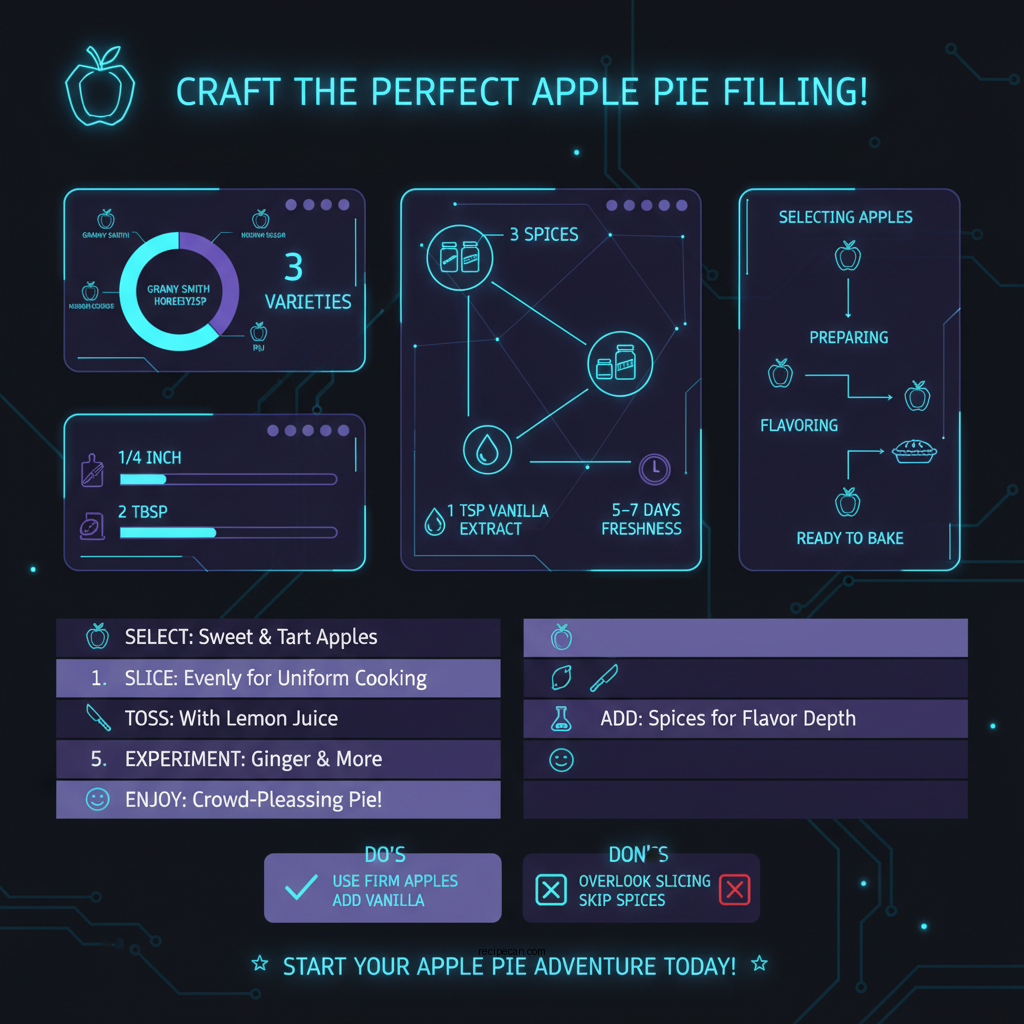
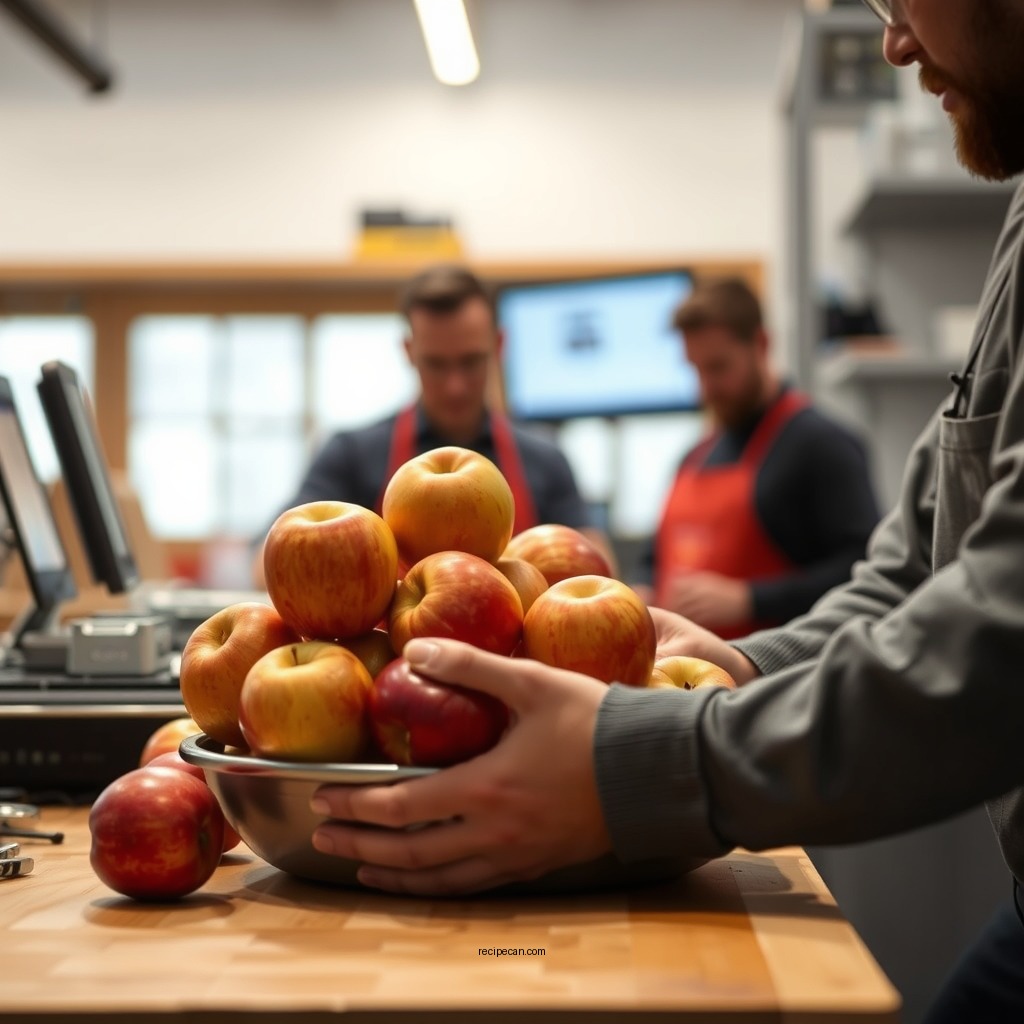
Preparation is key to a successful apple pie filling. Start by peeling, coring, and slicing the apples evenly to ensure uniform cooking. Uneven slices can result in some apples becoming overcooked while others remain undercooked, ruining the filling’s texture. Aim for slices that are about 1/4 inch thick; this thickness strikes a balance between tender and firm.
After slicing the apples, toss them in lemon juice. This not only prevents browning but also adds a subtle brightness to the flavor. The acidity from the lemon juice complements the sweetness of the apples, enhancing their natural flavors. If you’re preparing the filling ahead of time, this step becomes even more crucial to maintain freshness and color.
Flavoring the Filling
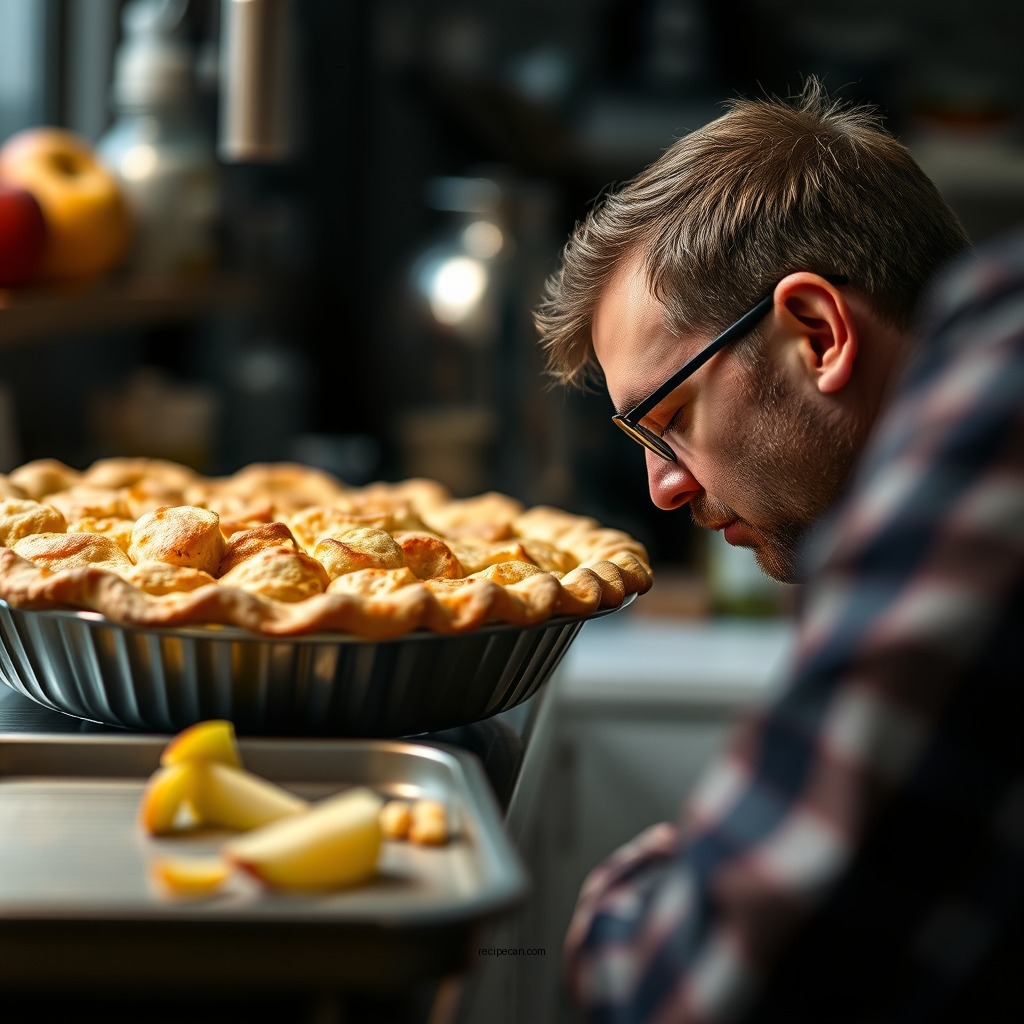
The flavor of your apple pie filling can make or break the dessert. A classic combination includes cinnamon, nutmeg, and brown sugar. Cinnamon adds warmth, while nutmeg introduces a hint of spice that elevates the overall taste. Brown sugar brings a rich sweetness that contrasts beautifully with the tartness of the apples.
To add a unique twist, consider incorporating a splash of vanilla extract or a hint of ginger. Vanilla can enhance the sweetness and provide a comforting aroma, whereas ginger adds a zesty kick that can surprise and delight your palate. Don’t hesitate to experiment with other spices like allspice or cardamom to create your signature flavor profile.
Top 7 Apple Varieties for Pie Making
| # | Apple Variety | Sweetness Level | Tartness Level | Texture |
|---|---|---|---|---|
| 1 | Granny Smith | Low | High | Firm |
| 2 | Honeycrisp | High | Medium | Crisp |
| 3 | Fuji | High | Low | Crisp |
| 4 | Braeburn | Medium | Medium | Firm |
| 5 | Jonagold | Medium | High | Crisp |
| 6 | Cortland | Low | Medium | Tender |
| 7 | Northern Spy | Medium | High | Firm |
Thickening Agents
A crucial step in creating a perfect apple pie filling is selecting the right thickening agent. The choice of thickening agent can influence the texture and moisture of the filling, impacting the overall pie experience. Common options include cornstarch, flour, and tapioca.
Cornstarch is a popular choice due to its ability to create a clear, glossy filling. It thickens efficiently and is gluten-free, making it suitable for a variety of dietary needs. Typically, about 1-2 tablespoons of cornstarch is sufficient for a standard pie.
Flour is another option, though it may yield a slightly cloudier filling. For those who prefer a more traditional approach, using flour can provide a heartier texture. The amount needed usually ranges from 2-4 tablespoons, depending on the juiciness of the apples.
Tapioca is often used for fruit pies as it creates a smooth texture. It can absorb moisture efficiently, making it ideal for juicy apple varieties. When using tapioca, consider using about 2 tablespoons for every 3 cups of apple slices. Adjust your thickening agent based on the juiciness of the apples to achieve your desired consistency.
Adding Texture and Extras
To elevate your apple pie filling, consider incorporating additional textures and flavors. Ingredients such as raisins, cranberries, or chopped nuts can add delightful surprises in each bite. Raisins and cranberries introduce a chewy texture and tangy burst of flavor, while nuts provide a satisfying crunch.
For a more visually appealing pie, consider using a crumb topping or a lattice crust. A crumb topping made from oats, butter, and sugar creates a delicious contrast with the soft filling. A lattice crust, on the other hand, allows for steam to escape while showcasing the beautiful filling underneath, enhancing the pie’s presentation.
Experimenting with different combinations of textures can lead to unique flavor profiles. For instance, combining walnuts with cranberries can add depth and interest to the filling, making your pie stand out.
Apple Pie Ingredients Popularity
Baking Tips
The baking process is where all your hard work comes together, so it’s essential to apply a few key techniques to ensure success. One effective strategy is to pre-cook the filling slightly before placing it into the pie crust. This step reduces the overall baking time and allows the flavors to meld beautifully. By cooking the filling, you can also better control the consistency and ensure the apples are tender by the time the crust is golden brown.
Additionally, place the pie on a preheated baking sheet. This method helps catch any drips that may occur during baking, preventing a messy oven cleanup. The hot surface also promotes an evenly baked crust, ensuring a crispy bottom without sogginess.
Be vigilant with your baking time and temperature. A common mistake is to underbake or overbake the pie. Aim for a temperature of about 425°F (220°C) for the first 20 minutes, then reduce to 350°F (175°C) for the remaining time. The pie is done when the crust is golden and the filling is bubbling.
In conclusion, the key to a memorable apple pie lies in its filling. By selecting the right apples, balancing flavors, and applying these techniques, you can create a filling that truly shines. Don’t hesitate to experiment with different spices or ingredients to make it your own. Now, gather your ingredients and start baking the best apple pie of your life!
Frequently Asked Questions
What are the best apples for making apple pie filling?
The best apples for making apple pie filling are a mix of tart and sweet varieties. Granny Smith apples provide a firm texture and tartness that balances well with the sweetness of Honeycrisp or Fuji apples. Using a combination of these will give your filling a complex flavor and a perfect consistency.
How do you thicken apple pie filling?
To thicken apple pie filling, you can use cornstarch, flour, or tapioca. For every 6 cups of sliced apples, add about 2 to 3 tablespoons of cornstarch or flour, mixed with sugar and cinnamon, before baking. This will help absorb excess moisture and create a deliciously thick filling.
Why is my apple pie filling runny?
A runny apple pie filling often results from using too much liquid or not enough thickening agent. If the apples release too much juice during baking, the filling can become watery. Make sure to measure your ingredients accurately and consider allowing the filling to sit for a while to drain excess moisture before adding it to the pie crust.
What spices should I add to apple pie filling for the best flavor?
For the best flavor in your apple pie filling, consider adding a blend of cinnamon, nutmeg, and a pinch of allspice. These spices enhance the natural sweetness of the apples and create a warm, inviting aroma. A tablespoon of lemon juice can also brighten the flavors and balance the sweetness.
Which recipe is best for homemade apple pie filling?
The best recipe for homemade apple pie filling combines fresh sliced apples, sugar, lemon juice, and spices with a thickening agent like cornstarch. A popular choice is the classic combination of Granny Smith and Honeycrisp apples, seasoned with cinnamon and nutmeg. This recipe not only tastes amazing but also allows for customization based on your preferred sweetness and spice level.
References
- Pie
https://en.wikipedia.org/wiki/Pie - https://www.brown.edu/Departments/Portuguese_Brazilian_Studies/Student_Projects/Apple_Pie_Recipe/
https://www.brown.edu/Departments/Portuguese_Brazilian_Studies/Student_Projects/Apple_Pie_Recipe/ - Sautéed Scallops With Crushed Peppercorns Recipe
https://www.nytimes.com/recipes/1019844/apple-pie.html - https://www.foodnetwork.com/recipes/food-network-kitchen/apple-pie-recipe-2011700
https://www.foodnetwork.com/recipes/food-network-kitchen/apple-pie-recipe-2011700 - https://www.sciencedirect.com/topics/agricultural-and-biological-sciences/apple-pie
https://www.sciencedirect.com/topics/agricultural-and-biological-sciences/apple-pie - https://pubmed.ncbi.nlm.nih.gov/26405439/
https://pubmed.ncbi.nlm.nih.gov/26405439/ - Google Scholar Google Scholar
https://scholar.google.com/scholar?q=apple+pie+recipe+filling - Google Scholar Google Scholar
https://scholar.google.com/scholar?q=apple+pie+filling+ingredients - apple pie recipe filling – Search results
https://en.wikipedia.org/wiki/Special:Search?search=apple+pie+recipe+filling - https://www.ncbi.nlm.nih.gov/search/research-articles/?term=apple+pie+recipe+filling
https://www.ncbi.nlm.nih.gov/search/research-articles/?term=apple+pie+recipe+filling