Oatmeal cookies are not only a classic dessert but can also be a chewy and flavorful treat when made with the right ingredients and techniques. In this article, you’ll learn how to craft the perfect oatmeal cookies with a focus on selecting essential ingredients, preparing the dough, incorporating delightful mix-ins, and mastering baking techniques to achieve that ideal chewy texture.
Essential Ingredients for Oatmeal Cookies
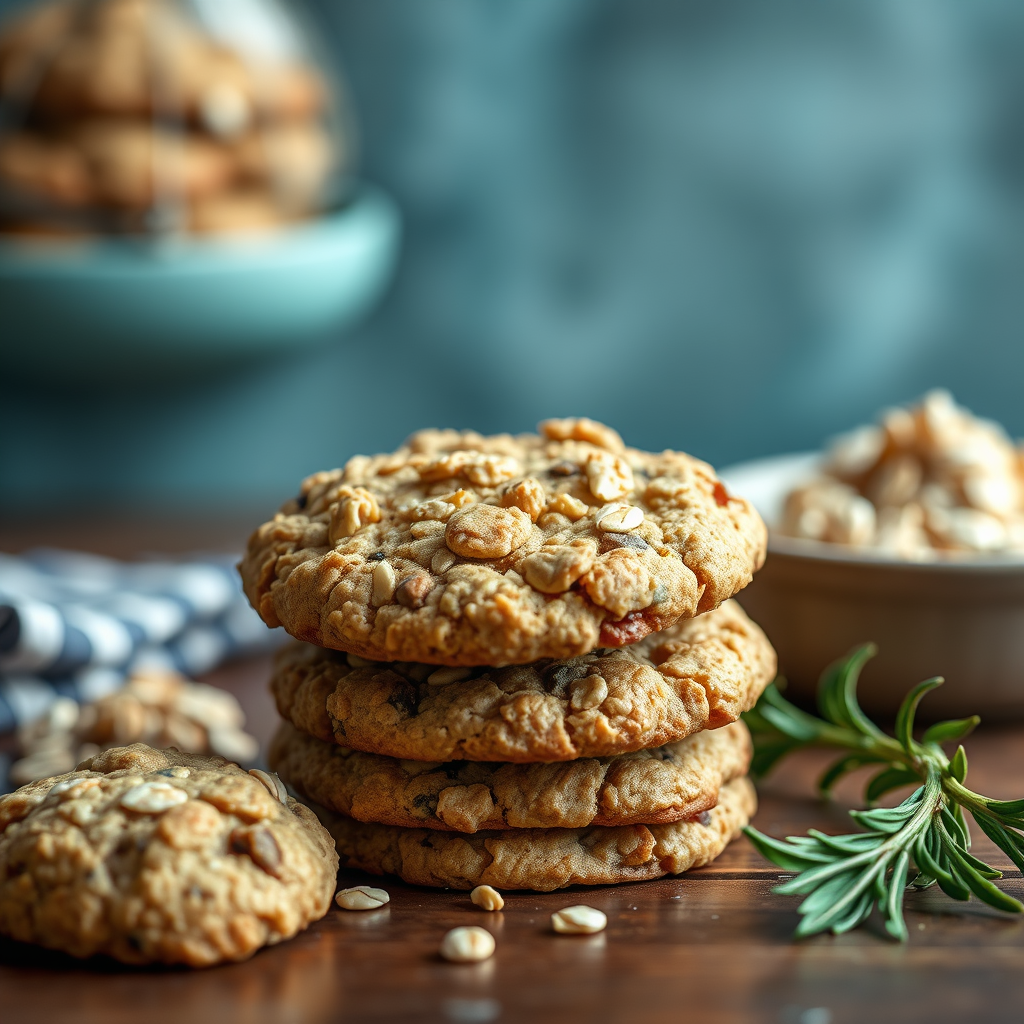
The foundation of any great oatmeal cookie lies in its ingredients. Each component plays a crucial role in determining the texture and flavor of the final product.
– Rolled oats: The star of the show, rolled oats provide the chewy texture that is characteristic of oatmeal cookies. Opt for old-fashioned rolled oats rather than quick oats, as they maintain their integrity better during baking, resulting in a heartier cookie.
– Brown sugar: This ingredient is vital for adding moisture and a rich flavor profile. Brown sugar contains molasses, which not only enhances the taste but also contributes to the cookie’s chewy texture. Combining brown sugar with granulated sugar can strike a perfect balance between chewiness and crispiness.
– Butter: The type of fat used is equally important. Unsalted butter is preferred, as it allows for better control over the cookie’s saltiness. Creaming the butter with sugars until light and fluffy creates air pockets that will help the cookies rise slightly while keeping them chewy.
– Eggs: Eggs work as a binding agent and add moisture. Using room-temperature eggs can help achieve a uniform mixture.
– Flour: All-purpose flour is typically used, but you can also experiment with whole wheat flour for added nutrients and a nuttier flavor.
Key Ingredient Table
Essential Ingredients for Chewy Oatmeal Cookies
| Ingredient | Purpose | Type |
|---|---|---|
| Rolled Oats | Provides chewiness | Whole grain |
| Brown Sugar | Enhances flavor and moisture | Sweetener |
| Unsalted Butter | Adds richness | Fat |
| Eggs | Acts as a binder | Protein |
| All-Purpose Flour | Provides structure | Grain |
| Salt | Enhances flavor | Mineral |
| Baking Soda | Leavening agent | Chemical |
Preparing the Dough

The preparation of the cookie dough is crucial in achieving the desired texture and flavor. Here’s how to get it just right:
– Creaming the butter and sugars: Begin by creaming together the softened unsalted butter and both sugars (brown and granulated) until the mixture is light and fluffy. This step is essential as it incorporates air into the dough, which contributes to the cookies’ rise.
– Incorporating eggs and vanilla: Once the butter and sugars are well combined, add in the eggs one at a time, mixing thoroughly after each addition. Follow this by adding pure vanilla extract for a depth of flavor. The combination of these ingredients will create a rich batter.
– Combining dry ingredients: In a separate bowl, whisk together the flour, baking soda, and salt. Gradually add the dry ingredients to the wet mixture, mixing until just combined. Be careful not to overmix, as this can lead to tough cookies.
Adding Mix-Ins and Variations
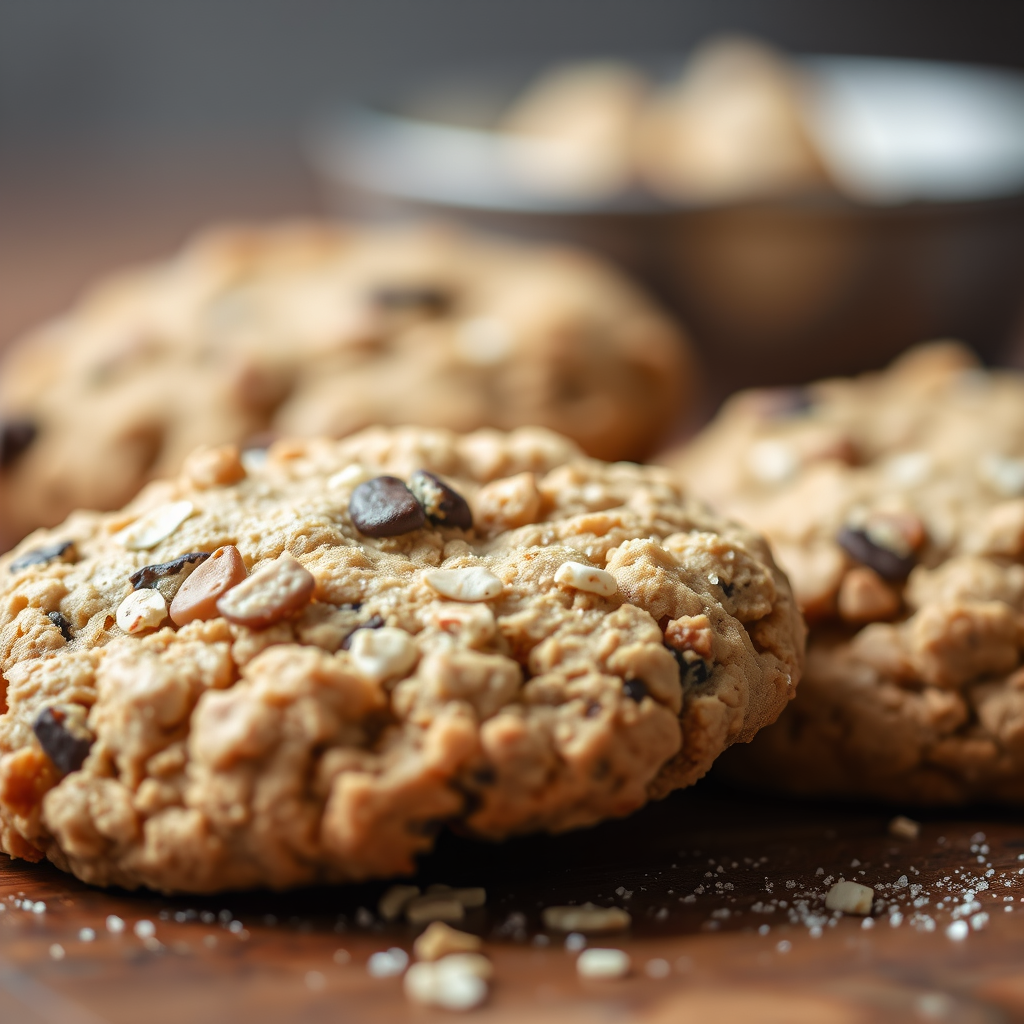
One of the joys of baking oatmeal cookies is the ability to customize them with various mix-ins and flavor enhancements. Here are some popular options:
– Chocolate chips: Adding semi-sweet or dark chocolate chips is a classic choice that complements the oats beautifully. Aim for about one cup for a balanced flavor.
– Nuts: Chopped walnuts or pecans add a delightful crunch and nutty flavor. About half a cup is sufficient, but adjust based on personal preference.
– Dried fruits: Consider incorporating dried cranberries, raisins, or apricots for a chewy texture and additional sweetness. Approximately three-quarters of a cup works well.
– Spices: Experimenting with spices can elevate your cookies. A teaspoon of cinnamon or a pinch of nutmeg can enhance the overall flavor profile.
Baking Tips for Perfect Cookies
Baking oatmeal cookies is not just about the ingredients; the process is equally important. Here are some expert tips:
– Preheating the oven: Always preheat your oven to 350°F (175°C) to guarantee even baking. An oven thermometer can ensure your oven is at the correct temperature.
– Using parchment paper: Line your baking sheets with parchment paper to prevent sticking and promote even browning. This creates a non-stick surface that helps the cookies maintain their shape.
– Chilling the dough: For even better results, consider chilling the dough for at least 30 minutes before baking. This helps to solidify the fats, leading to a chewier texture.
– Baking time: Keep a close eye on your cookies. Generally, they’ll need about 10-12 minutes in the oven. Remove them when they are slightly underbaked in the center for the best chewy texture.
Cookie Baking Chart
Oven Temperature and Baking Times for Oatmeal Cookies
| Oven Temperature (°F) | Baking Time (minutes) | Texture |
|---|---|---|
| 350 | 10-12 | Chewy |
| 375 | 9-11 | Crispy |
| 325 | 12-14 | Soft |
Storing and Serving Suggestions
Storing oatmeal cookies properly is essential to maintaining their freshness and texture. Here are some effective methods:
– Storage: Keep cookies in an airtight container at room temperature for up to one week. For longer storage, consider freezing them. Place them in a freezer-safe container or bag, and they can last for up to three months.
– Serving warm: For the ultimate treat, serve your cookies warm from the oven with a glass of cold milk. This classic pairing enhances the flavors and provides a comforting experience.
– Pairing suggestions: Consider complementing your cookies with a scoop of vanilla ice cream or a dollop of whipped cream for an indulgent dessert.
Troubleshooting Common Issues
Baking can sometimes lead to unexpected results. Here are some common issues and how to troubleshoot them:
– Cookies too hard: If your cookies turn out too hard, try reducing the baking time slightly. You may also need to increase the proportion of brown sugar, as it contributes to moisture.
– Cookies too soft: If they are too soft and not holding their shape, consider adding a bit more flour to the dough or chilling the dough before baking.
– Inconsistent texture: Ensure you measure your ingredients accurately, as even a slight variation can affect the texture. Using kitchen scales for precision is recommended.
Baking oatmeal cookies is a straightforward yet rewarding process that can yield delicious results when following the right recipe. By carefully selecting your ingredients, preparing the dough properly, and utilizing effective baking tips, you can create chewy and flavorful cookies that everyone will love. So, gather your ingredients and embark on your baking journey to make the perfect oatmeal cookies today!
Frequently Asked Questions
What are the basic ingredients needed for a classic oatmeal cookie recipe?
A classic oatmeal cookie recipe typically requires rolled oats, all-purpose flour, brown sugar, granulated sugar, butter, eggs, baking soda, vanilla extract, and salt. You can also add mix-ins like chocolate chips, raisins, or nuts to enhance the flavor and texture of your cookies.
How can I make my oatmeal cookies chewier?
To achieve chewier oatmeal cookies, consider using more brown sugar than granulated sugar, as brown sugar retains moisture. Additionally, slightly underbaking the cookies and allowing them to cool on the baking sheet can help maintain their chewy texture.
Why are my oatmeal cookies flat instead of thick?
Flat oatmeal cookies can result from using too much butter or not enough flour in your recipe. Make sure to measure your ingredients accurately and chill the dough for at least 30 minutes before baking, which helps the cookies maintain their shape in the oven.
What is the best way to store oatmeal cookies to keep them fresh?
To keep oatmeal cookies fresh, store them in an airtight container at room temperature for up to one week. If you want to extend their shelf life, consider freezing them; just make sure to separate layers with parchment paper to prevent sticking.
Which variations can I try to make my oatmeal cookies healthier?
To make your oatmeal cookies healthier, you can substitute whole wheat flour for all-purpose flour, use mashed bananas or unsweetened applesauce instead of butter, and reduce the sugar content. Adding nuts, seeds, or dried fruits can also boost the nutritional value while adding flavor and texture.
References
- Oatmeal raisin cookie
https://en.wikipedia.org/wiki/Oatmeal_cookie - https://www.ncbi.nlm.nih.gov/pmc/articles/PMC6486692/
https://www.ncbi.nlm.nih.gov/pmc/articles/PMC6486692/ - https://www.ncbi.nlm.nih.gov/pmc/articles/PMC4802746/
https://www.ncbi.nlm.nih.gov/pmc/articles/PMC4802746/ - https://pubmed.ncbi.nlm.nih.gov/26763253/
https://pubmed.ncbi.nlm.nih.gov/26763253/ - https://www.fda.gov/food/food-labeling-nutrition/food-safety-and-healthy-eating
https://www.fda.gov/food/food-labeling-nutrition/food-safety-and-healthy-eating - https://www.sciencedirect.com/topics/food-science/oatmeal-cookie
https://www.sciencedirect.com/topics/food-science/oatmeal-cookie - Google Scholar Google Scholar
https://scholar.google.com/scholar?q=oatmeal+cookie+recipe - Google Scholar Google Scholar
https://scholar.google.com/scholar?q=oatmeal+cookies+nutrition - Google Scholar Google Scholar
https://scholar.google.com/scholar?q=oatmeal+cookie+health+benefits - https://www.britannica.com/topic/cookie-dessert
https://www.britannica.com/topic/cookie-dessert