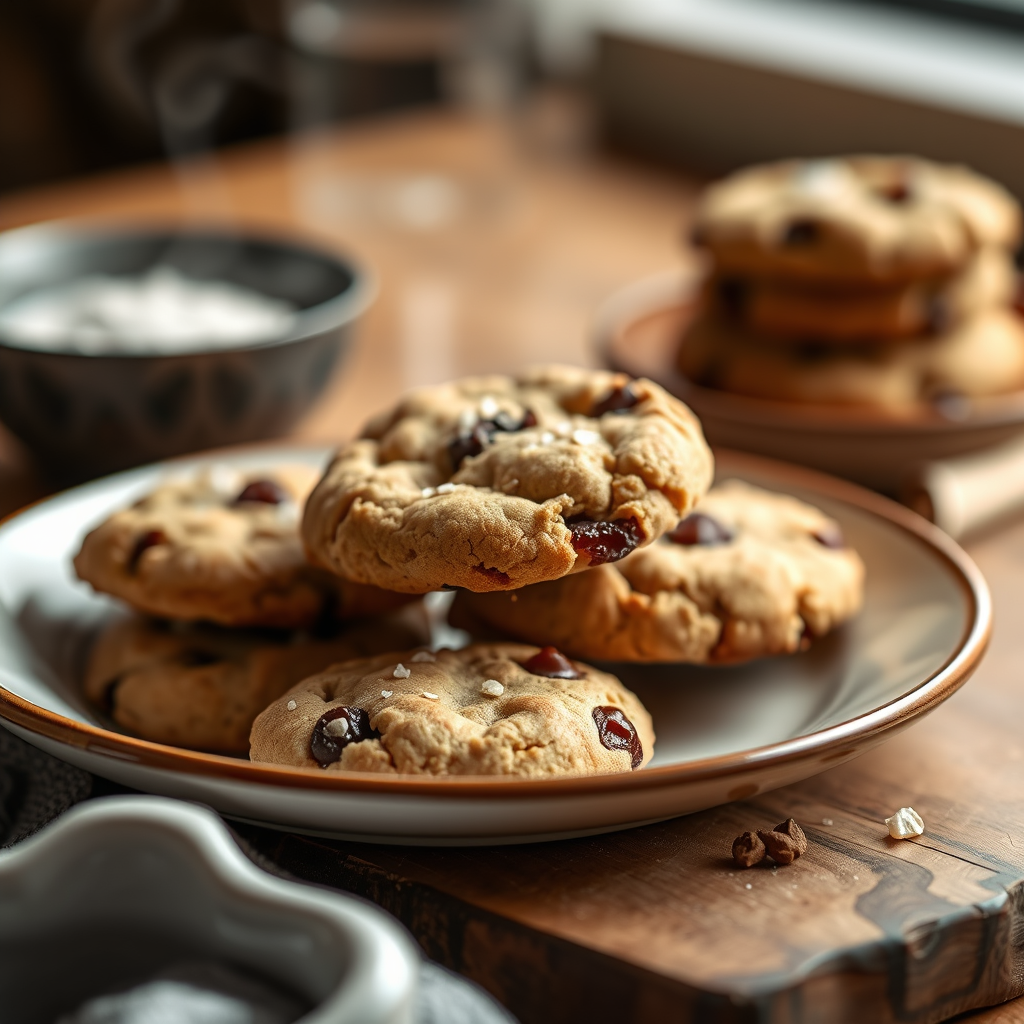
Making lactation cookies is a fantastic way to support breastfeeding mothers by boosting milk supply while indulging in a tasty treat. These cookies are not only delicious but also packed with ingredients known as galactagogues, which are believed to promote lactation. In this article, you’ll learn a simple and scrumptious lactation cookie recipe that incorporates these beneficial ingredients, ensuring that new moms can enjoy a sweet snack while nourishing their bodies and their babies. Get ready to bake and nourish!
Ingredients You’ll Need
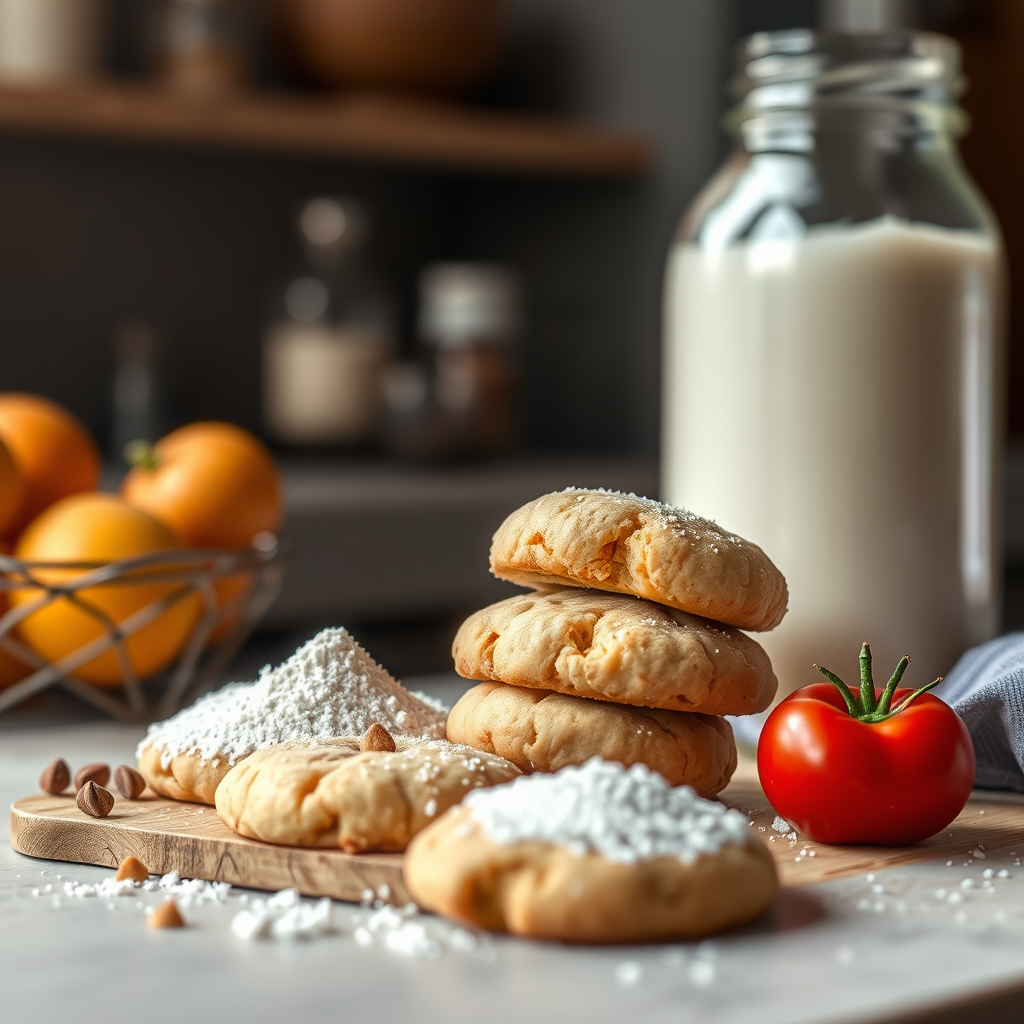
To create the perfect lactation cookies, you’ll need the following ingredients:
– Rolled oats: This is the cornerstone of any lactation cookie recipe. Rolled oats are rich in fiber and are believed to help increase milk production due to their high nutritional content.
– Flaxseed meal: A vital ingredient that provides omega-3 fatty acids and lignans, flaxseed meal is known for its potential to enhance milk supply. It also contributes a nutty flavor and boosts the overall health benefits of your cookies.
– Brewer’s yeast: This ingredient is packed with essential vitamins and minerals that support lactation. Brewer’s yeast is known for its high protein content and is often recommended for nursing mothers to help with milk production.
📋 DATA
Nutritional Benefits of Key Ingredients in Lactation Cookies
| # | Ingredient | Calories (per 100g) | Protein (g) | Fiber (g) | Omega-3 (g) |
|---|---|---|---|---|---|
| 1 | Rolled Oats | 389 | 16.9 | 8.0 | 0.1 |
| 2 | Flaxseed Meal | 534 | 18.3 | 27.0 | 22.8 |
| 3 | Brewer’s Yeast | 325 | 44.0 | 12.0 | 0.0 |
| 4 | Sugar (Brown) | 377 | 0.0 | 0.0 | 0.0 |
| 5 | Unsalted Butter | 717 | 0.9 | 0.0 | 0.0 |
| 6 | Egg | 155 | 13.0 | 0.0 | 0.0 |
| 7 | Dark Chocolate Chips | 546 | 5.0 | 3.0 | 0.0 |
Step-by-Step Instructions

Follow these steps to whip up a batch of lactation cookies that are not only nutritious but also delicious:
– Preheat your oven: Begin by setting your oven to 350°F (175°C). This ensures that your cookies will bake evenly and achieve the perfect texture.
– Mix dry ingredients: In a large mixing bowl, combine 2 cups of rolled oats, 1 cup of all-purpose flour, 1/4 cup of flaxseed meal, and 1/4 cup of brewer’s yeast. Whisk these dry ingredients together until they are well blended.
– Cream butter and sugars: In a separate bowl, blend together 1 cup of softened unsalted butter, 1 cup of brown sugar, and 1/2 cup of white sugar. Beat them until the mixture is light and fluffy. This process helps to incorporate air into the batter, which contributes to a lighter cookie.
– Combine wet and dry ingredients: Gradually add the dry mixture to the wet mixture, mixing just until combined. Be careful not to overmix, as this can lead to tough cookies.
– Add eggs and vanilla: Beat in 2 large eggs, one at a time, followed by 1 teaspoon of vanilla extract. This adds a wonderful flavor and enhances the overall quality of your cookies.
– Fold in chocolate chips: Finally, gently fold in 1 cup of dark or semi-sweet chocolate chips and any optional ingredients like nuts or seeds.
– Scoop and bake: Using a tablespoon or cookie scoop, drop the dough onto a lined baking sheet. Bake for 10-12 minutes, or until the edges are golden and the centers are just set.
Adding Flavor and Nutrition
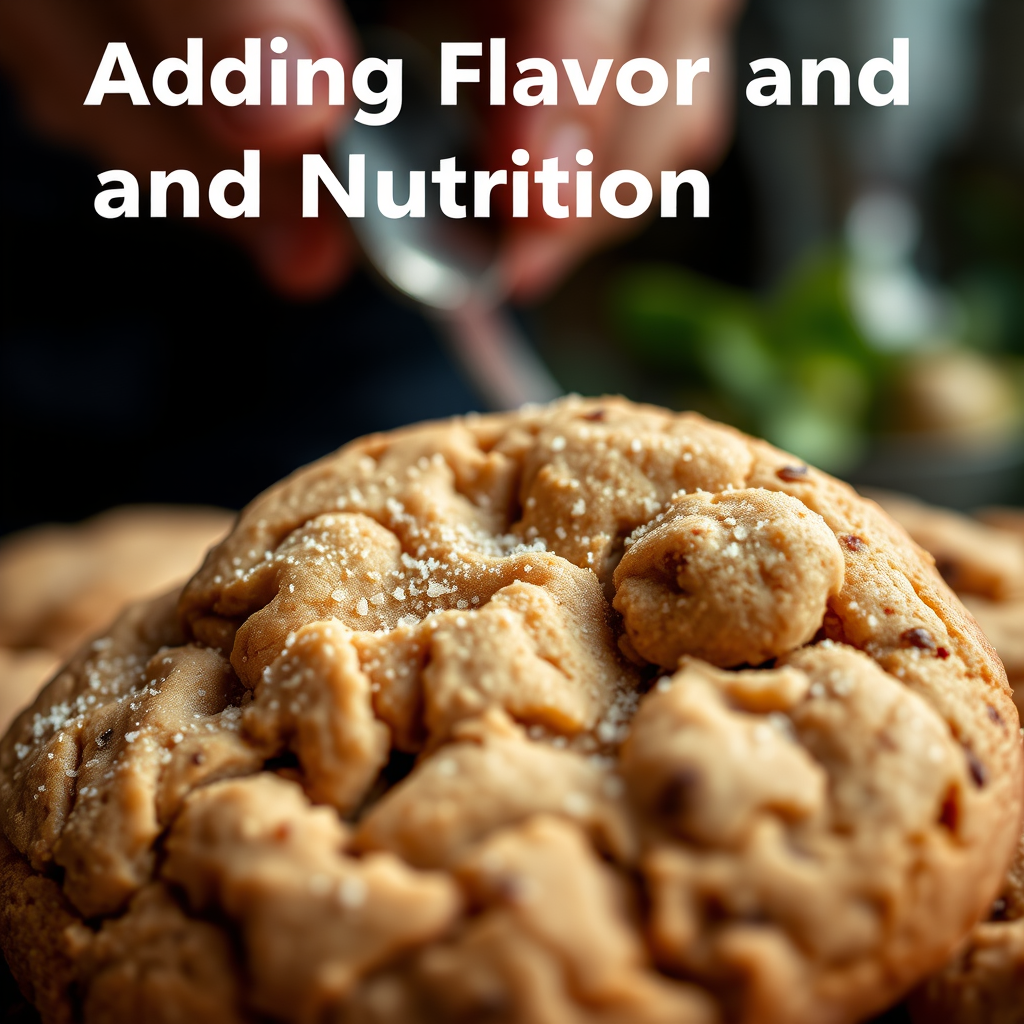
To enhance both the flavor and nutritional profile of your lactation cookies, consider the following additions:
– Chocolate chips: Dark or semi-sweet chocolate chips add a delightful sweetness and richness. They can also provide antioxidants, making your cookies not just tasty but also beneficial.
– Nuts and seeds: Adding ingredients like chopped walnuts or pumpkin seeds can introduce healthy fats, protein, and a satisfying crunch to your cookies. These additions can further support lactation and provide essential nutrients.
– Dried fruits: For a chewy texture and added sweetness, consider incorporating dried fruits such as cranberries or raisins. These not only add flavor but also additional fiber, which is beneficial for digestion.
Baking Tips for Success
Baking is both an art and a science, and these tips will help you achieve the best results:
– Don’t overmix the dough: When combining your wet and dry ingredients, mix just until incorporated. Overmixing can lead to a denser and tougher cookie rather than a soft and chewy one.
– Use parchment paper: Lining your baking sheet with parchment paper helps prevent sticking and ensures even baking. It also makes cleanup much easier, allowing you to spend more time enjoying your cookies.
– Monitor baking time: Every oven is different, so keep an eye on your cookies as they bake. Remove them from the oven when the edges are lightly golden, even if the centers look slightly underbaked. They will continue to cook on the baking sheet after being removed from the oven.
Storage and Shelf Life
Proper storage is essential for maintaining the freshness of your lactation cookies:
– Cool completely: Allow your cookies to cool on a wire rack before storing them. This prevents them from becoming soggy and maintains their texture.
– Airtight container: Store your cookies in an airtight container at room temperature for up to one week. If you want to keep them longer, consider freezing them. Place the cooled cookies in a single layer in a freezer-safe container or bag, separated by parchment paper, and they can last for up to three months.
Variations to Try
Experimenting with different ingredients can lead to delightful new flavors in your lactation cookies:
– Gluten-free option: If you or someone you know is gluten-sensitive, you can substitute regular flour with almond or coconut flour. These alternatives can add a unique flavor while keeping the cookies gluten-free.
– Flavor enhancements: For those who enjoy a bit of spice, adding a teaspoon of cinnamon or nutmeg can provide a warm, inviting flavor. Vanilla extract can also be enhanced with a splash of almond extract for a different taste profile.
📈 CHART
Health Benefits of Ingredients in Lactation Cookies
Summarizing the benefits of lactation cookies, this recipe is a delicious way to support nursing mothers while enjoying a tasty snack. The combination of nutritious ingredients not only helps to boost milk supply but also offers a variety of health benefits. Gather your ingredients and try this lactation cookie recipe today; your taste buds and your milk supply will thank you!
Frequently Asked Questions
What ingredients are essential for a lactation cookie recipe?
A basic lactation cookie recipe typically includes oats, brewer’s yeast, and flaxseed meal, which are known to boost milk supply. Additionally, you’ll find ingredients like nut butter, honey or maple syrup for sweetness, and chocolate chips for flavor. These ingredients not only promote lactation but also create a delicious treat for nursing mothers.
How do lactation cookies help increase milk supply?
Lactation cookies contain galactagogues such as oats and brewer’s yeast, which are believed to enhance milk production. The nutritional combination of healthy fats, fiber, and protein in these cookies supports overall health, helping to ensure that nursing mothers have the energy and nutrients needed for lactation.
Why should I choose homemade lactation cookies over store-bought options?
Homemade lactation cookies allow you to control the ingredients, ensuring they are free from preservatives and artificial additives. Additionally, you can customize your recipe to suit your taste preferences and dietary restrictions, making them a healthier and more personalized option for boosting milk supply.
What is the best lactation cookie recipe for beginners?
A simple lactation cookie recipe for beginners includes oats, almond flour, flaxseed meal, honey, and coconut oil. This recipe is easy to prepare and requires minimal ingredients, making it perfect for those new to baking. You can also add chocolate chips or dried fruit for extra flavor and nutrition.
Which dietary restrictions should I consider when making lactation cookies?
When making lactation cookies, consider options for gluten-free or dairy-free ingredients if you or your baby have sensitivities. Substitute regular flour with almond flour or gluten-free flour blends, and use dairy-free chocolate chips or nut butters to accommodate various dietary needs while still benefiting from the lactation-boosting ingredients.
References
- Lactation
https://en.wikipedia.org/wiki/Lactation - https://www.ncbi.nlm.nih.gov/pmc/articles/PMC7010571/
https://www.ncbi.nlm.nih.gov/pmc/articles/PMC7010571/ - https://www.mayoclinic.org/healthy-lifestyle/nutrition-and-healthy-eating/expert-answers/lactation/faq-20057892
https://www.mayoclinic.org/healthy-lifestyle/nutrition-and-healthy-eating/expert-answers/lactation/faq-20057892 - https://www.cdc.gov/nutrition/infantandtoddlernutrition/breastfeeding/index.html
https://www.cdc.gov/nutrition/infantandtoddlernutrition/breastfeeding/index.html - Detail
https://www.who.int/news-room/fact-sheets/detail/breastfeeding - https://www.ncbi.nlm.nih.gov/pmc/articles/PMC4651728/
https://www.ncbi.nlm.nih.gov/pmc/articles/PMC4651728/ - https://www.sciencedirect.com/topics/food-science/lactation
https://www.sciencedirect.com/topics/food-science/lactation - Google Scholar Google Scholar
https://scholar.google.com/scholar?q=lactation+cookie+recipe - Google Scholar Google Scholar
https://scholar.google.com/scholar?q=baking+for+lactation - Google Scholar Google Scholar
https://scholar.google.com/scholar?q=lactation+nutrition+cookies