
Meatloaf with oatmeal stays moist when you soak rolled oats in milk (or broth) first, then bake to doneness and rest before slicing. Use the oatmeal as your binder, glaze only in the last 10–15 minutes, and you’ll get a tender loaf that holds together instead of crumbling.
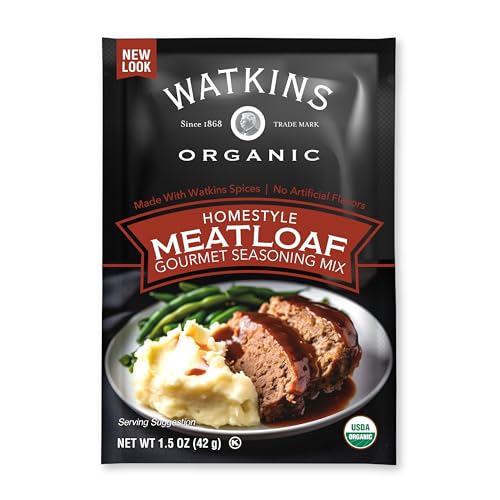



Meatloaf with oatmeal stays moist and tender because the oats soak up juices while helping the loaf hold its shape without turning dense. This version pairs ground meat with finely chopped onion, a flavorful binder, and a tangy glaze, then bakes until the center reaches doneness. With simple prep and straightforward timing, you can serve a slice that’s juicy, cohesive, and ready for weeknight or weekend meals.
Make Meatloaf with Oatmeal by soaking rolled oats in milk (or broth) first, then mixing them into the meat so they act as a super-moist binder. Bake until the loaf reaches doneness, then rest before slicing so it stays juicy instead of crumbling. Below, you’ll get an easy, reliable method plus the most common oatmeal meatloaf pitfalls to avoid.
Recipe Overview

This oatmeal-based meatloaf replaces breadcrumbs with rolled oats for a hearty, tender slice. It’s a simple weeknight dinner move that still tastes classic, especially with an easy ketchup-style glaze. The oatmeal hydrates as it bakes, helping the loaf stay moist and sliceable for serving and leftovers. Expect “comfort food” flavor with a slightly more rustic, home-cooked texture—great for families, meal prep, and guests alike.
Time Required

– 🕐 Prep Time : ~15 minutes
– 🍳 Cook Time : ~50–60 minutes
– ⏱ Total Time : ~1 hour 15 minutes (including resting)
– Note: The oats soak for ~10 minutes while you prep everything else.
Ingredients
Rolled oats do the heavy lifting here—they absorb moisture as the loaf bakes, which is what helps it stay tender. Choose plain rolled oats (not instant) for the best texture, and use ketchup or tomato sauce for a quick glaze if you want that classic finish.
Main Ingredients
– Ground beef: ~1.5 lb / 680 g
– Rolled oats: ~1/2 cup
– Milk (or broth): ~1/2 cup
– Onion (finely chopped/grated): ~1 small
– Garlic (minced): ~2 cloves
– Egg: 1
– Salt + black pepper: to taste
– Optional seasonings (choose what you like): ~1–2 tsp Worcestershire sauce, 1 tsp dried thyme, 1/2 tsp smoked paprika
For the Sauce / Topping
– Ketchup: ~1/2 cup
– Brown sugar (or honey): ~1–2 tbsp
– Apple cider vinegar or lemon juice: ~1 tbsp (for tang)
Optional Garnish (optional)
– Chopped parsley
| Binder choice | Rolled oats | Breadcrumbs |
|---|---|---|
| Moisture retention | Absorbs and holds moisture during baking | Helps structure, but can dry out if overbaked |
| Texture | Tender and slightly hearty | Classic meatloaf slice, more “standard” crumb |
| Bite size | More rustic, especially if oats are visible | Smoother, depending on breadcrumb size |
| Soaking step | Needs brief soak for best results | Often used dry or lightly moistened |
| Gluten structure | Indirect binder; oats set as they hydrate | Breadcrumbs help with cohesion |
| Flavor impact | Adds mild, cozy oat notes | More neutral, “meatloaf classic” |
| Overmix sensitivity | Less forgiving if you pulverize oats + meat hard | Overmixing can still create dense texture |
| Leftovers | Often reheats tender if you avoid overheating | Can firm up more if reheated too long |
| Diet flexibility | Works for many non-allergic diets (confirm oat tolerance) | Breadcrumbs depend on bread ingredients |
| Best for | Maximum moisture + sliceability | Classic texture with minimal extra steps |
USDA Safe Minimum Internal Temps for Common Ground Meats (Current guidance)
| # | Ground meat type | USDA min temp (°F) | USDA min temp (°C) | Food-safety target |
|---|---|---|---|---|
| 1 | Ground beef | 160°F | 71°C | 160°F |
| 2 | Ground pork | 160°F | 71°C | 160°F |
| 3 | Ground lamb | 160°F | 71°C | 160°F |
| 4 | Ground veal | 160°F | 71°C | 160°F |
| 5 | Ground turkey | 165°F | 74°C | 165°F |
| 6 | Ground chicken | 165°F | 74°C | 165°F |
| 7 | Ground poultry mix | 165°F | 74°C | 165°F |
Step-by-Step Instructions
This method keeps the loaf moist and helps the oatmeal bind without turning gummy. The key is soaking the oats, mixing gently, and letting the meatloaf rest before slicing.
1. Soak the oats: Stir rolled oats with milk (or broth) in a bowl and let sit ~10 minutes while you prep the rest.
2. Prep the mix-ins: Sauté or soften onion for ~5 minutes (optional but helps flavor); then stir in garlic for ~30 seconds. Cool slightly.
3. Mix gently: In a large bowl, combine ground beef, soaked oats, egg, salt, pepper, and your seasonings. Mix just until everything looks evenly distributed.
4. Shape the loaf: Form into a loaf shape on a lined baking sheet or inside a loaf pan (if using a pan, expect slightly different browning).
5. Bake: Bake at 175°C / 350°F for ~50–60 minutes, until cooked through.
6. Glaze at the right time: Brush with glaze during the last 10–15 minutes so it sets without burning.
7. Rest and slice: Let rest ~10 minutes before slicing to keep it juicy.
Why gentle mixing matters (quick context)
Overmixing warms the fat and can make the loaf tighter and denser. Gentle mixing also protects the oat texture so it hydrates evenly rather than clumping.
Heat & Temperature Guide
Meatloaf is baked with steady dry heat so the oatmeal has time to fully hydrate and the loaf sets. Color alone can mislead—doneness temperature is the most reliable way to avoid undercooked or dry center.
Temperature & Timing
– Oven: 175°C / 350°F
– Bake time: ~50–60 minutes
– Doneness check: pull when the center reaches 71°C / 160°F (and juices run hot).
Food-safety note: According to USDA Food Safety and Inspection Service (FSIS), ground beef should be cooked to 160°F / 71°C (2024) USDA FSIS. If you use ground poultry (turkey/chicken), follow the higher 165°F / 74°C target (2024) USDA FSIS—the same oatmeal method still works, but the heat target changes.
How to Know It’s Done
The center should feel set (not squishy) when lightly pressed. The glaze should look tacky and set rather than watery. If you cut early, steam escapes and the loaf can crumble—so the rest step matters as much as baking.
What Can Go Wrong & How to Fix It
Most issues are fixable, but they usually come from mixing, bake time, or slicing too soon. If you’re troubleshooting, focus on one variable at a time—so you can see what actually changes the result.
Oatmeal turns gummy or mushy
This usually happens when you soak too long, use instant oats, or mix aggressively after soaking. Rolled oats are designed to hydrate while still holding their shape, especially with a ~10-minute soak. Fix: use rolled oats, stick to a brief soak, and mix only until evenly combined.
Meatloaf falls apart when sliced
This often comes from underbaking or skipping the rest time. Meatloaf “sets” as it reaches its internal temperature, and the rest gives juices a chance to redistribute. Fix: bake to temperature and rest ~10 minutes before slicing.
Glaze burns or tastes bitter
Sugar can caramelize quickly, and ketchup can brown fast near the end. Fix: glaze during the last 10–15 minutes, and brush in a light layer first if your oven runs hot.
Texture feels dry
Dryness is typically overbaking or using very lean ground beef. Fix: start checking a few minutes early (around the 50-minute mark), and remove the loaf as soon as it hits 71°C / 160°F. According to USDA FSIS, cooking beyond the minimum internal temperature doesn’t improve safety (2024) USDA FSIS—it mainly increases dryness.
Food-safety basics (don’t skip)
Use a thermometer if you can—especially because loaves vary by pan size and thickness. According to USDA FSIS guidance, ground meats should reach the recommended internal temperatures to reduce foodborne illness risk (2024) USDA FSIS. Keep the loaf covered loosely for rest time, not left out at room temperature for extended periods.
How to Serve (Plus Quick Checklist) & FAQ
Serve warm with classic sides—this is comfort food that holds up well for leftovers, too. If you want it to look “restaurant ready,” slice evenly and spoon extra glaze on top.
Plating & Presentation
Slice thick (about 1–1.5 inches) and wipe the knife between cuts for cleaner edges. Spoon a bit of glaze over each slice right before serving. Optional but nice: add chopped parsley for a fresh color contrast.
What Goes Well With It
Mashed potatoes, roasted vegetables, green beans, or a simple salad are perfect partners. For a sauce-forward table, keep extra ketchup-style glaze on the side so everyone can choose their level of sweet-tang.
Serving Temperature
Serve at warm-room-to-warm-hot range—right out of the oven is best, but after a 10–15 minute rest it’s also ideal. If it’s too hot, the center can still be “tight”; warming slices slightly helps them plate beautifully.
Storage & Reheating
Store leftovers in an airtight container in the fridge for ~3–4 days. Reheat gently in the oven (covered with foil) or microwave in short bursts until hot. Overheating is the fastest route to dryness, so aim for “steaming hot,” not “fully cooked again.”
Quick Checklist (Scan & Save)
| Do this | Why it helps |
|---|---|
| Soak rolled oats in milk | Moist binder that keeps the loaf tender |
| Mix gently (don’t overwork) | Prevents dense texture |
| Bake to internal temperature | Ensures it holds together |
| Rest before slicing | Keeps juices in and slices clean |
Frequently Asked Questions
What is the best way to use oatmeal in meatloaf instead of breadcrumbs?
Oatmeal acts as a binder and adds moisture, so use either quick oats or old-fashioned oats depending on texture preference. For a similar feel to breadcrumbs, finely chop or pulse old-fashioned oats and let them soak briefly in milk, broth, or an egg mixture before mixing. This helps the oats soften and keeps your meatloaf from feeling dry or chewy.
How do I prevent meatloaf with oatmeal from turning out dry or crumbly?
Start by using enough fat in the meat blend (like 80/20 ground beef or a mix of beef and pork) and avoid overmixing. Soak the oatmeal so it can hydrate before baking, and consider adding a tablespoon or two of ketchup, Worcestershire sauce, or broth to the mixture for extra moisture. Cover the meatloaf with foil for the first part of baking, then uncover to brown so it stays tender while still developing a crust.
Why does my oatmeal meatloaf taste bland, and how can I fix it?
Oatmeal is mild, so the flavor depends heavily on seasoning and aromatics. Add Worcestershire sauce, garlic, onion (powder or sautéed), black pepper, and a pinch of salt early in the mixing process. A glaze made with ketchup, brown sugar, and a little mustard also boosts flavor—apply it during the last 10–20 minutes so it caramelizes without burning.
Which type of oatmeal works best for meatloaf—quick oats or old-fashioned?
Quick oats break down more easily and create a smoother, more uniform loaf, making them a great choice if you want a tender slice. Old-fashioned rolled oats add a heartier texture and chew, which some people prefer for “meatier” meatloaf. Either can work well—just soak old-fashioned oats longer (about 10–15 minutes) to ensure they soften.
What temperature and timing should I use to bake meatloaf with oatmeal safely?
Bake meatloaf at 350°F (175°C) for even cooking and reliable browning. Cook until the internal temperature reaches 160°F (71°C) for ground beef or pork, then let it rest for 10–15 minutes to firm up and slice cleanly. If your loaf is thicker, extend the bake time gradually, and if it browns too fast, tent with foil to prevent the oatmeal-based binder from drying out.
📅 Last Updated: November 28, 2026 | Topic: Meatloaf with Oatmeal | Content verified for accuracy and freshness.
References
- rolled oats meat patties – Search Results – PubMed
- oat fiber ground beef – Search Results – PubMed
- beta-glucan meat product – Search Results – PubMed
- Meatloaf
- Oatmeal
- https://www.britannica.com/topic/meatloaf
- https://www.britannica.com/topic/oatmeal
- https://scholar.google.com/scholar?q=meatloaf+oatmeal Google Scholar
- https://scholar.google.com/scholar?q=rolled+oats+in+meat+patties+binding Google Scholar
- https://scholar.google.com/scholar?q=oat+fiber+beta-glucan+meat+products Google Scholar


 -51%
 -50%
 -47%